PubMatic, a leading sell-side platform (SSP), is signaling a significant shift in the programmatic advertising landscape with the accelerated adoption and expansion of its agentic artificial intelligence (AI) capabilities. The company announced during its first-quarter 2026 earnings call that its AgenticOS platform has facilitated over 30 fully autonomous, end-to-end agentic campaigns, marking a departure from the technology’s initial confinement to direct ad buys. This strategic pivot is not only bolstering PubMatic’s financial performance but also redefining efficiency for advertisers and publishers alike.
The Dawn of Autonomous Advertising: AgenticOS Takes Center Stage
The narrative surrounding agentic ad tech, once largely confined to the realm of direct publisher deals, is undergoing a profound transformation. PubMatic’s CEO, Rajeev Goel, revealed to investors on Thursday that the company has successfully executed more than 30 end-to-end agentic campaigns entirely through its AgenticOS platform. This milestone represents a substantial leap forward in automating the complex advertising supply chain. In addition to these fully autonomous campaigns, AgenticOS has already processed over 1,000 direct publisher deals as of the first quarter, underscoring its growing utility and integration into the programmatic ecosystem.
The impact of these AI-driven initiatives is demonstrably reflected in PubMatic’s financial results. The company reported an impressive 80% year-over-year growth in its emerging revenue category, largely attributed to the scaling of AI-powered deals. This burgeoning segment now constitutes 14% of PubMatic’s total revenue, a testament to the increasing demand for and effectiveness of its agentic solutions. Overall, PubMatic achieved a 13% year-over-year revenue increase in Q1, reaching $62.6 million. This growth was further supported by double-digit year-over-year expansion in monetized impressions, with Connected TV (CTV) as a standalone category growing by 18% and mobile app revenue surging by 25%.
The Agentic Advantage: Efficiency Gains and Cost Reductions
Beyond its impact on the bottom line, PubMatic’s AgenticOS platform is demonstrably enhancing campaign efficiency for buyers. According to CEO Rajeev Goel, advertisers utilizing the solution are experiencing significant improvements, with CPMs seeing a 30% to 40% uplift. This enhanced efficiency is attributed to a streamlined, single-layer technology approach that mirrors the internal efficiencies of "walled garden" advertising platforms. Furthermore, buyers are able to acquire approximately 40% more publisher inventory because end-to-end agentic deals processed through PubMatic’s platform bypass multiple intermediary fees that typically erode advertiser spend.
"It’s a single layer of technology, and it looks a lot like what the walled gardens leverage to drive ad performance," Goel remarked during the earnings call, drawing a parallel to the integrated systems favored by major tech giants. This consolidation of the ad tech supply chain is further amplified by PubMatic’s Activate direct-to-buyer connection, which has tripled its business since the first quarter of the previous year. Concurrently, its Connect data platform has expanded its network to include over 300 data and commerce media partners, notably including major players like Walmart Connect and PayPal Ads.
The robust growth in PubMatic’s mobile app business, up 25% year-over-year, also played a pivotal role in the company’s overall performance, contributing to a 5% increase in display advertising revenue. Combined revenue from mobile and omnichannel video now accounts for a substantial 79% of PubMatic’s Q1 earnings. The company’s strategic integrations with the three leading mobile mediation platforms – AppLovin Max, Google AdMob, and Unity LevelPlay – provide it with access to more than 90% of global mobile SDK inventory, solidifying its position in this critical sector.
Further underscoring its commitment to AI innovation, Goel highlighted the AgenticOS Creative Innovation Suite. This AI-powered tool assists in generating consistent creative assets across CTV, mobile, and online display touchpoints, ensuring a cohesive brand experience for targeted audiences. Leading agencies such as Horizon Media, Crossmedia, and Kelly Scott Madison have already adopted this suite, signaling its early traction within the industry. Goel expressed confidence that these advancements provide a strong foundation for continued AI-driven growth, with the company reaffirming its previous projection of double-digit growth in the second half of 2026.
However, the enthusiastic embrace of agentic AI by PubMatic is met with a degree of investor skepticism. While acknowledging the significant progress in direct deals and autonomous campaigns, some investors remain cautious about the immediate revenue impact, deeming the current contribution of AgenticOS to be "an immaterial percentage" of the company’s overall business. In response, PubMatic CFO Steve Pantelick emphasized that AI’s influence extends beyond direct campaign automation, contributing to operational efficiencies across the company. He noted that AI is accelerating campaign setup and troubleshooting for publishers, anticipating that these improvements will continue to drive double-digit growth alongside the robust performance of mobile and CTV.
Navigating Market Headwinds: The DSP-SSP Dynamic and Geographic Diversification
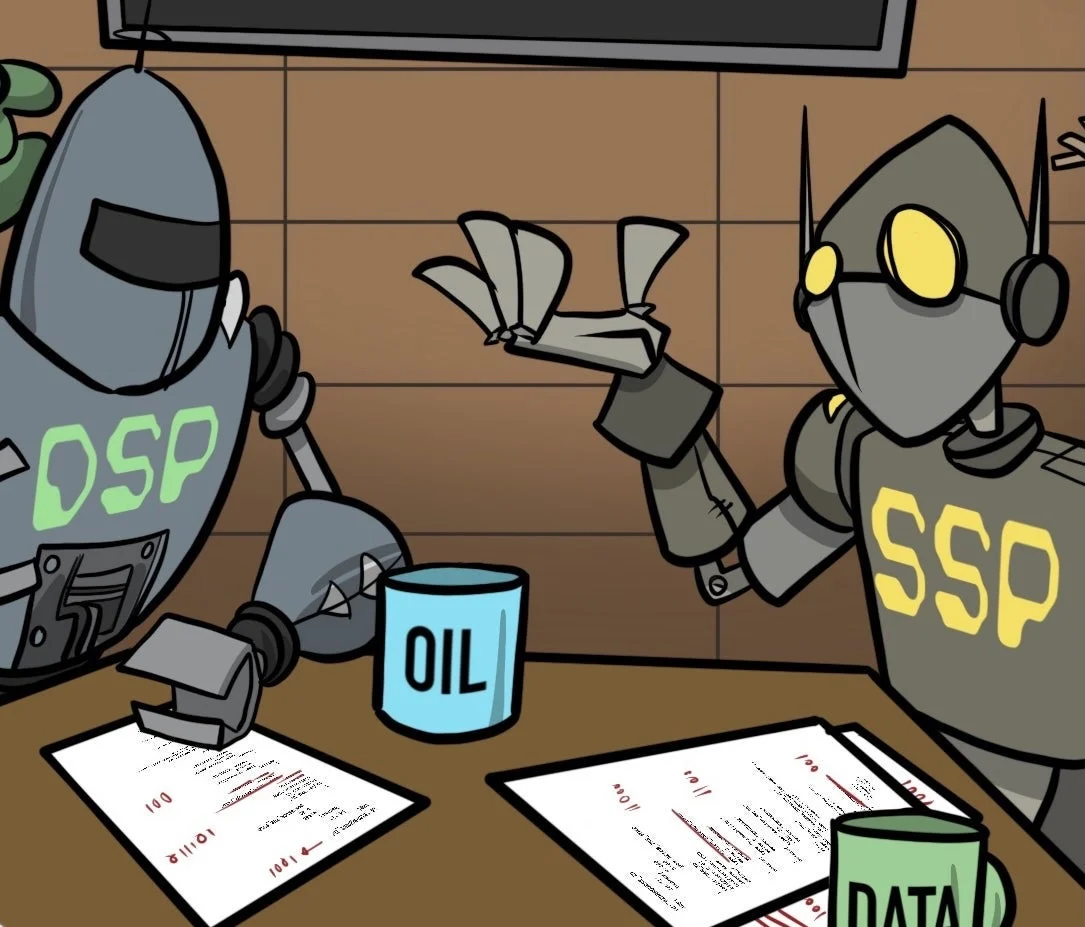
Despite its bullish outlook on AI, PubMatic continues to grapple with the perennial challenges of competition between Demand-Side Platforms (DSPs) and Supply-Side Platforms (SSPs) for direct advertiser business. The company is experiencing headwinds from a major, unnamed DSP – widely understood to be The Trade Desk – which has reduced its spending on PubMatic’s SSP. This recalibration is likely a consequence of increased adoption of The Trade Desk’s OpenPath solution, a direct-to-publisher offering designed to disintermediate SSPs. This development contributed to a 12% year-over-year decline in PubMatic’s US revenue during Q1.
This domestic contraction, however, was strategically offset by robust international growth. The Asia-Pacific region experienced a significant 25% expansion, while Europe, the Middle East, and Africa (EMEA) saw a 10% increase. This geographic diversification has proven crucial in mitigating the impact of localized market pressures. The pullback by the aforementioned DSP is anticipated to exert a drag on Q2 earnings, with PubMatic projecting a revenue decrease of between 2% and 4% for the upcoming quarter.
In response to investor inquiries regarding the DSP’s impact, Pantelick clarified that revenue from the specific DSP was better than anticipated in Q1, a result attributed to PubMatic’s proactive efforts to "optimize our platform to meet the needs of this buyer." The company anticipates fully lapping the impact of this DSP’s reduced activity by the third quarter of 2026. To counteract potential revenue shortfalls, PubMatic has actively expanded its partner ecosystem, onboarding over 50 additional DSPs in the past year and increasing its integrations with mid-market DSPs by 20% in Q1.
Further strengthening its strategic alliances, PubMatic secured a significant integration with Amazon DSP this quarter. This collaboration incorporates Amazon’s Dynamic Traffic Engine, which has reportedly boosted publisher CPMs by up to 10% since its implementation. This partnership underscores PubMatic’s commitment to forging valuable relationships across the advertising ecosystem to enhance value for its publisher partners.
Future Trajectory: Leadership Transitions and Emerging AI Opportunities
Looking ahead, PubMatic faces a period of strategic leadership transition. The company announced the departure of Kyle Dozeman, CRO of the Americas, and Paulina Klimenko, Chief Growth Officer. PubMatic is actively exploring options to consolidate their responsibilities into a new global Chief Revenue Officer (CRO) position, signaling a potential restructuring to streamline international revenue operations.
Goel articulated PubMatic’s continued focus on serving mid-market, performance-oriented DSPs and midsize independent agencies. These segments have demonstrated a more agile adoption of AI solutions compared to their larger, agency holding company counterparts, presenting a significant growth opportunity.
In a move that aligns with the broader industry’s anticipation of AI’s expanding role, PubMatic is keenly positioning itself to collaborate with emerging AI giants, including OpenAI. With OpenAI’s ambitious goal of generating $100 billion in advertising revenue by 2030, Goel believes that partnerships with platforms like PubMatic will be indispensable.
"It’s going to be an ecosystem-wide effort for them to get to that level," Goel stated, emphasizing the collaborative nature required for such ambitious revenue targets. PubMatic has already engaged with smaller AI players such as Kontext and Dappier, actively innovating on ad formats and appropriate signals to effectively monetize emerging AI-driven inventory. This forward-looking approach underscores PubMatic’s strategic intent to remain at the forefront of technological advancements and capitalize on the evolving demands of the digital advertising marketplace. The company’s proactive stance on AI integration, coupled with its strategic partnerships and operational efficiencies, positions it for continued relevance and growth in the dynamic programmatic advertising landscape.