

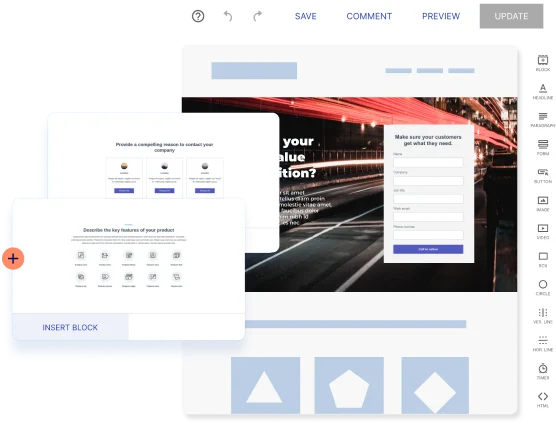
The global recruitment landscape is currently undergoing a significant shift as corporations move away from traditional, multi-link career portals in favor of hyper-focused recruitment landing pages. In an era where the average cost-per-click (CPC) for job-related advertisements can exceed $5.00, the efficiency of the "post-click" experience has become a critical financial metric for Human Resources departments and recruitment agencies alike. Industry data suggests that while companies spend billions of dollars annually on ad creative and platform placement, a substantial portion of this budget is neutralized by "leaky" career sites that fail to convert high-intent traffic into completed applications.
The fundamental problem identified by talent acquisition experts is the disconnect between the advertisement and the destination. Most organizations funnel paid traffic to generic corporate career sites characterized by complex navigation menus, dozens of unrelated job listings, and multi-step application processes that require account creation. This friction results in high bounce rates, as candidates—particularly those in the high-demand gig economy and tech sectors—become overwhelmed or frustrated by the lack of a clear path to the specific role they originally clicked.
The Architecture of High-Conversion Recruitment Landing Pages
To combat the rising costs of talent acquisition, industry leaders are adopting the "landing page" model—a standalone web page built with a singular conversion goal. Unlike a standard website, a recruitment landing page removes all distractions, such as "About Us" sections, external news feeds, or global navigation bars, to focus entirely on the value proposition of a specific role.
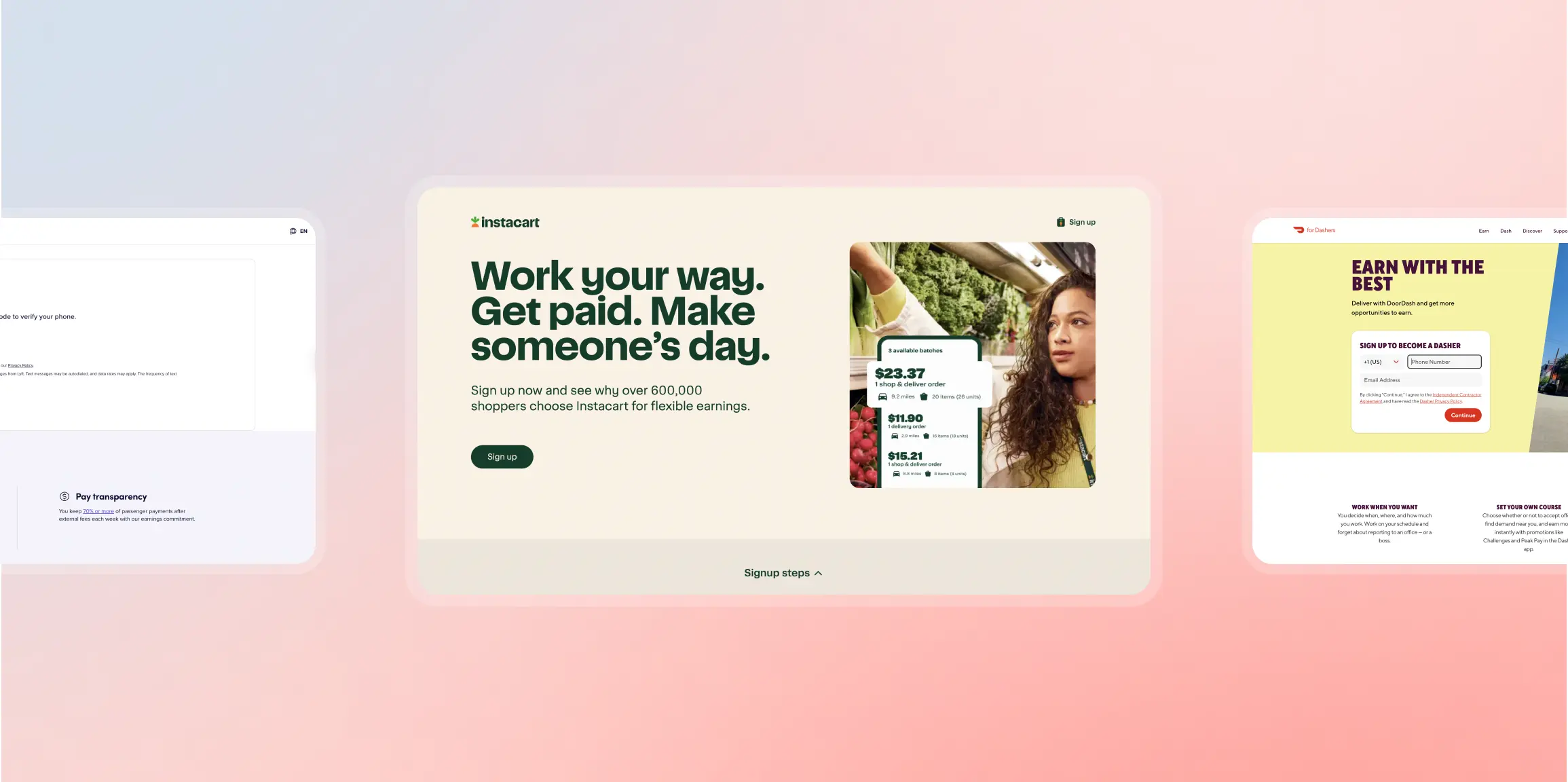
The effectiveness of these pages is rooted in several core psychological and technical principles. First among these is "Message Match." This principle dictates that the landing page headline must mirror the language used in the advertisement. If a candidate clicks on a sponsored link promising a "Remote Software Engineer role with flexible hours," the landing page must immediately reaffirm that specific promise. Any discrepancy in messaging creates cognitive dissonance, leading the candidate to believe the offer is either bait-and-switch or that they have landed on the wrong page.
Furthermore, the concept of "Above the Fold" optimization remains paramount. In digital marketing, the "fold" refers to the portion of the webpage visible without scrolling. Data from user behavior studies indicate that candidates decide within three to five seconds whether to remain on a page. Therefore, high-performing recruitment pages place the job title, primary benefits (such as compensation or flexibility), and a prominent Call to Action (CTA) button in this immediate field of vision.
Case Studies in Recruitment Excellence: Uber, Lyft, and the Gig Economy
The gig economy provides the most robust data on the success of recruitment landing pages, as companies like Uber, Lyft, and DoorDash must maintain a constant pipeline of thousands of new contractors to sustain their business models.
Uber and the Minimalist Approach
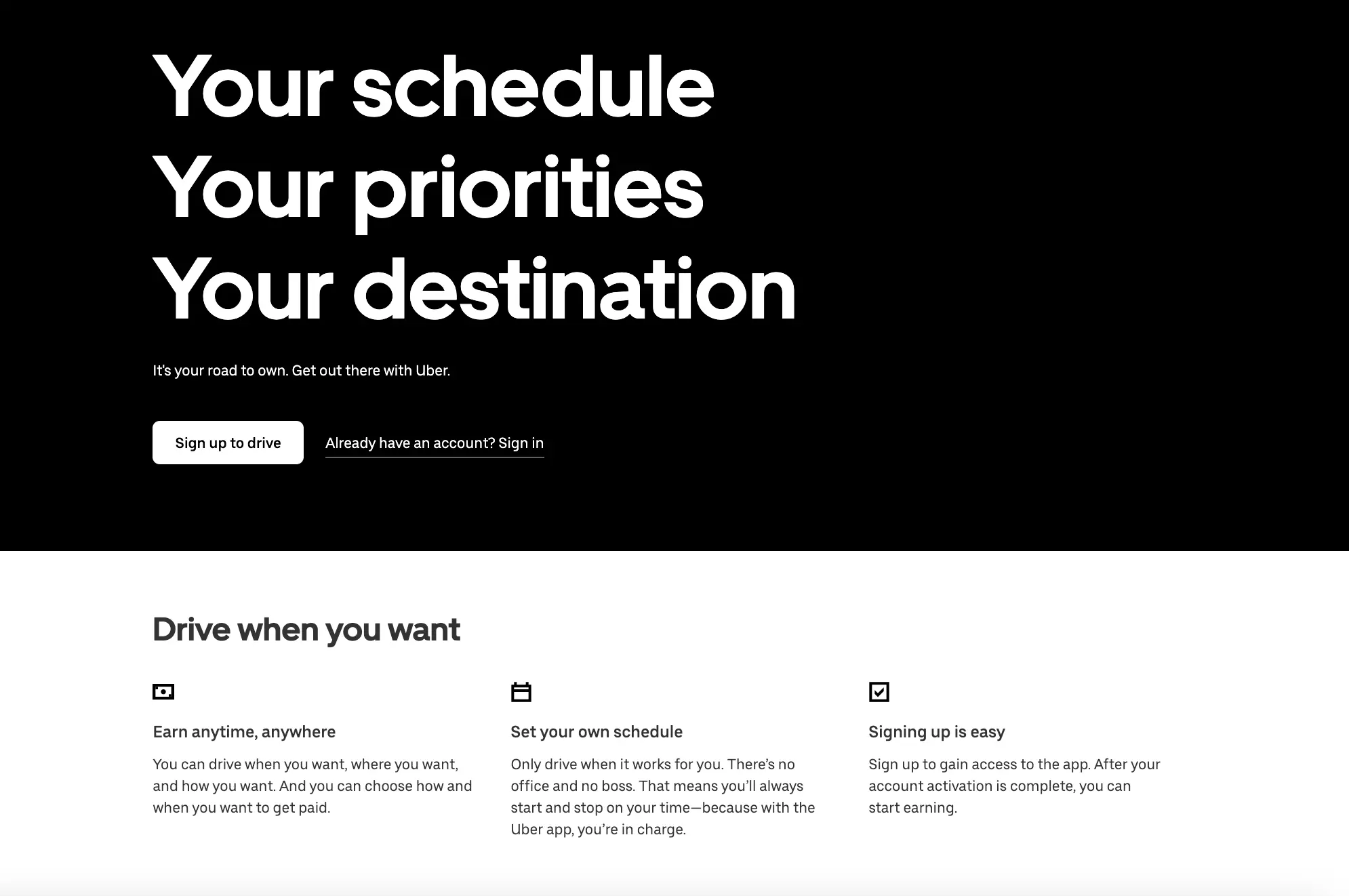
Uber’s driver recruitment strategy utilizes a highly streamlined landing page that emphasizes the "Earn on your own schedule" value proposition. The page is designed to be functional rather than purely aesthetic, featuring a simple lead capture form that requires only basic contact information to begin the process. By reducing the initial barrier to entry, Uber captures the lead first, allowing their automated recruitment funnels to follow up with the candidate to complete more complex documentation later.
Lyft’s Emphasis on Financial Incentives
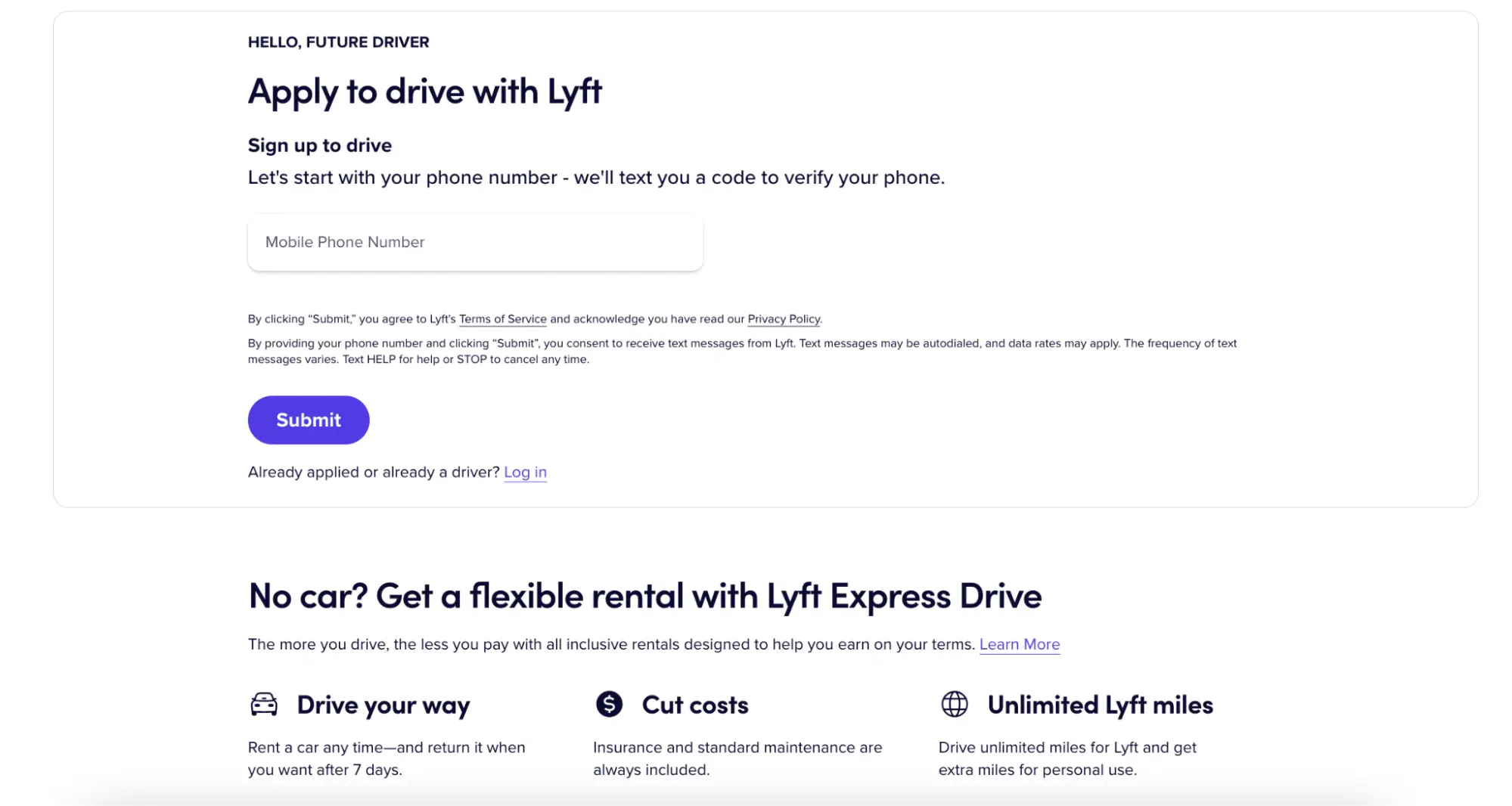
Lyft often distinguishes itself by focusing on earnings transparency. Their recruitment pages frequently include "Earnings Estimators" or clear mentions of sign-on bonuses. This addresses the candidate’s primary motivation—compensation—immediately. For Lyft, the strategic use of white space and large, legible fonts ensures that the page remains accessible for mobile users, who represent over 70% of their recruitment traffic.
DoorDash and the "Dasher" Onboarding
DoorDash focuses on the ease of the onboarding process. Their landing pages highlight the "Sign up in minutes" aspect of the job. By utilizing "Trust Signals"—such as the number of active Dashers or total earnings paid out to date—DoorDash builds immediate credibility with skeptical prospects.
The Technical Necessity of Mobile Optimization and Speed
As mobile device usage continues to dominate the job search market, the technical performance of recruitment pages has become a non-negotiable factor in success. According to Google’s industry benchmarks, a one-second delay in mobile load times can impact conversion rates by up to 20%.
Recruitment landing pages must be optimized for "Core Web Vitals," which include loading performance, interactivity, and visual stability. High-conversion pages utilize compressed images, minified scripts, and Content Delivery Networks (CDNs) to ensure they load in under three seconds. When a recruitment page is bogged down by heavy high-definition videos or unnecessary tracking scripts, the cost per applicant inevitably rises as frustrated candidates abandon the site before the content even renders.
Reducing Friction: The Psychology of the Short Form
One of the most significant contributors to candidate drop-off is "form fatigue." Traditional corporate applications often require candidates to upload a resume and then manually re-enter the same information into structured fields—a process that can take 15 to 30 minutes.
Modern recruitment landing pages have revolutionized this by limiting the initial application to three to five essential fields: name, email address, phone number, and a single-click resume upload or LinkedIn profile import. Some organizations have found success with "two-step" forms, where the candidate provides their email address on the first screen and is then prompted for additional details on the second. This "foot-in-the-door" technique ensures that even if the candidate does not finish the second step, the recruitment team has captured a lead for future remarketing efforts.
The Role of A/B Testing in Recruitment Strategy
The transition from a static career site to a dynamic recruitment landing page allows for the implementation of A/B testing, also known as split testing. This scientific approach to recruitment involves running two versions of a landing page simultaneously to see which performs better.
Recruitment teams are now testing variables such as:

- Headlines: Comparing "Earn $20/hour" versus "Work on Your Own Schedule."
- Imagery: Testing photos of actual employees versus high-quality stock photography.
- CTA Buttons: Comparing "Apply Now" versus "Get Started" or "Join the Team."
- Social Proof: Measuring the impact of adding Glassdoor ratings or video testimonials from current staff.
Platforms like Instapage have modernized this process by integrating AI-powered experimentation tools. These tools can automatically allocate more traffic to the winning variation of a page, ensuring that the recruitment budget is always being directed toward the most effective asset. Over a long-term campaign, a 1% increase in conversion rate via A/B testing can result in a 10% to 15% reduction in total cost per hire.
Broader Implications for the Future of Talent Acquisition
The shift toward specialized recruitment landing pages signals a broader trend: the "marketing-ization" of HR. As the labor market remains competitive, companies are forced to treat job seekers like customers. This requires a transition from a "compliance-first" mindset to a "candidate-first" mindset.
Industry analysts predict that the next phase of this evolution will involve hyper-personalization. Through the use of geo-targeting and browser data, a global corporation could serve a different recruitment landing page to a software engineer in Berlin than it does to a project manager in New York, even if they click the same general advertisement. This level of relevance is expected to become the standard for Fortune 500 companies within the next three to five years.
Furthermore, the removal of "exit links"—a staple of landing page design—is becoming common practice in high-volume hiring. By removing the header navigation and footer links that typically lead back to the main corporate site, companies "trap" the user in the conversion funnel. While this may seem restrictive, data consistently shows that providing fewer choices leads to higher action rates.

Conclusion: The Financial Mandate for Optimization
In conclusion, the reliance on generic career sites for paid traffic is increasingly viewed as an obsolete and expensive strategy. The data is clear: recruitment landing pages that prioritize message match, mobile speed, social proof, and low-friction forms significantly outperform traditional methods.
For organizations looking to scale their workforce while maintaining a sustainable budget, the investment in dedicated landing page technology is no longer optional. As digital advertising continues to grow more expensive and the attention span of the average candidate continues to shrink, the ability to convert a click into an application in under sixty seconds will be the defining factor in the "War for Talent." By adopting the rigorous testing and optimization standards of the e-commerce world, recruitment professionals can finally ensure that every dollar spent on job advertising yields a measurable and maximized return on investment.







