

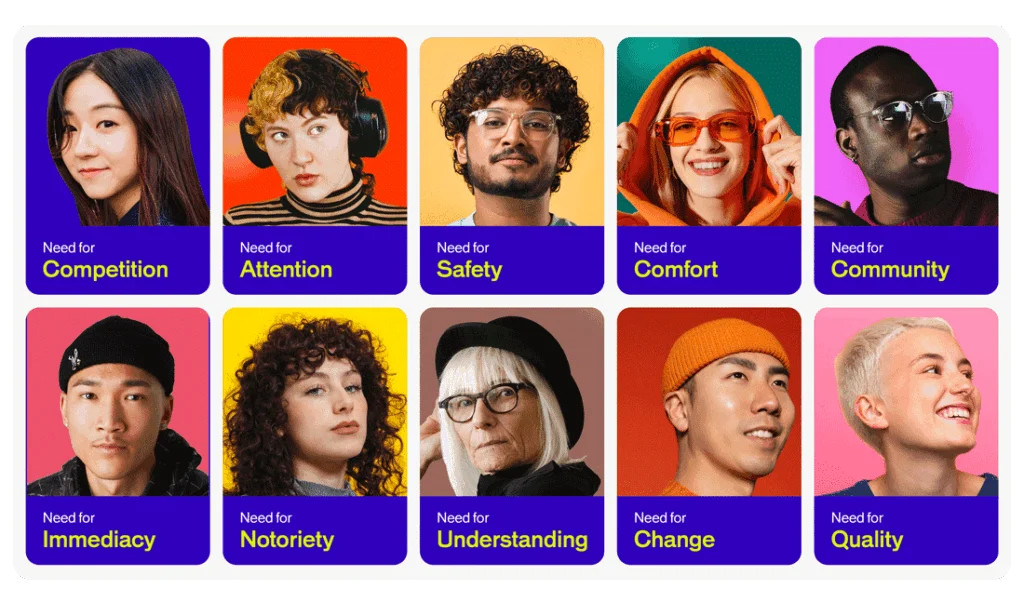
In an era where digital saturation has made traditional demographic targeting increasingly obsolete, the focus of global e-commerce and user experience (UX) design is shifting toward the psychological drivers of consumer behavior. AB Tasty, a leader in the experience optimization space, has unveiled EmotionsAI, a sophisticated engine designed to decode the "why" behind user actions rather than merely tracking the "what." This technology represents a significant leap in MarTech (Marketing Technology), moving beyond surface-level behavioral analytics to address the core emotional states that govern approximately 80% of human decision-making. By identifying micro-moments shaped by feelings such as hesitation, urgency, or doubt, the platform allows brands to tailor digital environments in real-time, matching the interface to the visitor’s current emotional mindset.
The Shift from Behavioral Tracking to Emotional Intelligence
For over a decade, digital marketers have relied on behavioral data—clicks, hover times, and scroll depths—to infer user intent. However, these metrics often fail to capture the underlying motivation of a visitor. A user who hovers over a "Buy" button for ten seconds might be experiencing "Safety" concerns regarding payment security, or they might be an "Understanding" seeker comparing technical specifications. Treating both users with the same generic discount pop-up can lead to lost conversions or brand erosion.
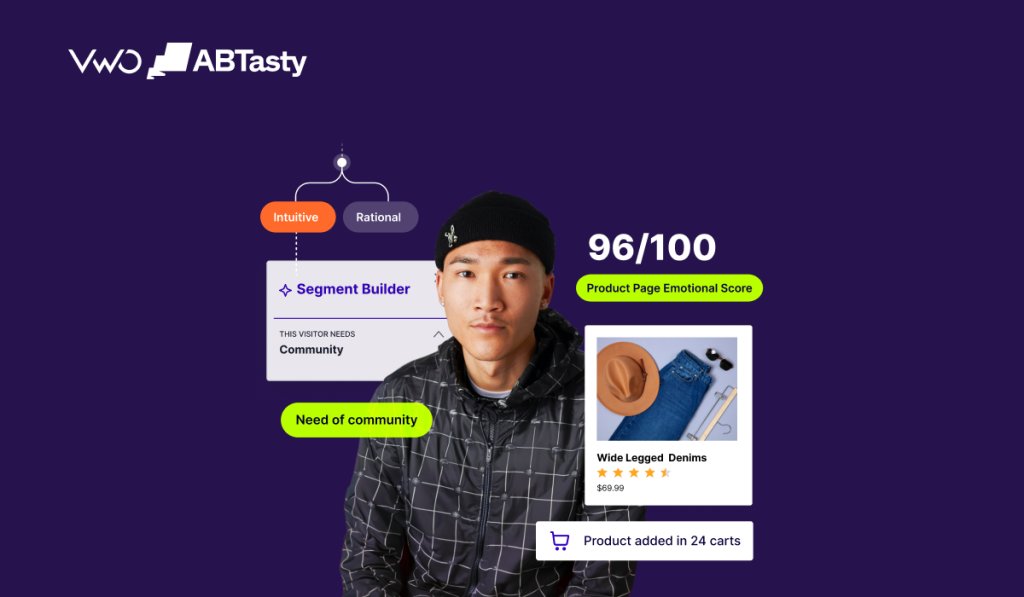
The development of EmotionsAI is the culmination of more than eight years of behavioral data collection and machine learning refinement. The engine operates by analyzing subtle patterns in user navigation and interaction, processing these inputs in under 30 seconds to categorize a visitor into one of ten distinct emotional profiles. This rapid classification enables the VWO AB Tasty experimentation platform to deploy specific widgets, copy changes, and layout adjustments that resonate with the individual’s psychological state.
A Chronology of Personalization Technology
The trajectory of digital personalization has moved through three distinct phases. In the early 2010s, personalization was largely "Rule-Based," where marketers set manual triggers (e.g., "if a user comes from Facebook, show a 10% discount"). This was followed by the "Behavioral Era," which utilized cookies and session history to recommend products based on past purchases.
The current "Emotional Era," spearheaded by tools like EmotionsAI, utilizes real-time predictive modeling. Industry analysts note that this shift is necessitated by increasing privacy regulations and the phasing out of third-party cookies. As tracking individual identities becomes more difficult, understanding the anonymous "emotional intent" of a current session becomes the most viable path toward achieving high-conversion experiences without infringing on personal privacy.
The Ten Pillars of Emotional Segmentation
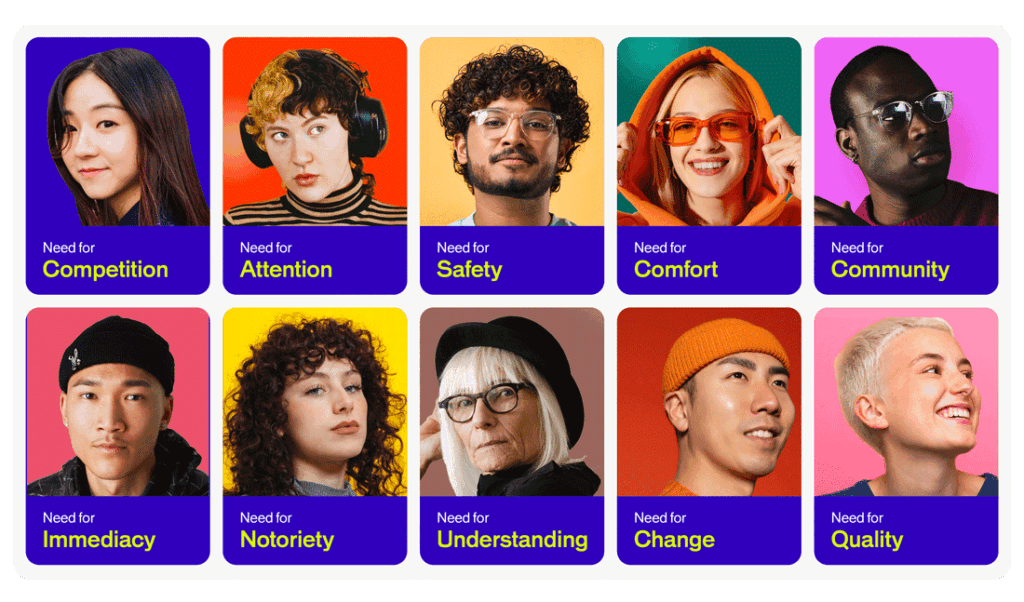
Research conducted during the development of EmotionsAI identified that while human emotion is infinitely complex, online shopping behavior tends to crystallize into ten specific archetypes. Understanding these segments is critical for modern UX strategy.
1. The Competition Segment (Approx. 10% of Audience)
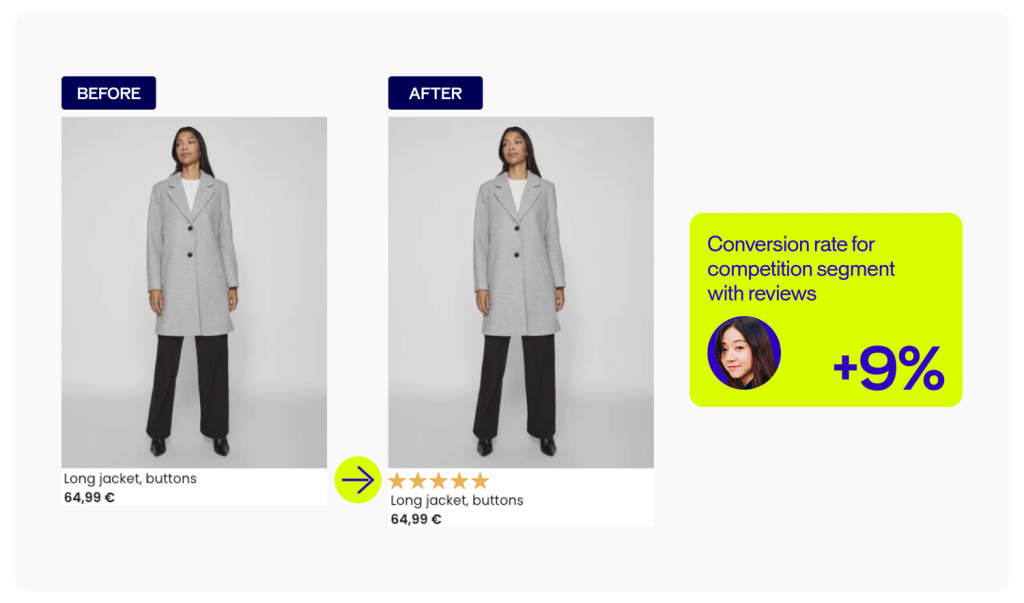
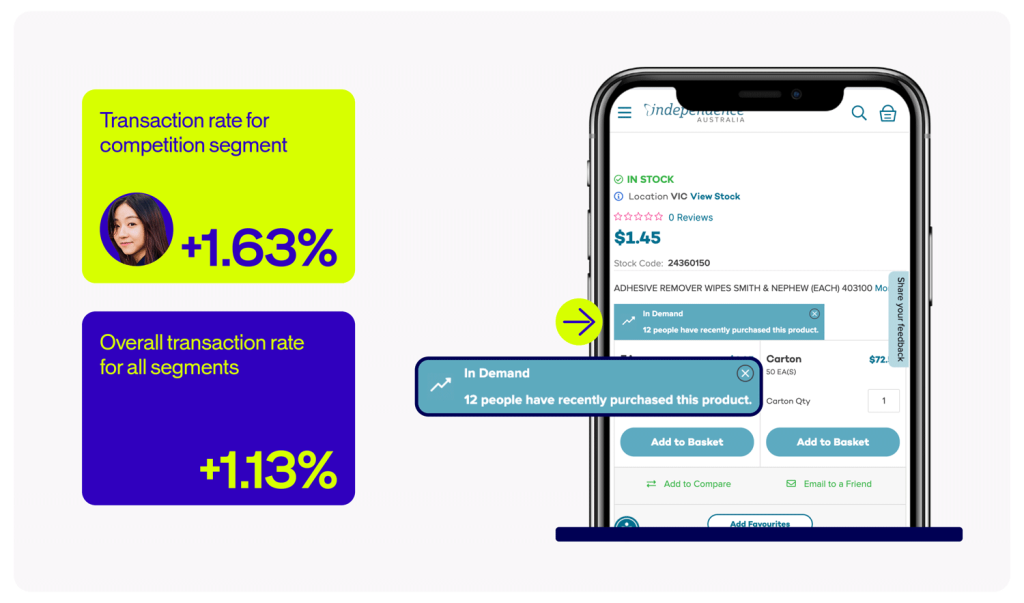
These visitors are driven by social standing and the desire to be trendsetters. They view purchasing as a form of leadership or achievement. Strategies for this group involve emphasizing quantitative proof of quality, such as star ratings and "top-ranked" lists. Highlighting how many people have viewed or purchased an item triggers their competitive instincts, validating their choice as the "winning" option.
2. The Attention Segment (Approx. 10% of Audience)
Driven by a desire for immediate enjoyment and recognition, this segment responds to personalized perks. They want to feel that the brand values them uniquely. For these users, highlighting free gifts, exclusive services, or surprise offers at the start of the journey is more effective than standard price-based marketing.
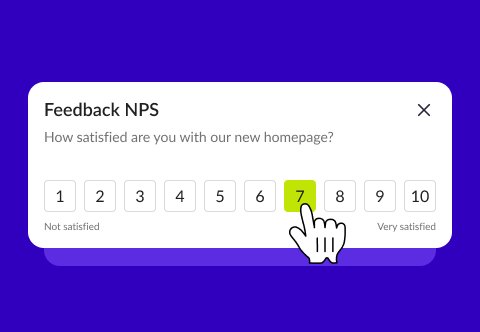
3. The Safety Segment (Approx. 27% of Audience)
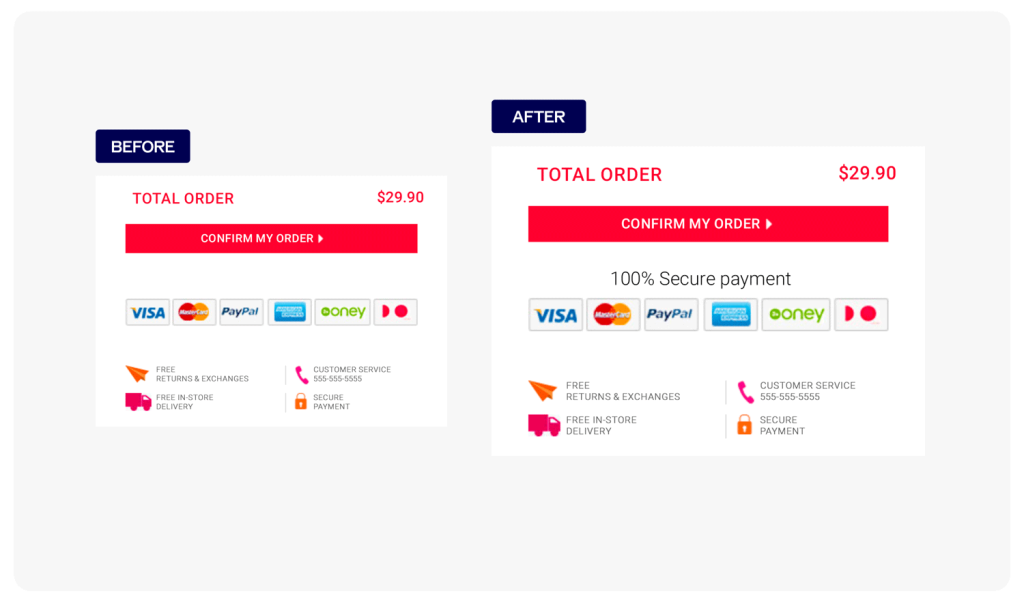
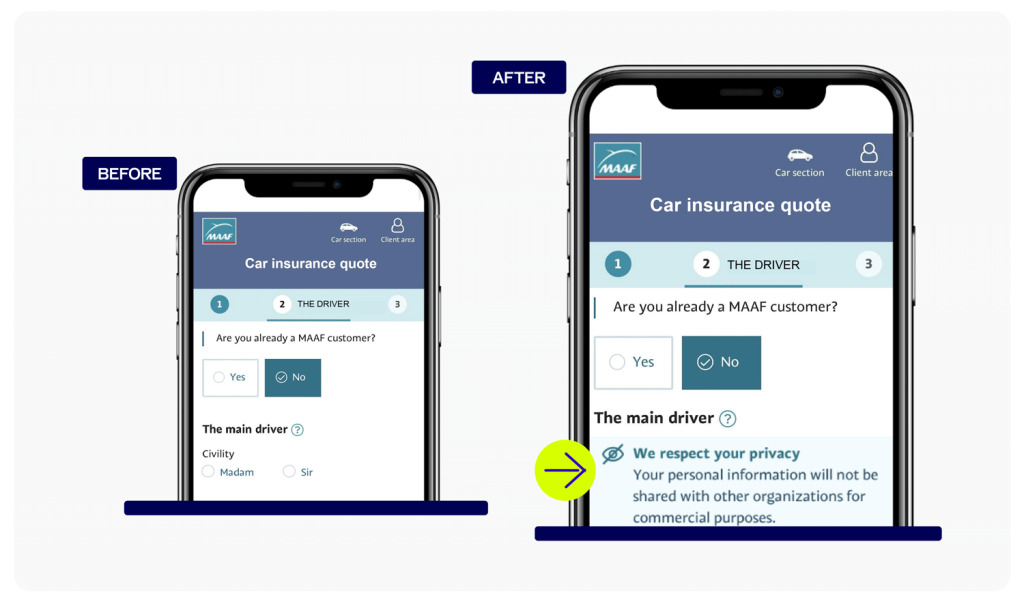
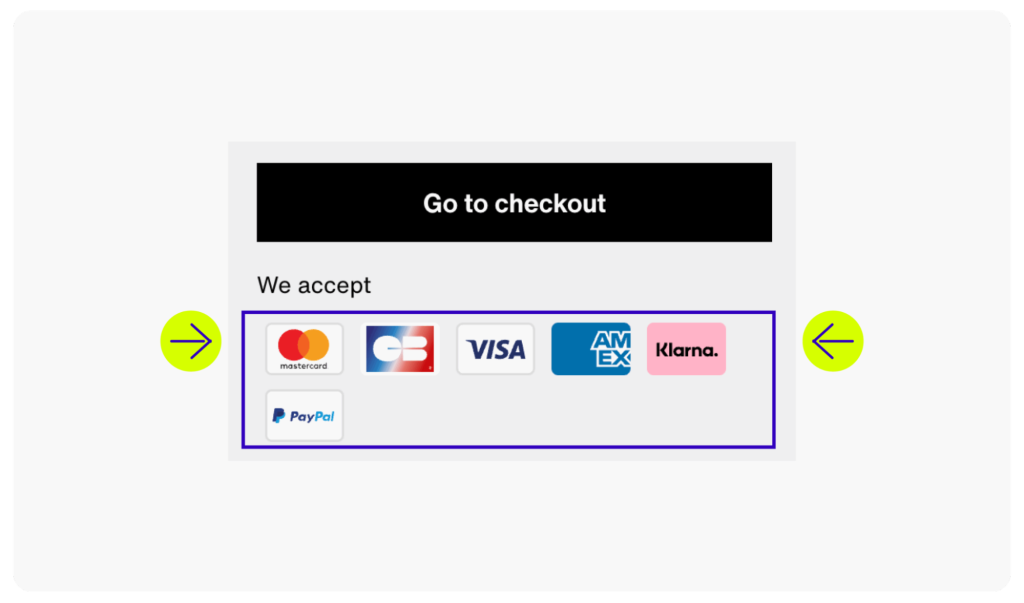
Representing the largest single block of digital visitors, the Safety segment is characterized by high sensitivity and a low threshold for friction. These users are easily overwhelmed by aggressive marketing tactics or "stress" triggers like countdown timers. To convert this segment, brands must prioritize transparency, clear data-handling policies, and prominent security certifications at the checkout phase.
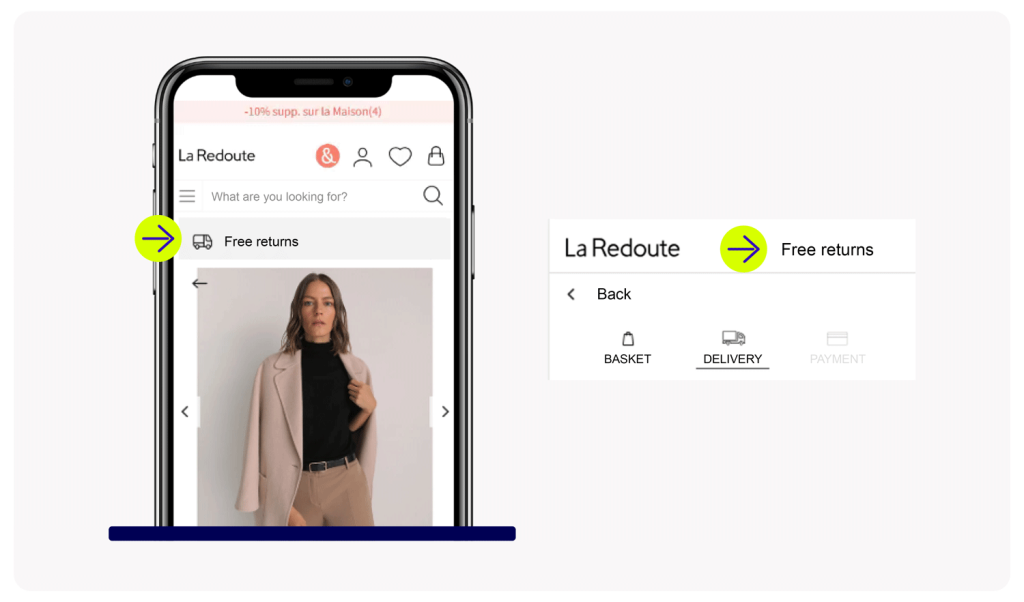
4. The Comfort Segment (Approx. 10% of Audience)
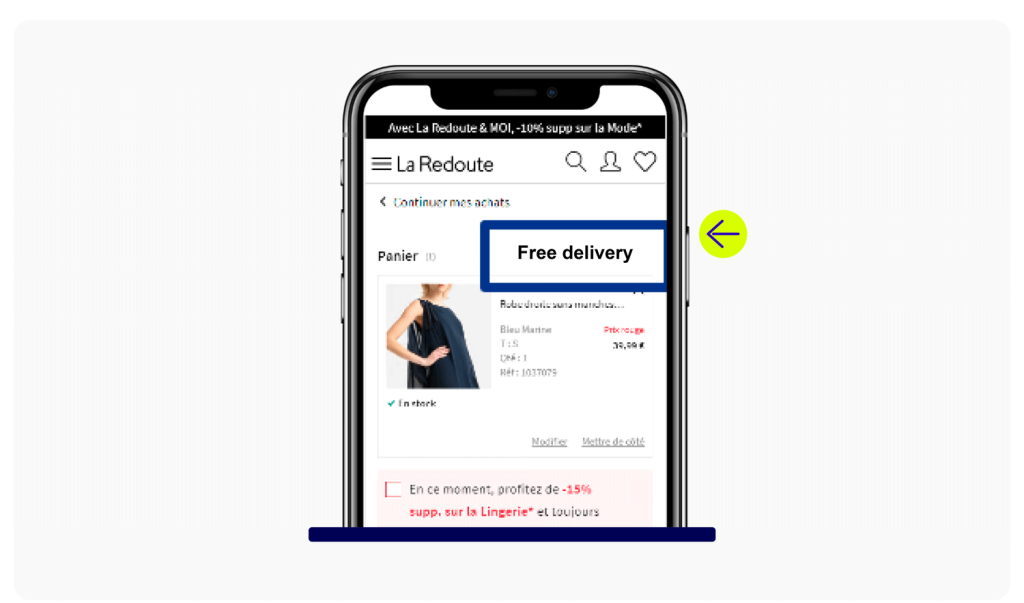
Comfort seekers prioritize ease and the reduction of effort. They are often browsing from relaxed environments and expect the digital experience to mirror that ease. Successful interventions for this group include emphasizing free delivery, highlighting "painless" one-click payment options, and using copy that emphasizes the long-term convenience of the product.
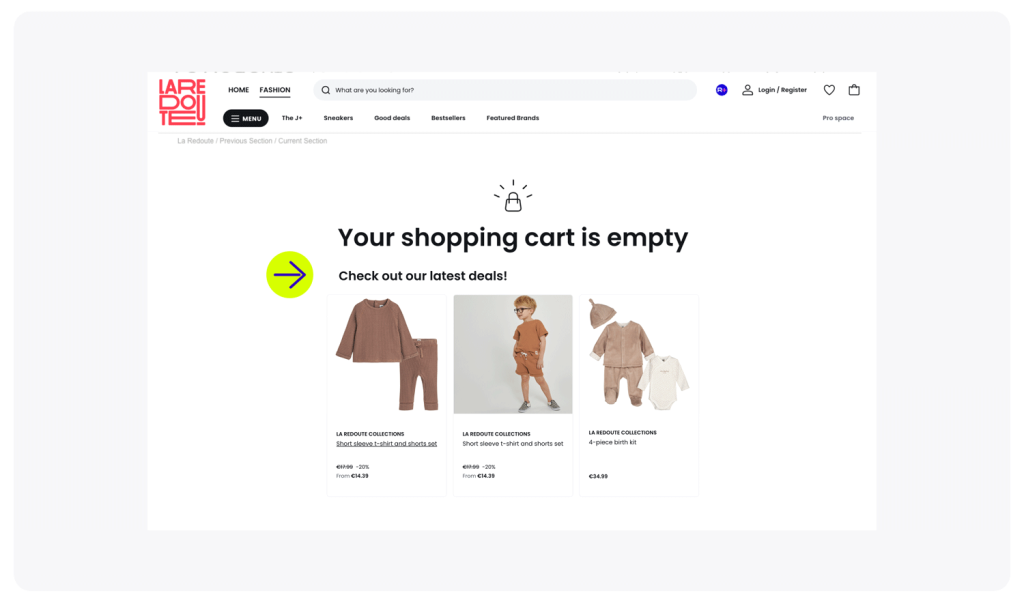
5. The Community Segment (Approx. 6% of Audience)
This group views commerce through a social lens. They are moved by shared values, sustainability, and the impact of their purchase on others. For the Community segment, brands should highlight eco-friendly tags, social impact initiatives, and gifting options. Personalized communication using the customer’s name is particularly effective here, as it fosters a sense of belonging.
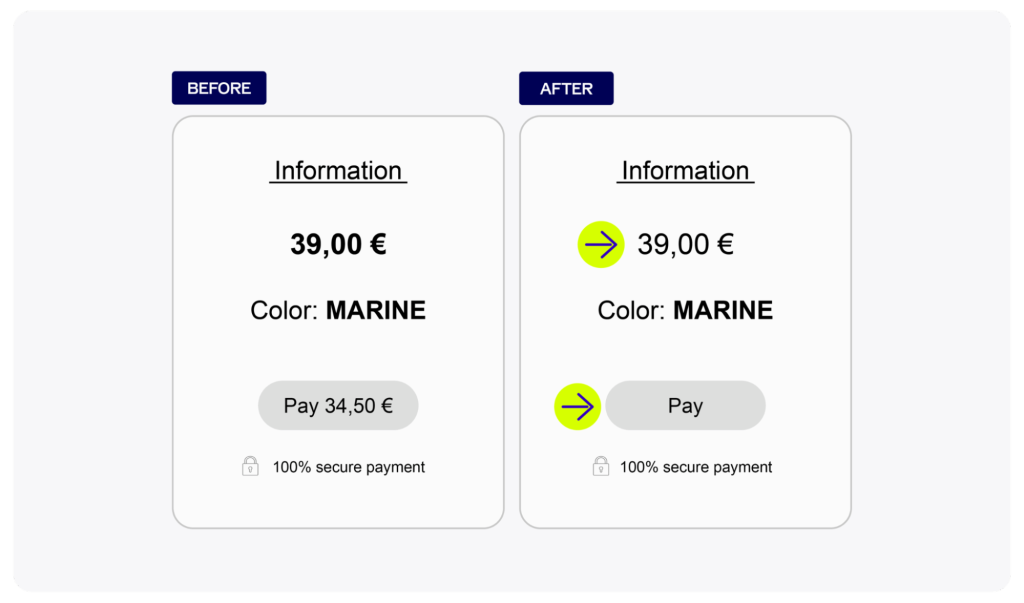
6. The Immediacy Segment (Approx. 5% of Audience)
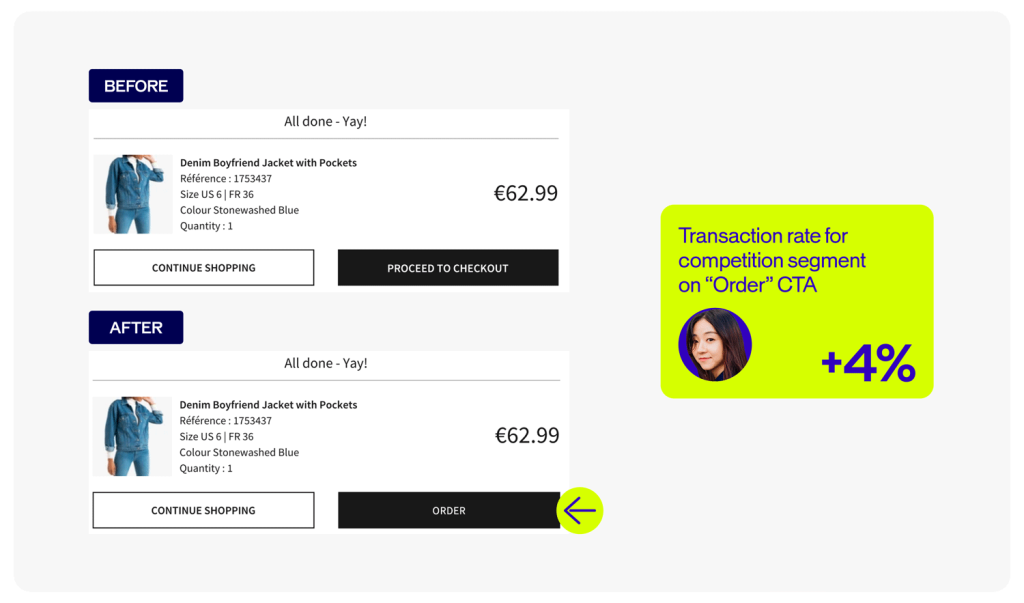
These are high-velocity users who value speed above all else. They are often "mission-shoppers" looking to complete a task. To serve them, UX designers must remove all non-essential elements, such as distracting navigation bars or lengthy product descriptions. Direct, action-oriented calls-to-action (CTAs) like "Order Now" are essential.

7. The Notoriety Segment (Approx. 2% of Audience)
The Notoriety segment relies on established reputations and sophisticated aesthetics. They are less likely to trust user-generated content and more likely to be swayed by high-end professional photography and brand guarantees. A darker, more somber color palette and traditional payment methods (like "In-store pickup") signal the credibility they crave.
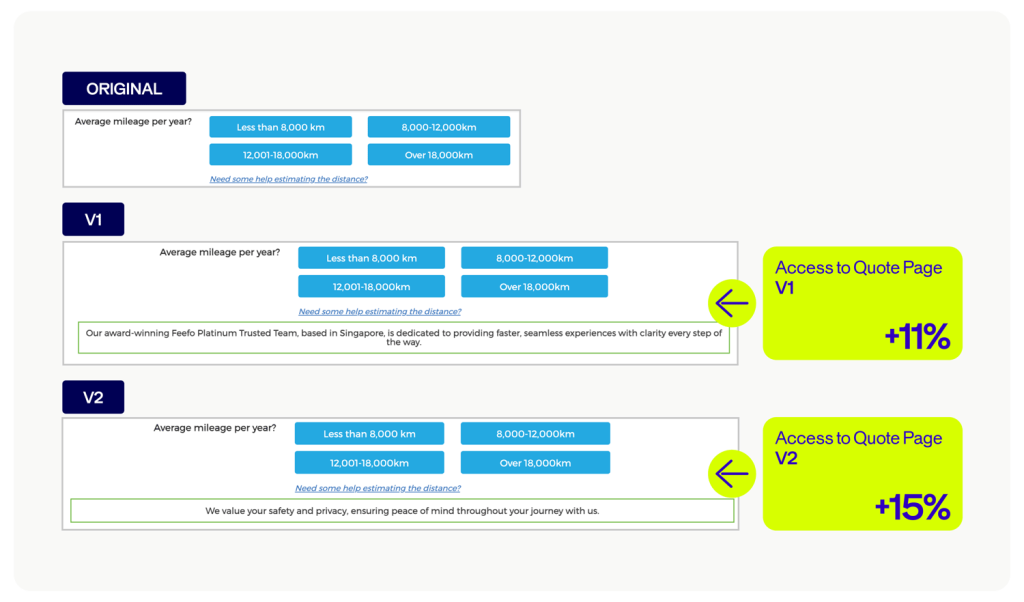
8. The Understanding Segment (Approx. 9% of Audience)
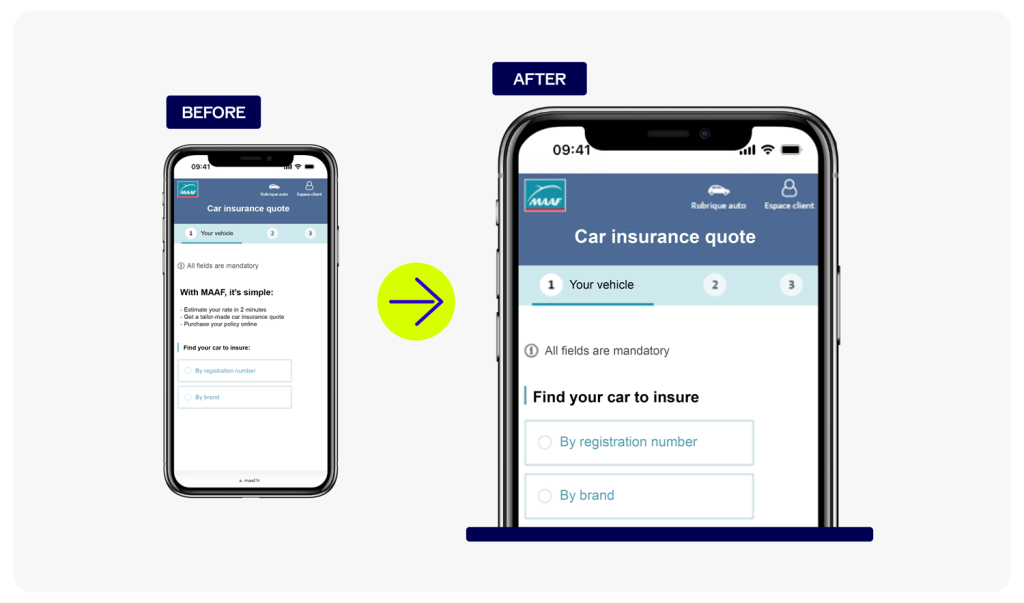
Logical and detail-oriented, these visitors require comprehensive data before committing. They are resistant to "fluff" and storytelling. Effective strategies include providing detailed progress bars during the purchase funnel, leading with concrete figures and percentages, and ensuring that every technical specification is easily accessible.
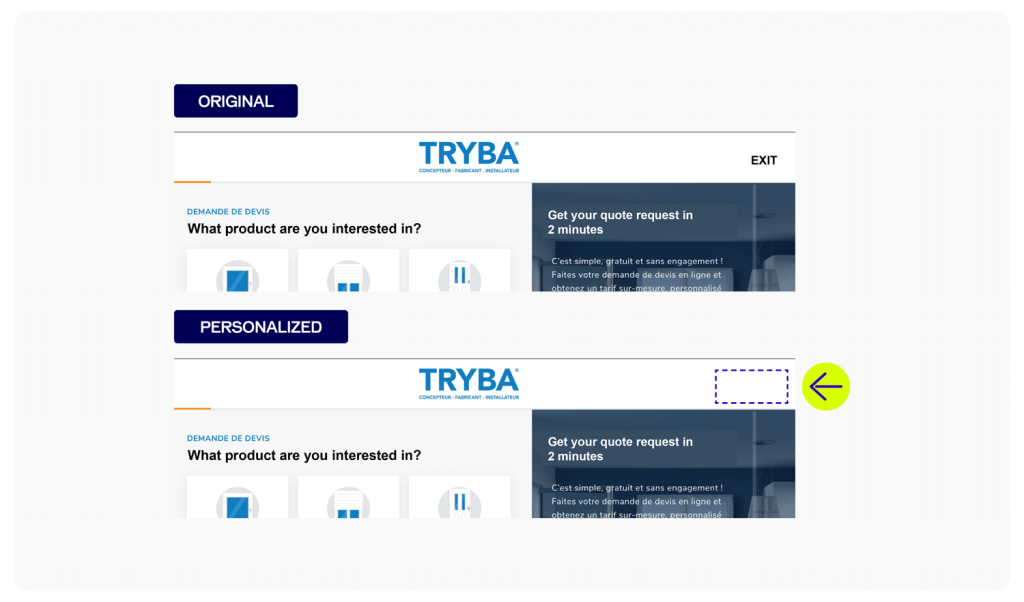
9. The Change Segment (Approx. 8% of Audience)
Novelty is the primary driver for this segment. They are early adopters who are easily bored by routine. Brands can engage them by featuring "New Arrivals," highlighting unconventional delivery options (like room-of-choice delivery), and offering modern payment methods like "Buy Now, Pay Later" (BNPL).
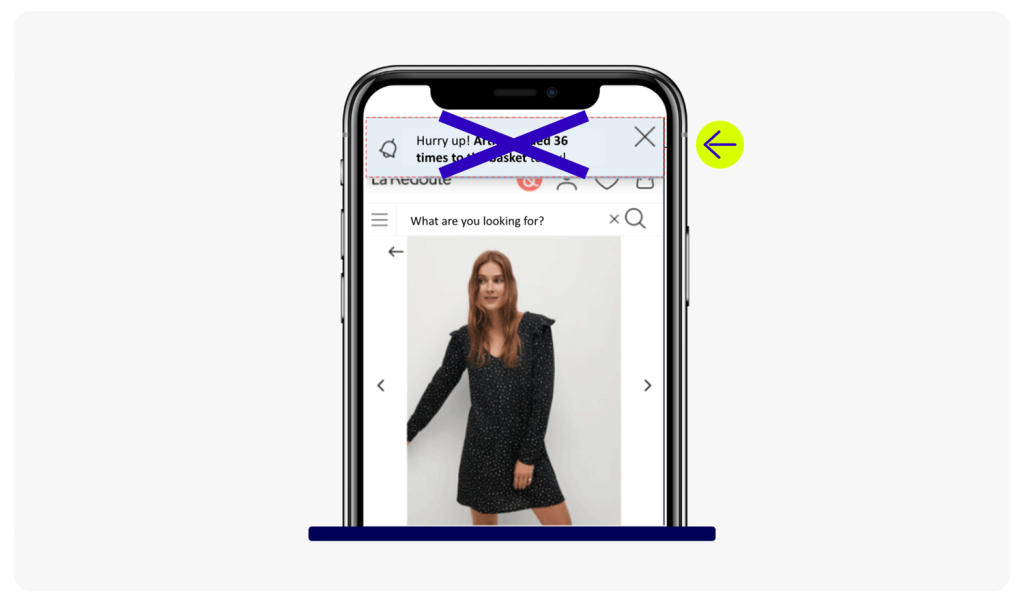
10. The Quality Segment (Approx. 3% of Audience)
For this group, price is secondary to craftsmanship and heritage. They want to know the "story" behind the product. Over-emphasizing discounts can actually devalue the brand in their eyes. Instead, content should focus on the manufacturing process, quality certifications, and the brand’s historical legacy.
Data-Driven Impact and Market Reactions
The introduction of emotional AI comes at a time when the ROI on traditional digital advertising is facing diminishing returns. According to recent industry reports, brands that successfully forge an emotional connection with their customers see a 306% higher lifetime value (LTV) compared to those that do not. Furthermore, emotionally connected customers are 71% more likely to recommend a brand to others.
Marketing executives have reacted positively to the launch of EmotionsAI, noting its potential to bridge the "empathy gap" in automated systems. "The challenge has always been making a website feel like a helpful salesperson rather than a static vending machine," says an industry consultant specializing in e-commerce optimization. "By segmenting based on emotional state, we can finally move toward a more human-centric version of AI."
However, the technology also invites scrutiny regarding the ethical use of psychological data. Analysts suggest that for such tools to remain viable, brands must maintain absolute transparency about how they use behavioral cues to influence user decisions. The "Safety" segment, in particular, would likely disengage if they felt their emotional state was being manipulated rather than accommodated.
Broader Implications for the Future of UX
The deployment of EmotionsAI signals a broader shift from Conversion Rate Optimization (CRO) to what is now being termed "Experience Optimization" (EXO). In the EXO model, the goal is not just to secure a single transaction but to align the digital interface with the user’s psychological needs to build long-term trust.
As machine learning models become more adept at identifying these ten segments, we can expect to see "liquid" interfaces—websites that change their entire visual language, font weight, and messaging tone in real-time based on the visitor’s emotional profile. For example, a "Safety" visitor might see a clean, blue-toned interface with extensive FAQs, while a "Change" visitor on the same URL might see a vibrant, high-energy layout featuring the latest product drops.
In conclusion, the launch of EmotionsAI marks a turning point in the sophistication of digital marketing. By acknowledging that consumers are not rational actors but emotional beings, the technology provides a framework for a more intuitive, respectful, and effective digital world. As brands compete for attention in an increasingly crowded marketplace, those who can demonstrate an understanding of their customers’ underlying feelings—not just their browsing history—will likely emerge as the new leaders in the digital economy.







