The global technology sector has reached a critical inflection point where artificial intelligence tools have transitioned from experimental novelties to the fundamental scaffolding of the daily professional workflow. By mid-2026, the primary challenge facing developers, data scientists, and enterprise architects is no longer the availability of AI, but the strategic selection of specialized tools that offer more than just incremental efficiency. As the market reaches saturation with “wrapper” applications, a distinct tier of AI-native infrastructure has emerged, moving beyond simple chat interfaces to offer deep integration into the software development life cycle. This shift represents a move from passive assistance to active agency, where tools do not merely suggest code but manage complex, multi-step engineering tasks with minimal human intervention.

The Shift Toward AI-Native Development Environments
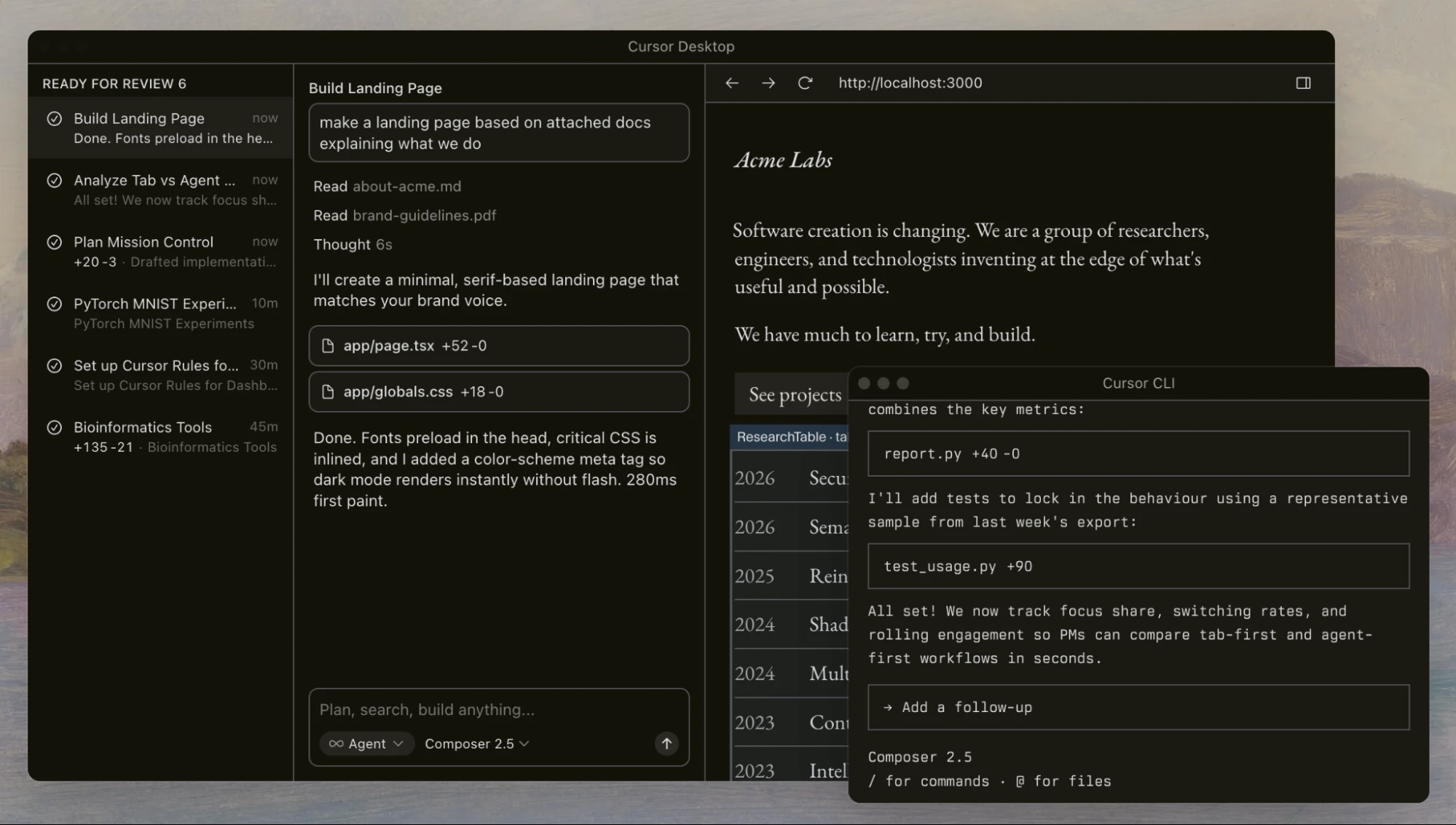
The most significant change in the 2026 developer experience is the decline of the traditional Integrated Development Environment (IDE) supplemented by plugins, in favor of AI-native platforms. Leading this charge is Cursor, which has effectively disrupted the long-standing dominance of traditional editors. Unlike earlier iterations of AI coding assistants that operated as external extensions—often limited by the host application’s API constraints—Cursor was built with a large language model (LLM) as its core engine.
Industry data from the first half of 2026 suggests that developers using AI-native IDEs report a 45% reduction in time spent on “boilerplate” code and a 30% improvement in debugging speed. Cursor’s primary advantage lies in its holistic understanding of entire codebases. By indexing local files and documentation, it provides context-aware refactoring and navigation that traditional tools cannot match. This capability has moved the developer’s role from “writer” to “editor,” where the primary task is reviewing and guiding the AI’s architectural decisions rather than manual syntax entry.
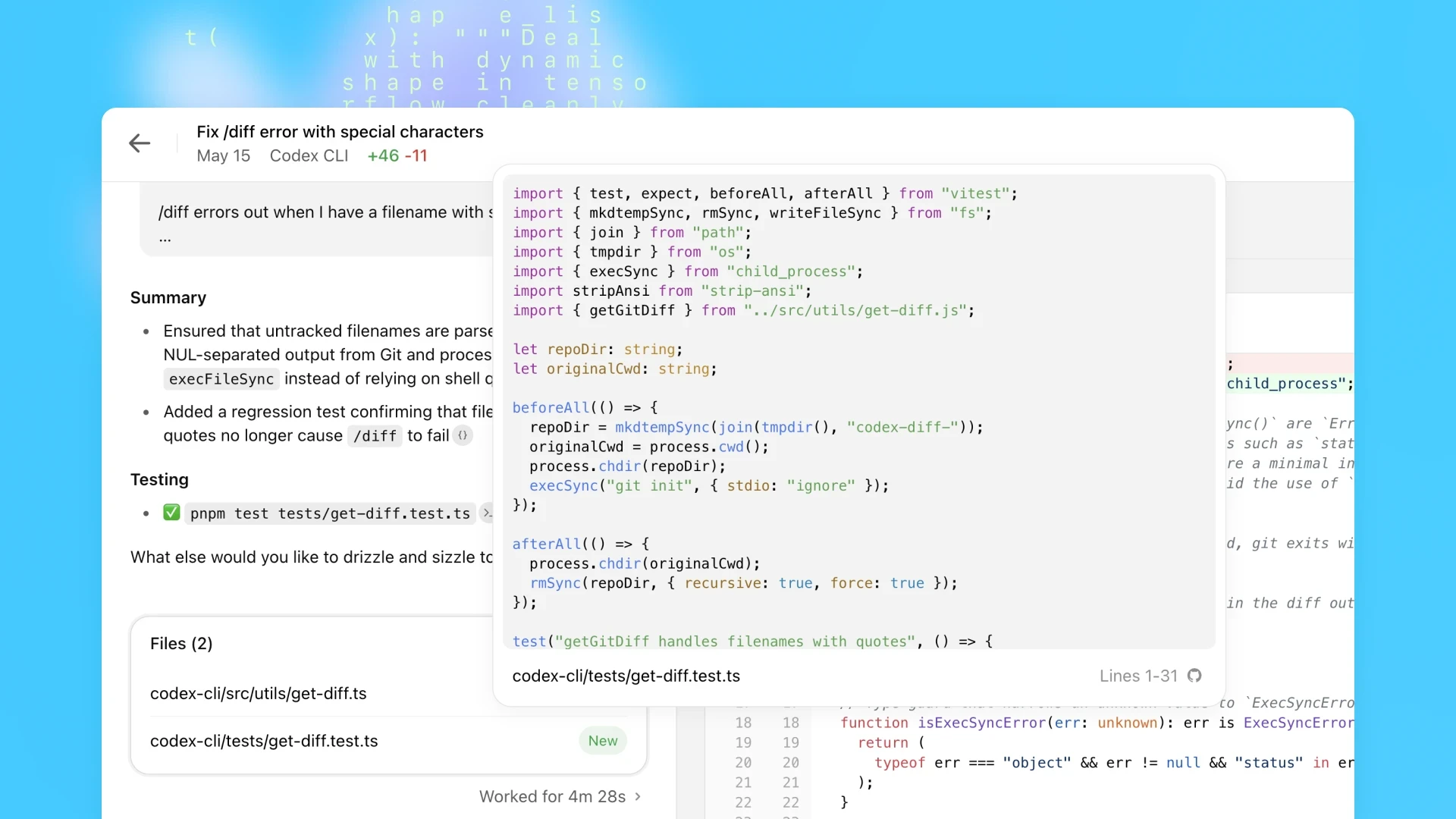
Parallel to the evolution of the IDE is the maturation of specialized software engineering agents like OpenAI’s Codex. While Codex initially served as the back-end for various assistants, its 2026 iteration functions as an autonomous agent capable of executing end-to-end programming tasks. This includes writing, testing, and deploying modules across multiple programming languages. The integration of Codex into enterprise environments has allowed technical teams to automate repetitive maintenance tasks, such as migrating legacy code to modern frameworks, which previously consumed significant portions of technical debt budgets.
The Rise of Open-Source Reasoning and Model Accessibility
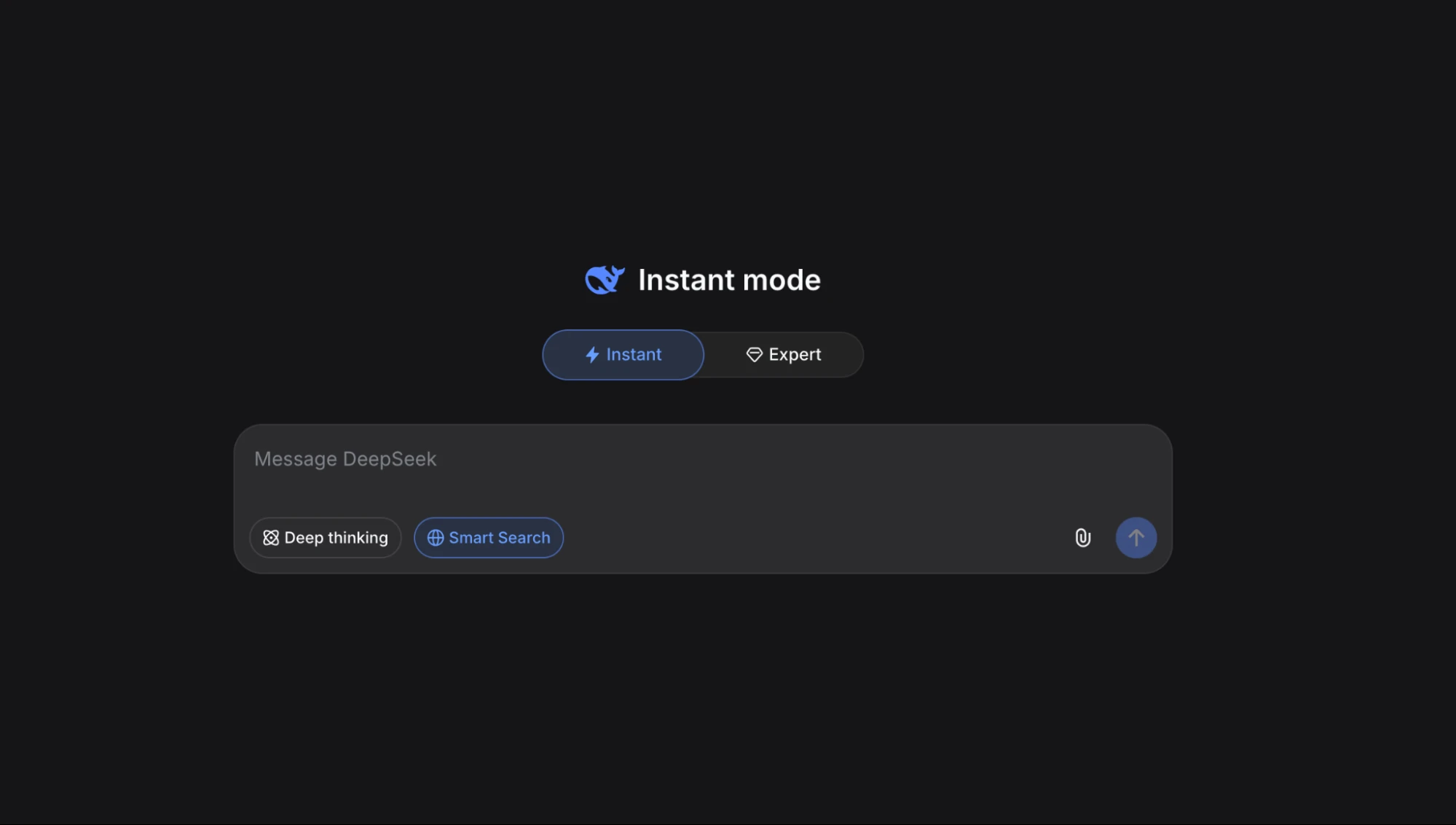
While proprietary models from Silicon Valley giants continue to lead in raw parameters, 2026 has seen a massive surge in the influence of open-source and open-weight models. DeepSeek has emerged as a pivotal player in this ecosystem, challenging the narrative that high-level reasoning capabilities are the exclusive domain of a few well-funded labs. DeepSeek’s models have become a favorite for developers who require powerful reasoning and coding capabilities without the restrictive licensing or high costs associated with closed-source APIs.
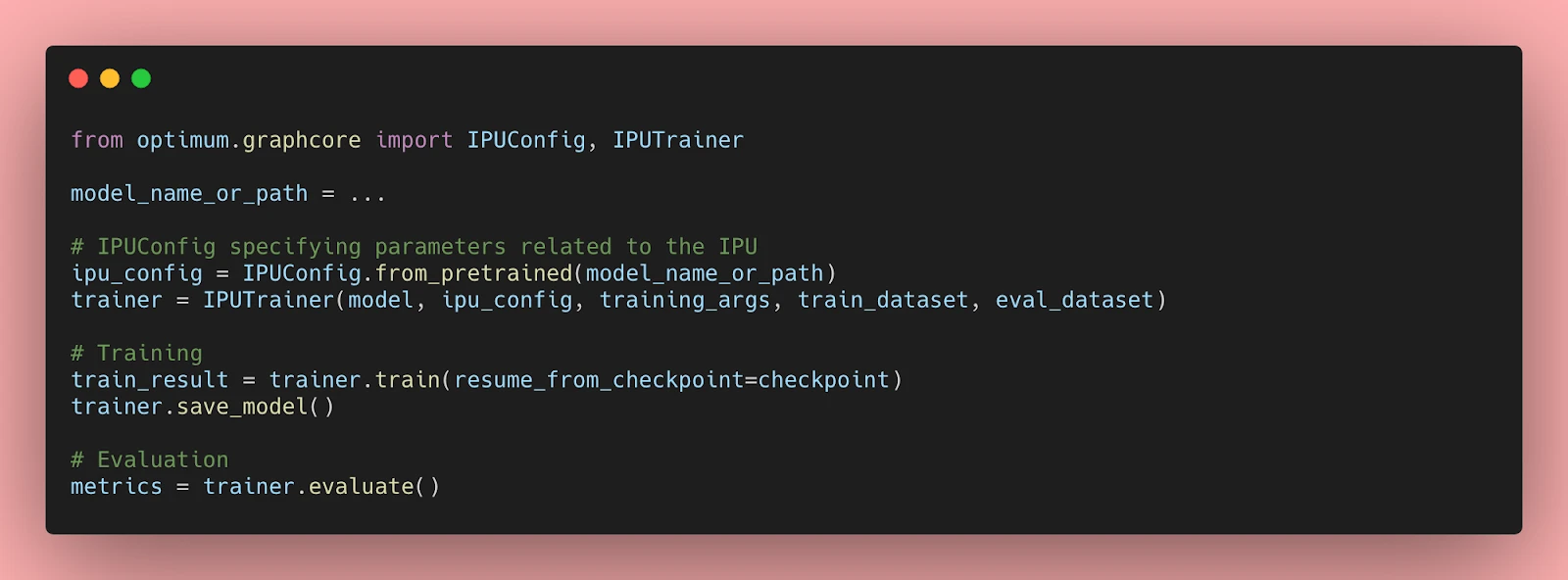
The success of DeepSeek highlights a broader industry trend: the democratization of high-performance AI. According to market analysis, the adoption of open-source reasoning models in the enterprise sector grew by 60% year-over-year. This growth is largely supported by Hugging Face, which remains the central repository for the global AI community. In 2026, Hugging Face’s Transformers library is no longer just a research tool; it is the production standard for fine-tuning and deploying models. The platform now hosts millions of specialized models, allowing companies to find “small” models that perform as well as giants on specific, narrow tasks, thereby reducing operational costs and latency.
The Era of Agentic Workflows and Orchestration
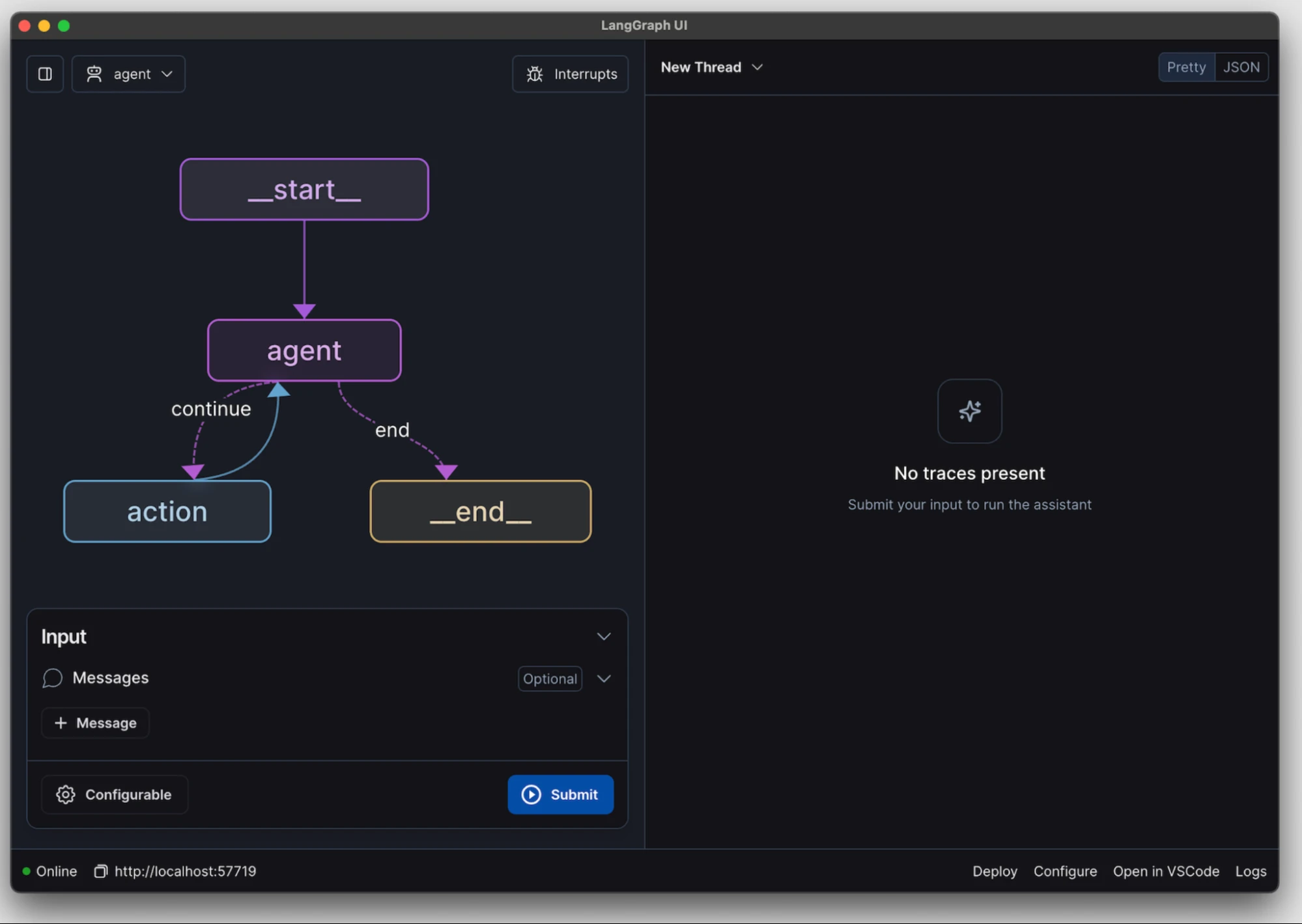
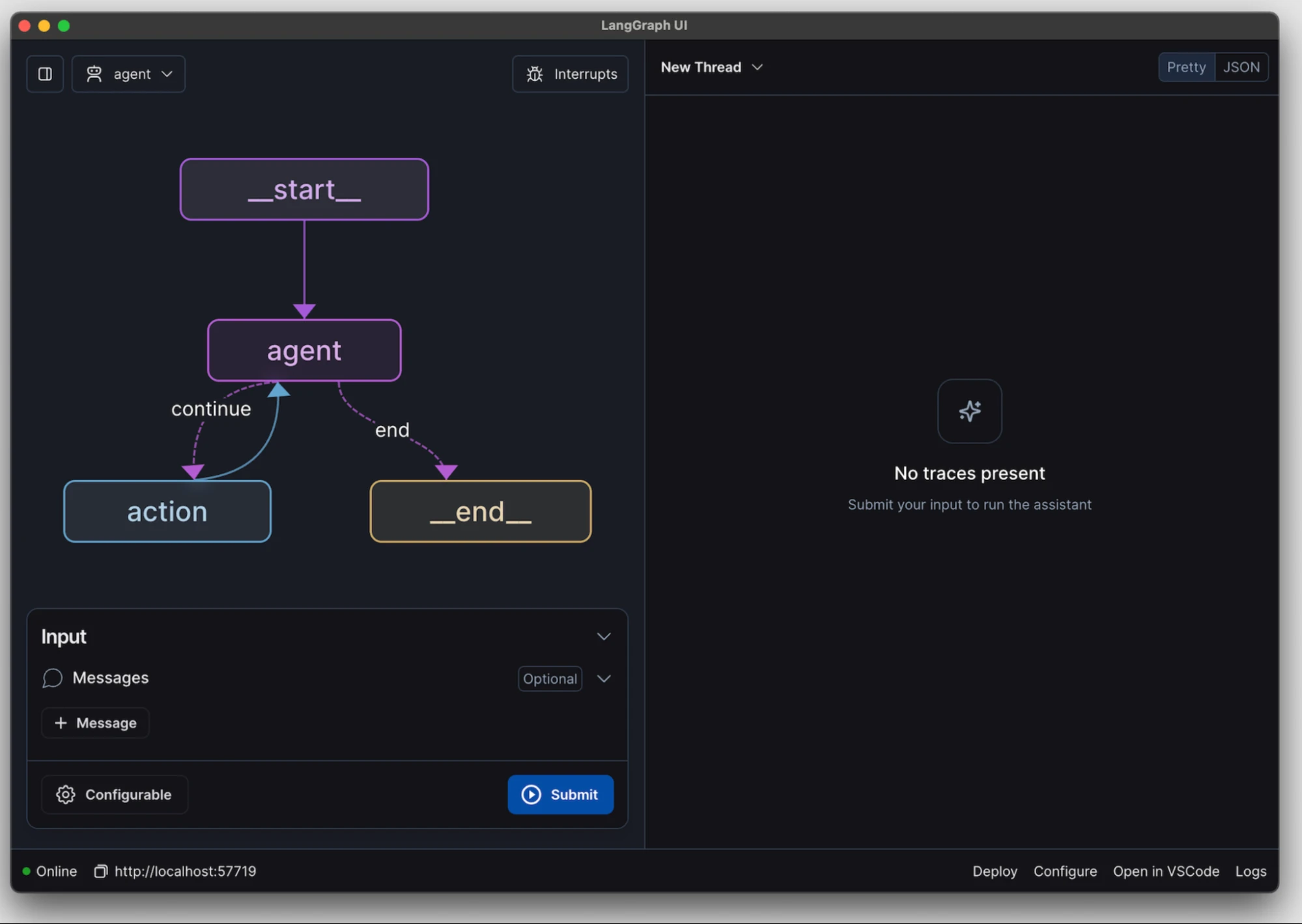
As AI applications move from simple input-output loops to complex “agents” that can think and act, the need for robust orchestration frameworks has become paramount. LangGraph, built on the foundations of LangChain, has become the industry standard for managing these sophisticated workflows. The shift from “chains” (linear sequences of steps) to “graphs” (cyclical processes with branching logic and memory) allows developers to build AI systems that can self-correct, loop through tasks until a goal is met, and collaborate with other AI agents.

This “agentic” shift is further exemplified by the rise of terminal-based coding agents like Claude Code. Developed by Anthropic, Claude Code represents a return to the command-line interface (CLI) but with a radical twist. It operates as an engineering partner that can analyze repositories, execute shell commands, and manage complex engineering tasks directly within the developer’s local environment. This tool has gained traction among senior engineers who prefer the speed of the terminal but require the high-level reasoning of a model like Claude 3.5 or its successors.
The broader implication of these agentic tools is a fundamental change in the software development lifecycle (SDLC). We are seeing the emergence of “AI-driven DevOps,” where agents handle the majority of continuous integration and continuous deployment (CI/CD) pipelines, only flagging human supervisors when they encounter high-risk architectural conflicts or security vulnerabilities.
Standardization and Interoperability: The Model Context Protocol (MCP)
One of the most significant technical breakthroughs of 2026 is the widespread adoption of the Model Context Protocol (MCP). Historically, the AI industry was fragmented; every tool, database, and API required a custom integration to “talk” to an LLM. MCP has solved this by providing a standardized integration layer.
By using MCP, developers can connect their AI models to external data sources—be it a Slack workspace, a Google Drive folder, or a production SQL database—using a universal protocol. This has drastically lowered the barrier to entry for building “connected” AI. Analysts suggest that the adoption of MCP has reduced AI integration timelines by nearly 70%, as developers no longer need to write bespoke “glue code” for every new tool added to their stack.
Production-Grade AI: Observability and Evaluation
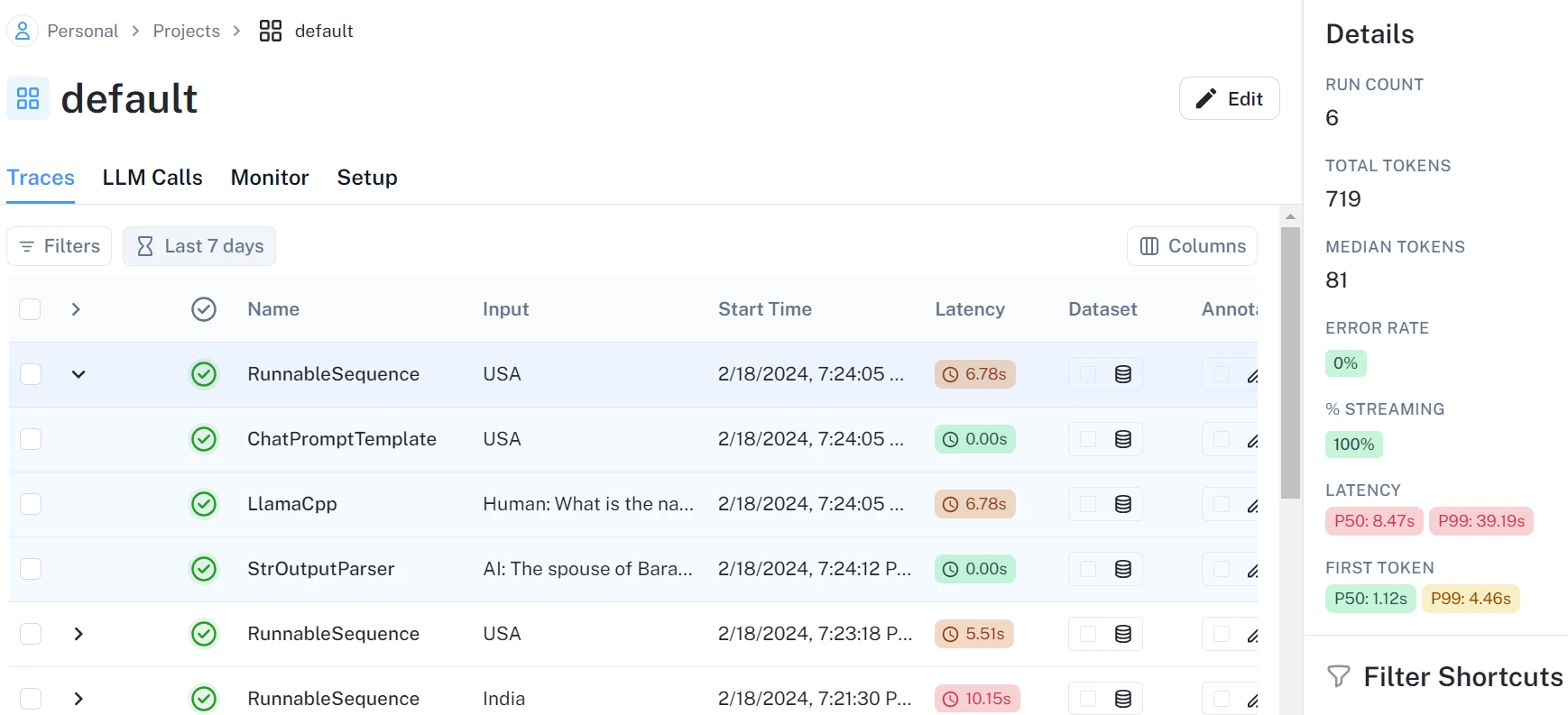
As organizations move from prototypes to production-grade AI, the focus has shifted toward reliability and governance. Building an AI application is relatively simple in 2026; ensuring it works consistently and safely is where the challenge lies. This has led to the rise of LLM observability platforms like LangSmith and evaluation frameworks like DeepEval.
LangSmith provides the “X-ray vision” required to debug complex agentic workflows. It allows developers to trace exactly how an AI reached a specific conclusion, identifying where a multi-step process failed or where a model hallucinated. Simultaneously, DeepEval has become the go-to framework for benchmarking and testing. In a world where models are updated weekly, DeepEval allows teams to run automated unit tests on their AI’s outputs, ensuring that a model update doesn’t inadvertently break a critical feature or introduce bias.
For large-scale enterprises, these tools are often consolidated within platforms like Azure AI Foundry. Microsoft’s flagship platform has evolved into a comprehensive “foundry” where organizations can manage the entire AI lifecycle—from model selection and fine-tuning to deployment, security, and monitoring—within a single, governed environment. This consolidation reflects a maturing market where stability and security are as important as raw performance.
Chronology of AI Development (2024–2026)
To understand the current state of the 2026 AI landscape, it is necessary to look at the timeline of events that led here:
- Late 2024: The introduction of “Reasoning Models” (such as OpenAI’s o1 series) shifted the focus from speed to depth of thought, enabling more complex coding tasks.
- Early 2025: The “Agentic Explosion” occurred, with frameworks like LangGraph allowing for non-linear AI workflows. Anthropic released the first version of the Model Context Protocol (MCP), aiming to standardize tool-model communication.
- Mid 2025: Open-source models from firms like DeepSeek began matching proprietary models in specialized coding benchmarks, leading to a surge in self-hosted AI infrastructure.
- Late 2025: The “IDE Wars” concluded with a clear victory for AI-native editors like Cursor over traditional plugin-based systems.
- Early 2026: Regulatory frameworks in the EU and North America began requiring strict “AI Observability,” making tools like LangSmith and DeepEval mandatory for enterprise deployments.
Broader Impact and Industry Implications
The proliferation of these tools has had a profound impact on the global labor market and the definition of “technical literacy.” The role of the “AI Engineer” has emerged as a distinct discipline, separate from traditional software engineering or data science. These professionals specialize not just in writing code, but in orchestrating models, managing context windows, and designing robust evaluation pipelines.
Furthermore, the economic impact is significant. A 2026 report on the digital economy suggests that the integration of these top 10 AI tools has contributed to a 2.1% increase in global GDP by accelerating software production and reducing the cost of digital transformation. However, this has also sparked intense debate regarding the future of entry-level technical roles. With AI-native IDEs and agents capable of handling junior-level tasks, the “on-ramp” for new developers has changed, shifting the focus toward high-level system design and AI oversight.
In conclusion, the AI landscape of 2026 is defined by a move toward integration, standardization, and autonomy. From Cursor and Claude Code transforming the way we write software, to LangGraph and MCP standardizing how AI systems interact with the world, these tools represent the new foundation of the digital age. For organizations and individuals alike, mastering this stack is no longer an advantage—it is a prerequisite for relevance in an AI-driven economy. As these technologies continue to evolve, the focus will likely shift toward even deeper levels of autonomy, where AI systems not only assist in building applications but begin to autonomously identify and solve business problems with minimal human intervention.