rifanmuazin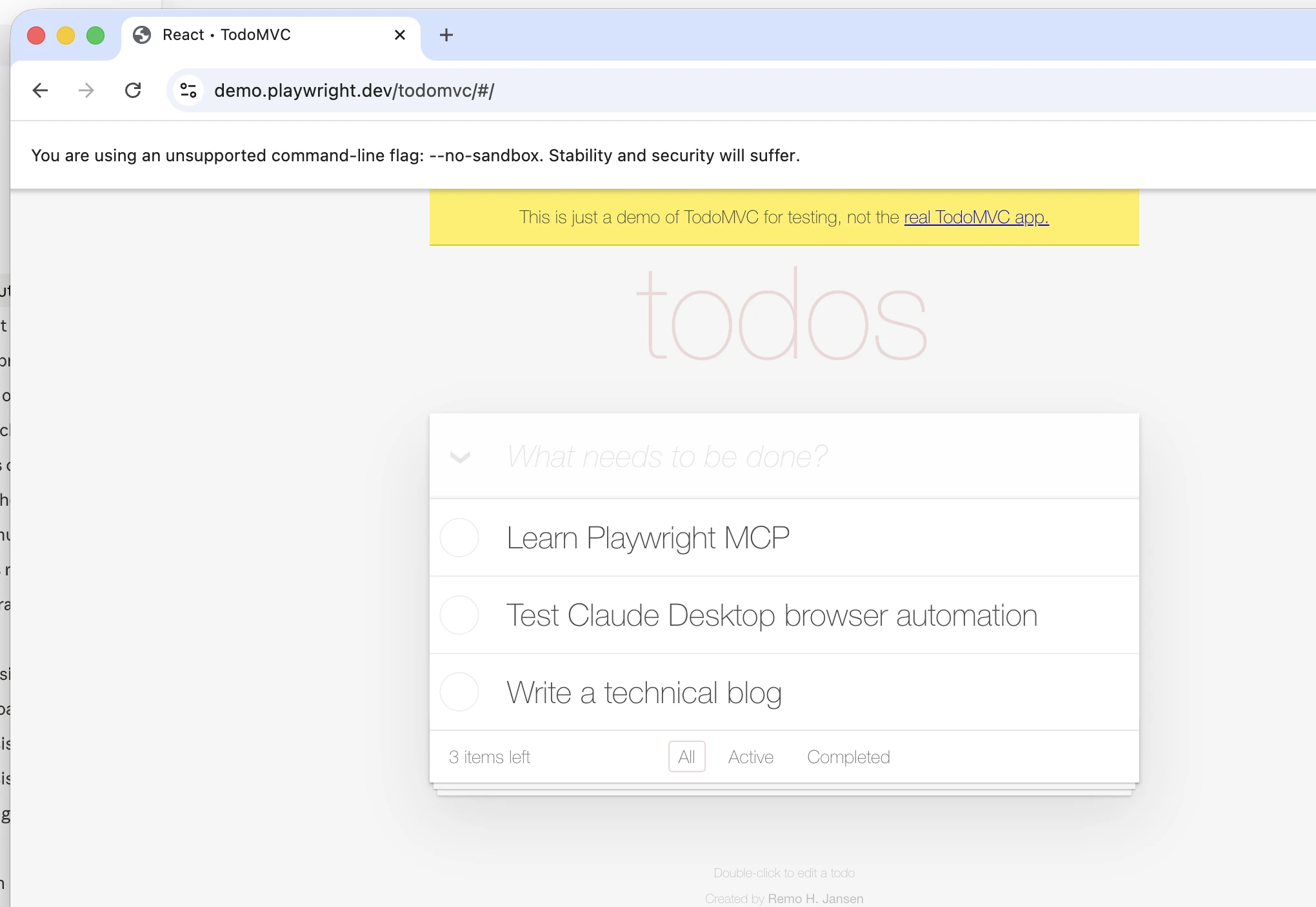
The landscape of artificial intelligence is currently undergoing a fundamental transition from passive conversational interfaces to active, agentic systems capable of executing complex tasks with minimal human intervention. At the forefront of this shift is Anthropic’s Claude Desktop, which, when integrated with the Model Context Protocol (MCP) and Microsoft’s Playwright framework, transforms from a sophisticated chatbot into a functional “coworker” capable of navigating the web, interacting with applications, and managing local file systems. This evolution represents a significant departure from traditional automation; rather than following rigid, pre-programmed scripts, these AI agents utilize structured data from a browser’s accessibility tree to make real-time decisions, effectively bridging the gap between human intent and digital execution.
The Rise of the Agentic AI Era
For much of the past two years, the primary mode of interaction with Large Language Models (LLMs) has been “chat-based assistance.” Users would provide a prompt, and the AI would generate text or code. However, the industry is now moving toward “task delegation.” In this new paradigm, a user provides a high-level goal—such as “research the pricing of five competitors and compile a spreadsheet”—and the AI determines the necessary steps, opens the required tools, and performs the actions directly on the user’s computer.
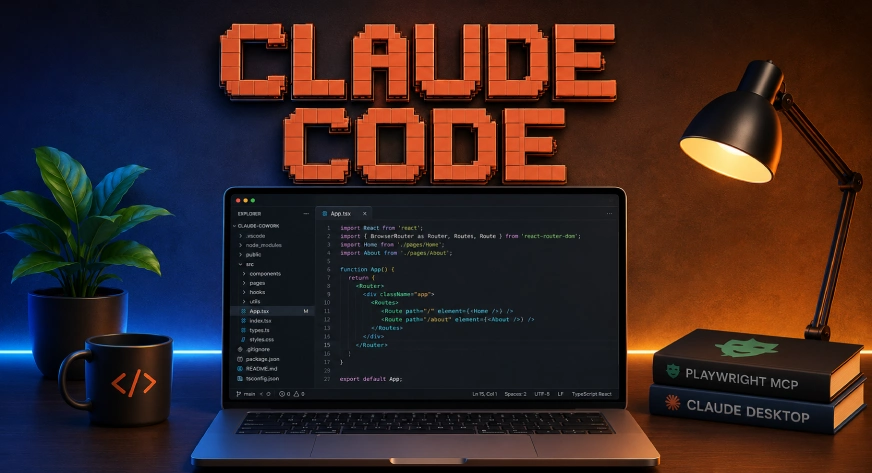
Anthropic’s introduction of Claude Cowork and the open-sourcing of the Model Context Protocol (MCP) in late 2024 served as the catalyst for this change. MCP acts as a universal translator, allowing AI models to securely connect to external data sources and tools. Among the most powerful implementations of this protocol is the Playwright MCP server. By leveraging Playwright—a robust browser automation library developed by Microsoft—Claude can now control Chromium, Firefox, and WebKit browsers with a level of precision previously unavailable to generative AI models.
Understanding the Architecture: Accessibility Trees over Pixels
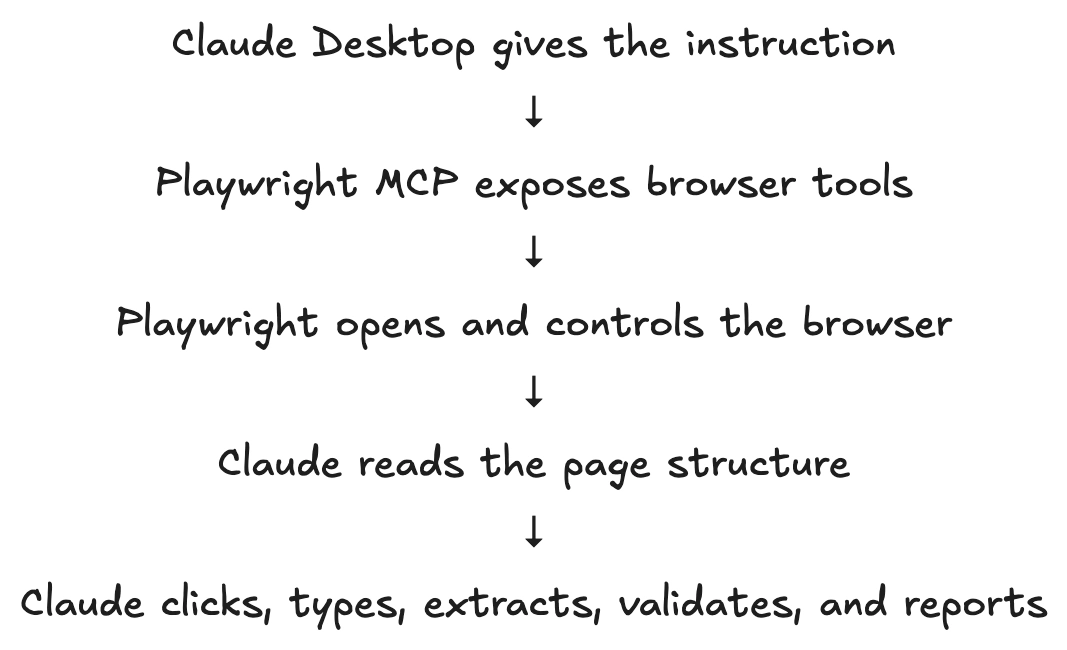
One of the most critical technical distinctions in the Playwright MCP setup is how the AI “sees” the web. Traditional visual-based automation relies on screenshots and computer vision to identify buttons and text fields. This method is notoriously brittle; a slight change in UI layout or a slow-loading image can cause the automation to fail.
Playwright MCP bypasses these visual limitations by providing Claude with “accessibility snapshots.” These snapshots are structured data representations of the web page’s underlying code, including element roles (e.g., “button,” “checkbox”), labels, and hierarchical relationships. By operating on the page’s accessibility tree rather than raw pixels, Claude gains a semantic understanding of the interface. This allows the model to identify a “Submit” button even if it changes color or moves to a different part of the screen, ensuring a level of reliability that is essential for enterprise-grade automation.
Chronology of Development and Integration
The path to this integrated automation suite began with the release of the Claude Desktop application, which provided a stable environment for local tool execution.
- Late 2023 – Early 2024: Anthropic focuses on improving the reasoning capabilities of the Claude 3 model family, specifically targeting “tool use” or “function calling.”
- October 2024: Anthropic announces the “Computer Use” capability for Claude 3.5 Sonnet, allowing the model to move a cursor, click buttons, and type text.
- November 2024: The Model Context Protocol (MCP) is open-sourced, inviting developers to build standardized “servers” that connect Claude to databases, local files, and web browsers.
- Early 2025: The integration of Playwright as a dedicated MCP server becomes the gold standard for browser-based tasks, offering a more structured and secure alternative to raw computer vision.
Technical Implementation and Configuration
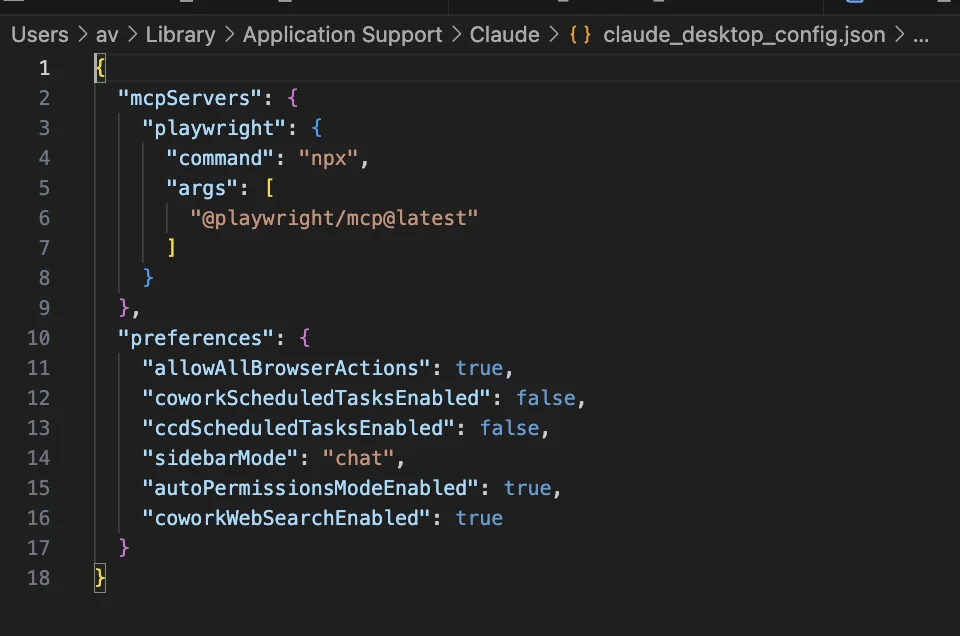
To transform Claude Desktop into an automated agent, developers utilize a specific architectural stack consisting of the Claude Desktop client, an MCP host, and the Playwright MCP server. The setup requires a Node.js environment and a modification of the claude_desktop_config.json file.
On a technical level, the configuration involves defining the MCP server within the application’s developer settings. For instance, on a Windows system, the configuration file is located within the %APPDATA% directory, while macOS users find it in the Application Support folder. By adding the Playwright server command—typically npx @playwright/mcp@latest—users grant Claude the ability to launch a browser instance under the model’s direct control.
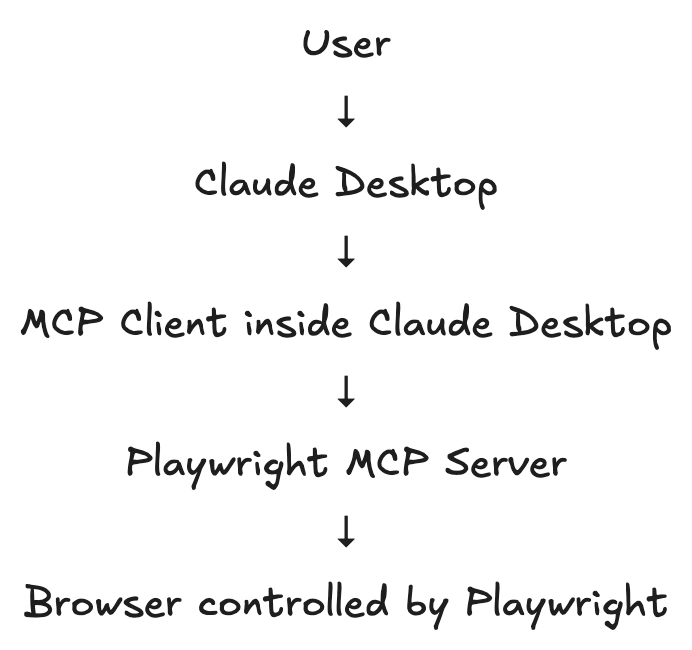
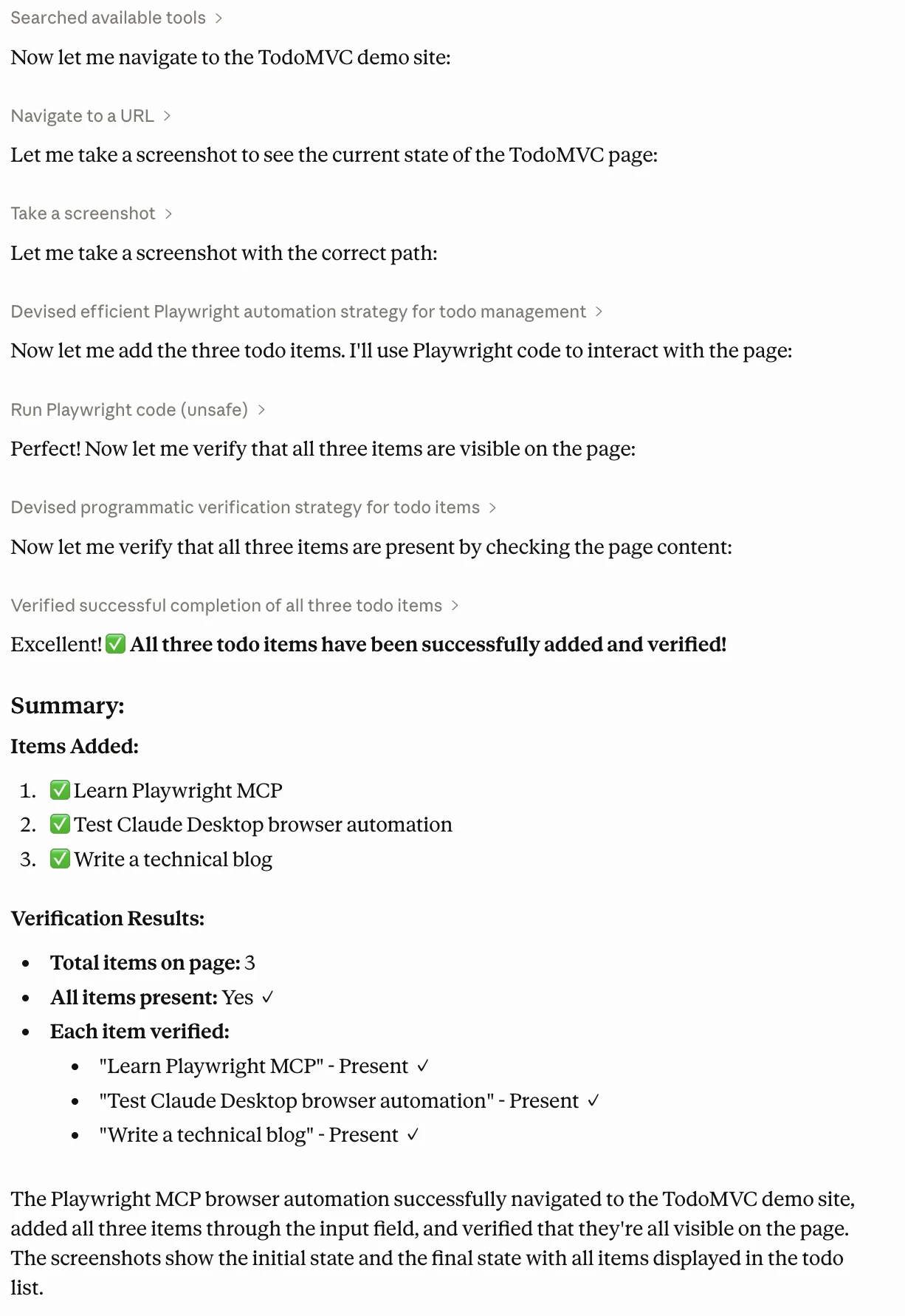
Once configured, the browser can run in “headed” mode, where the user can watch the AI navigate in real-time, or “headless” mode for background processing. This flexibility is vital for different stages of the workflow, from debugging a new automation to running high-volume data extraction tasks.
Comparative Analysis: Claude Cowork vs. Playwright MCP
While often discussed in the same context, Claude Cowork and the Playwright MCP setup serve different purposes within the Anthropic ecosystem. Claude Cowork is a comprehensive, paid “agentic” experience designed for broad knowledge work. It is built to operate across the entire operating system, managing files, folders, and various local applications.
In contrast, the combination of Claude Desktop and Playwright MCP is a more specialized, browser-centric tool. Its primary advantage lies in its accessibility; it is currently free to use (provided the user has a Claude account) and offers a high degree of developer control. For tasks specifically involving web research, QA testing, or data scraping, the Playwright MCP integration is often more efficient because it focuses the AI’s reasoning on the structured browser environment rather than the entire desktop.
Strategic Business Use Cases
The implications of reliable AI-driven browser automation are profound across several business sectors:
1. Quality Assurance and Software Testing:
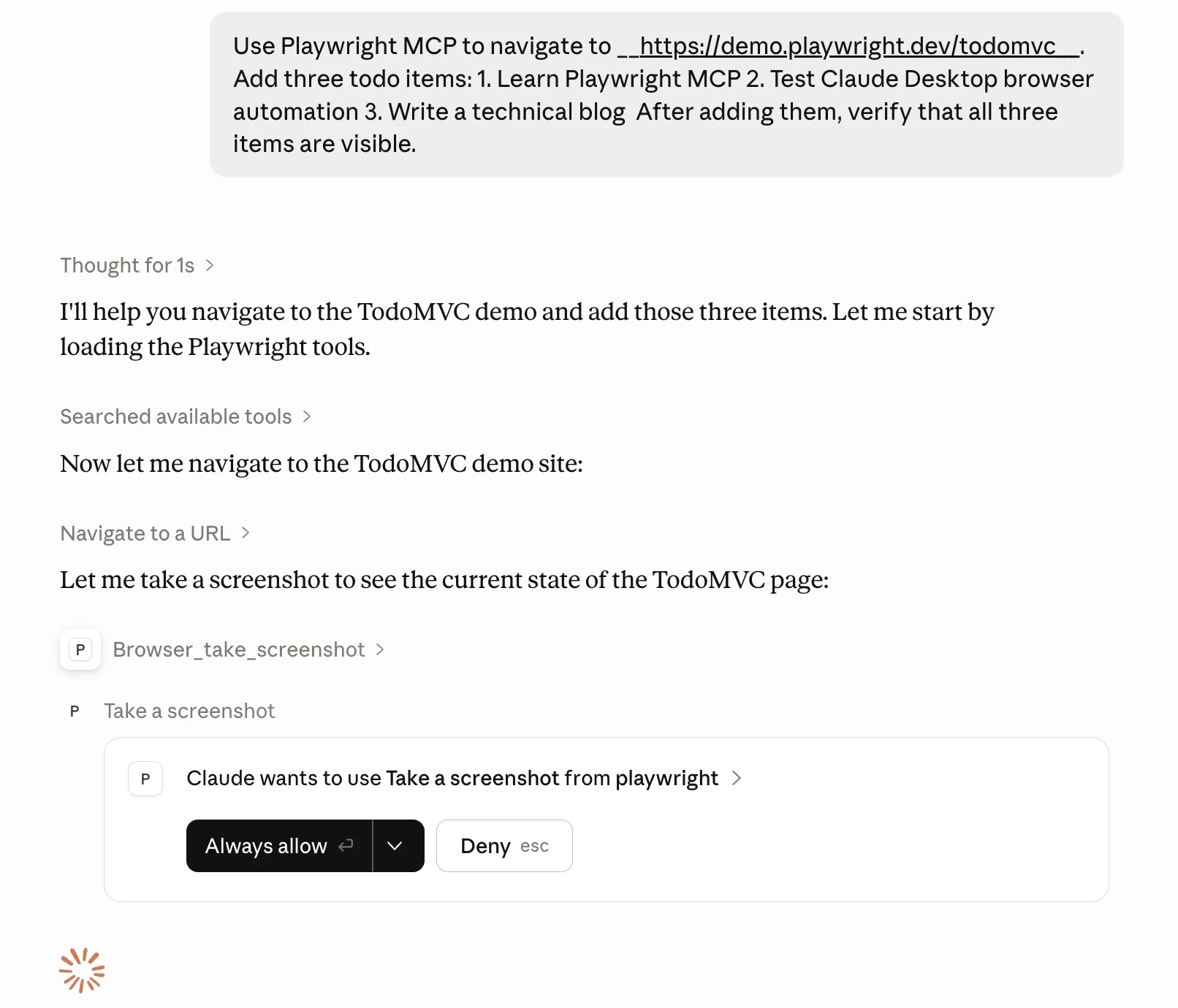
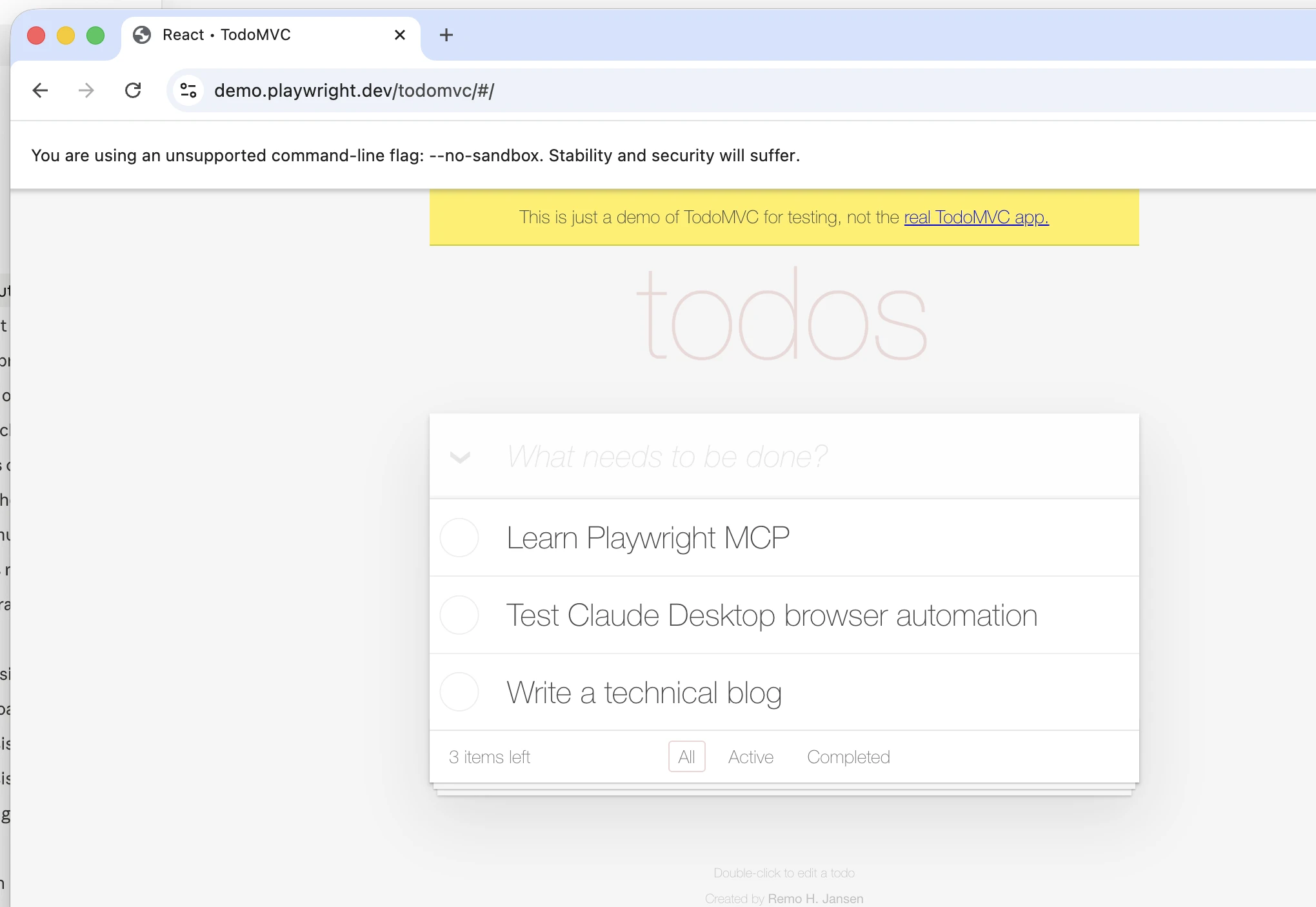
QA engineers can use Claude to generate and execute test scripts on the fly. Instead of writing hundreds of lines of code to test a login flow, a tester can simply prompt Claude: “Navigate to the staging site and try to create an account with an invalid email address. Report any UI inconsistencies.” The AI can then use Playwright to perform the task and even provide screenshots of any errors found.
2. Competitive Intelligence and Market Research:
Marketing teams can automate the collection of pricing data or feature updates from competitor websites. Because Playwright MCP can handle complex interactions like clicking through pagination or expanding accordion menus, it can extract data from dynamic “Single Page Applications” (SPAs) that traditional web scrapers often struggle with.
3. User Interface (UI) Debugging:
Developers can utilize the AI to inspect console logs and network activity. If a user reports a bug that only occurs under specific conditions, Claude can be tasked with replicating those conditions in the browser, monitoring the network traffic, and identifying the exact API call that is failing.
Security, Governance, and Human-in-the-Loop Protocols
The ability of an AI to perform actions on a computer introduces significant security considerations. Industry experts emphasize the importance of “Human-in-the-Loop” (HITL) systems. Anthropic has built-in safeguards that require users to grant explicit permission before an MCP tool executes an action.
Furthermore, technical leaders are encouraged to implement strict governance policies when deploying these agents:
- Isolated Profiles: Using dedicated browser profiles or “incognito” modes prevents the AI from accessing personal cookies or saved passwords unless explicitly intended.
- Domain Restriction: Configurations can be set to limit the AI’s navigation to specific “allowed” domains, preventing the agent from wandering into sensitive areas of an internal network.
- Audit Logging: Claude Desktop maintains logs of MCP activities, which are essential for post-action reviews and ensuring compliance with data privacy regulations like GDPR or CCPA.
A particularly sensitive feature within this stack is the browser_run_code_unsafe capability. This allows Claude to execute arbitrary JavaScript within the browser context. While powerful for complex data manipulation, it is essentially a Remote Code Execution (RCE) vector. Security best practices dictate that this feature should only be enabled in highly controlled, sandboxed environments.
The Impact on the RPA Market
The rise of AI agents like the Claude-Playwright integration poses a direct challenge to the traditional Robotic Process Automation (RPA) market, currently dominated by players like UiPath and Blue Prism. Traditional RPA is often expensive, requiring specialized developers to build and maintain rigid “bots.”
The “Agentic” approach is fundamentally different because it is “intent-based.” It requires far less maintenance because the AI can adapt to UI changes that would break a traditional RPA script. As these AI tools become more stable and easier to deploy, we can expect a significant shift in how enterprises approach business process automation, moving away from brittle scripts toward flexible, natural-language-driven agents.
Future Outlook and Conclusion
The integration of Playwright MCP into Claude Desktop is more than just a technical curiosity; it is a blueprint for the future of human-computer interaction. By providing AI with the “hands” to match its “brain,” we are moving toward a world where software is no longer something we operate, but something we collaborate with.
As the Model Context Protocol matures, we will likely see a vast ecosystem of servers connecting AI to every facet of the digital world—from CRM systems like Salesforce to cloud infrastructure like AWS. For now, the browser remains the most critical frontier. The ability of Claude to navigate the web with the precision of a human, powered by the structured reliability of Playwright, marks the definitive end of the “chatbot” era and the beginning of the age of the AI coworker. The transition will require careful management of security risks and a rethink of organizational workflows, but the potential for increased productivity and innovation is unprecedented.