
 rifanmuazin
The era of creative scarcity is drawing to a close, ushering in a new paradigm of “infinite creative” as generative artificial intelligence dramatically reduces the cost and time required to produce high-quality assets. This technological leap, while solving the long-standing production bottleneck in marketing, introduces a more complex challenge: in a world where virtually any creative concept can be realized, how do organizations intelligently decide what to create and how to best deploy it? This article explores this evolving landscape, presenting a framework for navigating this abundance through a “creative fitness landscape” analogy and proposing a two-part toolkit for maximizing creative performance in the age of AI.
The Production Bottleneck Dissolves: A New Era of Creative Abundance

For decades, the speed and scale of creative production have been a significant constraint on marketing campaign effectiveness. The ability to generate compelling visuals, compelling copy, and engaging video content has often been limited by human capacity, budget, and time. This bottleneck directly impacted the agility of campaigns and, crucially, their overall performance. Research consistently highlights the pivotal role of creative in driving marketing success, with some studies suggesting it accounts for up to 70% of campaign outcomes. Furthermore, creative diversity has been identified as a key driver of performance, ensuring that campaigns resonate with a broader audience and avoid ad fatigue.
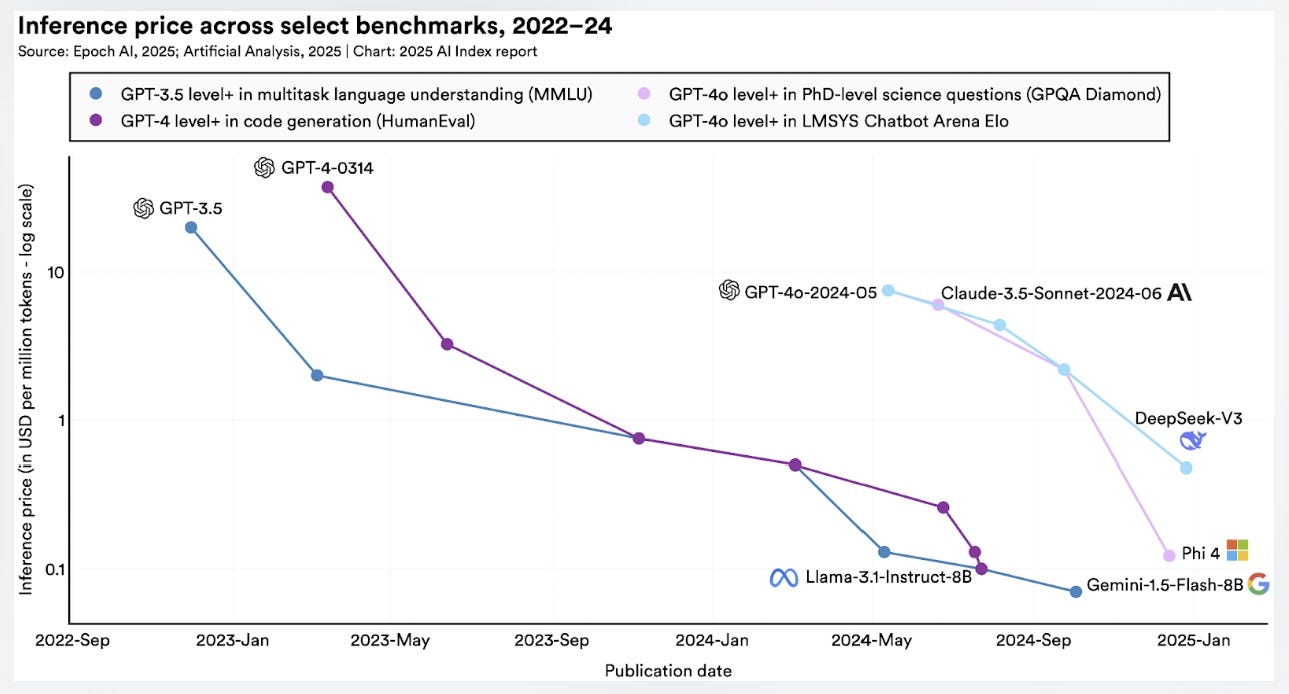
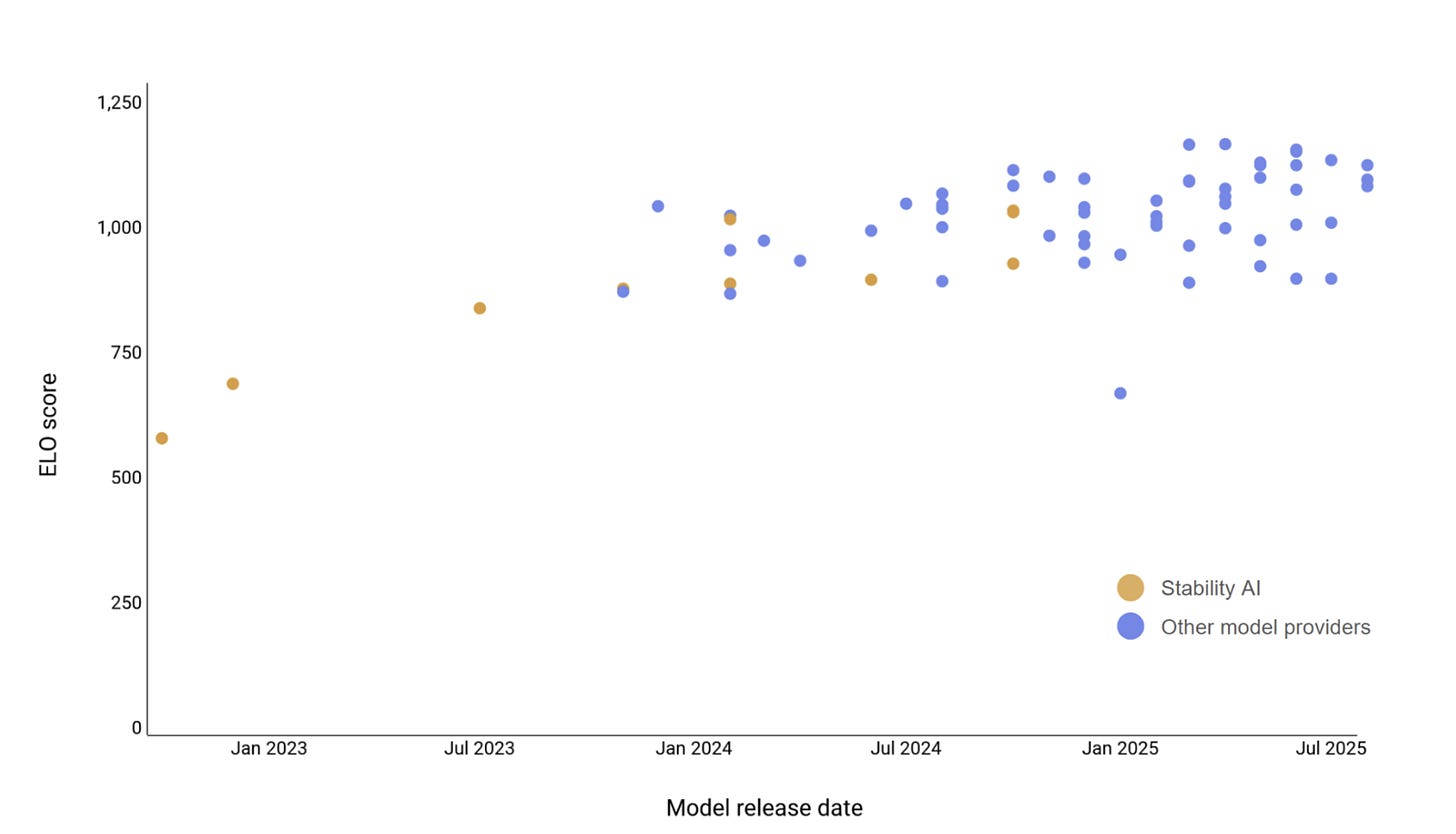
However, recent advancements in generative AI, particularly in image and video generation, are fundamentally altering this equation. The quality of AI-generated assets has seen a rapid and significant improvement, making them increasingly indistinguishable from human-created content. Simultaneously, the market for these AI tools appears to be heading towards commoditization. Data from sources tracking AI model performance, such as Artificial Analysis, reveals a clustering of model scores, indicating that leading AI platforms are converging in their capabilities. This trend, coupled with rapidly falling costs for inference tokens – the fundamental unit of AI processing – suggests that the barrier to entry for high-quality creative production is diminishing. Projections indicate that the cost of generating millions of inference tokens will continue its downward trajectory, mirroring the commoditization seen in other AI technologies like large language models.
This confluence of rising quality and falling costs means that the ability to produce any creative imaginable, with any desired content, is rapidly becoming a reality. Marketers are poised to enter an era where the sheer volume of potential creative assets is virtually limitless. This shift represents a profound liberation from traditional production constraints, but it simultaneously necessitates a strategic reorientation. The core challenge will no longer be how to create, but what to create to achieve optimal results.

Visualizing the Infinite Creative Landscape
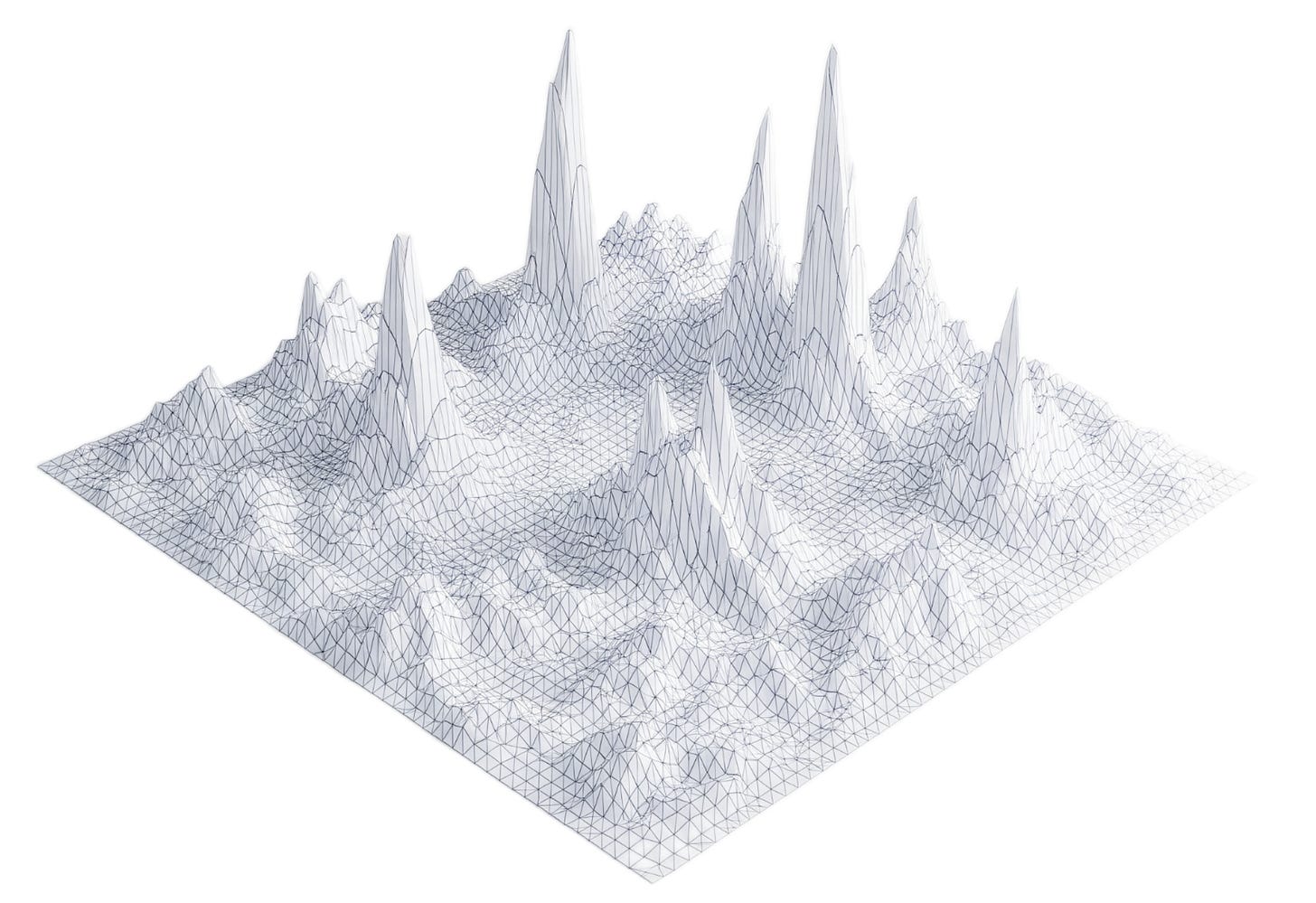
To conceptualize this new reality, imagine a vast “creative fitness landscape.” This landscape can be visualized as a multi-dimensional space where every possible creative variation exists. On a simplified 2D grid, adjacent points represent minor variations in creative elements. When a third dimension is added – representing “fitness,” or creative performance – the landscape reveals its peaks and valleys. The peaks signify highly effective creative assets that resonate strongly with target audiences and drive desired outcomes, while the valleys represent underperforming or ineffective creative.
The challenge lies in navigating this immense landscape. While the digital realm offers the potential for near-infinite creative variations, the ability to test and validate their performance is constrained by real-world data acquisition. Running millions of unique creative variants through live campaigns, for instance, would result in each variant receiving such minimal exposure that the resulting performance data would be statistically insignificant. This creates a critical tension: unlimited creative potential is met with limited data for testing and optimization. Therefore, the fundamental question becomes: how can marketers intelligently traverse this creative fitness landscape to discover and leverage the highest-performing creative assets?
The Navigator’s Toolkit: Exploitation and Exploration
To address this navigation challenge, a dual strategy is proposed: “Exploit” and “Explore.” These two complementary approaches, significantly amplified by generative AI, offer distinct but synergistic pathways to maximizing creative impact.
The “Exploit” Strategy: Refining Existing Successes
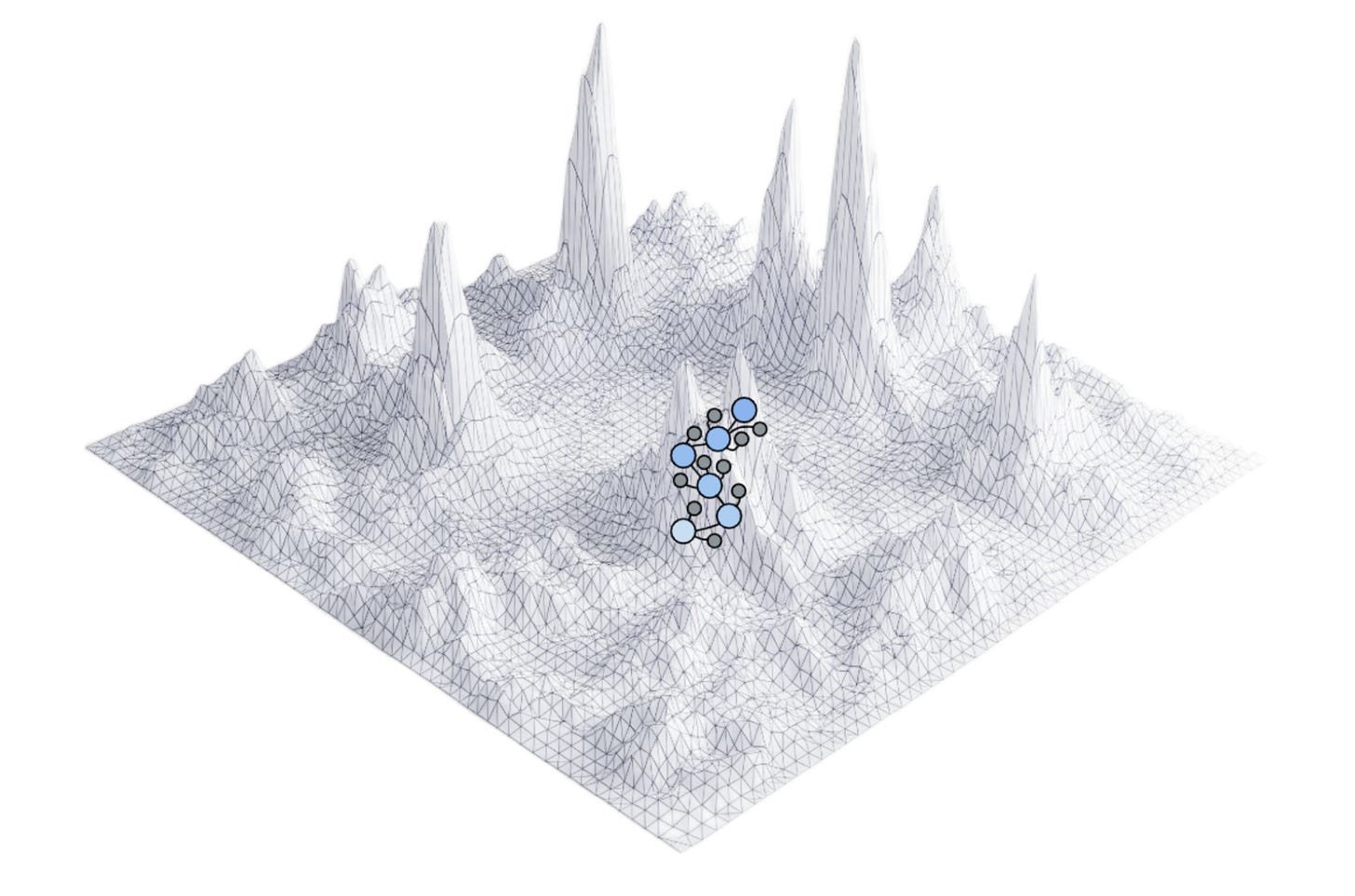
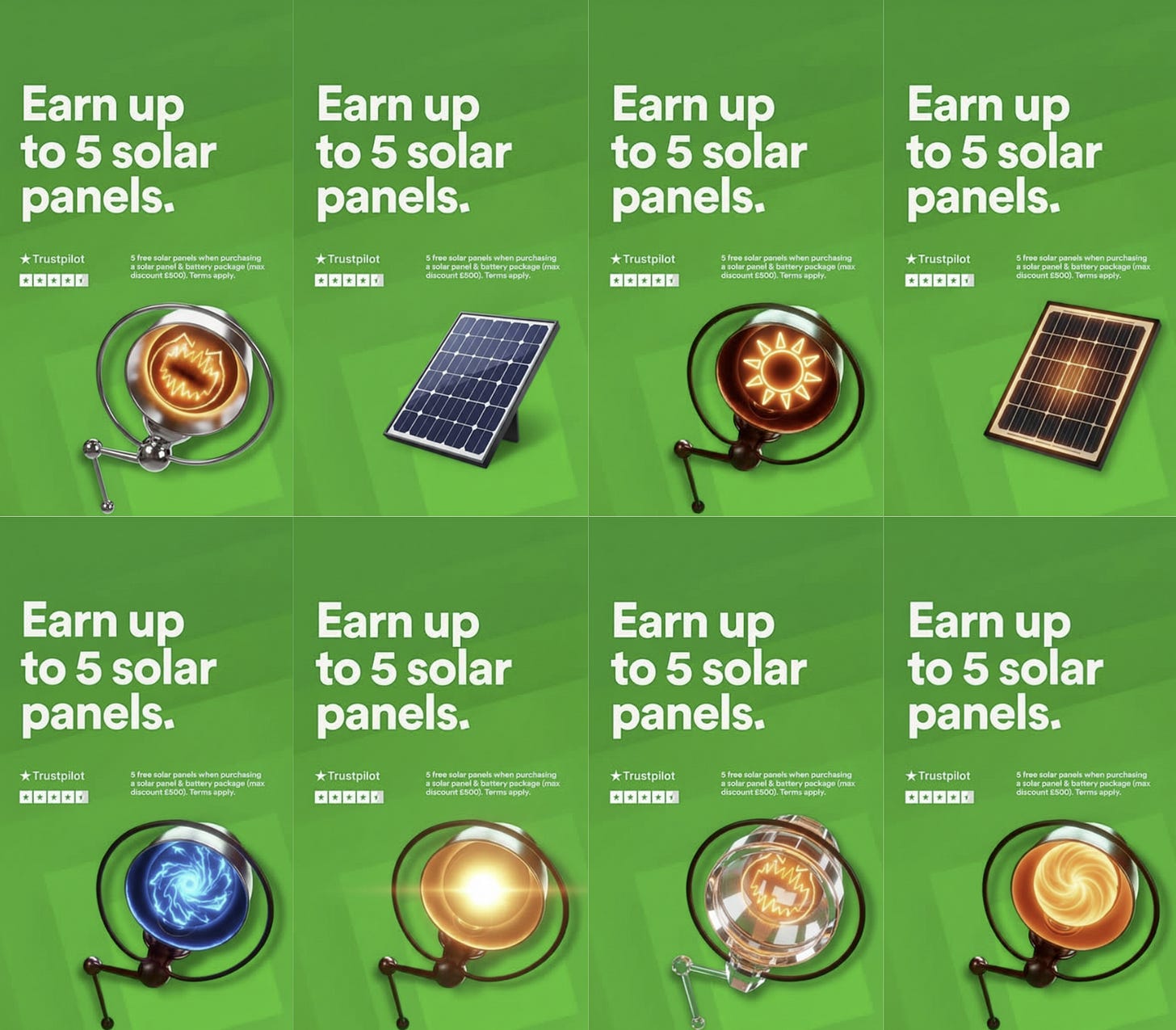
The “Exploit” strategy focuses on meticulously mapping known high-performing areas of the creative fitness landscape to identify their absolute peaks. This involves leveraging generative AI to create numerous micro-variations of existing successful creatives. These variations are designed to remain within a similar vicinity of the current creative’s position in the landscape, aiming to incrementally improve performance.
Goal: To thoroughly optimize a known high-performing creative to its maximum potential.
Method: The process begins with a proven high-performing creative. Generative AI is then employed to produce a series of subtle variations. These variations might involve slight adjustments to imagery, color palettes, typography, or calls to action, while keeping the core message and overall structure largely intact. The most successful of these micro-variations is then selected and used as the “seed” for the next generation of variations. This creates a rapid, iterative cycle of data-driven improvement.
Why it Works: This approach yields two key benefits. Firstly, it increases the diversity of creative options presented to advertising platforms. Modern bidding algorithms can then better match the most suitable creative to individual users based on their context and preferences, leading to more effective ad delivery. Secondly, by continuously using the top performer as the basis for further iterations, marketers create a virtuous cycle of gradual, data-informed optimization. This methodical refinement helps to discover local optima – the highest point within a specific region of the creative landscape. Early applications of this strategy, observed in agencies like Brainlabs, have demonstrated success in increasing creative diversity and gradually moving towards peak performance through small-scale variation generation across text and creative elements. For instance, generating numerous slight variations of a successful banner ad, while keeping all other campaign parameters constant, allows for the pinpointing of optimal design elements.

The “Explore” Strategy: Discovering New Territories
While the “Exploit” strategy is invaluable for optimizing existing successes, it carries the risk of becoming trapped on a “local peak.” By exclusively focusing on refining current performance, marketers might miss out on significantly higher peaks located in entirely different regions of the creative landscape. This is where the “Explore” strategy becomes crucial. It is designed to facilitate “big jumps” across the landscape, enabling the discovery of new, potentially breakthrough creative territories.
Goal: To break free from local optima and uncover entirely new, potentially higher-performing creative domains.
Method: This strategy relies on informed leaps, rather than incremental adjustments. It involves analyzing historical high-performing creatives to identify key attributes, themes, or stylistic elements that contributed to their success. Generative AI can then be used to create entirely new creatives that incorporate these identified attributes, or even to “cross-breed” elements from different successful creatives. This approach moves beyond minor tweaks to fundamentally reimagining creative concepts.
Why it Works: The “Explore” strategy leverages past performance data to guide its exploration, making it a calculated and strategic endeavor rather than a random guess. By understanding what has worked previously, marketers can identify other areas of the creative landscape that are likely to yield similar or even superior results. For example, an insurance company might analyze top-performing advertisements in unrelated industries, identify common elements like dynamic editing or emotionally resonant music, and then apply these principles to develop a novel and highly effective ad concept for their own brand. This strategic exploration reduces the inherent risk associated with venturing into uncharted creative territory.
The Future Frontier: Removing the Data Constraint
While both “Exploit” and “Explore” strategies, powered by generative AI, offer potent methods for navigating the creative landscape, their effectiveness is ultimately bounded by the speed and cost of acquiring real-world performance data. The next frontier in optimizing creative performance lies in overcoming this data limitation.
The potential solution lies in the development and widespread adoption of synthetic audiences. These are sophisticated simulations of individuals or entire target markets, constructed using a combination of large language model outputs and real-world data. The goal of synthetic audiences is to accurately mimic the behavior and responses of actual consumers, enabling them to be used for pre-testing and analysis much like a traditional focus group, but at a vastly accelerated scale.
By utilizing synthetic audiences, marketers could generate synthetic datasets of performance metrics across a wide spectrum of creative variations. While the computational costs would still be a factor, this approach could dramatically increase the speed and reduce the risk associated with testing new creative concepts. It would allow for more rapid iteration within the “Exploit” strategy and significantly de-risk the “big jumps” of the “Explore” strategy.
In a more advanced future, with further improvements in model speed and cost reduction, these synthetic audiences could revolutionize real-time advertising. Imagine exploratory searches for the most effective creative being conducted at the point of ad auction. Real-time signals about individual users could inform a narrowed search within the creative landscape, with subsequent “Exploit” and “Explore” strategies employed to hone in on the optimal creative for that specific person, based on a wealth of predictive data. This would represent a significant advancement over current Dynamic Creative Optimization (DCO) approaches, removing much of the guesswork involved.

However, a significant caveat remains. The viability of this future hinges entirely on the assumption that synthetic audiences can accurately predict the real-world outcomes of creatives when exposed to actual human consumers. The accuracy and reliability of these predictive models are still subjects of ongoing research and development, and the “jury is very much still out” on their ultimate effectiveness.
Conclusion: Navigating the Infinite Creative Horizon
We are at a pivotal moment in the evolution of marketing. The long-standing bottleneck of creative production is rapidly dissolving, replaced by an unprecedented landscape of infinite creative possibilities, all powered by generative AI. This seismic shift transforms the core challenge for marketers from production to intelligent selection and strategic navigation.
The path forward requires a sophisticated, dual approach: relentlessly exploiting known successes through precise micro-variations to capture incremental gains, while simultaneously exploring new creative territories with data-informed leaps to uncover transformative opportunities. The future promises an even greater acceleration of this process, with the emergence of synthetic audiences potentially removing the data constraint entirely. This could unlock creative testing at a scale previously unimaginable, allowing for unparalleled optimization and innovation in marketing. As the capabilities of AI continue to advance, mastering the art of navigating this infinite creative landscape will be paramount for brands seeking to connect, engage, and succeed in the years to come.










