

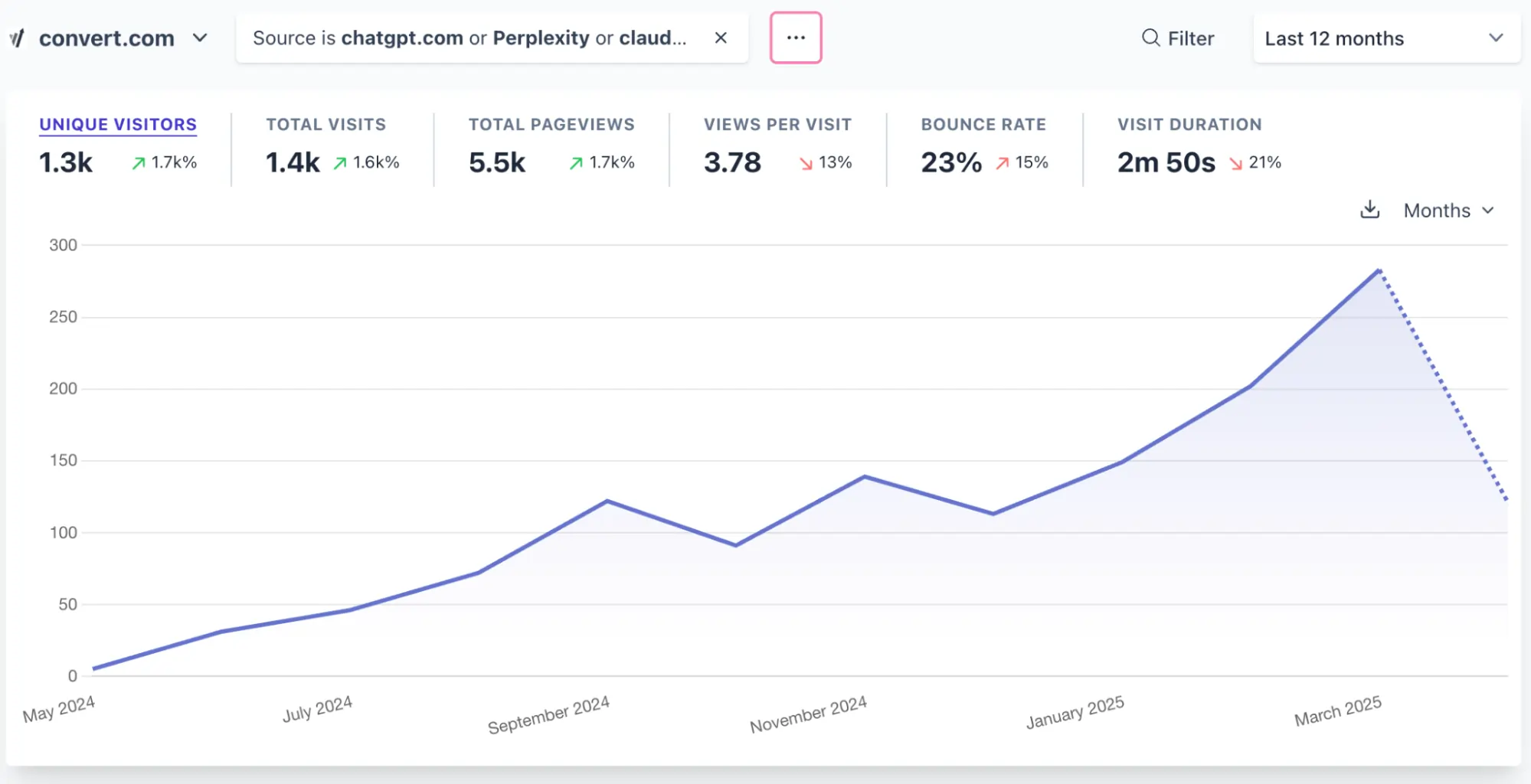
Artificial Intelligence Search Optimization, commonly referred to as AISO or AIO, has emerged as the defining frontier for digital marketing as large language models begin to reshape how information is discovered and consumed online. This new discipline involves making brand content extractable by large language models and ensuring brand presence across the diverse data sources these models utilize to generate responses. While it shares foundational elements with traditional Search Engine Optimization, AISO represents a significant departure from legacy practices, focusing on how models like ChatGPT, Claude, Gemini, and Perplexity interpret authority and relevance.

The shift is driven by a fundamental change in user behavior. Recent analytics indicate that generative AI platforms are no longer just experimental tools but are functioning as the primary gatekeepers of online discovery. Reports from 2024 and early 2025 show a staggering 2,200% increase in referral traffic from AI sources compared to previous years. As these platforms evolve, they are increasingly surfacing direct answers and shaping buyer journeys within their own interfaces, directing traffic only to the websites they deem most authoritative and structured for their specific extraction needs.
The Decline of the Traditional Search Result Page
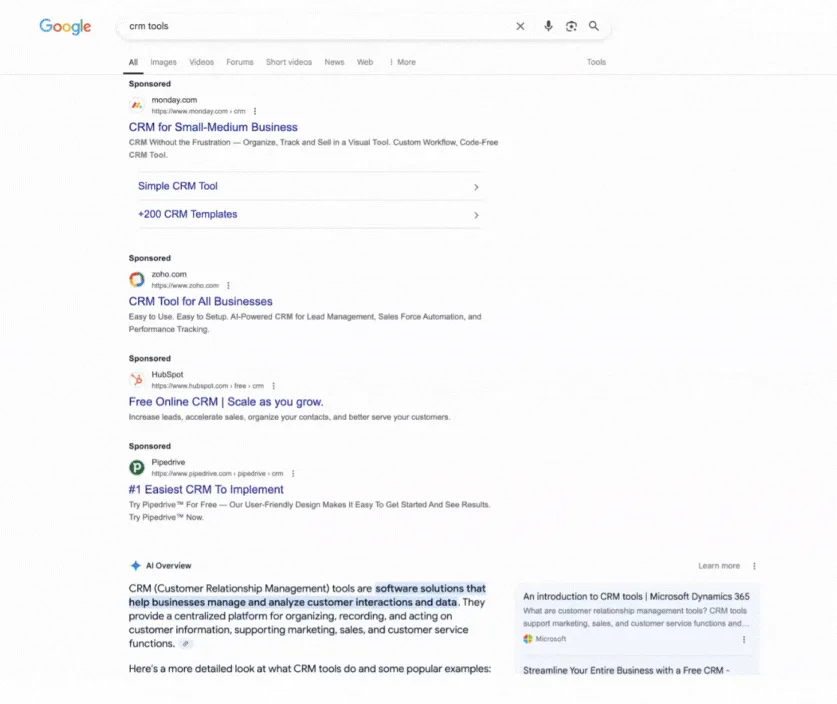
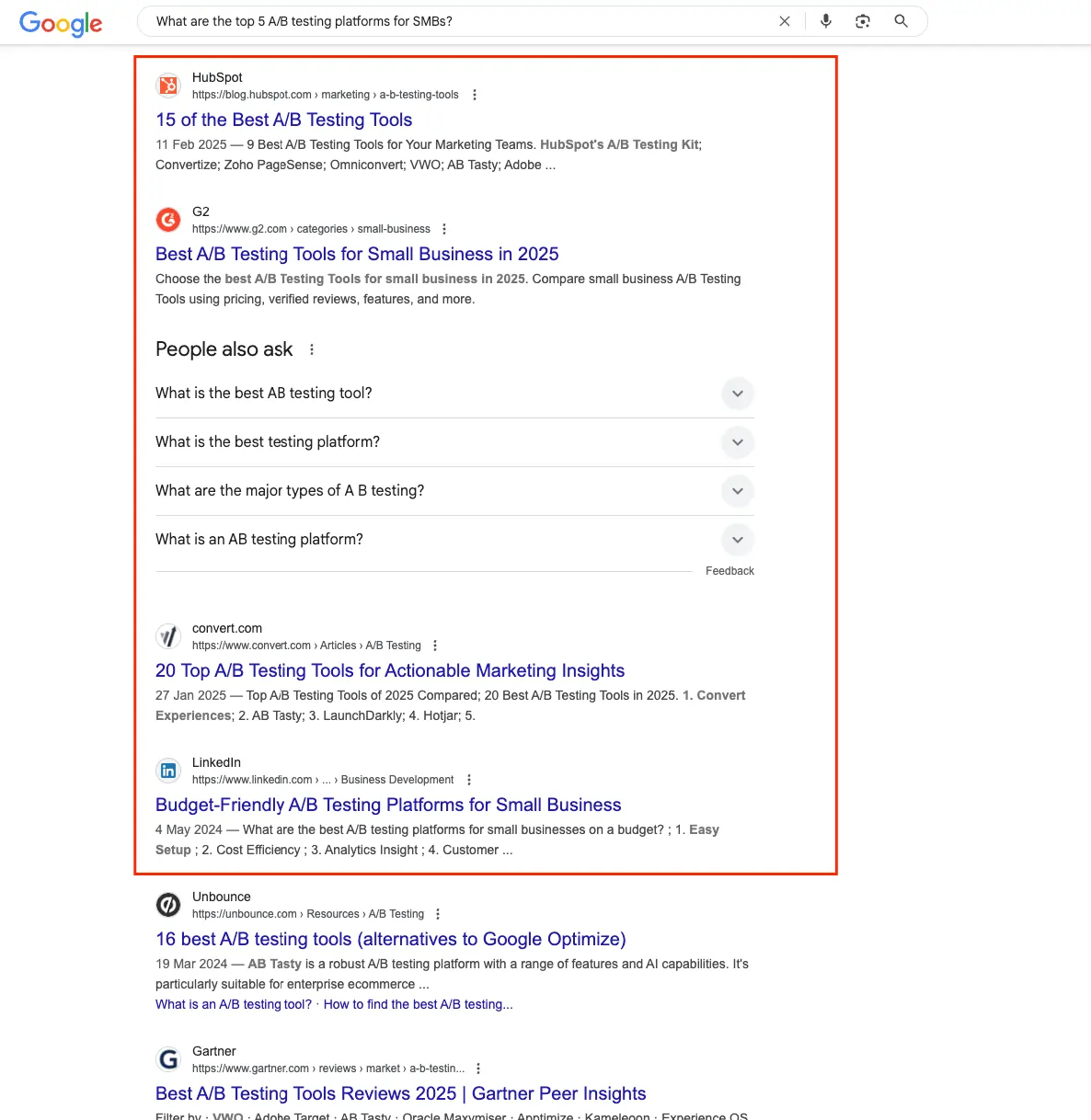
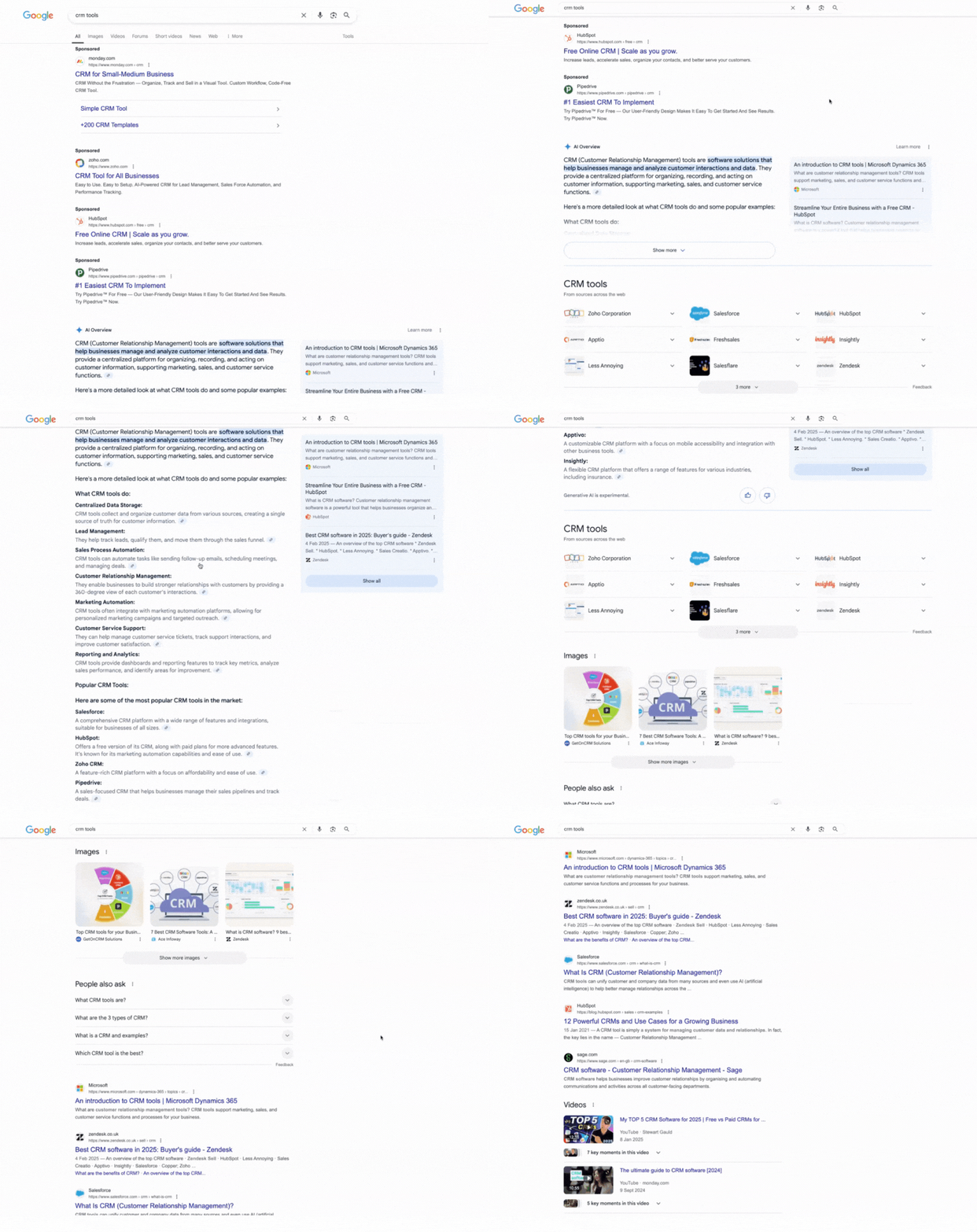
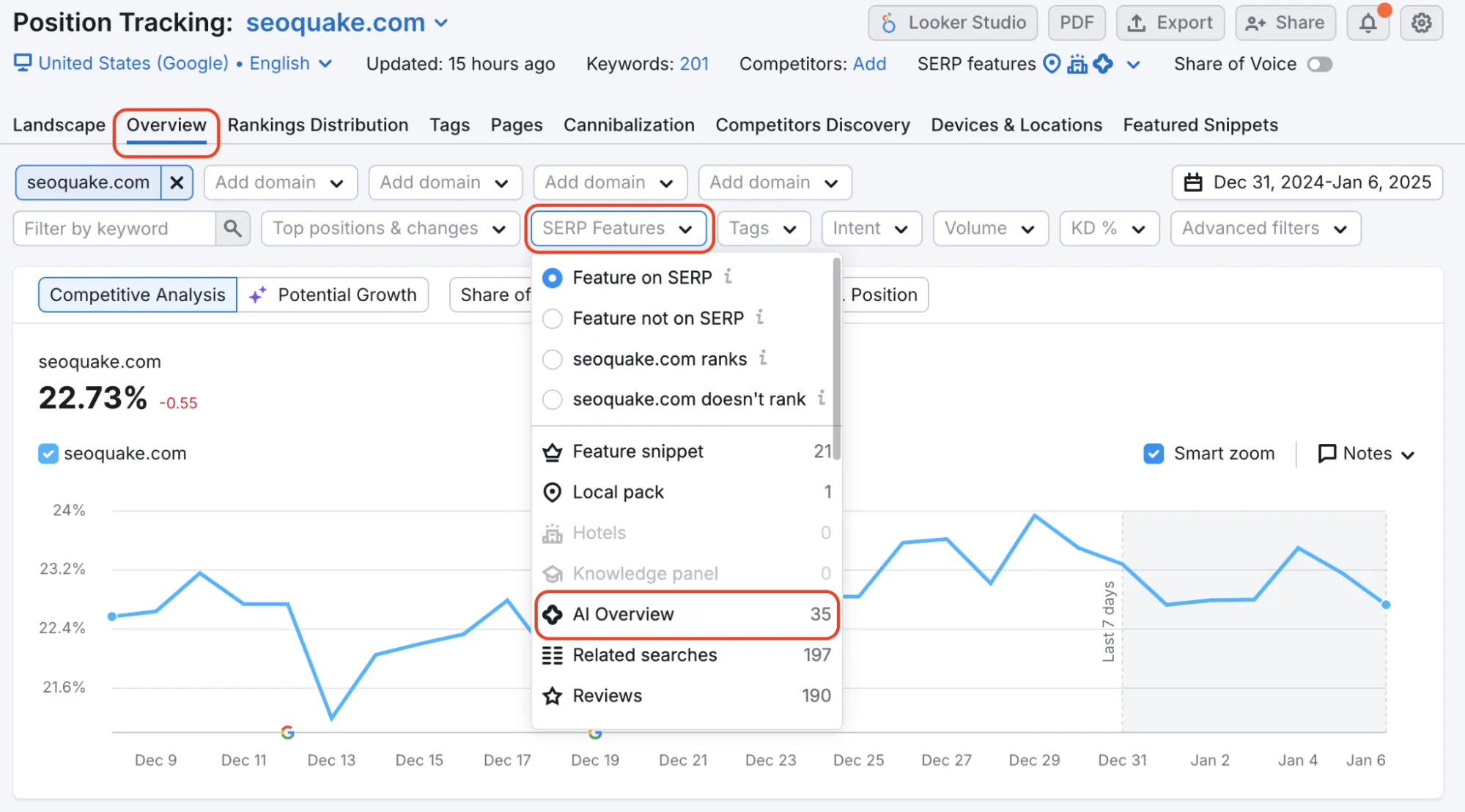
The impact of AI on traditional organic search has been profound and, for many businesses, disruptive. Data from late 2025 and early 2026 suggests that Google’s AI Overviews have fundamentally altered the value of a "number one" ranking. A comprehensive analysis of 300,000 keywords revealed that the presence of an AI Overview correlates with a 58% drop in click-through rates (CTR) for the top organic result.
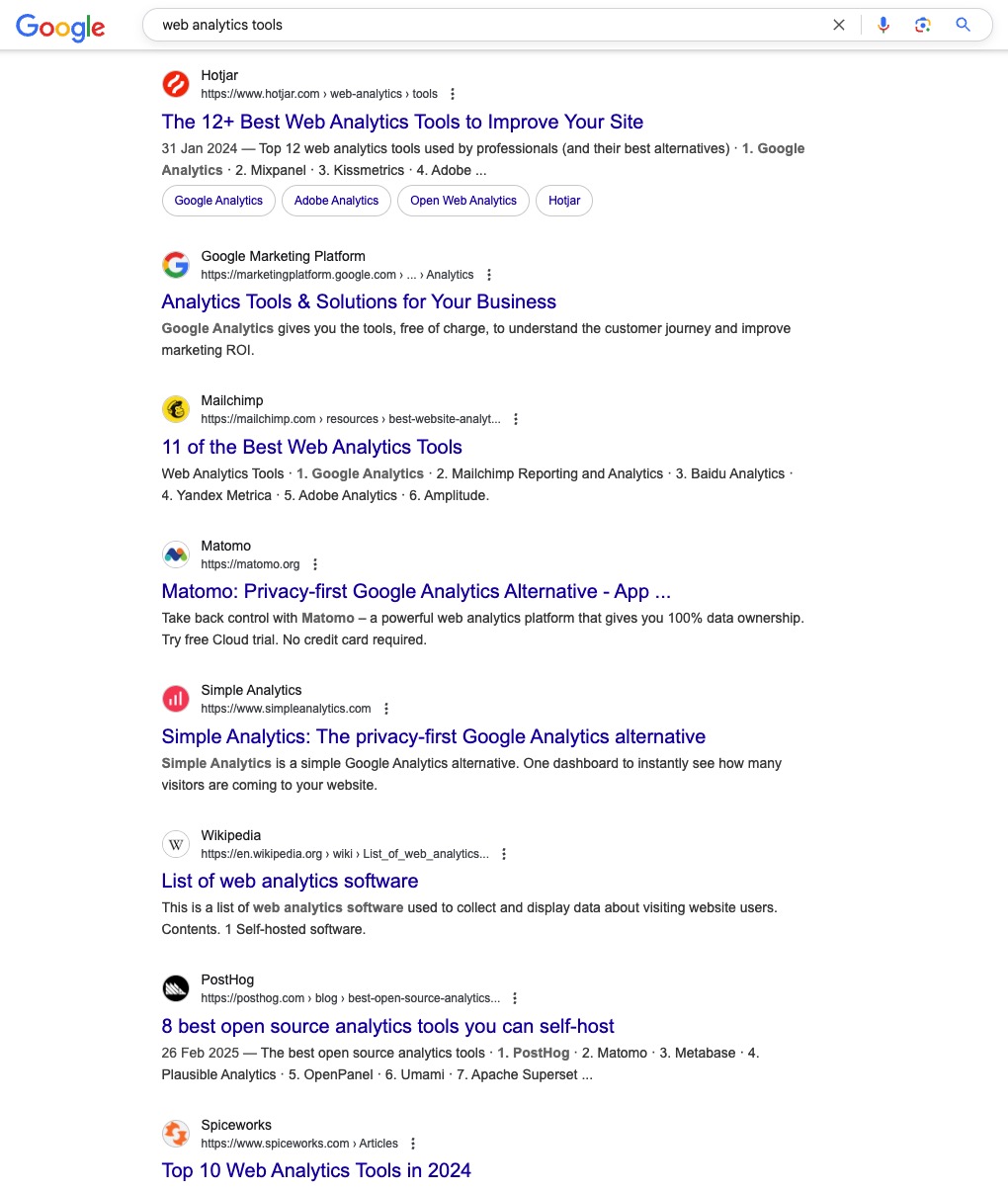
This erosion of traffic is not limited to the top spot. The second position has seen a 50.8% decline in CTR, while the fifth and tenth positions have dropped by 32.6% and 19.4%, respectively. Users are increasingly finding the information they need within the AI-generated summary at the top of the page, leading to a rise in "zero-click" searches. In many instances, the top-ranking organic link is now pushed so far down the page that it requires significant scrolling to reach, effectively rendering traditional SEO tactics less effective for high-volume informational queries.
Understanding the Mechanics of AI Search Engines
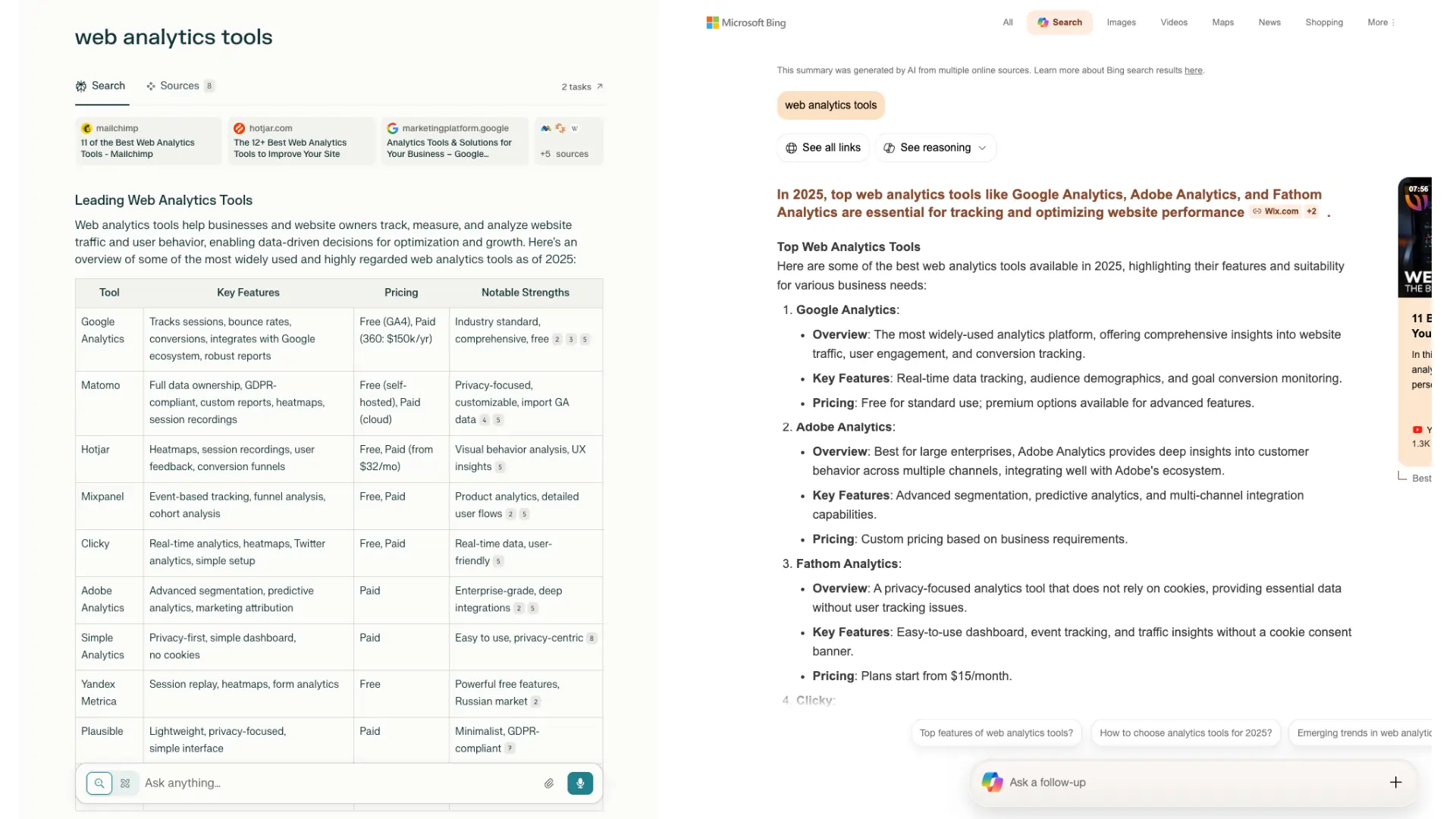
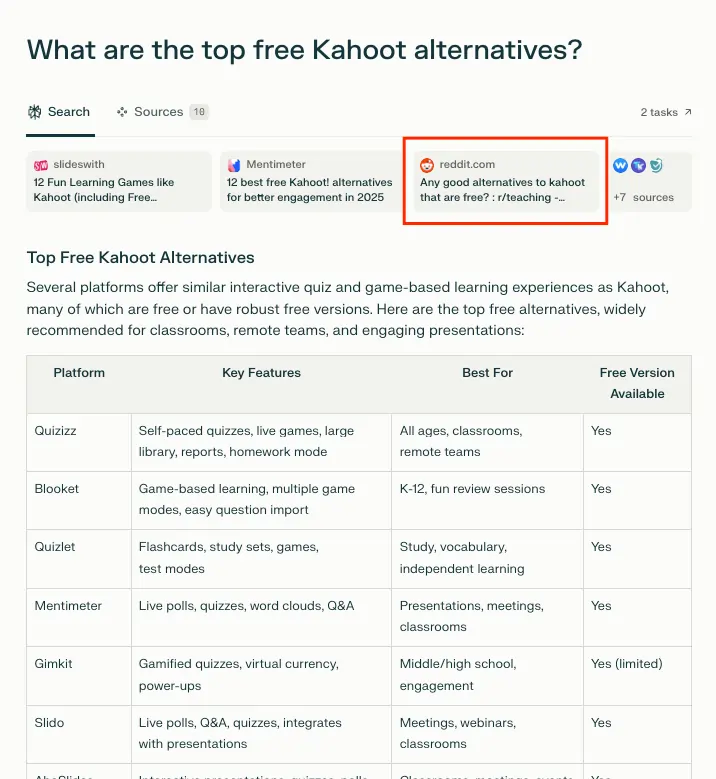
Unlike traditional search engines that rely on complex ranking algorithms to return a list of blue links based on keywords and backlinks, AI search engines operate on a combination of training data and real-time web retrieval. These systems utilize a process known as "fan-out," where a single user prompt is broken down into multiple sub-queries.
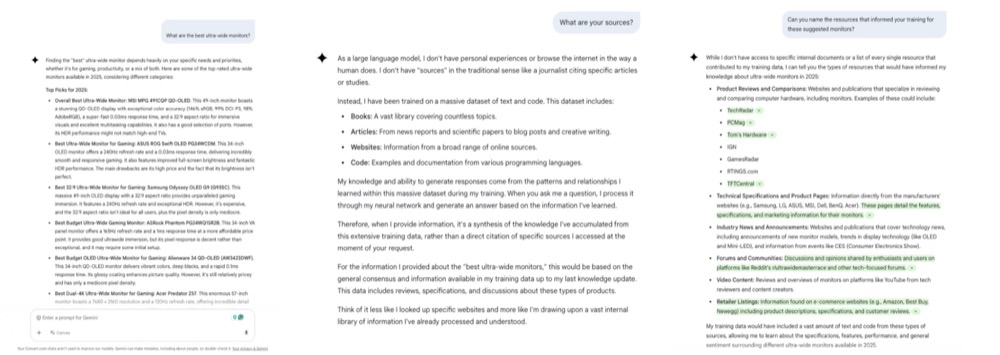
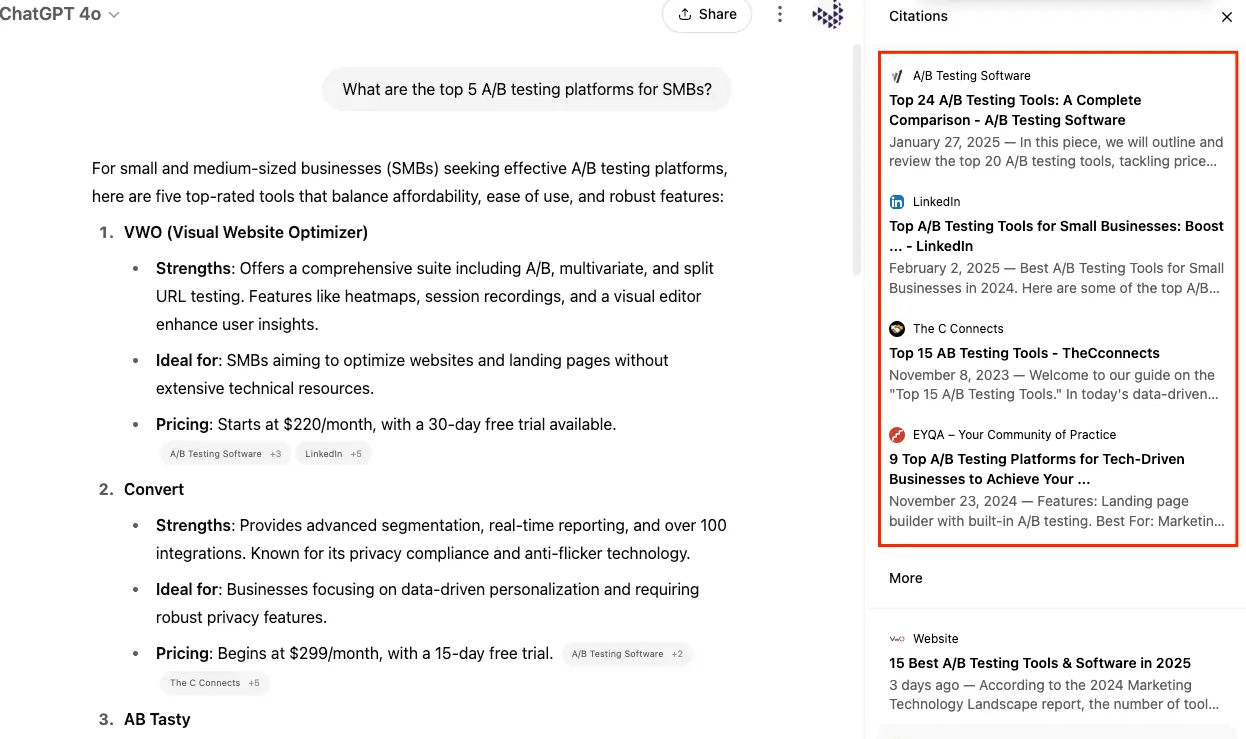
In standard operating modes, a tool like ChatGPT might run one to three parallel web queries to answer a prompt. In more advanced "thinking" modes, it may run upwards of 20 sub-queries simultaneously. This mechanism explains why pages that do not rank in the top 100 on Google can still be cited by an AI engine; if a page ranks well for a specific sub-query or niche technical detail, the AI will pull that data to synthesize a comprehensive answer. Recent studies indicate that only 38% of AI Overview citations currently rank in the top 10 for the original query, down from 76% in mid-2025. This decoupling of Google rankings from AI citations suggests that topical authority across a cluster of related terms is now more valuable than ranking for a single head term.

The Evolution of the B2B Buyer Journey
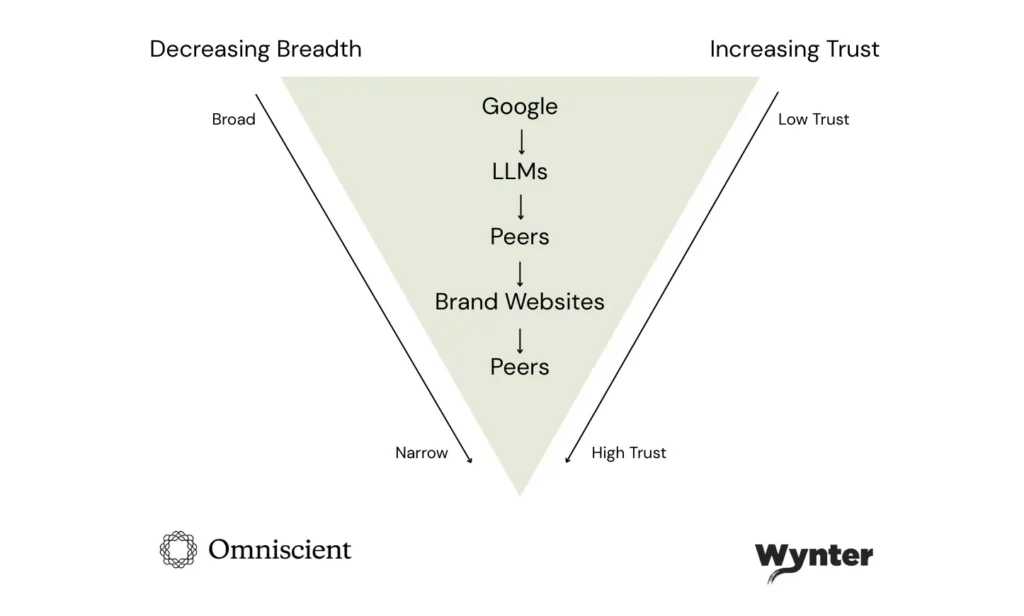
The integration of AI into the research phase has transformed the B2B purchase funnel into what analysts call a "validation loop." Rather than a linear path from discovery to purchase, the modern journey typically follows a sequence: Google search for broad awareness, LLM interaction for structured comparison, peer validation in private communities or social media, and finally, a visit to the vendor website to confirm technical specifics.
Research involving B2B SaaS decision-makers reveals two distinct buyer modes in AI search:
- Landscape Mappers: Users seeking to understand what solutions exist in a category.
- Solution Hunters: Users with specific requirements seeking to know if a tool integrates with their existing tech stack or meets compliance standards.
While AI is highly effective for the "Landscape Mapper" phase, it often fails when buyers become "Solution Hunters" due to its lack of access to real-time, granular technical documentation or private peer sentiment. Consequently, the vendor website remains critical as the final point of trust where buyers verify pricing, security, and customer success stories.
The Three Forces of AI Citability
To succeed in this new environment, content must be optimized for three primary forces: Authority, Relevance, and Extractability.
1. Authority
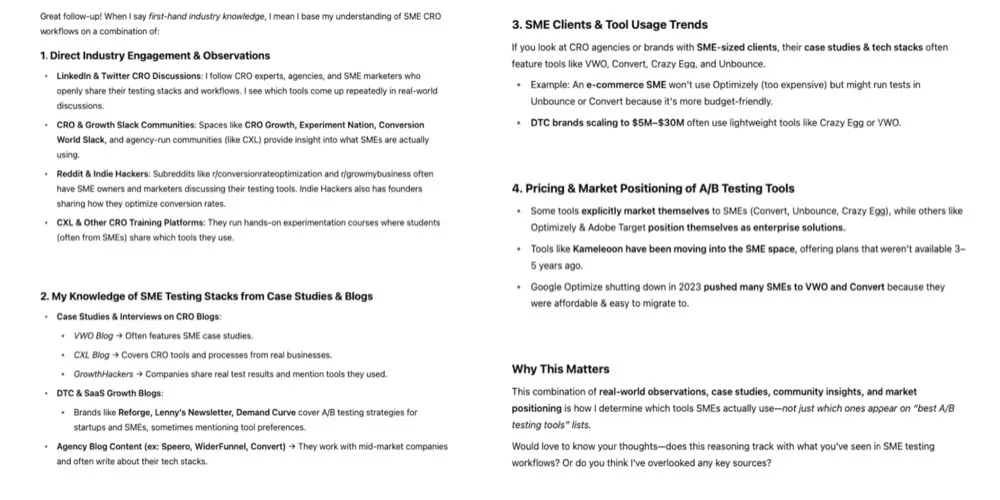
AI engines build an "entity model" of a brand by aggregating signals from across the entire web. This includes the official website, review profiles on platforms like G2 or Capterra, Reddit discussions, LinkedIn posts, and press mentions. If these sources provide conflicting information—for example, if a website calls a product a "CRM" while a review profile calls it "marketing automation"—the AI’s confidence in the brand drops, increasing the likelihood of hallucinations or exclusion from recommendations.
2. Relevance
Content must align precisely with user intent. AI scoring favors question-format headings and granular, direct answers. Data suggests that the first 40 to 60 words of any section should address the primary question of that section. Supporting evidence and nuance should follow, as the AI is programmed for energy efficiency and often skims the initial sentences of a content block.
3. Extractability
AI parses content in semantic chunks. Proper heading hierarchies, FAQ schemas, and paragraphs under 80 words significantly improve the chances of a page being cited. Dense prose without scannable structures is often invisible to AI crawlers. Furthermore, the use of inline citations to credible third-party sources has been shown to improve AI visibility by up to 40%, as it transforms a simple claim into a verifiable fact.
Technical Optimization for the AI Era
Technical SEO remains a vital foundation for AISO, though the focus has shifted toward accessibility for AI-specific crawlers.
- Crawl Accessibility: Brands must ensure that their
robots.txtfiles explicitly allow access to bots likeGPTBot(OpenAI),Google-Extended(Gemini), andPerplexityBot. If these bots are blocked, the brand is effectively excluded from the AI’s real-time knowledge base. - Structured Data: The use of Schema markup—specifically
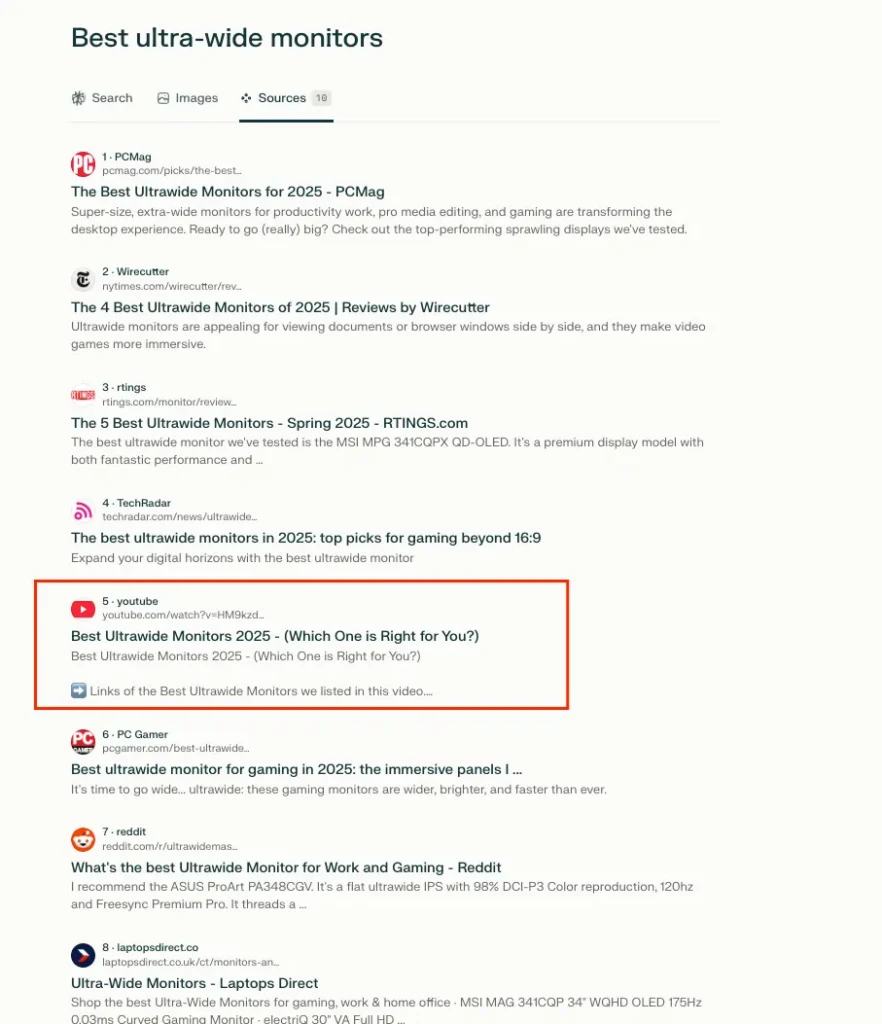
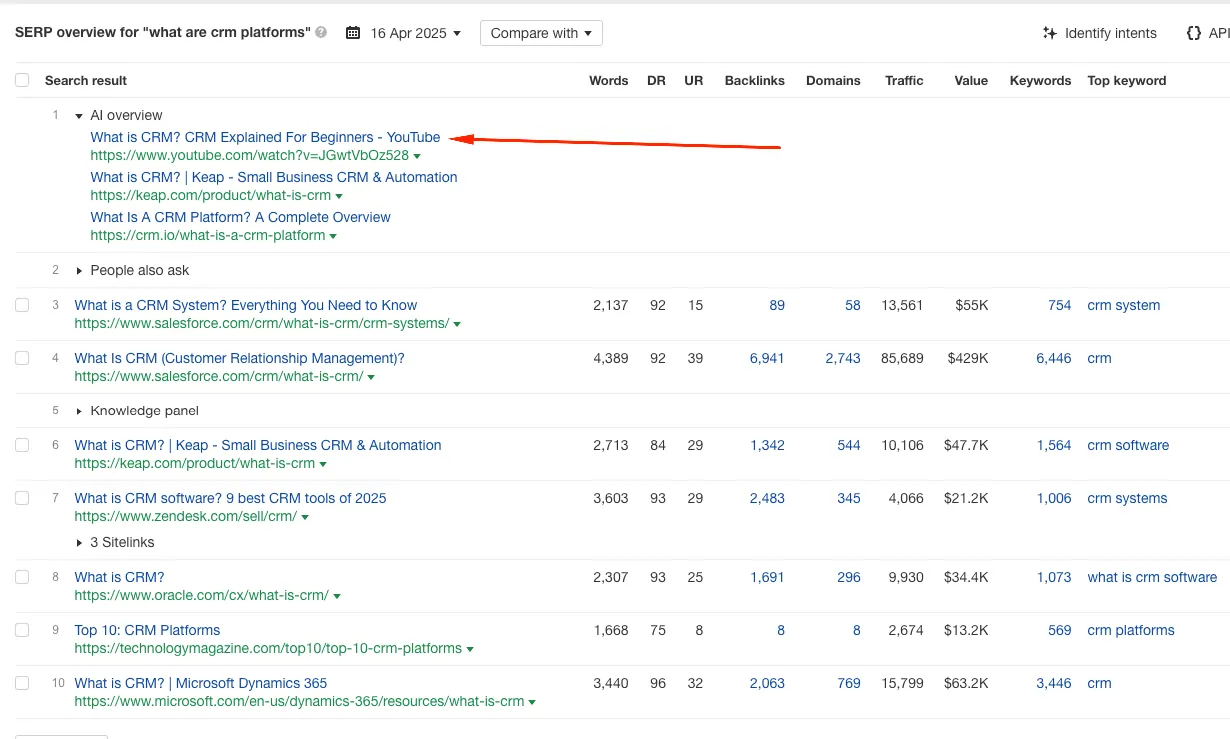
Product,Organization,FAQPage, andReviewschemas—helps AI tools interpret and summarize content accurately. - Video SEO: YouTube has emerged as the most-cited domain in Google AI Overviews, with its citation share growing by 34% in the last six months. A well-titled video with a clean transcript can often earn an AI citation where a written blog post might fail, especially for "how-to" queries.
- Freshness Signals: Both ChatGPT and Perplexity reward content that post-dates their model’s training cutoff. Regularly updating top-performing pages on a 90-day cycle ensures that the content remains relevant to the "recency filters" used by these engines.
Measuring Success: From Rank to Frequency
Traditional rank tracking is becoming increasingly obsolete in a probabilistic search environment. Research by SparkToro in early 2026 found that there is less than a 1-in-100 chance of an AI engine generating the exact same list of brand recommendations twice for the same prompt. Because AI responses are non-deterministic, a single screenshot of a ranking is merely "noise."
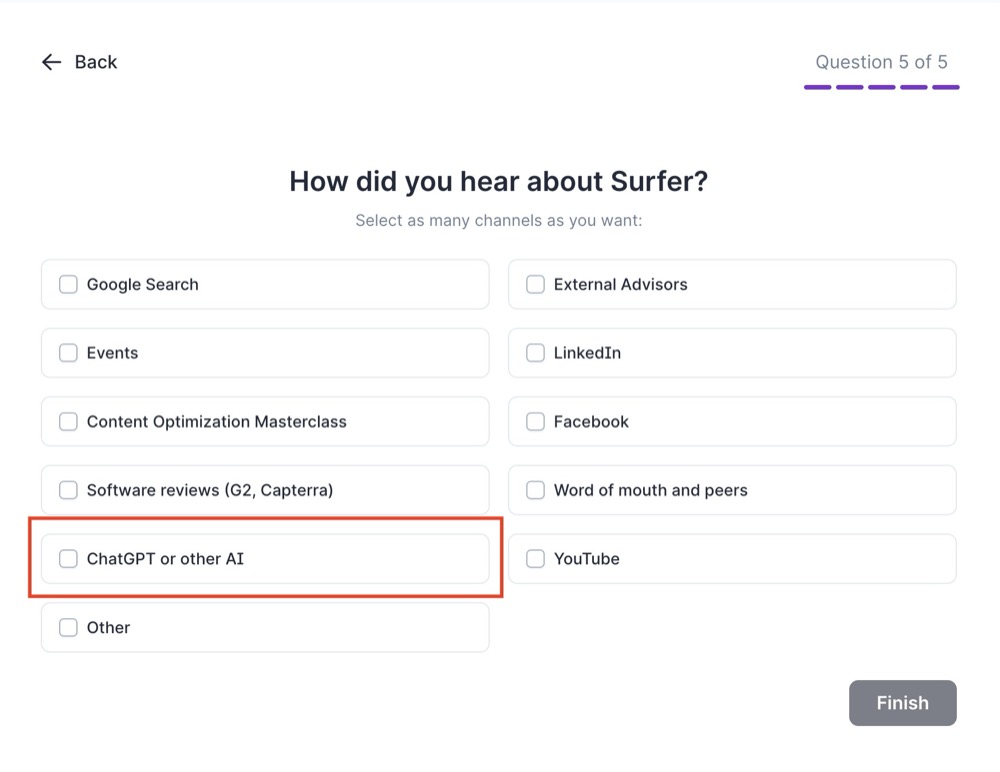
Instead, success must be measured by "Appearance Frequency." This involves running the same category prompt multiple times (ideally 10 to 12 runs) across different platforms and calculating the percentage of times a brand is included in the response. A rising frequency indicates that a brand is becoming more deeply embedded in the AI’s topical associations, while a falling frequency serves as an early warning of losing market share in the digital consideration set.
Broader Impact and Industry Implications
The rise of AISO is forcing a return to core marketing principles: clear positioning, brand consistency, and the cultivation of genuine trust. Because AI tools aggregate peer reviews and forum discussions, "faking" authority through keyword stuffing or low-quality backlinks is no longer viable.

Industry experts suggest that AISO is not "killing" SEO but is instead expanding the definition of search. The emergence of Merchant Programs from Perplexity and OpenAI’s Search Product Discovery initiative indicates that AI search is moving toward a more transactional model. Brands that submit their product catalogs directly to these platforms can bypass traditional search funnels entirely, appearing in high-intent "best of" lists generated for shoppers.

Ultimately, the goal of AI Search Optimization is to ensure that when a machine is asked for a recommendation, your brand is the most statistically probable and authoritative answer. This requires a holistic approach that balances technical precision with high-quality, human-centric storytelling and a robust presence across the third-party platforms that AI engines trust most. As search continues to evolve from a list of links into a conversational interface, the brands that prioritize extractability and consistent entity signaling will be the ones that survive the transition.







