


The global software market for eCommerce A/B testing is projected to reach a valuation of $12.5 billion by 2032, expanding at a compound annual growth rate (CAGR) of 16.2%. This significant financial trajectory underscores a fundamental shift in digital commerce: experimentation has transitioned from a niche technical exercise to a primary pillar of modern corporate growth strategies. As the cost of customer acquisition (CAC) continues to climb and market saturation intensifies, the ability to systematically test product pages, promotional structures, and checkout sequences has become a mandatory operational requirement for retailers seeking to maintain a competitive edge.

The Strategic Imperative of Digital Experimentation
In the contemporary eCommerce landscape, even marginal adjustments to the user experience can yield substantial fluctuations in conversion outcomes. A/B testing platforms provide the empirical framework necessary for teams to evaluate variations in navigation, layout, and messaging by tracking real-time user responses. The move toward data-backed decision-making is driven by five primary objectives that define the current industry standard.
First, the optimization of conversion rates remains the most immediate benefit. By validating changes through statistical significance, businesses can move beyond aesthetic preferences to implement features that directly correlate with purchase behavior. Second, these tools offer a window into customer behavior at scale. Through the integration of behavioral analytics—such as heatmaps, session recordings, and funnel analysis—merchants can identify specific friction points where potential buyers hesitate or abandon their journey.

Third, a robust testing infrastructure supports continuous experimentation across multi-functional teams. Modern platforms allow non-technical marketing staff to utilize visual editors for front-end changes, while simultaneously enabling engineering teams to execute complex server-side tests via feature flags. Fourth, the iterative nature of testing ensures the constant removal of friction from the buying journey, leading to smoother user paths. Finally, A/B testing maximizes the return on investment (ROI) from existing traffic. Given the high costs of driving visitors to a site, increasing the value of every session through improved average order values (AOV) and customer lifetime value (CLV) is essential for long-term profitability.
The 2026 eCommerce Testing Tool Landscape
As of 2026, the market offers a diverse array of platforms tailored to different business sizes and technical requirements. Selecting the appropriate tool requires an understanding of both feature sets and the underlying statistical models used to interpret data.
1. VWO AB Tasty
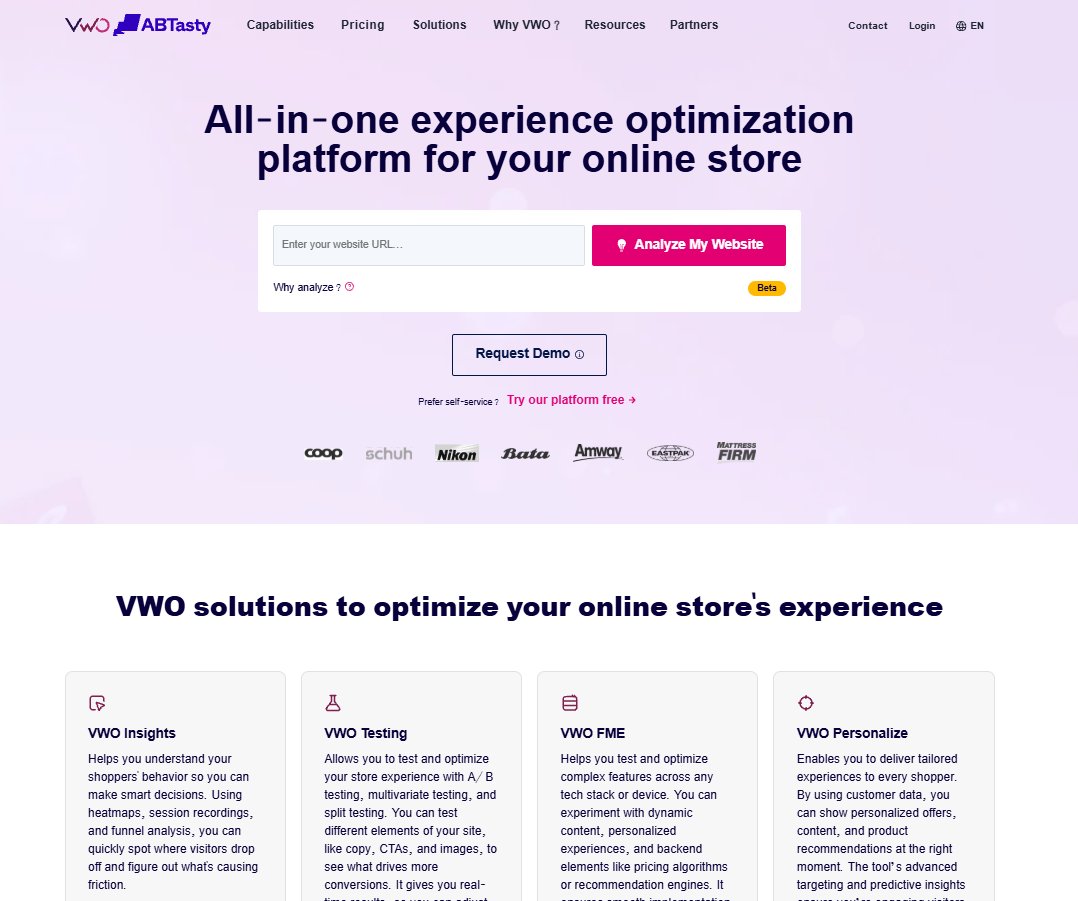
VWO AB Tasty has emerged as a comprehensive end-to-end experimentation suite. It facilitates A/B, multivariate, and split URL testing across web, mobile, and server-side environments. A defining feature of this platform is its Bayesian SmartStats engine, which is designed to provide reliable results faster than traditional frequentist models. The platform has heavily integrated artificial intelligence to automate the generation of test ideas and the creation of variations, allowing teams to scale their programs without a proportional increase in manual labor. Its primary strength lies in its ability to connect qualitative behavioral insights with quantitative test data.
2. Dynamic Yield
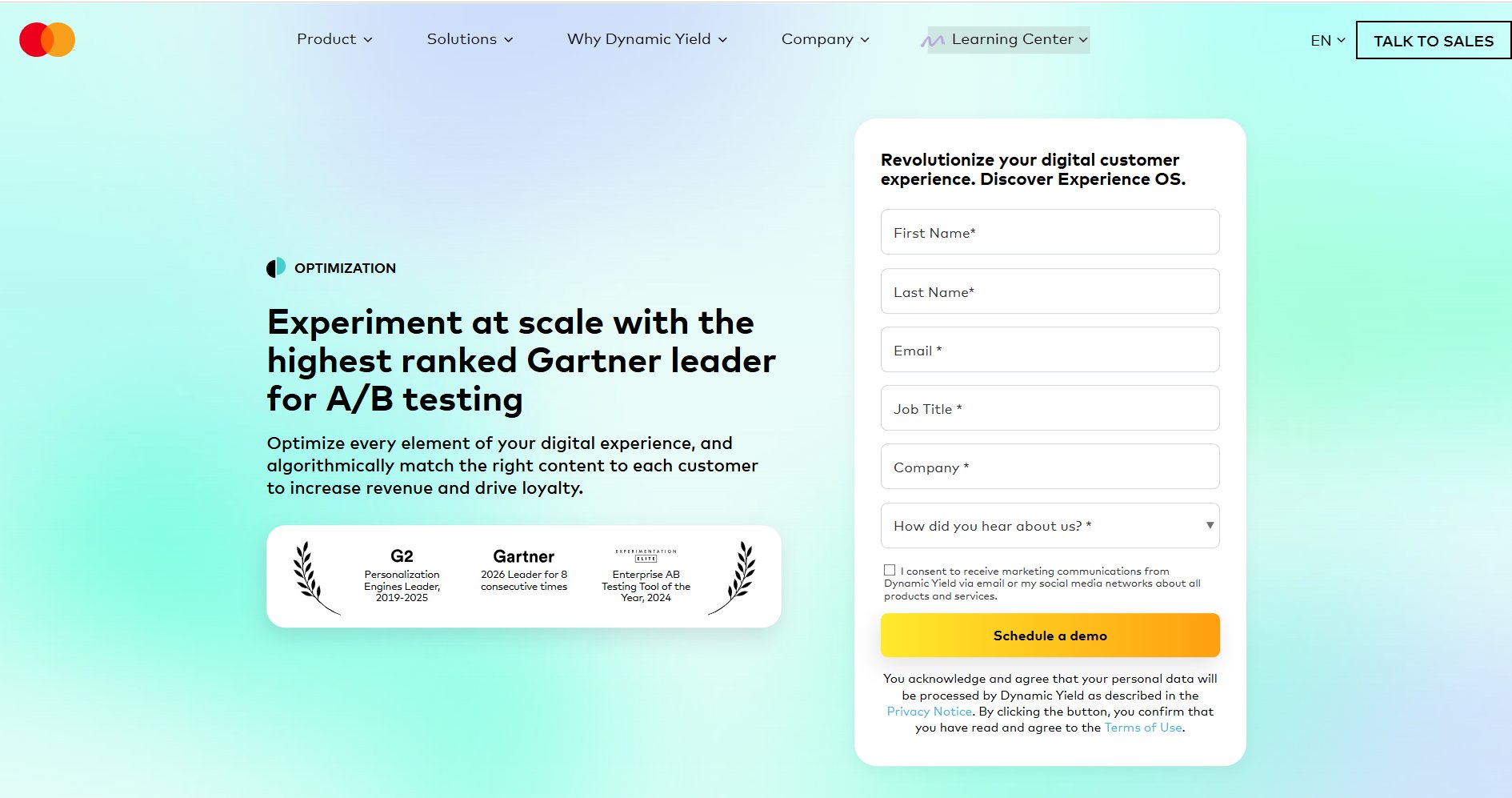
Positioned as an enterprise-grade solution, Dynamic Yield specializes in the intersection of personalization and experimentation. It utilizes a centralized "Experience OS" to aggregate customer data, enabling multi-touch campaigns and multi-armed bandit testing. This approach allows the system to automatically shift traffic toward the winning variation in real-time, minimizing the "opportunity cost" of a test. It is particularly suited for large-scale operations requiring omnichannel optimization across web, mobile apps, and email.
3. Convert Experiences
Convert Experiences is recognized for providing a high-performance, privacy-compliant testing environment. It is a full-stack solution that supports advanced audience targeting with over 40 filters. By offering a unified QA overlay and robust server-side capabilities, it appeals to mid-to-large enterprises that prioritize data security and site performance. Unlike some competitors, it maintains a transparent pricing model, starting at approximately $299 per month.
4. Kameleoon
Kameleoon distinguishes itself through AI-powered targeting and a "Widget Studio" that allows for rapid deployment of site elements. Its platform includes both multi-armed and contextual bandit algorithms, which adjust to user behavior dynamically. While it lacks some native behavioral analysis tools, its seamless integration with third-party analytics providers like Google Analytics and various CDPs makes it a flexible choice for data-heavy organizations.

5. Specialized and Niche Solutions
For Shopify and BigCommerce merchants, Shogun offers a native integration that simplifies the testing of themes and product collections directly within the store admin. For brands focused heavily on paid media, Unbounce provides a conversion-centric landing page builder with integrated A/B testing, ideal for optimizing the post-click experience. Meanwhile, Omniconvert caters to direct-to-consumer (D2C) brands by combining testing with RFM (Recency, Frequency, Monetary) analysis to track the impact of experiments on long-term retention.
Technical Implementation and Integration Strategies
The integration of an A/B testing tool into an eCommerce architecture generally follows three distinct methodologies, each serving different organizational needs.
Client-Side Integration: This is the most prevalent method, involving a JavaScript "snippet" placed in the website’s header. It modifies the front-end elements in the user’s browser. It is highly efficient for testing UI/UX changes, such as button colors, banners, and copy.
Server-Side Integration: This method is led by product and engineering teams. The experiment is determined on the server before the page is rendered and sent to the browser. This is critical for testing backend logic, such as search algorithms, pricing structures, or checkout flows, and it eliminates the "flicker effect" sometimes seen in client-side testing.
Platform-Native Integration: Apps specifically designed for platforms like Shopify allow for automated setup. This path is often preferred by smaller teams or those looking to test platform-specific features like "Buy It Now" buttons or native cart behaviors.
Key Performance Indicators for 2026
The success of an experimentation program is measured through specific Key Performance Indicators (KPIs). Data from successful implementations highlights the potential impact:

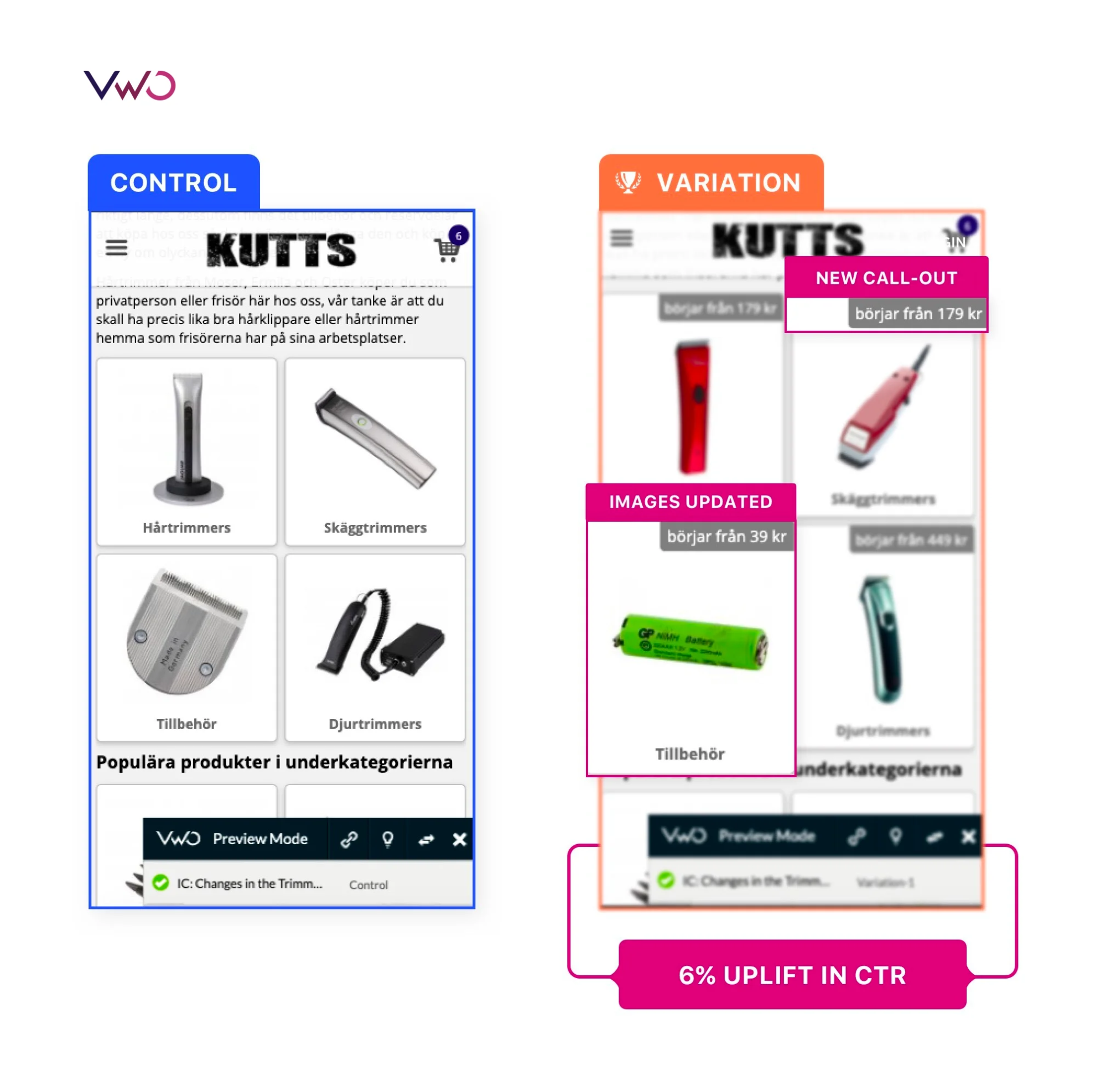
- Conversion Rate: Swedish brand Kutts reported a 6% increase in eCommerce conversions by optimizing category page layouts.
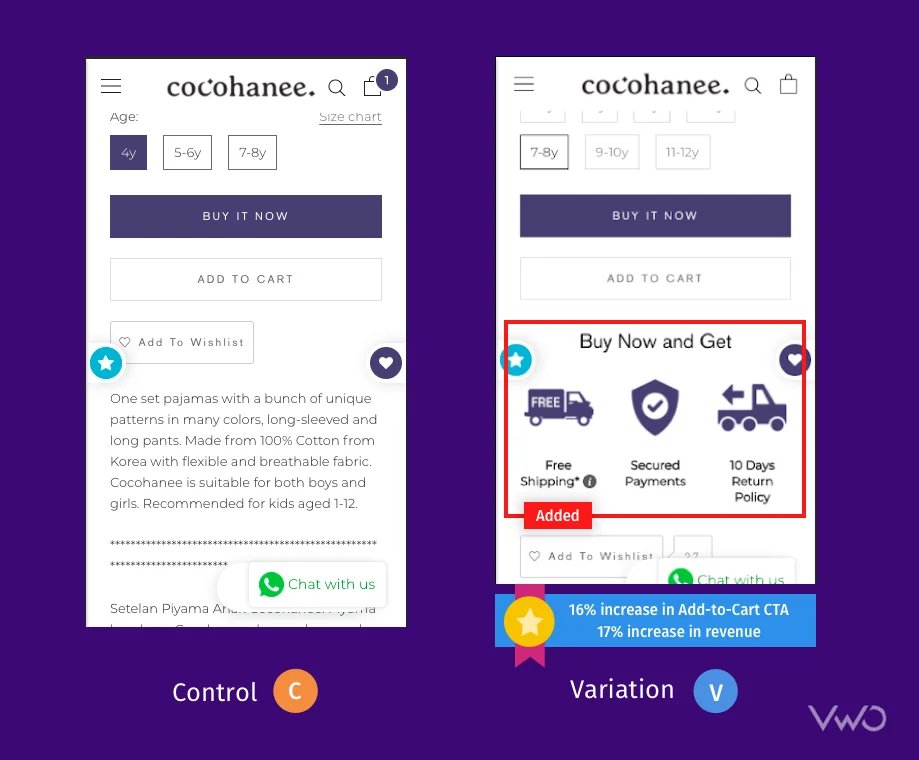
- Average Order Value (AOV): Kidswear retailer Cocohanee saw a 17% lift in AOV after simplifying navigation and shipping communication.
- Revenue Per Visitor (RPV): RubberStamps.net achieved a 33.2% increase in RPV by moving social proof elements above the fold.
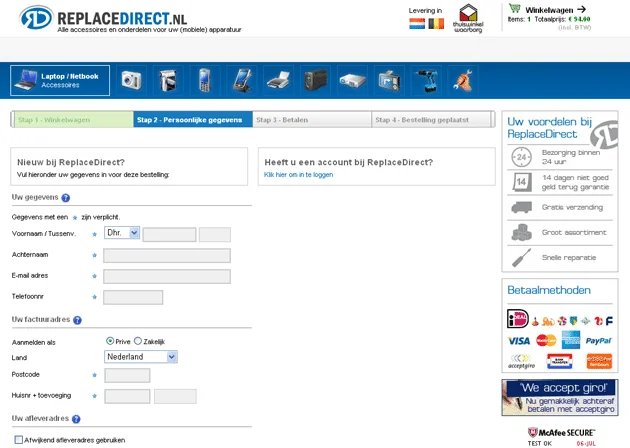
- Cart Abandonment Rate: ReplaceDirect reduced abandonment by 25% through a redesigned, transparent checkout process.
Expert Analysis: The Role of AI and Human Insight
The consensus among industry leaders is that while tools provide the "how," human strategy provides the "why." Cameron Calder, Founder of Hype Digital, emphasizes that effective experimentation requires moving beyond instinct. "What teams really need is proof of concept backed by data, so every change is measured against its actual impact and aligned with business goals," Calder stated in a recent industry forum.
Furthermore, the integration of AI is accelerating the velocity of these programs. Anirban Chakraborty, Founder of ConvertPolo, notes that AI is reshaping the landscape by reducing the time required to build and launch experiments. AI platforms can now assist in writing code for variations and analyzing complex data sets to find hidden segments that responded positively to a test even if the overall result was neutral.
Future Implications and Conclusion
The rapid growth of the A/B testing market suggests a future where "static" websites are obsolete. By 2026, the industry is moving toward a model of "continuous optimization," where the user experience is constantly evolving based on real-time data. For eCommerce businesses, the choice of a testing tool is no longer just a technical decision; it is a strategic investment in the brand’s ability to understand and respond to its customers.
As AI continues to lower the barrier to entry for complex testing, the competitive advantage will shift from those who can test to those who can interpret and act on data most effectively. In an era of $12.5 billion market valuations, the most successful retailers will be those who view every user interaction as an opportunity to learn, refine, and optimize. Consistent experimentation, supported by the right technological stack, remains the most reliable path to sustainable digital growth in an increasingly volatile global market.







