rifanmuazin
The landscape of Business-to-Business (B2B) marketing is undergoing a seismic shift, driven by increasingly complex buyer journeys, the pervasive influence of artificial intelligence (AI), and a fragmented information ecosystem. In this dynamic environment, a new framework, “Best Answer Marketing” (BAM), is emerging as a critical strategy for B2B brands aiming to cut through the noise, cultivate deep trust, and ultimately drive purchasing decisions. BAM centers on the principle of being the most relevant and reliable source of information at every touchpoint a potential customer encounters. This approach distills down to three core pillars: visibility, belief, and choice, each crucial for establishing a brand as the definitive solution provider.
The urgency for such a framework is underscored by compelling data. Research from 6Sense indicates that a staggering 94% of B2B buyers are leveraging AI in their purchasing processes. Simultaneously, McKinsey reports that B2B buyers interact with an average of over 10 distinct information channels, a figure that highlights the scattered nature of buyer research. Further complicating matters, Forrester’s findings reveal that buying committees now comprise an average of 13 internal stakeholders and 9 external advisors, making consensus-building and consistent messaging more challenging than ever. This confluence of factors presents a significant departure from traditional B2B marketing paradigms.
In response to this escalating complexity, some B2B organizations are resorting to a strategy of simply producing “more content,” often heavily influenced or generated by AI. While AI offers efficiency in content creation, it also risks contributing to a homogeneous digital environment where brands struggle to differentiate themselves. As Adobe’s research suggests, an overwhelming 82% of B2B brands are focusing on content that directly answers customer questions. However, the efficacy of this approach hinges not just on answering questions, but on the strategic “what, how, where, who, and why” behind those answers. The accessibility of AI for content optimization and adherence to Google’s E-E-A-T (Experience, Expertise, Authoritativeness, Trustworthiness) guidelines means these foundational elements are now within reach for virtually all marketers, raising the question: how can brands truly stand out, build genuine trust, and foster the confidence necessary for decision-making in an increasingly AI-driven and crowded marketplace?
The Best Answer Marketing framework posits that true differentiation lies in a deliberate and strategic approach to content. This involves not merely answering questions, but becoming the authoritative and trusted source for those answers. It requires a deep understanding of buyer intent and a commitment to delivering value that transcends generic AI-generated output. As the digital sphere becomes saturated with AI-assisted content, the human element—original research, authentic voices, and compelling storytelling—becomes paramount in establishing a brand’s unique authority and resonance.

The Pillars of Best Answer Marketing: Visibility, Belief, and Choice
The Best Answer Marketing framework is built upon three interconnected pillars that guide B2B brands toward becoming trusted leaders in their respective fields. These pillars are not sequential steps but rather intertwined elements that must be cultivated concurrently to achieve sustained success.
1. Be Visible: Capturing Attention in a Fragmented Landscape
The foundational element of Best Answer Marketing is visibility. As the adage goes, “You can’t win the game if you don’t show up.” However, in today’s digital ecosystem, simply “showing up” through increased content volume is insufficient and can lead to brands blending into an undifferentiated mass. Buyers are increasingly adept at quickly scanning and discarding information, meaning brands have mere seconds to capture and retain attention.
To achieve meaningful visibility in the current environment, particularly with the rise of Large Language Models (LLMs) and AI-powered search, B2B marketers must focus on four key considerations: relevance, reach, creativity, and integration.
-
Relevance: The cornerstone of visibility is understanding precisely what questions your target audience is asking. This necessitates rigorous question research, exploring a multitude of sources to uncover the specific pain points, challenges, and information needs of potential buyers. This could include analyzing search queries, monitoring social media conversations, reviewing customer support logs, and conducting buyer interviews.
-
Reach: Visibility is inextricably linked to being present where your audience is actively seeking information. With the understanding that “search happens everywhere,” prioritizing channels is crucial. Audience intelligence tools, such as SparkToro, can provide invaluable insights into where buyers are discovering and validating information. This is particularly important given that 61% of B2B buyers now prefer a self-serve sales approach, as reported by Gartner, minimizing their reliance on direct sales interactions. While Google remains a dominant force in B2B discovery, the rapid adoption of AI tools like ChatGPT, Gemini, and Perplexity demands a strategic focus on these emerging platforms. A survey conducted by Ascend2 with 797 senior B2B marketers identified the top channels for distributing B2B thought leadership, which include:
- Industry publications and news sites
- Social media platforms (particularly LinkedIn)
- Vendor websites
- Webinars and virtual events
- Search engines (Google, Bing)
- AI-powered search and discovery tools
Beyond these, channels like email, word-of-mouth, influencer collaborations, earned media, paid media, and in-person events (conferences) also play a vital role. The key lies in understanding which channels are most effective for specific stages of the buyer journey and where your audience is most receptive.
-
Creativity: In a landscape often characterized by “sameness,” creativity emerges as a powerful differentiator. Visual appeal, compelling copywriting, originality, authentic human narratives, and emotionally resonant storytelling are frequently overlooked by B2B brands. This oversight presents a significant opportunity to capture attention. The principle that “facts tell, but stories sell” holds true; buyers are seeking meaningful and nuanced messaging that genuinely reflects their challenges, empathizes with their constraints, and fosters authentic connection. Brands that dare to break free from conventional, dry B2B communication and embrace creative expression are more likely to be noticed and remembered.
-
Integration: Creativity, when isolated to a single channel, can be ephemeral. To achieve lasting impact and build mental availability, creative expressions of relevance must be coordinated and integrated across the channels where buyers are actively searching. Given the expanding size of buying committees and their diverse information-seeking behaviors, a unified and consistent brand message across multiple touchpoints is essential for building the recognition and familiarity needed for consideration.
2. Be Believed: Cultivating Trust and Credibility
Capturing a buyer’s attention is only the first step; the subsequent challenge is to earn their trust and inspire belief in the information provided. LinkedIn research indicates that 94% of marketers agree that trust is fundamental to B2B success. In the current fragmented discovery environment, B2B brands must go beyond merely building trust to actively inspiring belief.
The Best Answer Marketing framework incorporates a “Trust System” designed to foster this belief. This system leverages the integrated messaging and creative strategies discussed earlier and applies them to building a robust foundation of credibility through several key approaches:

- Original Research and Thought Leadership: Producing unique, data-driven insights and perspectives positions a brand as an authority and a valuable source of knowledge. This content, when amplified through credible channels and influencers, establishes a strong base of trust.
- Influencer and Expert Endorsements: Collaborating with respected industry influencers and subject matter experts lends credibility and validation to a brand’s claims. When these trusted voices vouch for a brand’s solutions or insights, it significantly boosts buyer confidence.
- Customer Success Stories and Testimonials: Real-world evidence of a brand’s impact through authentic customer experiences is a powerful trust-building tool. These narratives demonstrate tangible results and provide social proof, reinforcing belief in a brand’s capabilities.
- Transparency and Openness: In an era of information overload, brands that are transparent about their processes, data, and even their limitations build a stronger connection with buyers. This honesty fosters a sense of integrity and reliability.
The distinction between simply informing and inspiring is crucial. Informing provides data; inspiring creates an emotional connection and a sense of conviction. Architecting trust through consistent messaging and building consensus among influential sources that your brand is the best answer is the pathway to inspiring belief. This integrated approach creates a more formidable foundation upon which B2B brands can establish themselves as the definitive solution for their target audience.
3. Be Chosen: Driving Decision Confidence and Preference
The ultimate goal of Best Answer Marketing is to be chosen by the buyer. This requires not only being visible and believed but also consistently demonstrating that the brand is the best answer for the buyer’s needs, fostering decision confidence. It goes beyond simply having the best solution; it’s about empowering the buying group to confidently defend their decision to choose your brand over all others.
Being the best answer means being visible where and when buyers are looking, validating your claims through trusted sources, and delivering answers through content experiences that resonate with the entire buying group. This combination leads to selection by search engines, LLMs, and AI search, as well as by influential voices within the buyer’s network—whether that’s a respected industry publication, a thought leader on LinkedIn, or a peer on a platform like Reddit.
Determining when a brand is truly “chosen” has become more complex, especially with the rise of zero-click searches and LLMs that don’t always cite sources. The focus shifts from mere click-through rates to understanding the impact on buyer knowledge, trust, and subsequent actions. Key indicators of being chosen include:
-
Brand Propagation: This signifies that a brand’s unique ideas, narratives, or research are being cited, summarized, or modeled by LLMs and search engines. This indicates the content is influencing answers at the highest level of discovery, even without a direct click. Metrics to monitor include:
- Mentions and citations in AI-generated responses.
- Inclusion of proprietary data or frameworks in AI outputs.
- Frequency of brand name appearing in “related searches” or “people also ask” sections.
-
Brand Consistency: This refers to earning disproportionate visibility across the channels that matter most to the target audience. It’s evidence that a brand’s answers are being consistently discovered and are relevant throughout the buyer’s journey. If a brand is publishing the same generic content as its competitors, it risks remaining invisible. Tracking metrics include:
- Consistent presence and engagement on key industry channels.
- Dominance in relevant search engine results pages (SERPs) and AI search rankings.
- High engagement rates across integrated content campaigns.
-
Brand Persuasion: This indicates that high-intent buyers arrive at the decision-making stage “pre-sold” or exceptionally well-informed about the brand’s solutions. Best answer content should reduce uncertainty and build decision confidence, moving buyers from the 95% who are not actively in-market to the 5% actively seeking solutions. Indicators include:
- Buyers demonstrating advanced knowledge of the brand’s offerings during sales interactions.
- Reduced sales cycle length for prospects engaging with best answer content.
- Increased conversion rates from prospect to qualified lead.
-
Brand-Driven Pipeline: This is the correlation between best answer content and pipeline quality. Beyond influencing discovery and engagement, this content builds confidence in decision-making and the rationale behind those decisions. Key pipeline metrics to associate with best answer content include:
- Higher average deal sizes.
- Increased win rates.
- Improved customer lifetime value.
Being chosen is not a singular event but a cumulative outcome of consistent presence where and when buyers are looking, coupled with the compounding value of familiarity, trust, and belief. By creating mental availability through cross-channel consistency and fostering confidence through proof and consensus, brands can position themselves as the definitive best answer, leading to selection.
The Future of B2B Marketing: Embracing the Human Element
As the B2B marketing landscape continues to evolve, the imperative for brands to move beyond mere efficiency and focus on delivering meaningful answers becomes paramount. The pendulum of AI’s promise is swinging back from mechanical output to deeply human-centric value. This shift presents a critical opportunity for B2B brands to cease blending in and instead emerge as best answer brands.
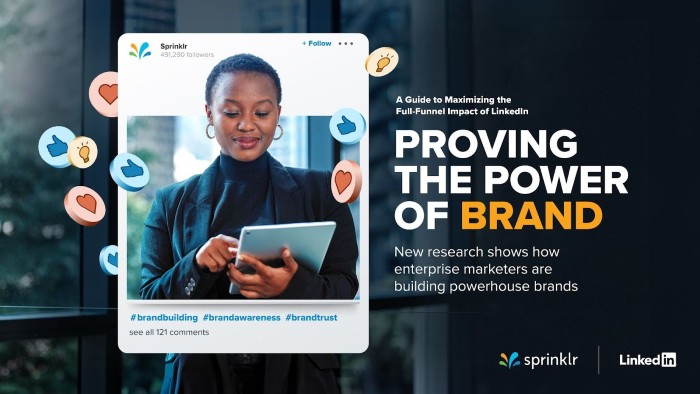
For instance, a case study involving Sprinklr and LinkedIn exemplifies the power of Best Answer Marketing, reportedly delivering 4.6 million targeted impressions, a 370% higher engagement rate, and 1,100 qualified leads. Such results highlight the tangible impact of a strategic approach that prioritizes visibility, belief, and ultimately, choice.
The journey to becoming a best answer brand requires a strategic re-evaluation of content efforts, moving from a volume-based approach to one focused on quality, relevance, and impact. By understanding and implementing the principles of Best Answer Marketing—being visible, being believed, and being chosen—B2B organizations can navigate the complexities of the modern buyer journey, build enduring trust, and secure their position as the preferred solution in an increasingly competitive market.