The escalating competition for consumer attention in digital inboxes, coupled with ever-increasing performance expectations, has propelled marketers towards the strategic adoption of AI-powered tools to achieve scaled relevance without a proportional increase in manual effort. This technological pivot marks a significant shift in how email campaigns are conceptualized, executed, and measured, with AI capabilities now spanning the entire email lifecycle—from the nuanced craft of subject line creation and deep personalization to sophisticated send-time optimization and precise revenue attribution. The integration of artificial intelligence is not merely an enhancement; it represents a fundamental re-architecture of email marketing, promising a future where hyper-relevance is the norm, not the exception.

The Evolution of Email Marketing and the Dawn of AI Integration
Email marketing, a cornerstone of digital strategy for decades, has continually adapted to technological advancements and shifting consumer behaviors. From its early days of bulk sends and basic segmentation, the discipline evolved to embrace automation, sophisticated analytics, and multi-channel integration. However, the sheer volume of emails saturating inboxes daily—estimates suggest over 347 billion emails are sent globally each day—created an urgent need for marketers to cut through the noise. Traditional methods, reliant on static segments and manual content creation, proved increasingly insufficient in an era demanding instant, individualized engagement.

The emergence of AI, particularly advancements in machine learning, predictive analytics, and generative AI, presented a transformative solution. Initially, AI applications in marketing were often siloed, addressing specific pain points like rudimentary A/B testing or basic automation triggers. However, the past five years have witnessed an accelerated integration of AI across the entire marketing technology stack. This chronological progression has seen AI move from a niche optimization tool to an indispensable engine driving intelligent decision-making at every touchpoint of the customer journey, with email marketing being a primary beneficiary. Industry analysts predict that AI in marketing will grow into a multi-billion dollar market within the next few years, underscoring its pivotal role.
Defining AI Email Marketing Tools: A New Paradigm
AI email marketing tools are sophisticated software platforms that harness machine learning, predictive analytics, and generative AI to execute and refine email campaigns. These tools meticulously analyze vast datasets—encompassing customer demographics, behavioral patterns, historical campaign performance, and real-time interactions—to automate decisions that historically demanded significant manual intervention. This includes everything from drafting compelling copy and selecting optimal send times to dynamically tailoring content for individual recipients. The overarching objective of integrating AI into email marketing is multifaceted: to dramatically enhance message relevance, improve operational efficiency, and drive superior, measurable outcomes across the entire email marketing lifecycle.
In practical application, AI’s influence permeates six critical domains of email marketing:
- Generative AI for Content Creation: Advanced generative AI models are capable of drafting highly engaging subject lines, crafting persuasive body copy, and developing effective calls-to-action (CTAs). These models leverage campaign goals, historical engagement data, and predefined brand guidelines to produce initial drafts or a multitude of variations for A/B testing, significantly reducing the creative bottleneck.
- Advanced Personalization Engines: Moving beyond static demographic or interest-based segmentation, AI-driven personalization engines utilize deep customer data—including lifecycle stage, purchase history, browsing behavior, and past interactions—to dynamically tailor messaging, offers, and even the visual presentation of emails at an individual recipient level. This ensures each email feels bespoke, fostering a stronger connection.
- Predictive Send-Time and Frequency Optimization: Predictive models analyze individual subscriber engagement patterns to determine the precise optimal moment to send an email for maximum visibility and interaction. Furthermore, AI can intelligently manage sending frequency, preventing subscriber fatigue and unsubscribes by adapting the cadence based on an individual’s engagement capacity.
- Enhanced Deliverability Optimization: Deliverability-focused AI actively monitors critical metrics such as sender reputation, email list health, bounce rates, and spam complaints. These systems can proactively identify potential issues, recommend list hygiene actions, and adjust sending patterns to ensure emails consistently land in the primary inbox, safeguarding long-term sender credibility.
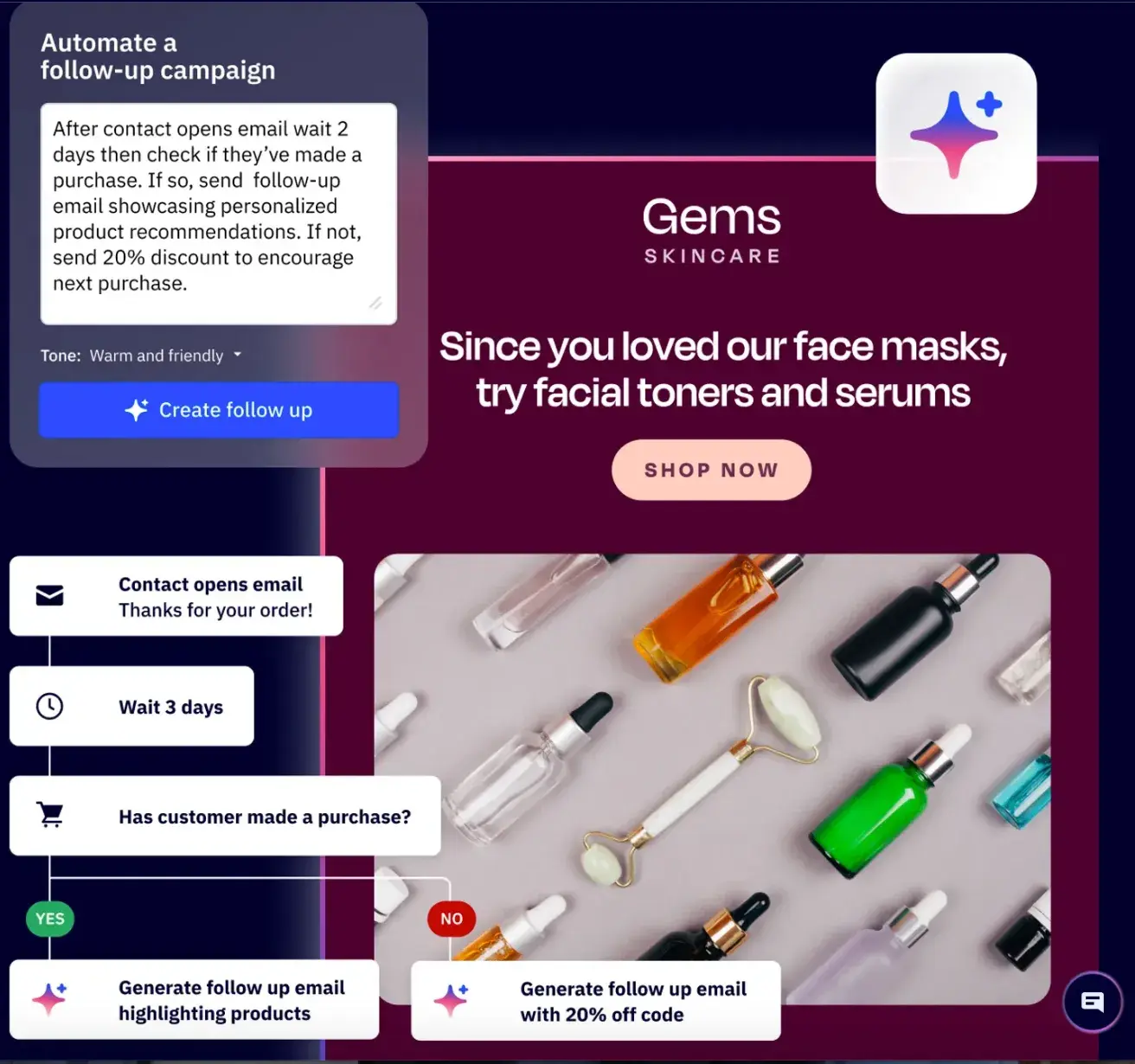
- Intelligent Automation and Workflows: AI-powered automation integrates behavioral triggers and predictive logic to initiate and adapt email sequences based on a contact’s lifecycle stage, specific actions, or real-time events. Unlike traditional, rigid workflows, these AI-driven sequences can dynamically adjust paths and messaging in response to how recipients engage, creating highly responsive customer journeys.
- Comprehensive Attribution and Analytics: On the measurement front, AI-driven analytics transcends last-click attribution by analyzing the entire customer journey. It links email engagement to tangible business outcomes such as lead generation, form submissions, purchases, and ultimately, revenue. This holistic view provides unparalleled clarity into email’s true return on investment (ROI), enabling data-backed optimization.
AI’s unparalleled ability to analyze vast datasets and execute rapid, consistent decisions at scale makes it exceptionally effective for repeatable, data-intensive tasks. Human marketers, however, remain indispensable for setting overarching strategy, defining brand voice, ensuring regulatory compliance, and making nuanced judgment calls that require emotional intelligence and creative foresight. The most successful email programs leverage AI to automate and optimize execution, allowing human teams to focus on strategic intent, governance, and creative direction, thereby maximizing both efficiency and impact.
Statements from Industry Leaders
“The shift towards AI in email marketing is not merely about automation; it’s about intelligent automation that learns and adapts,” states a prominent marketing technology CEO. “Our data consistently shows that companies embracing AI for personalization and send-time optimization are seeing a measurable uplift in conversion rates, often exceeding 20-30% compared to their peers. It’s becoming a competitive imperative.” Another marketing analyst noted, “While the technology is powerful, the real art lies in integrating AI seamlessly with human strategy. We’re seeing marketing teams evolve, focusing less on repetitive tasks and more on high-level strategic thinking, thanks to AI.”
Key AI Email Marketing Features Driving Performance
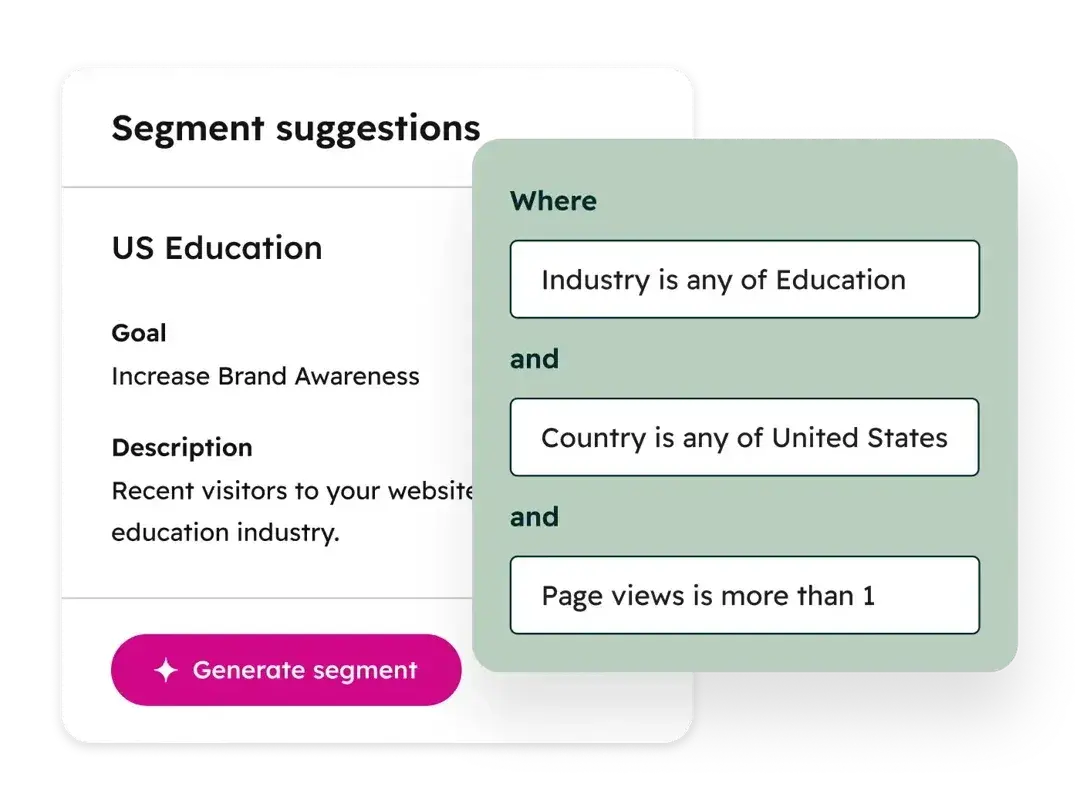
AI email marketing software features significantly elevate campaign performance by magnifying relevance, drastically reducing manual effort, and continuously optimizing campaigns based on real-time engagement data. These capabilities, powered by machine learning and generative AI, automate critical email decisions from audience targeting and content generation to send times and performance measurement. When seamlessly integrated within a CRM-connected platform, AI features empower marketing teams to scale their email programs while maintaining consistency, accountability, and a profound understanding of customer needs.
- Hyper-Personalization: AI-powered personalization utilizes granular contact-level data, behavioral signals, and predictive models to craft emails tailored precisely to individual recipients. Instead of broad, static segments, AI dynamically evaluates attributes like lifecycle stage, recent interactions, and purchase history to customize messaging, product recommendations, and offers. Platforms like HubSpot, leveraging its Marketing Hub and CRM data, achieve this through advanced personalization tokens and dynamic content blocks, leading to an average 5-8x increase in ROI from personalized campaigns. This not only boosts engagement but also liberates marketers from laborious manual segmentation.
- Dynamic Send-Time Optimization: AI models meticulously analyze historical open and click behavior across individual contacts and previous campaigns to pinpoint the absolute best time for each recipient to receive an email. HubSpot’s AI-powered email tools, for instance, apply engagement data directly from the CRM to inform these timing decisions, leading to higher inbox visibility and reduced wasted sends. This feature alone can improve email open rates by up to 15-20% by ensuring messages arrive when recipients are most likely to engage.
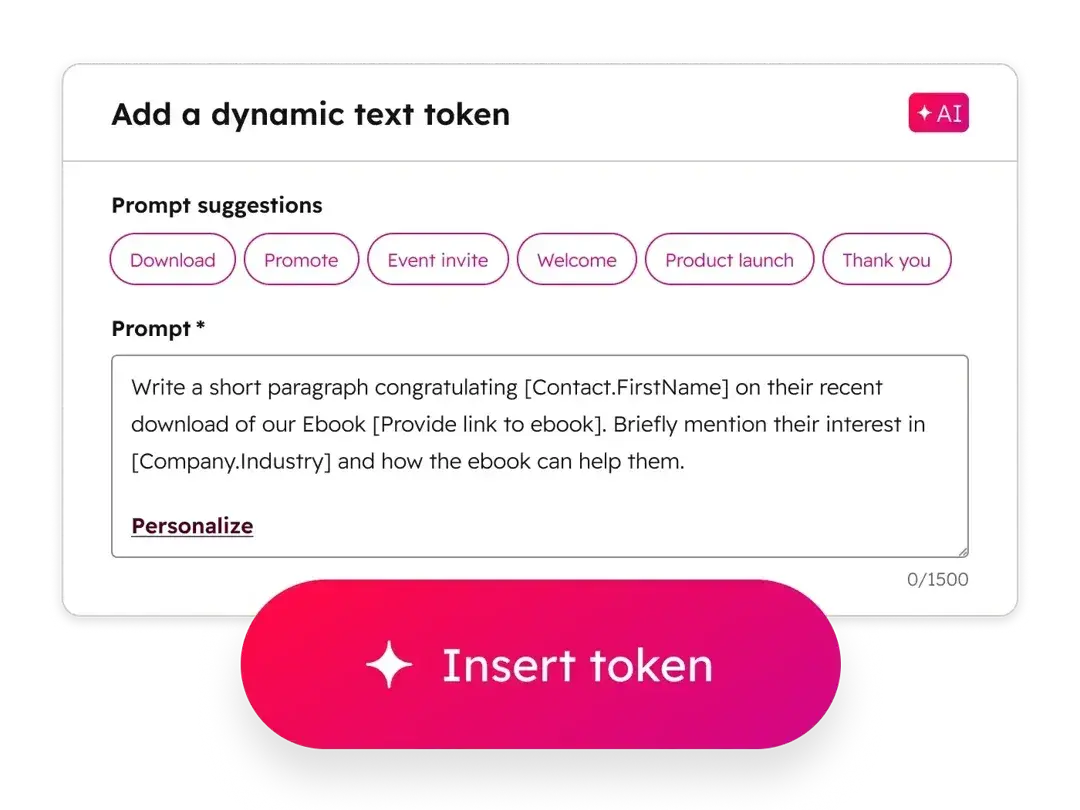
- Generative Content Creation: Generative AI dramatically accelerates the content creation process, producing email subject lines, body copy, and CTAs. These tools leverage campaign data and brand inputs to generate compelling first drafts or multiple variations for A/B testing. HubSpot’s AI Email Writer, integrated directly into the email editor, exemplifies this by generating copy aligned with marketing objectives and CRM insights. This capability can reduce content drafting time by up to 40%, allowing for faster campaign execution and more extensive creative testing.
- Proactive Deliverability Optimization: AI-driven deliverability features continuously monitor engagement signals, assess email list health, and track sender behavior to proactively mitigate the risk of emails being flagged as spam. These systems analyze bounce rates, subscriber inactivity, and engagement trends to recommend or automate list hygiene protocols and sending adjustments. HubSpot’s Marketing Hub supports best practices through built-in email health monitoring and robust contact management, helping maintain a strong sender reputation and ensuring emails reach their intended inboxes. Studies show that AI-powered deliverability tools can improve inbox placement rates by 5-10%.
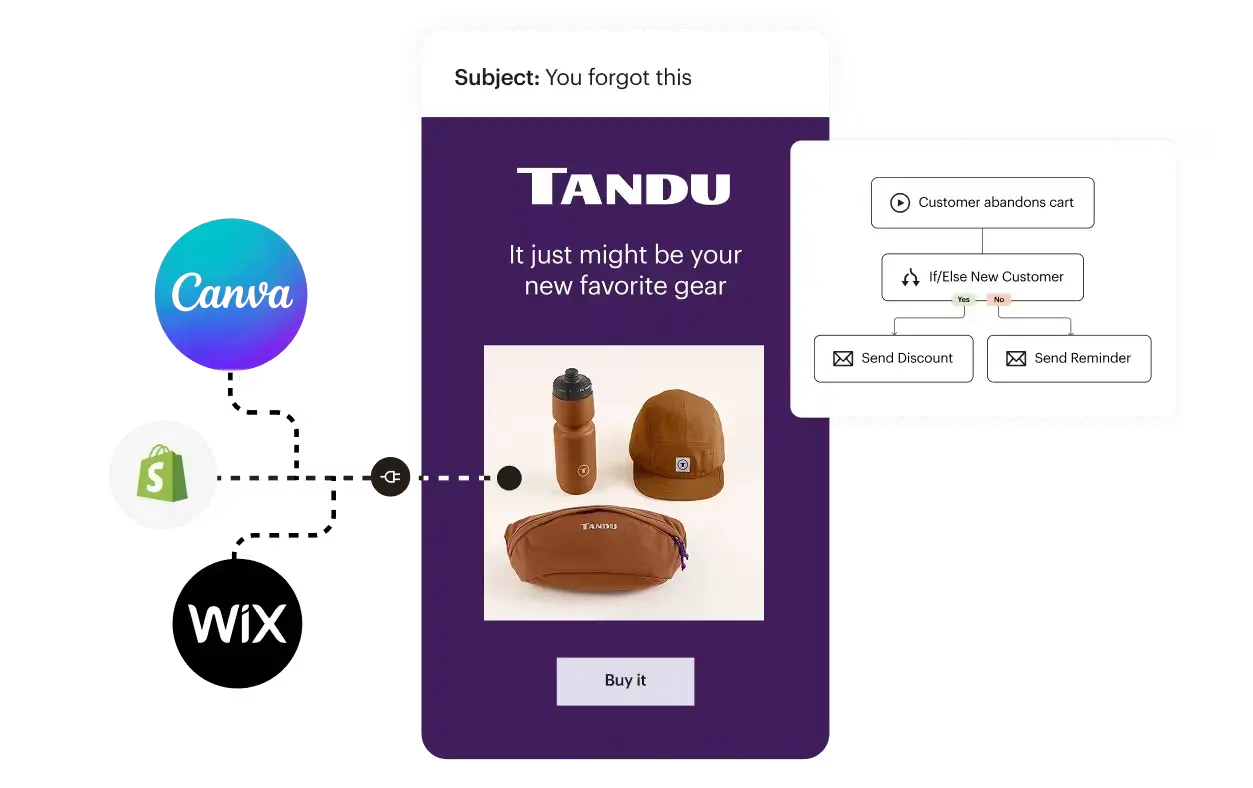
- Adaptive Automation and Workflows: AI-powered automation moves beyond linear sequences, employing behavioral triggers and predictive logic to send emails based on dynamic lifecycle stages, real-time actions, or specific events. These workflows intelligently adapt based on how recipients engage, offering a truly responsive communication experience. HubSpot’s Marketing Hub includes advanced automation and workflow tools that seamlessly connect email actions to CRM activity, enabling highly scalable lifecycle and nurture programs without increasing manual overhead.
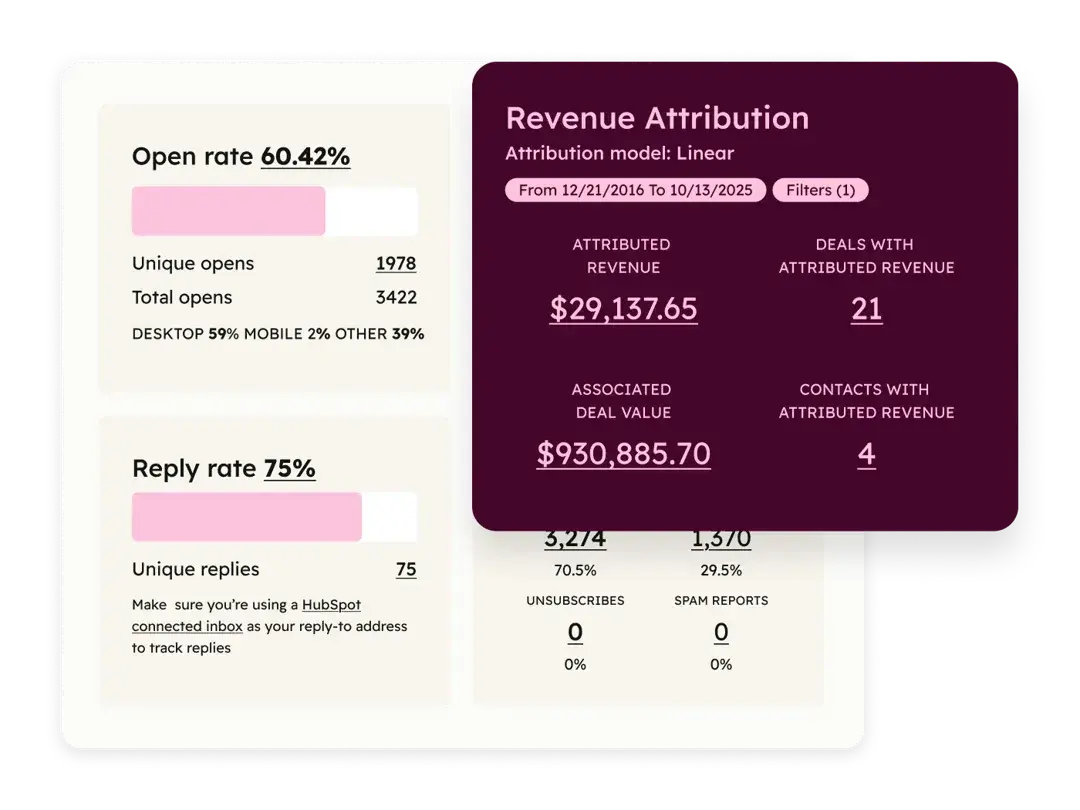
- Precise Attribution and Analytics: AI transforms how email performance is measured by connecting engagement to tangible business outcomes—such as form submissions, purchases, and revenue—through comprehensive analysis of the full customer journey. HubSpot’s attribution and analytics tools within Marketing Hub, intrinsically linked to its CRM, tie email performance directly to contact records and revenue figures. This enables teams to precisely identify which emails drive pipeline and revenue, facilitating smarter investment decisions and more accurate ROI demonstration. Data suggests that AI-enhanced attribution can improve marketing ROI visibility by up to 30%.
Leading AI Email Marketing Tools by Use Case
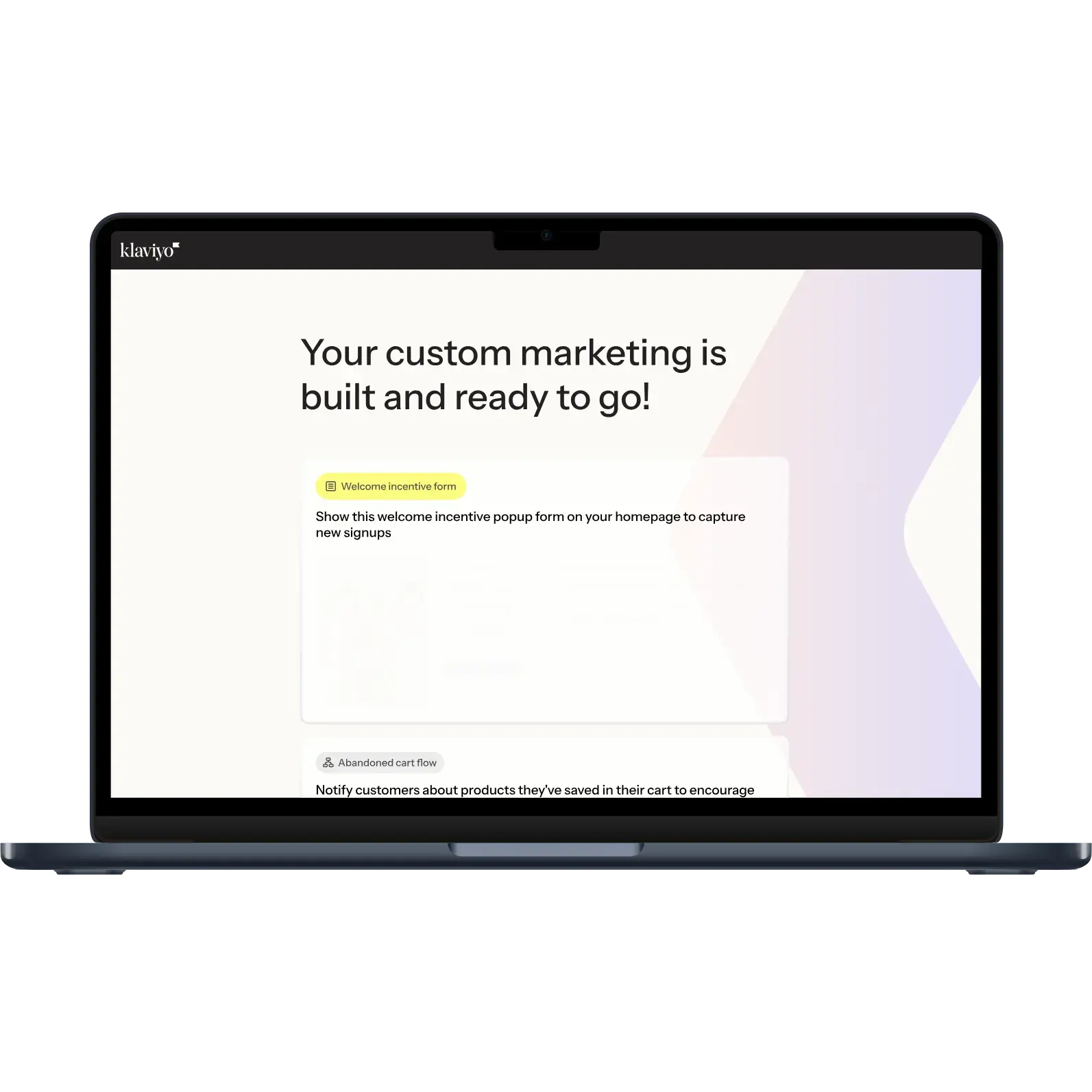
The market for AI email marketing tools is diverse, with platforms specializing in different aspects of campaign management. Understanding these specializations is crucial for selecting the right solution for specific organizational needs.
-
AI Email Marketing Tools for Content Generation and Subject Lines:
- HubSpot AI Email Writer (Marketing Hub + Breeze AI): An all-in-one platform where AI is natively integrated across marketing, sales, and CRM. The AI Email Writer generates subject lines and email copy aligned with marketing objectives directly within the email editor.
- Key Features: In-platform content generation, contextually aware copy, multi-variant generation for A/B testing, integration with CRM data.
- Best for: Teams seeking AI-assisted content creation tightly integrated with email execution, CRM data, and performance measurement.
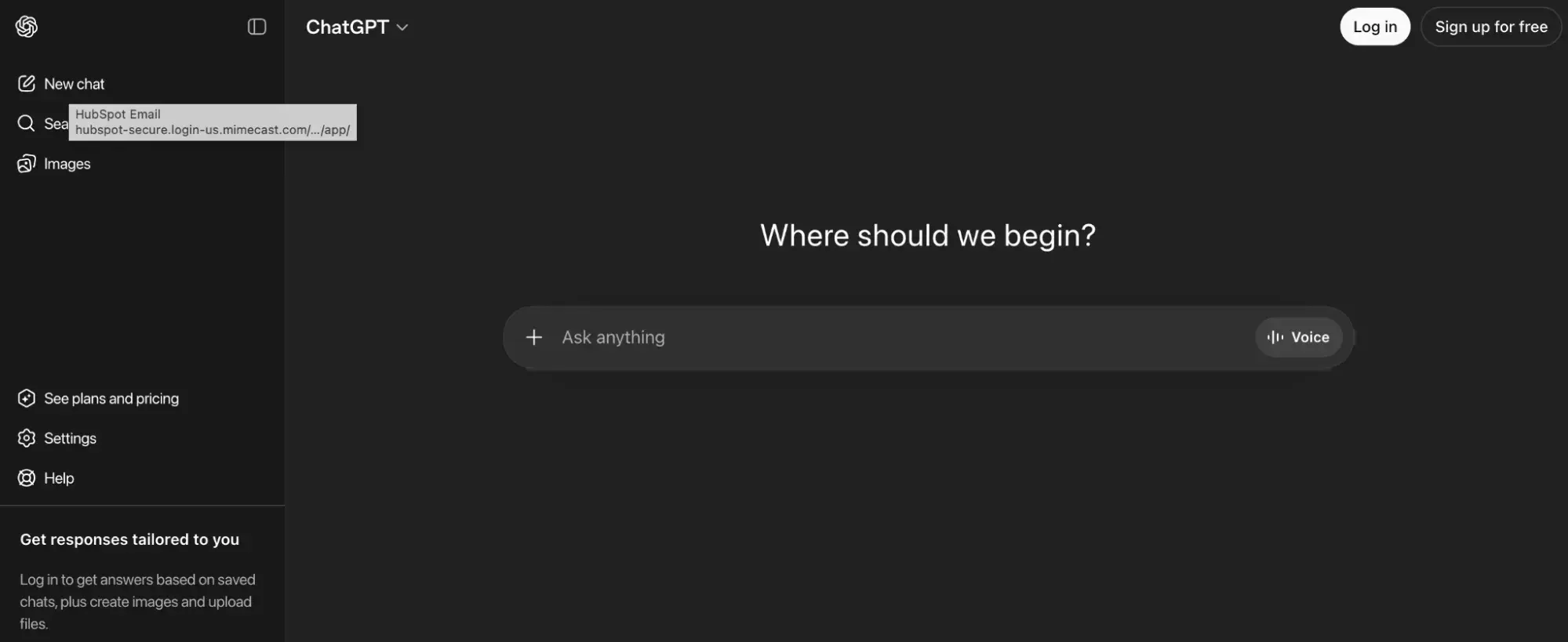
- ChatGPT (OpenAI): A general-purpose generative AI tool capable of drafting diverse content, including subject lines, email body copy, rewrites, and tone variations. It excels in rapid ideation but operates outside native email platforms.
- Key Features: Broad content generation capabilities, rapid ideation, tone adjustment, multilingual support.
- Best for: Creative exploration, brainstorming, and generating multiple copy variations quickly before integration into an ESP.
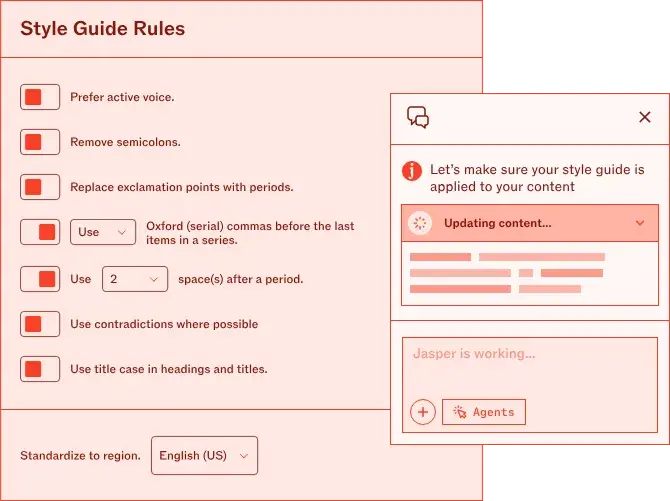
- Jasper: An AI content generation platform tailored for marketing use cases. It offers templates, brand voice controls, and structured workflows to guide copy creation, often complementing an existing ESP.
- Key Features: Marketing-specific templates, brand voice enforcement, content repurposing, SEO integration.
- Best for: Marketing teams desiring a dedicated AI copy tool with structured templates and strong brand alignment features.
- HubSpot AI Email Writer (Marketing Hub + Breeze AI): An all-in-one platform where AI is natively integrated across marketing, sales, and CRM. The AI Email Writer generates subject lines and email copy aligned with marketing objectives directly within the email editor.
-
AI Email Marketing Tools for Personalization and Segmentation:
- HubSpot CRM and Marketing Hub Segmentation: Leverages comprehensive CRM data (contact properties, behavioral data, lifecycle stages) to segment audiences and personalize emails at scale within a unified system, ensuring real-time data reflection.
- Key Features: Dynamic segmentation, predictive lead scoring, behavioral targeting, native CRM integration.
- Best for: Teams needing unified personalization powered by first-party CRM data across marketing, sales, and service.
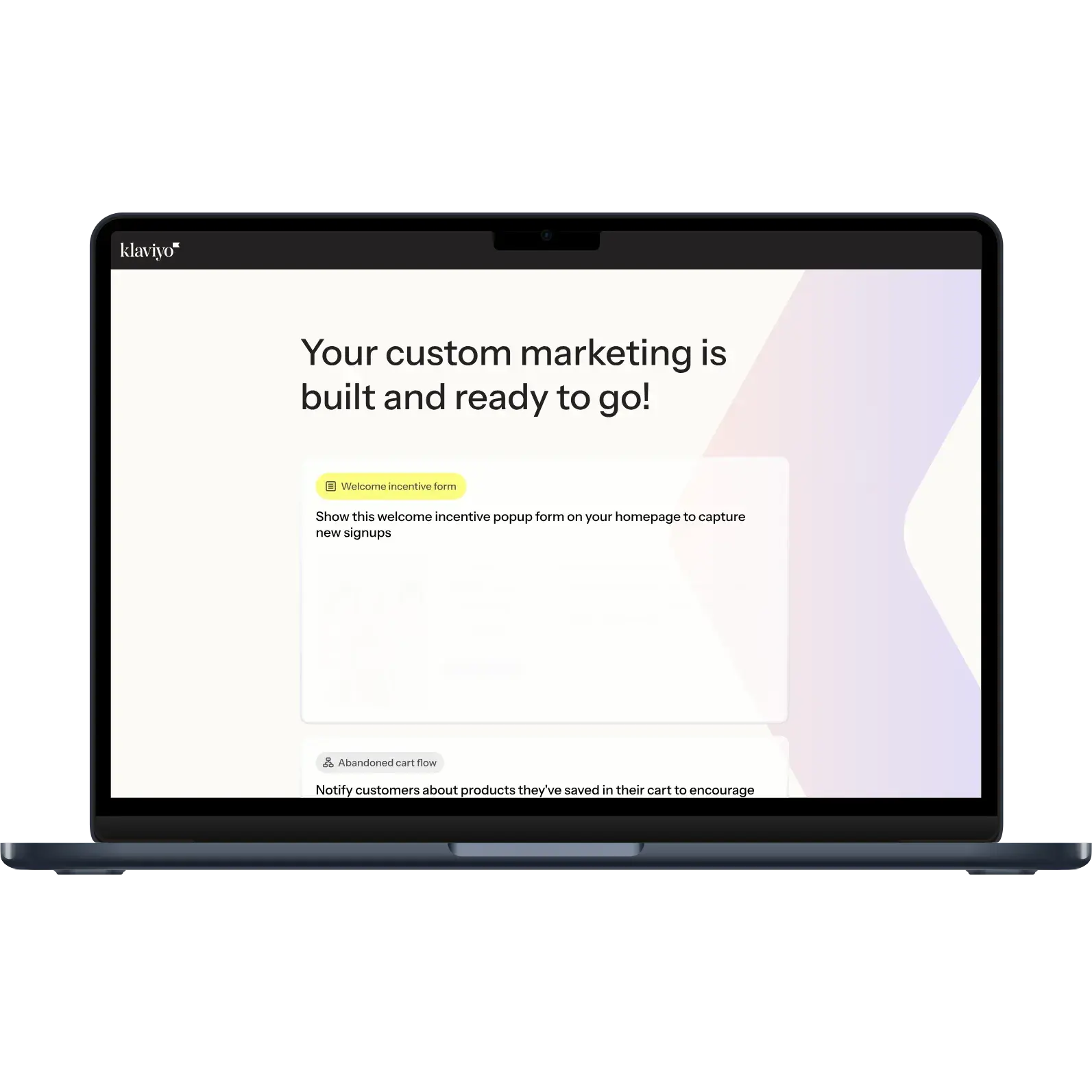
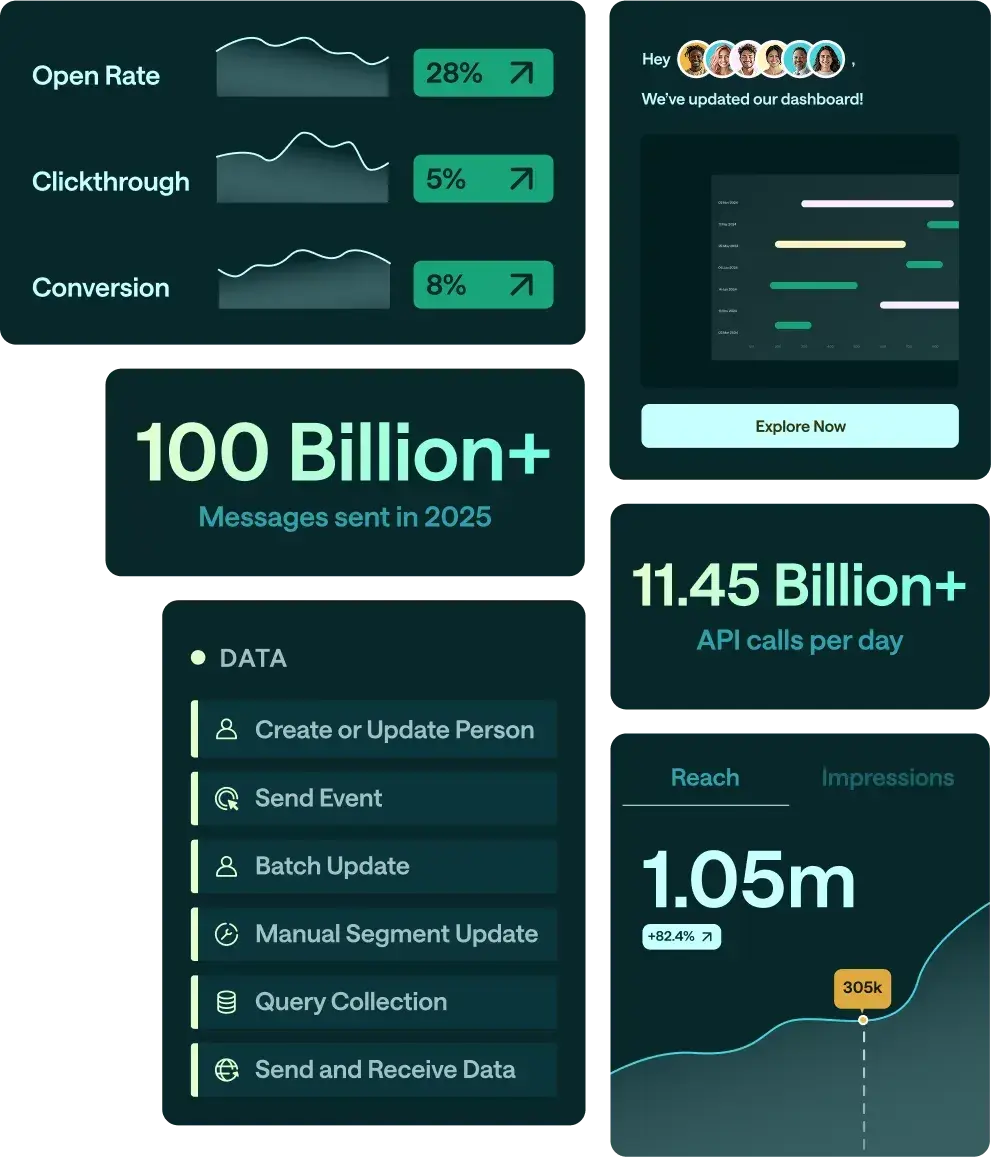
- Klaviyo: A marketing automation platform primarily for e-commerce, combining email, SMS, customer data, and predictive analytics. It excels at personalizing based on real-time behavior and purchase history for lifecycle and retention marketing.
- Key Features: Predictive analytics for customer lifetime value, personalized product recommendations, robust e-commerce integrations, dynamic segmentation.
- Best for: E-commerce businesses heavily reliant on purchase and behavioral data for deep personalization and retention strategies.
- Customer.io: A customer engagement platform for event-driven messaging across multiple channels. It’s popular with product-led and SaaS companies, using real-time behavioral data and custom events to trigger highly targeted communication.
- Key Features: Event-based triggering, multi-channel messaging, A/B testing on events, granular control over user journeys.
- Best for: Product-led and SaaS teams requiring granular control over behavior-based personalization and cross-channel orchestration.
- HubSpot CRM and Marketing Hub Segmentation: Leverages comprehensive CRM data (contact properties, behavioral data, lifecycle stages) to segment audiences and personalize emails at scale within a unified system, ensuring real-time data reflection.
-
AI Email Marketing Tools for Send-time Optimization and Frequency Management:
- HubSpot Marketing Hub Analytics: Utilizes engagement analytics and CRM-connected reporting to optimize email send times. It analyzes historical open and click data to identify optimal send windows and adjusts cadence based on real engagement signals.
- Key Features: Engagement trend analysis, optimized send-time recommendations, integrated with email scheduler, frequency management.
- Best for: Teams whose send-time decisions are grounded in comprehensive CRM and campaign performance data, simplifying testing.
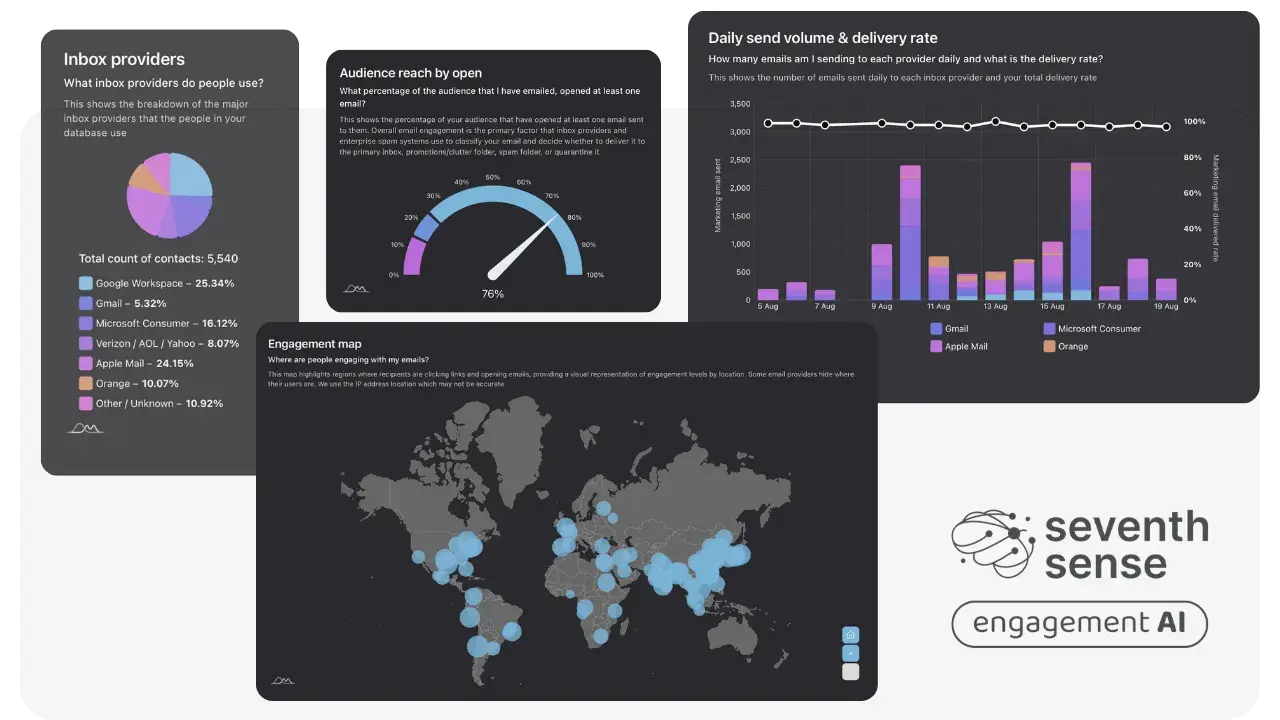
- Seventh Sense: A specialized platform focusing exclusively on AI-driven send-time optimization. It analyzes individual contact engagement patterns to determine the best time and day for each recipient, integrating with select marketing platforms.
- Key Features: Individualized send-time optimization, dynamic send-day recommendations, fatigue management, integration with major ESPs.
- Best for: Teams prioritizing highly granular, recipient-level send-time optimization without altering content workflows.
- ActiveCampaign: A marketing automation platform combining email marketing, CRM, and automation workflows. It uses engagement history to recommend optimized send times and manage frequency within automated workflows for lifecycle campaigns.
- Key Features: Behavioral targeting, predictive sending, automated frequency capping, visual workflow builder.
- Best for: Teams running automation-heavy programs that require timing optimization built directly into their complex workflows.
- HubSpot Marketing Hub Analytics: Utilizes engagement analytics and CRM-connected reporting to optimize email send times. It analyzes historical open and click data to identify optimal send windows and adjusts cadence based on real engagement signals.
-
AI Email Marketing Tools for Deliverability and List Health:
- HubSpot Marketing Hub Analytics: Features built-in email health monitoring, robust contact management, and engagement tracking. It tracks bounces, unsubscribes, and engagement trends to help maintain clean lists and compliant sending practices, with insights tied directly to CRM contact records.
- Key Features: Bounce management, unsubscribe tracking, spam complaint monitoring, list segmentation for inactive contacts.
- Best for: Teams seeking deliverability management deeply embedded into their email and CRM workflows, ensuring proactive list hygiene.
- SendGrid (Twilio): An email delivery platform focused on deliverability performance and sender reputation management, often used for transactional and high-volume email programs.
- Key Features: Real-time deliverability monitoring, ISP feedback loops, dedicated IP addresses, reputation management tools.
- Best for: Organizations sending large volumes of transactional or programmatic emails that require advanced deliverability infrastructure.
- Mailgun: An email delivery service designed for transactional messaging, validation, and inbox placement testing. It helps maintain sender reputation and reduce bounce rates, typically used by technical teams.
- Key Features: Email validation, inbox placement testing, detailed log analysis, robust API for integration.
- Best for: Technical teams managing infrastructure-level email delivery, particularly for system-generated or transactional emails.
- HubSpot Marketing Hub Analytics: Features built-in email health monitoring, robust contact management, and engagement tracking. It tracks bounces, unsubscribes, and engagement trends to help maintain clean lists and compliant sending practices, with insights tied directly to CRM contact records.
-
AI Email Marketing Tools for Testing, Optimization, and Experimentation:
- HubSpot A/B Testing: Enables teams to test subject lines, content, and other email variables with native A/B testing, automatically tracking results at the contact and campaign level. Insights are integrated with CRM data and reporting.
- Key Features: Multi-variant testing, statistical significance reporting, integrated with campaign analytics, intuitive setup.
- Best for: Teams needing experimentation built directly into their email execution and reporting, linking test results to broader campaign performance.
- Mailchimp: Offers built-in testing tools with AI-informed suggestions for elements like subject lines, content, and send times. It uses engagement data to recommend optimal variations.
- Key Features: AI-powered content optimization suggestions, A/B testing on multiple elements, performance insights, audience comparison.
- Best for: Teams desiring guided experimentation with AI-driven suggestions to prioritize test elements and accelerate learning.
- HubSpot A/B Testing: Enables teams to test subject lines, content, and other email variables with native A/B testing, automatically tracking results at the contact and campaign level. Insights are integrated with CRM data and reporting.
-
AI Email Marketing Tools for Lifecycle Automation and Workflows:
- HubSpot Marketing Hub Automation: Supports lifecycle automation through its visual workflow builder, enabling the design of onboarding, nurture, re-engagement, and renewal sequences. Workflows leverage CRM data and customer behavior to dynamically enroll contacts and adjust paths.
- Key Features: Visual workflow editor, behavioral triggers, branching logic, lead nurturing, sales integration.
- Best for: Teams requiring lifecycle automation tightly integrated with CRM data and email execution, ensuring consistent customer journeys.
- Encharge: A marketing automation platform focused on behavioral, event-based lifecycle journeys. It triggers emails and campaigns based on user actions, product events, or custom attributes, popular with SaaS and subscription businesses.
- Key Features: Event-driven automation, user segmentation based on product usage, A/B testing within flows, custom event tracking.
- Best for: SaaS teams that rely heavily on product usage data to drive highly responsive onboarding and engagement flows.
- HubSpot Marketing Hub Automation: Supports lifecycle automation through its visual workflow builder, enabling the design of onboarding, nurture, re-engagement, and renewal sequences. Workflows leverage CRM data and customer behavior to dynamically enroll contacts and adjust paths.
-
AI Email Marketing Tools for Analytics and Revenue Attribution:
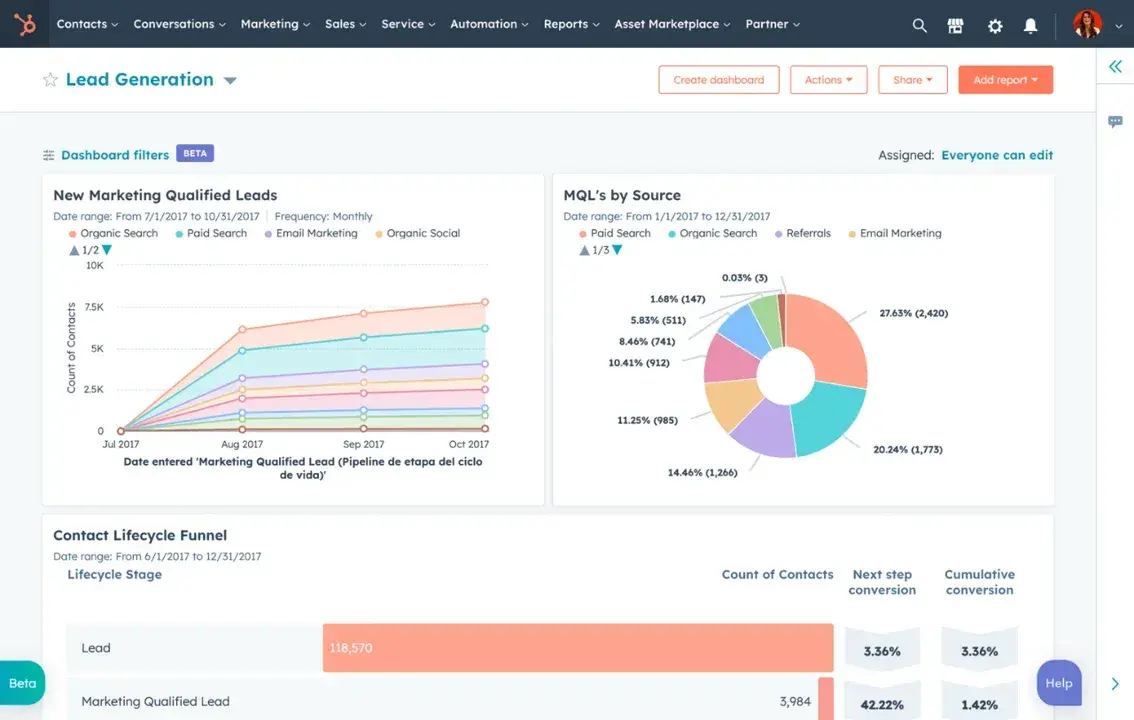
- HubSpot Analytics: Provides comprehensive analytics and revenue attribution through its CRM-linked reporting and attribution tools. Email engagement is tied directly to contact records, deals, and lifecycle stages, offering a holistic view of pipeline and revenue influence.
- Key Features: Multi-touch attribution models, custom reporting, revenue reporting, integration with sales data.
- Best for: Teams needing clear visibility into how email influences deals and revenue across the full customer lifecycle, connecting marketing efforts to financial outcomes.
- Moosend: Offers AI-driven analytics that highlight campaign performance, segment engagement, and optimization opportunities. It provides insights with recommendations to improve results, typically alongside its email and automation features.
- Key Features: Predictive analytics for campaign performance, audience insights, automated optimization suggestions, easy-to-understand dashboards.
- Best for: Teams seeking accessible analytics with built-in optimization suggestions, reducing the need for advanced analytics expertise.
- HubSpot Analytics: Provides comprehensive analytics and revenue attribution through its CRM-linked reporting and attribution tools. Email engagement is tied directly to contact records, deals, and lifecycle stages, offering a holistic view of pipeline and revenue influence.
Navigating the Selection: Choosing the Right AI Email Marketing Tools
The strategic selection of AI email marketing tools demands a comprehensive evaluation process, focusing on how well a platform aligns with existing technological infrastructure, organizational data maturity, and specific campaign objectives. The most impactful tools are those that seamlessly integrate with core data sources, demonstrably contribute to measurable outcomes, and strike a judicious balance between advanced automation and essential human governance. Key criteria for evaluation include:
- Integration Capabilities: Assess the tool’s ability to seamlessly connect with your existing Customer Relationship Management (CRM) system, Enterprise Resource Planning (ERP) software, and other marketing automation platforms. Native integrations minimize data silos and ensure a unified view of the customer, which is paramount for effective AI.
- Data Governance and Compliance: Evaluate the platform’s adherence to data privacy regulations such as GDPR, CCPA, and CAN-SPAM. Understand how the AI processes and stores personal data, the level of control you have over data usage, and the mechanisms for maintaining transparency and consent.
- Measurable ROI and Attribution: Focus on tools that offer robust attribution models beyond last-click metrics. The ability to link AI-driven email activities to tangible business outcomes—like leads generated, conversions, and revenue—is crucial for demonstrating value and optimizing future investments.
- Scalability and Flexibility: Consider whether the tool can grow with your organization’s needs, accommodating increasing contact volumes, expanding campaign complexity, and evolving marketing strategies. Flexibility in adapting to new use cases and integrating with emerging technologies is also vital.
- User Experience and Workflow Integration: An intuitive interface and seamless integration into existing marketing workflows are critical for adoption and efficiency. The tool should empower marketers, not overwhelm them with complexity, and facilitate collaboration across teams.
- Vendor Support and Innovation Roadmap: Research the vendor’s reputation for customer support, training resources, and their commitment to ongoing innovation in AI. A clear product roadmap ensures the platform will continue to evolve with the rapidly changing AI landscape.
Frequently Asked Questions About AI Email Marketing Tools
-
What is the best way to use AI for higher open rates?
The most effective strategy for boosting open rates with AI involves a synergistic application across subject line generation, send-time optimization, and precise audience targeting. AI models analyze historical engagement data to recommend compelling subject line variations, predict the optimal time to send for individual recipients, and identify which contacts are most likely to engage. This holistic approach ensures emails are both relevant and timely. Critically, AI performs best when combined with structured testing; using AI to generate multiple subject line options and then validating their performance through A/B testing allows for continuous improvement and prevents overreliance on a single algorithmic recommendation.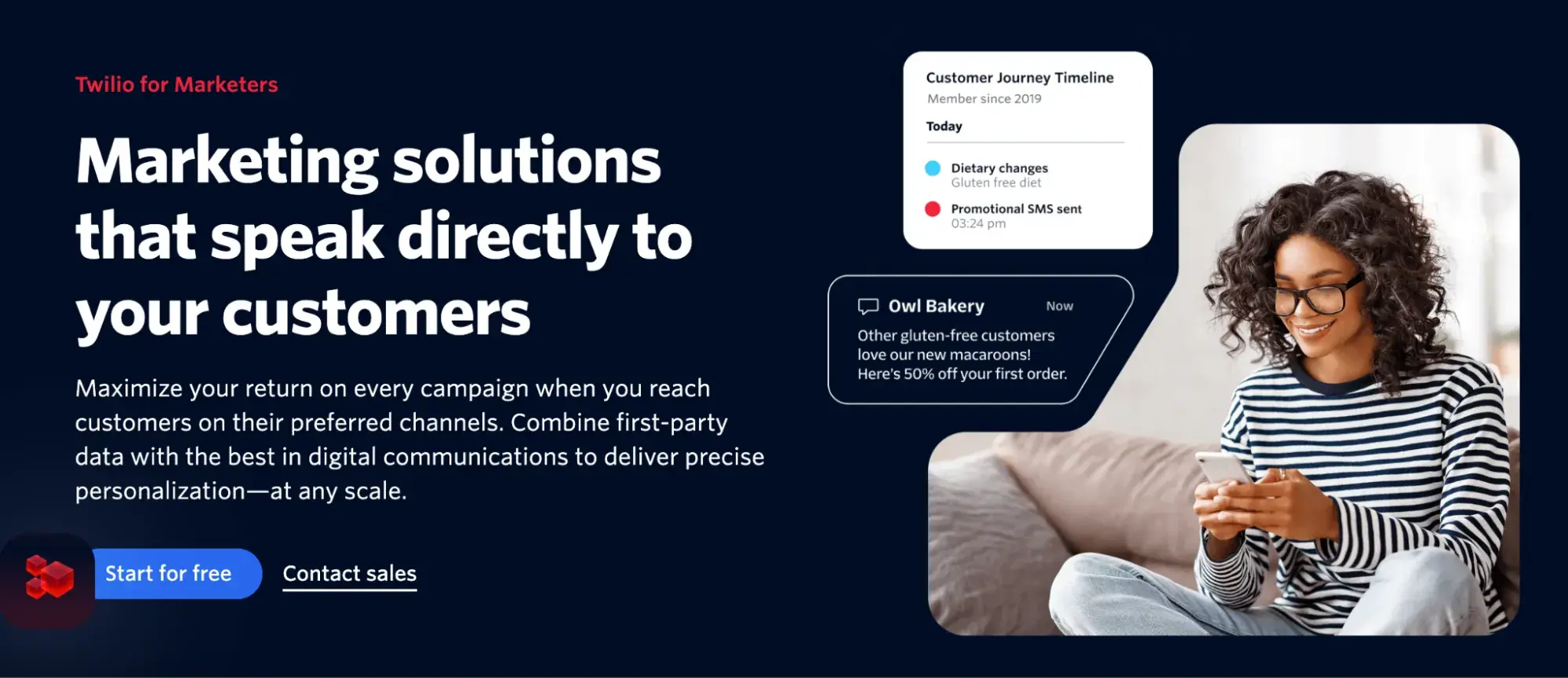
-
How is AI email automation different from traditional workflows?
Traditional email workflows operate on fixed rules and linear sequences, sending messages based on predefined triggers. AI email automation, in contrast, introduces adaptive logic that dynamically adjusts timing, communication paths, or message content based on real-time engagement and predictive insights. This allows campaigns to respond intelligently and flexibly as contacts interact with emails, rather than following a rigid, predetermined path. AI-driven automation significantly reduces manual effort by continuously optimizing delivery and flow logic, though human oversight remains essential for setting strategic goals and ensuring the automation aligns with broader marketing objectives. -
Can I use generative AI for email marketing without losing brand voice?
Yes, generative AI can be effectively utilized for email marketing without compromising brand voice, provided clear guidelines and robust review processes are established. Integrating brand voice inputs, approved language patterns, and stylistic preferences into the AI model, combined with meticulous human editing, ensures that AI-generated copy aligns with established brand standards. Many advanced AI tools, such as HubSpot’s AI Email Writer, support iterative refinement, acting as a powerful drafting and variation tool rather than a fully autonomous content creator. Human review is crucial for maintaining consistency, tone accuracy, and contextual relevance across all campaigns.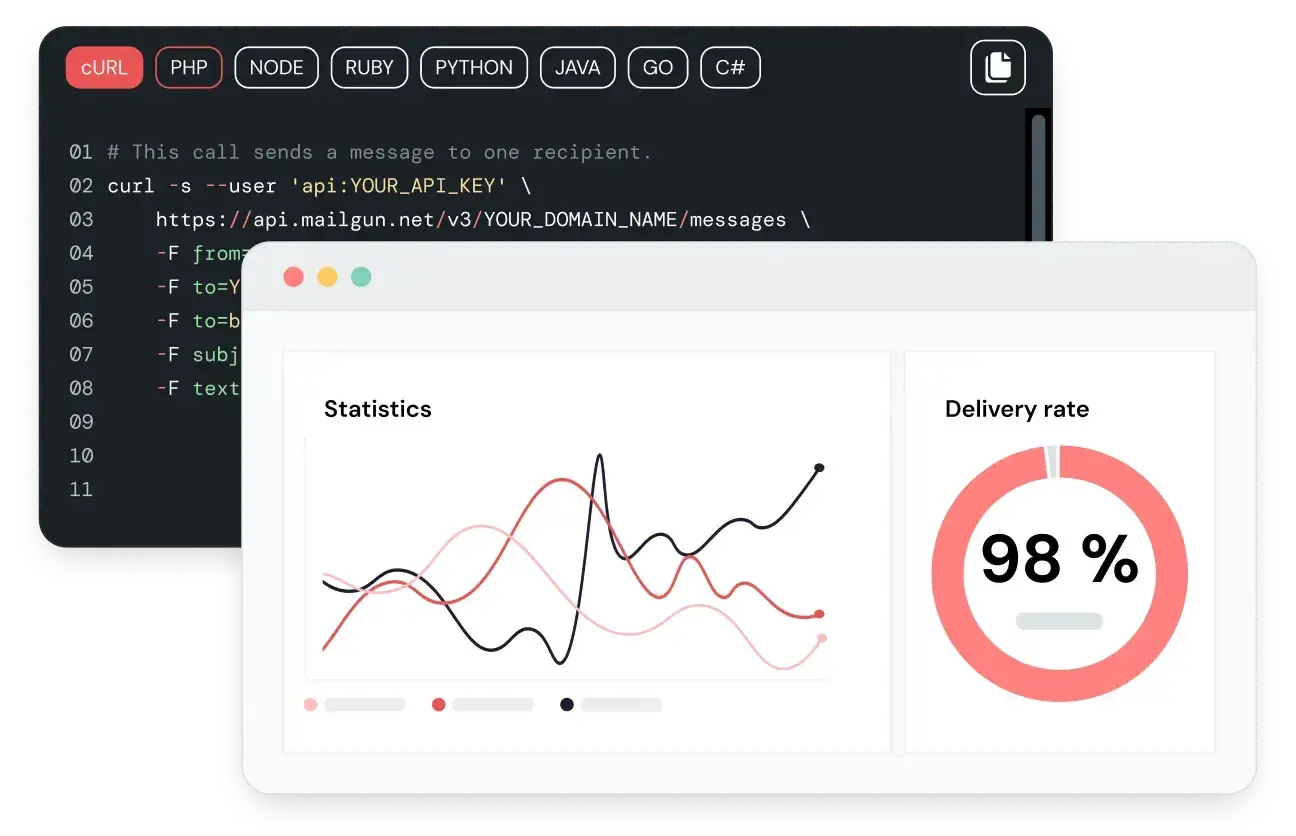
-
Will AI email tools integrate with my CRM and ESP?
The majority of enterprise and mid-market AI email marketing tools are specifically designed to integrate seamlessly with CRM systems and email service providers (ESPs). This integration allows AI features like personalization, automation, and attribution to draw from a centralized, comprehensive data source. Tools with native CRM connectivity generally offer more reliable personalization and more accurate reporting compared to standalone solutions that require complex, custom integrations. Evaluating integration capabilities early in the selection process is vital to prevent data silos and burdensome manual workarounds. -
How do I keep emails compliant when using AI?
Maintaining email compliance when using AI hinges on robust human oversight and strict adherence to established regulatory requirements, including CAN-SPAM, GDPR, CCPA, and explicit consent management rules. All AI-generated content must be thoroughly reviewed for accuracy, necessary disclosures, and appropriate use of personal data. Effective compliance practices include implementing approval workflows for AI-generated content, ensuring segmentation is based on explicit permissions, and conducting regular audits of automated campaigns. Ultimately, the responsibility for compliance rests with the sending organization, not solely with the AI tool.
Powering Your Marketing Emails with AI Tools: A Strategic Imperative
The integration of AI into email marketing is no longer a luxury but a strategic imperative for teams aiming to enhance performance by applying machine learning and generative AI across every facet of their campaigns. From innovative content creation and deep personalization to precise timing, intelligent automation, robust deliverability, insightful testing, and accurate attribution, AI offers unprecedented capabilities. The most effective platforms are those that seamlessly connect these advanced capabilities to a centralized CRM, enabling marketers to personalize communications at scale, continuously optimize campaigns based on real-time data, and precisely link email engagement to tangible revenue outcomes. As the digital marketing landscape continues its rapid evolution, evaluating tools based on their practical use cases and demonstrated value, rather than mere hype, remains the most reliable path to selecting the right solution.
HubSpot emerges as a particularly compelling and comprehensive option due to its native integration of AI-powered email creation, automation, analytics, and CRM data within a single, unified platform. Tools like HubSpot’s AI Email Writer and its core Email Marketing suite facilitate faster execution while ensuring campaigns are intrinsically connected to customer data and performance reporting. This level of integration is critical for scaling email programs efficiently, eliminating data silos, and minimizing operational friction. The consistent adoption of HubSpot by clients underscores its appeal as a powerful yet approachable solution, continually expanding with AI and automation features that address the real-world challenges faced by modern marketers.
While HubSpot represents a leading example of an integrated solution, the market abounds with strong email and AI marketing platforms, each with its unique strengths. No single solution is universally optimal for every organization. The ultimate choice must be meticulously aligned with a team’s specific strategic goals, available resources, and budgetary considerations, ensuring that the selected AI tools serve as true accelerators for marketing success. The future of email marketing is undeniably intelligent, and strategic adoption of AI is key to unlocking its full potential.