
 rifanmuazin
Every April 1st, digital inboxes transform into a playful battleground where brands vie for consumer attention through creative, often whimsical, email campaigns. This annual tradition of lighthearted deception has become a staple in modern marketing calendars, offering companies a unique opportunity to engage with their audience on a more personal and memorable level. However, navigating the fine line between amusing and alienating requires a deep understanding of humor, brand identity, and the evolving landscape of digital communication, including the intricacies of artificial intelligence and inbox algorithms. This year’s campaigns provided ample illustrations of both brilliant execution and cautionary tales, underscoring the strategic importance of well-conceived "prankvertising."
A Historical Perspective: Tracing the Origins of April Fools’ Day
While the precise origins of April Fools’ Day, or All Fools’ Day, remain shrouded in historical speculation, its roots are believed to stretch back centuries, with various theories attempting to explain its inception. One prominent theory connects it to the shift from the Julian calendar to the Gregorian calendar in 1582. Prior to this reform, many cultures celebrated the New Year around the spring equinox, often on April 1st. When King Charles IX of France officially adopted the new calendar, moving New Year’s Day to January 1st, those who were slow to adopt the change or continued to celebrate on April 1st were reportedly mocked and dubbed "April Fools." They would be subjected to practical jokes, such as having paper fish placed on their backs, symbolizing a young, easily caught fish and earning them the moniker "Poisson d’Avril" (April Fish) in France.
Other theories point to ancient festivals of merriment and trickery, such as the Roman festival of Hilaria, celebrated in late March, which involved people dressing in disguises. Some scholars also draw parallels to the Vernal Equinox and its association with unpredictable weather, mirroring the unpredictable nature of pranks. Regardless of its exact genesis, the tradition of April Fools’ Day gradually spread across Europe and eventually to other parts of the world, evolving into a widely recognized day for practical jokes and hoaxes. By the 18th century, the tradition was firmly established in Great Britain, where it expanded to include elaborate pranks played on friends, family, and even the public through newspapers. In the modern era, with the advent of mass media and digital communication, brands have increasingly co-opted this tradition, transforming it into a unique marketing opportunity.

The Strategic Advantage: Why Humor Resonates in Email Marketing
The integration of humor into marketing strategies, particularly within email campaigns, is far from a mere gimmick; it is a calculated tactic backed by psychological principles and empirical data. Humor, when deployed effectively, can forge deeper connections between consumers and brands, enhancing engagement, memorability, and ultimately, purchase intent.
-
The Psychology Behind Laughter and Loyalty:
Humor triggers a range of positive emotions, including joy, amusement, and surprise. Psychologically, laughter is a powerful social bonding agent, reducing stress and fostering a sense of camaraderie. When a brand successfully elicits these positive emotions, it creates a positive association in the consumer’s mind. This emotional connection transcends transactional interactions, building brand loyalty and affinity. Furthermore, humor often relies on incongruity—the unexpected juxtaposition of ideas—which makes messages more memorable. A well-crafted joke breaks through the monotony of typical marketing messages, capturing attention and making the brand stand out in a crowded inbox. The shared experience of a laugh can make a brand feel more human, approachable, and relatable, diminishing the perception of a cold, corporate entity. This humanization is crucial in an era where consumers increasingly seek authentic connections with the brands they support. -
Data-Backed Benefits of Brand Humor:
Numerous studies underscore the tangible benefits of incorporating humor into marketing. A comprehensive Oracle study, for instance, revealed that a significant 91 percent of consumers expressed a desire for brands to be funny. More strikingly, 72 percent of respondents indicated they would choose to purchase from a funny brand over a competitor. This data highlights a clear consumer preference for lightheartedness and personality in brand communications. Beyond mere preference, humorous content tends to be more shareable on social media and more likely to be discussed among peers, extending a campaign’s organic reach. It can also improve email open rates, click-through rates, and overall engagement metrics as subscribers anticipate entertaining content. Companies that consistently leverage humor effectively often report higher brand recall and stronger customer relationships, translating into long-term business value.
Navigating the Nuances: Best Practices for Humorous Campaigns

While the allure of humor in marketing is strong, its implementation requires careful consideration to avoid missteps that could harm brand reputation or alienate customers. Marketers must adhere to several ground rules to ensure their April Fools’ campaigns land successfully:
- Know Your Audience: Understanding the demographic, psychographic, and cultural nuances of your target audience is paramount. What one group finds hilarious, another might find offensive or simply unfunny. Research and audience segmentation are crucial to tailoring humor that resonates positively.
- Align with Your Brand Identity: The humor must feel authentic to your brand’s established voice and personality. A luxury brand might opt for sophisticated, subtle wit, while a more casual brand could embrace slapstick or self-deprecating humor. Incongruent humor can confuse customers and dilute brand messaging.
- Avoid Offence and Controversy: This is perhaps the most critical rule. Humor should never be at the expense of any group, sensitive topic, or individual. Steer clear of political, religious, racial, or gender-based jokes. The goal is to bring joy, not to provoke outrage or alienate a segment of your customer base. When in doubt, err on the side of caution.
- Keep it Light and Harmless: April Fools’ pranks should be clearly distinguishable as jokes. They should not induce genuine fear, anxiety, or inconvenience. The reveal that it’s a prank must be clear and come quickly, preventing prolonged confusion or distress.
- Maintain Clarity and Transparency: While the initial setup might involve a degree of playful deception, the "punchline" or reveal should be unambiguous. Burying the fact that it’s a joke deep within the email or making it too subtle risks frustrating recipients.
- Offer a Real Value Proposition (Optional but Recommended): Some of the most successful April Fools’ campaigns subtly integrate a real offer or a genuine product announcement, or at least a pathway to real engagement, after the prank is revealed. This ensures that even if the joke is missed, the email still provides some value.
Case Studies in Creativity: Exemplary April Fools’ Email Campaigns of the Year
This year’s April Fools’ Day saw several brands execute highly effective and memorable email campaigns, showcasing a blend of creativity, brand alignment, and strategic use of humor.
-
Charlotte Tilbury: Brand Consistency with a Whimsical Twist
The luxury beauty brand Charlotte Tilbury delighted subscribers with the introduction of "talking lipsticks," playfully dubbed "The only lipstick that sweet talks with every swipe!" The campaign’s brilliance lay in its seamless integration of humor with the brand’s glamorous and empowering image. A clever micro-animation depicted speech bubbles emanating from the lipstick tube, uttering phrases like "Gorgeous, Darling!" This not only leveraged visual appeal but also perfectly encapsulated the brand’s aspirational and confidence-boosting messaging. The humor was gentle, on-brand, and instantly recognizable as a lighthearted prank, reinforcing Charlotte Tilbury’s reputation for innovation and customer delight without causing confusion. -
Honest Burger: Pushing Boundaries with Customer Loyalty
Honest Burger, known for its cult following and distinctive brand voice, ventured a little further with its April Fools’ offering: a "Burger Necklace" created in collaboration with jewelry brand Estella Bartlett, emblazoned with the cheeky slogan "You tickle my pickle!" This campaign resonated strongly because it tapped into the brand’s loyal customer base, who appreciate its playful and slightly irreverent style. The collaboration with a legitimate jewelry brand added a layer of believability, making the prank more engaging before the humorous reveal. It successfully leveraged existing brand affinity, demonstrating that a deep understanding of your audience allows for more adventurous humor.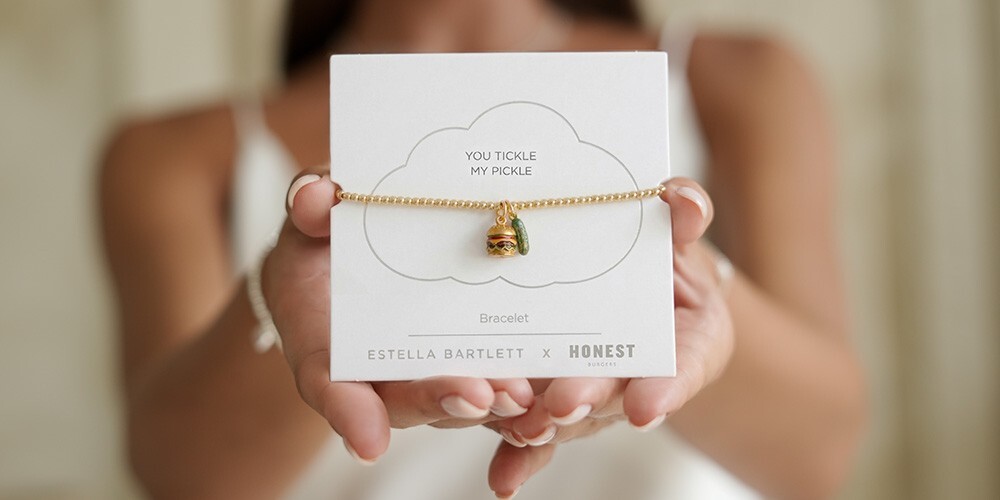
-
Virgin Voyages: Sensory Marketing and Embodied Cognition
Virgin Voyages, the adults-only cruise line, launched a fictional "brand-new fragrance" inspired by "unforgettable (and occasionally questionable) memories made on our adults-only voyages." The genius of this campaign was its sophisticated use of "embodied cognition"—the idea that our thoughts are influenced by our bodily sensations and experiences. By describing top notes of "sea salt spray and SPF," heart notes of "champagne hangovers," and base notes of "sunrise yoga and midnight gummy bears," Virgin Voyages masterfully evoked the sensory experience of their cruises. The humor was not just in the absurdity of the fragrance but in the relatable and vivid descriptions that instantly transported recipients to the distinctive atmosphere of their voyages, making the prank both funny and a powerful, albeit fictional, marketing tool for their actual product. -
Philips: Relatable Absurdity for Broad Appeal
Philips, a global leader in health technology, introduced the "One Blade Wild"—a new precision grooming tool specifically for pets. This campaign hit a sweet spot by combining a recognizable product line (Philips’ popular OneBlade shavers) with a universally endearing subject (pets) and a touch of absurdity. Features like "Fur-Density Intelligence" and "Built-in Treat Dispensers" were cleverly designed to sound plausible yet outlandish. The inclusion of fabricated "user reviews," such as "My rabbit has never looked sharper!" added a layer of humor and relatability. This campaign worked because it was unexpected yet familiar, offering a clean, harmless joke that resonated with a broad audience, subtly reinforcing Philips’ reputation for innovative grooming solutions while demonstrating a playful side.
The Pitfalls of Prankvertising: When Humor Goes Wrong
While many brands successfully harnessed the spirit of April Fools’ Day, some campaigns serve as stark reminders of the risks involved when humor crosses the line into genuine concern or deception. The consequences can range from consumer annoyance to significant legal repercussions and damage to brand trust.
-
Quasi: Legal Ramifications of Deceptive Subject Lines
Quasi provided a critical cautionary example with its subject line: "Your Quasi Order Is Confirmed." This tactic, designed to create a momentary shock, could have genuinely alarmed a significant number of recipients. The immediate reaction for many would be anxiety, a frantic check of bank accounts, or an attempt to cancel a non-existent order. Only upon opening the email did subscribers discover the punchline: "APRIL FOOLS! Just kidding, babe, you need to place it first."
This approach is problematic for several reasons, particularly concerning legal compliance. Laws such as the CAN-SPAM Act in the United States explicitly prohibit misleading subject lines. Section 5(a)(2) states that a sender may not use "deceptive subject headings" for commercial electronic mail messages. While the intent here was humor, the literal meaning of "Your Quasi Order Is Confirmed" is demonstrably false and designed to induce an open under false pretenses. Similar regulations exist globally, such as the General Data Protection Regulation (GDPR) in the European Union, which, while primarily focused on data privacy, also emphasizes transparency and fair processing of personal data, which could be interpreted to include the manner in which marketing communications are presented. A brand could face hefty fines and legal action for such deceptive practices, turning a harmless joke into a costly liability.
-
Erosion of Trust and Brand Reputation
Beyond legal implications, misleading subject lines and pranks that cause distress can severely erode consumer trust. Trust is a cornerstone of brand loyalty, and once broken, it is exceedingly difficult to rebuild. Customers might feel manipulated, disrespected, or even violated by a brand that intentionally causes anxiety for a laugh. This can lead to increased unsubscribe rates, negative social media commentary, and a general disengagement with the brand. In an age where consumers expect transparency and authenticity, any perceived breach of trust, even in jest, can have long-lasting detrimental effects on a brand’s reputation and its ability to foster meaningful relationships with its audience.
Future-Proofing Email: Adapting to AI and Evolving Inbox Dynamics
The lessons from April Fools’ Day extend beyond mere prank etiquette, offering crucial insights into the broader challenges and opportunities facing email marketers in an increasingly complex digital ecosystem. The rise of artificial intelligence and the sophistication of inbox algorithms are fundamentally changing how emails are perceived and delivered.
-
The AI Challenge: Context, Tone, and Disclosure
The proliferation of AI summarizers in email clients poses a significant challenge for content that relies heavily on context and tone, such as humorous April Fools’ campaigns. These AI tools are designed to distill lengthy emails into concise summaries, often focusing on keywords and factual statements. Humor, which frequently hinges on nuance, irony, and the unexpected, can easily be misinterpreted or lost in translation by AI. An April Fools’ prank, especially if the reveal is buried or subtly worded, might be taken literally by an AI summarizer. For example, if an AI reads "New talking lipstick from Charlotte Tilbury!" without processing the visual cues or the playful tone, it might present it as a genuine product launch. This could lead to consumer confusion, disappointment, or even anger if they feel misled, particularly if the summary doesn’t include the "April Fools" disclaimer. Marketers must now consider how AI might interpret their messages, ensuring that humor is clear, the reveal is prominent, and the overall message cannot be misconstrued as fact when stripped of its original context. Strategies might include placing disclaimers at the very top of the email, using explicit "APRIL FOOLS!" headers, or designing campaigns where the humorous intent is undeniable even in a summarized format. -
Algorithmic Gatekeepers: Navigating Relevance-Sorted Inboxes
Another critical factor for email marketers is the increasing prevalence of relevance-sorted inboxes employed by major providers like Gmail, Outlook, and Apple Mail. These algorithms prioritize emails deemed most relevant to the user, often based on past engagement, sender reputation, and content analysis. For time-sensitive campaigns like April Fools’ Day messages, or indeed any holiday-specific promotion, this can be a major hurdle.
The article notes that date-specific emails for Valentine’s Day and Mother’s Day have sometimes been buried beneath older, algorithmically "more relevant" emails. This means a perfectly crafted April Fools’ email might not be seen on April 1st, diminishing its impact and potentially causing confusion if seen later. To combat this, marketers are adapting by explicitly referencing the date within the email content and subject lines. For instance, using "April 1st Exclusive!" or "Happy April Fools’ Day!" can signal to algorithms (and users) the timely relevance of the message, increasing its chances of being delivered and displayed prominently on the intended day. Maintaining a strong sender reputation through consistent engagement and low complaint rates is also crucial to ensure emails bypass spam filters and land in the primary inbox.
Conclusion: Balancing Innovation with Integrity in Digital Engagement
April Fools’ Day serves as a microcosm of the broader challenges and opportunities in contemporary email marketing. It underscores the immense power of humor to captivate audiences and build brand affinity, provided it is executed with precision, empathy, and an acute awareness of ethical boundaries. The success stories of brands like Charlotte Tilbury and Virgin Voyages highlight the rewards of creative, brand-aligned humor, while the misstep by Quasi offers a sobering reminder of the legal and reputational risks associated with deceptive tactics.
Furthermore, the evolving digital landscape, particularly the rise of AI summarizers and sophisticated inbox algorithms, adds new layers of complexity. Marketers are no longer just communicating with humans but also with intelligent systems that interpret, filter, and prioritize messages. This necessitates a proactive approach to content creation, ensuring that humor is not only well-received by the human eye but also accurately understood by AI and correctly prioritized by inbox algorithms. As the digital sphere continues to evolve, the ability to balance creative innovation with unwavering integrity and technological foresight will be the hallmark of successful email marketing strategies, ensuring that campaigns, whether humorous or serious, consistently deliver value and foster genuine connections.









