
 rifanmuazin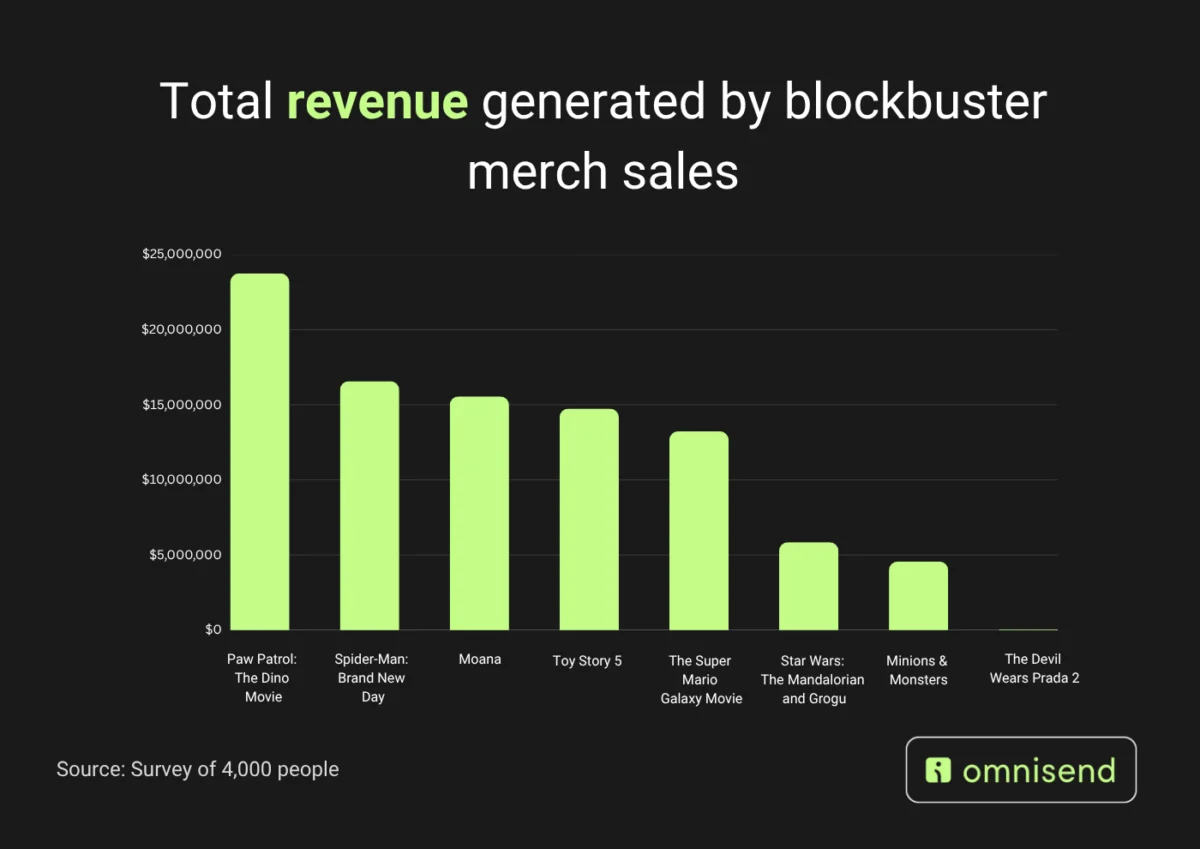
The global movie merchandising market is undergoing a significant transformation, projected to surge from $149 billion in 2019 to an impressive $280 billion by 2026, according to research from Facts & Figures. This robust growth, however, is not merely a continuation of past trends. A new analysis by Omnisend, examining merchandise sales tied to 20 of 2026’s most anticipated film releases, reveals a pivotal shift in consumer behavior: a pronounced move away from impulse buys and pure collectibles towards practical, everyday items that integrate seamlessly into daily life.
The Evolving Landscape of Movie Merchandising
The concept of movie merchandising dates back to the early days of cinema, with studios quickly recognizing the commercial potential of extending a film’s narrative and characters beyond the silver screen. From the earliest character dolls to the marketing behemoth that was Star Wars in the late 1970s, which revolutionized licensing and merchandising, the industry has continuously adapted. For decades, the market was largely driven by toys, action figures, and collector’s items—tangible mementos of beloved stories and characters.
However, the economic climate of the mid-2020s, characterized by more cautious consumer spending, has compelled a re-evaluation of purchasing priorities. Consumers are increasingly discerning, seeking value and utility in their purchases. This shift is not just a passing trend but a strategic recalibration, pushing the industry to innovate beyond traditional fan paraphernalia. The overall growth projection to $280 billion by 2026 underscores the immense and untapped potential still present in the market, provided companies can align with evolving consumer preferences. This expansion is further fueled by the proliferation of streaming platforms, which extend the lifespan and accessibility of content, fostering deeper, more prolonged engagement with franchises across diverse demographics.
A Paradigm Shift in Consumer Demand: Utility Over Novelty
Omnisend’s detailed analysis, which tracked Amazon merchandise sales during March 2026 for upcoming blockbusters, clearly illustrates this paradigm shift. While family-oriented titles continue to dominate in terms of sheer scale and toy categories remain a significant segment, the strongest-performing individual products are overwhelmingly practical items. Drinkware, bedding, and apparel are emerging as frontrunners, signaling that movie merchandise is no longer solely about demonstrating fandom; it is increasingly about enhancing daily routines.
Marty Bauer, Ecommerce Expert at Omnisend, elaborates on this trend: "In tighter economic conditions, consumers naturally gravitate toward items that deliver ongoing value. Products like drinkware, bedding, and everyday apparel perform better because they can be used repeatedly, becoming integrated into the fabric of daily life rather than just being displayed on a shelf." This insight highlights a fundamental change in consumer psychology, where functionality and perceived long-term utility are outweighing the allure of one-off novelty items. The data indicates that 71% of the films studied had top-performing products in these practical, everyday categories, with apparel accounting for 43%, baby items for 14%, and home products also at 14%.
Family Franchises Reign Supreme in Early Sales Performance
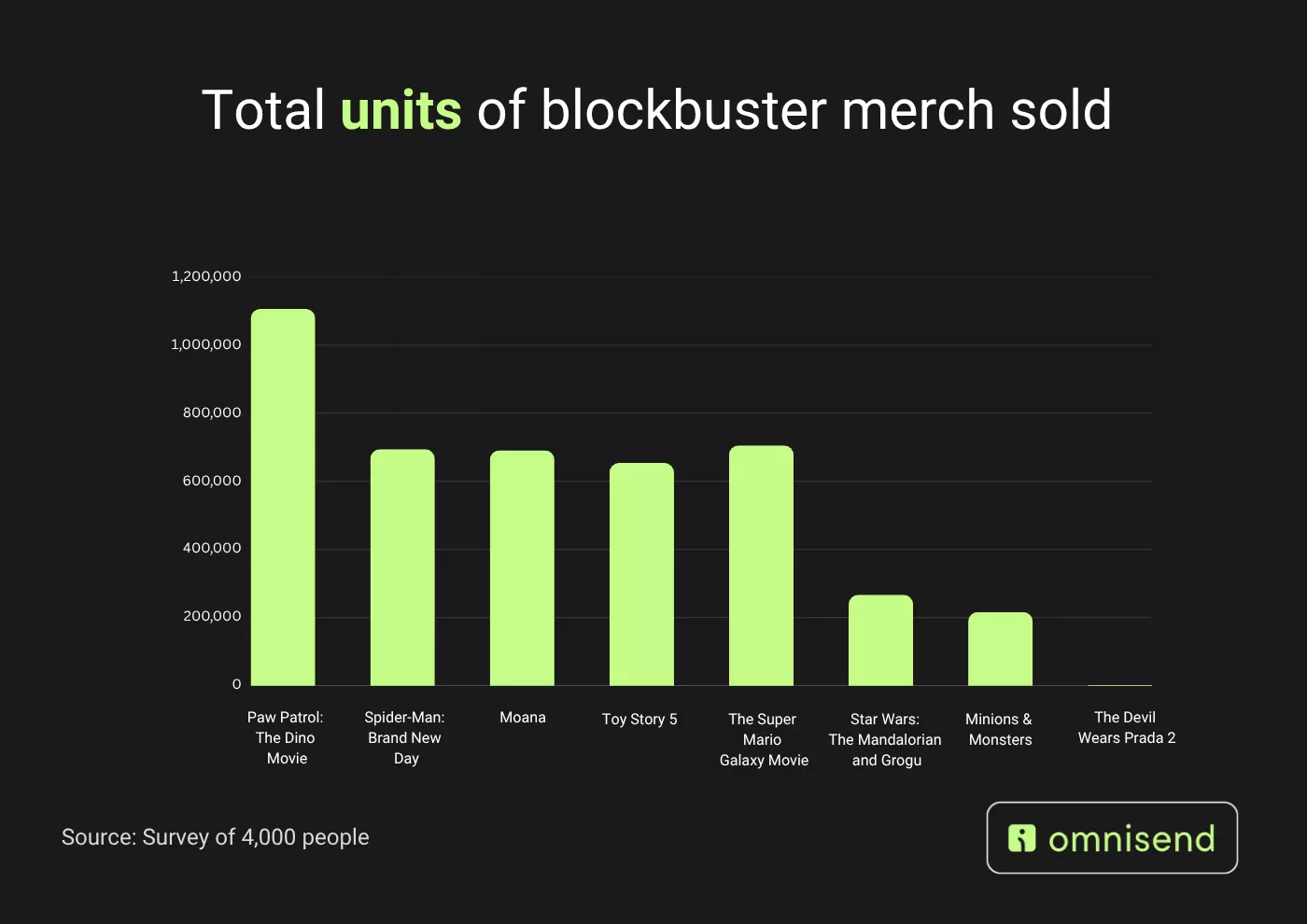
The Omnisend report highlights the formidable commercial power of family-oriented films in the merchandise arena. In just 30 days, blockbuster movie merchandise generated a staggering $97.4 million in revenue and sold 4.48 million units. Crucially, these sales were heavily concentrated among a handful of major family franchises, with the top five films alone accounting for an astounding 86% of all tracked revenue. This underscores the immense market consolidation around established, multi-generational brands that resonate deeply with broad audiences.
Paw Patrol: The Dino Movie emerged as the undisputed leader, raking in $23.7 million in revenue and selling 1.1 million units within the 30-day period—approximately a quarter of all tracked sales. A single product, a Paw Patrol toddler tumbler set, impressively generated $1.19 million on its own, illustrating the power of combining a beloved character with a highly practical item. The success of Paw Patrol underscores the sustained loyalty within the preschool and early elementary demographic, where characters often become integral parts of children’s daily lives and play.
Following closely, Spider-Man: Brand New Day secured the second spot with $16.6 million in revenue from 694,000 units sold. The enduring appeal of Spider-Man, a character that transcends generations and mediums, contributes to its consistent performance across various product categories.
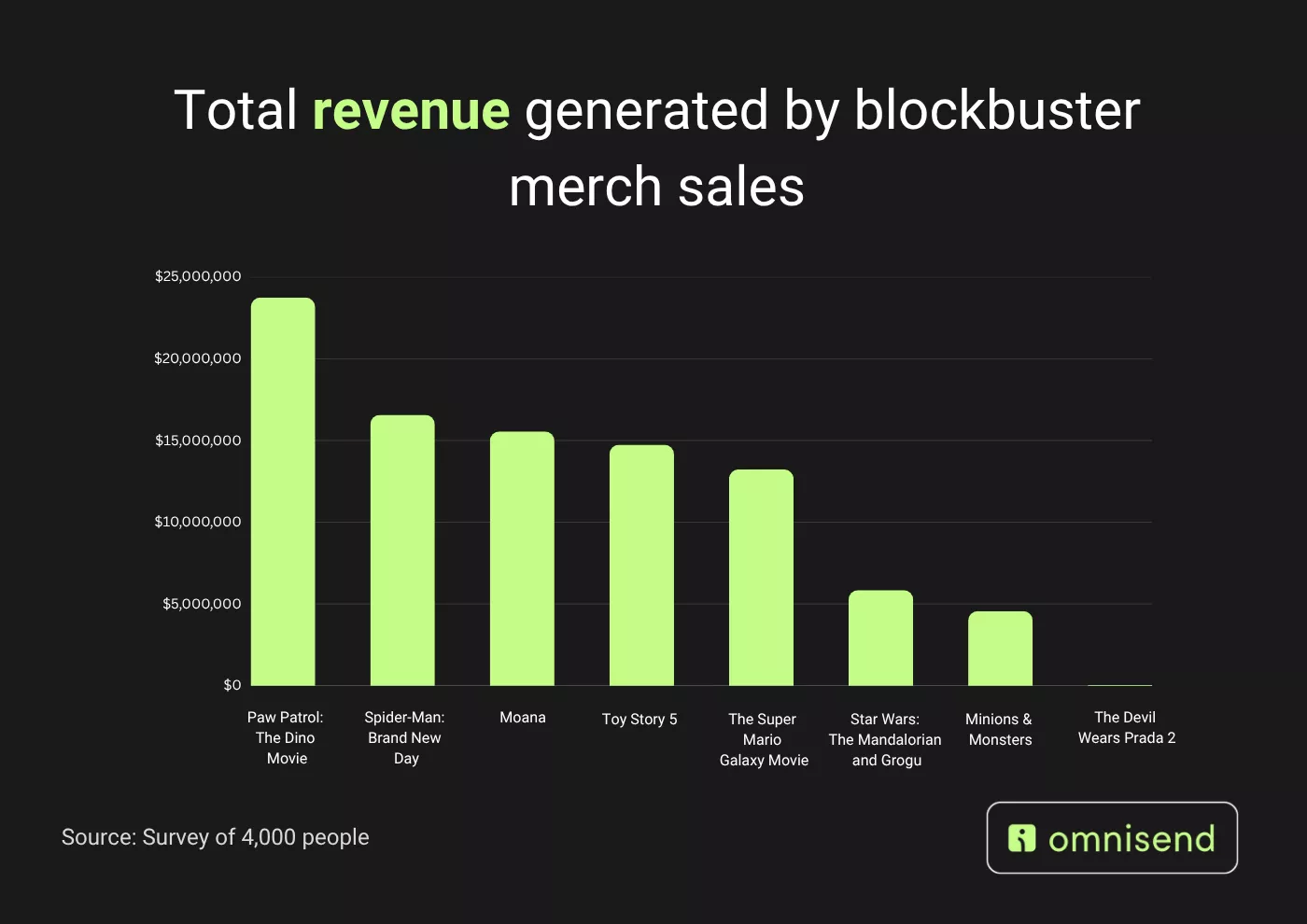
Moana distinguished itself not only by generating $15.5 million from 691,000 units but also by achieving an exceptional efficiency rate of over $7,200 per product, more than double the category average. This high-value performance suggests strong brand equity and a willingness among consumers to invest in quality merchandise associated with the popular Disney animated film.
Toy Story 5 continued the trend of strong family franchise performance, bringing in $14.7 million in revenue and selling 653,000 units. The Toy Story franchise, known for its iconic characters and heartwarming narratives, consistently taps into both children’s desire for play and adults’ sense of nostalgia.
Rounding out the top five, The Super Mario Galaxy Movie achieved $13.2 million in revenue from 705,000 units sold, marking one of the strongest volume performances in the dataset. The global popularity of the Super Mario brand, transitioning successfully from video games to the big screen, demonstrates the immense potential of cross-media adaptations to drive merchandise sales.
The visual representation of these sales patterns, as noted in the original analysis, clearly shows a steep drop-off in revenue and unit sales after these top five films. This pattern confirms that the dominance of family titles is not merely a function of premium pricing but rather an indication of their ability to move products at scale across various price points and categories. In stark contrast, adult-skewing titles like The Devil Wears Prada 2 barely registered in comparison on both revenue and unit metrics, signaling a distinct difference in audience engagement with merchandise.
The Strategic Importance of Everyday Merchandise Categories
The shift towards practical merchandise is profoundly reshaping product development and retail strategies. The analysis indicates that products integrating into daily life are leading the charge.
- Drinkware: Variations of Zak Designs’ Kelso tumbler and toddler cup sets were top-performing products for Paw Patrol: The Dino Movie, Moana, and Star Wars: The Mandalorian and Grogu. This ubiquitous category offers high utility, making it a natural fit for family-focused brands. Parents are opting for items that their children can use daily, making character-branded tumblers a practical and appealing choice.
- Home & Kitchen: For The Super Mario Galaxy Movie, Franco’s Super Mario kids’ bedding set (7-piece) was the top seller. Franco also saw success with similar bedding products for Minions & Monsters. This highlights a strong demand for licensed home items that go beyond temporary novelty, allowing families to integrate beloved characters into their living spaces.
- Apparel: Accounting for 43% of top products, clothing remains a versatile category. For Spider-Man: Brand New Day, a Disney Girls’ Spider-Man Fantasy Gown nightgown was a strong performer. For titles aimed at older audiences, simpler apparel items like graphic T-shirts dominated. Project Hail Mary saw success with a "Rocky the Alien" graphic T-shirt, while The Devil Wears Prada 2 featured an "Everybody Wants to Be Us" slogan T-shirt. This demonstrates that while apparel works across all audience types, the style and complexity of the product adapt to the target demographic, from playful children’s wear to subtle fan-wear for adults.
These categories collectively represent a move towards merchandise that offers sustained engagement and perceived value, crucial factors in a competitive retail environment.
The Enduring Power of Toys (with a Nuance)
While practical items are gaining ground, toys still hold a significant, albeit more targeted, position within the movie merchandising landscape. They accounted for 29% of the top products in Omnisend’s dataset and led in selected franchises where play is intrinsic to the brand. Toy Story 5, for instance, saw the Disney Store Bullseye Talking Action Figure as a standout item, while Masters of the Universe featured its Origins action figure line as a top performer.
This data aligns with broader industry observations. Outside reporting, such as that from the New York Post in February 2026, indicated that toy makers were heavily banking on blockbuster releases in 2026 to help boost demand after facing tariff pressures in 2025. This suggests that while the market is diversifying, core toy lines tied to specific, play-centric franchises remain vital for the toy industry and for capturing the traditional children’s market. However, their universal dominance across all film genres is clearly waning as consumers seek broader utility.
The "Kidult" Phenomenon and Cross-Generational Appeal
A critical factor contributing to the continued success of family-oriented franchises is the burgeoning "kidult" culture. As retail expert Catherine Erdly has noted, adults purchasing playful or nostalgic products for themselves now account for up to a third of toy sales. This trend extends far beyond toys, influencing the demand for practical items like themed drinkware, apparel, and home goods.
The "kidult" phenomenon taps into a deep well of nostalgia, comfort, and emotional connection. Adults, often those who grew up with these franchises, are seeking ways to integrate elements of their childhood or favorite stories into their adult lives. This means a Paw Patrol tumbler isn’t just for a toddler; it might also appeal to a parent who enjoys the show alongside their child, or even an adult fan of the broader animation genre. This cross-generational appeal significantly broadens the market for family titles, enabling them to outperform adult-oriented films in merchandise sales. It transforms the purchase from a simple item for a child into a shared experience or a personal connection for the adult consumer.
The Underperformance of Adult-Oriented Films
In stark contrast to the robust performance of family franchises, films aimed primarily at older audiences generated significantly less merchandise revenue. Project Hail Mary, for example, generated $531,000 from 26,000 units, while The Devil Wears Prada 2 brought in a mere $42,000 from 2,000 units within the 30-day window.
The merchandise lines for these adult-skewing titles also tended to be much simpler, often limited to basic apparel items like graphic or slogan T-shirts. This points to a narrower kind of demand, where fans might appreciate a subtle nod to a film but are less inclined to purchase a broad range of products for everyday use or display. The engagement model for adult films appears to be less about immersive, character-driven play or integration into family routines, and more about individual expression or a more detached appreciation. This divergence underscores the strategic importance for studios and licensees to understand their audience’s relationship with merchandise, tailoring product offerings accordingly.
Strategic Implications for Studios, Retailers, and Licensees
The findings from Omnisend’s report carry significant implications for various stakeholders within the entertainment and retail industries.
- For Film Studios and Content Creators: The data strongly suggests a continued emphasis on developing family-friendly content with strong, relatable characters that can sustain long-term engagement. Furthermore, studios should actively encourage licensees to diversify product portfolios beyond traditional toys, focusing on practical items that can become part of daily routines. Integrating merchandising strategies early in the production cycle, considering how characters and themes can translate into everyday goods, will be crucial.
- For Retailers: The shift necessitates a strategic adjustment in inventory management and store layouts. Retailers should prioritize stocking practical, high-utility merchandise alongside traditional collector’s items. Understanding the "kidult" demographic is vital for merchandising, as products can appeal to multiple age groups simultaneously. Creating themed sections that blend toys with apparel, home goods, and drinkware could maximize cross-sales.
- For Licensing Companies: The focus should be on securing licenses for robust family franchises and developing innovative products that align with the demand for utility. This might involve deeper collaborations with manufacturers of home goods, apparel, and kitchenware, rather than exclusively toy manufacturers. The ability to identify and capitalize on new product categories that offer ongoing value will be a key differentiator.
- For Consumers: The market shift means a wider array of choice for fans, offering more opportunities to express their fandom in practical, integrated ways. This could lead to higher quality, more durable products as brands compete on utility and value.
Methodology and Caveats
Omnisend’s report was constructed using Jungle Scout estimates of Amazon merchandise sales during March 2026. The analysis specifically focused on products tied to 20 films slated for release in 2026.
It is important to note that these numbers represent a 30-day snapshot of early demand and should not be interpreted as a full view of long-term sales trajectories. Merchandise sales often evolve over time, peaking around release dates and during holiday seasons. Additionally, the data is limited to the products and retail channels that were available and tracked within this specific dataset, primarily Amazon. Therefore, while providing valuable insights into early market trends and consumer preferences, the findings do not encompass the entirety of the global movie merchandising market or all retail platforms.
Conclusion: The Future of Fandom is Functional
The movie merchandising market is experiencing a dynamic period of growth and evolution. While the overall market is expanding significantly, fueled by the enduring appeal of beloved franchises, the underlying consumer behavior is shifting. The Omnisend report for 2026 clearly demonstrates that the future of movie merchandise lies increasingly in its utility and seamless integration into daily life. Family-oriented films, with their broad appeal and capacity to foster deep, sustained engagement, are leading this charge, capitalizing on both children’s immediate desires and the growing "kidult" market. As consumers prioritize value and practicality in a cautious spending environment, brands that offer merchandise that serves a purpose beyond mere display are poised for the greatest success, transforming fandom from a fleeting impulse into a functional, everyday experience.









