rifanmuazin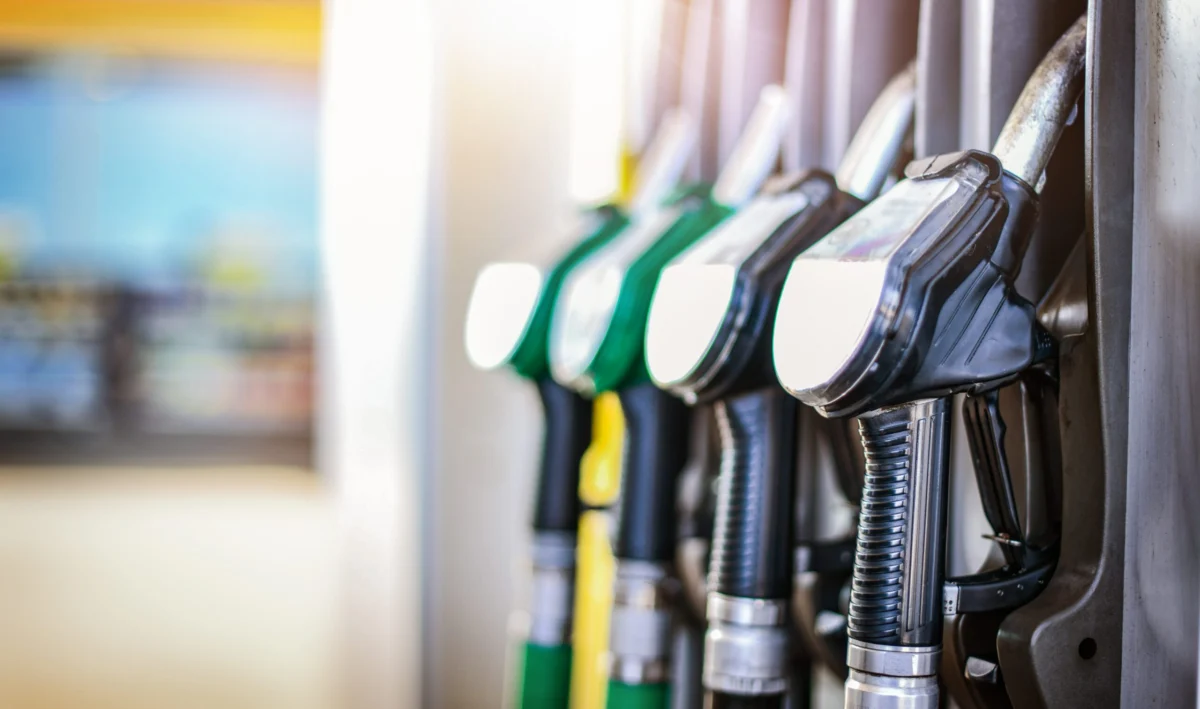
Albertsons, a prominent player in the U.S. grocery sector, is proactively integrating the impact of escalating fuel costs into its strategic outlook, particularly as the company intensifies its efforts to expand its fulfillment and delivery operations. This forward-thinking approach was a central theme during Albertsons’ fiscal Q4 2025 earnings call with analysts, where executives detailed the retailer’s multifaceted strategy for managing inflation and overall cost increases.
Inflationary Headwinds and the Impact of Global Conflict
Speaking broadly about the prevailing inflationary environment, CEO Susan Morris indicated that Albertsons anticipates industry-wide food inflation to remain around the 2% mark. However, she emphasized that the company has deliberately chosen not to pass on this inflation at the exact same rate to consumers. This measured approach underscores a commitment to maintaining customer affordability amidst economic pressures.
The global economic landscape, however, has been significantly shaped by recent geopolitical events. The conflict between the U.S. and Iran, which commenced concurrently with the end of Albertsons’ fiscal Q4 2025 on February 28, 2026, has had a tangible effect on global fuel prices. This period coincided with substantial supply chain disruptions stemming from the conflict. As a direct consequence, the price of a barrel of crude oil surged to $112 in April 2026, a stark contrast to the approximately $60 per barrel recorded on February 3 of the same year, according to historical data from Trading Economics.
These volatile oil prices have triggered a ripple effect across various industries. Carriers have responded by implementing shipping surcharges to offset their increased operational expenses. This trend is not unique to the broader logistics sector; major e-commerce players have also announced similar measures. For instance, Amazon has introduced fuel and logistics surcharges for sellers utilizing its fulfillment services, signaling a widespread industry adjustment to the new cost realities.
Albertsons’ Operational Footprint and Market Position
As of the close of its fiscal year 2025, Albertsons boasts a substantial operational infrastructure designed to serve its vast customer base. The company operates 405 fuel stations, complementing its extensive network of 2,244 retail stores. Beyond its brick-and-mortar presence, Albertsons manages 22 distribution centers and 19 manufacturing facilities. This integrated supply chain allows the retailer to operate under 22 distinct brand banners across 35 states and the District of Columbia, demonstrating its significant reach and diverse market presence.
In the competitive e-commerce landscape, Albertsons holds the 18th position in the Top 2000 Database. This database meticulously ranks North America’s leading online retailers based on annual e-commerce sales and other key performance indicators. Albertsons’ portfolio includes its namesake stores, alongside a suite of well-recognized brands such as Carrs, Haggen, Jewel-Osco, Lucky, and Safeway, among others. This multi-brand strategy allows Albertsons to cater to a broad spectrum of consumer preferences and regional market demands.
Mitigating Fuel Cost Pressures: A Consumer-Centric Approach
During the earnings call, CEO Susan Morris provided crucial insights into the pressures that rising fuel costs exert on consumers. "We do see units remaining pressured across the industry, and that pressure certainly is unevenly distributed," Morris stated. She further elaborated, "What we’re seeing is increasing pressure on the lower-income cohorts. It’s reflected in ongoing affordability changes." This acknowledgment highlights Albertsons’ awareness of the disproportionate impact of economic strain on vulnerable consumer segments and its commitment to navigating these challenges with a focus on affordability.
Chief Financial Officer Sharon McCollam confirmed that Albertsons has factored these rising fuel costs into its financial planning. "In our outlook for the year, we have included the pressures that higher fuel costs will provide related to our transportation and the distribution expenses," McCollam reported. She referred to the geopolitical situation as "the Iran situation" and expressed optimism for a swift resolution. "Obviously, we’re expecting that – hoping that this comes to an end in some shorter period of time. If that continued throughout the year, there could be some incremental pressure, but we are very comfortable right now with what we’ve included in our outlook."
As of the earnings call on April 14, 2026, McCollam indicated that the retailer had adequately incorporated the anticipated impact of fuel costs into its forecast. "We are assuming that this conflict is going to end in a reasonable period of time. And assuming that’s the case, we’re expecting – let’s think of it in the near flat trajectory for 2026," she explained. This projected trajectory suggests a cautious but confident outlook, contingent on the de-escalation of the geopolitical conflict.
In addition to managing these external cost pressures, Albertsons is also looking to leverage its existing infrastructure to mitigate the impact on consumers. Morris noted that the company anticipates "an uplift in our fuel rewards program moving forward." This initiative likely aims to offer customers greater value and potentially offset some of the increased costs associated with fuel, thereby reinforcing customer loyalty.
Omnichannel Growth Fueled by Store-Based Fulfillment
Albertsons’ strategic emphasis on its store-based fulfillment model has proven to be a significant asset, particularly in the fourth quarter of fiscal year 2025. CEO Susan Morris highlighted the inherent advantages of this approach, emphasizing that the proximity of its physical stores to consumers enables unparalleled speed and efficiency at scale. This localized fulfillment strategy allows Albertsons to respond rapidly to customer demand and optimize delivery logistics.
Morris revealed that Albertsons fulfills over half of its digital sales within a three-hour window. Furthermore, she stated that "the vast majority" of its online customers are eligible for "30-minute flash delivery," which is identified as the company’s fastest-growing digital segment. This rapid fulfillment capability is a critical differentiator in the increasingly competitive online grocery market, catering to consumers who prioritize immediacy and convenience.
The company’s third-party business partnerships are also playing a crucial role in its omnichannel growth strategy. Morris described these collaborations as "a convenient choice for some customers" and "a gateway for introducing new customers to our first-party offering." This dual benefit allows Albertsons to expand its reach and attract new clientele while simultaneously offering flexible options to its existing customer base.
A notable example of these third-party collaborations is Albertsons’ expanded partnership with Uber Eats, announced in November. The integration of membership rewards between the two platforms signifies a deeper commitment to providing seamless and rewarding experiences for shared customers. This follows a longer-standing relationship with Instacart, which began in 2017 for grocery delivery services. More recently, in 2024, Albertsons further diversified its delivery network by adding Grubhub as a national delivery partner. These strategic alliances underscore Albertsons’ commitment to offering a robust and accessible omnichannel experience, meeting customers wherever and however they prefer to shop.
Broader Market Implications and Future Outlook
The strategic decisions made by retail giants like Albertsons in response to economic pressures and evolving consumer behavior have far-reaching implications for the broader market. The company’s proactive stance on incorporating rising fuel costs into its outlook demonstrates a sophisticated understanding of supply chain dynamics and the interconnectedness of global events with domestic business operations.
The continued growth of e-commerce and the increasing demand for rapid fulfillment are reshaping the retail landscape. Albertsons’ success in leveraging its physical store network for efficient online order fulfillment positions it advantageously in this evolving market. The company’s ability to offer both rapid delivery and a broad selection of products, coupled with its focus on customer affordability through strategies like fuel rewards, suggests a resilient business model capable of navigating economic uncertainties.
The increasing reliance on third-party delivery platforms also highlights a trend towards collaborative ecosystems in retail. By partnering with companies like Uber Eats, Instacart, and Grubhub, Albertsons not only expands its delivery capabilities but also taps into new customer segments and gains valuable insights into online consumer preferences. This strategy allows for agility and scalability in a dynamic market.
Looking ahead, the trajectory of fuel prices, intrinsically linked to geopolitical stability, will remain a critical factor for Albertsons and the entire retail sector. The company’s financial forecast appears cautiously optimistic, predicated on a resolution to the ongoing international conflict. Should the situation persist or escalate, further adjustments to pricing, operational efficiencies, and customer-facing programs may be necessary.
Albertsons’ commitment to investing in its fulfillment and delivery infrastructure, while simultaneously striving to maintain affordability for its customer base, reflects a strategic imperative to adapt and thrive in a challenging economic climate. The company’s performance in fiscal year 2026 will likely be a key indicator of its success in balancing these competing demands and solidifying its position as a leading omnichannel grocer. The ongoing evolution of its digital offerings and delivery partnerships will be crucial in meeting the ever-increasing expectations of modern consumers.