The digital marketing realm is undergoing a profound transformation, with Artificial Intelligence (AI) emerging as a pivotal force, particularly within email marketing. As consumer inboxes become increasingly saturated and performance expectations continue to escalate, marketers are strategically leveraging AI-powered tools to achieve unprecedented levels of relevance and personalization without a commensurate increase in manual effort. This paradigm shift signifies a departure from traditional, segment-based email campaigns towards dynamic, individualized interactions, fundamentally reshaping how marketing teams conceptualize, execute, and measure their digital outreach efforts. From the nuanced crafting of subject lines and deep personalization to sophisticated send-time optimization and precise revenue attribution, AI’s capabilities are now integrated across the entire email marketing lifecycle.

The Evolution and Necessity of AI in Email Marketing
Email marketing, a stalwart of digital communication for decades, has consistently delivered robust Return on Investment (ROI). However, its effectiveness has been challenged by growing inbox competition, diminishing attention spans, and the inherent limitations of manual segmentation and generic messaging. Traditional email campaigns, often relying on broad demographic segments or basic behavioral triggers, struggled to cut through the noise, leading to plateauing open rates, declining click-through rates, and a perceived lack of relevance from recipients. This created an urgent need for more sophisticated approaches to maintain email’s efficacy as a primary engagement channel.

The advent of advanced machine learning, predictive analytics, and generative AI models presented a timely solution. These technologies enable software platforms to analyze vast datasets—encompassing customer demographics, historical engagement, behavioral patterns, and purchase histories—to automate complex decisions that once required extensive human intervention. The core objective of integrating AI into email marketing is multifaceted: to elevate message relevance for individual recipients, significantly enhance operational efficiency for marketing teams, and drive more measurable and impactful business outcomes throughout the customer journey.
Core AI Capabilities Redefining Email Strategy
AI’s influence permeates six critical areas of modern email marketing, each contributing to a more intelligent, responsive, and effective communication strategy:
-
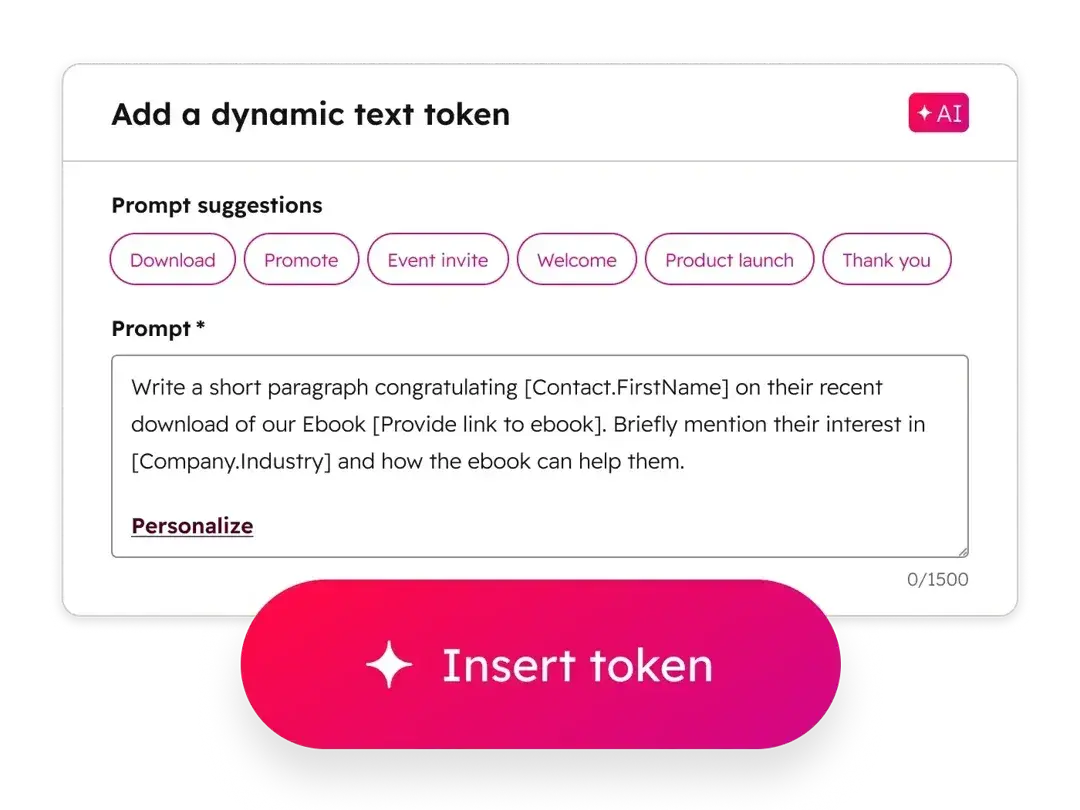
Generative AI for Content Creation: Generative AI models are revolutionizing the creative process by drafting compelling subject lines, crafting engaging body copy, and developing persuasive calls-to-action (CTAs). These tools leverage campaign goals and historical engagement data to produce initial drafts or a multitude of variations for A/B testing, drastically reducing content creation bottlenecks. This allows marketers to experiment with diverse messaging at scale, accelerating campaign launch times and fostering continuous content optimization.
-
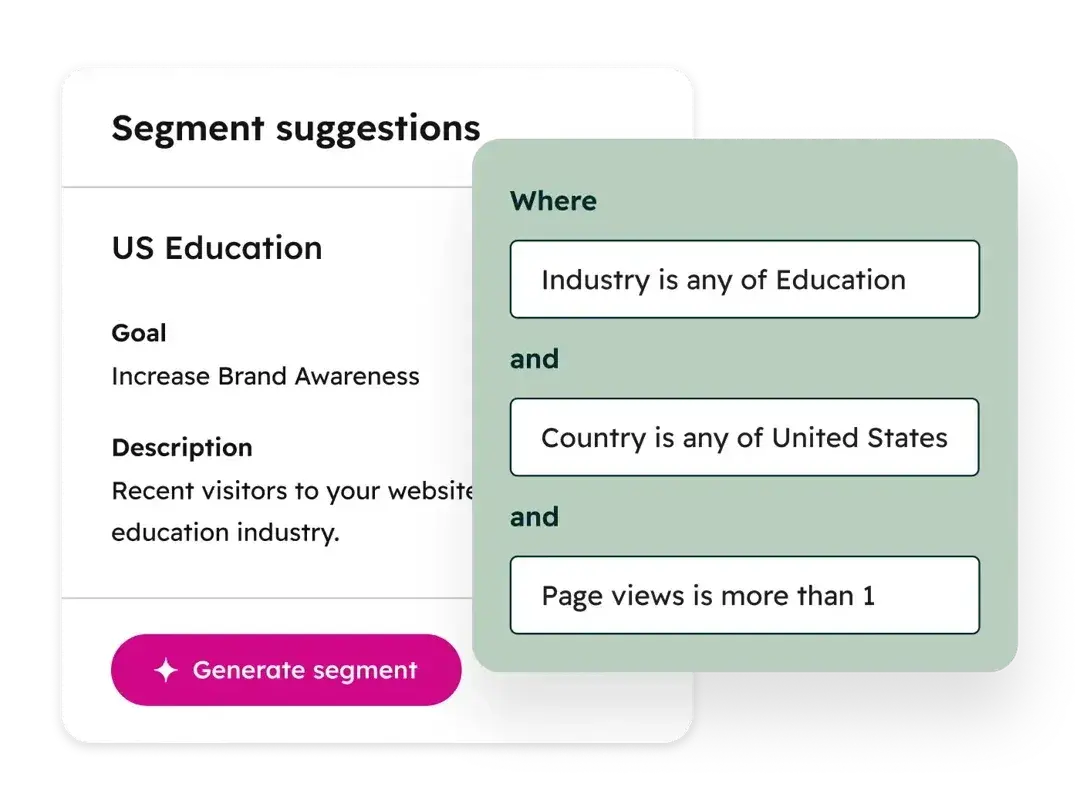
Hyper-Personalization and Dynamic Segmentation: Moving beyond static customer segments, AI-powered personalization engines utilize real-time data, behavioral signals, and predictive models to tailor messages, offers, and timing at an individual recipient level. Instead of applying a single message to a broad group, AI assesses attributes like lifecycle stage, recent interactions, and purchase history to dynamically customize email content, ensuring maximum relevance for each subscriber. This approach not only boosts engagement but also frees marketers from the laborious task of manual segmentation and micro-targeting.
-
Optimized Send Times and Frequency Management: Predictive models, fueled by machine learning, analyze individual open and click behavior across historical campaigns to pinpoint the optimal time to send an email to each recipient. This capability significantly improves email visibility in crowded inboxes and minimizes the risk of messages being overlooked or deleted. Furthermore, AI assists in frequency management, preventing subscriber fatigue by intelligently determining how often to contact individuals based on their engagement patterns and preferences, thereby reducing unsubscribe rates and maintaining list health.
-
Enhancing Deliverability and Sender Reputation: AI-driven deliverability features proactively monitor critical engagement signals, assess email list health, and analyze sender behavior to mitigate the risk of emails being flagged as spam. These systems track bounce rates, identify inactive subscribers, and monitor engagement trends to recommend or automate list hygiene protocols and sending adjustments. By safeguarding sender reputation, AI ensures that marketing emails consistently reach their intended inboxes, a fundamental prerequisite for any successful email campaign.
-
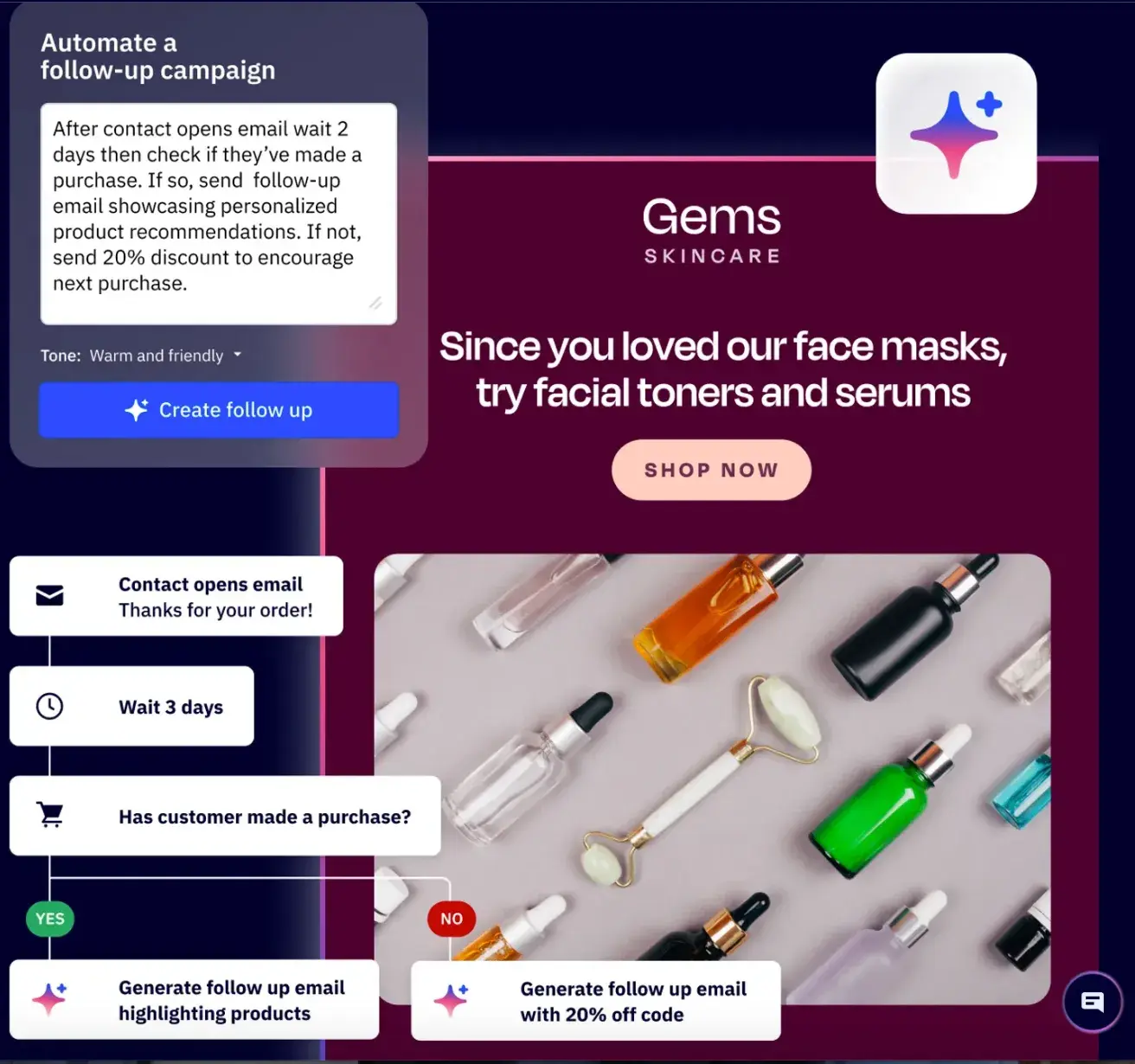
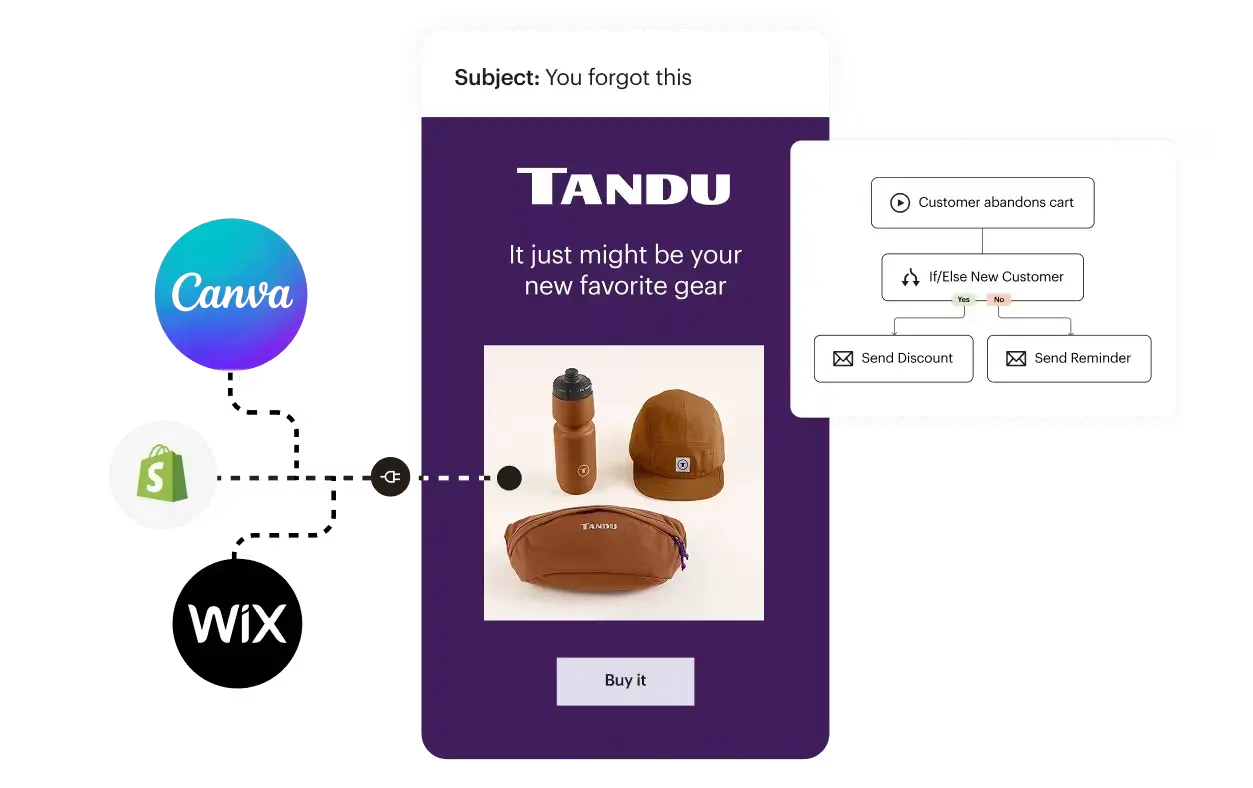
Intelligent Automation and Lifecycle Workflows: AI-powered automation transcends traditional rule-based workflows by introducing adaptive logic. Emails are triggered based on sophisticated behavioral cues and predictive insights, allowing campaigns to dynamically adjust timing, content, and pathways in response to how recipients interact. This capability enables the creation of highly responsive lifecycle and nurture programs that evolve with the customer, scaling personalized communication without increasing manual workload.
-
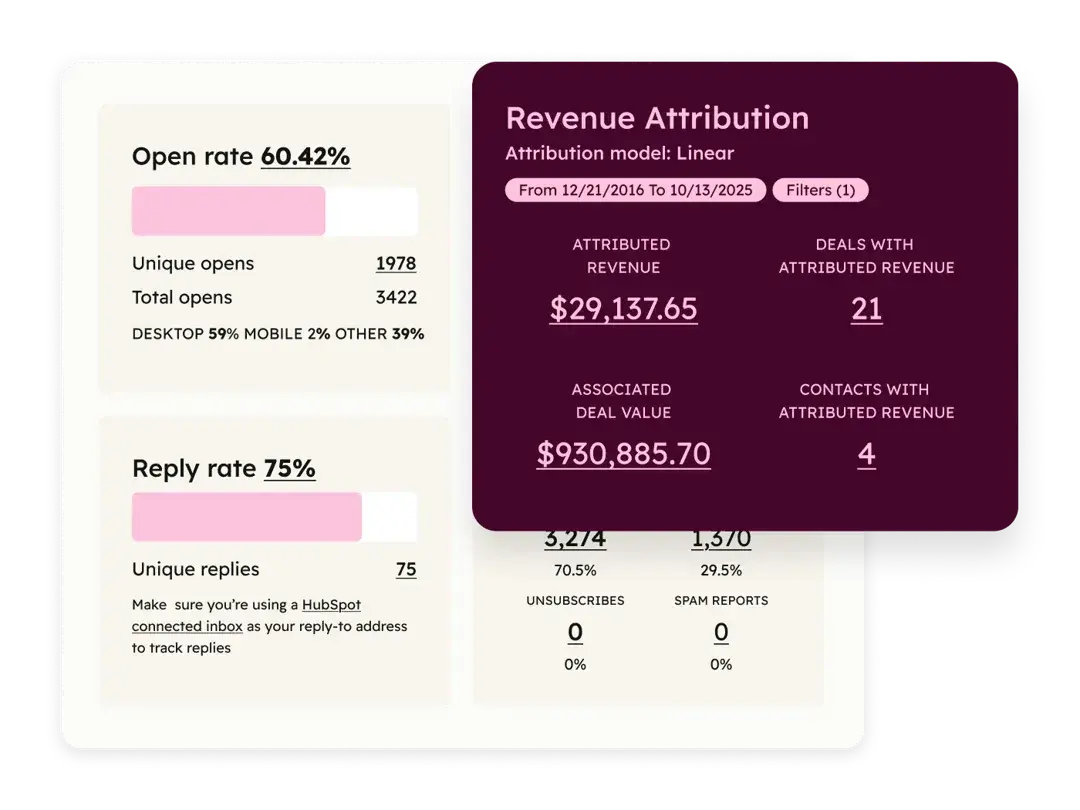
Advanced Attribution and Performance Analytics: AI models are instrumental in connecting email engagement data to tangible business outcomes, such as form submissions, qualified leads, purchases, and ultimately, revenue. By analyzing the full customer journey, AI moves beyond last-click attribution, providing a holistic view of email’s contribution across various touchpoints. This enhanced analytical capability empowers marketing teams to accurately identify which campaigns drive true business impact, enabling more informed strategic decisions and a clearer demonstration of ROI.
Leading AI Email Marketing Solutions on the Market
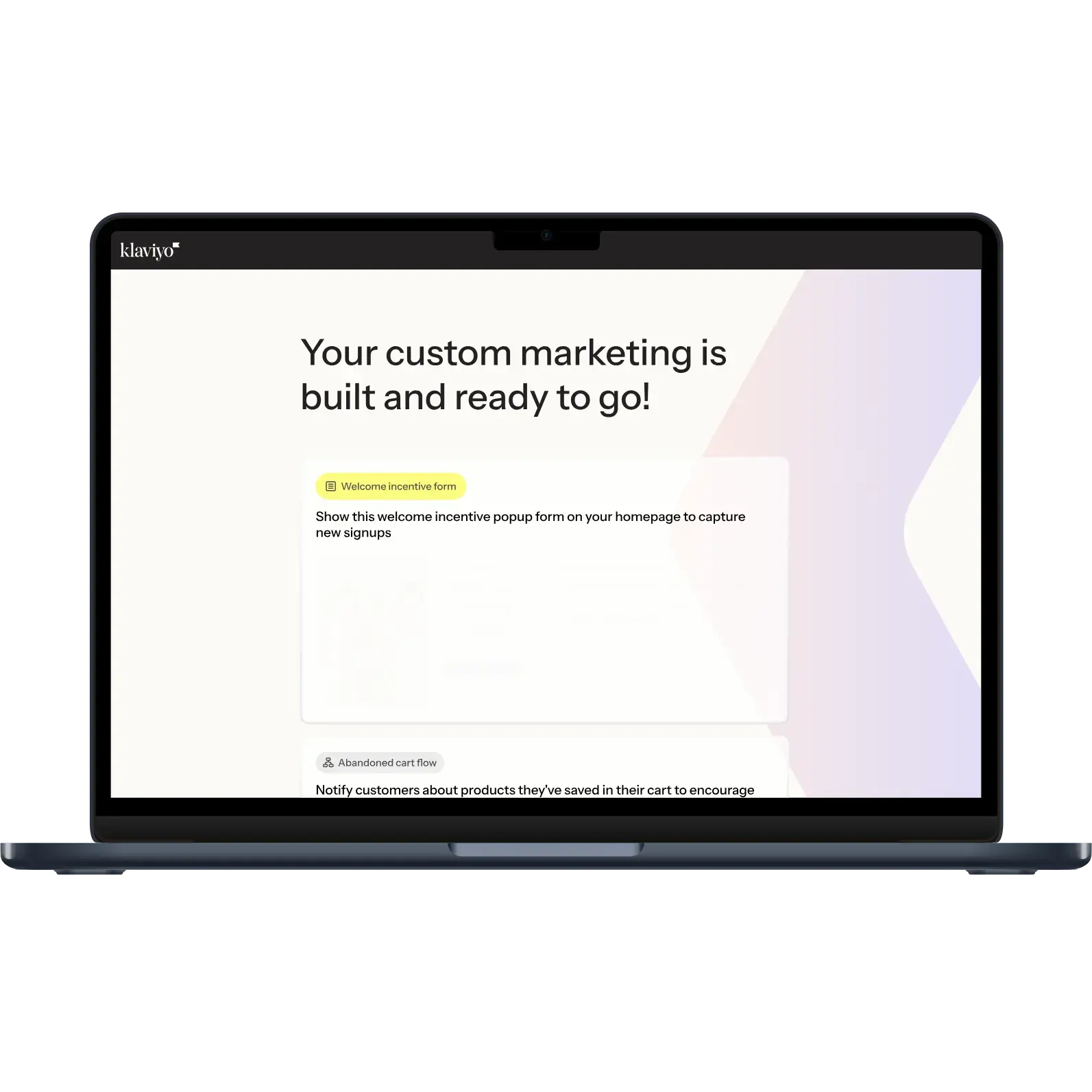
The market for AI email marketing tools is robust and diverse, with platforms specializing in different aspects of the email lifecycle. Many solutions, like HubSpot, integrate a comprehensive suite of AI capabilities within a single, CRM-connected platform, offering a unified approach to marketing.
For Content Generation and Subject Lines:
- HubSpot AI Email Writer (Marketing Hub + Breeze AI): Integrated directly into the HubSpot Marketing Hub, this tool leverages Breeze AI to generate subject lines and email body copy aligned with marketing objectives and CRM data. Its strength lies in keeping content creation, personalization, and performance tracking within a single workflow.
- ChatGPT (OpenAI): A general-purpose generative AI, ChatGPT excels at rapid ideation, creative exploration, and generating multiple copy variations. While powerful for brainstorming, it operates externally to email platforms and lacks native access to CRM data.
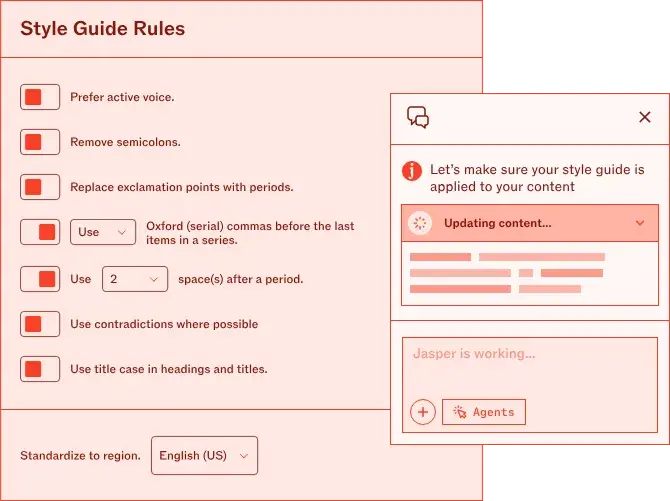
- Jasper: Designed specifically for marketing use cases, Jasper offers templates, brand voice controls, and structured workflows for email copy creation. It typically complements an ESP, providing specialized content generation features.
For Personalization and Segmentation:
- HubSpot CRM and Marketing Hub Segmentation: Utilizes first-party CRM data, including contact properties, behavioral data, and lifecycle stages, to dynamically segment audiences and personalize emails at scale. Its unified system ensures real-time updates and consistent personalization.
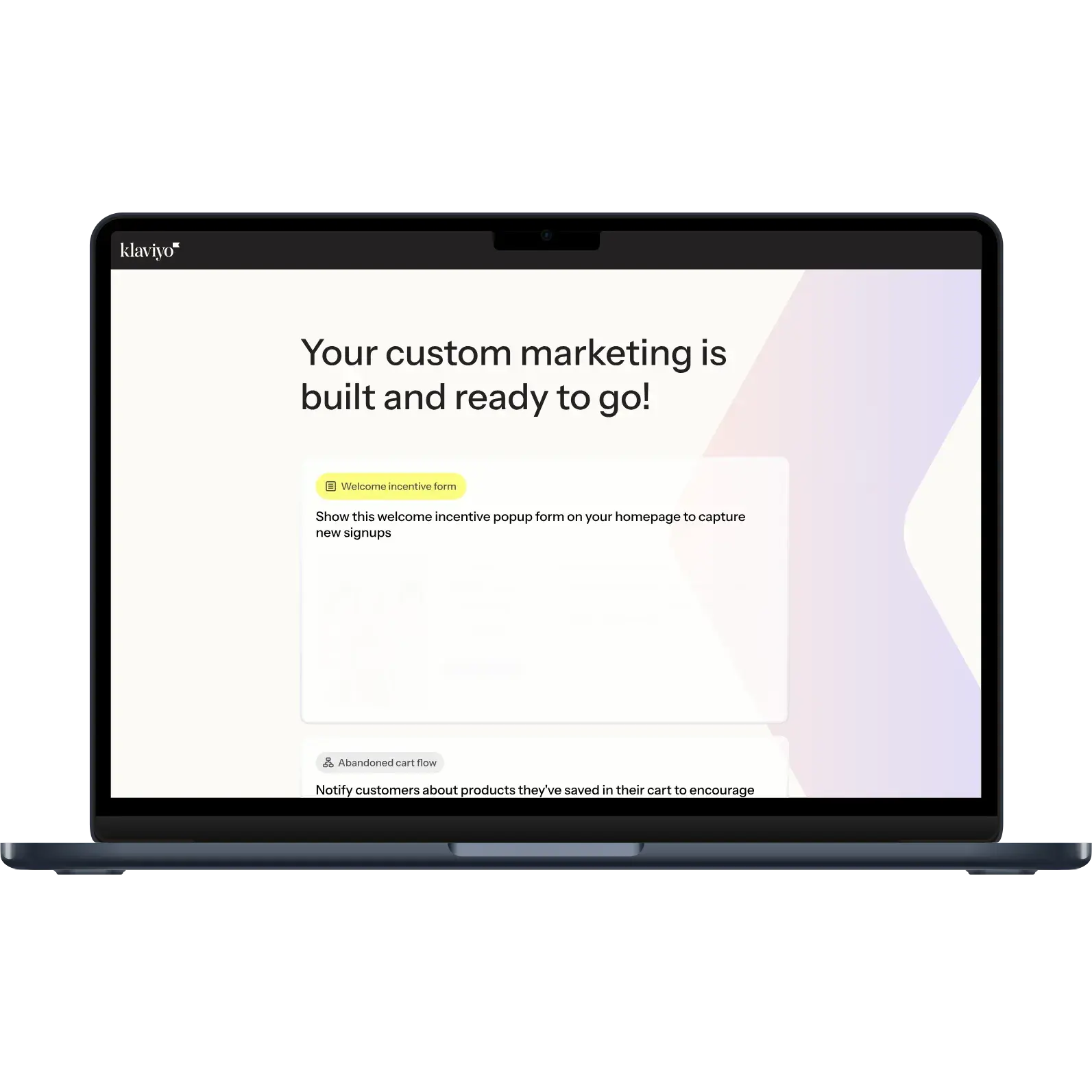
- Klaviyo: A strong contender for e-commerce, Klaviyo combines email, SMS, and predictive analytics to personalize messaging based on real-time behavior and purchase history, making it ideal for lifecycle and retention marketing.
- Customer.io: Focused on event-driven messaging, Customer.io is favored by product-led and SaaS companies for triggering highly targeted communications across multiple channels based on real-time behavioral data and custom events.
For Send-time Optimization and Frequency Management:
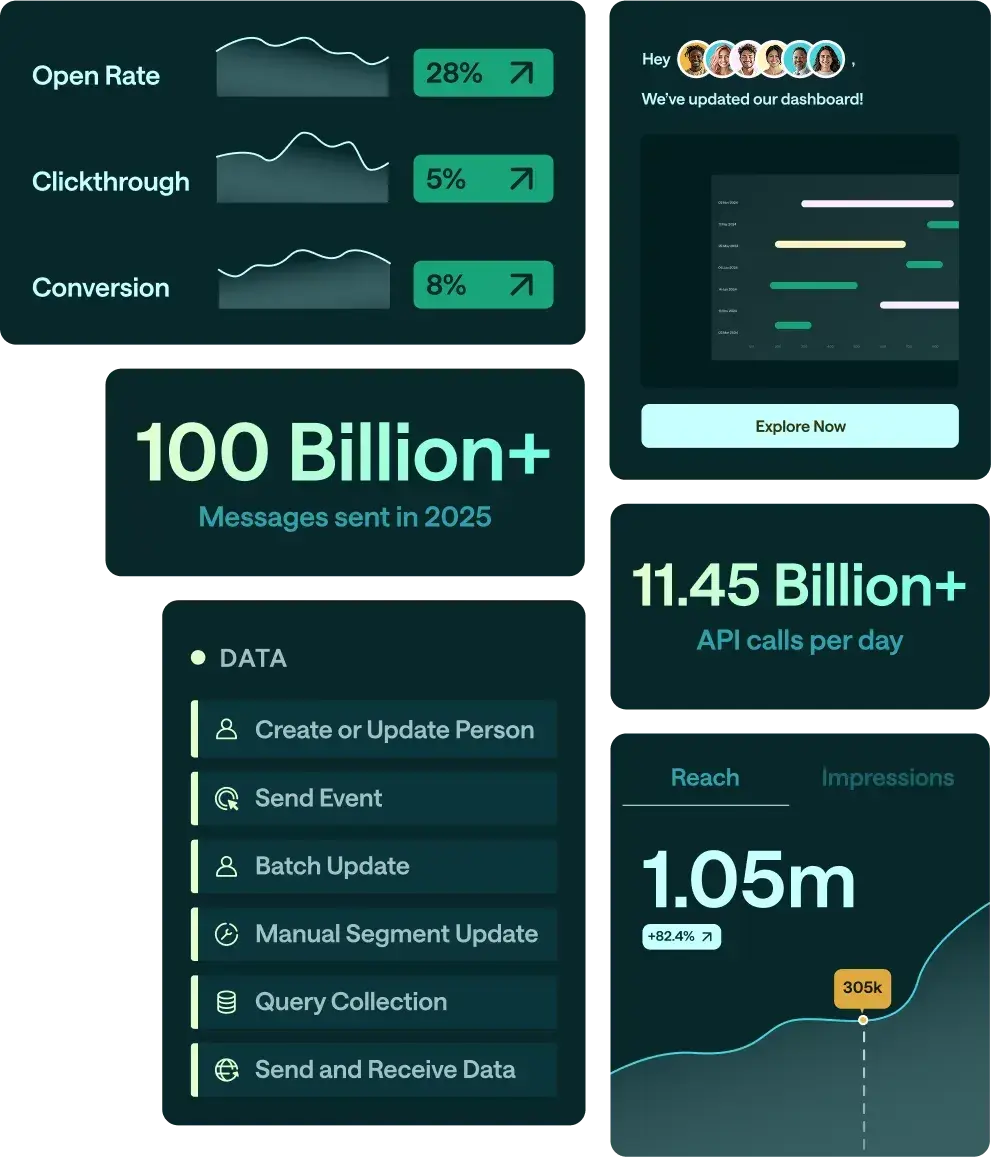
- HubSpot Marketing Hub Analytics: Integrates engagement analytics and CRM-connected reporting to optimize email send times. It analyzes historical open and click data to identify effective send windows, allowing teams to adjust scheduling based on real engagement signals.
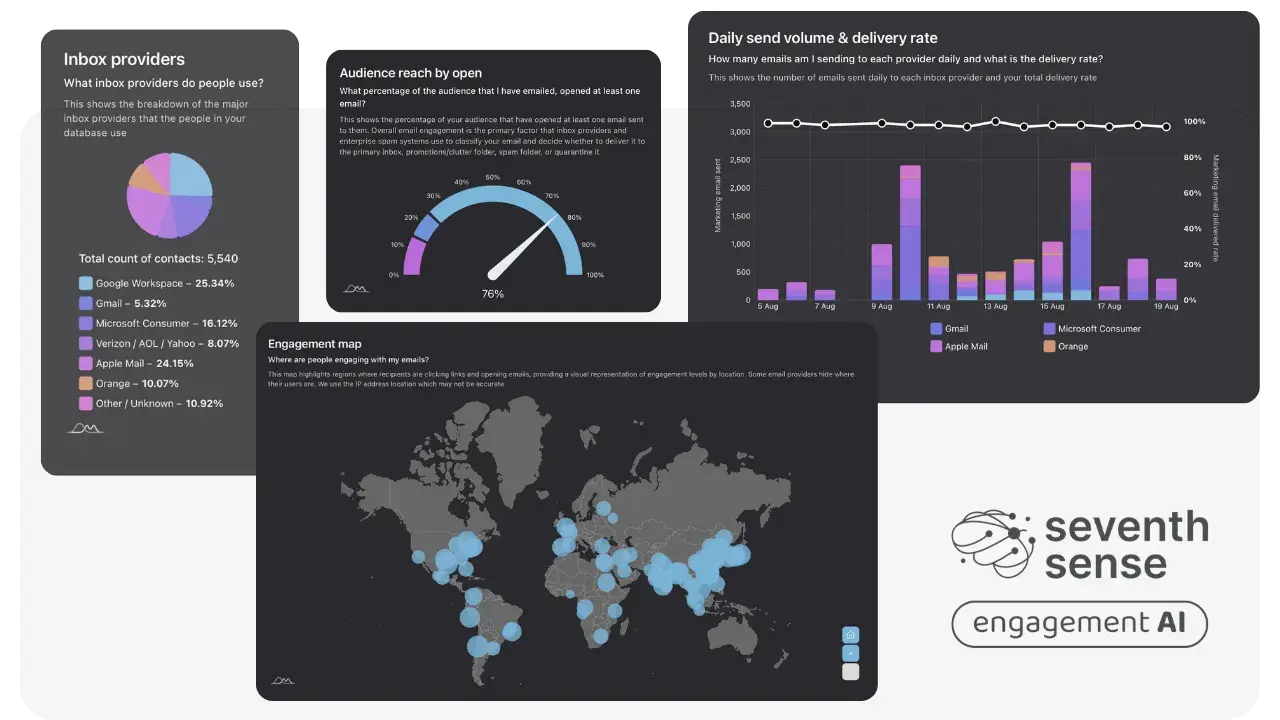
- Seventh Sense: A highly specialized platform dedicated to AI-driven send-time optimization, Seventh Sense analyzes individual contact engagement patterns to determine the optimal delivery time for each recipient, integrating with select marketing platforms.
- ActiveCampaign: This platform combines email marketing, CRM, and automation workflows. It uses engagement history to recommend optimized send times and manage message frequency within automated sequences.
For Deliverability and List Health:
- HubSpot Marketing Hub Analytics: Offers built-in email health monitoring, contact management, and engagement tracking. It tracks bounces, unsubscribes, and engagement trends to help maintain clean lists and compliant sending practices, with insights tied directly to CRM contact records.
- SendGrid (Twilio): A robust email delivery platform, SendGrid focuses on deliverability performance and sender reputation management, particularly for transactional and high-volume email programs. It provides extensive tools for monitoring inbox placement and spam complaints.
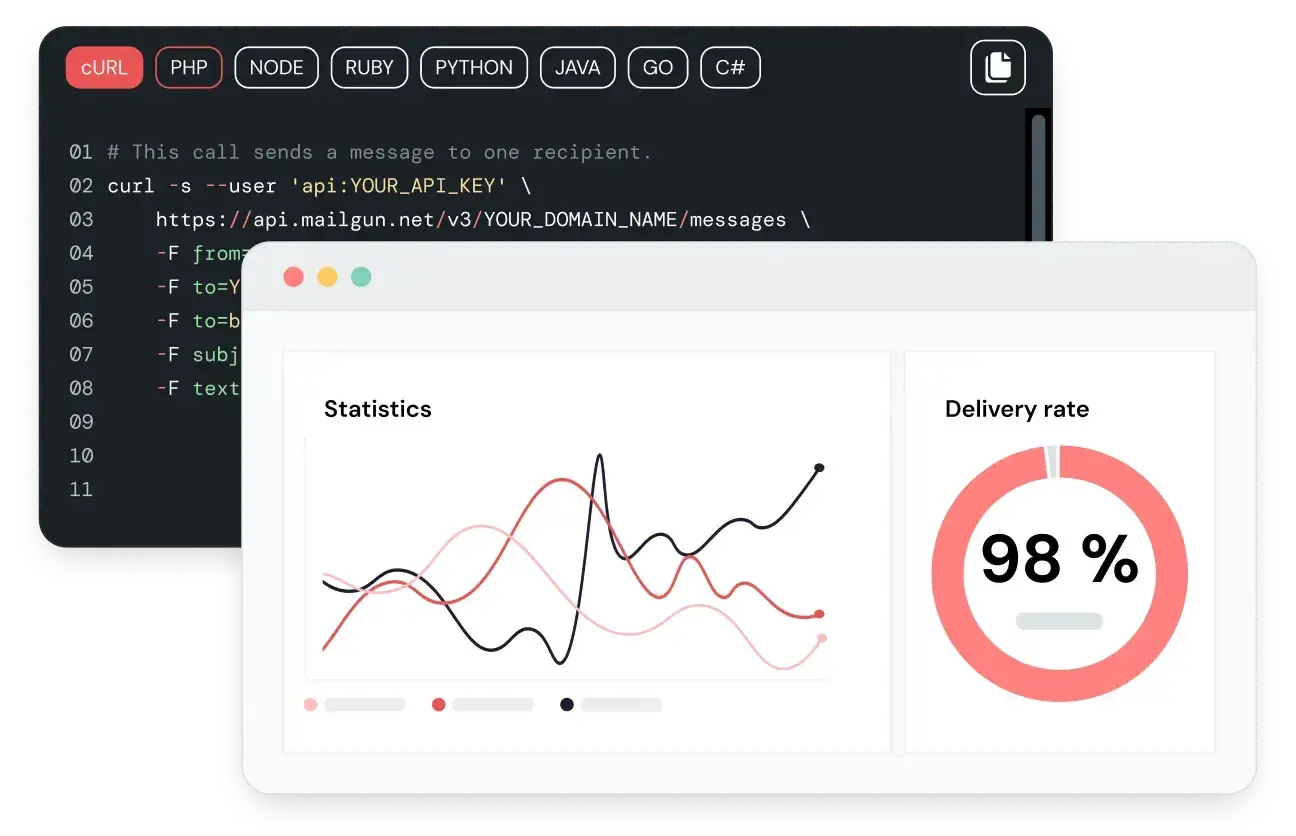
- Mailgun: An email delivery service for transactional messaging, validation, and inbox placement testing. Mailgun helps technical teams manage infrastructure-level email delivery, maintain sender reputation, and reduce bounce rates.
For Testing, Optimization, and Experimentation:
- HubSpot A/B Testing: Enables native A/B testing of subject lines, content, and other email variables directly within the Marketing Hub, automatically tracking results at the contact and campaign level. Its integration with CRM data allows for deeper analysis of experiment insights.
- Mailchimp: Offers built-in testing tools with AI-informed suggestions for subject lines, content, and send times. It uses engagement data to recommend optimal variations and helps compare results across campaigns.
For Lifecycle Automation and Workflows:
- HubSpot Marketing Hub Automation: Features a visual workflow builder that supports lifecycle automation for onboarding, nurture, re-engagement, and renewal sequences. Workflows leverage CRM data and customer behavior to dynamically adjust communication paths.
- Encharge: A marketing automation platform focused on behavioral, event-based lifecycle journeys. It allows teams to trigger emails and campaigns based on user actions, product events, or custom attributes, commonly used by SaaS businesses.
For Analytics and Revenue Attribution:
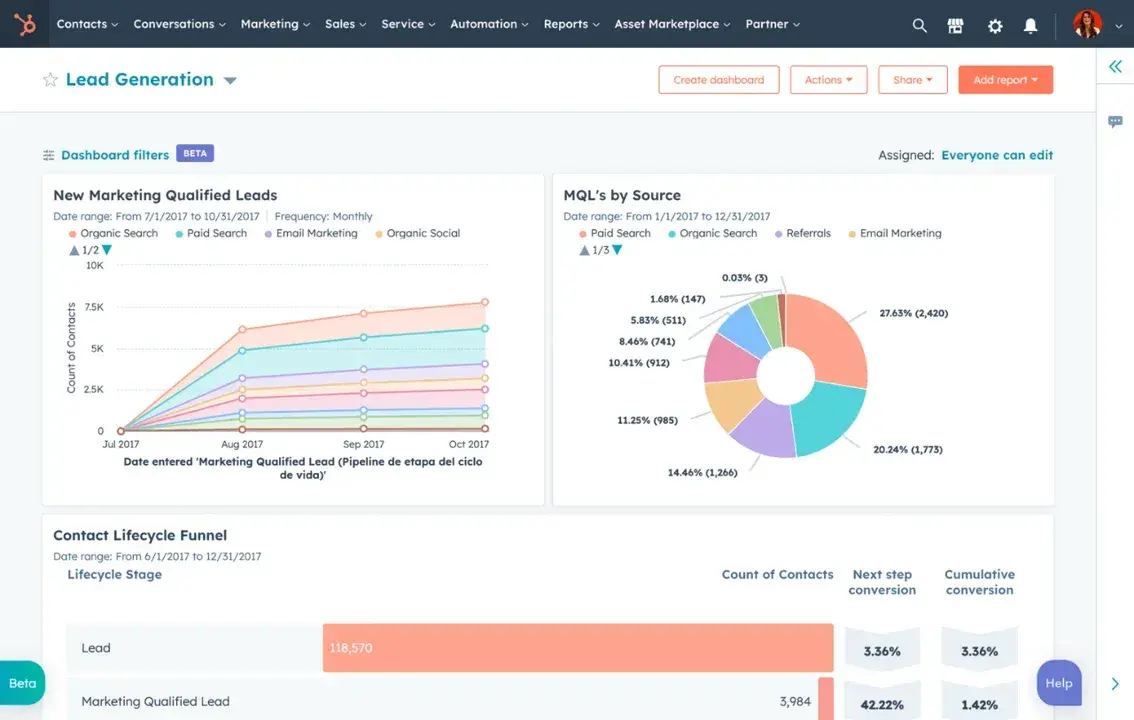
- HubSpot Analytics: Provides analytics and revenue attribution through CRM-linked reporting tools. Email engagement is directly tied to contact records, deals, and lifecycle stages, offering clear visibility into how campaigns influence pipeline and revenue across the customer journey.
- Moosend: Offers AI-driven analytics that highlight campaign performance, segment engagement, and optimization opportunities. It provides insights and recommendations to improve results, especially useful for teams seeking accessible analytics with built-in suggestions.
Navigating the AI Email Marketing Landscape: Key Selection Criteria
Choosing the optimal AI email marketing tool requires careful consideration of several factors beyond just features. Alignment with existing systems, data maturity, and specific campaign objectives are paramount.
- Integration Capabilities: The most effective AI tools seamlessly integrate with existing CRM platforms, marketing automation systems, and other data sources. Native CRM connectivity, in particular, ensures reliable personalization and comprehensive reporting by preventing data silos and manual data transfers.
- Data Governance and Privacy: With AI relying heavily on customer data, understanding how a tool handles data privacy, security, and compliance (e.g., GDPR, CAN-SPAM) is critical. Robust governance features and transparent data usage policies are essential for maintaining trust and regulatory adherence.
- Measurable ROI and Attribution: Evaluate how the tool quantifies its impact on key performance indicators (KPIs) and its ability to connect email activities to revenue. Comprehensive attribution models are crucial for demonstrating the true value of AI-driven campaigns.
- Scalability and Flexibility: The chosen platform should be capable of scaling with your business needs, accommodating growing contact lists, increasing email volumes, and evolving campaign complexities. Flexibility in customization and workflow design is also important.
- User Experience and Ease of Use: An intuitive interface and user-friendly workflows are vital for adoption and efficiency, particularly for marketing teams without deep technical expertise. The ease of setting up, managing, and optimizing AI-powered campaigns directly impacts productivity.
- Support and Resources: Assess the vendor’s support structure, including documentation, training resources, and customer service. Reliable support ensures that teams can effectively leverage the tool’s capabilities and troubleshoot any issues.
Addressing Common Concerns and Future Outlook
The integration of AI into email marketing, while transformative, also raises important questions and considerations for marketers.
Maximizing Open Rates with AI:
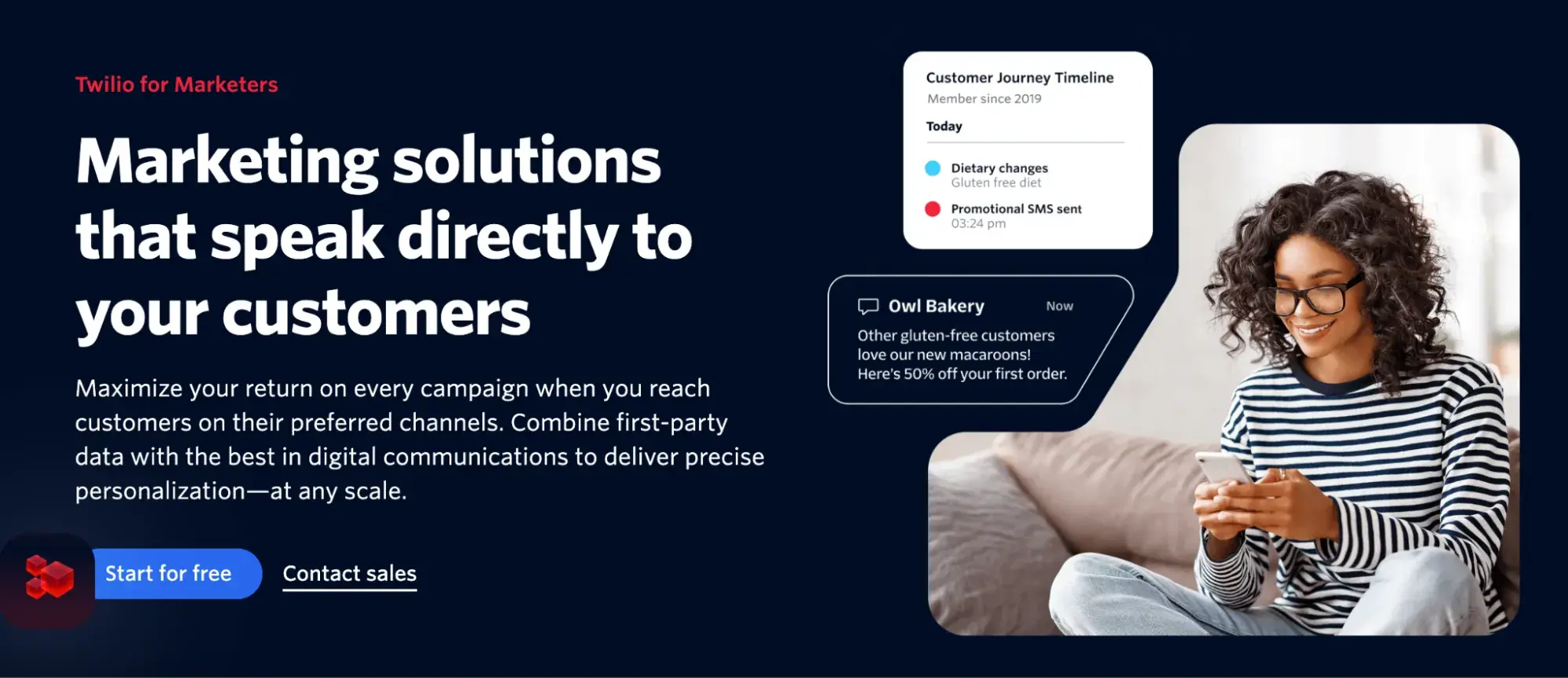
AI significantly enhances open rates by optimizing subject line generation, send-time, and audience targeting simultaneously. By analyzing historical engagement data, AI recommends compelling subject line variations, predicts the ideal send time for each individual, and identifies the contacts most likely to engage. Industry reports suggest that AI-optimized subject lines can lead to a 10-15% increase in open rates, while send-time optimization can improve engagement by an additional 5-7%. However, AI performs best when combined with structured A/B testing, allowing marketers to validate AI-generated recommendations with empirical data.
The Evolution of Email Automation: AI vs. Traditional:
Traditional email workflows are typically rigid, relying on predefined rules and linear sequences. AI email automation, in contrast, introduces adaptive logic, dynamically adjusting timing, message content, and recipient pathways based on real-time engagement and predictive insights. This allows campaigns to respond intelligently to how contacts interact, moving beyond simple triggers to create highly personalized, non-linear customer journeys. A recent study by Forrester indicated that AI-driven automation can reduce manual campaign management effort by up to 30%, allowing teams to focus on strategic planning rather than repetitive execution.
Maintaining Brand Voice and Compliance:
A key concern with generative AI is the potential dilution of brand voice. This can be mitigated by providing AI tools with clear brand guidelines, approved language patterns, and style guides. Human oversight and iterative refinement are crucial; AI should function as a drafting assistant rather than an autonomous content creator. Marketers must review AI-generated content for accuracy, tone consistency, and contextual relevance. Furthermore, ensuring compliance with regulations like CAN-SPAM, GDPR, and other regional data privacy laws remains the responsibility of the sending organization, requiring robust approval workflows and permission-based segmentation.
Integration Imperatives:
The effectiveness of AI email tools is heavily dependent on their ability to integrate with existing CRM systems and Email Service Providers (ESPs). Native CRM connectivity is particularly beneficial, as it allows AI features like personalization and attribution to draw from a centralized, comprehensive data source. This eliminates data silos, ensures data consistency, and provides a unified view of the customer journey, leading to more reliable personalization and accurate reporting. Without strong integration, the benefits of AI can be significantly hampered by data discrepancies and manual workarounds.

The Strategic Imperative of AI in Email
Email marketing with AI tools represents a strategic imperative for modern businesses aiming to thrive in an increasingly competitive digital landscape. By applying machine learning and generative AI across content creation, personalization, timing, automation, deliverability, testing, and attribution, organizations can unlock unprecedented levels of efficiency and effectiveness. Platforms that seamlessly connect these AI capabilities to a centralized CRM, such as HubSpot, empower marketers to personalize at scale, continuously optimize campaigns, and precisely link email engagement to tangible revenue outcomes.
This integrated approach facilitates faster campaign execution and ensures that marketing efforts are always connected to a comprehensive view of customer data and performance reporting. Such a level of integration is crucial for scaling email programs without introducing operational friction or creating fragmented data environments. While many powerful email and AI marketing platforms exist, the ultimate choice hinges on an organization’s specific goals, available resources, and budgetary considerations. The blend of human strategic insight with AI’s analytical and execution prowess is the future of impactful email communication.