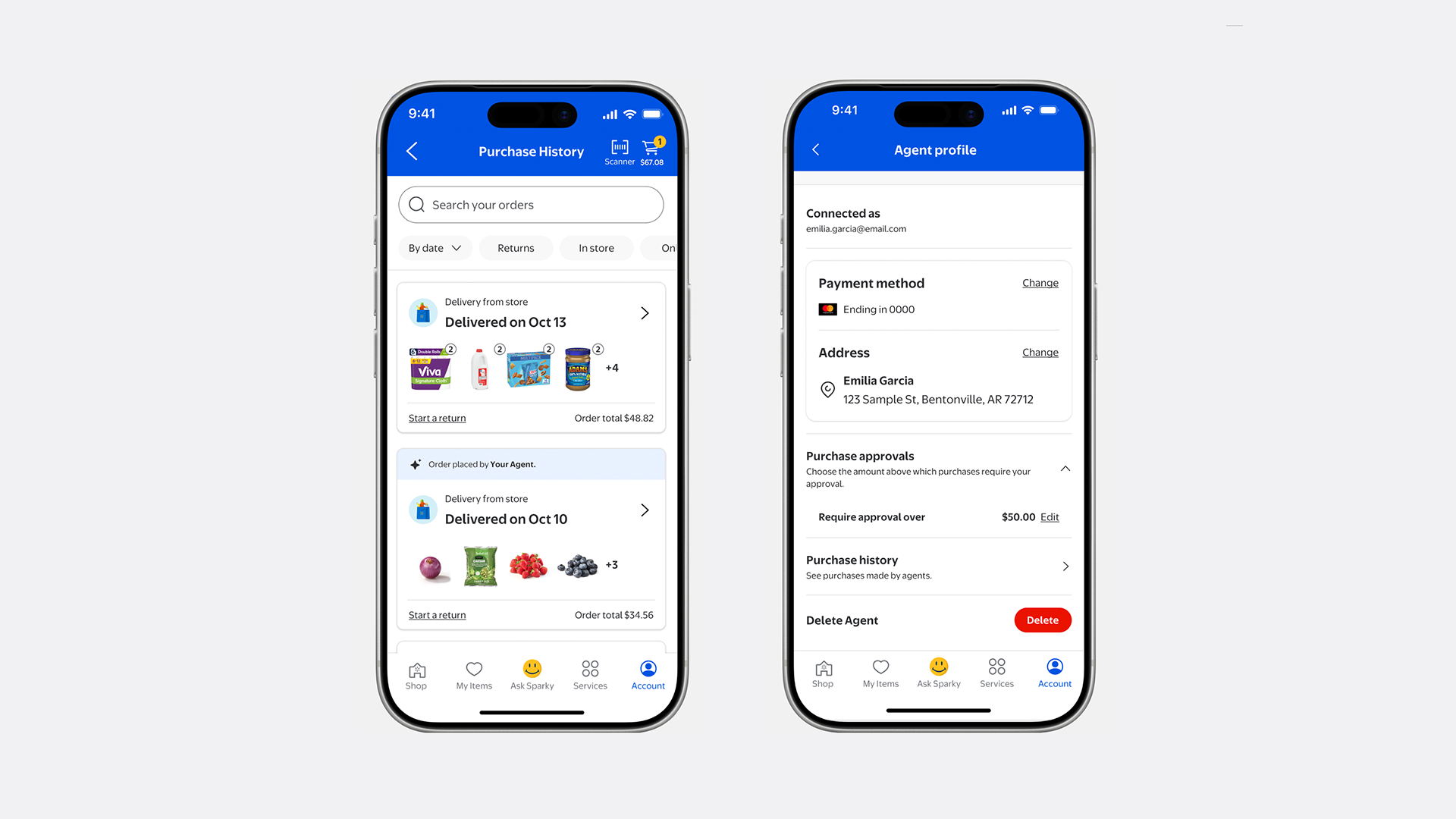
The traditional marketing calendar, once marked by a contemplative January, has been irrevocably altered by the relentless pace of digital innovation. Marketers today can no longer afford to pause and reflect at year’s end; instead, a mid-year assessment is crucial to understand the seismic shifts occurring and to strategize for sustained success. The first six months of 2026 have been dominated by Artificial Intelligence (AI), profoundly reshaping how consumers search, how brands influence purchasing decisions, and how paid advertising is managed. However, alongside these technological advancements, human-led trends are also gaining significant traction, indicating a more nuanced and integrated future for marketing. This article delves into eight pivotal marketing trends that are defining 2026 and offers insights on how businesses can leverage them to maintain momentum through the latter half of the year.
1. SEO Fundamentals: The Bedrock of GEO Success in the AI Era
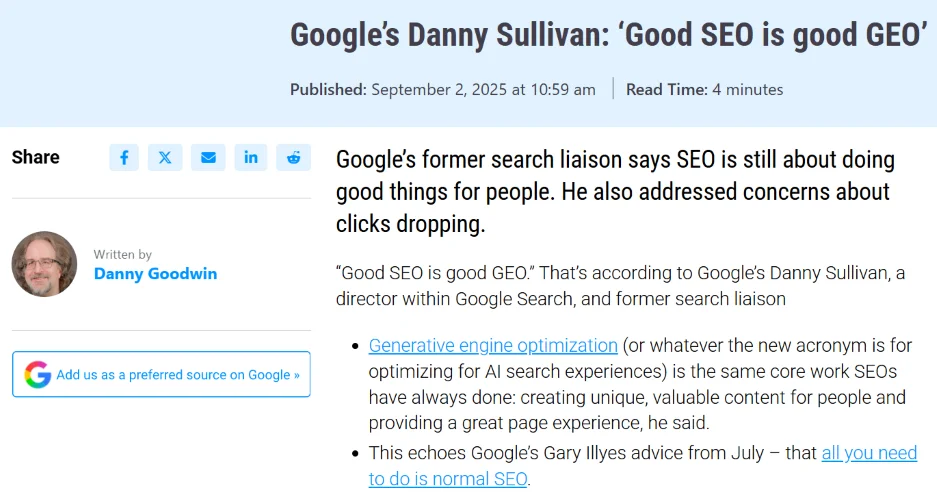
The emergence of AI-driven search has spurred extensive discussions around achieving visibility in these new search paradigms. Early strategies focused on technical elements like llms.txt files, specialized schema markup, and content chunking. However, the prevailing wisdom has evolved, with a growing consensus that a robust foundation in Search Engine Optimization (SEO) fundamentals is the most effective pathway to securing citations and mentions within AI-generated search results.

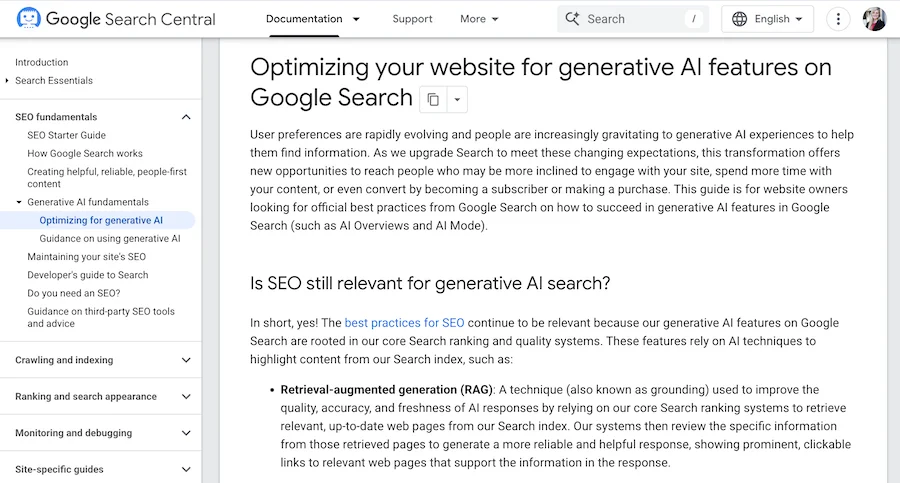
This shift was significantly validated when Google released its first official guidance on how AI Overviews and AI Mode function in May 2026. The documentation clearly illustrated the symbiotic relationship between AI systems that surface answers and the algorithms that surface links. As Nikiya Griffith, Director of Organic Growth at BX Studio, stated, "We’ve seen that about 80% of the time, what’s good for SEO is good for GEO." Griffith further elaborated, "Our most successful strategic initiatives over the last year have been ones where SEO and GEO were approached in unison as one holistic strategy. Of course, you still need to devote time and attention to the considerations that are unique to GEO or SEO, but overall, we really see GEO as an extension of good SEO."
The implication is that the core principles of effective SEO—keyword research, high-quality content creation, technical optimization, and authoritative backlinks—remain paramount. These elements not only improve a website’s ranking in traditional search but also provide the structured, reliable information that AI systems utilize to generate comprehensive answers. The industry is now recognizing that optimizing for AI search, often referred to as GEO (Generative Engine Optimization), is not a departure from SEO but rather an extension and enhancement of its core tenets.
Leveraging this Trend:
To capitalize on this trend, marketers should prioritize reinforcing their SEO fundamentals. This involves:
- Content Quality and Authority: Ensuring content is comprehensive, accurate, and demonstrably authoritative on its subject matter.
- Technical SEO: Maintaining a technically sound website with fast loading speeds, mobile-friendliness, and clear site architecture.
- Structured Data Markup: Implementing schema markup to help search engines better understand the context and entities within web content.
- Link Building: Focusing on earning high-quality backlinks from reputable sources.
- Understanding User Intent: Deeply understanding what users are searching for and providing direct, relevant answers.
Businesses that invest in these foundational SEO practices will be well-positioned to benefit from the evolving landscape of AI-powered search, ensuring their content is discoverable and cited by generative AI models.
2. AI’s Reshaping of the Buyer Journey: Shifting Influence Upstream
The impact of AI on search traffic is undeniable, with an estimated 65% of Google searches now concluding without a click. However, a potentially more significant disruption is the role of AI agents in product and service discovery. This is leading to a diminished influence for brands in the crucial middle stages of the buyer journey.
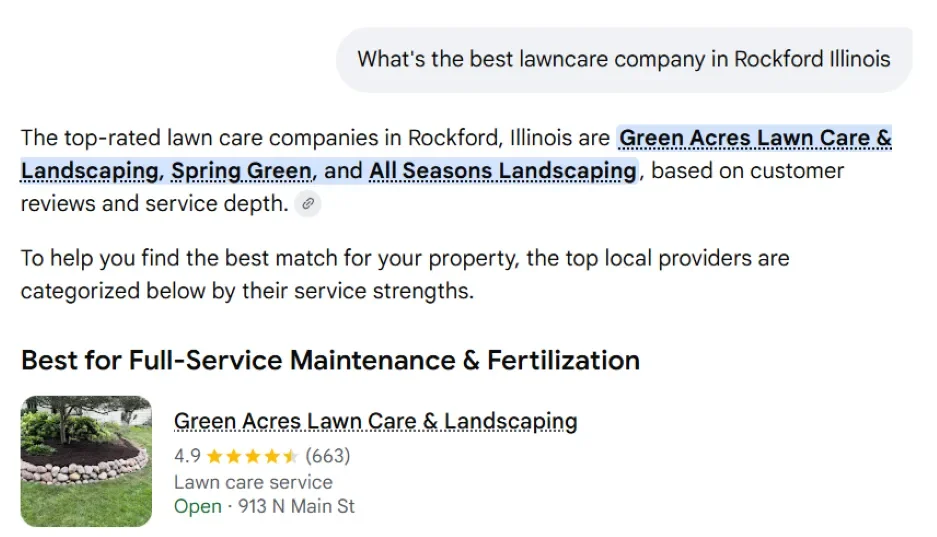
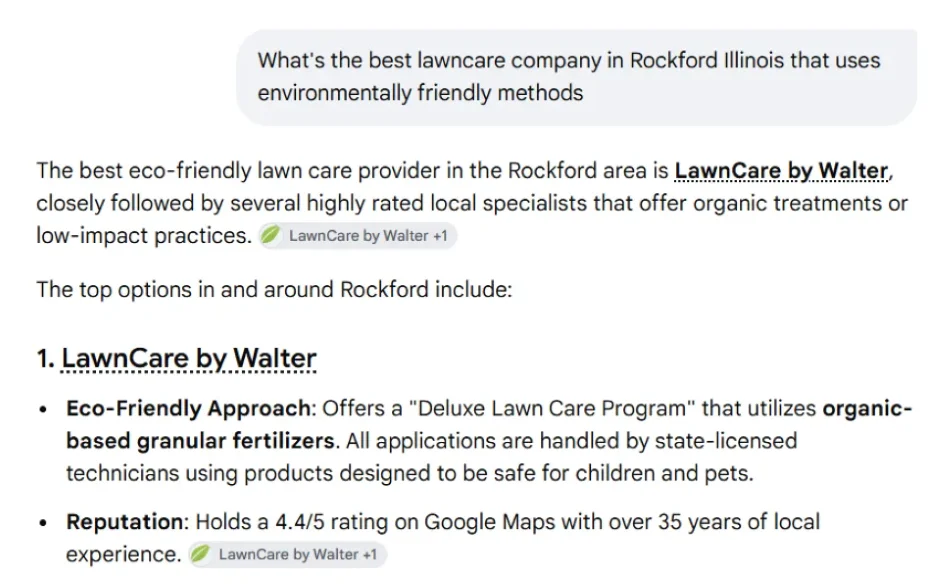
Historically, when consumers searched for local services like a lawn care provider or a yoga studio, they received a list of links to explore. Today, AI provides curated recommendations that shape perceptions before a user even interacts with a brand’s website. Dennis Wilson, VP of Product Management at LocaliQ, observed, "The biggest shift in local SEO is that discovery is rarely happening on your website first. It’s happening across AI-driven platforms, like ChatGPT and Perplexity. Potential customers, even your current customers, are forming and reforming opinions, and comparing options before they ever click."
This means brands are losing direct control over how they are initially perceived. AI’s ability to synthesize information and present pre-digested recommendations means that the first impression is increasingly being formed by the AI, not by the brand’s own marketing efforts.
Leveraging this Trend:
The key to navigating this shift lies in influencing buyers before they initiate their search. This involves:
- Early-Stage Engagement: Reaching potential customers in trusted channels with relevant messaging much earlier in their decision-making process.
- Thought Leadership and Education: Positioning the brand as an authority by providing valuable content that addresses customer needs and educates them about solutions.
- Defining Search Terms: Strategically influencing what terms buyers use by highlighting unique selling propositions. For example, if a lawn care service specializes in eco-friendly solutions, educating consumers to search for "eco-friendly lawn care" can lead to the brand being recommended by AI.
- Building Brand Awareness: Investing in brand-building initiatives that create familiarity and positive associations before a purchase intent is formed.
By shifting focus to pre-search influence, brands can ensure they are favorably positioned in the AI’s recommendation engine, even if direct website traffic declines.
3. Contextual Targeting: The Rise of Relevance Over Demographics
Contextual advertising, which involves placing ads based on the surrounding content, is rapidly becoming a preferred strategy for marketers. This approach allows for more moment-specific and relevant ad placements, moving away from purely demographic targeting.
This resurgence is driven by two primary factors. Firstly, the increasing difficulty in collecting granular audience data due to privacy regulations and the decline of third-party cookies. Approximately 48% of global internet traffic is now cookie-less, making traditional audience segmentation less reliable. Secondly, AI’s enhanced ability to understand the nuanced meaning and intent of web content provides a powerful engine for contextual targeting. Unlike keyword matching, Large Language Models (LLMs) can grasp semantic context in real-time, ensuring ads align with the user’s current focus. Studies have indicated that contextual ads can have a significantly lower Cost Per Click (CPC) compared to third-party cookie-based ads, with one report showing a 48% difference.
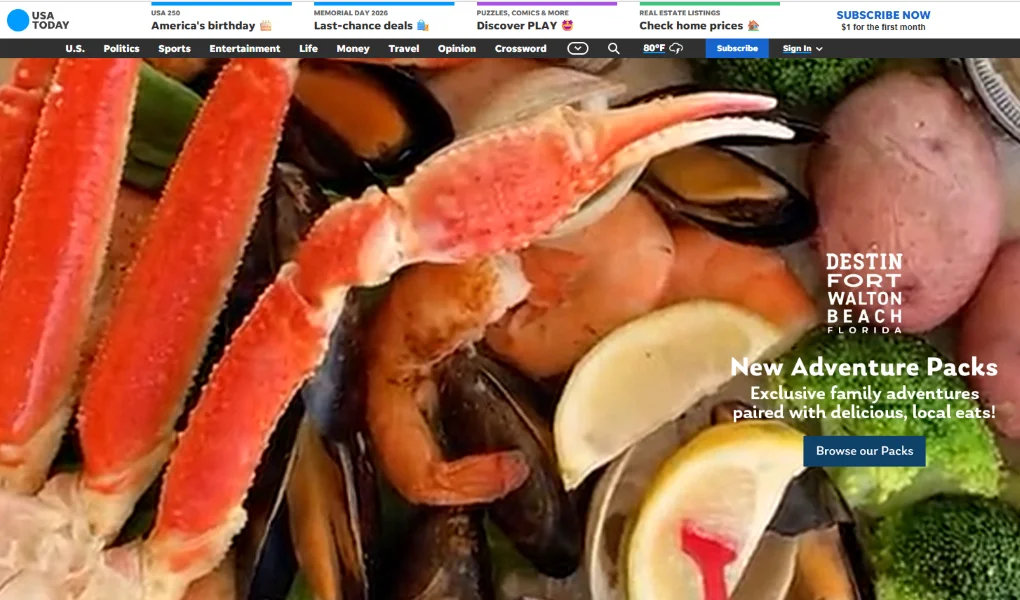
Consider the difference: audience targeting might show an ad for travel to Louisiana to college-educated individuals interested in travel. Contextual targeting, however, would display an ad for Florida’s seafood as a user reads an article by their favorite food columnist detailing the coastal cuisine. The latter is far more likely to resonate and drive action.
Leveraging this Trend:
To effectively implement contextual targeting:
- Audience Audit: Review existing ad campaigns to assess their contextual relevance, considering where ads are likely to appear.
- Keyword and Category Refinement: Rethink keyword strategies to align with the intent and sentiment of page content.
- Negative Contextual Targeting: Proactively identify and exclude placements that could be detrimental to brand perception.
- Enhanced Analytics: Incorporate engagement and relevance metrics, such as view time and on-page actions, into performance analysis.
- Platform Integration: Explore contextual placements within emerging AI-driven environments, such as Google AI Mode.
By embracing context, marketers can achieve greater ad relevance, improved efficiency, and a stronger connection with their target audience at the precise moment of engagement.
4. Performance Max and Demand Gen: Essential Tools for Small Businesses
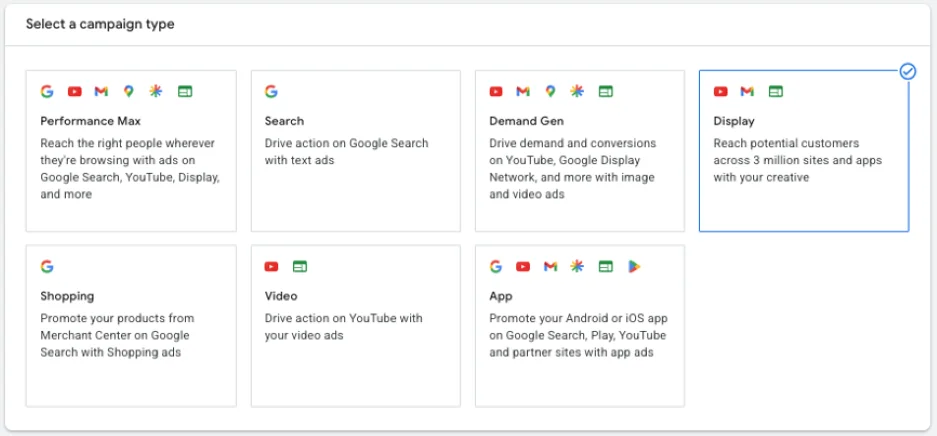
Google’s ongoing consolidation of its advertising products continues to streamline options, particularly for small and local businesses. Two significant changes in early 2026 are driving the adoption of Performance Max (PMax) and Demand Gen campaigns.
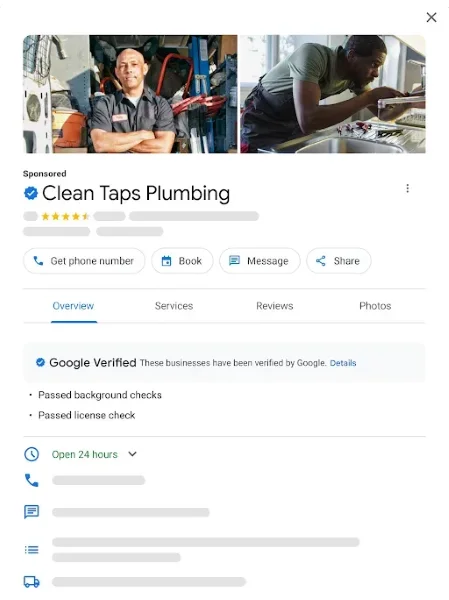
Firstly, as of May 2026, standalone Display campaigns have been integrated into Demand Gen campaigns. While the Google Display Network remains a vital advertising avenue, the purchasing and management of ad inventory are shifting. Secondly, the Local Services Ads (LSAs) dashboard is being sunsetted, with LSAs now migrating into the Google Ads interface and managed through Performance Max campaigns.
These changes compel businesses that have historically shied away from fully automated campaign types to adapt. Susie Marino, senior content marketing specialist at LocaliQ, noted, "Many small business advertisers have been using standard Display campaigns and legacy LSAs but have been more hesitant to try newer, fully-automated campaign types like Demand Gen and PMax. Now, they’ll have to adapt their strategy to embrace these campaign types in order to still capture the ad placements they want."
This consolidation signifies Google’s commitment to AI-driven optimization across its platforms. For businesses, it means a more integrated approach to campaign management, with greater reliance on machine learning to drive performance across diverse ad formats and placements.
Leveraging this Trend:
Businesses should prepare for:
- Increased AI Automation: Expect a greater role for AI in campaign setup, bidding, and creative optimization.
- Broader Ad Placements: Demand Gen and PMax campaigns offer access to a wider array of ad inventory across Google’s network.
- Bidding Strategy Adjustments: Understanding and adapting to smart bidding strategies will be crucial for success.
- Integrated Campaign Management: Familiarizing oneself with the unified interface for managing diverse campaign types.
The forced adoption of these campaign types presents an opportunity for small businesses to leverage advanced AI capabilities to reach wider audiences and improve campaign efficiency.
5. LinkedIn’s Evolution into a Creator Economy Hub
Similar to the trajectories of platforms like TikTok and Instagram, LinkedIn is actively cultivating its own creator economy. This evolution aims to transform the professional networking site into a space where individuals can monetize their expertise and content.
Jenna St John, Head of Content and Ops at Grizzle, highlighted several key features LinkedIn has introduced to facilitate this shift:
- Creator Mode: This feature allows users to designate themselves as creators, enabling them to showcase their content more prominently and gain access to analytics and monetization tools.
- Creator Analytics: Enhanced data dashboards provide creators with insights into their audience engagement, content performance, and follower growth.
- Creator Marketplace: A new feature designed to connect brands with vetted professional content creators, simplifying the process of finding and collaborating with influencers.
- Live Video Features: Expanded live streaming capabilities empower creators to engage with their audience in real-time, fostering community and interaction.
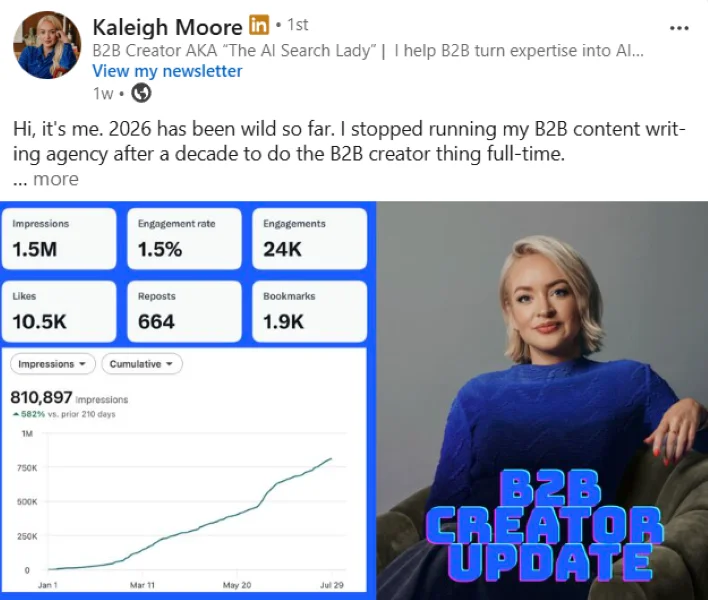
The introduction of the Creator Marketplace is a significant development, offering B2B brands a direct conduit to a pool of verified professionals capable of producing high-quality, sponsored content. This trend is partly fueled by the tightening job market for traditional content marketers, exacerbated by AI advancements. Many experienced professionals are now finding lucrative opportunities in brand partnerships on LinkedIn, leveraging their skills to build independent revenue streams. The result is a feed increasingly populated with professional, engaging, and promotionally focused content originating from individual creators rather than solely from company pages.
Leveraging this Trend:
To harness the power of LinkedIn’s creator economy:
- Identify and Foster In-House Influencers: Encourage employees to build their personal brands on LinkedIn. Provide them with the necessary tools, training, and support to curate and share company content in their own authentic voice.
- Strategic Brand Partnerships: Explore collaborations with established LinkedIn creators who align with your brand’s niche and values.
- Leverage Creator-Led Content: Recognize that LinkedIn’s algorithms will likely favor content from individual creators, making these partnerships a potent strategy for reach and engagement.
- Invest in Personal Branding: Encourage key personnel to develop a strong personal brand on the platform, as this can amplify company messaging and build trust.
By embracing this shift, businesses can tap into a dynamic ecosystem of content creation and professional influence, driving greater visibility and engagement.
6. Major Brands Embracing Micro and Nano-Influencers
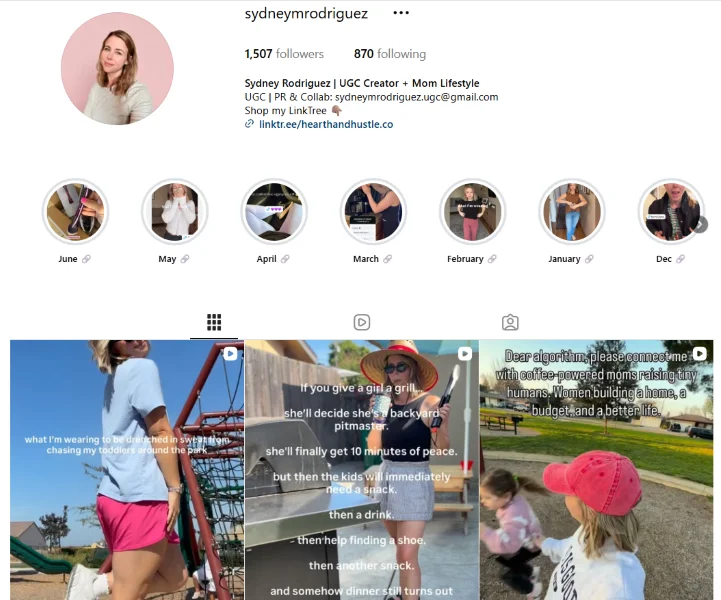
A notable trend in 2026 is the increasing willingness of major brands to partner with influencers who have significantly smaller follower counts than traditionally pursued. While micro-influencers (10K-100K followers) have been a staple for some time, brands are now actively seeking out creators with follower bases in the mere hundreds on platforms like YouTube and TikTok.
This trend is largely driven by the evolution of social media algorithms, which now prioritize content discovery, meaning users are increasingly exposed to creators they don’t actively follow. Brands are capitalizing on this by leveraging the perceived authenticity and niche relevance offered by these smaller-scale influencers. Paul Archer, founder and CEO of Duel, a brand advocacy platform, explained to MSN, "The way that the algorithms work on social media now means the majority of what you see comes from someone you didn’t choose to follow."
Social media platforms are also supporting this trend through new features. LinkedIn’s Thought Leader ads and Google’s integrated YouTube creator partnerships, announced at Google Marketing Live, are prime examples of how platforms are facilitating these collaborations. This shift allows brands to access highly engaged, often more affordable, talent that can resonate with specific communities in a way that larger, more generalized influencers might not.
Leveraging this Trend:
For businesses looking to tap into this trend:
- Targeted Hashtag Research: Utilize niche hashtags (e.g., #DIYAustin, #YogaMomOrlando) to identify local or specialized creators.
- Authenticity Vetting: Thoroughly review potential influencers’ content to ensure their brand "vibe" aligns with your own.
- Clear Communication: Establish clear expectations regarding deliverables, content style, and compensation to avoid miscommunication, which is a common pitfall in influencer marketing.
- Explore Influencer Academies: Many larger brands are developing their own influencer programs, which can provide a pipeline of up-and-coming talent with structured support and potentially more accessible rates.
By embracing these "regular people" with devoted followings, brands can foster genuine connections and drive authentic engagement with highly targeted audiences.
7. The Content Marketing Divide: Navigating the AI Debate
Within the content marketing community, particularly on platforms like LinkedIn, a discernible divide has emerged regarding the role of AI in content creation. One faction champions sophisticated, multi-layered AI production processes, while the other emphasizes the enduring value of human creativity and insight.
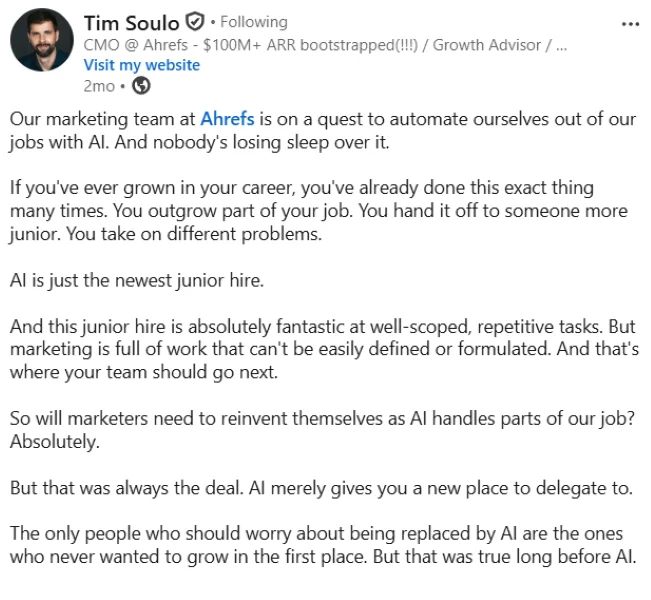
The proponents of AI-driven content creation argue that with carefully crafted prompts and iterative refinement, tools like Claude and ChatGPT can produce high-quality output. They acknowledge that overcoming common AI foibles—such as overuse of em dashes or formulaic sentence structures—requires meticulous testing and the development of custom AI agents to ensure brand voice consistency. This approach views AI as a powerful co-pilot, capable of enhancing efficiency and scalability.
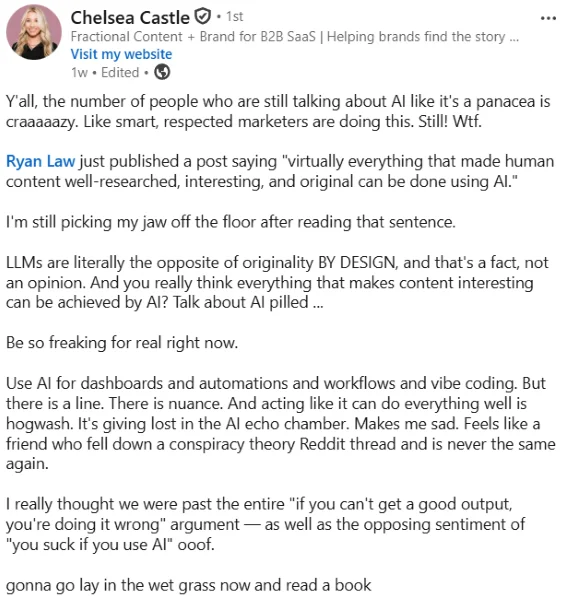
Conversely, the "human-first" contingent, while not necessarily rejecting AI entirely, contends that the core act of creation, particularly writing, should remain a human endeavor. They argue that the probabilistic nature of AI, while efficient, tends to produce content that is safe, generic, and lacks the unique perspective or boundary-pushing originality that human writers can provide. This perspective prioritizes distinctiveness and genuine thought leadership over sheer volume.
Leveraging this Trend:
The critical takeaway is not whether to use AI, but how to use it responsibly and effectively:
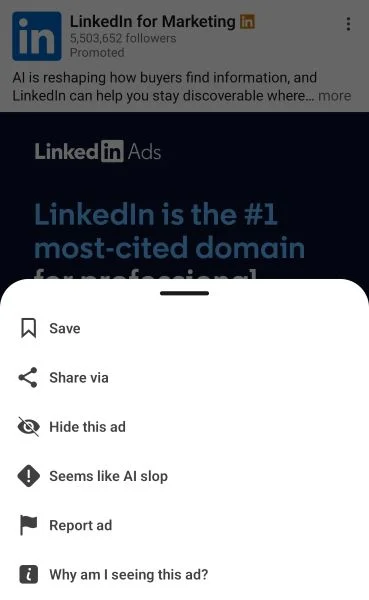
- Avoid Mass AI-Generated Posts: LinkedIn, in particular, is signaling a disinterest in algorithmically generated "slop." The platform has even introduced a reporting option for such content, underscoring the need for human oversight.
- Prioritize Transparency: Consumers are increasingly aware of and concerned about AI’s use. Disclose AI involvement where appropriate to maintain trust. Manipulative use of AI, such as fabricating first-person accounts or generating misleading comparisons, can severely damage brand reputation.
- Strategic AI Integration: Focus AI on tasks where it excels, such as research, drafting initial outlines, or data analysis, leaving the final creative polish and strategic direction to human marketers.
- Brand Voice Guardianship: Ensure that any AI-generated content is meticulously edited to align with the brand’s unique voice, tone, and values.
Ultimately, the most successful content strategies will likely involve a thoughtful synthesis of AI capabilities and human creativity, ensuring authenticity and value are prioritized.
8. Proprietary Tools: The AI-Proofing of Content
As AI search engines increasingly retain search traffic, the challenge for content creators is to find new ways to drive traffic to their own platforms. A burgeoning trend involves the development of unique, proprietary tools embedded within content as a strategy to combat this AI dominance.
AI platforms are adept at summarizing existing web content, but they typically do not generate interactive tools like calculators or diagnostic widgets. For instance, while an AI might summarize information on hardwood flooring costs, it won’t spontaneously create a "new hardwood flooring cost calculator" for a user searching for that specific query. However, it will likely link to an existing calculator hosted on a relevant website.
This presents an opportunity for businesses to develop and embed specialized tools into their blog posts and social content. These tools, often built using accessible AI technologies, can provide direct utility to users, thereby attracting links and citations from AI search engines.
Leveraging this Trend:
To implement this strategy:
- Identify "Tool" Keywords: Research keywords that indicate user intent for interactive solutions (e.g., "how to calculate ROI," "what size generator do I need").
- Develop Niche-Specific Tools: Create calculators, converters, diagnostic tools, or other interactive resources relevant to your industry and audience.
- Embed Tools in Content: Integrate these tools seamlessly into blog posts or landing pages.
- Promote Tool Utility: Highlight the value and functionality of your tools in your marketing efforts.
For example, a local SEO service might build an "Local SEO ROI Calculator" and embed it within an article on local SEO tips. This not only enhances the content’s value but also creates a distinct AI visibility signal when users search for "How do I measure the ROI of my SEO?" The accessibility of AI platforms makes building these tools more feasible than ever, offering a tangible way to capture attention in an AI-dominated search landscape.
Conclusion: Embracing Change for Competitive Advantage
The marketing landscape of 2026 is characterized by unprecedented acceleration, driven largely by AI and evolving consumer behaviors. The first half of the year has underscored the need for agility and forward-thinking strategies. The trends discussed—from the foundational importance of SEO in the AI era to the rise of contextual targeting, the integration of automated ad platforms, the creator economy on LinkedIn, the embrace of micro-influencers, the content marketing AI debate, and the development of proprietary tools—collectively point towards a more integrated, intelligent, and personalized approach to marketing.
While the speed of change can be daunting, it also presents significant opportunities for those who are willing to adapt and innovate. The early-stage nature of many of these trends offers a distinct advantage to first-movers. By understanding and strategically implementing these insights, businesses can not only navigate the complexities of modern marketing but also gain a significant competitive edge, ensuring sustained growth and success throughout the remainder of 2026 and beyond. For organizations seeking expert guidance in navigating this dynamic environment, partnerships with seasoned marketing platforms and agencies can provide the critical support needed to stay ahead of the curve and seamlessly integrate these evolving strategies into their operations.

 Basiran
 Lina Irawan