admin
admin
The 2025 holiday season concluded as a landmark period for brands, with online spending reaching unprecedented levels. Despite a deceleration in growth compared to the robust 2023-2024 period, the digital marketplace demonstrated remarkable resilience and evolving consumer behaviors. This article delves into the key performance indicators, emerging trends, and actionable insights gleaned from the recent festive shopping spree, offering a strategic roadmap for marketers to optimize their content planning for 2026 and beyond.
The 2025 Holiday Spending Landscape
According to comprehensive data from Adobe Analytics, online spending from the beginning of November through the end of December 2025 hit a staggering $258 billion. This figure represents a 6.8% year-over-year (YoY) increase, underscoring the sustained dominance of e-commerce in the retail sector. While this growth rate was somewhat slower than the preceding holiday season, which saw a post-pandemic surge in digital adoption, it nonetheless signifies a healthy and expanding online retail environment. Analysts attribute this sustained growth to a combination of factors, including continued consumer confidence, strategic discounting by retailers, and the ever-increasing convenience offered by online shopping platforms. The robust performance during a period often characterized by economic fluctuations highlights the critical importance for brands to meticulously analyze digital engagement patterns.
Emerging Consumer Behaviors: AI and Flexible Payments
Beneath the surface of millions of searches, clicks, saves, and sign-ups lie profound signals revealing the evolving preferences and engagement methods of modern audiences. Two particularly prominent trends emerged during the 2025 holiday season:
-
The Rise of AI-Powered Shopping Assistants: Retail sites witnessed an astounding 693% surge in traffic directly tied to AI-powered shopping assistants and chatbots. This exponential growth suggests a significant shift in consumer comfort and reliance on artificial intelligence to streamline their purchasing decisions. Shoppers are increasingly embracing AI tools for tasks such as comparison shopping, personalized product recommendations, and navigating complex product information. Industry experts believe this trend signals a broader acceptance of AI as an integral part of the shopping journey, demanding that brands invest in sophisticated AI interfaces to meet these evolving expectations. The implication for content strategy is clear: information must be easily digestible and accessible via conversational interfaces, anticipating queries that AI assistants might field.
-
Accelerated Adoption of Buy Now, Pay Later (BNPL) Services: Buy Now, Pay Later options became an even more popular choice for consumers during the 2025 holidays. This payment method, which allows shoppers to break down larger purchases into smaller, interest-free installments, saw widespread adoption across various demographics. The popularity of BNPL reflects a consumer desire for greater financial flexibility and a strategic approach to managing budgets, particularly for significant holiday expenditures. It also hints at a potential move away from traditional credit card usage for some segments of the population, as shoppers seek more manageable ways to make bigger purchases without incurring immediate high-interest debt. For marketers, understanding the BNPL dynamic is crucial, as it influences pricing strategies, promotional messaging, and the types of products consumers feel comfortable purchasing.
Decoding December’s Search Trends
December search queries are inherently shaped by the prevailing socio-economic climate and consumer sentiment. The 2025 data revealed a fascinating interplay between indulgence and restraint.
Google’s annual "Holiday 100" trends list, a crucial barometer of consumer interest, made several patterns evident. In 2025, search interest predominantly clustered around practical gift categories. Items such as movie projectors, weighted vests, kids’ scooters, and backpacks saw sustained demand. This collective preference points to a consumer base that prioritized utility, value, and items that addressed everyday needs or offered long-term benefits. The era of purely extravagant or impulse-driven gifting appears to be ceding ground to more considered, value-driven choices.
Beyond specific product categories, broader consumer behavior patterns illuminated how purchasing decisions were made throughout the season:
- Deliberation: Shoppers engaged in more extensive research, comparing features, prices, and reviews before committing.
- Price-Awareness: Budget-conscious decisions were paramount, with searches for deals, discounts, and value-for-money items increasing.
- Confidence-Building Tools: The reliance on AI assistants and detailed comparison content highlighted a need for reassurance in their choices.
These signals collectively paint a picture of deliberate, informed, and financially savvy shoppers.
Strategic SEO for 2026: Lessons from Holiday Search
January presents a critical window to transform these rich holiday insights into a robust, future-proof content strategy. A thorough post-holiday SEO review is essential to identify what truly resonated in search and what fell flat. As rankings normalize and traffic patterns settle, it becomes clearer which pages genuinely earned visibility versus those that were buried under fierce competition.
During the 2025 holiday season, many significant search wins stemmed from specificity. Gift-giving phrases, problem-driven queries, and local intent consistently outperformed broad, generic holiday terms. For example, a search for "gifts for new parents under $100" or "sustainable travel backpacks" delivered higher-intent traffic and better conversion rates than a generic "Christmas gifts" page. Pages that directly addressed last-minute needs or highly specific requirements gained considerable traction, while broad "Christmas" pages faced steeper competition and often struggled with mixed user intent.
The shift towards more conversational queries, whether typed, spoken, or asked of a virtual assistant, is likely to make long-tail targeting even more indispensable. This behavioral evolution creates significant whitespace opportunities for brands that can craft clearer, more specific, and highly relevant content pages. Furthermore, the data reveals a particular, largely untapped opportunity in voice search, where most businesses are still lagging. Investing in content optimized for natural language queries can position brands as early leaders in this evolving domain.
A post-holiday SEO review typically surfaces several key takeaways:
- High-volume, broad terms often indicate mixed intent, requiring more nuanced content to capture qualified leads.
- Long-tail phrases, like "gifts for new parents under $100," consistently deliver higher-intent traffic, signaling a stronger purchasing inclination.
- Location-specific searches, such as "gift shop near me" or "local artisanal gifts," converted exceptionally well, highlighting the importance of localized SEO strategies.
- Problem-driven queries, like "how to fix a slow laptop" or "best noise-canceling headphones for remote work," spiked as post-holiday needs and new year resolutions emerged, indicating a need for practical, solution-oriented content.
- Contextual relevance, for instance, "gifts for remote workers" or "eco-friendly kitchen gadgets," demonstrably outperformed generic categories, emphasizing the power of niche targeting.
By leveraging what December’s data has revealed, marketers can make cleaner, more realistic, and ultimately more effective SEO decisions moving forward.
Crafting a Resilient 2026 Content Calendar
If the holiday season illuminates which content performs under pressure, January is the crucial period to translate those performance signals into a structured, effective content calendar. The focus should be on resetting the publishing rhythm around content pieces that consistently supported genuine consumer decisions.
A few best practices for building a robust 2026 content calendar include:
- Anchor Evergreen Guides Early: Prioritize updating and publishing foundational evergreen content that addresses core audience needs. These pieces serve as reliable traffic drivers throughout the year.
- Schedule Decision-Support Content Strategically: Align content that helps consumers compare options, understand product benefits, and build confidence with key seasonal peaks and purchasing cycles.
- Maintain Flexibility: Allocate roughly 15-20% of the content schedule as open space. This flexibility allows brands to respond agilely to emerging trends, breaking news, or sudden spikes in demand, ensuring content remains topical and relevant.
- Integrate Short-Cycle Formats for Urgency: For moments requiring quick responses or capitalising on fleeting trends, incorporate short-form content like social media clips, brief guides, or AI-generated summaries that can be rapidly produced and distributed.
The overarching principle is that context beats cleverness. When consumers are budget-conscious, practical guides like "under $25 gifts" will almost always outperform premium product roundups. For 2026 content planning, marketers should prioritize formats that directly answer real questions, alleviate friction in the decision-making process, and make next steps for the consumer unequivocally clear.
Sustaining Momentum: A Forward-Looking Strategy
The holiday season may have passed, but its digital footprint remains a treasure trove of insights. The record of what people clicked, saved, returned to, and ignored when their attention was most stretched offers invaluable lessons for future success.
Marketers should begin by examining their own historical data. Pulling the last two years of Q4 performance data can help identify five content pieces or strategies that consistently worked well. Building the 2026 plan around these proven wins provides a solid foundation. To foster continuous improvement, it’s also vital to add at least one new experimental tactic, allowing for ongoing learning and adaptation.
Momentum in content marketing is often generated through simple, consistent steps. By choosing one tactic from this strategic guide and implementing it today, then another tomorrow, progress can stack quickly, especially when the path forward is always clear.
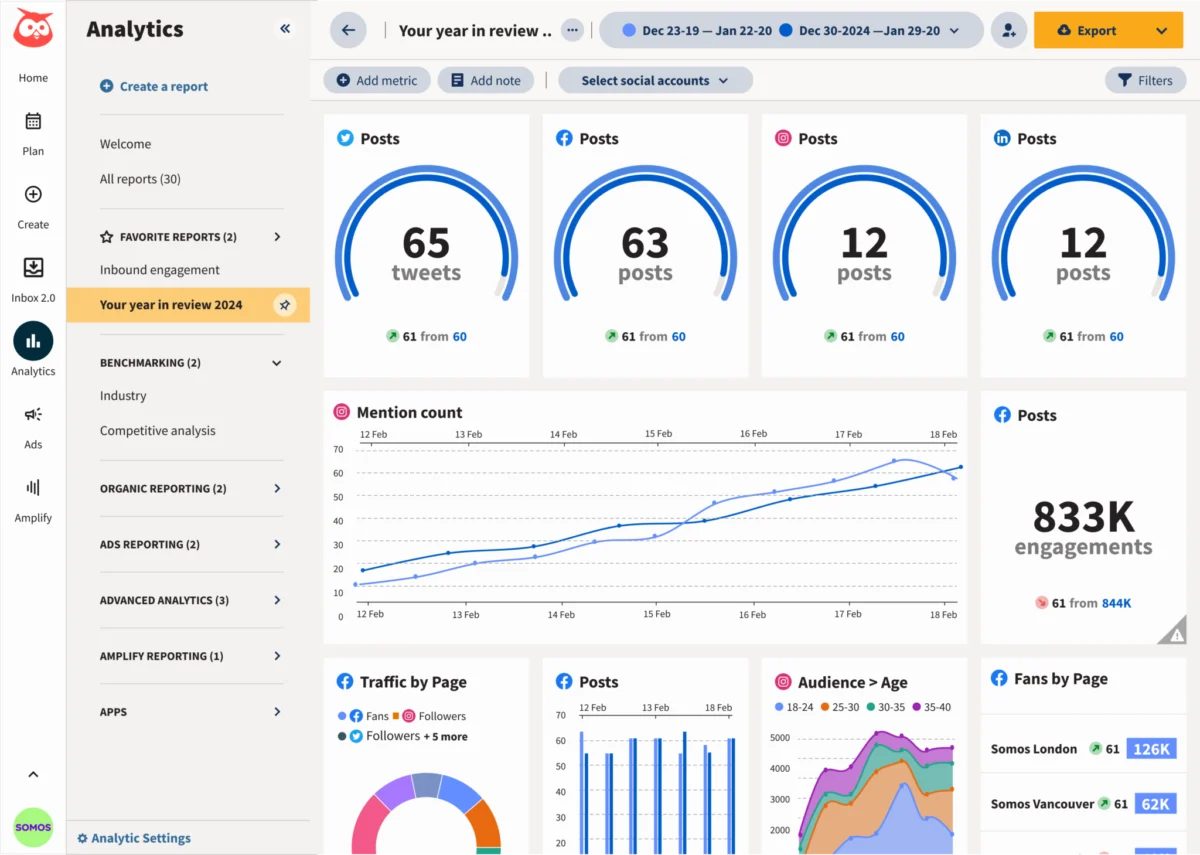
Ultimately, audiences gravitate towards clarity. Content that genuinely helps them make informed decisions, solve practical problems, or advance with minimal friction builds invaluable trust over time. Consistently delivering on this promise ensures that a content strategy pays lasting dividends, season after season, forging stronger, more loyal customer relationships. Analyzing these performance signals across search, social, and conversions, often consolidated within advanced analytics platforms, is key to understanding which stories truly move people through the funnel and convert engagement into tangible results.
Frequently Asked Questions (FAQs):
What’s the biggest lesson marketers should take from the 2025 holiday season?
The most significant takeaway for marketers is that audiences reward clarity and utility. Content that helps people compare options, feel confident in their choices, and move forward with a purchase tends to outperform splashy, generic pieces, particularly when consumer budgets are tight and deliberation is high.
What metrics matter most when analyzing post-holiday performance?
Beyond mere traffic volume, it is crucial to prioritize metrics that indicate deeper engagement and intent. These include assisted conversions, time spent on key decision-making pages, return visits, content saves, and email sign-ups. These signals collectively reveal which content pieces effectively reduced friction and propelled consumers closer to a purchasing decision.
What should I prioritize in January when planning my content calendar?
In January, the priority should be to build your content calendar around strategies that have proven successful. This involves anchoring evergreen guides early in the year, strategically scheduling decision-support content around anticipated key moments, and retaining approximately 15-20% of your calendar as open space for flexible, agile responses to new trends. Additionally, integrate short-cycle formats to address urgent demand effectively.