
 rifanmuazin
WordStream, a long-standing authority in advertising benchmark data, has released an in-depth analysis of TikTok ad costs, combining extensive industry studies with proprietary data from managed TikTok ad accounts. This comprehensive report aims to provide businesses with the most current and actionable insights into the financial investment required to leverage the rapidly evolving TikTok platform for marketing success. As TikTok continues its meteoric rise from a platform for viral dance challenges to a significant engine for product discovery and customer acquisition, understanding its advertising economics has become paramount for businesses of all sizes.
The platform’s ability to connect businesses with consumers is underscored by a recent statistic indicating that 82% of TikTok users have discovered a small or medium-sized business through the app before encountering it elsewhere. This has transformed the landscape, enabling diverse businesses, from dental practices in Detroit to home service providers in Houston, to cultivate new clientele. For any business considering an entry into this dynamic advertising channel, the pivotal question remains: "How much do TikTok ads cost?"

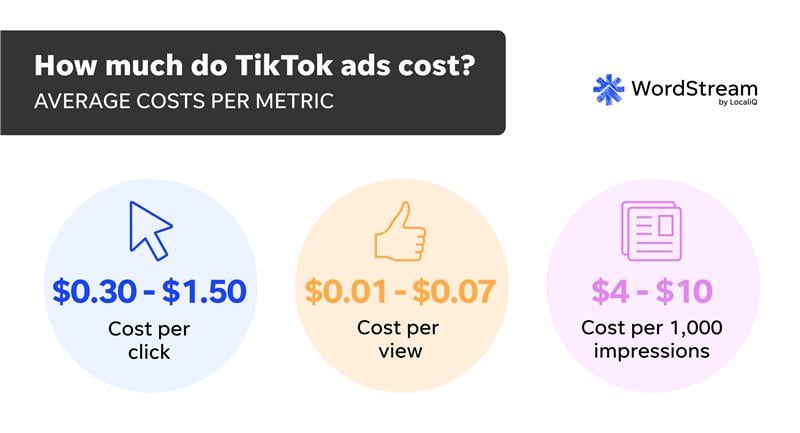
WordStream’s research addresses this directly, presenting a nuanced breakdown of expenditure based on various metrics and ad formats. The findings reveal that the cost of TikTok ads typically falls within a range of $0.30 to $1.50 per click (CPC), $4 to $10 per 1,000 impressions (CPM), and $0.01 to $0.07 per view (CPV). These figures, derived from a rigorous comparison of large-scale studies and the analysis of real-world campaign data, offer a crucial benchmark for advertisers.
Understanding the Core Metrics: CPC, CPM, and CPV on TikTok
Cost Per Click (CPC): Driving Direct Traffic
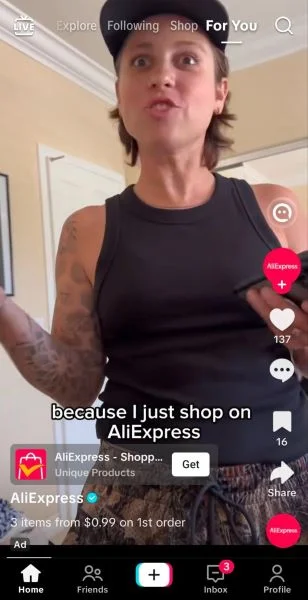
The cost per click on TikTok ads can fluctuate significantly, generally ranging from $0.30 to $1.50. This metric signifies the amount advertisers pay each time a user engages with their ad by clicking on a designated call-to-action (CTA) button, the profile picture, the nickname, or a specific "Learn More" link that directs them to an external destination. It’s important to note that TikTok’s system is designed to be precise; clicks on elements like the "like" or "comment" buttons do not incur charges in CPC campaigns. This focus on direct traffic generation makes CPC a valuable metric for advertisers aiming to drive users off the platform and directly to their sales pages or websites. The presence of an "Ad" label clearly distinguishes these paid placements from organic content, ensuring transparency for users.
Cost Per Thousand Impressions (CPM): Amplifying Brand Visibility
For campaigns focused on broad brand awareness and visibility, the cost per thousand impressions (CPM) on TikTok typically ranges from $4 to $10 for campaigns performing at a medium to high level. An impression is registered each time an ad is displayed on a user’s screen. This metric is fundamental for gauging the reach and overall presence of a brand within the TikTok ecosystem, making it an attractive option for introducing products or services to a substantial audience.
Cost Per View (CPV): Engaging with Video Content

The average cost per view (CPV) for TikTok ads generally falls between $0.01 and $0.07. TikTok employs a specific definition for this metric: a view is counted as soon as a video advertisement begins playing on a user’s screen. This is a more lenient definition compared to some other social media platforms, which may require a minimum viewing duration before registering a view. This lower barrier to counting a view can be advantageous for advertisers whose primary goal is to maximize video consumption and initial engagement.
A Spectrum of Ad Types and Their Associated Costs
TikTok offers a diverse array of advertising formats, each tailored to different marketing objectives and budget considerations. The choice of ad type significantly influences the overall cost of a campaign, ranging from highly targeted options to those designed for mass reach.
- In-Feed Ads: These are skippable video advertisements that appear natively within users’ "For You" feeds, blending seamlessly with organic content. They are a versatile option, with an estimated CPM ranging from $4 to $8.
- TopView Ads: Positioned as premium placements, TopView ads are full-screen advertisements that appear the moment a user opens the TikTok app. These high-impact ads command a significant investment, typically with a flat rate of around $50,000 per day.
- Branded Hashtag Challenges: These campaigns encourage user-generated content by inviting users to participate in a brand-sponsored challenge. This format is designed for maximum virality and engagement, with costs starting upwards of $150,000 per campaign.
- Branded Effects: This category includes custom augmented reality (AR) filters and interactive effects that users can apply to their own videos. They offer a creative way to integrate brands into user content, with starting costs around $45,000.
- Spark Ads: These ads leverage existing organic content from a brand’s own account or from creators. This allows for the amplification of high-performing content, often with a CPM similar to In-Feed Ads ($4 to $8 CPM).
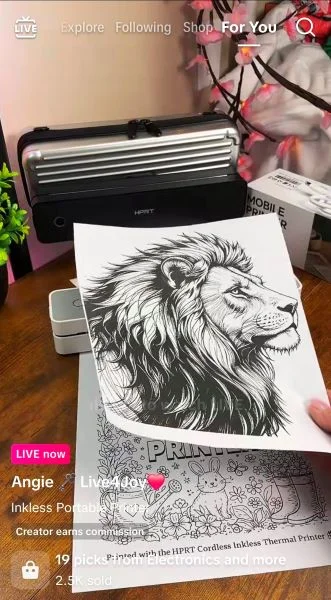
- Shopping Ads: Integrated with TikTok Shop, these ads feature shoppable videos, product catalogs, and live shopping experiences, directly facilitating e-commerce transactions. Their cost structure is generally comparable to In-Feed Ads in terms of CPM.
- Search Ads: Appearing directly in TikTok’s search results for specific keywords, these ads are highly effective for capturing user intent. They offer a more precise targeting capability, with an estimated CPC ranging from $0.10 to $0.30.
Minimum Budget Requirements and Strategic Spending
TikTok enforces minimum budget requirements to ensure that campaigns have sufficient reach and optimization time. At the ad group level, the minimum daily budget is $20, and the minimum daily budget for ad groups is $50. For advertisers opting for a lifetime budget, the calculation is based on the daily minimum multiplied by the campaign duration. For instance, a 10-day campaign would have a minimum lifetime budget of $200.

However, these stipulated minimums may not always be sufficient for achieving optimal campaign performance. Industry best practices suggest a more robust approach:
- Testing Phase: During the initial testing phase, it is advisable to allocate approximately $50 to $150 per day. This allows the TikTok algorithm ample time to analyze and optimize performance across various creative elements and audience segments.
- Scaling Phase: Once successful creatives and targeting strategies are identified, scaling campaigns to achieve broader results typically requires a daily investment of around $200 to $500. This sustained spend enables the algorithm to capitalize on established performance patterns and expand reach effectively.
The Mechanics of TikTok’s Auction-Based Bidding System
TikTok operates on a real-time auction system for ad placements, where advertisers dynamically compete for visibility. When a user opens the app, an instant auction occurs among all eligible ads. The winning ad is determined by a combination of three key factors:
- Bid Amount: The amount an advertiser is willing to pay for a specific action or impression.
- Ad Quality: This encompasses the relevance, engagement potential, and overall appeal of the ad creative. High-quality ads can often outperform lower bids.
- User Relevance: The degree to which the ad aligns with the user’s interests, demographics, and past behavior on the platform.
The ad with the highest overall score, derived from these factors, secures the ad placement. This underscores the importance of not only competitive bidding but also the creation of compelling and relevant ad content.

Strategic Bidding Approaches
TikTok offers advertisers three primary bidding strategies, each catering to different campaign objectives:
- Lowest Cost: This strategy aims to achieve the lowest possible cost per conversion or desired action, allowing TikTok’s system to automatically adjust bids to maximize volume.
- Cost Cap: Advertisers set a maximum average cost per conversion, giving them more control over their spending while still aiming for cost-effectiveness.
- Bid Cap: This strategy allows advertisers to set a maximum bid for each auction, providing granular control over bid amounts.
The selection of a bidding strategy depends on the advertiser’s desired level of control versus their reliance on TikTok’s automated optimization.
Understanding Bidding Methods
The bidding method dictates how advertisers are charged for their TikTok ads, defining the specific event that triggers a payment. The four primary bidding methods include:

- CPC (Cost Per Click): Advertisers are charged when a user clicks on their ad.
- CPM (Cost Per Mille/Thousand Impressions): Advertisers are charged for every 1,000 times their ad is displayed.
- CPV (Cost Per View): Advertisers are charged each time their video ad is viewed.
- OCPM (Optimized Cost Per Mille): This method optimizes for a specific conversion event (e.g., app installs, purchases) while still charging on a CPM basis, aiming to deliver a desired outcome at the most efficient impression cost.
Factors Influencing TikTok Ad Costs
Several variables directly impact the final cost of TikTok advertising campaigns:
- Audience Targeting: The specificity and competitiveness of the target audience are major cost drivers. Highly sought-after demographics or niche interests in saturated markets will naturally command higher prices. For instance, targeting a broad audience in the United States will generally be more expensive than targeting a specific region within a less competitive country.
- Ad Quality and Relevance: As highlighted in the bidding system, high-quality, engaging, and relevant ad content can significantly reduce costs. Ads that resonate with the TikTok community and align with user interests are more likely to win auctions at lower bid prices.
- Time of Year and Day: Like most advertising platforms, TikTok experiences seasonal fluctuations in ad costs. Major shopping holidays, promotional periods, and even peak user activity times can lead to increased competition and higher CPMs or CPCs.
- Ad Format: As detailed earlier, different ad types have inherently different cost structures. Premium formats like TopView ads, designed for maximum impact, will be considerably more expensive than In-Feed ads.
- Campaign Objectives: The chosen campaign objective influences bidding and cost. For example, campaigns optimized for conversions (e.g., purchases, leads) are typically more expensive than those focused on reach or brand awareness.
- Competition: The level of competition within a specific industry or niche on TikTok directly affects ad prices. Highly competitive sectors will see increased bids as advertisers vie for limited ad inventory.
- Geographic Location: Advertising in major, high-demand markets such as the United States, Western Europe, or major metropolitan areas will generally incur higher costs compared to less developed or less competitive regions.
Six Strategies for Optimizing Your TikTok Ad Budget
Maximizing return on investment (ROI) on TikTok requires a strategic approach that blends compelling content, precise audience targeting, and intelligent bidding. Here are six key strategies to optimize your TikTok ad spend:
1. Create Content That Feels Native to TikTok
The most effective TikTok ads seamlessly integrate with the platform’s organic content style. Users are on TikTok for entertainment and discovery, not for overt sales pitches. Ads that mimic the authentic, often informal, and trend-driven nature of TikTok content are far more likely to capture attention and retain engagement. This includes:

- Utilizing trending sounds and music: Aligning your ad with popular audio clips can significantly boost its discoverability and relatability.
- Embracing user-generated content (UGC) aesthetics: Ads that look like they were created by users, rather than polished corporate productions, often perform better.
- Incorporating humor, storytelling, or educational elements: Content that entertains, informs, or evokes emotion is more likely to be shared and remembered.
- Keeping videos concise and fast-paced: TikTok users have short attention spans, so getting your message across quickly is crucial.
Leveraging the TikTok Ads Library to analyze successful ads from competitors within your market can provide valuable creative inspiration and strategic direction.
2. Tighten Your Audience Targeting
Effective audience targeting is a delicate balance. While broad targeting can increase reach, it can also lead to wasted ad spend on users unlikely to convert. Conversely, overly narrow targeting might limit your potential audience. A systematic approach to audience refinement is essential:
- Define your ideal customer: Create detailed buyer personas that include demographics, interests, behaviors, and pain points.
- Utilize TikTok’s targeting options: Explore options such as demographics, interests, behaviors, device types, and custom audiences (e.g., website visitors, customer lists).
- Layer targeting parameters: Combine different targeting criteria to create more precise audience segments.
- Test and iterate: Continuously monitor campaign performance and adjust targeting parameters based on data. Refine audiences that are delivering strong results and exclude those that are not.
3. Test Multiple Creatives Before Scaling
The principle of "test small, invest in winners" is paramount for TikTok ads, especially concerning ad creative. Before committing a significant portion of your budget, it is advisable to run multiple ad variations (ideally three to five) with modest budgets. The goal is to isolate the impact of specific creative elements:
- Isolate changes: When testing, aim to alter only one key element per ad variation (e.g., the hook, the offer, the music, the format) to clearly identify what drives performance.
- Analyze key metrics: Closely monitor click-through rates (CTR), view-through rates (VTR), and cost per click (CPC) for each variation.
- Allocate budget strategically: Once the top-performing creative is identified, shift the majority of your budget to that version.
- Iterate and refine: Continue this testing process to consistently discover and implement even more effective ad creatives.
A prudent scaling strategy involves gradually increasing spend, perhaps by 20% every few days, rather than making sudden, large increases. This allows for performance stabilization and provides time to react to any potential dips in efficiency.
4. Time Your Campaigns Strategically
The optimal timing for TikTok ad campaigns is not a one-size-fits-all answer and depends heavily on budget constraints and campaign objectives.
- For tight budgets and broad reach: Consider running ads during off-peak hours or less competitive seasons. This can help maximize impressions and brand awareness without incurring the premium costs associated with peak demand periods.
- For time-sensitive conversion campaigns: Align ad scheduling with critical periods for your business. For instance, a florist would strategically run campaigns leading up to holidays like Mother’s Day, even if costs are higher during these times, to capture immediate purchase intent.
5. Boost Your Best Organic Posts with Spark Ads
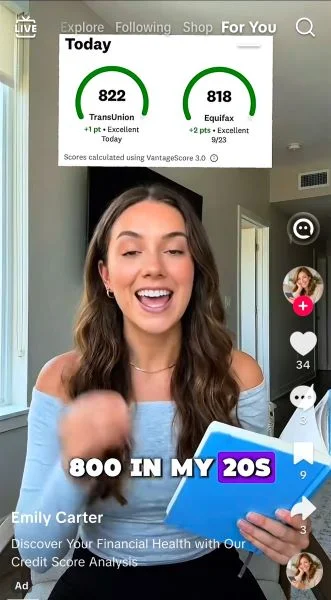
Spark Ads offer a unique and often underutilized advantage on TikTok. This feature allows advertisers to amplify the reach of their existing organic posts by allocating ad budget to them. The primary benefit is the ability to identify high-performing organic content that has already resonated with the audience before investing ad dollars.
- Leverage organic success: Boost posts that have naturally garnered strong engagement and views, as they are likely to perform well as ads.
- Cost-effective testing: Spark Ads effectively act as a pre-campaign A/B test, allowing you to gauge content appeal organically before committing ad spend.
- Authenticity: Since Spark Ads use existing organic content, they naturally appear more authentic to users, enhancing engagement.
Furthermore, Spark Ads can be used to promote content from creators who have mentioned your brand, offering an accessible entry point into influencer marketing collaborations.
6. Automate Budget Optimization
The TikTok Ads Manager platform offers several tools designed to automate budget allocation and optimization, ensuring that ad spend is directed towards the most effective campaigns, ad groups, and individual ads. These tools help to streamline management and maximize ROI:
- Automatic Bidding: TikTok’s algorithms can automatically adjust bids to achieve campaign goals within the defined budget.
- Budget Allocation Tools: Features that allow for dynamic distribution of budget across different campaign elements based on real-time performance data.
By strategically leveraging these optimization tools, advertisers can ensure their budget is consistently working towards achieving the best possible results on the platform.
Conclusion: Navigating the TikTok Advertising Landscape for Optimal Returns
TikTok has solidified its position as a crucial channel for brand discovery and customer engagement. Understanding the intricacies of TikTok ad costs, from CPC and CPM to the nuances of different ad formats and bidding strategies, is fundamental for any business aiming to harness its potential. By adopting a data-driven approach, focusing on native content creation, refining audience targeting, conducting rigorous creative testing, and strategically timing campaigns, advertisers can significantly optimize their spend.
The data and strategic insights provided in this analysis serve as a robust starting point for businesses venturing into or scaling their TikTok advertising efforts. Continuous monitoring, adaptation, and a commitment to leveraging the platform’s unique characteristics will be key to achieving sustained success and maximizing the return on investment in this dynamic and rapidly evolving digital advertising space.










