rifanmuazin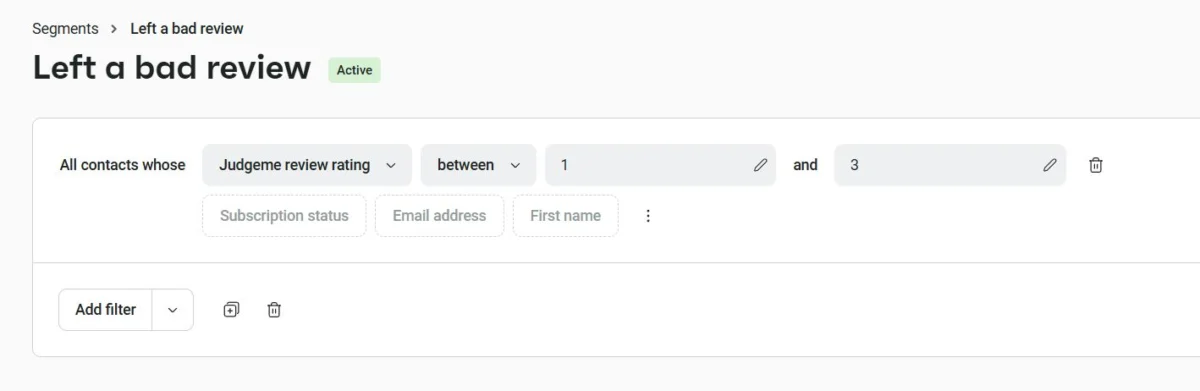
The contemporary e-commerce landscape demands more than rudimentary email automation. While foundational flows such as welcome series and abandoned cart reminders have become industry standards, the most forward-thinking brands are now transcending these basics, implementing sophisticated, scenario-specific email sequences designed to navigate the complexities of the modern customer journey. This strategic shift moves beyond merely reacting to standard customer behaviors, instead proactively addressing potential friction points and maximizing engagement at every touchpoint, from post-purchase excitement to managing negative feedback and prolonged waiting periods. By deploying these advanced automation flows, businesses can significantly enhance customer satisfaction, build enduring loyalty, and unlock previously untapped revenue streams, fundamentally redefining the relationship between brand and consumer.
The Imperative for Advanced Automation in a Dynamic E-commerce Environment
In an increasingly competitive digital marketplace, relying solely on standard email automation workflows, however efficient, is no longer sufficient for sustained growth and customer retention. The sheer volume of online transactions, coupled with evolving customer expectations for transparency, personalization, and prompt resolution, necessitates a more nuanced approach. Supply chain disruptions, production delays, and the instantaneous nature of online reviews introduce variables that standard flows are ill-equipped to handle. According to recent industry analyses, consumers now expect real-time updates and personalized communication, with a significant percentage reporting that poor communication during delays negatively impacts their perception of a brand. This environment transforms potential liabilities—like shipping delays or negative feedback—into opportunities for brands to demonstrate exceptional service and build trust, provided they have the automated "safety nets" in place.
The journey of an e-commerce customer is rarely linear or predictable. From the initial browsing phase to post-delivery support, numerous moments arise where proactive communication can either solidify a positive experience or mitigate a negative one. By strategically automating responses to these "messy parts" of the customer journey, brands can not only prevent customer churn but also foster a deeper sense of loyalty. This proactive stance is critical for safeguarding brand reputation, reducing the load on customer support teams, and ultimately, securing long-term customer lifetime value (CLTV). Integrating advanced automation platforms allows brands to move beyond a transactional relationship, fostering a communicative partnership that anticipates customer needs and addresses concerns before they escalate.
Key Strategies for Enhanced Customer Journeys: Four Unconventional Email Flows
While the foundational email automations are crucial, a new generation of sophisticated flows is emerging as vital tools for competitive advantage. These four lesser-known email flows—the bounce-back offer, the delayed fulfillment apology, the negative review follow-up, and the time-based production sequence—represent strategic interventions designed to optimize specific, often overlooked, stages of the customer experience.
1. Maximizing Post-Purchase Engagement: The Bounce-Back Offer
The immediate aftermath of a purchase represents a unique window of opportunity. At this precise moment, a customer’s trust and enthusiasm for a brand are arguably at their zenith. Rather than merely dispatching a standard transactional receipt, e-commerce brands can leverage this heightened positive sentiment through a "bounce-back" offer. This automated flow delivers a time-sensitive, highly targeted promotional offer within minutes of the initial purchase completion.
The psychological premise behind the bounce-back offer is compelling. Transactional emails, such as order confirmations and shipping notifications, boast significantly higher open rates compared to standard promotional campaigns—often exceeding 70-80%. By embedding a low-friction, one-time offer within this highly anticipated communication, brands tap into an engaged audience ready to consider further purchases. This strategy effectively replicates the "candy bar at the register" phenomenon prevalent in brick-and-mortar retail, where impulse purchases are encouraged at the point of highest buying intent.
For this strategy to yield optimal results, the offer must meet two critical criteria: relevance and strict time-sensitivity. For instance, a customer purchasing a high-end coffee machine might immediately receive an offer for a discounted coffee bean subscription or a specialized cleaning kit. The trigger for such an email should be set to fire mere minutes after the initial transaction, with the discount expiring within a few hours to instill a sense of urgency and encourage immediate action. Implementing segmentation to exclude customers who have already utilized high-value discounts on their initial order can further protect profit margins and ensure the offer’s strategic intent. Industry data suggests that well-executed bounce-back offers can boost average order value (AOV) by 5-15% and significantly contribute to repeat purchase rates within a short timeframe, illustrating their tangible impact on revenue.
2. Proactive Communication in Supply Chain Realities: The Delayed Fulfillment Apology
In the complex global landscape of modern e-commerce, supply chain disruptions, manufacturing delays, and warehouse bottlenecks are an unavoidable reality. While unforeseen, keeping customers in the dark about the status of their orders is a guaranteed path to customer dissatisfaction, an influx of support inquiries, and detrimental negative reviews. The "delayed fulfillment apology" flow serves as an automated, proactive damage-control mechanism, transforming potential frustration into an opportunity for trust-building.
This essential email should be triggered when an order remains unfulfilled beyond the brand’s stated or standard operational timeframe. By reaching out to the customer before they feel the need to inquire "where is my order?", brands fundamentally shift the dynamic of the interaction. This transparency is a cornerstone of exceptional customer service, demonstrating accountability and respect for the customer’s time and purchase. A study by Accenture revealed that 89% of consumers find transparency more important than price, especially when it comes to order fulfillment.

Crucially, the aesthetic and tone of this email are paramount. It must conspicuously avoid the appearance of a slick marketing brochure. Instead, it should be a plain-text, direct message, ideally from a senior figure such as the warehouse manager or even the company founder. This personal touch conveys genuine sincerity and empathy. When a brand sincerely acknowledges and takes ownership of its operational hiccups, customers are remarkably more understanding and forgiving. Mastering this type of proactive communication is indispensable for maintaining robust customer retention rates and fostering a reputation for reliability, even in challenging circumstances.
3. Transforming Dissatisfaction into Loyalty: The Negative Review Follow-Up
Online reviews wield immense power in shaping brand reputation and influencing purchasing decisions. Unaddressed negative sentiment, particularly visible one-star ratings, can severely erode prospective buyers’ trust, often leading to abandoned carts and lost sales. Automated negative review follow-up flows offer a systematic approach to service recovery, capable of transforming dissatisfied customers into brand advocates.
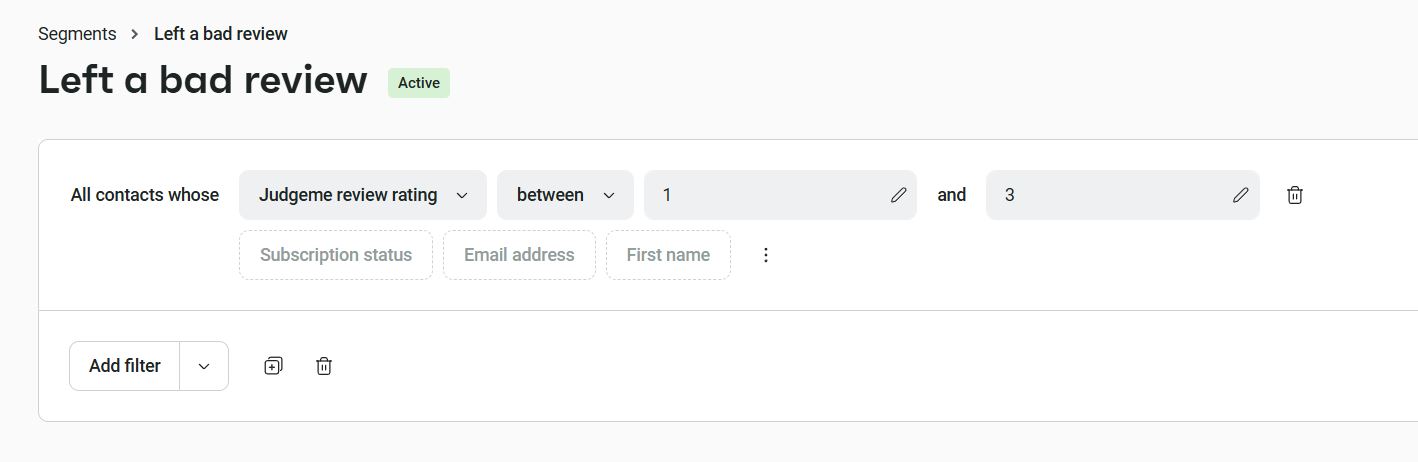
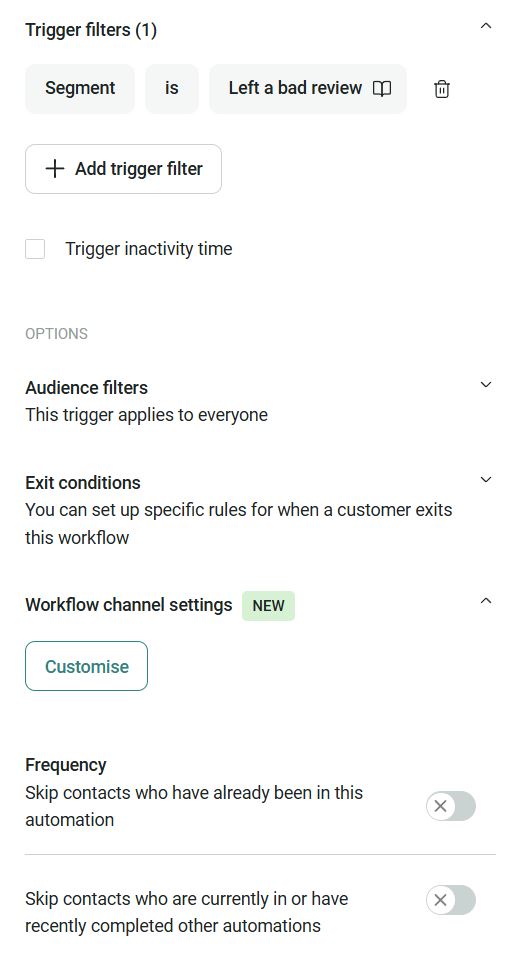
By integrating review applications directly with email automation platforms, brands can trigger a personalized email whenever a customer submits a low rating or leaves a negative review. This direct outreach demonstrates that the brand values the customer’s experience and is genuinely committed to understanding and resolving the underlying issue. The efficacy of this approach lies in its potential to not only resolve specific complaints but also to convert unhappy buyers into vocal proponents who are willing to update their initial reviews to reflect a positive resolution. Research indicates that customers whose complaints are handled promptly and satisfactorily are more likely to become loyal customers, with some studies suggesting up to 70% of customers will do business with a company again if their issue is resolved.
Similar to the delayed fulfillment apology, the success of this flow hinges on its perceived authenticity. A highly designed, overtly automated email risks further agitating an already frustrated customer. The communication should be conversational, human, and focused on empathetically inquiring about the root cause of the problem. A casual, lower-case subject line, such as "quick question about your review," can significantly increase open rates and reinforce the personal, non-corporate feel, encouraging the customer to engage and share their feedback constructively. This automated recovery process is a critical component of reputation management and a powerful tool for enhancing customer retention by demonstrating a commitment to customer satisfaction beyond the point of sale.
4. Sustained Engagement for Custom & Pre-Order Products: The Time-Based Production Sequence
For e-commerce brands specializing in custom-made goods, bespoke furniture, or pre-order items with extended lead times, the waiting period between purchase and delivery can span weeks or even months. This prolonged silence often triggers buyer’s remorse, anxiety, and an increased likelihood of order cancellations or support inquiries driven by uncertainty. A "time-based production sequence" addresses this challenge by providing regular, engaging updates that keep the customer excited and reassured about their purchase decision throughout the waiting phase.
This flow leverages a time-based trigger to send weekly or bi-weekly educational or "behind-the-scenes" content related to the product’s creation. The goal is to involve the buyer in the manufacturing journey, showing them precisely how their unique item is coming to life. This not only builds anticipation for delivery but also reinforces the value and craftsmanship inherent in their purchase. Furthermore, by proactively breaking the silence, brands can drastically reduce the volume of anxiety-driven customer support tickets, freeing up resources for more critical issues.
The content of these updates should be designed to make the customer feel uniquely involved and valued. This could include photos or videos of the production process, interviews with artisans, explanations of material sourcing, or insights into the quality control stages. By consistently reaffirming their purchase and building a compelling narrative around the brand’s craftsmanship, this sequence transforms a potentially frustrating wait into an exclusive, engaging experience. For example, a three-part weekly sequence might include: Week 1: "Your Order is Being Handcrafted: Meet the Artisans," Week 2: "A Glimpse into Our Workshop: Quality Materials & Precision," and Week 3: "Final Touches & Preparing for Shipment: The Countdown Begins!" This sustained engagement not only mitigates buyer’s remorse but also fosters a deeper appreciation for the product and the brand, potentially leading to future purchases and positive word-of-mouth referrals.
The Broader Implications for E-commerce Success
Integrating these advanced email automation flows signifies a mature approach to e-commerce, moving beyond transactional exchanges to cultivate long-term customer relationships. The implications extend far beyond individual sales:
- Competitive Differentiation: In a crowded market, brands that proactively manage complex customer scenarios through sophisticated automation stand out. They offer a superior customer experience that competitors relying on basic flows cannot match.
- Enhanced Customer Lifetime Value (CLTV): By addressing potential pain points and fostering continuous engagement, these flows contribute significantly to customer retention. Loyal customers make repeat purchases, refer new clients, and are less price-sensitive, directly impacting CLTV.
- Operational Efficiency: Automating responses to common issues like shipping delays or negative feedback drastically reduces the manual workload on customer support teams, allowing them to focus on more complex or unique customer inquiries.
- Stronger Brand Perception and Loyalty: Transparency, empathy, and consistent communication during critical junctures build a resilient brand image. Customers who feel valued and understood are more likely to become brand advocates, contributing to organic growth and a positive public image.
Implementing Advanced Automation: A Strategic Imperative
For e-commerce brands aspiring to achieve sustained growth and build lasting customer relationships, the time to move beyond foundational email automation is now. A critical first step involves auditing current active automations to identify operational gaps where these advanced flows could be implemented. Platforms like Omnisend offer the robust functionalities required to segment audiences, set up intricate trigger conditions, and design these multi-stage, personalized email sequences.
By strategically deploying these four lesser-known, yet immensely powerful, email flows, e-commerce businesses can protect their brand reputation, proactively manage customer expectations, and uncover hidden revenue opportunities. This strategic evolution in email marketing transforms challenges into opportunities, cementing brand loyalty and driving sustained success in the ever-evolving digital marketplace. The future of e-commerce engagement lies in intelligently automating the entire customer journey, anticipating needs, and fostering a dialogue that resonates long after the initial purchase.