
 rifanmuazin
In an increasingly competitive digital landscape, email marketing continues to assert its position as a cornerstone for sustainable business growth, particularly for small and medium-sized enterprises (SMEs). Far from being a relic of the past, email remains a direct, cost-effective, and highly personal channel for engaging audiences, nurturing leads, and driving revenue. The distinction between a thriving email list and one that languishes often lies in the early adoption of strategic habits and best practices. These foundational principles, spanning content creation, technical implementation, and audience management, are what truly separate organizations achieving significant results from those merely sending messages into the void.
The Enduring Power of Email Marketing: A Strategic Imperative
Email marketing has consistently demonstrated one of the highest returns on investment (ROI) among digital marketing channels, with many studies indicating an average return of $36 for every $1 spent. This impressive figure underscores its critical importance for businesses aiming to maximize their marketing budgets. Despite the proliferation of social media platforms and other communication channels, email offers unparalleled direct access to an audience that has actively opted in, signaling a genuine interest in a brand’s offerings. For small businesses, where resources are often constrained, building a reliable revenue channel through email is not just advantageous—it’s often essential for long-term viability and scaling. The practices outlined herein are designed to transform an email list from a mere collection of contacts into a dynamic engine for customer loyalty and financial growth.
Crafting Engagement: Design and Content Fundamentals
Effective email marketing begins with the message itself, focusing on how it is presented and what value it delivers. In today’s fast-paced digital environment, capturing and retaining attention requires meticulous attention to detail.
Clarity and Scannability for the Modern Inbox:
Subscribers’ inboxes are notoriously crowded battlegrounds for attention. To cut through this clutter, emails must be inherently easy to read and scannable. A dense block of text is an immediate deterrent, often leading to deletion before a single word is absorbed. Conversely, a scannable email allows busy recipients to quickly grasp key information, increasing the likelihood of engagement and subsequent action. Tactics such as utilizing clear headings, short paragraphs (ideally 2-4 sentences), bullet points for lists, and ample white space significantly enhance readability. Incorporating relevant images or GIFs can also break up text and convey information visually, further aiding comprehension and retention. Industry research consistently shows that emails with a clear visual hierarchy and concise copy perform better in terms of open and click-through rates.
Universal Reach: The Imperative of Email Accessibility:
Ensuring emails are accessible to all recipients, irrespective of their abilities or disabilities, is no longer merely a matter of good practice; it is increasingly a legal and ethical imperative. Adherence to web content accessibility guidelines (WCAG) within email design not only broadens a brand’s audience reach but also reflects a commitment to inclusivity. Practical strategies include using descriptive alt text for images (crucial for screen readers), maintaining sufficient color contrast for text against backgrounds, providing clear link text instead of generic "click here," and structuring content logically. Prioritizing accessibility not only improves the experience for individuals with visual impairments, cognitive disabilities, or motor skill challenges but also enhances the overall engagement and effectiveness of email marketing for everyone.
Mobile-First Design: A Non-Negotiable Standard:
The overwhelming majority of emails are now opened and read on mobile devices. Data from various marketing reports indicates that mobile accounts for over 60% of email opens, with some sectors seeing even higher figures. An email that renders perfectly on a desktop but breaks or becomes unreadable on a smartphone risks alienating a significant portion of its audience. Designing for mobile first means prioritizing responsive layouts, using single-column designs, employing larger font sizes, and ensuring buttons and links are easily tappable. Crucially, the most important information and the primary call to action (CTA) should be placed high within the email, as mobile users are less likely to scroll extensively. Rigorous testing across various devices and email clients before deployment is essential to prevent costly errors and safeguard subscriber experience.
Compelling Content: The 80/20 Rule and Value Delivery:
The fundamental purpose of an email is to captivate readers and prompt them toward a desired action. Every message sent should strive to be compelling enough to earn the privilege of the next. A widely recognized principle, often referred to as the 80/20 rule, suggests that approximately 80% of emails should deliver genuine value without an overt sales pitch. This value can manifest as informative articles, insightful tips, engaging stories, or helpful resources. The remaining 20% can then be dedicated to promotional content. This approach builds trust and rapport with subscribers, positioning the sender as a valuable resource rather than just a constant salesperson. When trust is established, subscribers are far more receptive to promotional messages when they are ready to buy. Crafting content that resonates requires a deep understanding of the audience’s needs, pain points, and interests.

The Power of a Singular Focus: Clear Calls to Action:
Every email should be designed with one primary objective and, consequently, one clear call to action. Presenting multiple competing CTAs dilutes attention and reduces overall conversion rates. Instead of doubling clicks, it often divides them, leading to suboptimal performance. Research by platforms like AWeber has shown that businesses utilizing prominent button CTAs often achieve significantly higher click-through rates (6% or more in 58% of cases) compared to those relying solely on text links. An effective CTA is concise, action-oriented, and visually distinct. Its placement, color, and wording should be rigorously tested to optimize performance, ensuring it guides the subscriber clearly towards the intended next step, whether it’s making a purchase, downloading a resource, or learning more.
Automating Success: Efficiency and Personalization at Scale
Email automation and segmentation are powerful tools that enable businesses to deliver highly relevant messages efficiently, fostering stronger customer relationships and driving conversions without constant manual intervention.
Strategic Automation: Beyond the Welcome Mat:
Many small businesses mistakenly view automation as a task for later, a luxury rather than a necessity. This perspective overlooks a critical window of opportunity: a new subscriber’s attention peaks the moment they sign up. This window is fleeting and, once lost, difficult to reclaim. Therefore, setting up a welcome series before the first subscriber arrives is paramount. Studies consistently highlight the extraordinary effectiveness of welcome emails, which can generate 320% more revenue per email, achieve four times higher open rates, and five times higher click-through rates compared to general promotional emails. Beyond the initial welcome, several other automation sequences deliver consistent results:
- Lead Nurture Sequences: Designed to build relationships with prospects who have opted in but are not yet ready to purchase. These sequences address common questions, provide valuable insights, and guide prospects through the sales funnel.
- Re-engagement Campaigns: Target subscribers who have become inactive (e.g., haven’t opened an email in 90 days). A short sequence aims to rekindle their interest; if unsuccessful, removing them improves list quality and deliverability.
- Behavioral Triggers: These highly effective automations respond directly to subscriber actions, such as abandoned cart reminders, post-purchase follow-ups, or milestone emails (birthdays, anniversaries). Their timeliness and relevance significantly boost engagement and conversion rates. Advanced email marketing platforms offer visual workflow builders that allow businesses to set up these complex sequences without requiring coding expertise.
Segmentation: Tailoring Messages for Maximum Impact:
Segmentation involves dividing an email list into smaller, more homogenous groups based on specific criteria, enabling the delivery of highly targeted content. Even basic segmentation dramatically outperforms a "send-to-all" approach. The most eloquently written message will fail if it reaches the wrong audience segment.
- Behavioral Segments: Group subscribers based on their actions, such as purchase history, open frequency, specific lead magnet downloads, or their stage in the sales process. This type of segmentation is highly actionable because it reflects genuine intent and interest.
- Preference-Based Segments: Allow subscribers to self-select their interests, often through a simple question in the welcome email (e.g., "What are you most interested in?"). This directly routes them into relevant content streams.
- Engagement Segments: Distinguish between active and inactive subscribers. Sending primarily to the engaged segment helps maintain healthy open rates and a strong sender reputation, which is crucial for deliverability. Implementing even one meaningful segment can yield substantial improvements in engagement and conversion.
Personalization: Forging Deeper Connections:
The impact of personalization on email engagement is undeniable. An email that addresses a subscriber by name, references their location, or speaks directly to a past interaction or expressed interest will always outperform a generic message. Personalization extends beyond just the subject line or salutation; it can encompass the email content itself, product recommendations, and even the offer. Contrary to popular belief, personalization doesn’t require a massive list or complex setup. Simple tags collected at signup (like name or initial interest) provide enough context to send meaningfully differentiated messages from day one, fostering a stronger, more personal connection with the audience.
Leveraging Artificial Intelligence for Content Velocity:
One of the biggest bottlenecks for small businesses in email marketing is time, specifically the time required for consistent content creation. Many business owners know what they want to communicate but lack the hours to articulate it regularly. Artificial intelligence (AI) writing tools offer a direct solution, providing significant value in overcoming this content gap.
- Generating Email Drafts: AI can quickly produce initial drafts for various email types, from welcome messages to promotional campaigns.
- Crafting Subject Lines: AI excels at generating multiple compelling subject line options, optimizing for open rates.
- Repurposing Content: AI can transform blog posts, social media updates, or video transcripts into email-friendly content.
- Brainstorming Ideas: For content blocks, calls to action, or entire campaign themes, AI can serve as a powerful brainstorming partner.
It is crucial to understand that AI provides starting points, not finished emails. The unique brand voice, specific details, and the nuanced judgment of what an audience truly desires still require human oversight. AI’s primary role is to accelerate the initial drafting process, moving businesses past the daunting blank screen faster, allowing them to refine and infuse their authentic voice.
Maintaining Integrity: Deliverability and Trust
The most brilliantly crafted email is useless if it never reaches the inbox. Deliverability—the likelihood of an email landing in the primary inbox rather than spam—is a critical, often unseen, factor.
Building a Healthy List: The Cornerstone of Deliverability:
Inbox providers like Gmail, Outlook, and Yahoo meticulously monitor how subscribers interact with emails. High open rates, clicks, and replies signal positive engagement, leading to better deliverability. Conversely, low engagement, frequent deletions, or spam reports negatively impact sender reputation, causing future emails to be routed away from the inbox. Maintaining a clean and engaged list is paramount. This involves regularly removing subscribers who consistently bounce (invalid addresses) and running re-engagement campaigns for those who haven’t opened emails in an extended period (e.g., six months). If re-engagement attempts fail, removing these inactive subscribers, though seemingly counterintuitive, significantly improves overall list health and deliverability. A smaller, highly engaged list invariably outperforms a large, disengaged one. Authenticating the sending domain (e.g., via SPF, DKIM, DMARC records) further tells inbox providers that emails are genuinely from the stated sender, boosting trust and deliverability.
The Perils of Purchased Lists: A Detriment to Reputation:
A cardinal rule in email marketing is: never purchase an email list. Sending emails to individuals who have not explicitly granted permission constitutes spam and is illegal in many jurisdictions (e.g., GDPR, CAN-SPAM Act). Purchased lists are invariably riddled with outdated, invalid, or spam trap addresses, which are specifically designed to catch spammers. When emails are sent to these addresses, it severely damages the sender’s reputation, leading to lower delivery rates and immediate routing to spam folders. Reputable email marketing platforms strictly prohibit the import of purchased lists to protect the integrity of their services and their users’ sender reputations. Building an audience organically, through confirmed opt-ins, is the only sustainable and ethical path.
Professional Identity: Sender Address Matters:
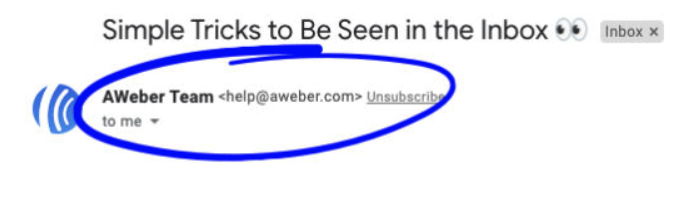
The email address from which messages are sent is an integral part of a brand’s identity and reputation. A professional email address, one that matches the business’s website domain (e.g., [email protected]), conveys credibility and professionalism. In contrast, sending from a generic address (e.g., [email protected]) can signal a less established operation or, worse, raise suspicion of a scam. A professional email address builds trust, strengthens brand recognition, improves deliverability by aligning with domain authentication, and fosters a sense of legitimacy. Equally important is avoiding "no-reply" email addresses. Sending from a "no-reply" address communicates to subscribers that their feedback or questions are unwelcome, stifling two-way communication. Inbox providers also penalize "no-reply" addresses, as they signify a lack of genuine interaction, hurting deliverability. Instead, use a monitorable address like "[email protected]" or "[email protected]." Even if real-time monitoring isn’t feasible, setting up an auto-responder acknowledges receipt and reinforces the brand’s commitment to customer service, maintaining the crucial signal of two-way communication.
Quality Assurance: The Final Frontier Before Send
The moments before an email campaign is sent are critical. A single broken link or formatting error in a large campaign can undermine trust and waste effort. A rigorous pre-send checklist is an indispensable tool for preventing such mistakes.
Rigorous Testing: Ensuring Flawless Delivery and Experience:
Testing every email before it deploys is non-negotiable. This process should encompass several layers of checks:
- Technical Checks: Verify all links are functional and lead to the correct destinations. Ensure images load properly and have appropriate alt text. Confirm personalization tags are pulling the correct data. Check that the email is responsive and renders correctly across various devices and email clients.
- Content Checks: Proofread for any typographical errors, grammatical mistakes, and factual inaccuracies. Verify that the brand voice is consistent and that the message is clear and concise. Confirm the call to action is prominent and unambiguous.
- Experience Checks: Send a test email to your own device (especially your phone) to experience it from the subscriber’s perspective. Check for visual flow, ease of navigation, and overall aesthetic appeal. Ensure the email’s purpose is immediately clear.
Many email marketing platforms include built-in pre-send checklist features that automatically flag common issues like broken links, missing alt text, and rendering problems, catching potential errors before they reach subscribers and ensuring a polished, professional delivery every time.
Strategic Implementation and Future Outlook
Adopting all 15 of these practices simultaneously can feel overwhelming, especially for small businesses with limited resources. The most successful email marketers understand that sustained results come from incremental improvements rather than an all-at-once overhaul.
Phased Adoption for Sustainable Growth:
The recommended approach is to start with one or two key practices, implement them consistently, and then gradually integrate others. For businesses new to email marketing, establishing a welcome series is often the highest-return automation to prioritize. It capitalizes on peak subscriber interest and works automatically, freeing up time for other tasks. For businesses already sending emails but struggling to see desired results, focusing on list health and deliverability is a crucial first step. A clean, engaged list forms the bedrock upon which all other successful email marketing efforts are built.
The Evolving Landscape: Adapting to New Challenges:
The email marketing landscape is dynamic, constantly evolving with advancements in technology, changes in consumer behavior, and new privacy regulations. Adapting to these shifts, integrating emerging tools like AI, and maintaining a steadfast commitment to foundational best practices will be key for businesses aiming to build enduring customer relationships and generate reliable revenue streams. By embracing these principles, small businesses can transform their email marketing efforts into a powerful, sustainable engine for growth and customer loyalty in the digital age.









