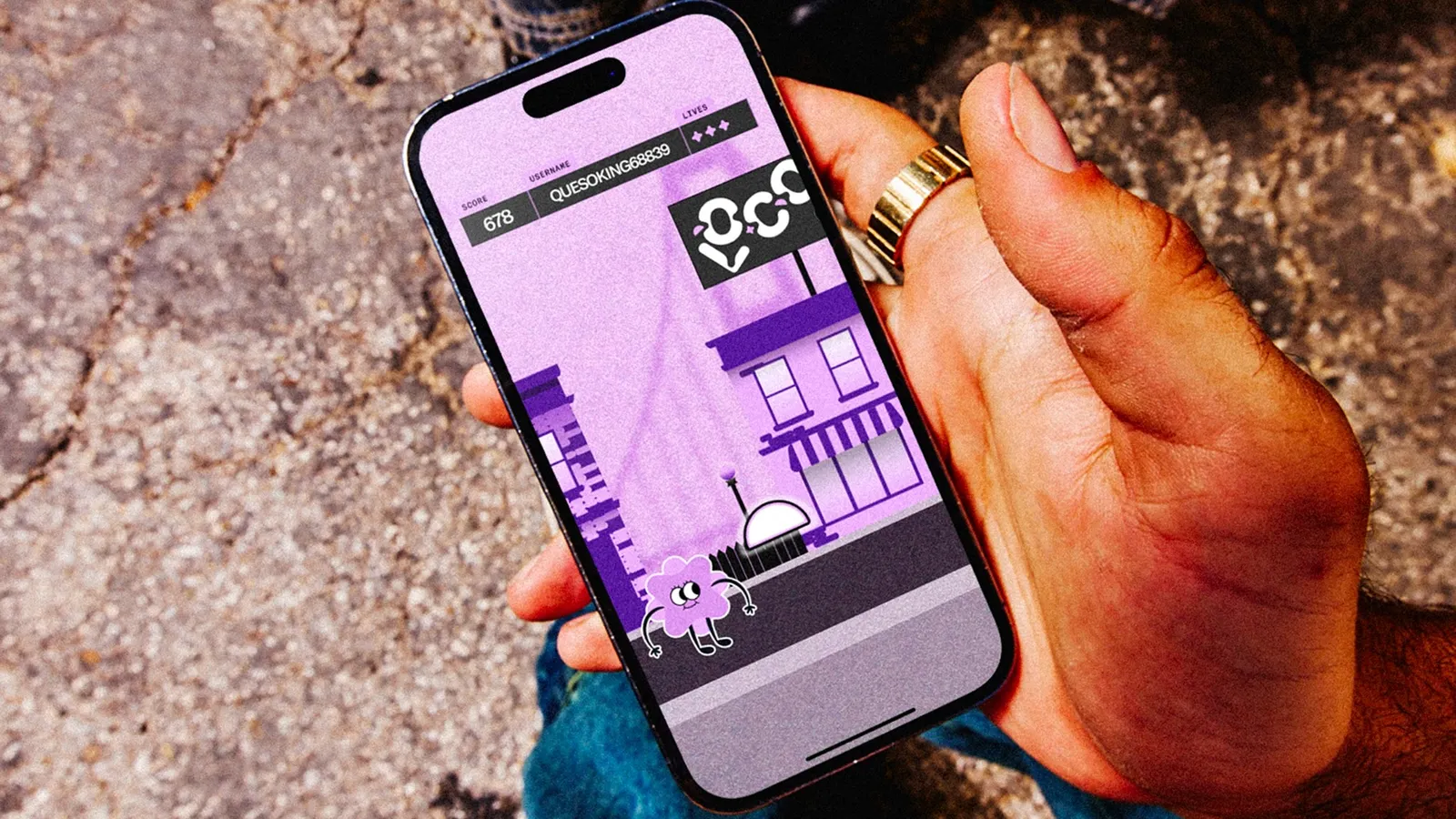
Taco Bell is leveraging the global excitement surrounding the FIFA World Cup with its new “L.O.C.O.S.” (Latin for “crazy” or “wild”) initiative, a multifaceted program designed to deepen consumer engagement, enhance its digital infrastructure, and bolster its rapidly expanding loyalty program. The campaign, which kicked off in late June 2026, integrates digital activations with a series of high-profile in-person events strategically timed to coincide with key matches of the international soccer tournament. This move by Taco Bell’s parent company, Yum Brands, underscores a broader strategy to embed the restaurant chain within popular culture and capitalize on the burgeoning digital sales landscape, where loyalty program participation is a critical driver.
The “L.O.C.O.S.” Strategy: Tapping into Global Fandom
The “L.O.C.O.S.” campaign is a sophisticated effort to align Taco Bell with the emotional highs and lows experienced by soccer fans worldwide. By centering the program around a major global sporting event, the brand aims to create a sense of shared experience and connection with consumers, regardless of their team’s performance on the field. This approach allows Taco Bell to participate in the cultural conversation surrounding the World Cup without the need for official sponsorship, demonstrating a keen understanding of modern marketing’s ability to insert brands into passion points organically.
The strategy acknowledges the potent force of fandom, particularly sports fandom, as a valuable conduit for brands seeking to resonate with audiences. Pre-existing communities united by a shared passion for sports offer marketers a ready-made audience, simplifying the process of reaching and engaging consumers. “L.O.C.O.S.” aims to harness this existing enthusiasm, transforming passive viewership into active brand participation.

A Phased Rollout: Digital and Experiential Touchpoints
The campaign’s architecture is built upon a blend of digital and in-person experiences, meticulously planned to amplify fan engagement throughout the tournament. The digital component serves as the central hub, likely offering interactive games, exclusive content, and real-time updates tied to match outcomes and fan sentiment. This digital-first approach is crucial for a brand that has seen significant growth in its digital sales channels.
Complementing the digital offerings, Taco Bell has orchestrated a series of in-person activations designed to create memorable brand experiences. These events are strategically scheduled to align with pivotal moments in the World Cup, amplifying their impact and relevance. For instance, activations in New York and Los Angeles on June 25th directly coincided with the U.S. men’s national team’s final group stage match against Türkiye. Similarly, a London activation on June 27th was timed with England’s crucial match against Panama. These geographically diverse events, also including activations in Spain, Brazil, Australia, and Canada, underscore the global nature of the “L.O.C.O.S.” initiative and its ambition to resonate with fans across multiple continents.
Taylor Montgomery, global chief brand officer at Taco Bell, articulated the campaign’s core philosophy: “‘L.O.C.O.S.’ takes an existing fan behavior and builds a global platform around it, giving Taco Bell a bold new way to show up for fans in moments they care about most.” This statement highlights the brand’s commitment to authenticity and its desire to be a relevant presence in the lives of its consumers during culturally significant events.
The World Cup Context: A Global Spectacle
The FIFA World Cup is the most prestigious international association football competition contested by the senior men’s national teams of the members of the Fédération Internationale de Football Association (FIFA), the sport’s global governing body. Held every four years, the tournament captivates billions of viewers worldwide, transcending cultural and geographical boundaries. The 2026 iteration, hosted across North America, is particularly significant for Taco Bell, offering a unique opportunity to engage a vast and diverse audience within its home markets and beyond. The event’s inherent drama, national pride, and the passionate fan base it cultivates provide fertile ground for brand activation. The emotional rollercoaster of tournament play, from exhilarating victories to heart-wrenching defeats, offers a rich tapestry of human experience that brands can tap into.

Loyalty and Digital Growth: The Underlying Business Imperative
Beyond the immediate excitement of the World Cup, the “L.O.C.O.S.” campaign is deeply intertwined with Taco Bell’s strategic objectives for loyalty program expansion and digital sales growth. The company has reported robust performance in these areas. During the first quarter of 2026, Taco Bell’s loyalty sales experienced a substantial year-over-year increase of 30%. This surge in loyalty program engagement is a testament to the brand’s efforts in rewarding its most frequent customers and fostering a sense of belonging.
Simultaneously, the broader Yum Brands portfolio has seen impressive digital sales figures. In the same Q1 2026 period, digital sales across Yum Brands neared $11 billion, with the digital mix – the percentage of total sales generated through digital channels – climbing to 63%. This indicates a significant shift in consumer purchasing behavior towards online ordering, delivery, and app-based transactions. Christopher Turner, CEO and director of Yum Brands, has consistently emphasized that expanding loyalty programs is a cornerstone of their strategy for bolstering the company’s digital business. The “L.O.C.O.S.” campaign serves as a powerful vehicle to drive both new sign-ups and continued engagement within the Taco Bell loyalty ecosystem.
Financial Performance: A Foundation for Ambitious Campaigns
The financial health of Taco Bell and its parent company provides a solid foundation for such ambitious marketing initiatives. Yum Brands reported a 6% increase in overall sales for Q1 2026. Taco Bell, in particular, outperformed the broader quick-service restaurant (QSR) industry, with same-store sales growing by 8%. This strong performance indicates that Taco Bell is effectively resonating with consumers and capturing market share. The company’s robust financial standing allows for strategic investments in innovative marketing programs like “L.O.C.O.S.,” which are designed to yield long-term benefits in brand equity and customer loyalty.
Broader Implications: Cultural Integration and Brand Relevance
The “L.O.C.O.S.” campaign exemplifies a growing trend among major brands to move beyond traditional advertising and embed themselves within cultural moments. By aligning with the passion and emotion of the World Cup, Taco Bell is positioning itself as a brand that understands and participates in the lives of its consumers. This approach fosters a deeper, more authentic connection than purely transactional marketing.

The success of such campaigns often hinges on their ability to feel organic and relevant, rather than forced or opportunistic. By focusing on the shared experience of fandom and the emotional journey of a major sporting event, Taco Bell appears to be striking the right chord. The integration of digital and in-person elements ensures that the campaign can reach a wide audience and cater to different engagement preferences.
The expansion of the “L.O.C.O.S.” program to other cultural events in the future suggests a scalable model for brand engagement. This forward-looking strategy indicates Taco Bell’s intent to continuously find meaningful ways to connect with consumers, leveraging diverse cultural touchpoints to maintain brand relevance and drive sustained growth. The campaign’s success will likely be measured not only by immediate sales lift but also by its impact on loyalty program growth, digital engagement metrics, and overall brand perception among a global audience of passionate soccer fans.