A social media workflow is a repeatable, step-by-step process meticulously designed to guide a team through the creation, publication, and promotion of social media content, serving as the operational blueprint for an organization’s digital communication strategy. In an era where digital presence is paramount, the absence of a structured workflow can lead to inefficiencies, inconsistencies, and missed opportunities, undermining brand reputation and market reach. The sheer volume of social media content generated daily—with billions of posts across platforms like Facebook, Instagram, X (formerly Twitter), and TikTok—underscores the critical need for systematic management. According to Statista, the number of social media users worldwide reached approximately 4.95 billion in 2023, representing a vast and complex audience that demands consistent, high-quality engagement. Businesses, therefore, cannot afford a haphazard approach to their social media initiatives.
The Evolution and Necessity of Structured Social Media Management

The landscape of social media marketing has undergone a dramatic transformation since its nascent days. Initially, social media engagement was often ad-hoc, handled by individuals with minimal oversight. However, as platforms proliferated and their influence on consumer behavior grew, social media evolved from a peripheral activity to a central pillar of marketing and communication strategies. This evolution has introduced layers of complexity, including managing multiple channels, catering to diverse audience demographics, adhering to industry-specific regulations, and constantly innovating content formats.
The demand for a more formalized approach intensified as companies began to recognize social media’s direct impact on brand perception, customer service, and sales. Early adopters often struggled with coordination, leading to duplicated efforts, off-brand messaging, and delayed content releases. The rise of sophisticated analytics also highlighted the need for measurable outcomes, necessitating a structured process from conception to analysis. This chronological progression from informal posting to strategic, data-driven content dissemination underscored the indispensable role of well-defined social media workflows. Industry analysts, such as those at Gartner, have consistently pointed to process optimization as a key driver for digital marketing success, emphasizing that robust workflows are not merely administrative conveniences but strategic necessities.
Unlocking Efficiency: The Core Benefits of a Defined Workflow

A robust social media workflow provides an organizational structure that empowers teams to operate with greater intelligence, safeguard brand integrity, and demonstrably prove the impact of their social media endeavors. The benefits extend beyond mere operational efficiency, touching upon critical aspects of brand management and business growth.
Firstly, enhanced consistency and brand voice adherence are paramount. With a clear workflow, every piece of content aligns with established brand guidelines, tone, and messaging. This is particularly crucial in a fragmented media environment where consumers interact with brands across numerous touchpoints. A survey by Lucidpress indicated that consistent brand presentation across all platforms can increase revenue by up to 23%.
Secondly, improved team collaboration and accountability become inherent. Defined roles and clear steps minimize confusion, reduce bottlenecks, and ensure everyone understands their responsibilities. This fosters a collaborative environment where content moves smoothly through creation, review, and publication stages. For instance, a delay in content approval, often a result of unclear responsibilities, can cost businesses valuable real-time engagement opportunities.
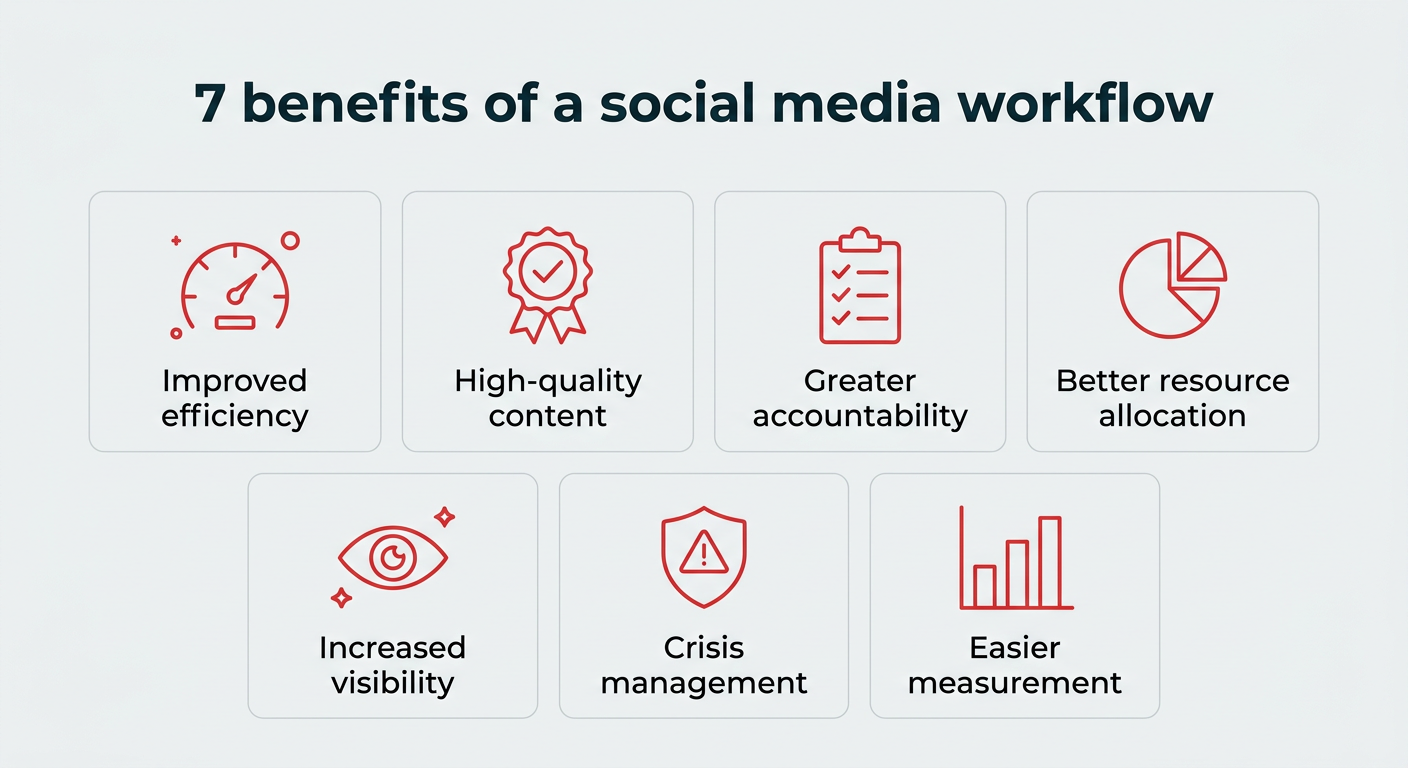
Thirdly, increased productivity and time savings are direct outcomes. By standardizing processes, teams can allocate resources more effectively, eliminating redundant tasks and allowing more time for creative development and strategic planning. A report by McKinsey & Company suggested that streamlining workflows can improve productivity by 20-30% in knowledge-based industries.
Fourthly, mitigated risks and ensured compliance are critical, especially for businesses operating in regulated sectors such as finance or healthcare. Approval workflows and adherence to industry-specific guidelines (e.g., HIPAA, FINRA) prevent legal repercussions and reputational damage. A single non-compliant post can trigger severe penalties and a full-blown crisis, making a robust approval system the backbone of risk management.
Finally, clear performance measurement and optimization are enabled. With a structured process, it’s easier to track content performance, identify successful strategies, and refine future efforts based on data-driven insights. This continuous feedback loop ensures that social media efforts are not just consistent but also constantly improving. In essence, a well-designed social media workflow transforms chaotic efforts into a predictable, high-impact operation that consistently delivers on brand objectives.
Key Workflow Archetypes for Dynamic Social Media Operations
Most sophisticated social media teams do not rely on a singular workflow; rather, they implement a suite of specialized workflows tailored to different aspects of their operations. Here are five common types that form the bedrock of an effective social media strategy:
-
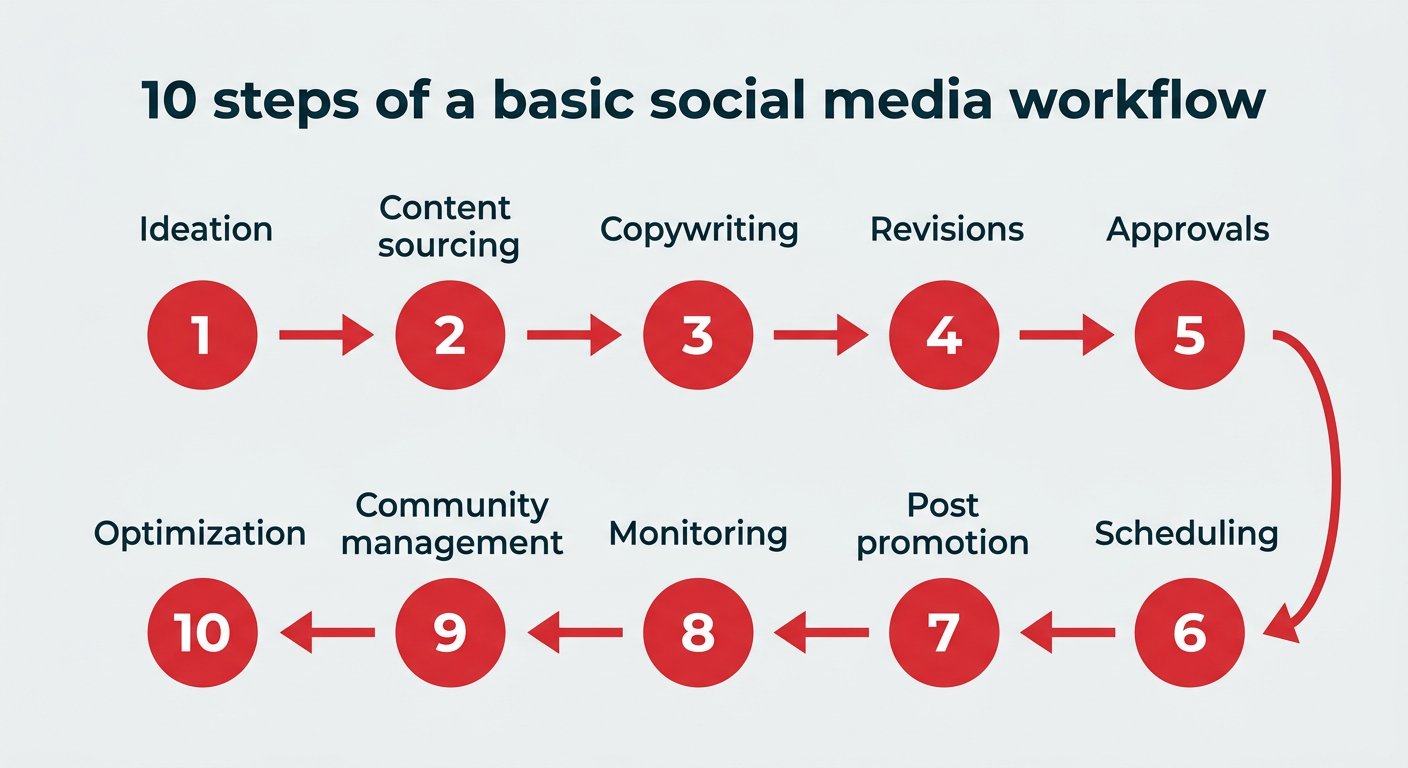
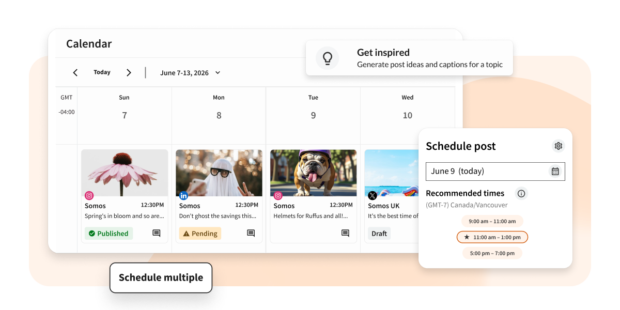
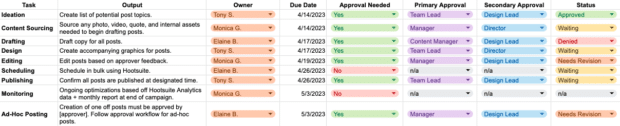
Basic Social Media Workflow: This foundational workflow encompasses the daily cycle of social media activities, from initial content brainstorming to post-publication performance tracking. It typically involves steps like content ideation, drafting, visual creation, copywriting, internal review, scheduling, publishing, engagement monitoring, and performance analysis. This workflow serves as the primary operational guide, upon which other specialized workflows are built.
-
Social Media Posting Workflow: Focused specifically on the mechanics of content creation and scheduling across various platforms, this workflow is the most frequently engaged by social media teams. It details steps such as content brief development, asset creation (images, videos), caption writing, hashtag research, platform-specific optimization, scheduling, and real-time adjustments. A well-executed posting workflow ensures a predictable content cadence while retaining agility for spontaneous, trending topics.
-
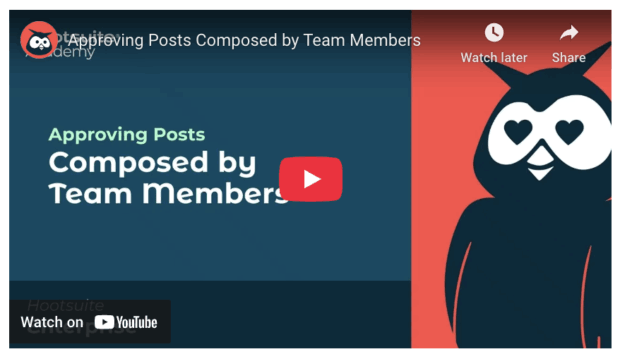
Social Media Approval Workflow: Crucial for brand protection and compliance, this workflow dictates the internal review process content undergoes before being published. It typically involves content submission, review by relevant stakeholders (legal, brand, product teams), feedback integration, and final approval. This workflow is indispensable in highly regulated industries where a single misstep can lead to significant legal and financial consequences. Effective approval systems, often facilitated by social media management platforms, ensure brand safety without causing undue delays in publishing.
-
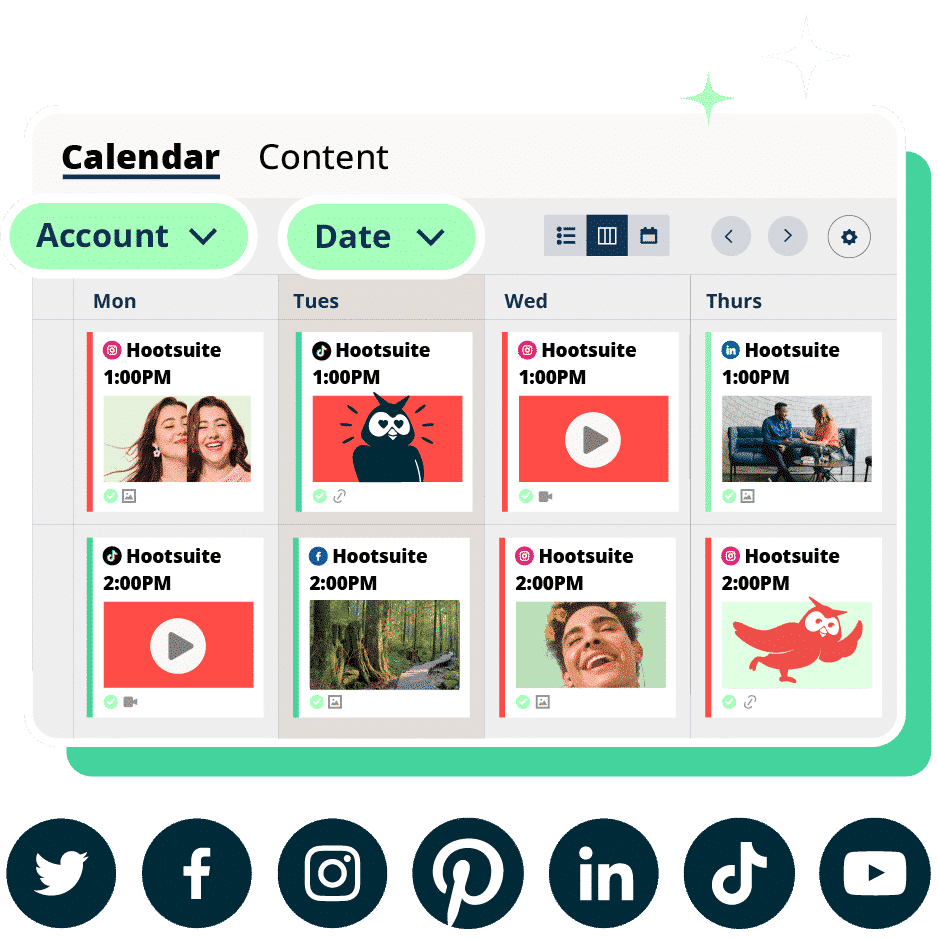
Content Batching Workflow: This systematic process involves creating multiple pieces of content in one dedicated session and then scheduling them for release over an extended period. Steps include theme identification, content calendar finalization, bulk content creation (writing, graphic design, video production), bulk scheduling, and asset organization. Batching is a productivity multiplier, allowing teams to maintain a consistent online presence without the daily pressure of content generation, freeing up time for strategic planning and real-time engagement. It thrives when a robust content calendar is established prior to production.
-
Social Media Influencer Collaboration Workflow: Managing partnerships with influencers or creators requires a distinct workflow covering planning, execution, and measurement. This involves identifying suitable influencers, outreach and negotiation, contract finalization, content brief development, content review and approval, campaign launch, performance tracking, and payment processing. Treating influencer collaborations as structured campaigns, rather than isolated posts, significantly enhances their replicability and overall impact, allowing brands to leverage the reach and authenticity of creators effectively.
Crafting an Effective Workflow: Seven Strategic Pillars
Building a social media workflow is a delicate act of balancing sufficient structure for consistency and compliance with enough flexibility to avoid bottlenecks. Here are seven strategic tips for developing a workflow that genuinely works:
-
Establish Clear Roles and Responsibilities: Ambiguity in roles is a primary workflow killer. Define who is responsible for ideation, content creation, copywriting, graphic design, legal review, scheduling, community management, and analytics. Common roles include Social Media Manager, Content Creator, Copywriter, Graphic Designer, Legal Reviewer, and Community Manager. Clarity ensures tasks are not duplicated, deadlines are met, and accountability is maintained.
-
Understand Industry Regulations and Compliance: Before designing any workflow, a thorough understanding of relevant industry regulations is non-negotiable. For sectors like finance, healthcare, or government, non-compliance can result in substantial fines and legal exposure. This includes knowing data privacy laws (e.g., GDPR, CCPA), advertising standards, disclosure requirements for sponsored content, and platform-specific guidelines. Incorporating compliance checkpoints directly into the workflow from the outset is crucial.
-
Utilize a Social Media Calendar for Proactive Planning: A comprehensive social media calendar is the organizational backbone of any effective workflow. It provides a visual overview of all scheduled content across platforms, facilitating content batching, forward planning, and strategic alignment with broader marketing campaigns. Planning ahead drastically reduces last-minute scrambling, enabling teams to be more strategic and responsive to emerging trends. Data consistently shows that brands using content calendars achieve higher engagement rates and better consistency.
-
Document the Process with Standard Operating Procedures (SOPs): To ensure repeatability and consistency, every workflow must be meticulously documented. An SOP outlines each step, responsible party, required tools, and expected outcomes. This serves as an invaluable resource for new hires, reduces errors, and ensures that all team members adhere to established best practices, safeguarding brand consistency and mitigating compliance risks.
-
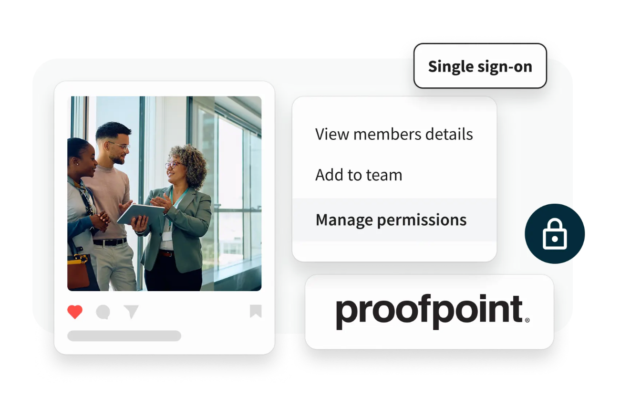
Prioritize Security Measures: Social media security must be embedded into every stage of the workflow. This includes implementing strong password policies, two-factor authentication for all platform access, and limiting login credentials to essential personnel. A clear chain of command for content review and publishing helps prevent unauthorized or sensitive information from being shared. Regular audits of privacy settings and access permissions are vital for proactive risk management.
-
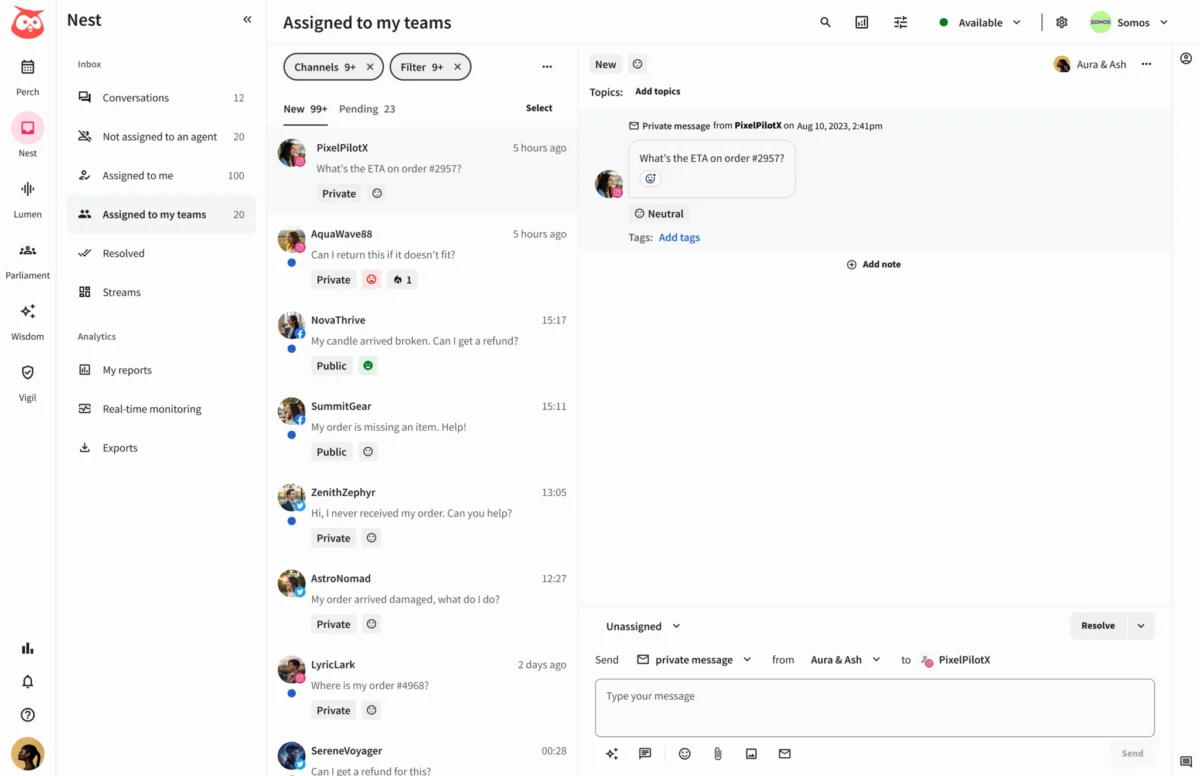
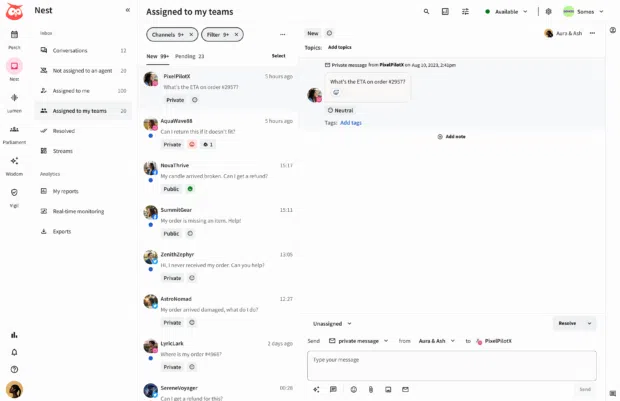
Implement a Unified Social Media Inbox: Effective social media management extends beyond outbound content to inbound communications. A unified social media inbox centralizes all direct messages, comments, mentions, and customer service inquiries from various platforms into a single interface. This prevents messages from being missed, facilitates efficient routing to the appropriate team members (e.g., sales, customer support), tracks response times, and maintains a comprehensive history of customer interactions, significantly improving customer experience.
-
Strategically Integrate AI into Bottleneck Steps: Instead of a wholesale adoption of AI, identify two to three workflow stages that consistently cause delays or consume excessive manual effort. These often include initial content drafting, data analysis for reporting, and triaging inbound customer messages. AI tools can rapidly generate first-draft copy, summarize analytics, or provide automated responses to routine inquiries. Crucially, a human review step must follow AI-generated output to maintain quality, ensure brand voice consistency, and uphold compliance standards. As Gartner notes, AI in marketing is largely a "governance problem, not a tooling race," emphasizing human oversight.
The Transformative Power of AI in Social Media Workflows
Artificial intelligence is rapidly becoming an integral component of nearly every stage within a social media workflow, from initial ideation to post-campaign reporting. The most successful teams are not replacing human steps entirely but leveraging AI to accelerate cumbersome processes while retaining critical human decision-making at key checkpoints.
AI’s impact is particularly pronounced in several areas:
- Content Ideation and Creation: AI-powered tools can generate creative concepts, suggest trending topics, and even draft initial versions of social media captions, headlines, and longer-form content, significantly reducing the time spent on brainstorming and first-pass writing.
- Visual Asset Generation: Advanced AI can assist in creating or modifying images and videos, suggesting optimal visual elements based on content themes and platform best practices, and even generating unique graphics from text prompts.
- Audience Targeting and Segmentation: AI algorithms analyze vast datasets to identify ideal target audiences, predict engagement patterns, and segment users for more personalized content delivery, enhancing the effectiveness of campaigns.
- Performance Analytics and Reporting: AI can rapidly process complex social media data, identify key trends, predict future performance, and automate the generation of comprehensive reports, allowing teams to derive insights much faster than manual analysis.
- Community Management and Customer Service: AI chatbots and sentiment analysis tools can automatically triage inbound messages, provide instant responses to frequently asked questions, flag critical issues for human intervention, and monitor brand mentions for sentiment, enabling more responsive and efficient customer engagement.
- Scheduling Optimization: AI can analyze historical engagement data to recommend optimal posting times for maximum reach and interaction across different platforms, taking into account audience activity patterns.
While AI offers immense potential for efficiency, the principle of "governance over tooling" remains paramount. Enterprise teams, in particular, must pair AI-assisted steps with rigorous permissions, brand guardrails, and designated human reviewers for all customer-facing content. AI can compress the workload, but ultimate accountability for brand messaging and compliance still rests with human professionals.
Measuring and Iterating: Optimizing Workflow Health
Measuring and improving a social media workflow mirrors the process of measuring content performance: select a few key metrics, review them regularly, and implement iterative changes. The overarching goal is to maintain a process that remains agile and effective as the team and number of managed channels grow.
Start by tracking these workflow health metrics:
- Time-to-Publish: The duration from content ideation to live publication.
- Approval Cycle Time: The average time taken for content to move through all internal review stages.
- Compliance Adherence Rate: The percentage of content that meets all regulatory and brand guidelines.
- Content Output Volume: The number of posts or campaigns produced within a given period.
- Resource Utilization: How efficiently team members’ time and tools are being used.
- Error Rate: The frequency of mistakes, such as typos, broken links, or off-brand messaging.
- Team Satisfaction: Feedback from team members on the workflow’s ease of use and effectiveness.
The workflow itself should be kept lean and agile. Map out only the essential steps (draft, approve, schedule, post, measure) and introduce complexity only where genuinely necessary. Any step that does not serve a clear purpose should be eliminated. Workflows are not static; they must evolve with team growth, platform changes, and shifting strategies. A quarterly review, supplemented by lighter check-ins after significant campaigns or platform updates, typically suffices to ensure efficiency without introducing rigidity.
Common Pitfalls to Avoid in Workflow Implementation
Despite the clear benefits, many organizations encounter challenges when implementing or maintaining social media workflows. Recognizing these common pitfalls upfront can save significant redesign efforts later:
- Lack of Clear Roles and Responsibilities: As mentioned, ambiguity leads to confusion, duplicated efforts, and missed deadlines.
- Insufficient Documentation: Undocumented processes make workflows inconsistent, difficult to scale, and challenging for new team members to adopt.
- Ignoring Feedback and Performance Data: A workflow that isn’t regularly reviewed and adjusted based on actual performance and team feedback becomes rigid and ineffective.
- Over-Complication: Adding too many steps or unnecessary approval layers can create bottlenecks and slow down content velocity.
- Resistance to Change: Team members accustomed to ad-hoc methods may resist adopting new, structured workflows without proper training and communication of benefits.
- Failure to Integrate Tools: Relying on disparate tools without proper integration creates manual handoffs and inefficiencies.
- Neglecting Security and Compliance: Overlooking these critical aspects can lead to severe brand damage, legal issues, and loss of trust.
Essential Tools for Streamlined Social Media Workflows
The right tools are instrumental in building and maintaining effective social media workflows, helping teams plan, create, approve, and publish content without the chaos of juggling multiple applications or spreadsheets. The optimal choice depends on team size, budget, and specific requirements, but several platforms offer robust capabilities:
-
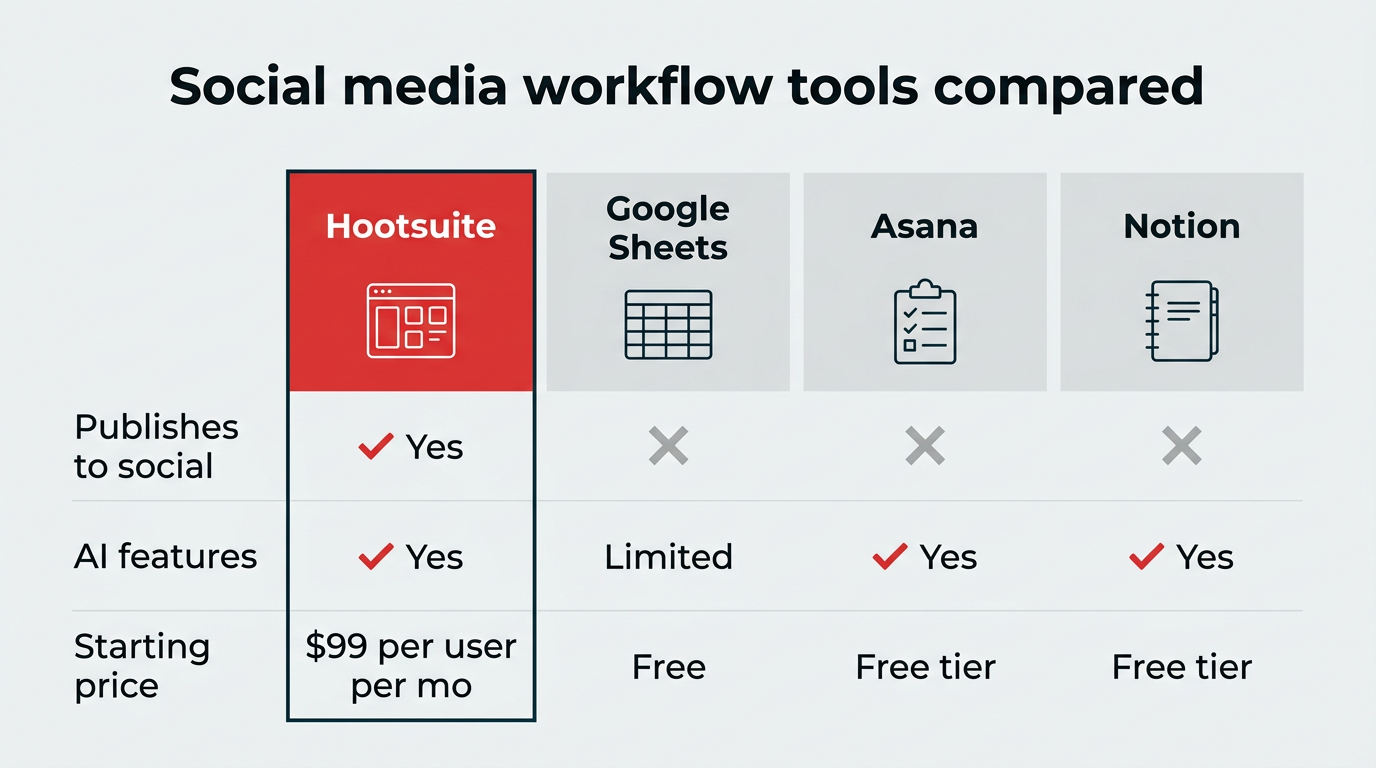
Hootsuite: Positioned as a comprehensive social operating system, Hootsuite is ideal for teams managing multiple accounts end-to-end. It offers dynamic content calendars, customizable approval workflows, granular user permissions, a unified inbox for managing all social conversations, and robust analytics. Its AI assistant, DM automations, and AI-powered insights streamline content creation, engagement, and reporting. Hootsuite facilitates drafting, editing, approval, scheduling, and KPI tracking from a single dashboard, connecting various aspects of the social media workflow.
-
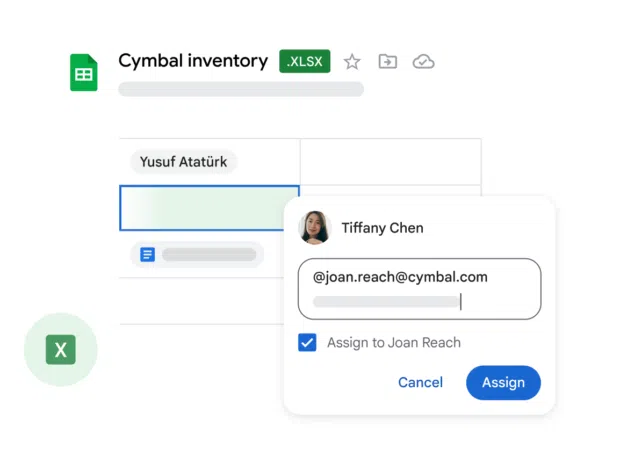
Google Sheets: A simple, cost-effective solution for lean teams or those just beginning to formalize their workflow. It allows for manual tracking, task assignment, and comment-based feedback for approvals. While highly flexible and accessible, it lacks integrated publishing and advanced automation, necessitating external communication for notifications and a separate tool for actual content posting. It is a good starting point but often outgrown as content volume and team size scale.
-
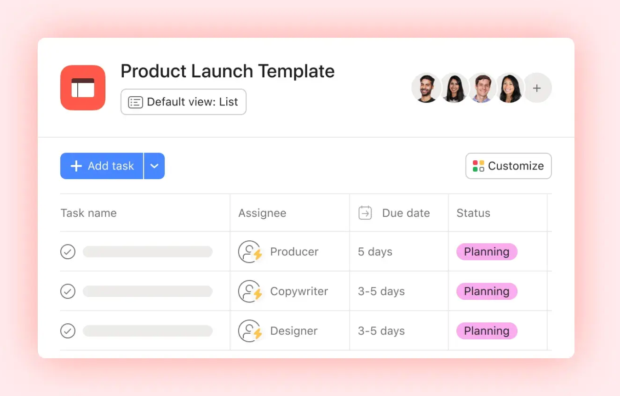
Asana: Primarily a project management tool, Asana is widely used by social teams to organize the strategic work surrounding their content. Features like task assignment, custom templates, and rules-based automations make it excellent for campaign planning, deadline tracking, and cross-functional collaboration. Asana integrates with many marketing tools, including Hootsuite, allowing it to manage the planning phase while a social media management platform handles publishing and analytics.
-
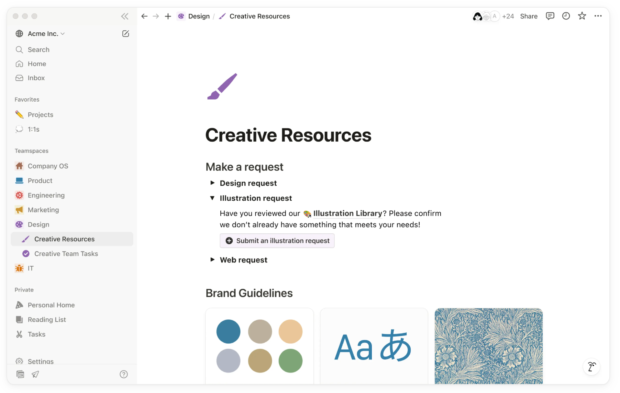
Notion: An all-in-one workspace favored by content-heavy teams, Notion excels at consolidating various workflow elements. It can host content calendars, store brand guidelines and Standard Operating Procedures (SOPs), and facilitate task assignment within a highly customizable database structure. Notion AI, integrated into its business plans, further enhances its capabilities for content generation and workflow assistance, enabling teams to plan, collaborate, and stay organized within a single environment.
In conclusion, establishing a well-defined social media workflow is no longer a luxury but a fundamental requirement for any organization seeking to maintain a strong, consistent, and compliant digital presence. By embracing structured processes, leveraging appropriate tools, and strategically integrating AI, businesses can transform their social media efforts into a powerful engine for brand growth and customer engagement.