

The digital commerce landscape is undergoing a fundamental shift as businesses move away from a singular focus on initial conversion rates toward a more holistic view of the customer lifecycle. While traditional Conversion Rate Optimization (CRO) has historically prioritized the moment of sale, emerging strategies now emphasize the “activation” phase—the critical window immediately following a purchase where a customer either integrates a product into their life or abandons it. This shift is driven by the rising cost of customer acquisition and the realization that long-term profitability is dictated by retention rather than one-time transactions.

The Shift from Conversion to Activation
For years, growth teams focused almost exclusively on the “front door” of the digital experience. The objective was clear: reduce friction in the checkout flow, optimize call-to-action buttons, and leverage urgency to secure a credit card number. However, industry data now suggests that high conversion rates can be deceptive if they are not followed by successful product adoption. In the e-commerce and Software as a Service (SaaS) sectors, the first seven days post-purchase have been identified as the most volatile period for customer churn.
Daphne Tideman, a prominent growth consultant and former Head of Growth at the brain supplement brand Heights, argues that website optimization must extend its reach into the post-purchase psychology of the buyer. The goal is to set expectations early, ensuring that the customer is mentally prepared to use the product correctly. This approach, often referred to as “expectation setting,” serves as a preemptive strike against buyer’s remorse and early-stage churn.

Case Study: The Heights Three-Month Commitment Strategy
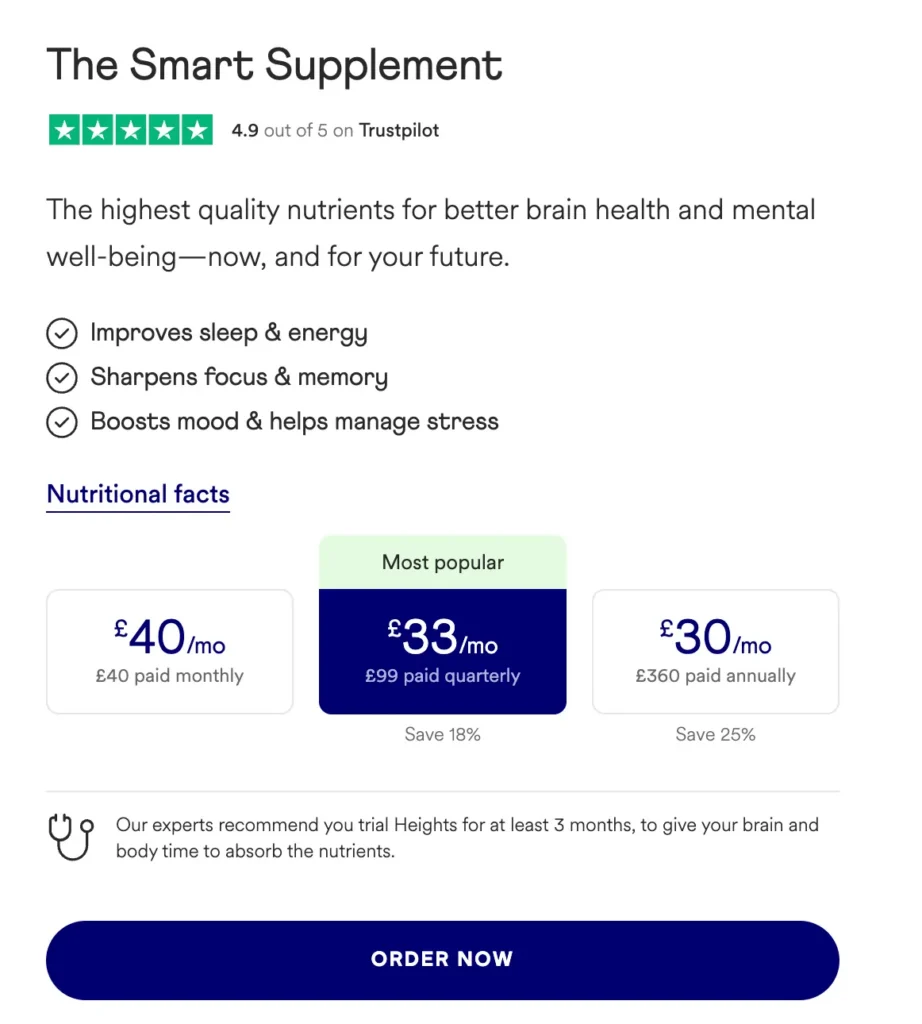
One of the most cited examples of this strategy involves the supplement brand Heights. Approximately five years ago, the company’s growth team experimented with a simple change to their product page. Rather than focusing solely on the immediate benefits of the supplement, they added a line of copy advising customers to take the product consistently for at least three months to see results.
This intervention was counterintuitive to traditional CRO principles, which usually suggest that adding requirements or long-term commitments might lower the initial conversion rate. Instead, the experiment revealed that by planting the seed of consistency pre-purchase, the company successfully pushed subscription lengths higher over time. The copy persists on their site today, albeit with minor formatting updates, proving its enduring efficacy. By aligning the customer’s expectations with the biological reality of how supplements work, Heights reduced the likelihood of customers canceling after 30 days due to a perceived lack of immediate change.

The Critical Role of the First Seven Days
Market research indicates that for both physical and digital products, the “Day 7” mark is a reliable predictor of long-term Lifetime Value (LTV). If a user is successfully “activated”—meaning they have experienced the product’s core value proposition—within this window, the probability of them remaining a customer for six months or longer increases exponentially.
Activation varies by industry:
- For SaaS: It may involve the completion of a specific high-value action, such as integrating a data source or inviting a team member.
- For E-commerce: It often involves the first successful use of the product or the consumption of educational content that validates the purchase.
- For Health and Wellness: It involves establishing a daily habit or routine.
Data from retention platforms suggest that a 5% increase in customer retention can lead to a profit increase of 25% to 95%. This compounding effect makes activation experiments potentially more valuable than landing page tests.
Establishing Trust and Clarity Pre-Purchase
Optimization for long-term buyers begins before the transaction is even processed. Modern journalistic analysis of successful Direct-to-Consumer (DTC) brands shows three primary ways websites can impact activation:
- Expectation Management: Like the Heights example, being transparent about the “time to value” builds a foundation of honesty. When customers know a product requires effort or time, they are less likely to feel misled.
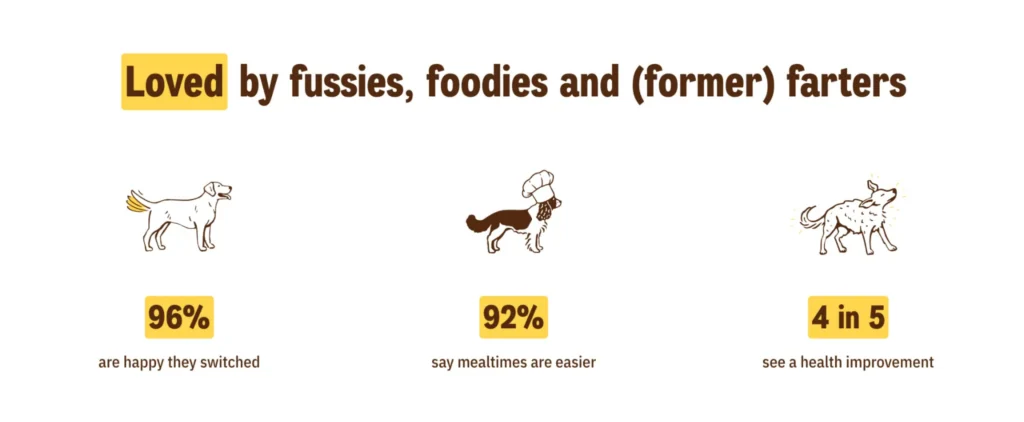
- Social Proof of Outcomes: Brands like Butternut Box, a dog food subscription service, utilize statistics on their website to show what other owners have experienced post-purchase. By sharing data on improved digestion or energy levels in dogs after a specific period, they provide a roadmap for new customers to follow.
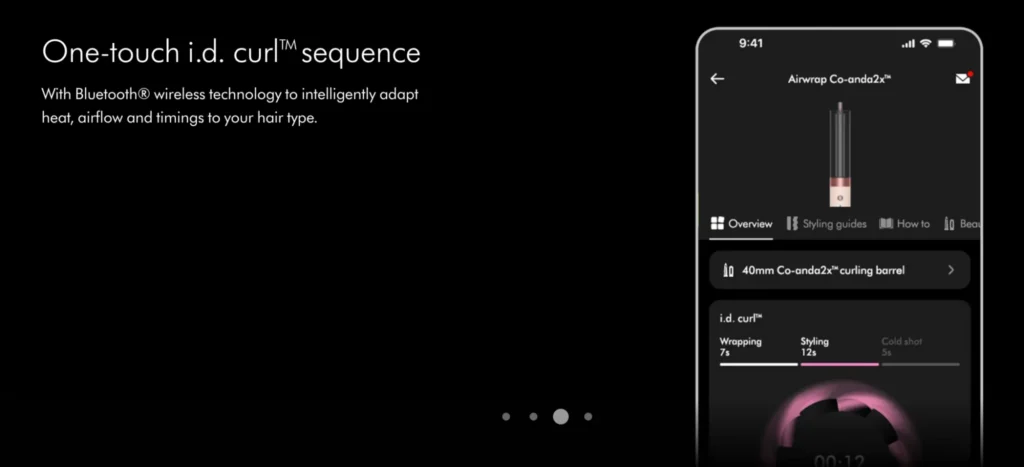
- Outcome-Based Messaging: Moving beyond feature lists to “Jobs to Be Done” (JTBD) ensures that the customer is buying a solution to a specific problem. When a customer buys a Dyson Airwrap, they aren’t just buying a hair tool; they are buying a specific styling outcome. Dyson supports this by offering an app that guides users through styling, directly addressing the common frustration of the product’s steep learning curve.
Post-Purchase Communication: Moving Beyond Transactions
A common failure in digital marketing is the “post-purchase void.” Once a customer buys, they are often shuffled into a generic transactional email flow—order confirmation, shipping update, and eventually, an upsell. Analysts suggest this is a missed opportunity to reinforce the “Jobs to Be Done.”
The first 72 hours are a period of high emotional engagement but also high vulnerability to buyer’s remorse. Effective post-purchase flows should focus on:
- Reinforcing the “Why”: Reminding the customer why they made the purchase and what the future state looks like once they use the product.
- Instructional Support: Providing clear, simple first steps. For a supplement, this might be “Take it with breakfast.” For software, it might be “Create your first project.”
- Managing Logistics: If a product is heavy or difficult to handle—such as bulk soil or furniture—proactive communication about how to manage the delivery can prevent a negative first physical interaction with the brand.
A Practical Framework for Activation Audits
For organizations looking to pivot toward long-term buyer optimization, a structured audit of the customer experience is necessary. This involves a four-step methodology:
Step 1: Define the “Activated” State
Companies must use usage data to identify the “Aha! moment.” By comparing the behavior of retained customers against those who churned within 30 days, businesses can find the specific actions that correlate with long-term success.

Step 2: The “Secret Shopper” Audit
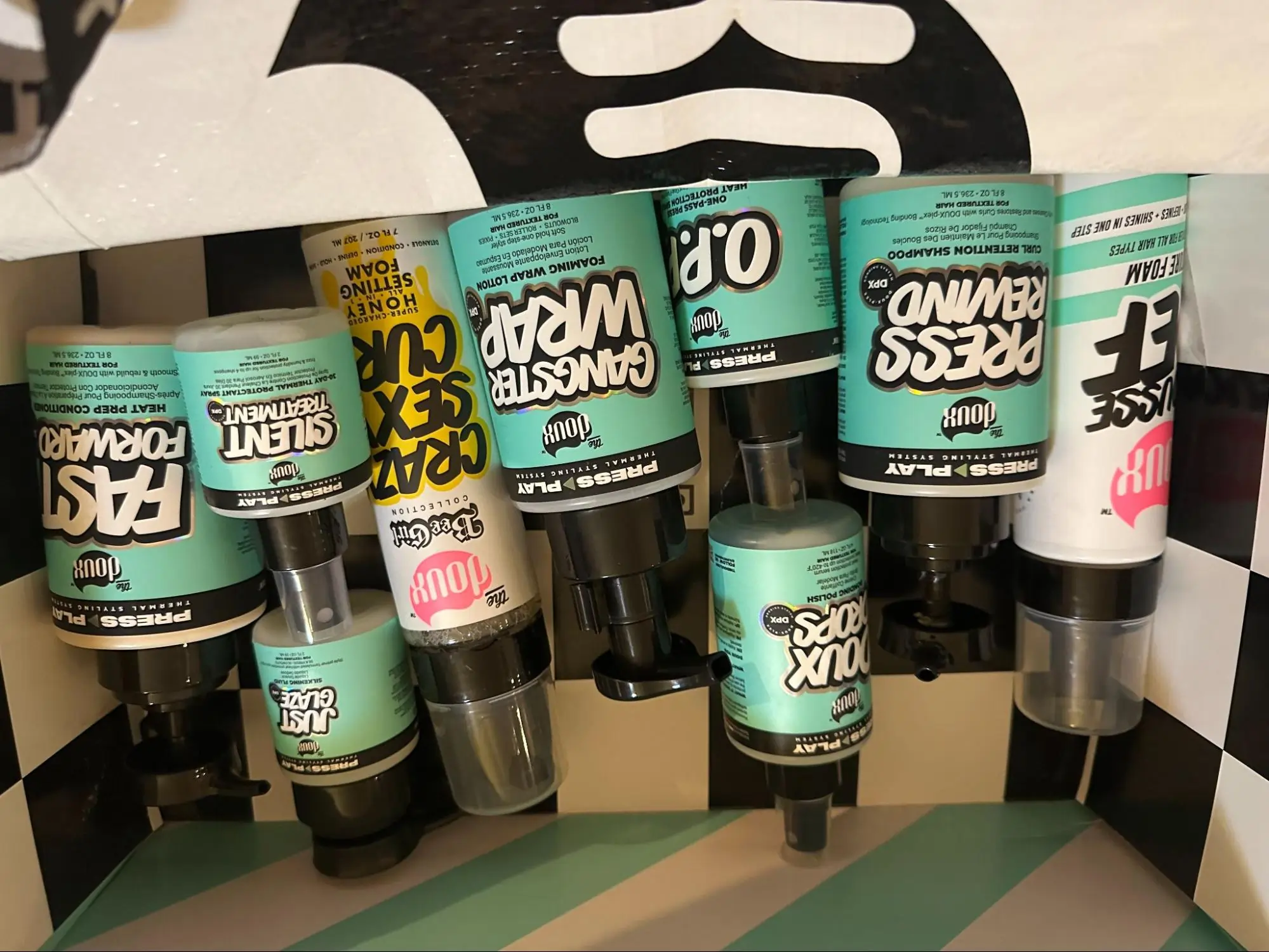
Growth teams should go through their own purchase funnel as a new customer would. This includes physical unboxing for e-commerce brands. Brands like Mission Tea and The Doux have mastered this by using their packaging to reinforce brand personality and provide usage tips at the exact moment of first use.
Step 3: Identification of Friction Points
Every notification and email should be mapped against three criteria: Does it build trust? Does it create clarity? Does it increase motivation? If a touchpoint does none of these, it is likely “noise” that contributes to customer fatigue.

Step 4: Pre-Purchase Experimentation
Traditional A/B testing should be expanded to include “downstream” metrics. A test that decreases conversion rate by 1% but increases 90-day retention by 10% is a net win for the company’s bottom line.
Broader Impact and Industry Implications
The implications of this shift are profound for the professional field of CRO. The role is evolving from a technical focus on web elements to a psychological focus on customer behavior. Furthermore, the integration of acquisition data with retention data is becoming mandatory.

Segmenting activation by acquisition source often reveals that the problem is not the product, but the traffic. For instance, organic users frequently activate at significantly higher rates than those acquired through aggressive paid social media campaigns. This suggests that the “quality” of the customer—determined by their intent and the accuracy of the marketing messaging they clicked on—is a primary driver of long-term success.
In conclusion, the most underrated opportunity for growth in the current economic climate is not finding more customers, but ensuring that the customers already acquired actually succeed. By optimizing for the first seven days and setting clear expectations on the website, businesses can move away from the “leaky bucket” model of growth and toward a sustainable, compounding revenue engine. The transition from optimizing for the “click” to optimizing for the “habit” represents the next frontier of digital excellence.







