rifanmuazin
In an increasingly intricate B2B marketing landscape, a new framework, "Best Answer Marketing" (BAM), is emerging as a critical strategy for brands aiming to cut through the noise, establish credibility, and foster unwavering confidence throughout the entire customer journey. This approach is fundamentally about becoming the most valuable and trustworthy source of information wherever potential buyers are seeking solutions, distilling the complex B2B buyer’s journey into three core tenets: visibility, belief, and choice.
The urgency for such a framework is underscored by significant shifts in buyer behavior. The integration of Artificial Intelligence (AI) into the B2B buying process is no longer a nascent trend, with 94% of B2B buyers now leveraging AI tools, according to a 6Sense report. This reliance on AI is compounded by the fragmentation of information sources, with buyers interacting across an average of over 10 distinct channels, as highlighted by McKinsey. Furthermore, the decision-making process itself has become a multi-faceted undertaking, involving buying committees that often comprise an average of 13 internal stakeholders and 9 external advisors, as noted by Forrester. This confluence of factors has dramatically amplified the complexity of B2B marketing efforts.
In response to this evolving environment, some B2B brands are adopting a "more content" strategy, often with significant AI assistance in content creation. However, this approach risks creating a deluge of undifferentiated, AI-generated content that fails to capture attention or build meaningful connections. Research from Adobe indicates that while 82% of B2B marketers are focused on content that answers questions, simply providing answers is insufficient. The efficacy of content hinges on the nature of the questions addressed, the quality and depth of the answers, the strategic placement of that content, the credibility of its source, and the underlying strategic intent. While the tools for optimizing content for AI discovery and adhering to Google’s EEAT (Experience, Expertise, Authoritativeness, Trustworthiness) guidelines are widely accessible, the challenge of truly standing out, building trust, and inspiring the confidence required for purchasing decisions remains.

The Challenge of AI-Driven Sameness
The widespread availability of AI tools presents a paradoxical situation for B2B marketers. As AI democratizes content creation capabilities, the risk of brands producing indistinguishable content increases. This "sea of AI-generated sameness" makes it exceptionally difficult for any single brand to capture buyer attention and establish a distinct identity. When every competitor can leverage similar AI prompts and templates to generate content, the differentiating factors become less about the output and more about the underlying strategy and human insight that guides it.
This is where the Best Answer Marketing framework offers a strategic divergence. Instead of focusing solely on efficiency and volume, BAM emphasizes delivering profound value and genuine connection. This involves moving beyond generic answers to address specific, nuanced buyer needs with authentic expertise and demonstrable credibility. The core question for marketers becomes: "When everyone has access to the same strategies and resources via AI, how does anyone truly stand out, build trust and inspire the kind of confidence that drives decision?"
The Pillars of Best Answer Marketing
The Best Answer Marketing framework is built upon three interconnected pillars: Be Visible, Be Believed, and Be Chosen. These pillars are not isolated tactics but rather sequential and synergistic elements that collectively shape a buyer’s perception and decision-making process.
Be Visible: Cutting Through the Clutter
Visibility in today’s saturated digital landscape is not merely about being present; it’s about being present in the right places, with the right message, at the right time. The "more content" approach often leads to a scattergun effect, where brands publish broadly but without strategic focus, resulting in content that blends into the background. For B2B marketers aiming for true visibility, the strategy must transcend mere publication and embrace a nuanced understanding of how buyers discover and consume information.
Key Considerations for Visibility:
- Relevance: At the heart of visibility lies an intimate understanding of buyer needs and the questions they are asking. This necessitates robust question research, leveraging a variety of sources, including direct customer feedback, sales team insights, keyword research tools, competitor analysis, and social listening platforms. Identifying the precise pain points, challenges, and aspirations of the target audience is paramount.
- Reach: With buyers actively seeking information across an ever-expanding array of channels, a strategic approach to reach is crucial. The concept of "search happening everywhere," as identified by SparkToro, underscores the need to prioritize where audiences are actively discovering and validating information. This requires leveraging audience intelligence tools to map out buyer journeys and identify the most influential platforms, whether they are search engines, AI chatbots, industry forums, social media, or niche communities. Given that 61% of B2B buyers prefer a self-serve sales approach and wish to avoid direct sales interaction (Gartner), being discoverable through their preferred channels is non-negotiable. While Google remains a dominant force in B2B discovery, the accelerated adoption of AI tools like ChatGPT, Gemini, and Perplexity demands a reevaluation of distribution strategies. Research conducted by TopRank Marketing in collaboration with Ascend2, surveying 797 senior B2B marketers, identified the top channels for distributing B2B thought leadership as:
- Company Website/Blog (71%)
- LinkedIn (68%)
- Email Marketing (59%)
- Industry Publications (45%)
- Search Engines (43%)
- Webinars/Virtual Events (41%)
Beyond these, channels like word-of-mouth, influencer collaborations, earned and paid media, broader social media platforms, and physical events all play a role. Prioritization must be driven by a deep understanding of where the audience seeks information and how these channels align with different stages of the buyer journey.
- Creativity: In an environment saturated with generic content, creativity becomes a powerful differentiator. This extends beyond superficial aesthetics to encompass compelling copywriting, originality of thought, authentic human narratives, and storytelling that resonates on an emotional level. B2B brands that can move beyond dry facts to craft engaging, empathetic, and memorable content will capture and retain attention. The principle that "facts tell, stories sell" is particularly relevant here, as buyers are increasingly seeking content that acknowledges their constraints and fosters genuine connection. The historical push to "break free of boring B2B" highlights the enduring opportunity for brands that embrace creative expression.
- Integration: Creativity and relevance, when applied in isolation on individual channels, are unlikely to yield sustained impact. For Best Answer Marketing, the integration of messaging and creative efforts across all relevant channels is essential. Buying groups are larger and engage with content across multiple touchpoints. A coordinated, integrated approach ensures consistent messaging, reinforcing brand presence and contributing to the mental availability required for consideration. Random acts of creativity, without a unifying strategy, are quickly forgotten.
Be Believed: Earning Trust and Credibility
Capturing a buyer’s attention is only the first step; fostering trust and inspiring belief is where true influence is built. LinkedIn research indicates that a staggering 94% of marketers agree that trust is paramount to B2B success. In the fragmented information ecosystem, B2B brands must move beyond merely building trust to actively cultivating belief in their expertise and solutions.

Building the Foundation of Belief:
The BAM framework addresses this through its "Trust System," an integrated approach to messaging and creative execution designed to build credibility. This system is operationalized through several key strategies:
- Originality and Expertise: Demonstrating unique insights and deep subject matter expertise is fundamental. This can be achieved through original research, proprietary data analysis, and thought leadership that offers novel perspectives. When brands present information that cannot be found elsewhere, they immediately establish a higher level of credibility.
- Third-Party Validation: In an era of skepticism, endorsements and validation from trusted third parties are invaluable. This includes securing testimonials from satisfied clients, obtaining positive reviews on industry platforms, garnering media mentions in reputable publications, and collaborating with influential industry experts. The consensus of external voices amplifies a brand’s perceived trustworthiness.
- Humanization and Empathy: While data and facts are crucial, buyers are human. Content that demonstrates empathy for their challenges, acknowledges their constraints, and communicates in a relatable, authentic voice is more likely to foster belief. This involves moving beyond transactional messaging to connect on a deeper, more human level.
- Consistency and Reliability: Trust is built over time through consistent delivery of accurate, valuable information. Brands that maintain a steady stream of high-quality content, reliably address buyer needs, and uphold their commitments will cultivate a reputation for dependability. This consistency reinforces the message that the brand is a trustworthy source of answers.
In essence, the distinction between simply informing and inspiring belief lies in the ability to evoke an emotional response and establish a profound sense of confidence. Architecting trust through consistent messaging and a consensus of influential sources positions a brand as the "best answer," paving the way for buyers to move from awareness to consideration.
Be Chosen: Driving Decision Confidence
The ultimate goal of any marketing strategy is to drive selection. To be chosen, a brand must not only be visible and believed but must also provide the decision confidence that empowers buying groups to select its solution over competitors. This requires a holistic approach that extends beyond the immediate engagement with content.
Achieving Decision Confidence:
Being chosen is a culmination of visibility and belief, consistently delivered throughout the buyer’s journey. It means that when a buying group is making a decision, the brand is not only top-of-mind but also possesses the credibility and clarity to justify that choice. This involves:
- Ubiquitous and Relevant Visibility: The brand is visible on the channels where buyers are looking, presenting answers that are highly relevant to their specific needs at each stage of the journey.
- Validation Through Consensus: Trusted sources – whether search engines, LLMs, industry publications, thought leaders, or peers on social platforms – consistently validate the brand as a leading authority or reliable provider.
- Exceptional Content Experiences: The content delivered is not only informative but also engaging and tailored to meet the omnichannel expectations of diverse buying groups, fostering a positive and persuasive experience.
The challenge in today’s environment, particularly with the rise of zero-click searches and LLMs that may not always cite sources, is accurately attributing influence. The focus shifts from merely tracking clicks to understanding the impact on buyer knowledge, trust, and subsequent actions. Key indicators of being chosen include:
- Brand Propagation: The brand’s unique ideas, research, and narratives are cited, summarized, or modeled by AI-powered search engines and LLMs. This signifies that the content is being used to generate answers, influencing discovery even without direct attribution. Metrics to watch include LLM citation of brand research, AI-generated summaries featuring brand content, and the frequency of brand narratives appearing in AI-driven answer generation.
- Brand Consistency: The brand achieves disproportionate visibility across critical channels, demonstrating a consistent presence that reinforces its authority and relevance throughout the buyer’s journey. This requires publishing content that is distinct from competitors, rather than replicating generic approaches. Tracking metrics such as consistent appearance across multiple relevant channels, sustained engagement rates on key platforms, and positive sentiment analysis across earned media are important.
- Brand Persuasion: High-intent buyers arrive at the point of decision "pre-sold" or exceptionally well-informed about the brand’s solutions. This indicates that the "best answer" content has effectively reduced uncertainty and built decision confidence, moving the brand from a general audience to a qualified shortlist. Indicators include a higher percentage of in-market buyers recognizing the brand, a reduced need for introductory sales conversations, and a shorter sales cycle for those who engage with best-answer content.
- Brand-Driven Pipeline: The quality of the sales pipeline directly correlates with the impact of best-answer content. By building confidence in decision-making and the ability to defend those decisions, the content contributes to a more robust and qualified pipeline. Metrics to monitor include the correlation between engagement with best-answer content and pipeline velocity, the quality of leads generated from best-answer initiatives, and the win rates of deals influenced by this content.
Ultimately, being chosen is not a singular event but a continuous process. It is the result of sustained presence where and when buyers are looking, amplified by the compounding value of familiarity, trust, and belief. By creating mental availability through consistent cross-channel engagement and fostering decision confidence through evidence and consensus, brands can elevate their position from being a mere option to the definitive best answer.
Case Studies in Best Answer Marketing
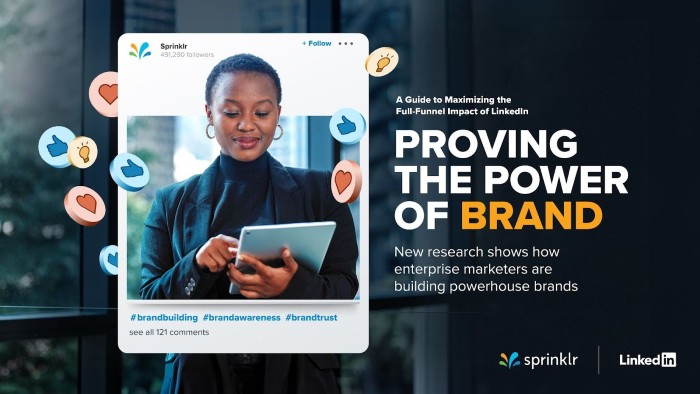
The effectiveness of the Best Answer Marketing framework is illustrated by successful campaigns. A notable example involves a collaboration between Sprinklr and LinkedIn, which generated 4.6 million targeted impressions, a 370% higher engagement rate, and 1,100 qualified leads. This initiative demonstrates the power of integrated strategies in achieving significant marketing outcomes.
Further examples of B2B influencer marketing, a key component of building belief and reach within the BAM framework, can be found in case studies featuring work with Adobe, Smartsheet and Microsoft Teams, LinkedIn, Dell, Demandbase, and Monday.com. These collaborations highlight how strategic partnerships can amplify brand messaging and drive tangible results.
For organizations seeking to implement this strategic approach, resources like the BAM Action Plan are available, along with direct consultation to address specific needs and questions. In an era of unprecedented complexity and evolving buyer behavior, the Best Answer Marketing framework provides a clear, actionable path for B2B brands to not only survive but thrive by becoming the indispensable source of truth and value for their target audiences.

 Sagoh
Sagoh
 Asep Darmawan