rifanmuazin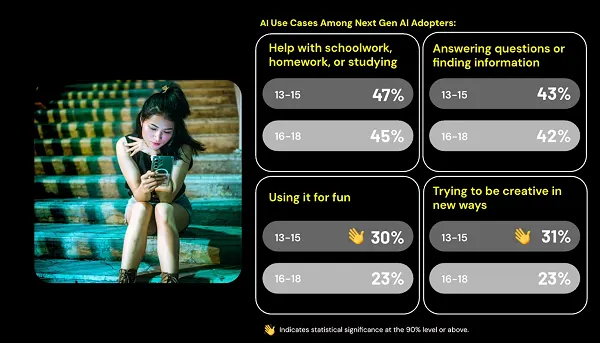
Snapchat has released significant new insights into how teenagers globally engage and interact with digital platforms, content, and emerging technologies like Artificial Intelligence. The detailed report, born from a partnership with Omnicom Media and Alter Agents, provides a critical lens into the latest usage trends among young individuals across five international markets, offering valuable data for marketers, policymakers, educators, and the broader public keen on understanding the evolving digital landscape of the next generation. This extensive study delves into the nuanced ways adolescents navigate relationships, consume content, and interact with technology, revealing a cohort that is both digitally native and surprisingly discerning.
The impetus for this comprehensive research stems from a growing global conversation surrounding youth well-being, digital literacy, and the pervasive influence of social media. As debates intensify around screen time, online safety, and the potential impacts of digital platforms on mental health, understanding the actual experiences and perceptions of teenagers becomes paramount. Snapchat, a platform predominantly utilized by younger demographics, commissioned this study to gain direct, unvarnished insights, thereby informing its own product development, safety initiatives, and broader strategic communications. The collaboration with Omnicom Media, a global media services company, and Alter Agents, a market research firm, ensured a robust methodological approach, capturing diverse perspectives from various cultural contexts. This multi-market approach is particularly crucial, as teen behaviors and technological integration can vary significantly across different regions, providing a more holistic understanding than a single-market study.
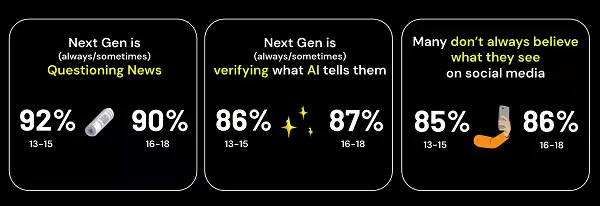
One of the most striking revelations from the report centers on the high degree of digital skepticism exhibited by today’s teenagers. Contrary to popular assumptions that younger generations uncritically consume online content, Snapchat’s findings indicate a sophisticated level of media literacy. As the report articulates, "This generation hasn’t changed what it means to be a teenager. They’re still checking in with friends, gossiping, doing homework, figuring out relationships – just in more digital spaces and often on social platforms. However, they balance being teenagers with the adult habit of questioning everything they see online. They’re often fact-checking the news, verifying what AI tells them, and many don’t always believe what they see on social media." This insight underscores a crucial shift in how information is processed by digital natives. In an era plagued by misinformation, disinformation, and increasingly sophisticated deepfakes, this inherent skepticism could serve as a vital protective mechanism. The ability to critically evaluate online sources, cross-reference information, and identify potential biases is a skill that many adults are still grappling with, making the widespread adoption of such practices among teenagers a hopeful indicator for future digital resilience. This finding is particularly pertinent given the rapid advancements in AI-generated content, which can blur the lines between reality and fabrication, posing unprecedented challenges to information veracity.
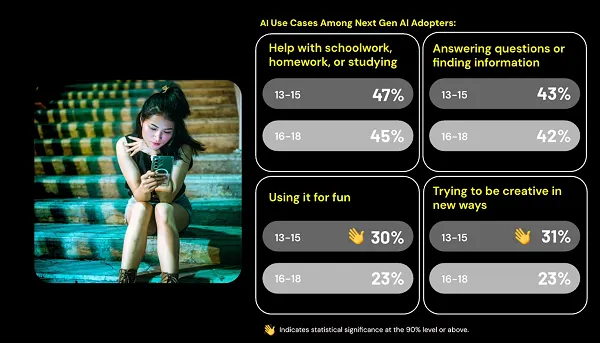
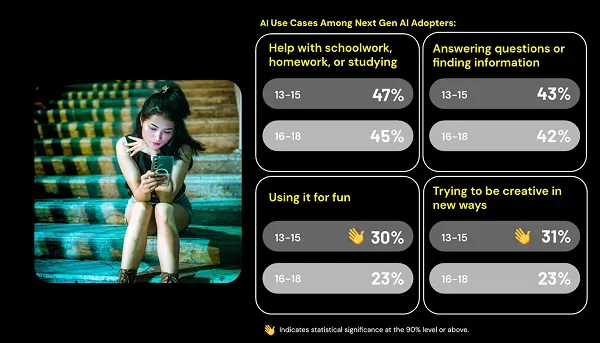
The study placed a significant focus on Artificial Intelligence, exploring both how teenagers interact with AI tools and their broader perceptions of this rapidly evolving technology. The findings reveal a fascinating generational divide in optimism regarding AI’s future impact. Younger teens, aged 13 to 15, demonstrated a markedly more positive outlook, with 55% believing AI will have a mostly positive impact on their generation’s future. In contrast, only 37% of older teens, aged 16 to 18, shared this level of optimism. This divergence suggests that those who have grown up with AI as an increasingly integrated part of their daily lives – from smart assistants and personalized recommendations to generative AI tools like ChatGPT – may view it with less apprehension and more as a natural extension of technological progress. Older teens, potentially more attuned to societal debates around AI ethics, job displacement, privacy concerns, and potential biases, might approach the technology with a more cautious and nuanced perspective. Snapchat itself has integrated AI features, such as ‘My AI,’ into its platform, giving many of its young users direct, personal experience with AI interactions. This daily engagement likely shapes their understanding and expectations, making their feedback particularly valuable for developers and policymakers alike. The report implicitly suggests a need for tailored educational approaches regarding AI, addressing both the enthusiasm of younger users and the critical concerns of older adolescents.
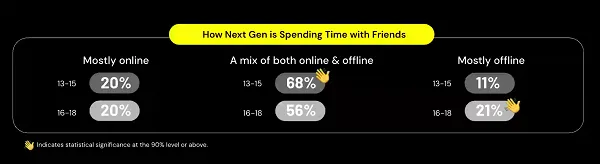
Beyond the realm of AI and information literacy, the research also meticulously examined how teenagers allocate their time between online and offline social interactions. The findings logically indicate that older teens, possessing greater autonomy and freedom, spend more time engaging with friends in real-life settings. Conversely, for younger teens, who often have less liberty to leave their homes independently, online engagement emerges as a foundational element of their interactive processes. This distinction highlights the indispensable role that digital platforms play in facilitating social connection and community building for younger adolescents. These platforms serve as virtual extensions of their social lives, enabling constant communication, shared experiences, and identity exploration that might otherwise be constrained by physical limitations or parental supervision.
This particular finding directly counters a prevailing argument often cited in discussions surrounding teen social media bans. Proponents of such bans, which aim to restrict younger users’ access to social applications, frequently assert that these platforms have a detrimental impact on real-world social engagement, advocating for a return to more offline behaviors to "protect" children from perceived harms. However, Snapchat’s report, alongside other research, suggests a more complex reality: for many young individuals, particularly those with limited physical mobility, digital platforms are not merely a substitute for offline interaction but a vital conduit for maintaining and developing social ties. The report implicitly argues that instead of outright prohibition, a more effective solution might lie in enhanced digital literacy education, equipping teens with the tools to navigate online spaces safely and constructively, rather than isolating them from peer networks that are increasingly digital-first. For instance, recent legislative attempts in states like Florida and Utah to ban social media for minors have sparked considerable debate, with critics arguing that such measures could inadvertently isolate vulnerable teens and infringe upon their rights to free expression and association, while failing to address the root causes of potential harms.
The study further expanded its scope to document popular offline activities among teenagers, providing a holistic view of their leisure and developmental pursuits. These activities, which vary from sports and hobbies to family time and community involvement, illustrate that while digital engagement is significant, it exists alongside a rich tapestry of traditional adolescent experiences. Understanding this balance is crucial for developing policies and products that support a well-rounded youth development. Complementing this, the report also delved into the profound influence of online creators on teens’ entertainment consumption and engagement diets. In an age where traditional media often competes with individual content creators, influencers, and streamers, these figures have become powerful arbiters of culture, trends, and even aspirations. Teenagers frequently turn to creators for entertainment, education, inspiration, and even a sense of community, forming parasocial relationships that can significantly shape their perspectives and behaviors. This underscores the need for platforms to support responsible creator ecosystems and for educators to help teens critically evaluate the content and messages they receive from these influential figures. The rise of the creator economy means that many teens are not just consumers but also aspiring creators themselves, further blurring the lines between passive consumption and active participation in digital culture.
In conclusion, Snapchat’s comprehensive research offers a trove of interesting and potentially transformative insights into the contemporary teenage experience. The findings challenge simplistic narratives about youth digital engagement, revealing a generation that is both adept at leveraging technology for connection and surprisingly sophisticated in its critical evaluation of online information. The differentiated optimism towards AI, the crucial role of digital platforms in younger teens’ social lives, and the pervasive influence of online creators all point to a complex, dynamic relationship between young people and technology.
For marketers, these insights are invaluable for crafting authentic and effective communication strategies that resonate with a digitally savvy and discerning audience. Understanding where teens spend their time, what influences them, and how they perceive emerging technologies is essential for future brand engagement. For educators and policymakers, the report highlights the urgent need for robust digital literacy programs that move beyond basic internet safety to foster critical thinking, media evaluation, and responsible AI interaction. It also reignites the debate around social media bans, suggesting that a nuanced approach focused on education and empowerment may be more beneficial than outright prohibition, recognizing the social and developmental benefits platforms offer to many young users. Furthermore, for parents, these findings provide a factual basis for informed discussions with their children about online habits, content consumption, and the responsible use of AI. Ultimately, this study serves as a critical resource for a broader societal understanding of what it means to grow up in an increasingly digital and AI-driven world, providing foundational knowledge for shaping the future of technology and its impact on the next generation of global citizens.