The digital marketing landscape has been particularly dynamic this week, marked by significant developments across Google’s search algorithms, advertising platforms, and artificial intelligence initiatives. Industry observers are closely monitoring an unusual and pronounced period of Google Search ranking volatility, while the tech giant also unveiled crucial remedies following an ad tech monopoly ruling. Further signaling its strategic pivot towards AI, Google launched a pilot program to compensate publishers for their content’s contribution to Gemini, AI Mode, and AI Overviews. These and other updates, from new Google Search profile features to a fresh look at Google Analytics dashboards, paint a picture of an ecosystem in constant flux, demanding vigilance and adaptation from SEO professionals, advertisers, and content creators alike.
Unprecedented Google Search Ranking Volatility Raises Industry Eyebrows
The search community has been abuzz with reports of significant and "unusual" Google Search ranking volatility, extending over more than a week and culminating in a notable spike during the current period. This sustained turbulence has led many SEO professionals and webmasters to speculate about the nature of these fluctuations, which appear to deviate from typical daily algorithm shifts or even standard core update rollouts. While Google frequently updates its algorithms, the prolonged and intense nature of the recent volatility suggests a deeper, potentially foundational change or extensive testing within its core ranking systems.
Historically, Google’s algorithm updates, particularly "core updates," are announced and often result in widespread ranking shifts. However, unconfirmed volatility, such as that observed recently, can be more perplexing. It leaves webmasters without official guidance, forcing them to meticulously analyze their analytics data and industry trends to identify potential causes. Factors such as a broad-ranging quality update, adjustments to how user engagement signals are interpreted, or even tests of new AI-driven ranking components could be contributing. The lack of an official statement from Google on the matter has only intensified speculation, with many professionals advising a cautious approach: focusing on fundamental SEO best practices, high-quality content, and strong technical foundations rather than making knee-jerk reactions to transient ranking changes. The duration and intensity of this volatility underscore the need for continuous monitoring and a robust understanding of SEO principles.
Google’s Ad Tech Monopoly: Remedies Unveiled Following Landmark Ruling
Following a pivotal legal ruling concerning its ad technology practices, Google has now outlined a series of remedies aimed at addressing concerns over its alleged monopolistic behavior in the digital advertising market. This development stems from a broader global scrutiny of Google’s dominance in ad tech, including significant antitrust lawsuits from the U.S. Department of Justice and various European regulatory bodies. The core of these allegations often revolves around Google’s role as a publisher, advertiser, and ad exchange operator, creating a perceived conflict of interest that could disadvantage competitors and inflate advertising costs.
While the specifics of the remedies were not fully detailed in the summary, such measures typically involve structural or behavioral changes designed to foster greater competition. These could include unbundling certain ad tech services, modifying auction dynamics to ensure fairness, or providing more transparent access to data for third-party advertisers and publishers. The financial implications for Google could be substantial, potentially impacting its multi-billion-dollar ad revenue streams. For advertisers and publishers, these remedies could signal a shift towards a more equitable and competitive advertising ecosystem, potentially leading to lower ad costs, increased efficiency, and a wider array of choices in ad tech partners. This move represents a significant moment in the ongoing efforts to regulate big tech and ensure fair competition in critical digital markets.
AI Contribution Pilot: Google to Compensate Publishers for Content Used by Gemini, AI Mode, and AI Overviews
In a landmark move addressing growing concerns over intellectual property rights and fair compensation in the age of generative AI, Google has launched an AI contribution pilot program designed to pay publishers for their content used within its AI products, specifically Gemini, AI Mode, and AI Overviews. This initiative marks a crucial step by Google to establish a sustainable and ethical framework for integrating publisher content into its rapidly evolving AI-driven search and conversational tools. The rapid development of large language models (LLMs) has sparked widespread debate regarding the sourcing and monetization of training data, particularly when it involves copyrighted material from news organizations and other content providers.
This pilot program acknowledges the significant value that high-quality, human-generated content brings to the accuracy, relevance, and overall utility of AI systems. By offering compensation, Google aims to foster a collaborative relationship with publishers, mitigating potential legal challenges and encouraging continued creation of valuable content. The exact mechanics of the payout structure, including criteria for eligibility, compensation rates, and integration methods, are likely to be refined during the pilot phase. However, the precedent set by this program could reshape the economics of digital publishing, offering a new revenue stream for content creators whose work inadvertently fuels AI development. Publishers have long sought fair compensation for their content, especially as AI tools begin to synthesize and present information directly, potentially reducing traffic to original sources. This pilot is a direct response to those concerns, indicating a potential industry shift towards a more symbiotic relationship between AI platforms and content originators.
Advanced AI Integration: Google Search Live Powered by Gemini 3.8 Live
Further demonstrating its commitment to integrating advanced artificial intelligence into its core products, Google Search Live is now powered by the new Gemini 3.8 Live. This enhancement signifies a substantial leap in the capabilities of real-time search, leveraging the sophisticated understanding and conversational prowess of Gemini 3.8 to deliver more dynamic, interactive, and contextually aware search experiences. Gemini 3.8, as Google’s cutting-edge AI model, is known for its improved reasoning, multimodal capabilities, and ability to process information with greater nuance and speed.
The integration of Gemini 3.8 Live into Search Live suggests a future where search is less about static blue links and more about immediate, personalized, and conversational interactions. Users can expect more precise answers, richer summaries, and potentially even proactive suggestions based on their queries, all delivered in real-time. This move aligns with Google’s broader vision of an "AI-first" approach to search, where AI not only understands queries but anticipates needs and provides comprehensive, synthesized information. For businesses and content creators, this necessitates a deeper understanding of how their content can be optimized for AI comprehension and retrieval, moving beyond traditional keyword-centric SEO to focus on semantic richness and authoritative information.
Enhanced User Experience: Google Search Profiles Revamped
Google has rolled out a series of significant updates to its Search profiles, aiming to enhance user experience, simplify account management, and foster greater engagement. The redesign includes a fresh aesthetic, promising a more intuitive and visually appealing interface. Crucially, Google has reduced the follower requirement for certain profile features, making it easier for a wider range of users and creators to establish a presence and connect with an audience. Additionally, new badges have been introduced, likely serving as indicators of verification, achievement, or community contributions, echoing gamification strategies seen on other social platforms.
These changes reflect Google’s ongoing efforts to evolve its search experience beyond mere information retrieval, transforming it into a more personalized and interactive environment. By lowering barriers to entry for creators and offering new engagement tools, Google is likely seeking to cultivate a stronger sense of community within its search ecosystem, potentially rivaling aspects of traditional social media platforms. For individuals and brands, these enhanced profiles offer new avenues for visibility, personal branding, and direct engagement with users interested in specific topics or expertise. The easier account management also streamlines the process of maintaining an active presence, encouraging more consistent interaction and content sharing.
Local Search Evolution: Knowledge Panels Transition to AI Overviews
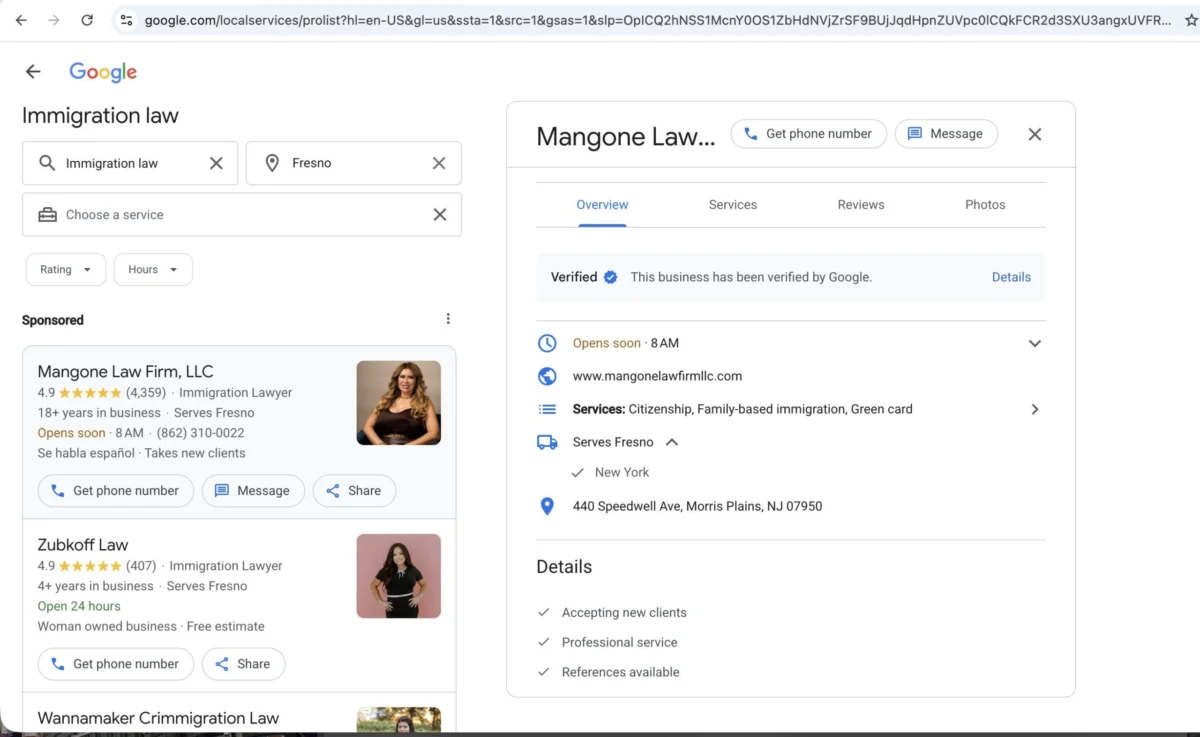
In a significant shift for local businesses and consumers seeking local information, Google’s local knowledge panels are progressively transforming into AI Overviews. This evolution marks a strategic move by Google to integrate its generative AI capabilities directly into the local search experience, aiming to provide more comprehensive, synthesized, and immediate answers to local queries. Traditionally, knowledge panels offered a structured summary of business information, reviews, and practical details.
The transition to AI Overviews for local businesses suggests that Google’s AI will now synthesize information from multiple sources – including business profiles, reviews, websites, and potentially even user-generated content – to provide a more holistic answer directly within the search results. This could mean more dynamic summaries of business offerings, AI-generated comparisons, or tailored recommendations based on user context. For local businesses, this change underscores the critical importance of maintaining accurate and detailed online information across all platforms, as Google’s AI will draw from a wider pool of data. Optimizing for local SEO, including Google Business Profile management, structured data, and review management, becomes even more paramount to ensure that AI Overviews accurately and favorably represent a business.
Chrome User Experience Report Adds Four Ad Metrics
Google has updated its Chrome User Experience Report (CrUX) to include four new advertising-related metrics. CrUX is a public dataset of real user experience data on millions of websites, providing valuable insights into how users perceive web performance. The addition of ad metrics signals Google’s increasing focus on the impact of advertising on overall user experience and page performance, particularly in the context of Core Web Vitals and broader web standards.
While the specific metrics were not detailed, they are likely to measure aspects such as ad loading times, ad layout shifts, or the overall impact of ads on page responsiveness. These metrics will provide web developers, publishers, and advertisers with more granular data to understand how ads affect user experience and site speed. The move is consistent with Google’s long-standing push for a faster, less intrusive web, and it empowers site owners to make data-driven decisions about ad placement, ad network choices, and overall ad implementation strategies. Ultimately, sites that optimize these new ad metrics are likely to benefit from improved user engagement, better SEO performance, and potentially higher ad viewability.
Google Search Console Updates: Missing Data and Evolving Position Reporting
Webmasters relying on Google Search Console (GSC) for critical insights into their site’s performance have noted an issue: the page indexing report is currently missing a chunk of data. Such data discrepancies in GSC can cause significant concern for site owners, as the report is vital for understanding how Google indexes their content, identifying crawl errors, and troubleshooting technical SEO issues. While temporary glitches in data reporting are not unheard of, prolonged or significant data gaps can hinder effective website management and optimization efforts.
In related news, Google also indicated that its position reporting within the performance report in Search Console "may evolve over time." This statement suggests that Google is considering or actively developing changes to how it calculates and displays keyword positions. The current methodology, which often reports an average position, can sometimes be challenging to interpret given the personalized and dynamic nature of search results. Potential evolutions could include more nuanced reporting that accounts for various search features, user contexts, or device types, providing webmasters with a more accurate and actionable understanding of their content’s visibility. This would require webmasters to adapt their analysis methods but could ultimately lead to more precise SEO strategies.
E-commerce & Local Search Enhancements
Google continues to refine its support for local businesses and e-commerce platforms. The search giant now explicitly supports local business queries within its aggregator and supplier units, a development that further streamlines how users discover and interact with local services and products through specialized search features. This integration suggests an ongoing effort to enhance the utility of Google’s various specialized search verticals for local intent, making it easier for users to find what they need directly within Google’s ecosystem.
For e-commerce sites, Google has reiterated the critical need to accurately label adult products in their feeds. This policy, designed to ensure user safety and compliance with content guidelines, carries implications for product visibility and potential penalties if not adhered to. Merchants must ensure their product data feeds are meticulously maintained and adhere to Google’s content policies to avoid listings being disapproved or accounts being suspended.
Regarding a past issue, "whatever happened with Google Discover not showing on desktop" was addressed, indicating that Google has clarified or resolved the matter, though specific details were not provided in the summary. This likely pertains to the platform’s strategic focus on mobile devices for Discover, with desktop integration being less prominent or differently implemented.
Google Ads Innovations and Competitive Landscape Shifts
The advertising sphere is also seeing considerable innovation. Google Ads has introduced a new spend benchmark report, allowing advertisers to compare their expenditure and performance against competitors. This invaluable tool provides critical competitive intelligence, enabling businesses to refine their bidding strategies and budget allocations based on industry trends. Additionally, Google Ads has launched a product value optimization beta, a feature designed to help advertisers maximize the value of their conversions, moving beyond simple conversion counts to focus on the profitability and quality of leads or sales.
In a significant test, Google AI Mode is exploring text link ads, indicating the potential expansion of advertising formats within its AI-driven interfaces. Furthermore, Google product listings are now linking directly to the merchant’s site in a new test, bypassing intermediate landing pages and potentially improving the user journey and conversion rates for e-commerce businesses. Google Merchant Center also announced its AI performance report is live, alongside easier UCP (Universal Product Content) integration, streamlining product data management and performance analysis for merchants. The Google Ads August 17th bidding update concluded on August 27th, with preliminary data from Mike Ryan indicating its impact on campaign performance.
Beyond Google, the broader AI and search landscape is evolving rapidly. OpenAI is reportedly teasing Sponsored Agents ads on ChatGPT, signaling a move towards monetizing its popular AI chatbot platform with advertising. Meanwhile, Bing is testing a shopping filter on the left side of its search results, a user interface enhancement aimed at improving the shopping experience and competitive offerings against Google Shopping. Finally, Google Analytics now features new dashboards, providing users with more customizable and insightful ways to visualize and analyze their website data, enhancing reporting capabilities for marketers and analysts.
This week’s developments underscore a period of intense transformation across the digital marketing spectrum. From significant algorithmic shifts in search to new monetization models for AI-generated content and evolving ad tech regulations, the industry is navigating a complex landscape. Professionals must remain agile, informed, and proactive in adapting their strategies to these ongoing changes to maintain visibility, drive traffic, and achieve their business objectives.
Sponsor Spotlight: Yahoo Scout
In this dynamic environment, tools that offer clarity and confidence are invaluable. Yahoo Scout emerges as an AI answer engine specifically engineered to provide quick, reliable answers. Leveraging 30 years of Yahoo’s search expertise, Scout helps users explore news, local insights, entertainment, technology, and more, delivering clear responses complemented by cited sources and visuals for enhanced understanding. As the digital information landscape grows increasingly complex, tools like Yahoo Scout aim to cut through the noise, offering a streamlined path to knowledge.