The contemporary music landscape presents a paradoxical challenge for artists: unprecedented reach coupled with intense competition. While platforms like Spotify, YouTube, and TikTok offer global stages, they also host an estimated 100,000 new songs daily, creating an overwhelming digital din where individual voices can easily be lost. In this hyper-saturated environment, musicians face the "nightmare" of viral trends and fleeting moments of recognition without converting them into lasting fan engagement or sustainable careers. The critical, yet often overlooked, solution lies in Search Engine Optimization (SEO), a strategic approach that transforms passive interest into active discovery and enduring connection.
The Evolving Landscape of Music Discovery
Music discovery has undergone a profound transformation over the past century, evolving from localized and centralized models to a globally distributed and highly competitive digital ecosystem. From the dominance of radio and record stores in the mid-20th century to the MTV era of visual marketing, and later the digital revolution heralded by file-sharing platforms and digital downloads, each phase introduced new gatekeepers and new avenues for artists to reach audiences. The advent of streaming services in the 2010s democratized distribution, allowing virtually anyone to upload music, but simultaneously fragmented listener attention across myriad platforms. According to industry reports, the sheer volume of new content makes it increasingly difficult for artists to stand out, even with robust distribution channels.
Social media, particularly TikTok and Instagram, emerged as powerful discovery engines, capable of catapulting songs to global virality overnight. In 2023, TikTok alone reported over a billion monthly active users, many of whom engage directly with music-related content. However, these platforms often prioritize short-form content and algorithmic trends, leading to a situation where a song’s popularity can overshadow the artist’s identity. Listeners may recall a catchy melody or a dance challenge, but struggle to remember the creator behind it. This phenomenon underscores a crucial shift: discovery is no longer a singular event but a multi-stage journey, requiring artists to be visible and accessible across numerous digital touchpoints. The challenge for artists today is not just to be heard, but to be remembered and found again.
Why Search Engine Optimization is Indispensable for Musicians
While streaming and social media are undeniably vital for initial exposure, they function primarily as broadcast channels. Search engines, conversely, serve as intent-driven discovery platforms where users actively seek information. When a listener hears a new track on TikTok or Spotify, their natural next step is often to "Google" the artist’s name, search for lyrics, find tour dates, or explore their discography. SEO ensures that when this curiosity arises, accurate, comprehensive, and engaging information about the artist is readily available.
The competitive intensity of streaming platforms further elevates SEO’s importance. With over 100,000 songs uploaded to Spotify alone each day, simply existing on these platforms is insufficient for long-term success. Artists need to cultivate a robust online presence that extends beyond these walled gardens, offering a dedicated space where fans can delve deeper into their work. A well-optimized website, artist pages, and content that ranks well in search results provide this vital link, converting fleeting interest into sustained engagement. Data consistently shows that Google remains the dominant search engine globally, processing billions of queries daily. This ubiquity makes it an indispensable tool for artists aiming to capture the millions of music-related searches occurring every hour. From "best indie bands in [city]" to "[artist name] tour dates" or "[song title] lyrics," these queries represent direct opportunities for artists to connect with highly engaged audiences.
Moreover, SEO creates visibility that endures. Unlike the ephemeral nature of social media posts, which typically have a lifespan of hours or days, content optimized for search engines can continue to attract visitors months or even years after publication. A well-ranking lyrics page, an artist biography, or a concert announcement becomes a perpetual marketing asset, working tirelessly to drive traffic and build connections. This long-tail visibility is particularly crucial for independent musicians, allowing every piece of content to contribute to their discoverability over time. This sustained presence is vital for building a stable and recognizable brand in an otherwise fast-paced digital environment.
Building Your Digital Foundation: Key SEO Strategies for Artists
For musicians aiming to grow their audience, increase streams, and cultivate a loyal fanbase, a strategic SEO approach is paramount. This involves establishing a robust digital ecosystem where every element works in harmony to enhance discoverability.
1. Establishing Your Digital Headquarters: The Artist Website
At the core of an artist’s SEO strategy should be a proprietary website. For many independent musicians, their online presence is a fragmented collection of social media profiles and streaming links. A dedicated website, however, serves as the central "artist headquarters," a controlled environment where musicians can present their complete story, discography, and brand identity without the distractions or limitations of third-party platforms. This self-owned platform reduces reliance on third-party algorithms and policies that can change without notice.
A comprehensive artist website should include:
- An engaging artist biography: Detailing their journey, influences, and musical philosophy.
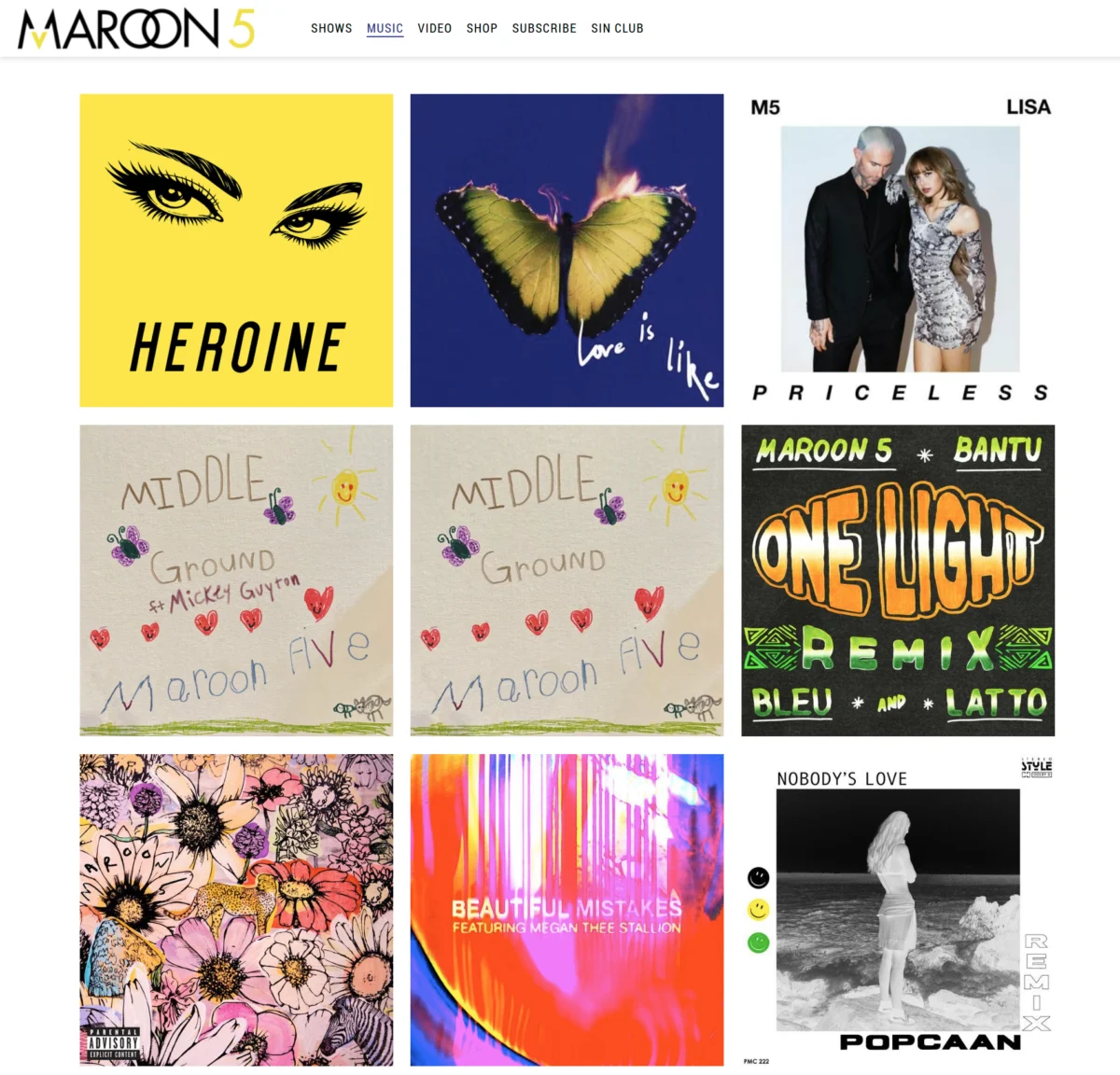
- A complete discography: With dedicated pages for each release, linking to streaming services and purchase options.
- Tour dates and event listings: Kept current and easily accessible.
- High-quality multimedia: Including music videos, lyric videos, live performance footage, and studio sessions.
- Merchandise store: Offering physical and digital products.
- Contact information and electronic press kit (EPK): Essential for promoters, journalists, and booking agents.
- A blog or news section: For updates, behind-the-scenes content, and deeper dives into their music.
By consolidating all essential information in one place, artists provide a richer, more controlled experience for fans and a clearer signal to search engines about their identity and offerings. Platforms like Bluehost’s AI Website Builder can simplify the creation of professional artist sites, even for those without extensive design or technical expertise, making a strong online presence accessible to all.
2. Maximizing Music Discovery: Release Pages and Content Creation
Every song, EP, or album release represents a significant marketing opportunity that extends beyond mere uploading to streaming services. Each release warrants its own dedicated, optimized page on the artist’s website. These pages should go beyond a simple link, offering rich context such as:
- The story behind the music: Inspiration, creative process, and meaning.
- Full lyrics: A highly searched item that can drive significant organic traffic, as listeners frequently search for song lyrics.
- Credits: Producers, engineers, collaborators.
- Embedded music videos and visualizers: Enhancing engagement.
- Links to all streaming platforms and purchase options: Consolidating access.
- High-resolution artwork: For visual appeal and press.
These detailed pages cater to fan curiosity and provide search engines with ample information to understand and rank the content for relevant queries, such as "[song title] lyrics," "[artist name] new album," or "[genre] artists like [artist name]." The strategic use of keywords, not by "stuffing" but by naturally describing the music and its context, helps search engines connect the artist’s work with the right audience.
Furthermore, repurposing music into diverse content formats through a blog or news section is a powerful SEO tactic. Every song carries a narrative—the genesis of a lyric, the challenges of recording, the personal experiences that shaped a track. Sharing these stories through blog posts, interviews, or "track-by-track" breakdowns not only deepens fan connection but also generates new, searchable content. This content can include:
- Song analysis and lyrical explanations.
- Behind-the-scenes studio diaries.
- Tour recaps and personal anecdotes.
- Gear reviews or production tips.
- Collaborator spotlights.
Such content enriches the artist’s online footprint, provides answers to potential fan questions, and creates more opportunities for organic discovery through various search queries, turning every piece of creative work into a discoverable asset.
3. Leveraging Visuals: Video SEO and Multimedia Engagement
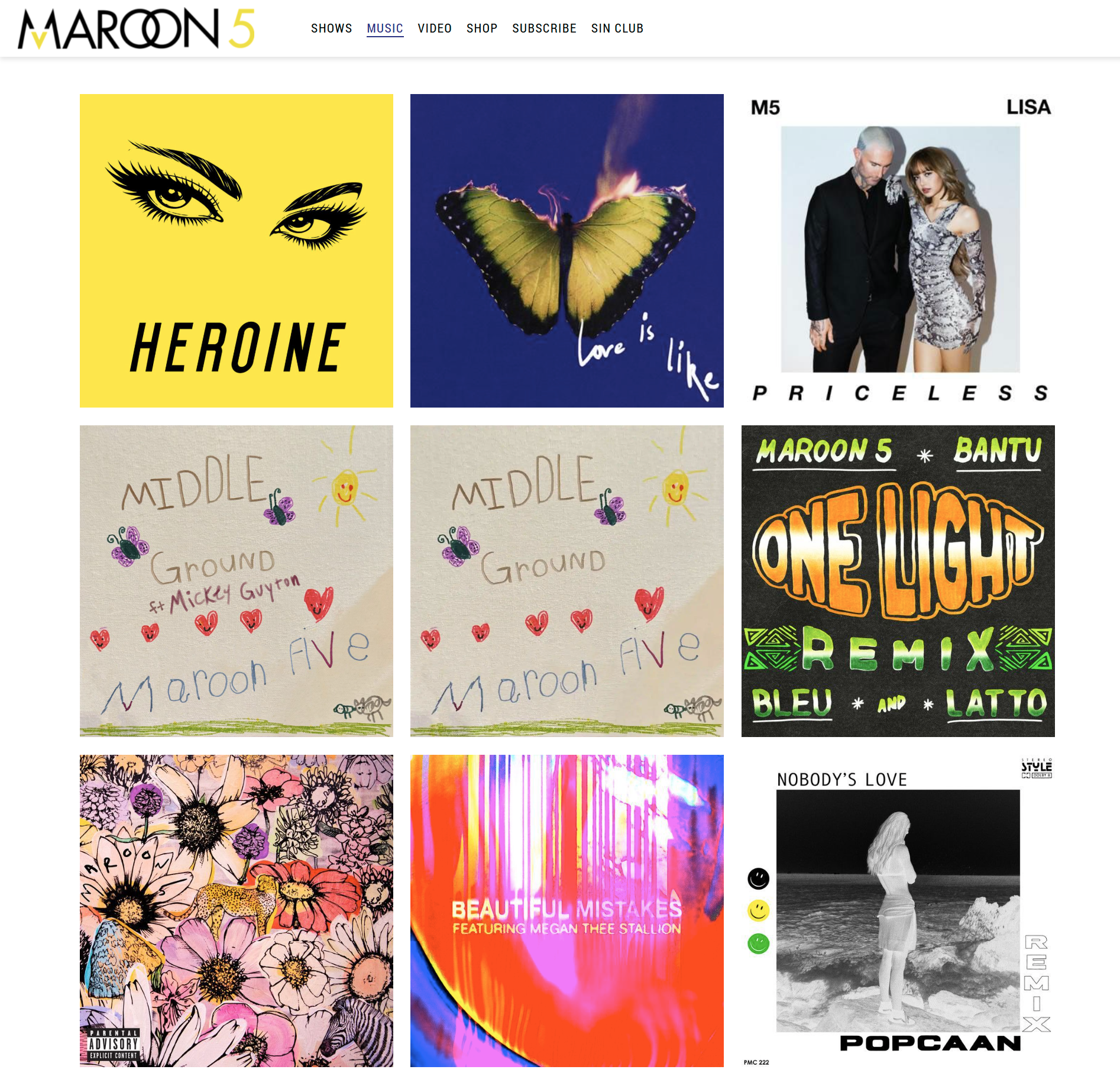
In an increasingly visual world, music videos, lyric videos, live performances, and studio footage are crucial for artist branding and fan engagement. However, simply uploading these to platforms like YouTube is not enough; they must be optimized for search. Video SEO involves:
- Descriptive titles and rich descriptions: Including keywords related to the artist, song, genre, and content.
- Relevant tags: To help categorize the video.
- Transcripts or captions: Making content accessible and providing textual context for search engines.
- Thumbnails: Eye-catching images that encourage clicks.
- Embedding videos on the artist’s website: Pairing them with supporting textual content (lyrics, blog posts) provides search engines with more context, enhancing their understanding and potential ranking. Tools like Yoast’s video SEO feature automatically add video schema (structured data) to WordPress sites, which is invaluable for improving how videos appear in search results, often with rich snippets that include thumbnails and direct play options.
4. Amplifying Authority: External Mentions and E-E-A-T
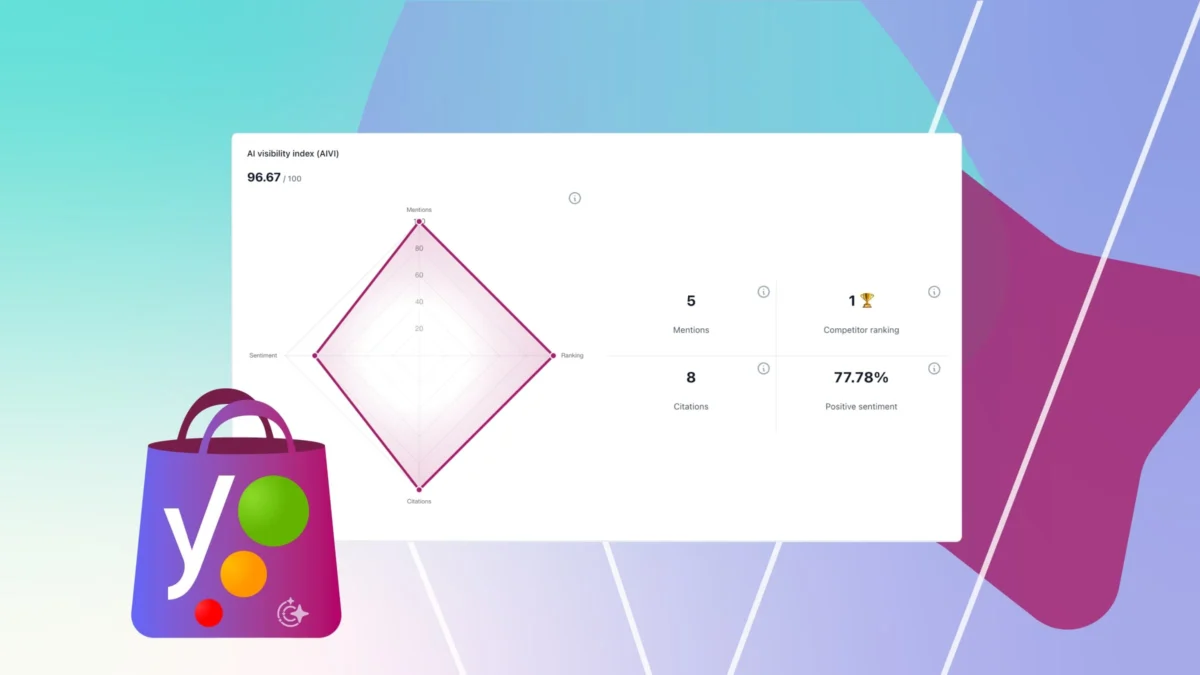
Beyond direct content creation, earning mentions from reputable music blogs, publications, podcasts, and industry websites is a cornerstone of effective SEO, particularly concerning Google’s E-E-A-T (Experience, Expertise, Authoritativeness, and Trustworthiness) guidelines. When trusted external sources review an album, feature an artist, or conduct an interview, it signals to search engines and increasingly, AI systems, that the artist is a credible and noteworthy entity within their field. These "backlinks" and mentions act as votes of confidence, enhancing the artist’s perceived authority and boosting their search rankings.
Artists should actively seek opportunities for:
- Album reviews and single premieres: From established music critics or influential blogs.
- Interviews and features: In relevant online magazines, podcasts, or local news outlets.
- Collaborations: With other respected artists, producers, or industry figures.
- Mentions in curated playlists or industry roundups: On reputable platforms.
As AI-powered search tools become more prevalent, the importance of a strong, verifiable digital footprint built on consistent, trustworthy mentions will only grow. AI systems rely on these external signals to confidently recommend artists and provide accurate information, making E-E-A-T a critical factor in future music discovery.
Beyond Streams: SEO for Bookings and Merchandise Sales
While growing a streaming audience is a primary goal for many, SEO’s utility extends significantly to other vital revenue streams: live performances and merchandise sales.

1. Targeting Local Opportunities: Gigs and Events
For musicians aiming to secure more live gigs—be it weddings, corporate events, festivals, or private parties—local SEO is paramount. Event organizers rarely search for specific band names initially; instead, they seek services in particular geographic locations. Queries like "wedding bands in [city]," "live music for corporate events [region]," or "jazz trio for hire [town]" are common.
Artists should optimize their websites by:
- Explicitly mentioning service areas: On dedicated booking pages, FAQs, and contact sections.
- Creating specific pages for different event types: "Wedding Band Services," "Corporate Event Entertainment," "Festival Appearances," each optimized with relevant local keywords.
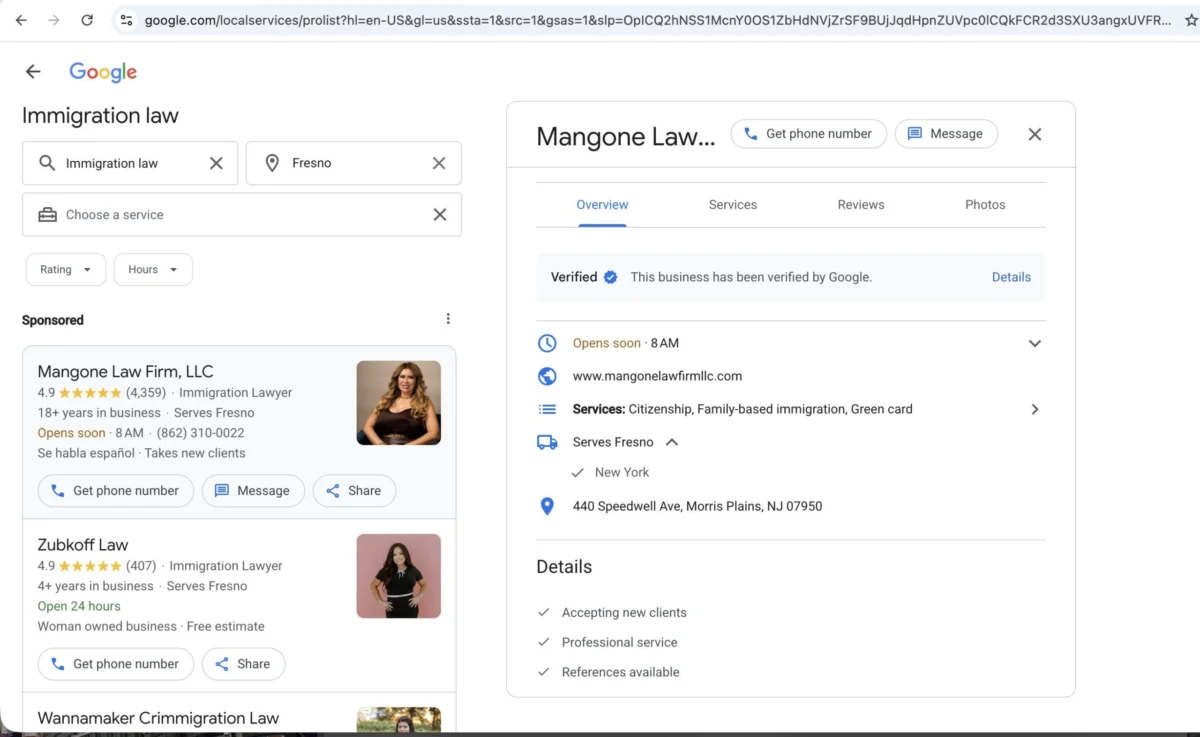
- Registering with Google My Business (or similar local directories): Ensuring accurate location information, reviews, and services are discoverable in local search results and map applications.
- Collecting local testimonials: Featuring positive feedback from clients in specific areas.
By providing clear geographical signals, artists can connect directly with event planners and venue managers actively searching for their services in their performance zones. Tools like Yoast SEO Premium’s local SEO feature can further strengthen an artist’s local presence by integrating critical business details and structured data.
2. Monetizing Your Brand: E-commerce for Musicians
Once fans are on an artist’s website, providing clear avenues for financial support beyond streaming is crucial. SEO plays a vital role in directing fans to merchandise. Whether selling physical albums, apparel, posters, sheet music, or digital downloads, an optimized online store acts as a direct-to-fan sales channel, allowing artists to retain a larger share of revenue compared to third-party marketplaces.
Key e-commerce SEO tactics for musicians include:
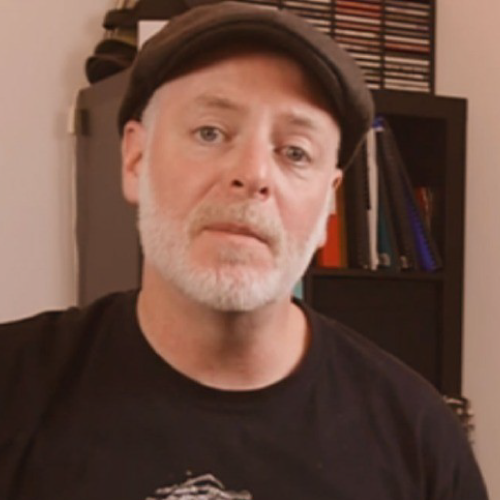
- Dedicated product category pages: For T-shirts, vinyl, CDs, accessories, etc.
- Unique, descriptive product titles and descriptions: Incorporating keywords fans might use, such as "official [artist name] T-shirt," "signed [album name] vinyl," or "[genre] guitar tabs."
- High-quality product images: With optimized alt text.
- Clear pricing, sizing, and shipping information: Enhancing user experience.
- Connecting merchandise to music: Linking relevant products (e.g., vinyl, T-shirts) directly from individual song or album release pages.
E-commerce SEO tools, such as Yoast WooCommerce SEO, can further enhance product visibility by improving structured data, meta descriptions, and social sharing information, ensuring that search engines effectively index and display merchandise to interested buyers. Every product page becomes an additional entry point for fans seeking to support their favorite artists directly.
Navigating the Future: AI, Structured Data, and SEO Tools
The rapid advancement of artificial intelligence, particularly large language models (LLMs) and AI-powered search, is reshaping the digital landscape. As highlighted by the Yoast Perspective Report, a significant majority of SEO professionals (65%) believe that optimizing for LLMs is either synonymous with or an extension of traditional SEO. The fundamental principles remain: clear, relevant, well-structured content that addresses user intent.
For musicians, this means embracing structured data (schema markup) on their websites. This code helps search engines understand the context of content—identifying a page as a "music release," an "event," or an "artist profile." This semantic understanding is critical for AI systems to accurately interpret, summarize, and recommend music and artists. Tools like Yoast SEO simplify this by automatically adding schema markup, ensuring that an artist’s website communicates effectively with the evolving algorithms of search engines and AI assistants.
The goal is not to "chase algorithms" but to build a robust, understandable digital presence that serves both human users and advanced AI. When an AI assistant is asked for "artists similar to [artist name]" or "tour dates for [band]," a well-optimized website with structured data provides the confidence for these systems to deliver accurate and relevant answers. Music producer and marketing strategist Jesse Cannon, for instance, advocates for SEO tools like Yoast to simplify the technical aspects, allowing artists to focus on their craft while ensuring their music remains discoverable.
Voices from the Industry: Practical Applications
The efficacy of SEO for musicians is echoed by professionals across the music industry:
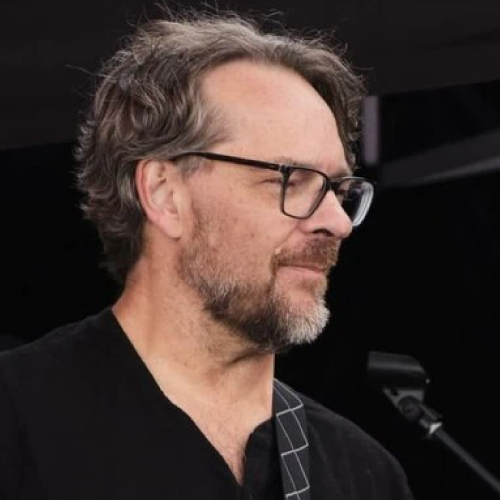
John Bowman, Host of On Air with Johnny B: Bowman, who runs a music-focused podcast, emphasizes treating a website as a "creative home base." He advises artists not to solely rely on social media but to build pages that articulate their identity, music, and how to connect. "SEO isn’t just about keywords; it’s about helping the right people find the right story at the right time," he states, crediting tools like Yoast for demystifying the process and providing clear guidance.
Anthony Pell, Guitar Educator and Author: Pell, who uses his website as a growing library of educational content, cautions against over-reliance on platforms like Instagram or YouTube. He views his website as a permanent home for his music, products, and courses, stating, "Their popularity can change over time, but