

The modern B2B software-as-a-service (SaaS) landscape is currently grappling with a significant disconnect between marketing investment and sales outcomes, primarily driven by a fundamental misunderstanding of the "request a demo" call to action (CTA). Industry data indicates that while marketing teams often increase budgets for demo-focused advertisements when lead volume drops, the underlying issue is frequently a failure to recognize the high-friction nature of booking a sales meeting. Unlike low-friction activities such as downloading a whitepaper or registering for a webinar, a demo request represents a major commitment of time and personal information from a buyer. Consequently, the optimization of SaaS demo landing pages has moved beyond simple design changes, requiring a strategic overhaul that accounts for complex buyer journeys, multi-touch attribution, and psychological trust-building.
The Evolution of the B2B Buyer Journey
The traditional sales funnel has been replaced by an increasingly protracted and non-linear path to purchase. According to the Dreamdata 2025 LinkedIn Ads Benchmark Report, the average B2B customer journey now spans approximately 211 days and involves an average of 88 distinct touchpoints. This extended timeline reflects the high-stakes nature of modern software procurement, where decisions involve multiple stakeholders and rigorous technical evaluations.
Marketing analysts observe that at any given time, only an estimated 3% to 5% of a total addressable market is in an active buying cycle. Despite this, many SaaS organizations continue to direct cold traffic—visitors with little to no prior brand awareness—directly to demo request pages. This misalignment of intent and offer is cited as the primary driver of low conversion rates and poor lead quality. Experts argue that a demo landing page should not be the introduction to a product but rather the final destination for a buyer who has already conducted significant research and narrowed their shortlist.
The Core Four Framework for Landing Page Strategy
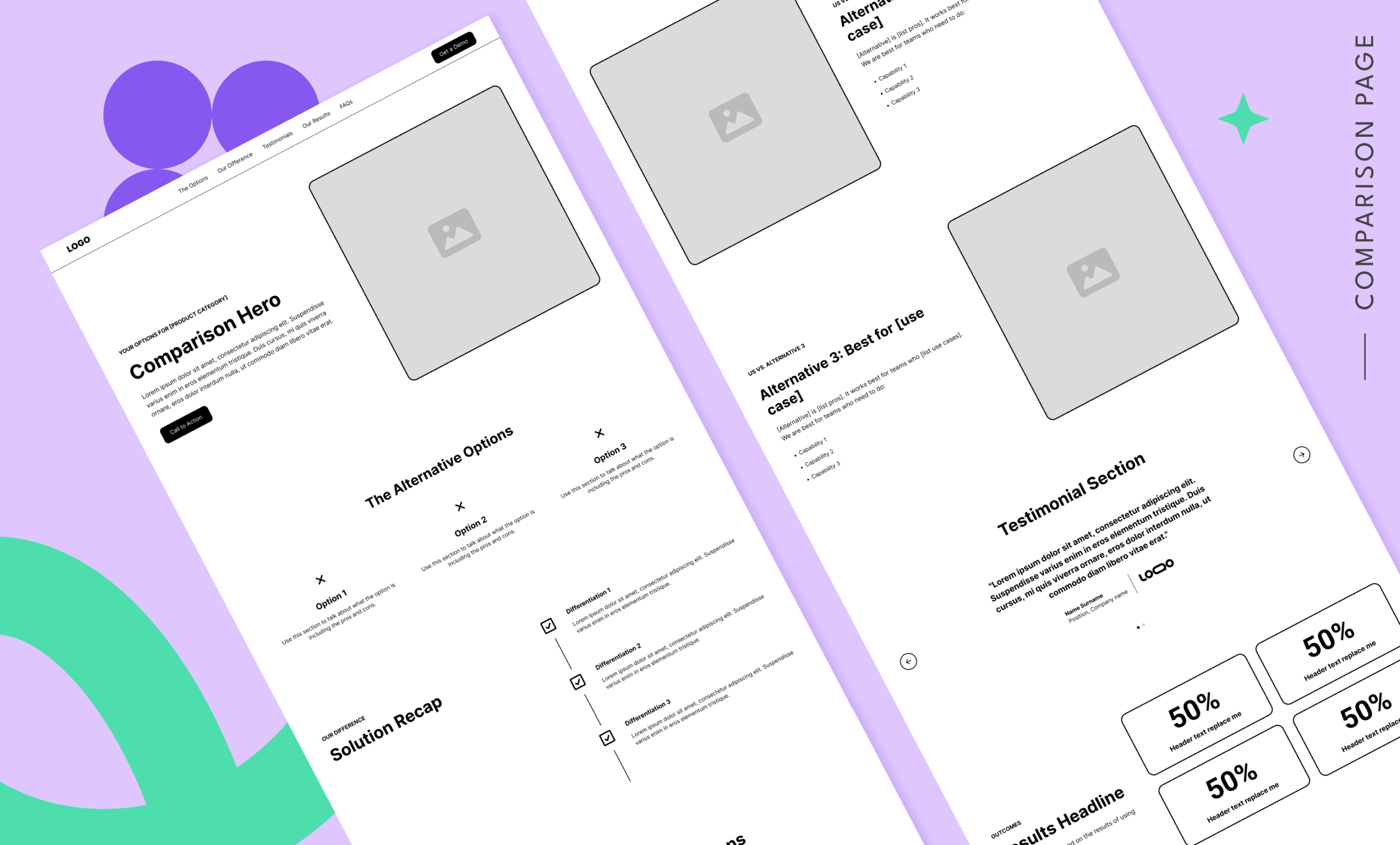
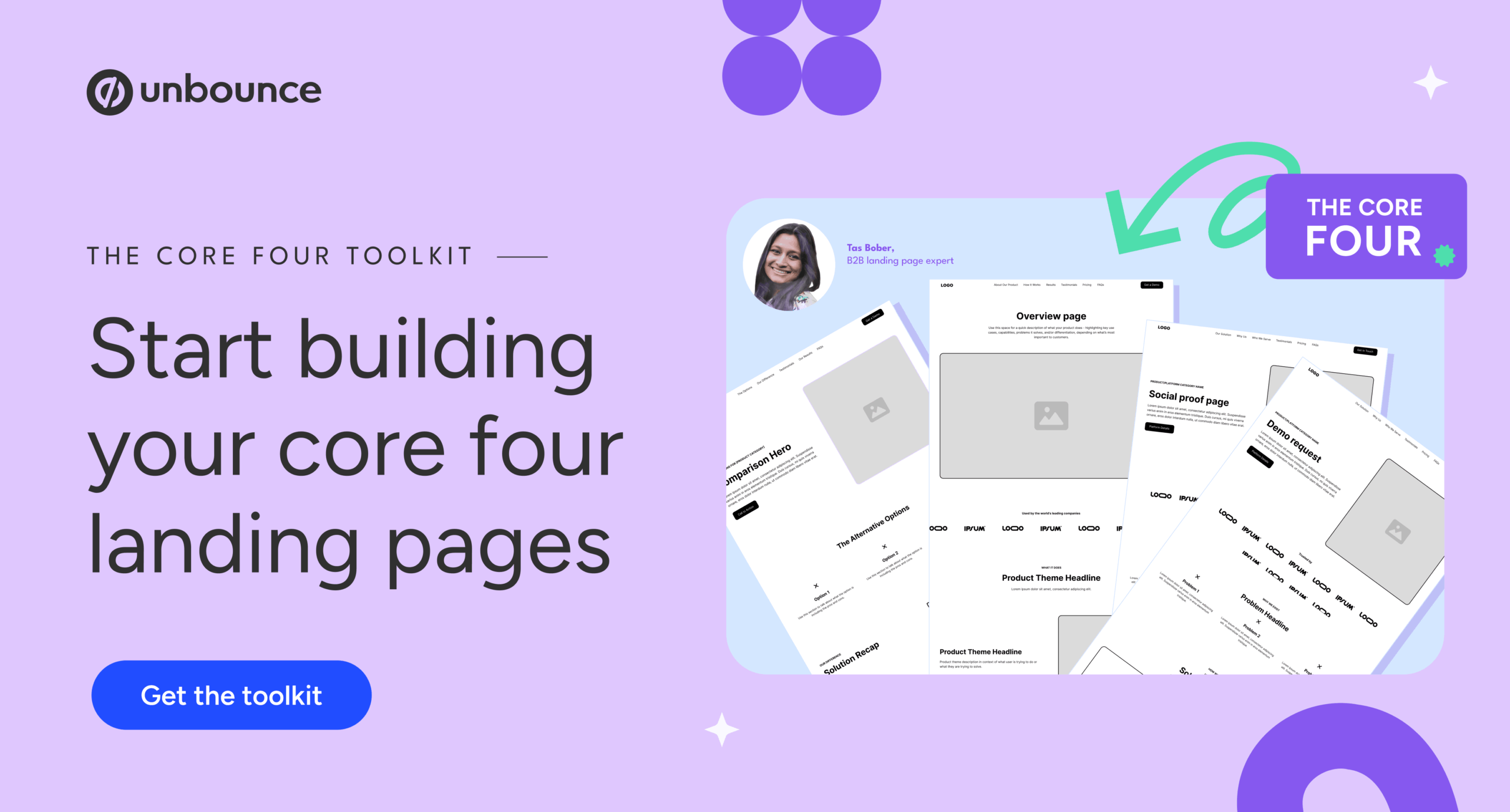
To address the complexities of the modern journey, B2B landing page experts have developed the "Core Four" framework. This methodology segments landing pages into four distinct types based on the buyer’s stage in the research process:
- Awareness/Education Pages (Top of Funnel): These focus on problem identification and educational content, aiming to build initial trust without asking for a high-commitment meeting.
- Comparison Pages (Middle of Funnel): These pages highlight differentiators against competitors, helping the buyer understand the unique value proposition of the software.
- Pricing Pages (Middle/Bottom of Funnel): These provide transparency regarding costs, allowing buyers to self-qualify based on budget constraints.
- Demo Landing Pages (Bottom of Funnel): The final stage where high-intent buyers "raise their hand" to initiate a direct sales conversation.
By the time a visitor reaches the demo page, the objective is no longer to explain what the product is, but to confirm that the product is the right fit and that the upcoming sales conversation will be a valuable use of their time.
Benchmarking Performance in the SaaS Sector
Conversion rates for SaaS demo landing pages typically hover in the low single digits. The Unbounce 2024 Conversion Benchmark Report identifies a median conversion rate of 3.8% across the SaaS industry. More specialized research focusing on B2B companies reveals that those actively optimizing for high-intent traffic see average conversion rates around 3.1%.
However, these benchmarks are highly dependent on the quality of traffic. Data suggests that when organizations shift their focus from high-volume cold traffic to lower-volume, high-intent traffic—such as visitors from branded search queries, retargeting campaigns, or review sites like G2 and Capterra—conversion rates can increase significantly. Conversely, sending cold social media traffic to a demo page often results in a performance ceiling that cannot be overcome by design tweaks alone.
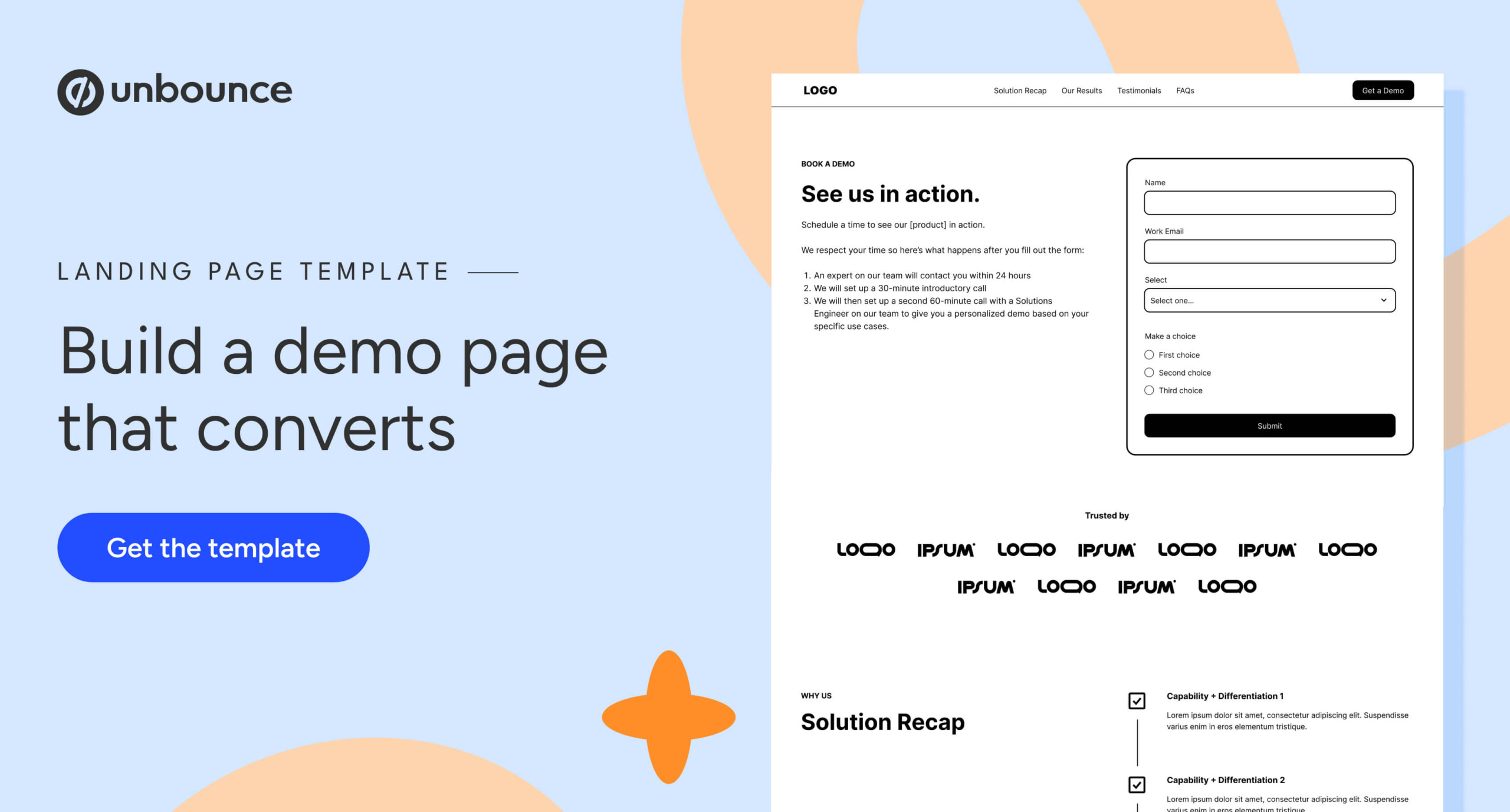
Structural Requirements for High-Converting Demo Pages
A professional, news-grade analysis of successful landing pages reveals a consistent architectural pattern designed to minimize friction and maximize trust.
Navigational Transparency and SEO Alignment
A significant shift occurred in 2025 when Google updated its ad quality prediction models. Previously, digital marketers were encouraged to remove all navigation from landing pages to prevent "leaks" in the funnel. However, Google now rewards pages that provide relevant navigation, penalizing those that trap users. Modern demo pages utilize "anchor navigation," allowing users to jump to specific sections like "Results" or "FAQs" without leaving the page. This approach satisfies search engine algorithms while providing a better user experience for buyers who need specific questions answered before committing to a form.

The Hero Section: Managing Expectations
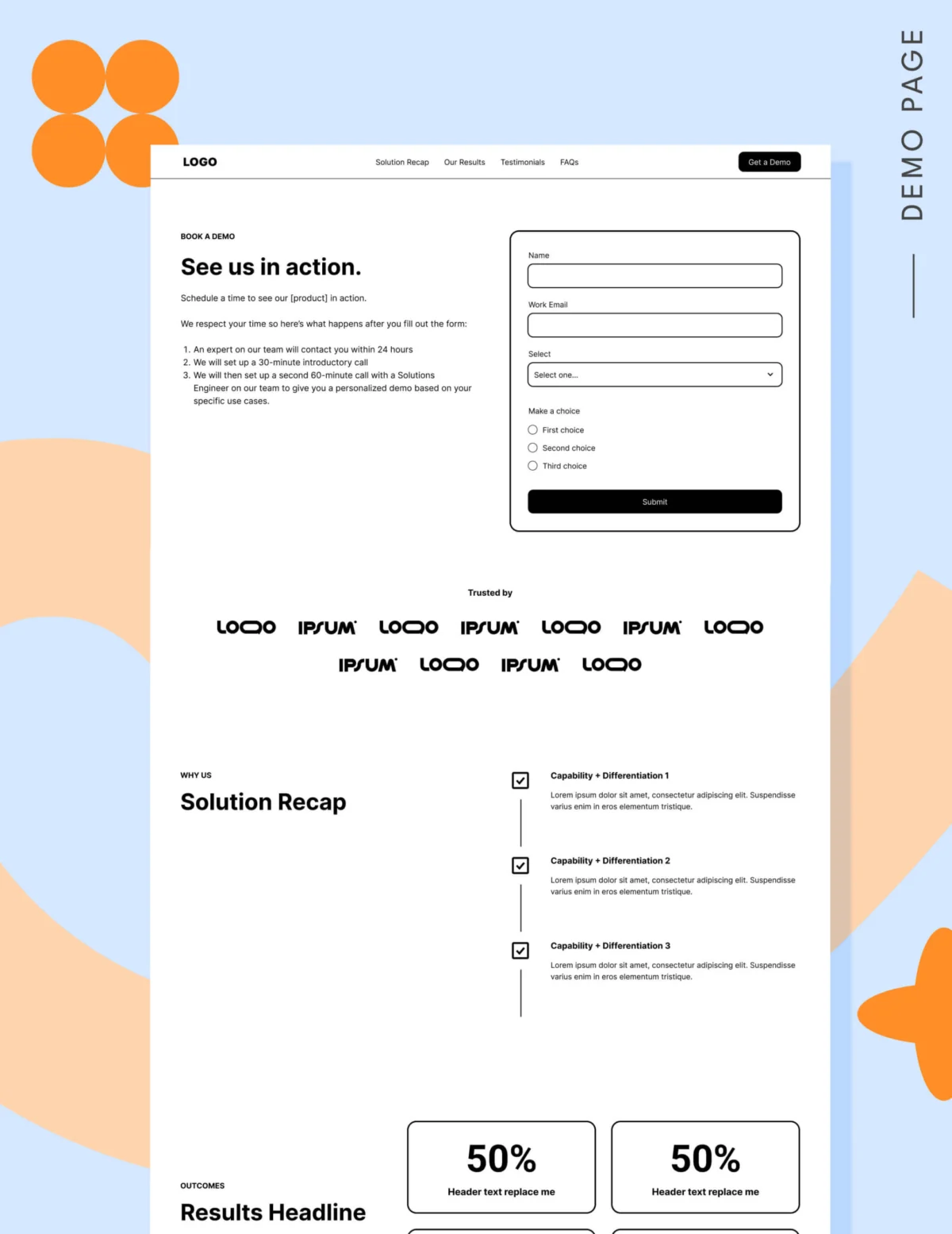
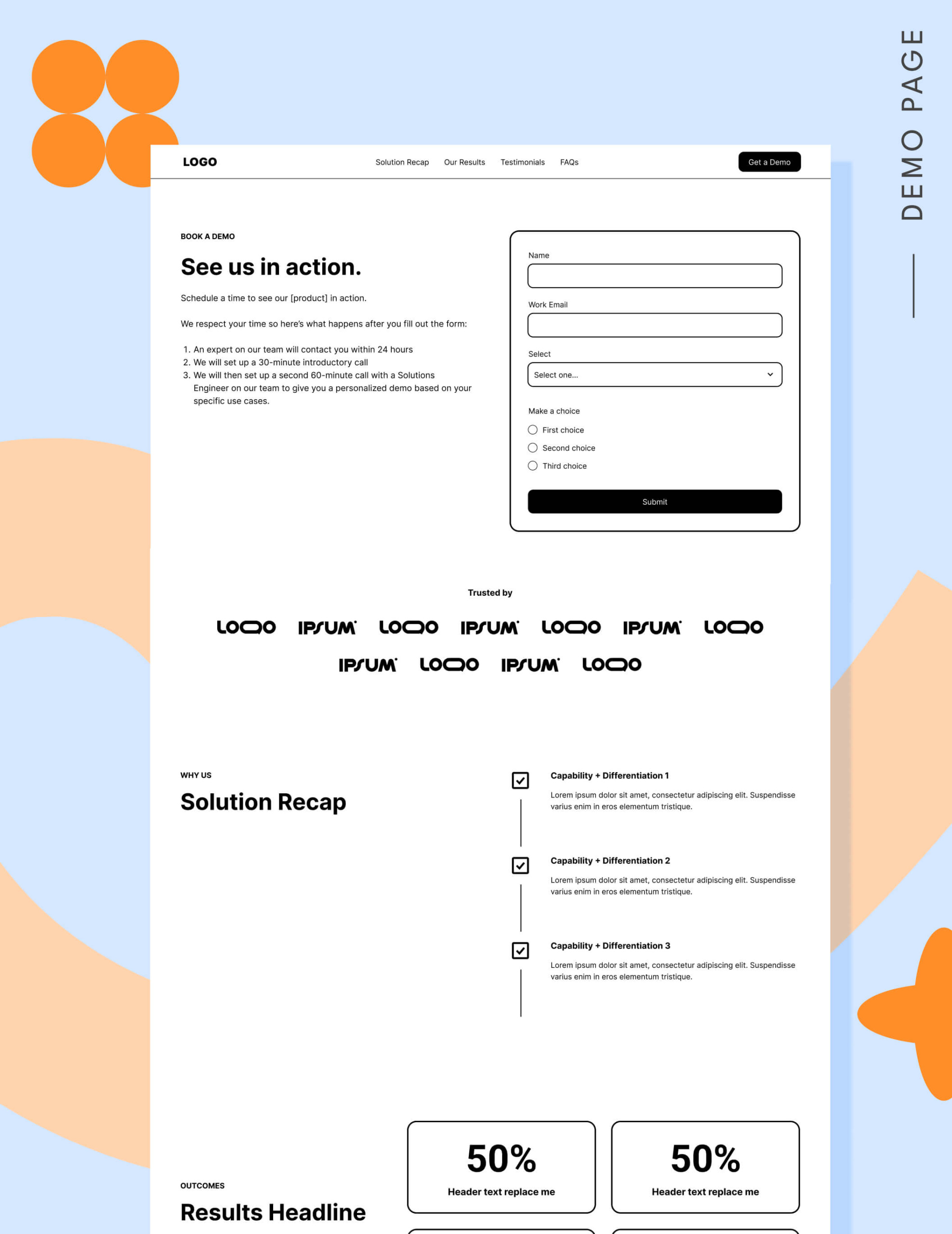
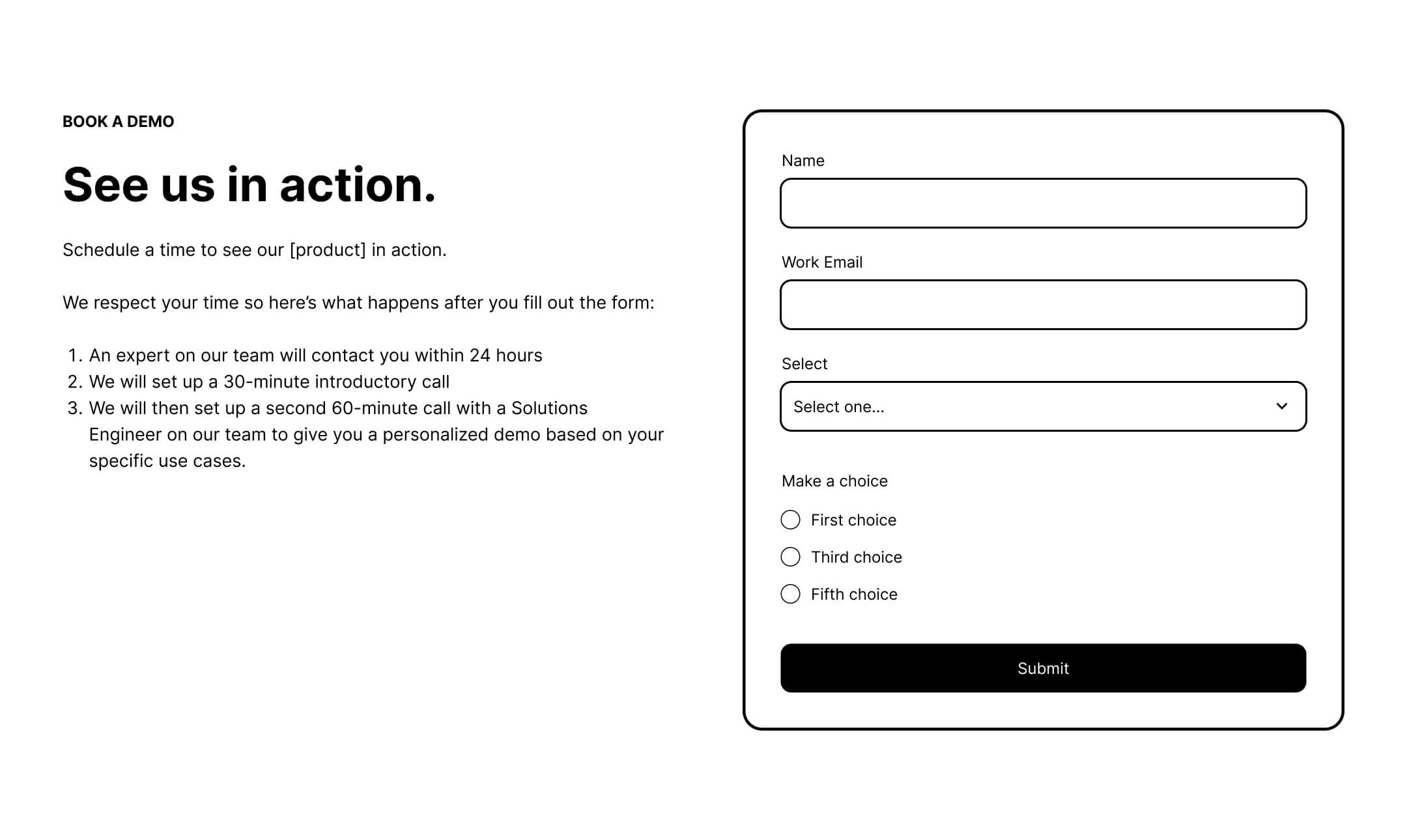
The hero section of a demo page must do more than host a form. It must explicitly state what happens after the user clicks "submit." Ambiguity is a major conversion killer in B2B sales. Successful pages answer critical questions immediately:
- Will the user get a calendar link or a phone call?
- How soon will the follow-up occur?
- Is the first call a discovery session or a live product walkthrough?
- Who will the user be speaking with (e.g., an account executive or a technical specialist)?
Social Proof and the "Logo Garden"
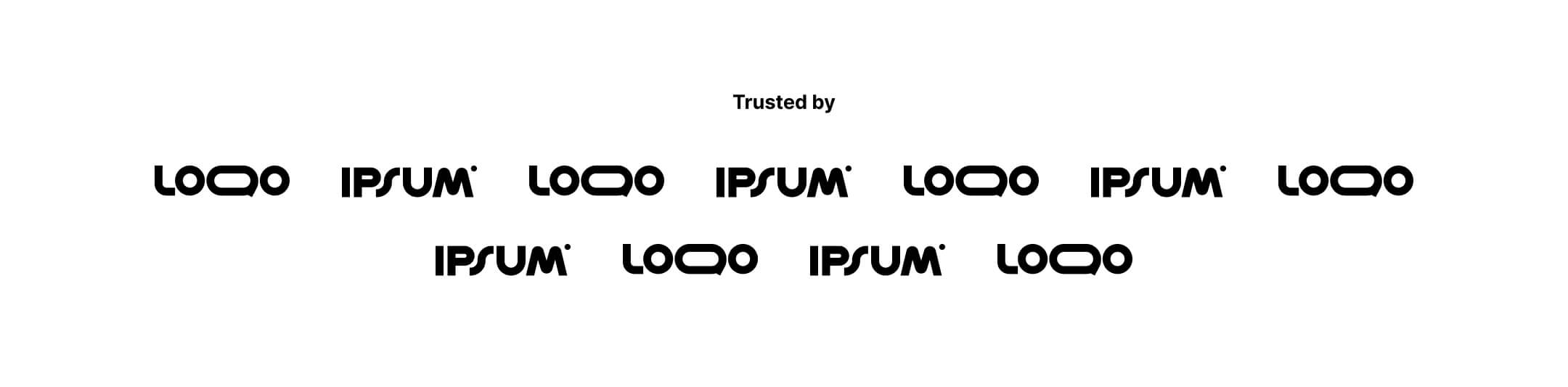
Trust is the currency of the demo page. Organizations typically employ a "logo garden" featuring recognizable clients to establish instant credibility. For startups or niche providers whose clients may not be household names, experts recommend "light testimonials"—short, two-line quotes that focus on specific outcomes. Research into consumer behavior indicates that the volume of social proof is often as important as the quality; having 6 to 12 testimonials can significantly reduce the perceived risk for a new buyer compared to having only one or two.
Quantifiable Results and Data-Driven Proof
B2B buyers are increasingly scrutinized by internal finance teams. Therefore, a demo landing page must provide measurable evidence of value. This includes statistics on return on investment (ROI), time saved, or revenue generated. Presenting these as hard data points rather than vague promises helps the buyer build an internal business case for the software before they even speak to a sales representative.
The Pricing Transparency Debate
One of the most contentious issues in SaaS marketing is whether to include pricing on a demo request page. Historically, sales-led organizations hidden pricing to maintain leverage during negotiations. However, current market trends favor transparency. Including a starting price range or a "starting at" figure serves several strategic purposes:
- Self-Qualification: It filters out leads that do not have the budget, saving the sales team’s time.
- Trust Building: It signals that the company is confident in its value and is not hiding costs.
- Friction Reduction: It removes one of the primary questions buyers have, allowing the demo to focus on features and fit rather than cost.
Technical Optimization: Forms and Scheduling
The technical execution of the demo request form is a critical lever for conversion. Data from 2026 conversion benchmarks shows a steep drop-off in completion rates as form fields increase. Forms with five fields or fewer see conversion rates near 17%, while those with ten or more fields drop below 7%.
The choice between a static form and an automated scheduling tool like Calendly depends on the organization’s lead volume and sales structure. Automated scheduling is preferred for high-intent, qualified traffic, as it captures the buyer’s interest at its peak. However, for organizations dealing with high volumes of unqualified leads, a standard form followed by a manual or automated qualification step remains the industry standard to protect the sales team’s calendar.
Implications for the B2B Marketing Landscape
The shift toward high-intent, high-transparency demo pages represents a broader maturation of the SaaS industry. As the cost of customer acquisition (CAC) continues to rise, organizations can no longer afford to waste ad spend on low-intent traffic or lose qualified leads to high-friction landing pages.
The implications of this shift are two-fold. First, marketing and sales alignment is becoming mandatory rather than optional. Marketing must understand the sales process to communicate it accurately on the landing page, and sales must follow through on the promises made during the lead capture phase. Second, the role of the landing page is evolving from a simple capture mechanism to a sophisticated decision-support tool.
In conclusion, the optimization of a SaaS demo landing page is a multifaceted challenge that requires a balance of psychological insight, data-driven design, and strategic targeting. Organizations that treat the demo request as a significant milestone in a long-term relationship—rather than a mere data entry point—are positioned to achieve higher conversion rates, better lead quality, and ultimately, more sustainable growth in an increasingly competitive market.







