admin
admin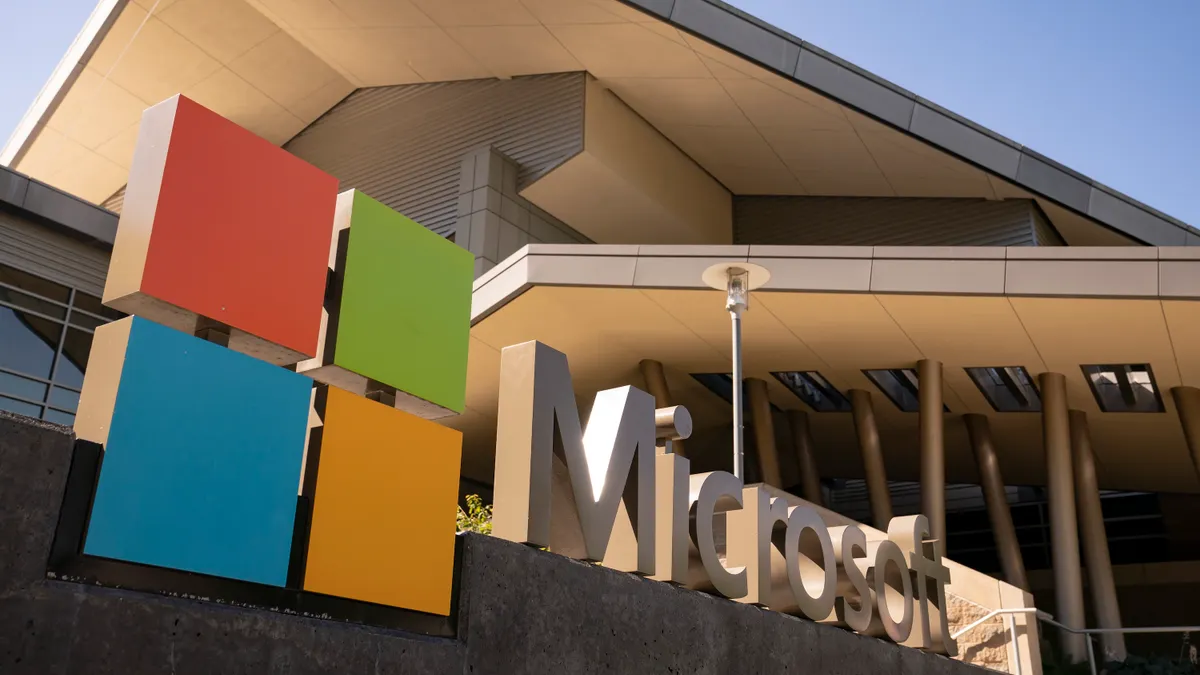
Publicis Groupe is significantly deepening its strategic partnership with Microsoft, a move that sees the advertising giant not only gaining access to Microsoft’s expansive AI and cloud infrastructure but also inheriting the tech behemoth’s substantial global media business. This ambitious collaboration, set to unfurl with a focus on Publicis’s identity solutions arm, Epsilon, and its digital transformation consultancy, Sapient, signals a major consolidation of power and expertise in the rapidly evolving marketing technology landscape. The alliance aims to embed agentic artificial intelligence across the entire marketing workflow, promising to streamline operations, enhance creative output, and drive more measurable growth for clients.
The partnership, announced with an effective date of April 9, 2026, represents a pivotal moment for Publicis Groupe, which has been vocal about its commitment to becoming a leader in AI-driven marketing. The agency has repeatedly emphasized its ambition to be recognized as the "most valuable partner" (MVP) in the AI marketing space, a goal that this collaboration with Microsoft appears designed to accelerate. While the potential for AI in marketing is vast, Publicis has also been candid about the inherent challenges in scaling AI solutions and demonstrating tangible value, alongside the considerable development costs involved. This strategic alignment with a technological titan like Microsoft is poised to address these very concerns by leveraging established, robust infrastructure and cutting-edge AI capabilities.
A Symbiotic Relationship: From Marcel to Agentic AI Integration
The roots of this intensified collaboration trace back to Publicis Groupe’s earlier innovation with Microsoft. The two entities previously worked together to develop Marcel, an internal AI-powered tool that the agency first introduced in 2018. Marcel was designed to connect Publicis’s global workforce, facilitating collaboration and knowledge sharing. The current pact, however, represents a far more profound integration, extending beyond internal tools to encompass client-facing solutions and a significant shift in media buying and planning.
The core of the new alliance lies in embedding "agentic AI" throughout the marketing lifecycle. Agentic AI refers to systems that can act autonomously to achieve specific goals, learning and adapting as they operate. By bringing together Microsoft’s Azure cloud platform and its advanced AI capabilities with Publicis Groupe Solutions built on Azure, the objective is to liberate creative professionals and marketing practitioners from repetitive, time-consuming execution tasks. This, in turn, allows them to dedicate more energy to strategic thinking, brand building, and ultimately, delivering superior business outcomes for their clients.
Judson Althoff, CEO of Microsoft’s commercial business, articulated the vision behind the partnership: "By bringing Microsoft’s cloud and AI capabilities together with Publicis Groupe Solutions built on Azure, we are giving creatives and makers the freedom to spend less time on repetitive execution and more time shaping ideas, building brands and driving meaningful growth for our customers." This statement underscores a mutual understanding of the future of marketing work, where human creativity is augmented, not replaced, by intelligent technology.
Strategic Pillars of the Publicis-Microsoft Alliance
The collaboration is structured around several key initiatives designed to leverage the strengths of both organizations:
- Enterprise AI Transformation with Sapient: Sapient, Publicis’s digital transformation consultancy, will play a crucial role in guiding businesses through their AI journeys. Its flagship software development platform, Slingshot, will be instrumental in assisting organizations in migrating their legacy systems to the Azure cloud. Furthermore, Sapient’s enterprise-grade agentic AI offering, Bodhi, is being integrated with Microsoft’s suite of AI tools, including Microsoft Copilot Studio, Microsoft Agent 365, and Microsoft IQ. This integration aims to create more intelligent and responsive customer engagement solutions.
- AI-Informed Decision-Making with Epsilon: Epsilon, Publicis’s data-driven marketing technology and analytics company, will be central to refining AI-driven decision-making processes. AI agents built on Microsoft’s Fabric data analytics platform will draw upon Epsilon’s vast data assets and expertise to automate critical tasks. These include identifying high-value customer segments, generating personalized content at scale, optimizing media deployment strategies, and fine-tuning campaign performance in real-time. This synergy promises to unlock deeper insights from data and enable more precise, effective marketing interventions.
- Empowering Publicis’s Global Workforce: In a move that underscores the internal adoption of Microsoft technologies, Publicis Groupe is making Microsoft Copilot widely available to its global workforce of over 114,000 employees. This initiative aims to boost productivity and enhance AI literacy across the organization. Additionally, Azure has been designated as Publicis’s preferred cloud computing provider, solidifying Microsoft’s position as a foundational technology partner.
- Acquisition of Microsoft’s Global Media Business: Perhaps the most significant and tangible aspect of the deal for the industry at large is Publicis Groupe’s acquisition of Microsoft’s global media account. This substantial piece of business, previously managed by Dentsu for over a decade, represents a significant win for Publicis. It signifies a broader trend where large technology companies are entrusting their advertising and media operations to specialized agencies, especially as they navigate the complexities of the digital advertising ecosystem and seek to optimize their marketing spend. This acquisition, coupled with Publicis’s recent wins of the North American business for The Coca-Cola Company and global duties for CPG giant Mars, firmly positions Publicis as a dominant force in media management.
Industry Context and the Evolving AI Landscape
The Publicis-Microsoft alliance emerges at a critical juncture for the advertising and marketing industry. The rapid advancement of artificial intelligence is compelling agencies to rethink their offerings and operational models. However, this is also a period marked by increasing scrutiny and skepticism regarding the long-term viability of proprietary agency-developed AI platforms.

A recent report by Gartner highlighted a significant trend: half of proprietary agency AI platforms are predicted to either cease operations or become obsolete by 2029. This forecast is driven by the immense financial power of Big Tech companies, which are investing billions of dollars in AI research and development. For instance, major tech players were projected to spend upwards of $630 billion on AI in 2026 alone, according to S&P Global. Gartner’s analysis suggests that agencies will face an uphill battle competing against these hyperscalers, which possess the resources and scale to implement enterprise-wide AI integrations, rather than focusing solely on marketing-specific functions.
In this environment, partnerships with established technology providers like Microsoft offer a strategic advantage. By integrating with Azure and leveraging Microsoft’s AI tools, Publicis can provide its clients with access to cutting-edge technology that is continuously updated and supported by a global leader. This approach mitigates the risks associated with building and maintaining bespoke AI solutions from scratch, allowing Publicis to focus on its core competencies: creative strategy, client relationship management, and media execution.
Broader Implications and Future Outlook
The implications of this Publicis-Microsoft pact are far-reaching. For Publicis Groupe, it represents a bold step towards solidifying its position as an AI-first organization and a preferred partner for brands seeking to navigate the complexities of modern marketing. The integration of Epsilon’s data capabilities and Sapient’s transformation expertise with Microsoft’s AI and cloud infrastructure creates a formidable offering that could set new industry benchmarks.
For Microsoft, this partnership deepens its penetration into the advertising and marketing sector, beyond its traditional enterprise software and cloud services. By having its media business managed by Publicis, Microsoft can gain invaluable insights into campaign effectiveness and market trends, which can further inform its product development and AI strategy. This symbiotic relationship allows both companies to capitalize on the immense opportunities presented by the AI revolution.

The wider industry will undoubtedly be watching this alliance closely. It may spur similar collaborations between other agencies and technology giants, as the need for robust, scalable AI solutions becomes increasingly paramount. The focus on agentic AI and embedding it across the workflow suggests a future where marketing is more automated, data-driven, and personalized than ever before. However, it also raises questions about the evolving roles of human professionals, the ethical considerations of AI in marketing, and the potential for further consolidation in an industry that is rapidly being reshaped by technological innovation. The success of this ambitious venture will depend on Publicis’s ability to effectively integrate these powerful new tools and capabilities while continuing to deliver the strategic thinking and creative excellence that clients expect.