December 16, 2025 – In the highly competitive realm of digital marketing, the question of when to dispatch marketing emails remains a paramount concern for practitioners aiming to maximize audience engagement. The timing of a newsletter or promotional campaign is not merely a logistical detail but a critical strategic decision that directly influences key performance indicators such as open rates and click-through rates (CTR). As digital inboxes become increasingly saturated, understanding and adapting to subscriber behavior is more crucial than ever. This article delves into the latest research and best practices for identifying optimal email send times and days, offering insights to refine overarching email marketing strategies.
The Evolving Landscape of Email Engagement
For years, a simplified guideline suggested sending emails between 9 AM and 12 PM as a general best practice. However, contemporary research underscores the inadequacy of such a broad approach. The digital habits of consumers and professionals have evolved significantly, necessitating a more nuanced understanding of when individuals engage with their email. According to the recent Email Engagement Report, published by Mailjet in collaboration with Sinch Mailgun in 2024, a striking 63.3% of users interact with their personal mailboxes at various points throughout the day. This data challenges the notion of a single "golden hour" for email delivery.
While frequent checking indicates accessibility, it does not automatically translate into an immediate capacity for action. Subscribers may glance at an email but defer interaction if they are occupied. Therefore, the strategic alignment of send times with periods of user availability and receptiveness is essential for converting an open into a click, and ultimately, a desired action. This involves considering the context in which an email is received – is the recipient commuting, at work, or during leisure time? Each scenario presents a different level of cognitive availability and willingness to engage with marketing content.
Global Peaks in Engagement: The 15 UTC Benchmark

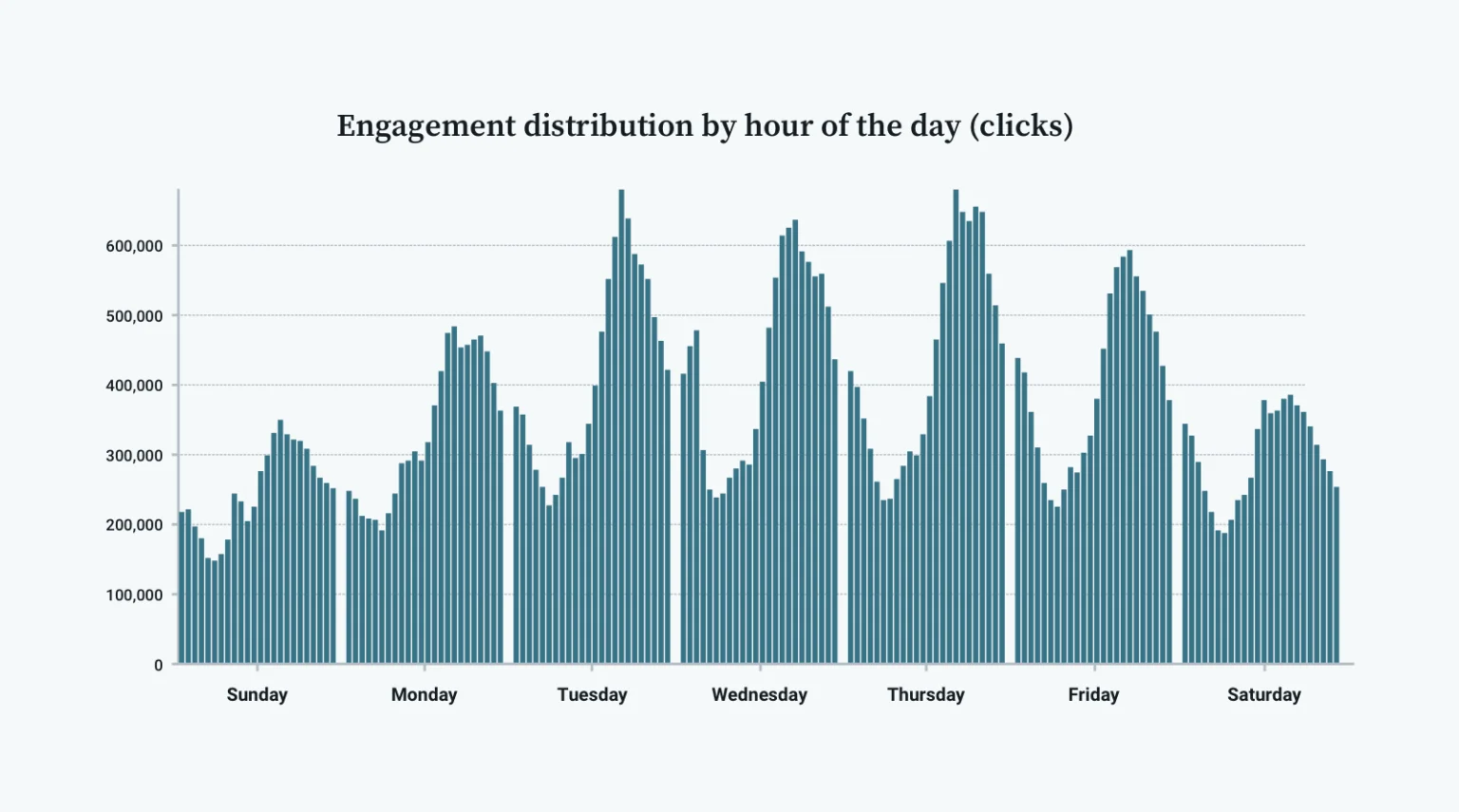
To move beyond anecdotal evidence, Sinch Mailgun conducted an extensive study analyzing billions of emails sent by its customers, pinpointing periods of peak email engagement. The findings revealed a global trend: 15 UTC (Coordinated Universal Time) consistently demonstrated the highest engagement in click-to-open ratios. This signifies a global sweet spot where the confluence of email opens and subsequent clicks is most pronounced.
However, a critical caveat accompanies this global benchmark: the necessity of localizing 15 UTC to specific time zones. For instance, during summer months, 15:00 UTC corresponds to 11 AM Eastern Standard Time (EST) in North America. Marketers operating across multiple geographical regions must meticulously convert this universal time to the local time zones of their target audiences to effectively leverage this insight. Neglecting this conversion can lead to misaligned send times, resulting in suboptimal engagement despite adhering to the general 15 UTC guideline. This global peak likely reflects a period where a significant portion of the world’s working population is active, having settled into their day but not yet distracted by end-of-day preparations.
(Image: Open rates by hour of the day – Placeholder for relevant chart)
(Image: Click rates by hour of the day – Placeholder for relevant chart)
Geographic and Cultural Nuances in Email Habits
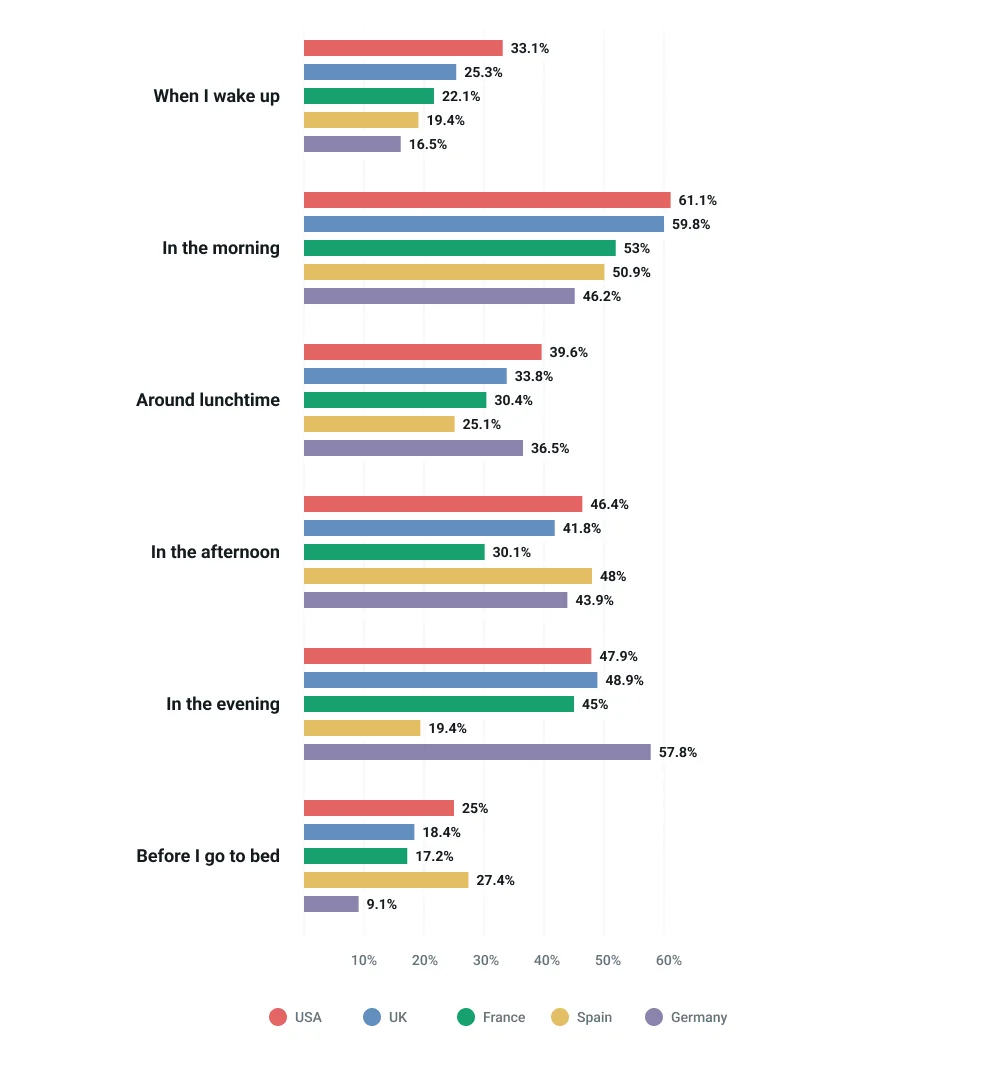
The "one-size-fits-all" approach further falters when examining regional and cultural differences in email consumption. The Email Engagement Report highlights fundamental disparities in how users across different countries interact with their inboxes. For example, German customers show a strong preference for engaging with emails in the early evening, with 57.8% opening messages during this period. This contrasts sharply with Spain, where only 19.4% engage at the same time. Conversely, 27.4% of Spanish participants reported checking emails late in the evening before bed, a habit far less common among German users (9.1%).
(Image: Open rates data across different cultures – Placeholder for relevant chart)
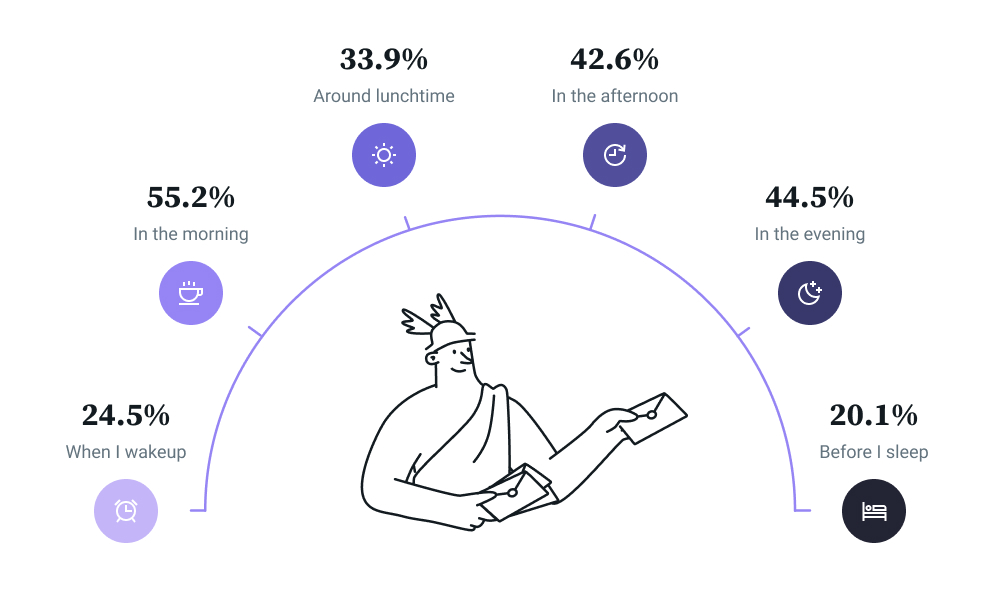
These variations underscore the profound impact of cultural norms, daily routines, and work-life balance philosophies on digital behavior. A business-focused email sent late evening in Germany might be largely ignored, whereas a leisure-oriented newsletter could thrive at that time in Spain. Marketers must therefore move beyond continental or national averages and consider hyper-segmentation based on actual subscriber location and inferred cultural habits. This granular approach, facilitated by robust email segmentation tools, is paramount for achieving localized relevance and maximizing engagement in diverse international markets. Without this understanding, even perfectly crafted content risks being lost in the digital shuffle.
Optimizing by Day of the Week: Strategic Scheduling
Beyond the hour of the day, the choice of day for email dispatch holds significant weight, particularly when differentiating between B2B (business-to-business) and B2C (business-to-consumer) communications, as well as industry-specific considerations. While general guidelines exist, data consistently points to specific days that yield higher engagement.
The Best Days for Engagement:
Analysis from the Sinch Mailgun study confirms that Tuesdays through Thursdays generally exhibit the highest open and click-through rates. Midweek appears to be a sweet spot, with recipients more receptive to engaging with marketing content. While Tuesdays and Thursdays show slightly elevated engagement, Wednesday remains a strong contender. For marketers planning multiple sends per week, a combination of Tuesdays and Thursdays is often recommended. Sending on consecutive days like Tuesday and Wednesday, or Wednesday and Thursday, risks overwhelming subscribers and potentially leading to email fatigue, diminishing overall campaign effectiveness.
It is also worth noting that while Fridays are not the absolute strongest days for engagement, they should not be entirely dismissed. Despite a slight dip compared to mid-week, Fridays can offer an advantage: reduced inbox competition. Many marketers avoid Fridays, assuming waning attention before the weekend. This strategic vacuum can provide an opportunity for campaigns to stand out, especially if the content is lighter or geared towards weekend activities.
The Worst Days for Engagement:
Unsurprisingly, Saturdays and Sundays consistently rank as the lowest-performing days for email engagement. Weekend routines are typically dominated by personal activities, social engagements, and errands, placing marketing emails low on the priority list. The general rule of thumb is to avoid weekend sends for most commercial purposes. An exception might be made for highly specific, lighthearted content or promotions directly relevant to weekend leisure, but even then, careful testing is advised.
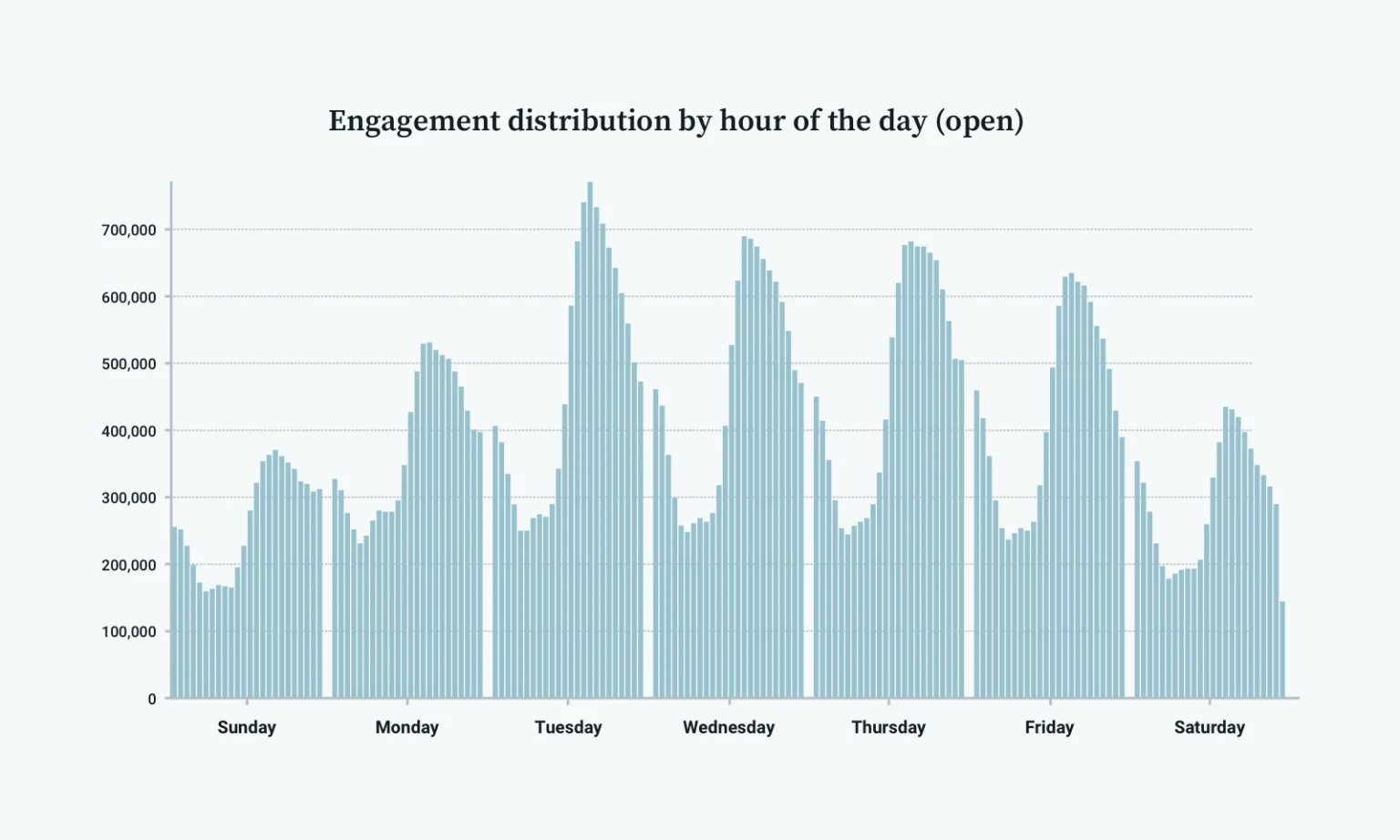
Interestingly, traditional wisdom often grouped Mondays and Fridays together as poor sending days. However, recent data suggests a distinction. The research indicates that Friday often outperforms Monday in terms of both open and click-through rates. Mondays are characterized by recipients sifting through weekend emails, prioritizing urgent work tasks, and planning the week ahead, making them less receptive to marketing messages. The mental "reset" and increased workload associated with the start of the work week can render subscribers less inclined to engage with non-essential communications. This psychological factor contributes to the lower engagement observed on Mondays compared to Fridays, when many are winding down and perhaps more open to browsing.
The B2B vs. B2C Divide: Tailoring by Audience Type
The fundamental distinction between B2B and B2C audiences necessitates distinct email sending strategies. Users interact with their professional and personal inboxes in fundamentally different ways, driven by varying motivations and contexts.
- B2B Email Marketing: Business professionals typically check their work emails during standard business hours. Optimal send times for B2B campaigns often align with the workday, avoiding early mornings (when inboxes are being cleared) and late afternoons (when attention wanes). Mid-morning (e.g., 10 AM – 12 PM local time) and early afternoon (e.g., 1 PM – 3 PM local time) on weekdays (Tuesday-Thursday) are generally most effective. Content should be professional, value-driven, and directly relevant to business needs or professional development. Weekends and holidays are typically poor choices for B2B, as recipients are disengaged from work.
- B2C Email Marketing: Consumer behavior is far more varied. While some check personal emails throughout the day, others might save it for specific times. Depending on the product or service, B2C emails might perform well during lunch breaks, after work hours (early evening), or even during specific leisure times. For instance, an e-commerce promotion might thrive in the early evening when consumers are relaxing, while a news digest might be read during a morning commute. The key is understanding the lifestyle and purchasing habits of the target demographic. Content can be more informal, visually rich, and emotion-driven.
To determine the best send times for each, marketers must ask critical questions: What is the typical daily routine of my target customer? When are they most likely to be receptive to my specific type of message? Are they consuming content on mobile during commutes, or on desktops during downtime? The answers to these questions, often gleaned from detailed marketing personas and ongoing data analysis, are vital for crafting an effective email marketing strategy.
Why Precision in Email Sending Matters
The importance of meticulously timed email campaigns extends beyond merely capturing attention; it underpins the entire efficacy and return on investment (ROI) of email marketing efforts. In an era where the average professional receives dozens, if not hundreds, of emails daily, the inbox is a fiercely contested digital space. Emails that arrive at the top of a subscriber’s inbox during a period of high receptivity inherently command better engagement than those buried beneath a deluge of other messages.
Strategic timing directly contributes to:
- Enhanced Open Rates: Timely delivery ensures an email is visible when a subscriber is actively checking their inbox, increasing the likelihood of it being opened.
- Improved Click-Through Rates (CTR): An email opened when the recipient has the mental capacity to act on its content is more likely to generate clicks on calls-to-action (CTAs).
- Higher Conversion Rates: Engaged subscribers who click through are more primed to convert, whether it’s making a purchase, signing up for a webinar, or downloading a resource.
- Stronger Brand Perception: Consistent, well-timed communication builds trust and positions the brand as considerate of the subscriber’s time and preferences.
- Reduced Spam Complaints and Unsubscribes: Irrelevant or poorly timed emails can annoy recipients, leading to negative actions that harm sender reputation and deliverability.
- Optimized Resource Allocation: Maximizing engagement from each send means marketing resources are utilized more efficiently, leading to a better ROI.
The fundamental takeaway is that a deep understanding of customer behavior, including their daily routines, habits, and geographical time zones, empowers marketers to pinpoint the most opportune moments for campaign deployment. This ensures the message is not only seen but also acted upon, transforming a simple email into a powerful conversion tool. As the Email Engagement Report highlights, a staggering 86.4% of respondents cite having sufficient time to read an email as a crucial factor in their decision to open it. This statistic powerfully underscores the direct link between timing and engagement.
Data-Driven Optimization: The Path to Precision
Achieving optimal email engagement is an iterative process, heavily reliant on data analysis and continuous experimentation. There is no static "perfect time" applicable to all businesses, audiences, or campaign types. Factors such as industry, product lifecycle, audience demographics (age, profession), and even the specific content of the newsletter all influence ideal send times.
Leveraging Existing Data:
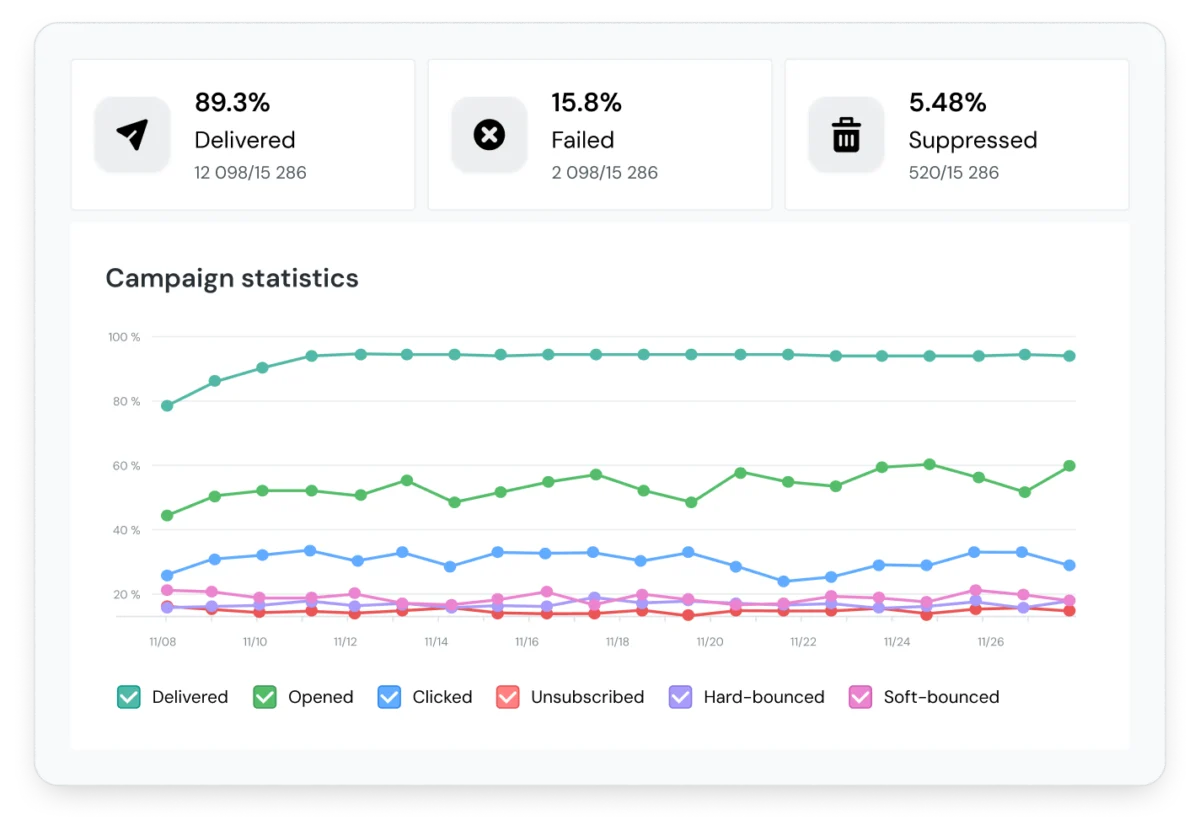
Most email service providers (ESPs) offer comprehensive analytics dashboards that serve as a treasure trove of audience data. Marketers should regularly delve into these statistics, examining past campaign performance. By analyzing historical open rates and click-through rates, segmented by day and hour, patterns of engagement specific to a particular audience list can be identified. For instance, an ESP dashboard might reveal that a particular segment consistently engages most with emails sent on Tuesdays at 11 AM local time. This internal data is often the most reliable starting point for developing hypotheses about optimal send times.
(Image: Statistics for an email campaign. – Placeholder for relevant chart)
The Power of A/B Testing:
While historical data provides a foundation, A/B testing is the gold standard for refining send times. This scientific approach involves sending variations of a campaign to different segments of an audience and comparing the results. For example, to identify the peak time for a weekly newsletter, a marketer could conduct a three-week test:
- Week 1: Send the newsletter at 10 AM.
- Week 2: Send the newsletter at 1 PM.
- Week 3: Send the newsletter at 9 PM.
Alternatively, a single campaign can be A/B tested by dividing the subscriber list into two or more groups, sending the same email at different times (e.g., half the list in the morning, the other half in the afternoon), and then comparing the engagement metrics. This systematic experimentation, much like a scientific endeavor, allows marketers to gather empirical evidence specific to their audience and content.
Consistency and Strategic Adaptability:
Once optimal days and times are identified, consistency is key. Regular newsletters and promotional emails sent on the same day and time each week build anticipation and trust with the audience, making the content a predictable and welcomed part of their routine. However, consistency should not equate to rigidity. During holidays, special events, or significant industry developments, marketers must be prepared to adapt their schedule. For example, a major holiday sale might warrant an earlier or later send time to capitalize on consumer shopping behavior or avoid inbox clutter. Prioritizing higher open and click rates by adjusting the schedule for specific events is always preferable to rigidly adhering to a routine that might yield lower engagement.
Mailjet’s Role in Empowering Marketers
Platforms like Mailjet are instrumental in facilitating this data-driven approach to email marketing. Mailjet’s comprehensive email marketing service provides a suite of features designed to help marketers create, deliver, and meticulously track their campaigns. With an intuitive Email Editor and a library of responsive email templates, engaging newsletters can be crafted efficiently. Crucially, Mailjet offers advanced features such as Segmentation, allowing marketers to target specific audience groups with tailored messages and timings; A/B Testing, enabling systematic experimentation to identify optimal strategies; Campaign Comparison, for evaluating the performance of different campaigns over time; and detailed Email Statistics, providing granular insights into open rates, click-through rates, and other vital engagement metrics. These tools empower marketers to move beyond guesswork, analyze performance, and continuously refine their sending schedules to achieve peak digital marketing results.
In conclusion, the quest for the "best time to send an email" is a dynamic and multifaceted challenge without a universal solution. It demands a deep understanding of audience behavior, geographical nuances, the specific nature of the business (B2B vs. B2C), and the type of content being disseminated. By embracing data analytics, implementing rigorous A/B testing, and leveraging sophisticated email marketing platforms, marketers can navigate the complexities of the digital inbox, ensuring their messages resonate at precisely the right moment, thereby transforming potential engagement into tangible business outcomes. The continuous pursuit of this precision timing is not merely an optimization tactic but a cornerstone of effective and respectful digital communication.