NVIDIA has officially introduced Nemotron 3.5 Lightning, a high-performance 30-billion parameter model specifically engineered to serve as the execution engine for long-running artificial intelligence agents. Released on August 11, 2026, this model addresses a critical bottleneck in the current AI landscape: the high cost and latent speeds associated with using frontier reasoning models for routine operational tasks. By employing a sophisticated hybrid architecture that combines Mixture-of-Experts (MoE) with Mamba-2 state-space modeling, NVIDIA aims to decouple complex reasoning from high-volume execution, potentially reducing operational costs for enterprise AI systems by several orders of magnitude.
The Strategic Shift Toward Agentic Execution Layers
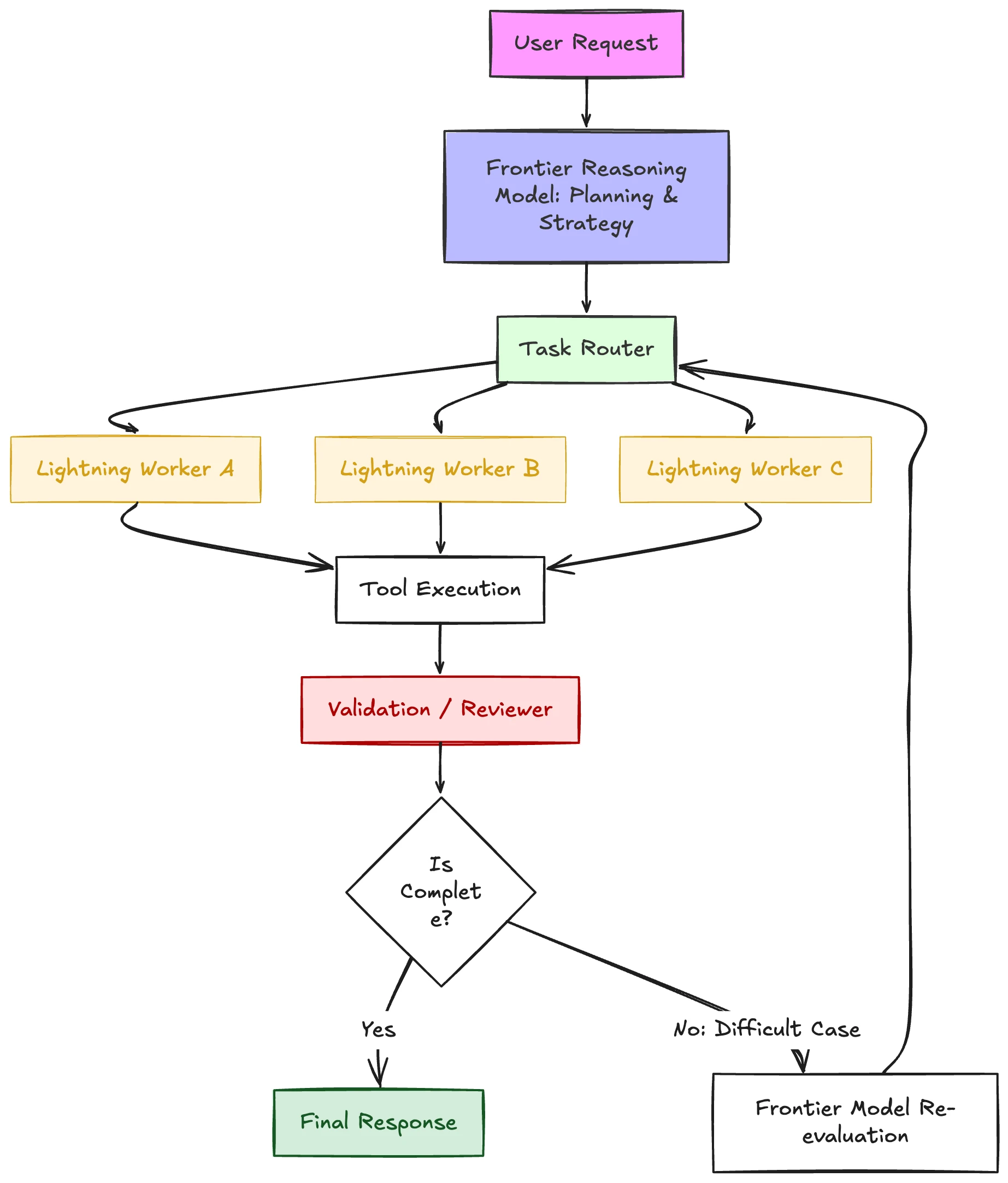
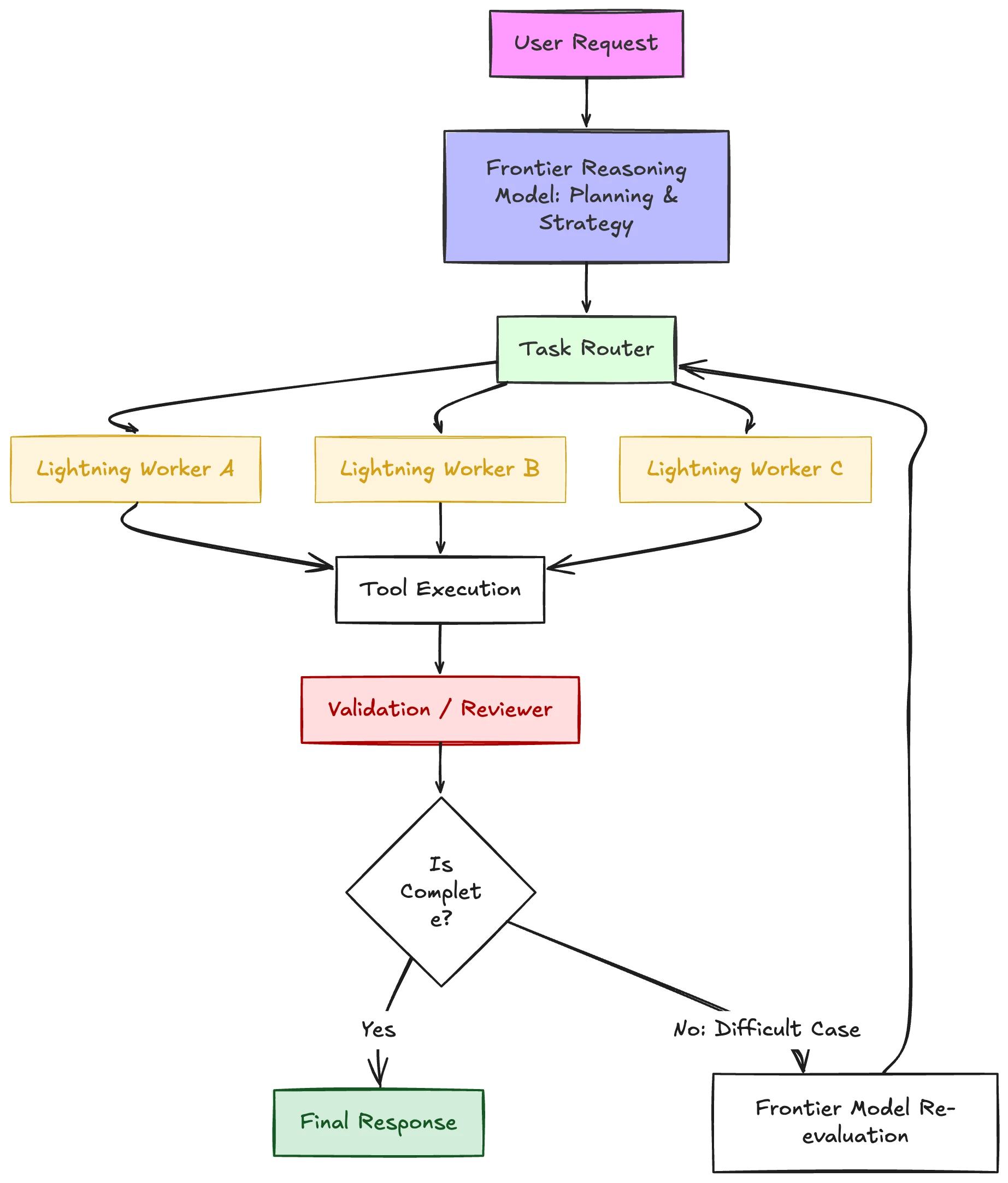
As the deployment of autonomous AI agents becomes more prevalent in sectors such as software engineering, customer service, and data analysis, developers have observed a diminishing return on the use of "frontier" models—such as GPT-4 or Claude 3.5—for every single step of a workflow. While these massive models are essential for high-level planning and abstract reasoning, they are often overkill for the repetitive tasks that follow a plan’s creation.
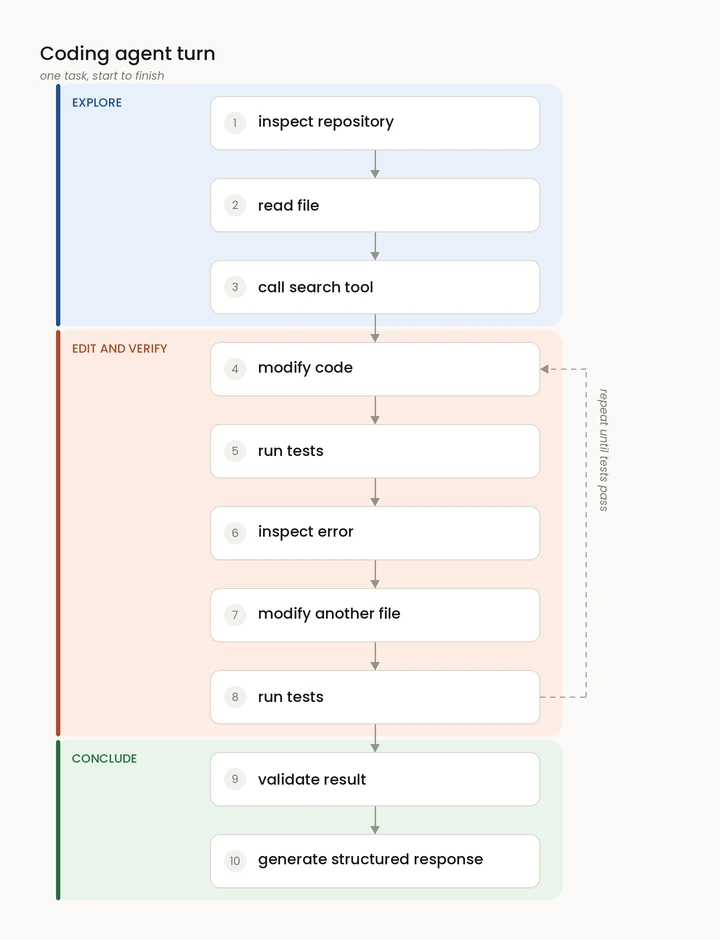
A typical coding agent, for example, might use a frontier model to diagnose a complex bug and outline a fix. However, the subsequent steps—reading a dozen files, running terminal commands, validating syntax, and formatting output—do not require the same level of cognitive "horsepower." NVIDIA’s research suggests that agents spend upwards of 80% of their time on these execution-heavy tasks. Nemotron 3.5 Lightning is positioned to handle these high-frequency operations, allowing the more expensive "brain" models to remain idle until a new reasoning challenge arises.
Technical Deep Dive: The Hybrid Architecture
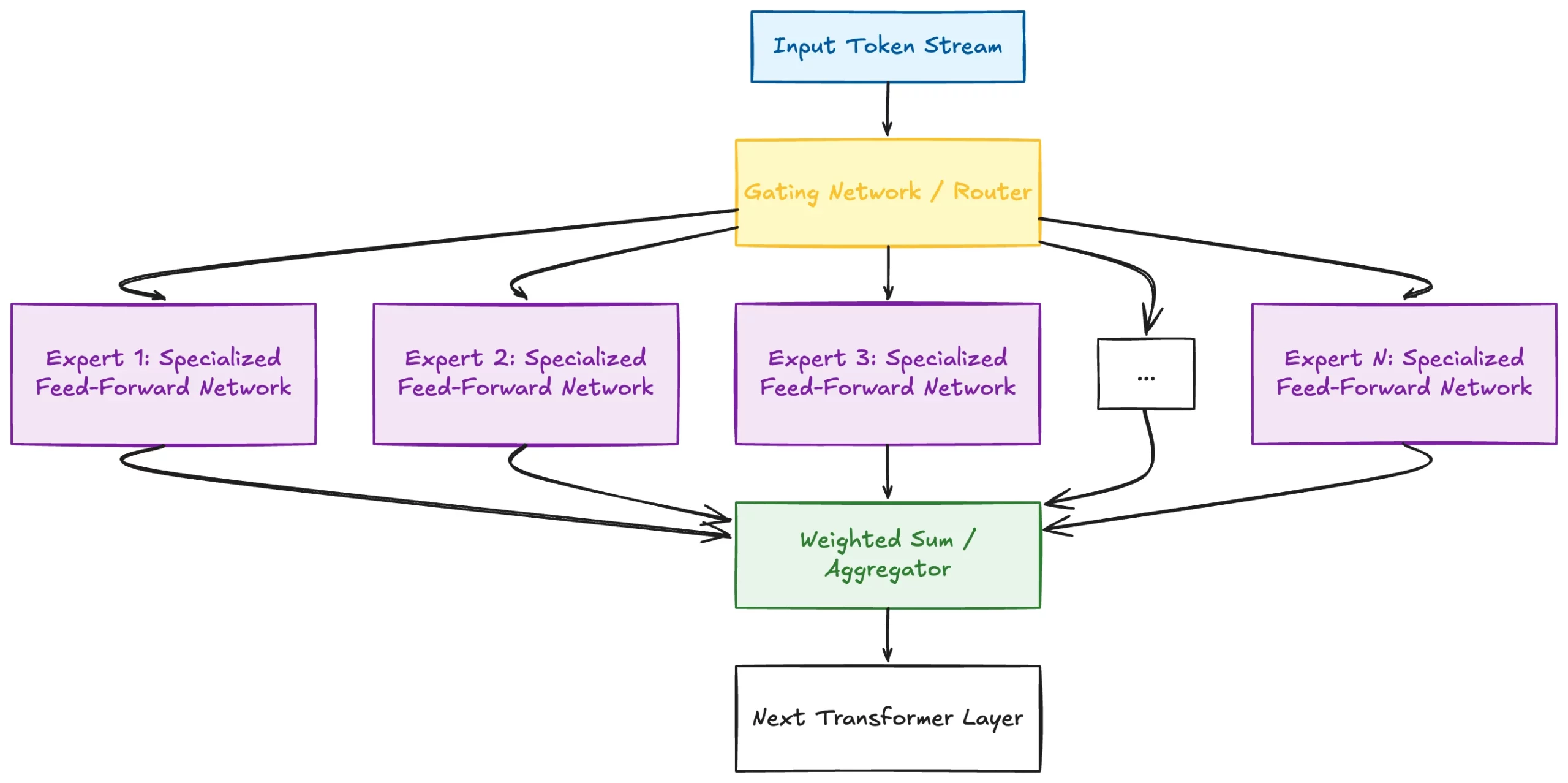
The design of Nemotron 3.5 Lightning represents a significant departure from standard dense Transformer models. It utilizes a 30B parameter framework, yet it operates with the efficiency of a much smaller model by activating only 3 billion parameters per token. This is achieved through a Mixture-of-Experts (MoE) configuration.
1. Mixture-of-Experts (MoE) and Selective Activation
The model features 128 routed experts along with a shared expert system. For any given token, the router selects only six specific experts to participate in the computation. This allows the model to maintain the vast knowledge base and representational capacity of a 30B model while maintaining the inference speed and throughput of a 3B model.
2. Mamba-2 and Selective Attention
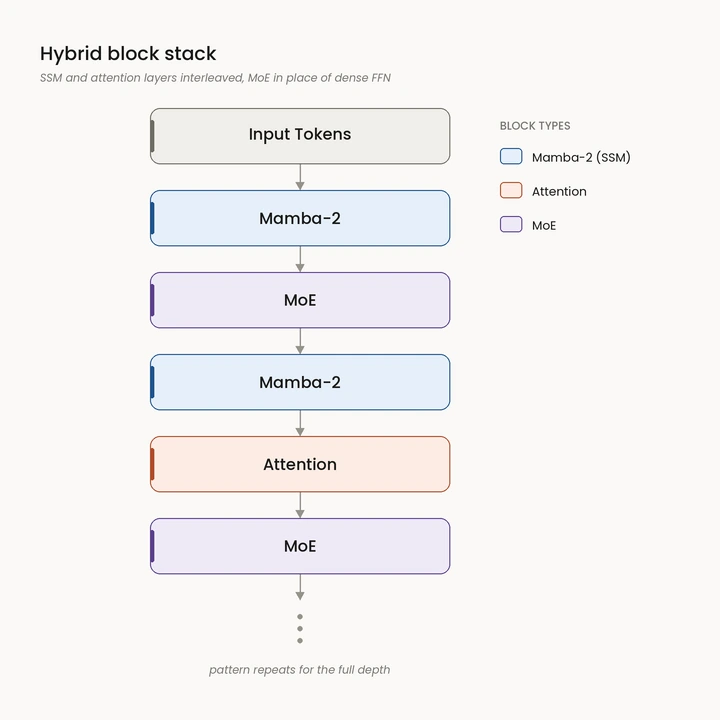
Perhaps the most innovative aspect of Nemotron 3.5 Lightning is its hybrid sequence processing. While traditional Transformers rely on self-attention—which scales quadratically and becomes prohibitively slow with long contexts—NVIDIA has integrated Mamba-2 layers. Mamba-2 is a state-space model (SSM) that offers linear scaling, making it exceptionally efficient for long-sequence processing.
However, because pure SSMs can sometimes struggle with precise "needle-in-a-haystack" retrieval, NVIDIA has retained selective Attention layers. This "best-of-both-worlds" approach ensures the model can handle a context window of up to 1 million tokens without the massive computational overhead typical of full-attention architectures.
3. Multi-Token Prediction (MTP)
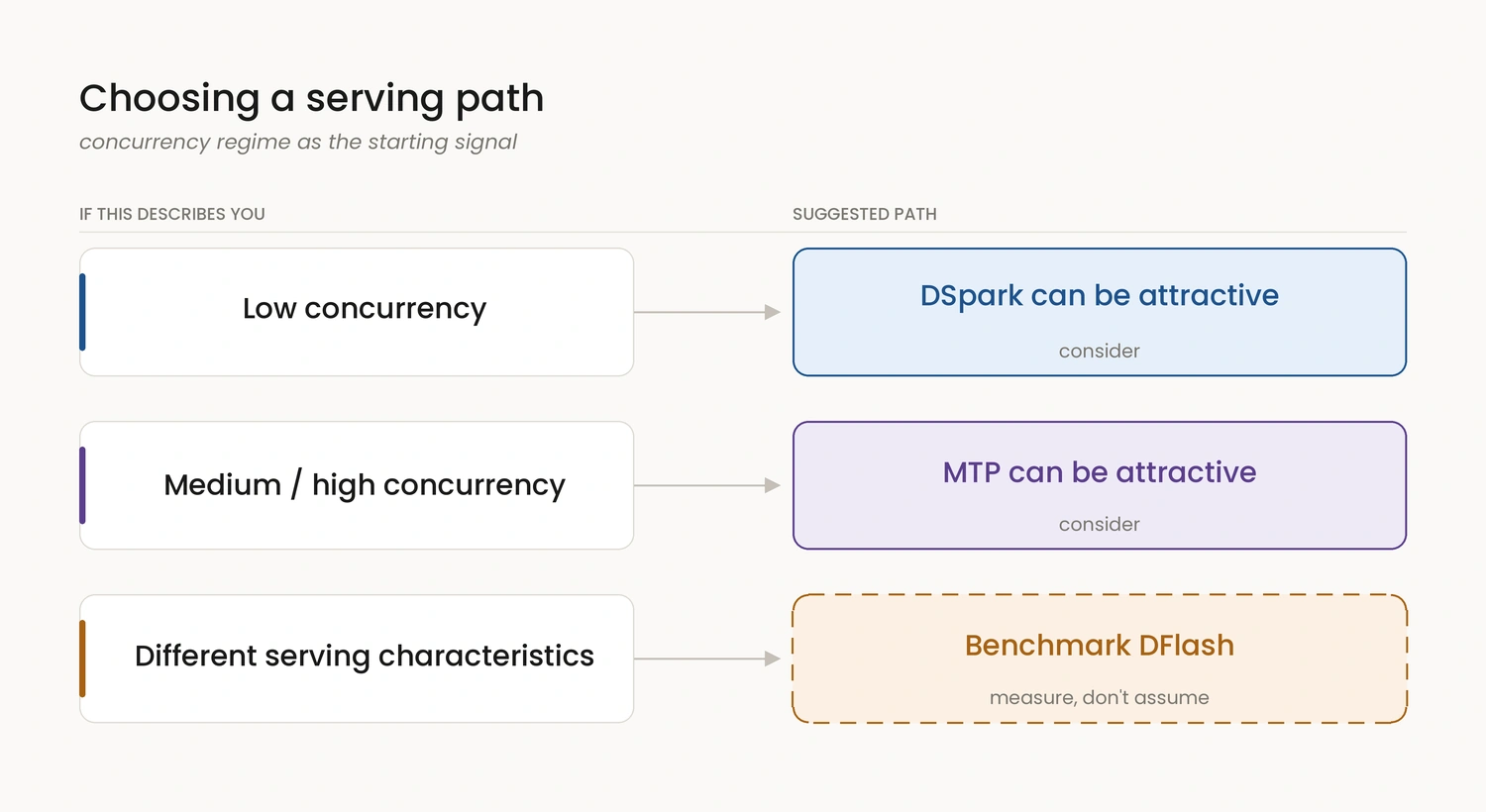
To further boost generation speed, the model incorporates Multi-Token Prediction. Unlike standard models that predict one token at a time, Nemotron 3.5 Lightning predicts multiple future tokens simultaneously during training. During inference, this allows for speculative decoding, where the model can "guess" the next several tokens and verify them in parallel, resulting in output speeds up to four times faster than similarly sized models.
Performance Benchmarks and Quantization Accuracy
NVIDIA has provided comprehensive benchmark data comparing the full-precision BF16 version of the model with the quantized NVFP4 (NVIDIA 4-bit Floating Point) version. The results indicate that the model maintains high levels of accuracy even when compressed for high-speed deployment on modern hardware like the Blackwell and Hopper GPU architectures.
| Benchmark | BF16 Score | NVFP4 Score |
|---|---|---|
| MMLU Pro (Knowledge/Reasoning) | 81.94 | 81.62 |
| GPQA Diamond (Expert Reasoning) | 75.44 | 75.57 |
| SWE-bench Verified (Coding) | 51.56 | 52.80 |
| IFBench (Instruction Following) | 71.88 | 72.88 |
| Terminal-Bench 2.1 (Execution) | 24.58 | 23.46 |
The data shows that for tasks like software engineering (SWE-bench), the quantized model actually performed slightly better in certain instances, likely due to the noise-resilience of the MoE structure. This stability is vital for enterprise users who need to deploy models on a single GPU to save on infrastructure costs without losing the "intelligence" required for tool-calling and code generation.
Chronology of Development and Availability
The release of Nemotron 3.5 Lightning is the latest milestone in NVIDIA’s aggressive expansion into the software and model layer of the AI stack.
- August 2024: NVIDIA releases the initial Nemotron-3 8B models, focusing on basic instruction following.
- Early 2025: Introduction of the Nemotron-4 340B series, targeting synthetic data generation.
- May 2026: NVIDIA previews the hybrid Mamba-Transformer research at major AI conferences.
- August 11, 2026: Official launch of Nemotron 3.5 Lightning as an open-weight model under the OpenMDW 1.1 license.
Currently, the model is available through several channels. Developers can access it via the NVIDIA Build API (integrated.api.nvidia.com) for prototyping. For local deployment, it has been integrated into the Ollama ecosystem and supports vLLM for high-throughput serving. Third-party providers such as OpenRouter and Fireworks AI have also added serverless support, with pricing starting as low as $0.05 per million input tokens.
Economic Implications for the AI Industry
The pricing structure of Nemotron 3.5 Lightning signals a move toward the commoditization of AI execution. At $0.05 per million input tokens and $0.20 per million output tokens, the model is significantly cheaper than frontier models, which can cost 10 to 50 times more.
For a company running a fleet of 1,000 autonomous agents, the cost of "validation" and "formatting" steps often becomes the largest line item in the R&D budget. By routing these tasks to a "Lightning" model, enterprises can drastically extend their operational runway. This creates a "tiered intelligence" architecture:
- Tier 1 (Frontier): High-level strategy and complex reasoning (e.g., Llama 3.1 405B or GPT-4o).
- Tier 2 (Execution): High-speed tool calls and sequence processing (Nemotron 3.5 Lightning).
- Tier 3 (Verification): Small, specialized models for unit testing and output validation.
Hardware Synergy: Blackwell and Beyond
NVIDIA’s release of Nemotron 3.5 Lightning is also a strategic move to showcase the capabilities of its latest hardware. The model is optimized for NVFP4, a quantization format specifically designed to take advantage of the Tensor Cores in Blackwell-based GPUs (such as the GB100 and GB200).
By providing a model that is tailor-made for its own silicon, NVIDIA is creating a vertical integration that makes it difficult for competitors to match their performance-per-watt and performance-per-dollar metrics. The model card explicitly mentions support for DGX Spark GB10 systems, suggesting that NVIDIA is targeting the "Edge-AI" and "On-premise Enterprise" markets where single-GPU efficiency is a primary concern.
Industry Reactions and Analyst Perspective
Early reactions from the developer community have been largely positive, particularly regarding the model’s 1-million-token context window. "The ability to feed an entire codebase into a fast execution model without the latency of a standard Transformer is a game-changer for agentic workflows," noted one lead engineer at a prominent AI startup.
Industry analysts suggest that NVIDIA’s "Open Weights" strategy is a calculated effort to become the industry standard for the execution layer. By making the weights available under the OpenMDW license, NVIDIA encourages a broad ecosystem of fine-tuning and integration, ensuring that when companies build agents, they build them on NVIDIA’s software foundations—which inevitably leads back to NVIDIA’s hardware.
Conclusion: The Future of Compound AI Systems
The launch of Nemotron 3.5 Lightning underscores a fundamental shift in AI development. The industry is moving away from the pursuit of a single, omniscient model toward "Compound AI Systems"—architectures where multiple specialized models work in concert.
In this new era, the value of a model is not just measured by its MMLU score, but by its throughput, its integration with hardware, and its ability to act as a reliable "worker" in a larger system. Nemotron 3.5 Lightning, with its hybrid architecture and aggressive pricing, is a formidable entry into this space, positioning NVIDIA not just as the world’s leading chipmaker, but as a central architect of the autonomous agent economy.