Generating a high volume of leads from Google Ads is a common objective for businesses aiming to expand their customer base. However, many find themselves inundated with leads that ultimately fail to convert into paying customers. This challenge often stems from how campaigns are configured, particularly when the primary goal is set to broad conversion actions like "form fill" or "phone call." In such scenarios, Google’s algorithm is optimized to achieve these actions as quickly, easily, and cheaply as possible, frequently resulting in a surge of unqualified leads, spam, or irrelevant inquiries.
With over a decade of experience navigating the complexities of Google Ads, a comprehensive set of strategies has emerged to help advertisers refine their campaigns and attract leads that possess genuine potential. These strategies focus on shifting the emphasis from sheer volume to quality, ensuring that advertising spend translates into tangible business growth and a stronger return on investment (ROI).

The Imperative of Offline Conversion Tracking
At the core of any effective lead quality improvement strategy lies Offline Conversion Tracking (OCT). While basic online conversion tracking, such as button clicks or form submissions, provides an initial signal, it is insufficient for discerning genuine customer intent. The act of contacting a business does not inherently signify a qualified lead.
OCT enables advertisers to bridge the gap between online ad interactions and real-world sales outcomes. By integrating customer relationship management (CRM) systems with Google Ads, either directly or through third-party platforms, businesses can feed crucial data back to Google’s algorithms. This data specifies which leads have progressed to become Marketing Qualified Leads (MQLs), Sales Qualified Leads (SQLs), and ultimately, paying customers. Armed with this refined information, Google’s Smart Bidding algorithms can more accurately identify and target users who exhibit similar high-value characteristics. The efficacy of Smart Bidding is directly proportional to the quality of the data it receives; without accurate offline conversion data, the algorithm is essentially operating with incomplete intelligence, leading it to pursue quantity over quality.
Without this foundational data, advanced Google Ads features like Performance Max, broad match keywords, and other AI-powered functionalities are likely to underperform, yielding a consistent stream of low-quality leads. This occurs because the advertiser has not provided the necessary intelligence to define what constitutes a "quality" lead. While implementing OCT can significantly reduce the necessity of other optimization tactics, some businesses may face challenges in its implementation due to technical limitations, resource constraints, or data privacy concerns. Nevertheless, it remains the most impactful single step an advertiser can take.

Strategic Adjustments for Enhanced Lead Quality
Even without full OCT implementation, advertisers can implement a series of strategic adjustments across their Google Ads campaigns to filter out unqualified leads and attract more valuable prospects. These adjustments encompass targeting, creative development, bidding strategies, and landing page optimization.
1. Pruning the Search Partners Network
Google’s Search Partner Network, while intended to expand reach, often comprises low-quality, spam-prone websites. Advertisers experiencing a high volume of impressions and exceptionally low cost-per-click (CPC) metrics, coupled with poor lead quality, frequently find that the Search Partner Network is a primary contributor to these issues. By unchecking the "Search partners" option within Search campaign settings, advertisers can ensure that their ads are exclusively displayed on Google Search, thereby concentrating their budget on more relevant user queries. Regular monitoring of channel performance reports, particularly within Performance Max campaigns, is crucial to prevent the Search Partner Network from inadvertently consuming campaign budgets.
2. Navigating the Google Display Network with Caution
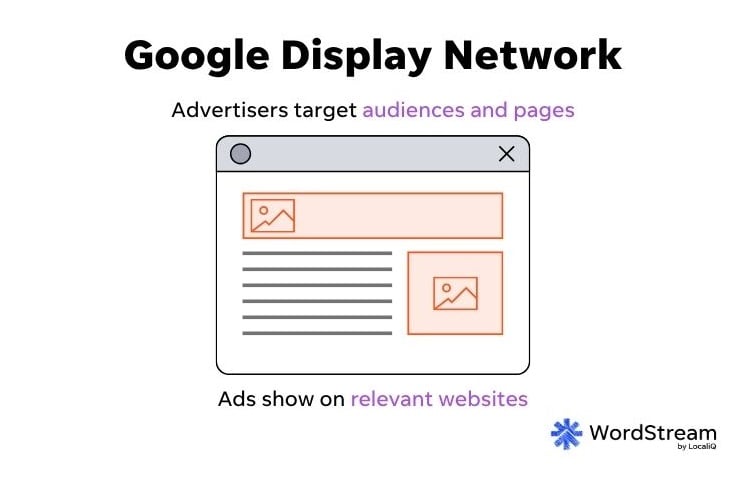
The Google Display Network (GDN) encompasses millions of websites and applications. While it offers broad reach, many of these placements are designed to generate ad clicks rather than qualified leads. For lead generation objectives, the GDN can be a significant source of bot traffic, spam, and low-value inventory if not managed strategically.
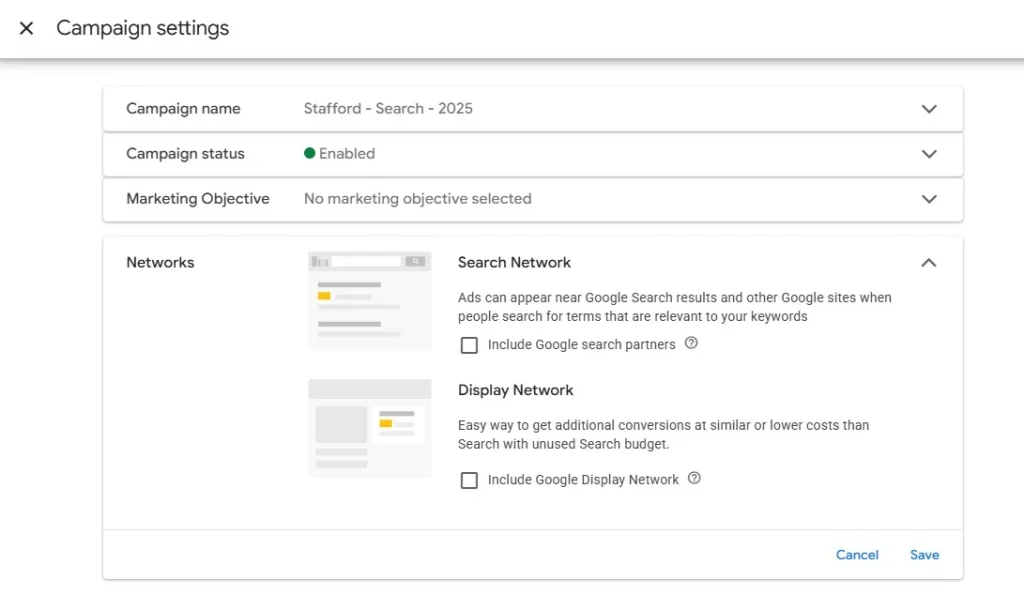
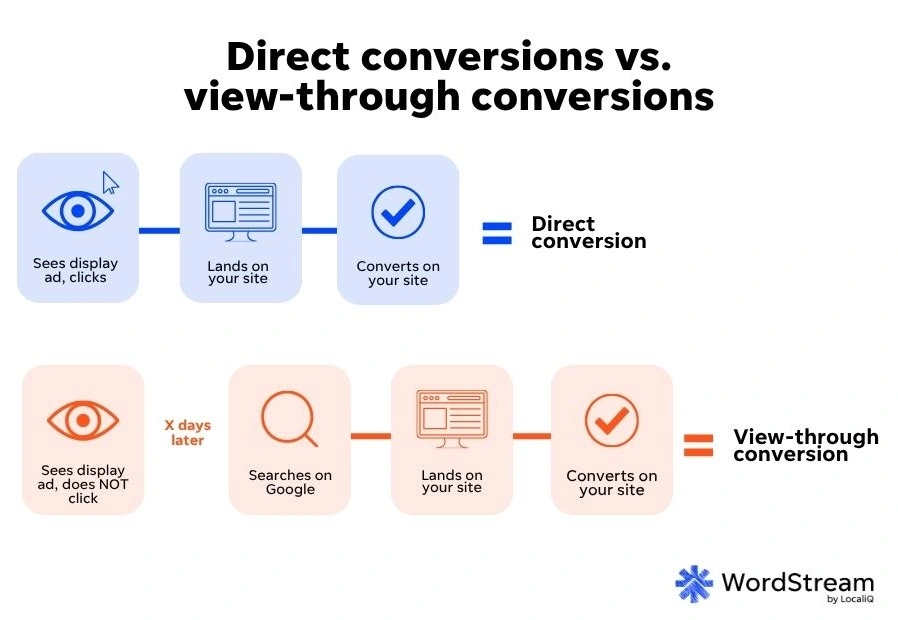
Similar to Search Partners, advertisers should ensure the Display Network is unchecked in Search and Demand Gen campaign settings. In Video campaigns, disabling "Video partners" is also advisable. For Performance Max campaigns, a vigilant review of the channel performance report is necessary to prevent the GDN from disproportionately consuming the campaign budget. If display advertising is an integral part of the strategy, implementing view-through conversion tracking is essential to capture any indirect leads generated from these campaigns.
3. Mastering Negative Keywords: A Strategic Approach
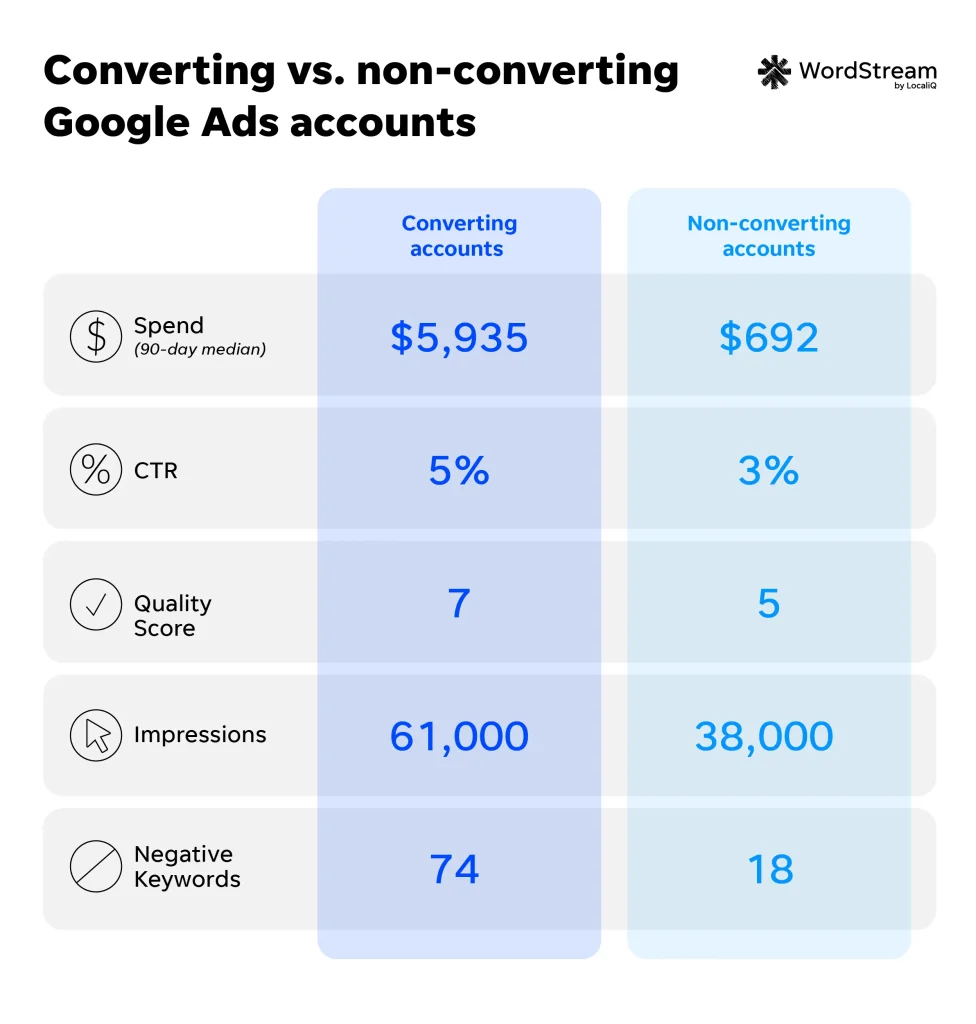
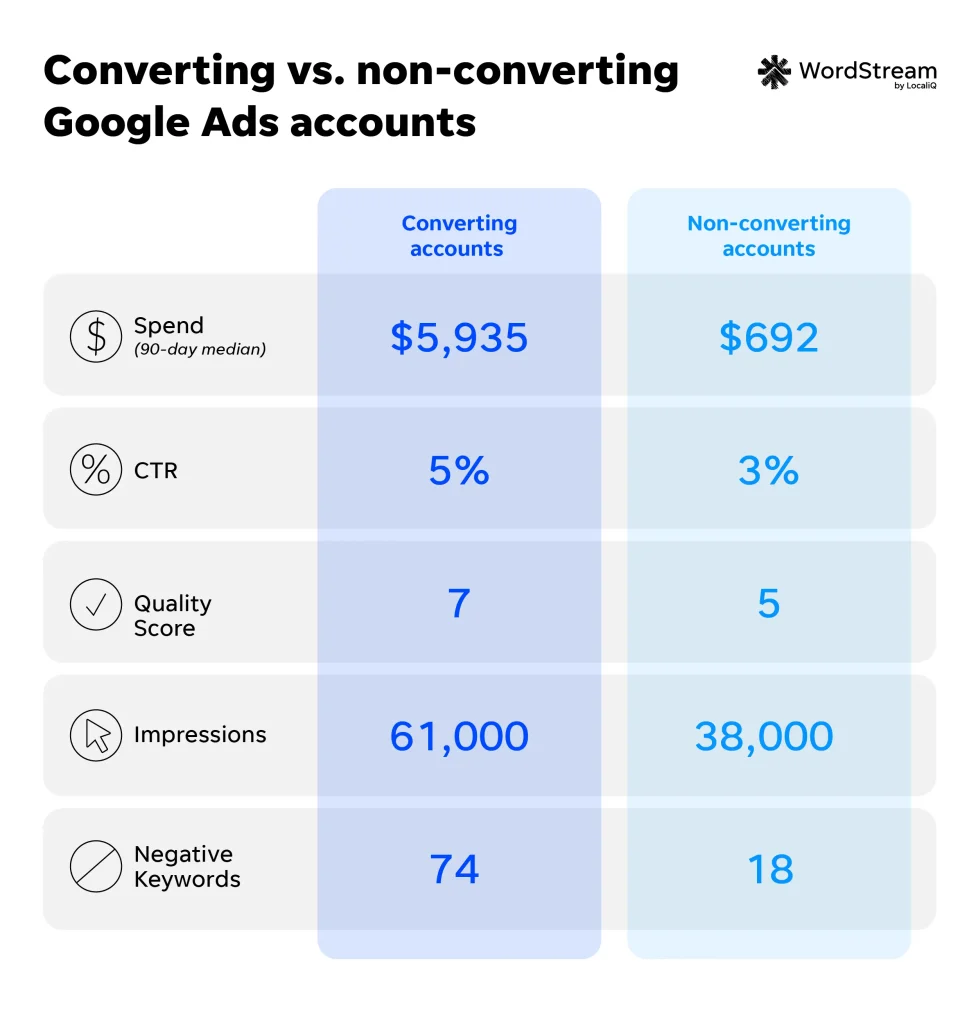
Negative keywords are indispensable tools for filtering out irrelevant search queries and safeguarding campaign budgets. Industry studies, such as WordStream’s analysis of over 15,000 Google Ads accounts, have demonstrated that the addition of even a single negative keyword can significantly improve conversion rates and Quality Scores.
However, advertisers must avoid falling into a "whack-a-mole" pattern of continuously adding negative keywords. If the number of negative keywords begins to exceed 10% of the total search terms within a campaign, it signals a fundamental underlying issue. This could indicate the misuse of keywords, incorrect match types, inappropriate ad targeting, flawed conversion tracking, or an unsuitable bid strategy. Addressing these root causes is paramount, allowing the Smart Bidding algorithm to recalibrate and effectively steer away from low-quality searches without constant manual intervention.
4. Leveraging Audience Targeting and Exclusion
Google Ads offers robust audience targeting capabilities that can significantly refine who sees an advertiser’s ads. In Search and Shopping campaigns, audiences can be applied in "targeting" mode. This ensures that users must not only match the campaign’s keywords but also belong to a specified audience segment. Segments like "detailed demographics" and business-related "in-market" categories are particularly valuable for this purpose.
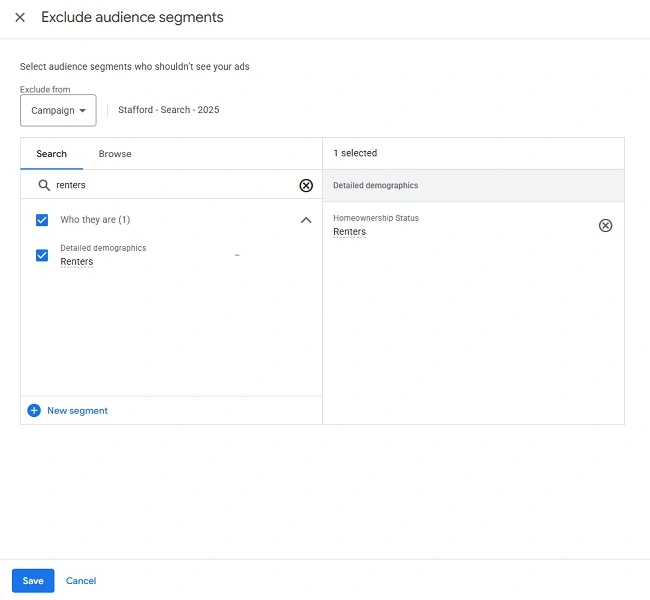
Conversely, audience exclusions can be employed to filter out unqualified users. For instance, a business offering high-end services might exclude audiences identified as "renters" if their offerings are geared towards homeowners. This ensures that ad spend is directed towards individuals more likely to be in a position to convert.
5. Deactivating Optimized Targeting
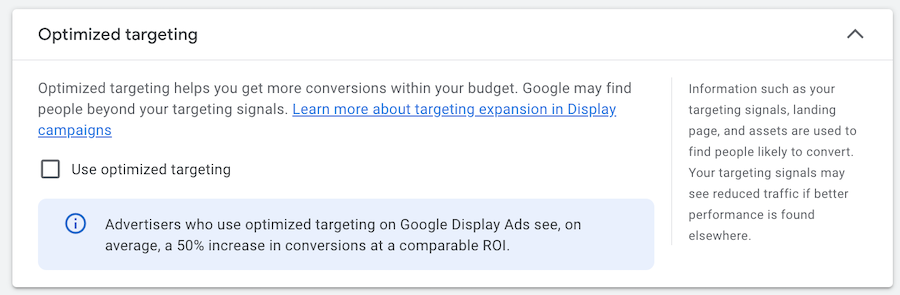
Optimized targeting, in Display and Demand Gen campaigns, transforms audience targeting into a mere "signal." This essentially grants Google Ads permission to display ads to whomever it deems most likely to convert, potentially disregarding the advertiser’s carefully selected audiences. For lead generation campaigns not utilizing OCT, this often leads to an influx of irrelevant and spammy leads, as the algorithm prioritizes the easiest and cheapest form-fillers. Disabling optimized targeting in ad group settings provides advertisers with greater control over their ad placements.
6. Disabling Automated Assets and Text Customization
Google Ads offers AI-driven features that generate text, image, and video assets. While these can be beneficial in some contexts, they can also misinterpret campaign objectives and attract the wrong audience. For example, automated sitelinks might direct users to a careers page when the advertiser’s goal is client acquisition. Similarly, AI-generated headlines can be overly generic, attracting clicks but not qualified leads. Disabling account-level automated assets and ensuring that asset customization is turned off in Performance Max, Search, and Demand Gen campaigns is recommended. These features can be revisited once a solid foundation of offline conversion tracking is in place.
7. Embracing Creative-Led Targeting
As automated targeting mechanisms reduce the precision of audience selection, ad creative—including text, images, and video—becomes the primary filter for attracting the ideal customer. With the evolution of match types, writing highly specific ad copy is crucial. This specificity not only attracts the right audience but also actively repels non-target prospects.
For Business-to-Business (B2B) advertisers, this involves using industry-specific jargon, acronyms, or clearly stating price points (e.g., "starting at $X,XXX"). The objective is to deter Business-to-Consumer (B2C) searchers from clicking, thereby conserving budget and sending valuable engagement signals back to the algorithm. This approach, termed "Creative-Led Targeting," is akin to strategies employed in social media advertising, where visual creative must immediately capture the attention of the Ideal Customer Profile (ICP) while simultaneously being unappealing to unrelated audiences.
8. Utilizing Conversion-Based Smart Bidding
Manual CPC bidding often prioritizes low-cost clicks, which is antithetical to generating high-quality leads. The fundamental principle to adopt is that high CPCs are not the enemy; low-quality traffic is. Employing conversion-based Smart Bidding strategies ensures that both the advertiser and Google Ads are aligned on the objective of acquiring quality leads.
For those new to Smart Bidding, starting with "Maximize Conversions" is a prudent approach. As campaigns mature and achieve approximately 30 conversions per month, transitioning to "Target CPA" (Cost Per Acquisition) becomes feasible. For advertisers managing multiple campaigns with limited conversion volume, portfolio bid strategies can be used to share learnings across campaigns, thereby enhancing overall performance.
9. Introducing Strategic Friction on Landing Pages
While the conventional marketing wisdom emphasizes making the conversion process as effortless as possible, for lead generation and B2B advertising, introducing a degree of "friction" can serve as an effective qualifier. Incorporating qualifying questions into lead forms allows users to self-select out of the process if they are not a good fit.
For example, a website development service targeting large enterprises could include an "estimated budget" dropdown with the lowest option starting at $50,000. Potential clients seeking a $500 website build would likely abandon the form upon seeing this threshold. This outcome is a success, as it signals to Google Ads that the click was not a good fit, guiding the Smart Bidding algorithm away from similar users in the future. Another tactic involves asking a qualifying question, such as whether the installation is for a business or a residence. Lead tracking software can be configured to only count leads from "business" selections as conversions for Smart Bidding purposes, while still allowing for follow-up with residential inquiries.
10. Combating Bot Spam with Technological Solutions
A significant portion of poor lead quality can be attributed to automated bots, which systematically scan the internet to fill out forms. As the prevalence of AI agents performing tasks on behalf of users continues to grow, this issue is expected to escalate. Businesses experiencing a high volume of automated spam, characterized by nonsensical form submissions or disconnected phone calls, must deploy technological countermeasures.
Implementing measures such as reCAPTCHA on landing pages or utilizing "honeypot" hidden fields within forms can effectively deter bots from submitting information. These tools are designed to prevent fake conversions from being recorded and transmitted to Google Ads, ensuring that the data fed to the algorithms remains clean and representative of genuine human interest.
The Path Forward: Prioritizing Quality Over Quantity
A high volume of leads, while seemingly impressive, is a vanity metric if those leads do not translate into closed deals. By establishing a robust data foundation through offline conversion tracking and complementing it with these structured optimizations across targeting, creative, bidding, and landing pages, advertisers can effectively guide Google’s algorithms to identify and attract the right customers. This strategic approach not only maximizes advertising spend but also leaves low-quality leads to competitors, ultimately driving more sustainable business growth. For businesses seeking to further enhance their lead generation efforts, exploring comprehensive marketing solutions can provide the expertise and tools necessary to achieve superior results.