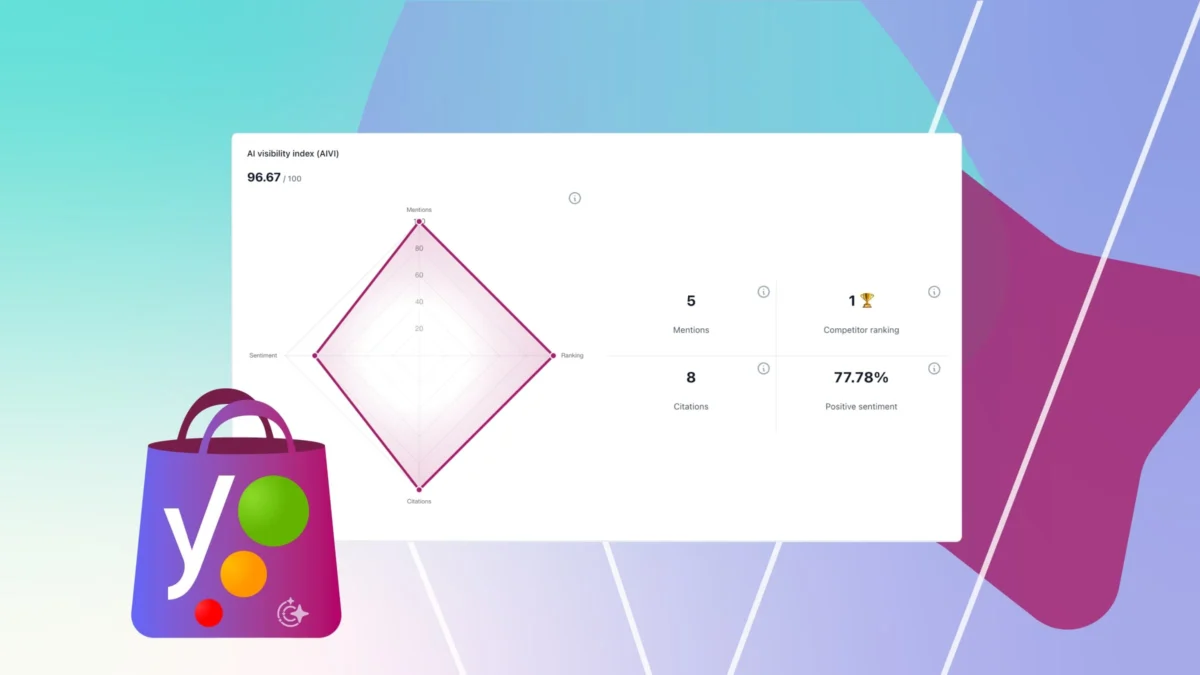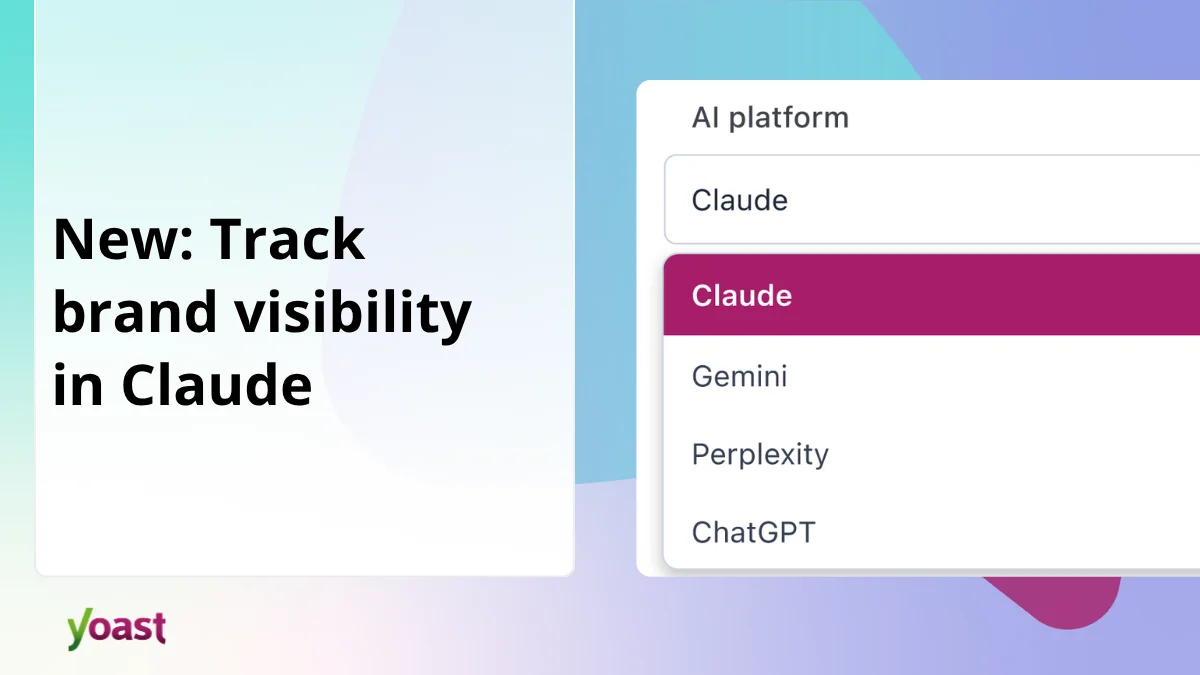
The strategic addition of Claude to Yoast’s monitoring suite underscores the growing imperative for brands to diversify their AI visibility strategies beyond traditional search engine optimization. As generative AI models become integral to the consumer journey, understanding and shaping brand perception across these diverse platforms is no longer merely advantageous but essential for sustained market relevance. The initial rollout of this feature ensures that existing Yoast SEO AI+ subscribers gain immediate access to Claude data without additional cost, seamlessly integrating it into their established workflows via MyYoast. For new subscribers, the AI+ plan offers this expanded brand insight alongside a suite of on-page SEO tools, content optimization features, and broader AI-powered analytics designed to streamline brand management and content strategy.
The Evolving Landscape of Consumer Research and Decision-Making
The way consumers research and make purchasing decisions has undergone a profound transformation, moving beyond the sole reliance on traditional search engines. Data indicates a dramatic shift towards generative AI platforms as critical touchpoints in the buying cycle. A significant nearly half of all consumers utilized AI tools to research purchases in 2025, a figure projected to surge to 64 percent by 2026. This trend spans the spectrum of consumer spending, from major investments like real estate or automobiles to everyday necessities. Consumers are increasingly turning to AI for product comparisons, personalized recommendations, detailed product information, and even creative solutions to their needs, effectively making AI models their first point of contact for information gathering.
This shift is not uniform across all AI platforms. Each model—be it ChatGPT, Perplexity, Gemini, or Claude—possesses distinct characteristics, user interfaces, and underlying algorithms that attract different user segments for varying purposes. For instance, some users might favor ChatGPT for its conversational fluency and creative text generation, while others might prefer Perplexity for its emphasis on sourcing and direct answers. Gemini, backed by Google, often integrates with a broader ecosystem of services, and Claude, developed by Anthropic, is known for its ethical AI principles and robust reasoning capabilities. The consequence of this diversification is that a brand’s narrative, product descriptions, or service explanations can vary significantly depending on which AI platform a consumer uses. This fragmentation of brand perception necessitates a holistic monitoring approach to ensure consistency and accuracy across all influential AI touchpoints.
The Strategic Imperative for Businesses in the AI Era
The adoption of AI is not confined to consumer behavior; businesses, particularly small and medium-sized enterprises (SMEs), are rapidly integrating AI into their operations. According to the JPMorgan Chase Institute, AI adoption among small businesses tripled in just two years, signaling a widespread recognition of AI’s potential to enhance efficiency, customer service, and competitive advantage. As businesses leverage AI for internal processes and customer interactions, they also become more susceptible to how AI platforms portray their brand externally. An AI model generating an inaccurate or unfavorable description of a business can have immediate and far-reaching consequences on sales, reputation, and customer trust.
For brands, the “conversation” about their offerings is no longer centralized. It unfolds across a multitude of digital venues, with AI platforms now acting as powerful intermediaries shaping public perception. Each platform, drawing upon its unique training data, real-time information access, and proprietary reasoning models, constructs its own “view” of the brands it references. This means that an identical query about a company—its services, values, or products—can yield substantially different answers depending on whether it is posed to ChatGPT, Perplexity, Gemini, or Claude. These discrepancies can arise from varying data freshness, emphasis on certain aspects of information, or even subtle algorithmic biases that prioritize different types of content. The ability to monitor these divergent narratives in a consolidated manner is therefore paramount for brand custodians seeking to maintain control over their brand story in the AI-driven information ecosystem.
Understanding AI Brand Perception Across Platforms
The core challenge for modern brand management lies in the inherent variability of how different large language models (LLMs) interpret and present information. While all major LLMs strive for accuracy and relevance, their methodologies and priorities differ.
- Training Data: Each LLM is trained on vast datasets, but the specific composition, recency, and weighting of these datasets can vary significantly. Some models might have more extensive access to real-time web data, while others rely more heavily on their pre-trained knowledge cutoffs. This can lead to differences in how up-to-date or comprehensive a brand’s information is presented.
- Algorithmic Reasoning: The underlying algorithms and architectures of these models, while all based on transformer networks, possess unique nuances in how they process information, infer relationships, and generate responses. Claude, for instance, is built with a strong emphasis on “Constitutional AI,” aiming for responses that are helpful, harmless, and honest, which might influence its cautiousness or neutrality in brand descriptions. ChatGPT, particularly earlier versions, might be more prone to confident but potentially erroneous assertions if not explicitly designed for fact-checking.
- Ethical Guidelines and Guardrails: Developers of these AI models implement different ethical guidelines and guardrails to prevent harmful or biased outputs. These guardrails can inadvertently shape how brands, especially those in sensitive industries, are discussed. A model with stricter content moderation policies might present a brand in a more conservative or less enthusiastic light than one with looser parameters.
- User Interaction Design: The way users interact with these platforms also influences the type of information generated. Conversational interfaces might encourage more exploratory queries, while search-focused AI tools might prioritize concise, factual answers. Brands need to understand how their information is accessed and processed in these varied interaction contexts.
The ability to compare brand mentions side-by-side across these platforms within Yoast AI Brand Insights empowers marketers and brand managers to identify discrepancies, correct misinformation, and strategically optimize their digital footprint for each unique AI environment. This level of granular insight is crucial for maintaining a consistent and positive brand image.
Yoast’s Proactive Approach: A Deep Dive into AI Brand Insights
Yoast, a long-standing leader in SEO tools and content optimization, has demonstrated a proactive commitment to evolving with the digital landscape. The integration of Claude into its AI Brand Insights is a testament to this adaptive strategy. The Yoast SEO AI+ plan, now fortified with Claude monitoring, provides a centralized hub for businesses to track their brand’s narrative across the most influential generative AI platforms.
The “What’s New” section, though brief in the original, implies a significant expansion of the tool’s capabilities. It allows users to:
- Monitor Brand Mentions: Track how their brand is described, defined, and contextualized by Claude.
- Compare Across Platforms: See a direct comparison of Claude’s output alongside ChatGPT, Perplexity, and Gemini for the same queries.
- Identify Discrepancies: Pinpoint inconsistencies or inaccuracies in brand information across different AI models.
- Inform Content Strategy: Use these insights to refine existing content, create new content tailored for AI consumption, and address potential knowledge gaps or misinterpretations.
- Proactive Reputation Management: Quickly identify and mitigate potential reputational risks arising from unfavorable or incorrect AI-generated content.
This comprehensive monitoring capability transforms passive observation into active brand management within the AI space. It moves beyond simply tracking keywords to understanding the semantic context and sentiment of brand mentions, which is vital for nuanced reputation management.
The Genesis of AI Brand Management Tools
The emergence of specialized AI brand management tools like Yoast AI Brand Insights is a direct response to the rapid proliferation and sophistication of generative AI. Historically, brand monitoring focused on social media, news outlets, and traditional search engine results. However, with AI models now synthesizing information and directly answering user queries, a new layer of complexity has been added.
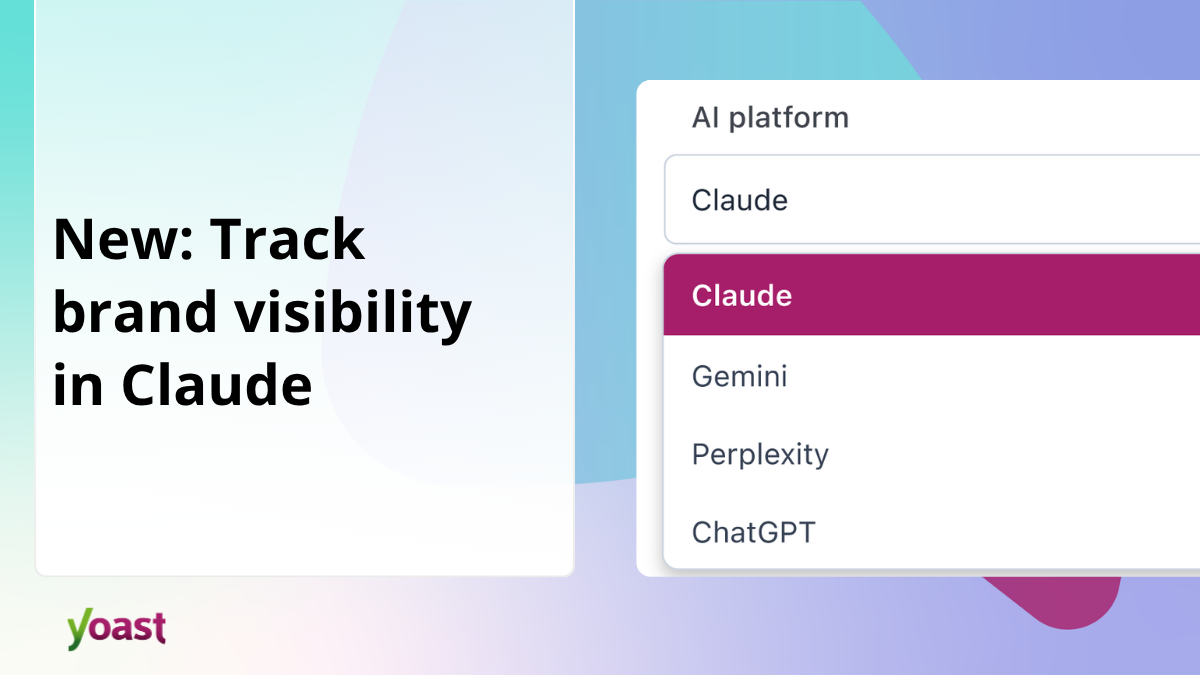
The timeline of this evolution can be traced back to the public release of ChatGPT in late 2022, which catalyzed widespread awareness and adoption of generative AI. This event quickly demonstrated AI’s potential to disrupt traditional information retrieval and content consumption. Consequently, businesses and SEO professionals recognized the urgent need for tools that could analyze how these new “answer engines” perceived and presented brand information. Yoast, with its deep roots in SEO and content strategy, was well-positioned to identify this gap and develop solutions that bridge traditional SEO with the demands of AI-driven content. The successive integration of major LLMs—ChatGPT, Perplexity, Gemini, and now Claude—into its AI Brand Insights product reflects a methodical approach to covering the most impactful platforms as they gain market traction.
Statements from Yoast Leadership
While the original article does not contain direct quotes, it is reasonable to infer the strategic thinking behind this launch. Joost de Valk, founder of Yoast, or a senior product executive like Beth Parker, Product Marketing Manager, would likely emphasize the company’s commitment to empowering businesses in the evolving digital landscape. A hypothetical statement might sound like this:
“At Yoast, our mission has always been to make SEO accessible and effective for everyone. The rise of generative AI has introduced a paradigm shift in how consumers discover and interact with brands. Integrating Claude into Yoast AI Brand Insights is a critical step in our journey to equip businesses with the tools they need to navigate this new era successfully. We understand that brand perception is now fragmented across multiple powerful AI platforms, each with its unique characteristics. By providing a unified dashboard to monitor ChatGPT, Perplexity, Gemini, and Claude, we are enabling our users to maintain a consistent, accurate, and compelling brand narrative wherever their customers are seeking information. This is about more than just visibility; it’s about control over your brand’s story in an AI-driven world.”
Expert Perspectives on AI’s Impact on Brand Management
Digital marketing experts and SEO professionals have been grappling with the implications of generative AI since its widespread adoption. The consensus among these experts is that traditional SEO, while still vital, must expand to include “Answer Engine Optimization” (AEO) or “AI Reputation Management.”
Sarah Johnson, a prominent digital strategy consultant, might comment: “The integration of Claude by Yoast is a significant milestone. For too long, brands have been somewhat blind to how AI models like Claude, with their distinct ethical frameworks and reasoning capabilities, are shaping consumer perceptions. A tool that provides a comparative view across the major LLMs is invaluable. It allows marketers to move beyond guesswork and proactively refine their online presence to influence AI outputs, ensuring their brand messaging is accurate, positive, and consistent across every new digital frontier.”
Another expert, Dr. Mark Chen, a researcher in AI ethics and marketing, could add: “The varying outputs from different AI models highlight the complex interplay of data, algorithms, and ethical considerations. Brands need to understand that each AI platform is, in essence, a unique ‘media channel’ with its own editorial leanings. Yoast’s offering provides the transparency needed to manage these disparate channels effectively, helping brands to not only react to but also anticipate how AI might interpret their information.”
Operationalizing AI Brand Insights: Getting Started
The process for utilizing Yoast AI Brand Insights is designed for ease of use, reflecting Yoast’s commitment to user-friendly tools. For existing subscribers of the Yoast SEO AI+ plan, the integration of Claude is automatic and seamless. Upon their next analysis cycle, Claude will simply appear as a new option within their dashboard in MyYoast, requiring no additional setup or cost. This ensures that users can immediately leverage the expanded monitoring capabilities without disruption to their workflow.
For businesses not yet subscribed to the Yoast SEO AI+ plan, upgrading provides comprehensive access to this feature, alongside a robust suite of other SEO tools. These include on-page SEO analysis, content optimization suggestions, and further AI-powered insights designed to enhance overall digital performance. The unified workflow means that brand managers can identify how their brand is mentioned across AI platforms and then immediately pivot to optimizing their website content or other digital assets from the same interface, creating a cohesive and efficient strategy for the AI era. This integration streamlines the feedback loop between AI perception and content creation, allowing for rapid adjustments and improvements.
Broader Implications for Digital Marketing and SEO
The integration of Claude into Yoast AI Brand Insights carries profound implications for the broader fields of digital marketing and SEO. It signals a definitive shift from solely optimizing for search engine algorithms to also optimizing for generative AI models. This new paradigm encompasses:
- Content Strategy Evolution: Content will need to be crafted not just for human readers and search engine crawlers, but also for AI models. This involves clear, concise, factual, and well-structured information that AI can easily parse and synthesize. The emphasis shifts to authoritative and unambiguous data that minimizes misinterpretation.
- Reputation Management at Scale: The ability to monitor multiple AI platforms simultaneously elevates reputation management to a new level of complexity and necessity. Brands must be vigilant about the “AI narrative” surrounding them, as it can be even more impactful than traditional news mentions due to AI’s direct influence on decision-making.
- Ethical AI and Brand Alignment: Brands will increasingly need to understand the ethical frameworks of different AI models. Aligning brand values with the ethical principles of AI platforms like Claude, which prioritizes safety and helpfulness, can become a strategic advantage, influencing how the AI presents the brand.
- The Rise of “Answer Engine Optimization” (AEO): AEO moves beyond keywords and backlinks to focus on providing direct, accurate, and comprehensive answers to user queries, anticipating how AI models will synthesize this information. This includes optimizing for entity recognition, structured data, and contextually rich content.
- Competitive Intelligence: Monitoring how competitors are portrayed by AI platforms can provide invaluable competitive intelligence, revealing strengths, weaknesses, and potential opportunities for differentiation.
This development positions Yoast not just as an SEO tool provider, but as a crucial partner for businesses navigating the complex and rapidly evolving AI landscape, solidifying its role at the forefront of digital marketing innovation.
The Future of Brand Visibility in an AI-Driven World
The addition of Claude to Yoast AI Brand Insights is more than just a feature update; it is a forward-looking step into the future of brand visibility. As generative AI technologies continue to advance and become even more integrated into daily life, their influence on brand perception will only grow. Future iterations of such tools might incorporate sentiment analysis specifically tuned for AI outputs, predictive analytics to anticipate AI’s interpretation of new information, and even direct integration with AI models for feedback loops.
The ultimate goal for brands in this AI-driven world will be to achieve “AI-native” brand presence—a state where their brand identity is accurately, positively, and consistently represented across all AI touchpoints. This requires continuous monitoring, proactive content optimization, and a deep understanding of the nuances of each AI platform. Yoast’s expansion of its AI Brand Insights is a critical enabler of this goal, empowering businesses to not only observe but actively shape their narrative in the age of intelligent machines. The battle for brand perception is now being fought on multiple AI fronts, and tools like Yoast AI Brand Insights provide the essential intelligence needed to win.