


Email marketers understand the cardinal sin of their profession: having their meticulously crafted messages relegated to the spam folder. This outcome not only undermines hard work but also miscategorizes legitimate communication with malicious sending behavior. In an increasingly complex digital landscape, where safeguarding customers from nefarious actors is paramount, email service providers (ESPs) continuously evolve their spam filtering technologies. These defenses have become so sophisticated that it is now rare for genuinely malicious emails to bypass an ESP’s robust security protocols.
However, this heightened vigilance has an unintended consequence for legitimate senders. A recent report, Validity’s 2026 Deliverability Benchmarks Report, reveals a concerning statistic: one in seven legitimate emails fail to reach the intended inbox. This translates to an average global inbox placement rate of 87.2%, with a notable 6.1% landing in the spam folder and another 6.6% going missing entirely. Compounding this challenge, global spam placement rates almost doubled in the past year, underscoring a growing crisis for businesses relying on email for critical communication and marketing. The delicate art of email deliverability, once seemingly straightforward, has become a complex maze for even the most scrupulous marketers.
The Evolving Battleground: Spam Filters and Malicious Actors
The history of email is inextricably linked with the fight against spam. In the early days, spam was often characterized by simple, unsolicited bulk emails filled with obvious keywords. Spam filters were rudimentary, relying heavily on keyword matching and basic sender blacklists. However, as spammers became more sophisticated, so did the defenses. Today, ESPs leverage advanced artificial intelligence (AI) and machine learning (ML) algorithms to analyze thousands of data points for every incoming email. This includes sender reputation, content analysis, recipient engagement patterns, and authentication protocols. The goal remains clear: protect users from phishing attempts, malware, scams, and unsolicited commercial messages.
This continuous evolution creates a dynamic "cat-and-mouse" game. As ESPs refine their tactics to block new forms of abuse, malicious actors simultaneously innovate to bypass these defenses. The unfortunate byproduct of this essential arms race is that legitimate senders, despite their best intentions, can sometimes get caught in the crossfire. A legitimate email, designed to inform or engage, can inadvertently trigger a filter designed to catch a scam, leading to lost revenue, diminished brand trust, and frustrated customers.
The Unintended Consequences: Legitimate Senders Caught in the Net
The statistic that nearly 13% of legitimate emails either end up in spam or go missing highlights a significant operational and financial challenge for businesses. For every email that fails to reach the inbox, there’s a missed opportunity—a lost sale, an unread important update, or a customer service interaction that never happens. This directly impacts marketing ROI, customer retention, and overall business efficiency. The paradox is that while spam filters aim to improve the user experience, they can inadvertently degrade the experience for those awaiting legitimate communications.
At its core, email deliverability is influenced by three overarching factors: sender reputation, the quality and content of the email itself, and the recipient’s engagement with the sender. Understanding and meticulously managing these elements is crucial for navigating the intricate path to the inbox. For marketers struggling with inconsistent inbox placement, the feeling of grappling with a "black box" system is common, making troubleshooting a daunting task.
Pillars of Inbox Placement: Essential Strategies for Marketers
Ensuring email deliverability requires a multi-faceted approach, addressing both technical configurations and strategic content delivery. A comprehensive review of current practices against industry best standards is often the starting point.
1. Robust Email Authentication Protocols:
The foundational layer of deliverability is proper email authentication. These technical configurations tell mailbox providers (MBPs) that an email genuinely originates from the stated sender, not an imposter. The primary methods include:
- Sender Policy Framework (SPF): Specifies which mail servers are authorized to send email for a particular domain.
- DomainKeys Identified Mail (DKIM): Attaches a digital signature to outgoing emails, allowing the recipient’s server to verify that the email was sent from an authorized server and has not been tampered with in transit.
- Domain-based Message Authentication, Reporting, and Conformance (DMARC): Builds on SPF and DKIM, providing instructions to MBPs on how to handle emails that fail authentication checks (e.g., quarantine, reject) and allowing senders to receive reports on authentication failures.
- Brand Indicators for Message Identification (BIMI): An emerging standard that allows organizations to display their brand logo next to authenticated emails in the inbox, enhancing brand recognition and trust.
The importance of these protocols was dramatically underscored by recent mandates from major MBPs. In early 2024, Gmail, Microsoft, and Yahoo implemented stringent new bulk sender requirements, making proper email authentication (SPF, DKIM, and DMARC) non-negotiable for senders sending over 5,000 emails per day. Failure to comply with these security protocols virtually guarantees automatic routing to spam folders, irrespective of content quality or engagement. Marketers must ensure all these records are correctly set up and aligned to maintain compliance and protect their sender identity.
2. Strategic Send Volume and Cadence Management:
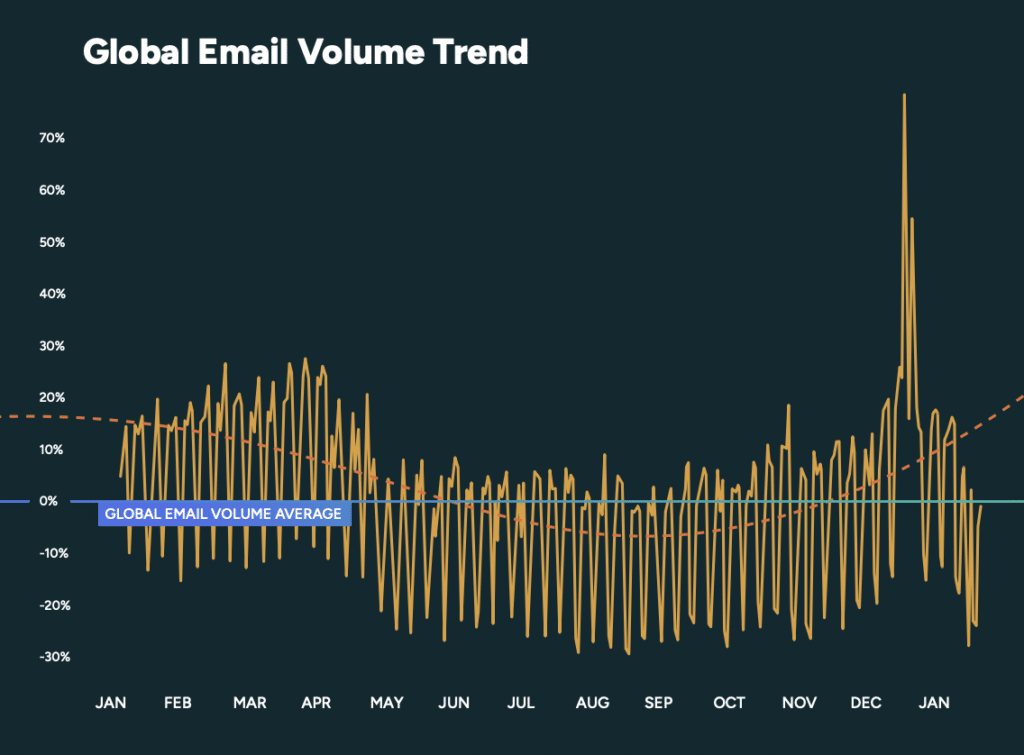
Mailbox providers closely monitor sending patterns. Sudden, significant spikes in email volume can trigger red flags, signaling potentially suspicious activity. This is particularly relevant for businesses gearing up for major promotional events like Black Friday or Cyber Monday, where email volume naturally increases. To avoid being flagged, senders must gradually warm up their IP addresses and domains, slowly increasing volume over time to build a consistent and trusted sending history.
Beyond volume, the frequency of emails, or cadence, is equally crucial. While email is a non-interruptive channel, excessive sending leads to subscriber fatigue. As Ross Adams, Principal PM Architect at Microsoft, noted, "We get lots of complaints, and it’s about email overload. What we often see is almost a type of bombing, and [subscribers] get fatigued." This fatigue often results in decreased engagement and, critically, an increased likelihood of spam complaints. To mitigate this, marketers should offer subscribers control over their email preferences through preference centers, allowing them to choose the types and frequency of emails they wish to receive. This respects their permission and helps set realistic expectations, reducing the chances of negative feedback.
3. Proactive Spam Complaint Mitigation:
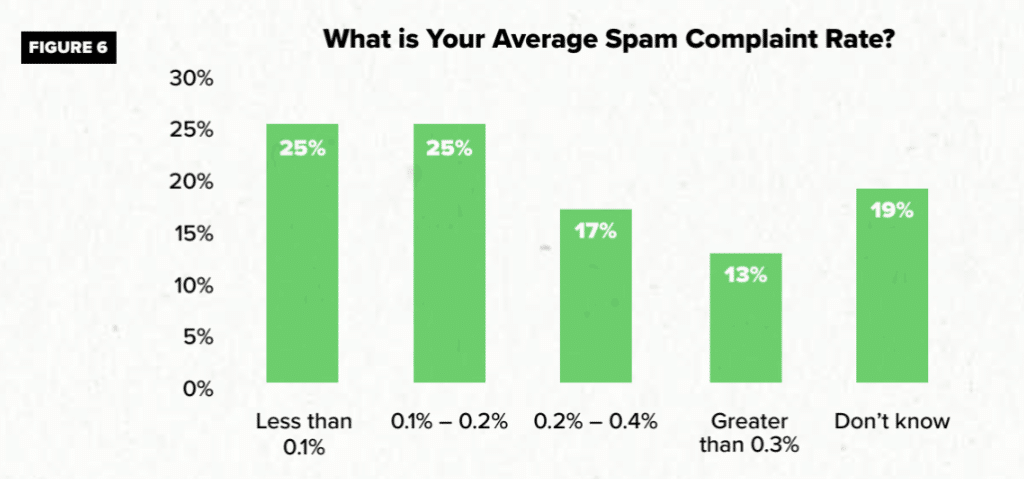
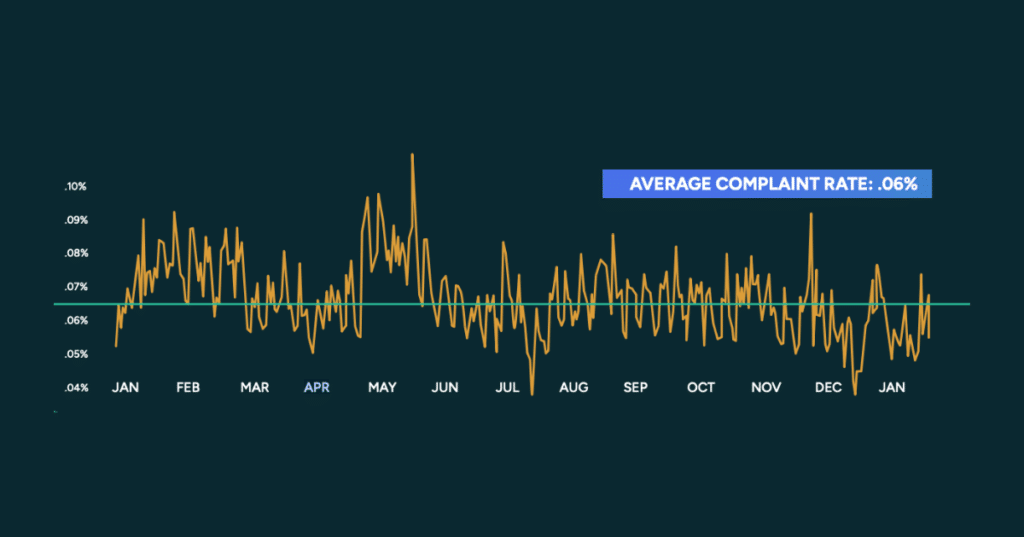
While unsubscribes are often viewed with trepidation by marketers, spam complaints are far more detrimental to deliverability. A high spam complaint rate severely damages sender reputation, leading to future emails being filtered. The new bulk sender requirements from Gmail, Microsoft, and Yahoo specify a strict spam complaint rate threshold of 0.3%. However, Clea Moore, Principal Product Manager at Yahoo, advises senders to aim for an even lower rate, closer to 0.1%, emphasizing that these requirements should be seen as a holistic strategy for improving the subscriber and sender relationship, not merely a checklist.
Subscribers mark emails as spam for various reasons: they may not recognize the sender, the content might be irrelevant or unwanted, emails could be sent too frequently, or they may struggle to find an easy unsubscribe option. Importantly, sending to individuals who have not explicitly opted in is not only detrimental to deliverability but can also be illegal under regulations like GDPR and CAN-SPAM, leading to severe penalties and irreversible damage to brand trust.
4. Facilitating Seamless Unsubscription:
To directly combat spam complaints and adhere to legal and platform requirements, providing a prominent, one-click unsubscribe option is non-negotiable. Gmail and Yahoo’s latest bulk sender rules explicitly mandate a one-click unsubscribe option. Concealing unsubscribe links in small, greyed-out footer text, requiring replies to emails for removal, or outright omitting the option will result in automatic spam folder placement. While marketers may fear unsubscribe metrics, a subscriber choosing to leave the list is infinitely better for sender reputation than a subscriber marking an email as spam. An easy exit path fosters transparency and respects subscriber autonomy, ultimately preserving the integrity of the remaining engaged audience.
5. Optimizing Email Content and Formatting:
While the notion of "spammy words" triggering filters is largely outdated due to sophisticated AI, poorly constructed email content can still lead to deliverability issues. Emails with broken images, inconsistent formatting, excessive use of all caps, too many exclamation points, or numerous typos can appear unprofessional and, in some cases, resemble phishing attempts. MBPs analyze the structural integrity and visual presentation of an email. Messy HTML, unusual character usage, or formatting inconsistencies can be red flags. With the increasing use of AI for drafting copy and coding emails, rigorous double- and triple-checking is essential before deployment.
A robust email testing strategy is critical. Tools like Litmus Previews allow marketers to preview emails across various clients and devices, catching errors before they reach the inbox. Sending emails riddled with errors or formatting issues not only damages trust but also signals a lack of professionalism, contributing to a negative user experience that can indirectly affect sender reputation.
6. Maintaining Impeccable Email List Hygiene:
One of the fastest ways to destroy sender reputation and trigger spam filters is through poor email list hygiene. Sending to inactive, fake, closed, or repurposed email addresses (which often become spam traps) signals to MBPs that the sender is either negligent or engaging in malicious practices. Spam traps are particularly dangerous, as they are email addresses specifically designed to catch spammers. Hitting a spam trap can lead to immediate blacklisting and severe damage to deliverability.
To maintain a healthy list:
- Implement Double Opt-In: Requires subscribers to confirm their subscription, ensuring genuine interest and valid email addresses.
- Regularly Verify Your List: Use tools to identify and remove invalid or problematic email addresses.
- Never Purchase Email Lists: Purchased lists are notorious for containing spam traps and unengaged contacts, leading to high bounce and complaint rates.
- Re-engagement Campaigns: For inactive subscribers (e.g., no engagement for 60-90 days), run targeted campaigns to ascertain continued interest, offering them a chance to update preferences before being removed from the list.
Solutions like Validity Engage offer AI-powered assistance to clean, monitor, and maintain marketing data, verifying new addresses and identifying potential issues like typos and spam traps, thereby proactively protecting sender reputation.
7. Cultivating High Subscriber Engagement:
The "black box" aspect of deliverability often boils down to user behavior. Opens, clicks, and read time are powerful signals to MBPs about the relevance and value of an email. Higher engagement rates indicate that subscribers value the content, positively influencing sender reputation and inbox placement. Conversely, low engagement tells MBPs that the emails might be unwanted, increasing the likelihood of future filtering.
Personalization is a key driver of engagement. Modern consumers expect personalized experiences; according to McKinsey, 71% of consumers expect companies to deliver them. Effective personalization goes beyond merely inserting a first name; it involves tailoring content based on interests, past behavior, and specific challenges. The State of Email Report 2025 highlighted segmentation as the most effective personalization strategy for 25% of marketers. By segmenting audiences and sending targeted, relevant content, marketers can significantly boost engagement. Leveraging zero-party data (information directly provided by customers through forms, surveys, or preference centers) allows for deeper, more meaningful personalization, fostering a stronger relationship with subscribers.
8. Delivering Value-Driven Content:
While the technical aspects are crucial, the content itself is the ultimate determinant of engagement. The era of worrying about specific "spammy words" like "discount" or "free" is largely over. MBPs are sophisticated enough to understand context. Instead, the focus should be on creating content that genuinely feels valuable, timely, and interesting to the recipient. If a probiotic brand like Seed can use a subject line like, "How’s your poop?", marketers have considerable freedom, provided the content aligns with brand voice and audience expectations.
Great content is:
- Relevant: Directly addresses the subscriber’s interests or needs.
- Engaging: Encourages interaction, whether through clicks, replies, or simply reading.
- Helpful: Provides value, solves a problem, or offers useful information rather than being overtly salesy.
- Consistent with Brand: Maintains a consistent tone, voice, and quality that subscribers expect.
High-quality, helpful content fosters positive subscriber behavior, including opens, clicks, and even the cherished "This Is Not Spam" (TINS) action, where subscribers rescue an email from the junk folder. This positive feedback loop reinforces sender reputation and improves future deliverability.
Actionable Steps for Deliverability Recovery
For email marketers grappling with emails consistently landing in the spam folder, a structured approach to troubleshooting is vital:
- Verify All Authentication Protocols: Double-check SPF, DKIM, and DMARC records for correct setup and alignment. Implement BIMI if applicable.
- Monitor Spam Complaint Rates: Actively track complaint rates and strive to keep them well below the 0.3% threshold, ideally closer to 0.1%.
- Review Sending Cadence and Volume: Ensure consistent sending patterns and gradually increase volume when necessary, avoiding sudden spikes.
- Audit Email List Hygiene: Implement double opt-in, regularly clean the list of inactive or invalid addresses, and remove any purchased contacts.
- Enhance Content and Formatting: Test emails across various clients, proofread meticulously, and ensure clean HTML and appealing visual presentation.
- Optimize Unsubscribe Process: Make the one-click unsubscribe option prominent and easy to use.
- Boost Engagement Through Personalization: Segment audiences effectively and tailor content based on subscriber interests and behaviors.
- Evaluate Content Strategy: Shift focus towards providing valuable, relevant, and helpful content over purely promotional messages.
Beyond these specific actions, a holistic review of the entire email marketing program is essential. Are the emails truly aligned with subscriber preferences? Is personalization being leveraged effectively? If the challenges persist, specialized expertise can be invaluable. Validity’s Professional Services offer in-depth analysis and tailored solutions to diagnose and resolve complex deliverability issues.
Leveraging Advanced Tools for Email Intelligence
The complexity of modern email deliverability necessitates advanced tools. Platforms like Validity Engage, built on Validity’s extensive data network, provide AI-powered email intelligence designed to simplify this challenge. Engage helps marketers uncover patterns in their email lists, gain insights into engagement and inbox placement, and autonomously take action. By removing risk and boosting email performance, these tools enable marketers to achieve exceptional results in less time, ensuring their valuable messages consistently reach their intended audience.
The journey to consistent inbox placement is ongoing, requiring continuous adaptation and meticulous attention to detail. In an age where digital communication is paramount, ensuring email deliverability is not just a technical task but a fundamental pillar of marketing success and brand integrity.








