


Email marketing continues to stand as a cornerstone of digital strategy for businesses worldwide, providing an unparalleled direct channel to connect with customers. As of May 6, 2026, its enduring efficacy is underscored by recent data, with Mailjet’s 2024 email engagement report revealing that a commanding 75.4% of consumers across the U.S., UK, France, Germany, and Spain prefer email for promotional messages. This preference extends to transactional communications, where 74% favor email over all other channels. This robust preference highlights email’s unique position as both a potent marketing vehicle and a critical operational tool, fostering direct engagement, building brand loyalty, and driving conversions.
However, the proliferation of email marketing platforms presents a significant challenge for businesses aiming to harness this power. The market is saturated with options, each touting unique features, pricing models, and target audiences. From nascent startups requiring simplicity and affordability to sprawling enterprise teams demanding sophisticated automation and deep integrations, the spectrum of available tools is vast. Selecting the appropriate platform is not merely a matter of feature comparison; it involves aligning the tool with a business’s strategic objectives, operational scale, and budgetary constraints. This comprehensive guide, informed by years of testing and market analysis, aims to demystify this complex landscape, offering insights to help businesses identify the platform that seamlessly integrates with their unique workflow and growth trajectory.
The Enduring Relevance of Email in the Digital Ecosystem

In an era dominated by fleeting social media trends and algorithm shifts, email marketing maintains its steadfast position as a reliable and high-ROI channel. Unlike rented digital spaces, an email list is an owned asset, granting businesses direct access to their audience without intermediary interference. This direct line facilitates a multitude of critical business communications, from product announcements and welcome sequences to curated newsletters and targeted promotions. The consistently high engagement rates and conversion potential attributed to email underscore its strategic importance, particularly for customer retention and lifetime value. Industry analysts frequently cite email marketing as yielding one of the highest returns on investment among digital marketing channels, often exceeding $36 for every $1 spent, a figure that continues to validate its indispensable role in marketing budgets.
Evolution of Email Marketing Platforms: From Basic Blasts to Intelligent Automation
The journey of email marketing platforms mirrors the broader evolution of digital technology. Early solutions were largely rudimentary, designed for mass mailings with limited segmentation or personalization capabilities. The late 2000s and early 2010s witnessed a significant shift with the advent of cloud-based SaaS (Software as a Service) models, making sophisticated tools accessible to a wider range of businesses. This era brought about drag-and-drop editors, basic automation sequences, and improved analytics.
By the mid-2010s, the focus expanded to include robust customer journey mapping, advanced segmentation, and deeper CRM integrations. The rise of artificial intelligence (AI) and machine learning (ML) in the 2020s further revolutionized the space, introducing hyper-personalization, predictive analytics, and dynamic content optimization. Today’s leading platforms are not just email senders; they are integrated marketing hubs, capable of orchestrating complex multi-channel campaigns, powered by data-driven insights and intelligent automation. This chronological progression highlights a continuous drive towards greater efficiency, personalization, and measurable impact, making the selection process more nuanced than ever before.
Key Pillars of Platform Evaluation: What Defines the "Best"?
To navigate the crowded market effectively, a rigorous evaluation framework is essential. Our assessment of dozens of email tools involved extensive hands-on testing—setting up campaigns, configuring automations, experimenting with templates, and scrutinizing integrations. This process was driven by a commitment to identifying platforms that genuinely serve diverse business needs, free from commercial influence. The following five critical criteria emerged as non-negotiable for any top-tier email marketing platform:
- Intuitive User Experience (UX): A platform should be accessible to users regardless of their technical proficiency. The ability to build lists, create compelling campaigns, and automate sends from a clean, logical dashboard is paramount. Tools that demand extensive training or specialized expertise were excluded, prioritizing ease of onboarding and daily operation.
- Robust, Functional Automations: Modern email marketing thrives on automation. Whether it’s a welcome series, a post-purchase follow-up, or a re-engagement campaign, automations must be straightforward to configure and consistently reliable. The selected tools enable the creation of complex customer journeys without requiring any coding knowledge, ensuring efficiency and consistency in communication.
- Seamless Integration Capabilities: An email marketing platform rarely operates in isolation. Its ability to integrate smoothly with existing business tools—such as e-commerce platforms (Shopify, WooCommerce), CRM systems (Salesforce, HubSpot), booking software, or marketing automation suites—is vital. Platforms offering robust native integrations or at least comprehensive Zapier support were prioritized to ensure cohesive workflows and data synchronization.
- Cost-Effectiveness and Transparent Pricing: Pricing structures can be a significant barrier for small and growing businesses. The chosen platforms offer affordable entry-level plans, flexible pay-as-you-go options, or transparent tiered pricing without prohibitive commitments or minimum volume requirements. This ensures businesses can start small and scale their email marketing efforts without unexpected financial burdens.
- Scalability for Future Growth: A truly effective platform must be able to evolve with a business. It should accommodate expanding subscriber lists, increasingly complex campaigns, and sophisticated automation needs without forcing costly migrations or significantly escalating pricing. The platforms on this list are designed to support businesses from their initial stages through substantial growth phases.
Deep Dive: Leading Email Marketing Platforms for 2026
Understanding the specific strengths and ideal use cases for individual platforms is crucial. Here’s an in-depth look at some of the market leaders, categorized by their primary advantages:

1. Best for Budget-Conscious Teams: Mailjet
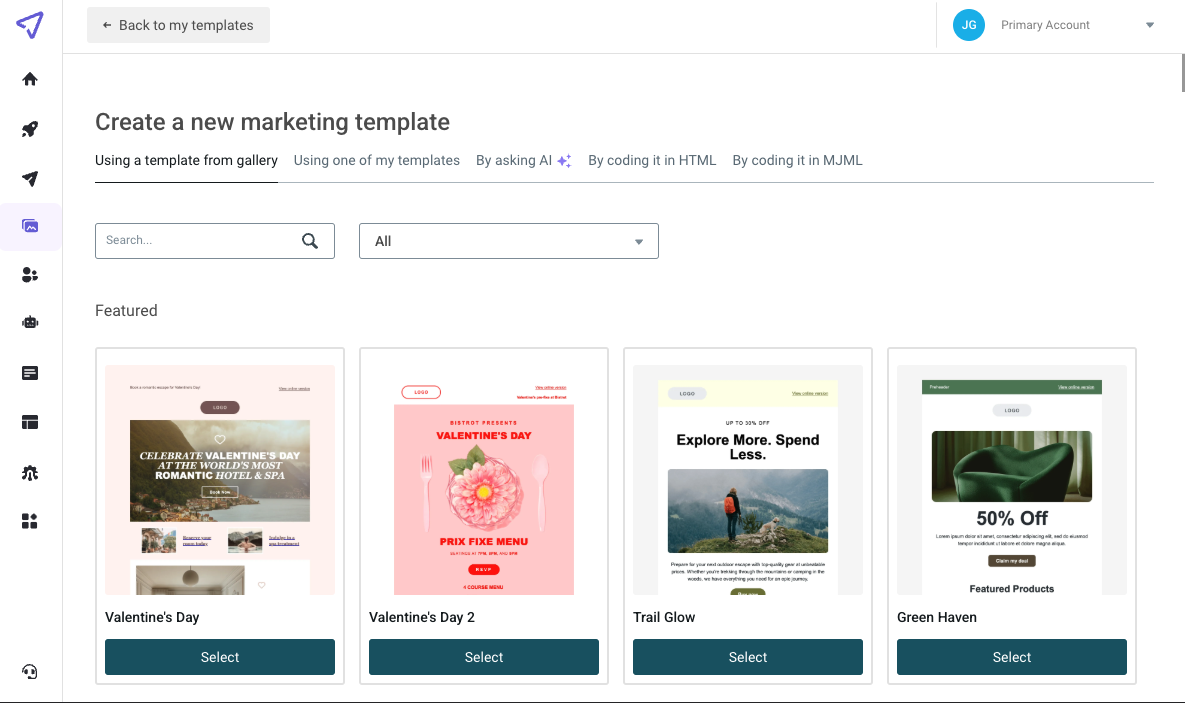
Mailjet distinguishes itself by offering a feature-rich platform at a highly competitive price point, making it a favorite among startups and growing teams. Its unique pricing model, which charges based on the number of emails sent rather than contact count, provides predictable costs even as subscriber lists expand. This flexibility, combined with a user-friendly interface, allows businesses to manage both marketing and transactional emails, build forms, and launch landing pages efficiently.
- Key Features: Intuitive drag-and-drop editor, A/B testing, segmentation, marketing and transactional email capabilities, API access for developers, robust deliverability tools, real-time analytics.
- Drawbacks: Some advanced automation features might require higher-tier plans, template variety can feel less extensive than competitors.
- Pricing: Free plan for up to 6,000 emails/month (200/day); paid plans start affordably, scaling with email volume.
2. Best for Getting Started: Mailchimp
Mailchimp remains an iconic entry point into email marketing, renowned for its beginner-friendly interface and generous free plan (up to 500 contacts). Its intuitive campaign builder, extensive template library, and straightforward analytics make it ideal for individuals and small businesses taking their first steps. However, as marketing strategies mature, users may encounter limitations in advanced automation and customization options, often necessitating an upgrade to higher-priced tiers.
- Key Features: Easy-to-use email builder, wide range of templates, basic CRM, landing page builder, audience segmentation, mobile app.
- Drawbacks: Pricing can become steep with larger contact lists, automation features on lower plans are limited, support can be slower.
- Pricing: Free plan for up to 500 contacts; paid plans based on contact count and features.
3. Best for Digital Creators: Kit (formerly ConvertKit)
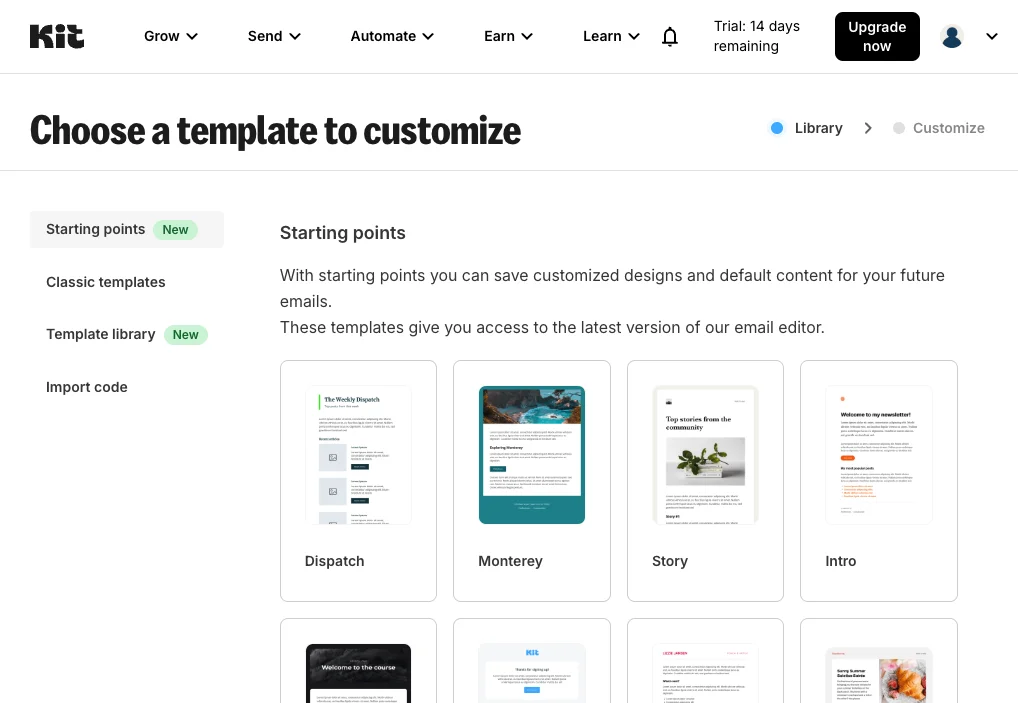
Tailored specifically for bloggers, YouTubers, podcasters, and other digital entrepreneurs, Kit excels at audience growth and automated follow-up sequences. Its focus on creator-centric features, such as customizable landing pages, opt-in forms, and sales funnels for digital products, sets it apart. The free plan offers substantial value, supporting up to 10,000 subscribers, though advanced multi-sequence automation and complex funnels require a paid upgrade.
- Key Features: Advanced segmentation for creators, customizable landing pages and forms, commerce integrations (e.g., for selling digital products), email course delivery, robust automation rules.
- Drawbacks: Less focus on traditional mass marketing features, visual design options for emails can be simpler.
- Pricing: Free plan for up to 10,000 subscribers (limited features); paid plans scale by subscriber count.
4. Best for Social-Savvy Brands: Constant Contact
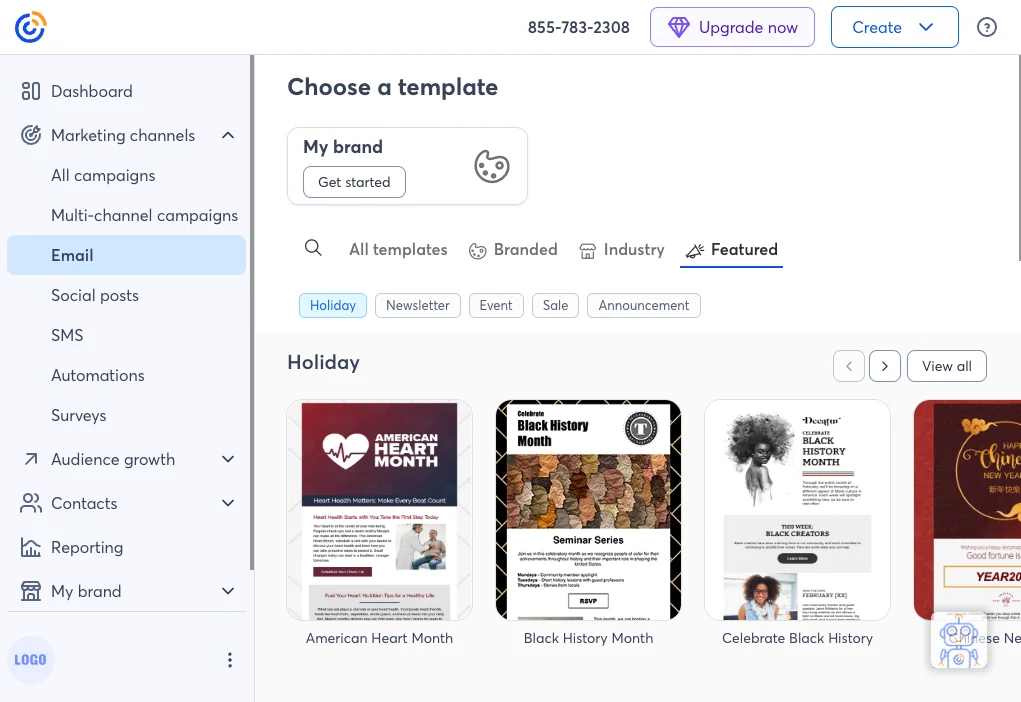
For businesses heavily invested in social media marketing, Constant Contact offers a seamless bridge between email campaigns and social engagement. Its user-friendly drag-and-drop editor, combined with solid email deliverability rates, makes it an attractive option. The platform’s strengths lie in its integrated social media tools, event management features, and robust e-commerce integrations, making it ideal for brands seeking a unified approach to online presence.
- Key Features: Strong social media integration, event marketing tools, intuitive drag-and-drop editor, excellent customer support, list management, robust reporting.
- Drawbacks: Can be pricier for larger contact lists, automation options are less sophisticated than some competitors.
- Pricing: Offers a free trial; paid plans based on contact count, starting from introductory rates.
5. Best for Long-Standing Reliability: AWeber
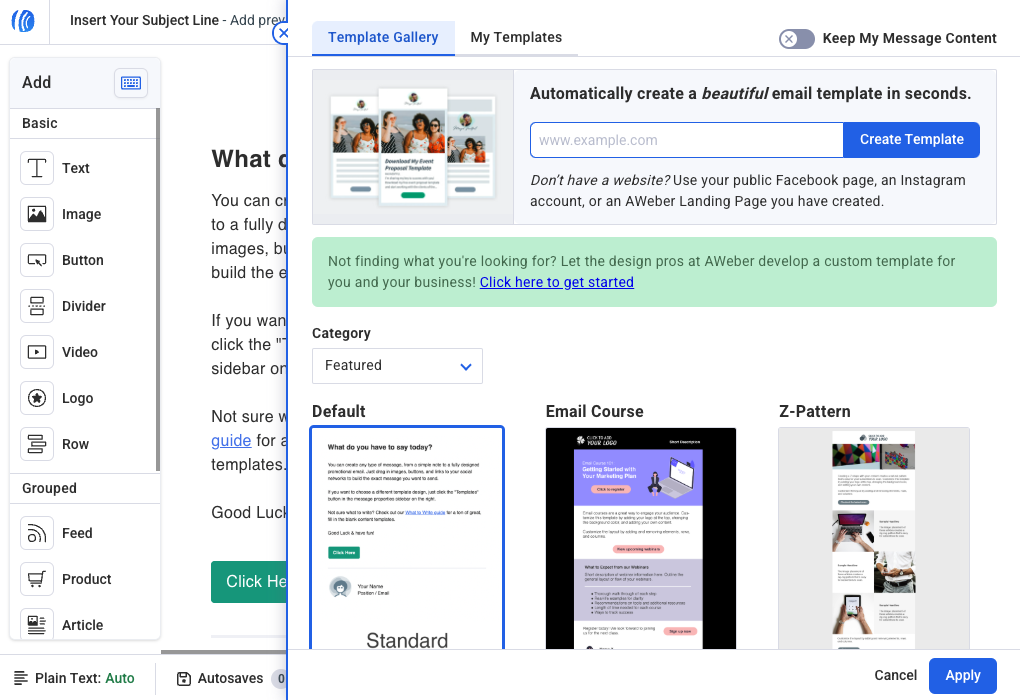
With over two decades in the industry, AWeber has built a reputation for reliability and foundational email marketing capabilities. It appeals to solo entrepreneurs and small business owners who value a stable, easy-to-use platform with core features like pre-built templates, basic automation, and integrations with popular platforms like Etsy and YouTube. While not the most cutting-edge, AWeber consistently delivers on the essentials, including solid analytics and testing tools.
- Key Features: Long-standing reputation for deliverability, user-friendly interface, vast template library, basic automation sequences, robust analytics, 24/7 customer support.
- Drawbacks: Interface can feel dated compared to newer tools, advanced features are less comprehensive.
- Pricing: Free plan for up to 500 subscribers; paid plans scale with subscriber count.
6. Best for All-in-One Marketing: HubSpot
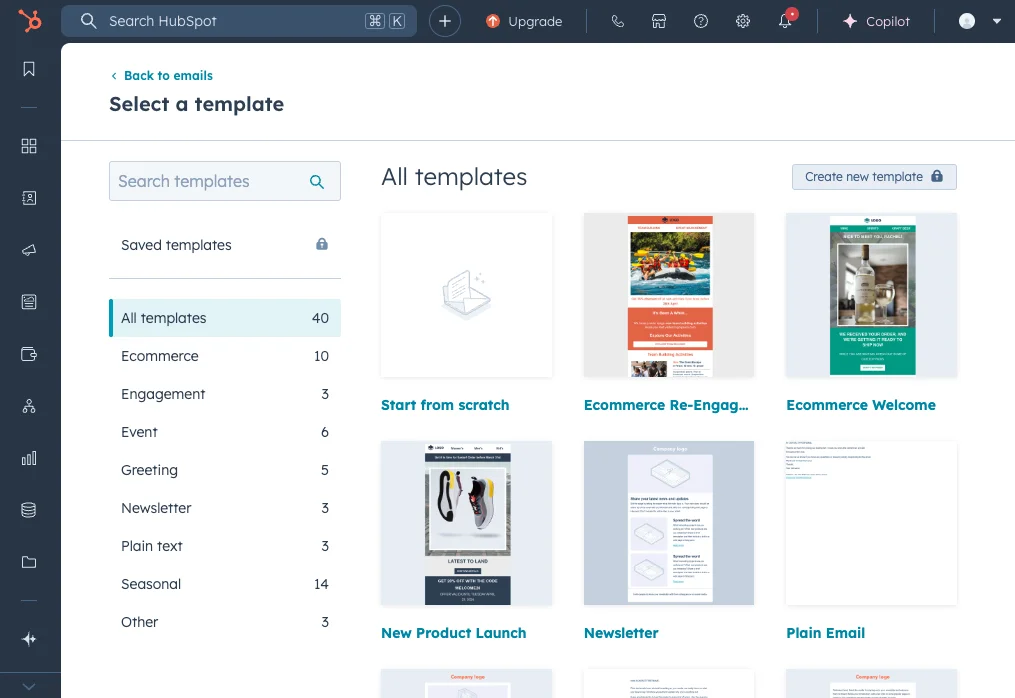
HubSpot transcends traditional email marketing, offering a comprehensive CRM and marketing suite. It allows businesses to manage contacts, automate email flows, track performance, and integrate with sales and service tools—all from a single dashboard. Its free tier is surprisingly generous, providing a taste of its extensive capabilities. However, accessing HubSpot’s more advanced automation, reporting, and marketing features entails a significant price increase, positioning it more for growing SMEs and enterprises.
- Key Features: Integrated CRM, comprehensive marketing automation, landing page and form builders, live chat, sales tools, extensive analytics, ecosystem of marketing tools.
- Drawbacks: Can be very expensive for full features, steeper learning curve due to breadth of functionality, not solely an email platform.
- Pricing: Generous free CRM and marketing tools; paid "Marketing Hub" plans are tiered and can be costly.
7. Best for Online Stores: Omnisend
Purpose-built for e-commerce, Omnisend is an omnichannel marketing automation platform that integrates email, SMS, and push notifications directly into its workflow, even on its free plan. It offers powerful segmentation based on purchase behavior, abandoned cart recovery, and product recommendation features, making it highly effective for driving online sales. While rich in features, some users note its email deliverability and template design options could be improved.
- Key Features: E-commerce specific automation (abandoned cart, browse abandonment), SMS & push notifications, product recommendation blocks, seamless integration with major e-commerce platforms (Shopify, BigCommerce).
- Drawbacks: Email template designs can be less diverse, deliverability performance sometimes lags behind dedicated email-only platforms.
- Pricing: Free plan for basic email/SMS; paid plans based on email/SMS volume and contacts.
8. Best for Multi-Channel Campaigns: Brevo (formerly Sendinblue)
Brevo (formerly Sendinblue) provides a unified platform for email, SMS, and live chat, making it an excellent choice for businesses seeking to consolidate their communication channels. Its clean, intuitive UI facilitates easy navigation, and its transactional email capabilities are particularly strong. Brevo’s pricing model, based on emails sent rather than contacts, offers flexibility. However, comprehensive analytics and advanced features are often reserved for higher-tier plans.
- Key Features: Email, SMS, Chat, and CRM in one platform; transactional email API; robust automation workflows; A/B testing; contact management.
- Drawbacks: Analytics are more basic on lower-tier plans, some users report a learning curve for advanced features.
- Pricing: Free plan for up to 300 emails/day; paid plans scale with email volume.
9. Best for Serious Automation: ActiveCampaign
ActiveCampaign is a powerhouse for businesses demanding sophisticated marketing automation and a deeply integrated CRM. It empowers users to build intricate customer journeys with advanced segmentation, dynamic content, and predictive sending. While it offers unparalleled depth in automation and sales tools, this sophistication comes with a steeper learning curve and a higher price point, making it best suited for marketing-savvy teams ready to invest in comprehensive solutions.
- Key Features: Advanced marketing automation workflows, built-in CRM, lead scoring, dynamic content, extensive segmentation options, site tracking, SMS marketing.
- Drawbacks: Higher cost, can be overwhelming for beginners, customer support quality can vary.
- Pricing: Tiered pricing based on contact count and feature set, starting at a higher entry point than many competitors.
Strategic Considerations: Tailoring the Platform to Your Business Needs
The optimal email marketing platform is not a universal solution but a strategic choice aligned with specific business contexts.
- Small Businesses & Startups: Prioritize ease of use, affordable entry points, and robust customer support. Platforms like Mailjet or Mailchimp offer solid foundational features without overwhelming complexity or cost.
- E-commerce Brands: Look for deep integrations with your store platform, advanced segmentation based on purchase history, abandoned cart recovery, and omnichannel capabilities (SMS, push notifications). Omnisend and Klaviyo (though not reviewed here, a strong alternative) are prime examples.
- Digital Creators & Influencers: Focus on audience growth tools, landing page builders, simple email course delivery, and sales funnels for digital products. Kit (ConvertKit) shines in this niche.
- Nonprofits: Seek platforms offering discounted rates or specific nonprofit plans. Features like donor segmentation, event management, and integrations with fundraising software are crucial for engagement and fundraising efforts. Constant Contact often serves this sector well.
- B2B Companies: Demand strong CRM integration, lead scoring, sophisticated automation for nurturing long sales cycles, and account-based marketing capabilities. ActiveCampaign and HubSpot provide the depth required for complex B2B strategies.
- Agencies: Require multi-client management features, robust reporting, white-label options, and flexible pricing structures. Many platforms offer agency-specific plans or reselling options.
Beyond Features: The Importance of Deliverability and Data Privacy
While features are important, two critical elements often overlooked are email deliverability and data privacy compliance. Poor deliverability means emails land in spam folders or fail to reach recipients, negating all marketing efforts. Reputable platforms invest heavily in sender reputation management, robust infrastructure, and compliance with internet service provider (ISP) guidelines. Businesses should inquire about a platform’s deliverability rates and tools (e.g., dedicated IP options, authentication protocols).
Furthermore, with regulations like GDPR and CCPA, data privacy is paramount. A chosen platform must offer tools for consent management, data access requests, and secure data handling to ensure compliance and maintain customer trust. Failing to adhere to these regulations can result in significant penalties and reputational damage.
The Future Landscape of Email Marketing: AI and Hyper-Personalization
Looking ahead, email marketing is poised for further innovation, largely driven by advancements in artificial intelligence and machine learning. Expect even greater levels of hyper-personalization, with AI-powered content generation, predictive analytics guiding optimal send times, and dynamic email layouts adapting to individual recipient preferences. Integrations will become even more seamless, creating truly unified customer experiences across all touchpoints. Businesses choosing a platform today should consider its roadmap and potential for embracing these future trends.
Making the Informed Decision: A Final Checklist
Choosing the right email marketing platform is a strategic investment in your business’s future. It’s about finding a partner that empowers you to connect effectively with your audience, streamline operations, and drive measurable growth. To guide your final decision, consider this checklist:
- Core Feature Alignment: Does it offer the essential tools you need right now (drag-and-drop editor, segmentation, basic automation)?
- Scalability & Growth Path: Can it grow with your business without becoming prohibitively expensive or functionally limited?
- Integration Ecosystem: Does it connect seamlessly with your existing CRM, e-commerce platform, or other critical tools?
- Pricing Transparency & Value: Is the pricing model clear, predictable, and justifiable for your budget and anticipated usage?
- Ease of Use & Support: Is the interface intuitive, and is reliable customer support readily available when you need it?
- Deliverability Reputation: Does the platform have a strong track record for ensuring emails reach the inbox?
- Data Privacy & Compliance: Does it offer features to help you comply with relevant data protection regulations?
- Advanced Capabilities (if needed): For more mature strategies, does it support lead scoring, A/B testing, dynamic content, or omnichannel marketing?
- Reviews & Reputation: What do current users and independent reviewers say about the platform’s performance and service?
- Trial Period: Does it offer a free plan or trial period to thoroughly test its features before committing?
By meticulously evaluating these factors, businesses can select an email marketing service that not only meets their current needs but also provides a robust foundation for sustained engagement, nurturing customer relationships, and achieving long-term business objectives in an ever-evolving digital landscape. The right platform is not just a tool; it’s a strategic asset that will help your brand stand out and thrive.








