
 rifanmuazin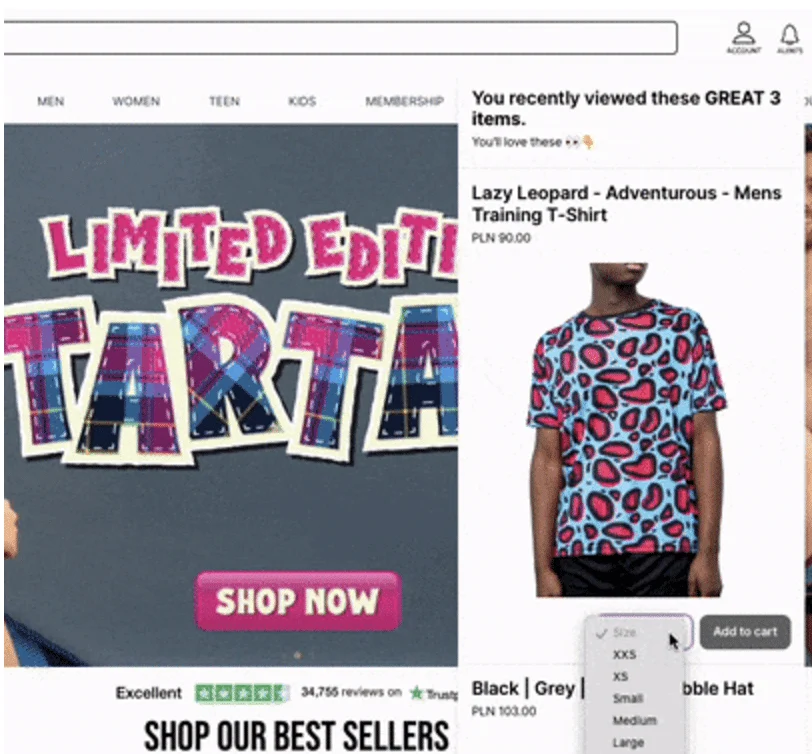
The global digital marketplace is currently undergoing a fundamental transformation as artificial intelligence (AI) shifts from a peripheral experimental tool to the central engine of Conversion Rate Optimization (CRO). Historically, the process of turning a website visitor into a paying customer relied on a combination of human intuition, retrospective data analysis, and slow, sequential A/B testing. However, the emergence of sophisticated machine learning algorithms has introduced a new paradigm where websites no longer act as static digital storefronts but as dynamic, sentient environments capable of anticipating user needs in real-time. This shift is not merely an incremental improvement in marketing technology; it represents a complete overhaul of how businesses interact with the modern consumer, prioritizing hyper-personalization and predictive accuracy to drive the bottom line.
The Evolution of Conversion Strategies: From Manual to Machine-Driven
To understand the impact of AI on conversion rates, one must examine the chronological progression of digital marketing. In the early 2000s, CRO was largely heuristic. Marketers relied on "best practices"—such as changing the color of a "Buy Now" button or simplifying a checkout form—based on generalized psychological principles. By the 2010s, the industry moved into the era of manual data-driven optimization. Tools like Google Analytics allowed teams to see where users were dropping off, but the "why" remained elusive, and the solutions required weeks of manual testing and validation.
The current era, beginning roughly in 2020 and accelerating with the rise of generative AI, is defined by AI-powered CRO. This approach entails using neural networks and deep learning to identify conversion friction points faster than any human analyst could. By automating the collection of behavioral data, AI identifies patterns in user interactions—such as subtle hesitation in mouse movements or specific sequences of page views—that signal a high or low intent to purchase. This allows businesses to prioritize their testing efforts and personalize experiences at a scale previously thought impossible.
Comparative Analysis: Traditional CRO vs. AI-Enhanced Methodology
Traditional CRO is often criticized for being "bandwidth-heavy." A typical optimization cycle involves a heuristic review, the formation of a hypothesis, the design of a variant, and a test period that can last 30 days or more. Because these tests are usually run sequentially, a company might only be able to test 12 major changes a year. Furthermore, traditional A/B testing often yields a "winner" for the average user, ignoring the fact that different segments of the audience may have diametrically opposed preferences.
In contrast, AI-driven CRO operates on a multi-variant, real-time basis. Instead of finding one version of a page that works best for everyone, AI tools can serve thousands of variations simultaneously, tailored to the specific profile of the individual visitor. According to recent industry reports, companies implementing AI-driven personalization see an average lift in conversion rates of 15% to 30%, compared to the 2% to 5% gains typical of traditional manual methods.
Industry Benchmarks and Case Studies in Personalization
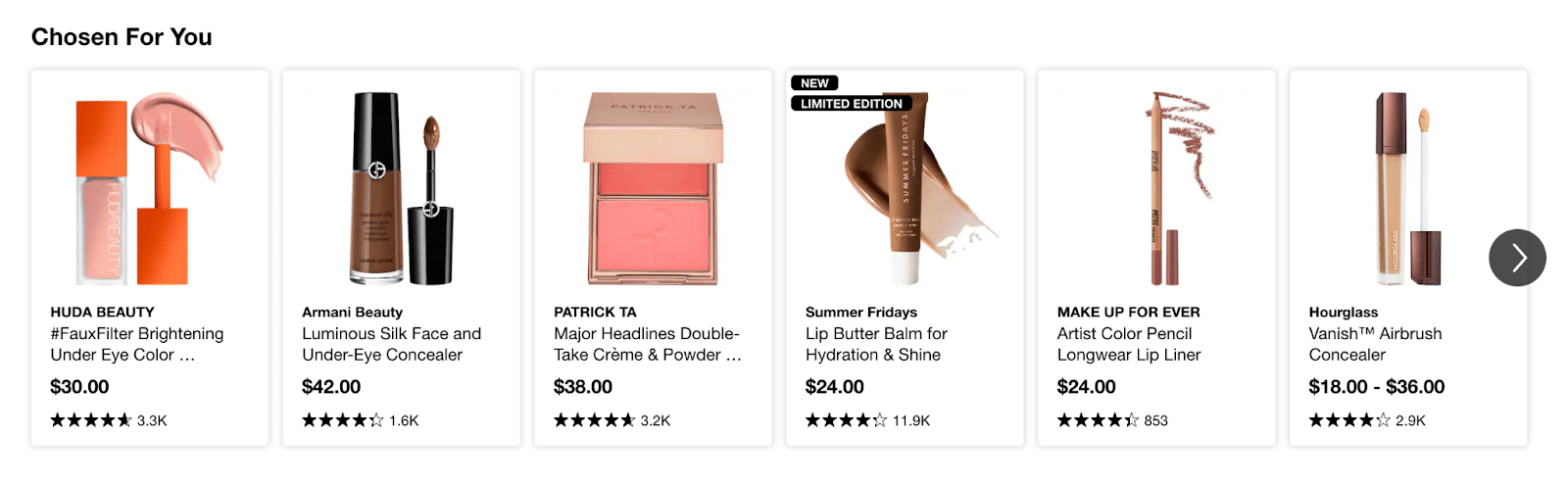
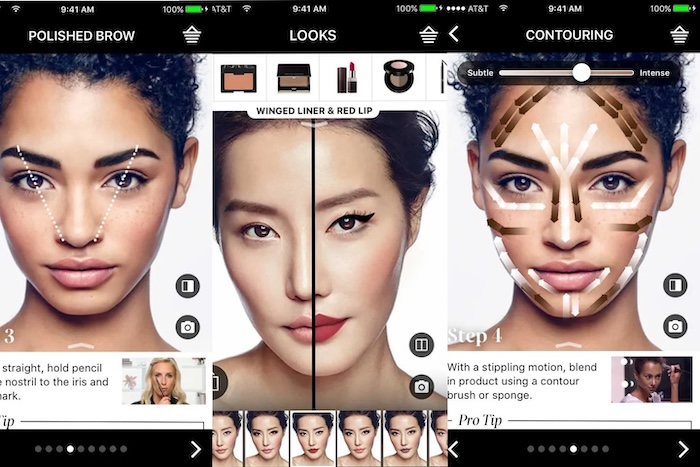
The retail giant Sephora serves as a primary example of this technological integration. Sephora’s digital strategy leverages AI to bridge the gap between physical and digital browsing. Their "Virtual Artist" tool uses augmented reality (AR) and AI to allow customers to virtually "try on" makeup. This does more than enhance the user experience; it significantly reduces "purchase regret" and cart abandonment by providing the customer with visual proof of the product’s suitability. Furthermore, Sephora’s recommendation engine analyzes skin type, past purchases, and browsing history to offer tailored product suggestions that feel curated rather than generic.
Similarly, the fashion-tech firm Stitch Fix has pioneered the use of the Outcome Conditioned Model (OCM). By using generative AI and expert human stylists in tandem, the company predicts which items a customer is most likely to keep before the box is even shipped. This predictive capability has redefined the subscription model, moving the conversion point from the website click to the physical "keep" rate.
The Technological Arsenal: AI-Powered Tools for Optimization
The modern CRO specialist’s toolkit has been revolutionized by several categories of AI-driven software:
-
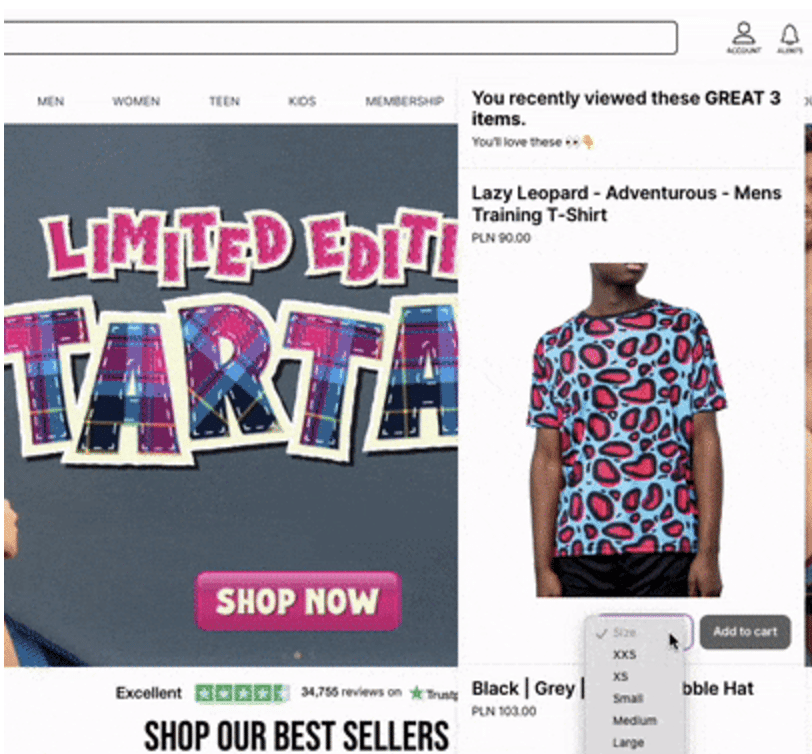
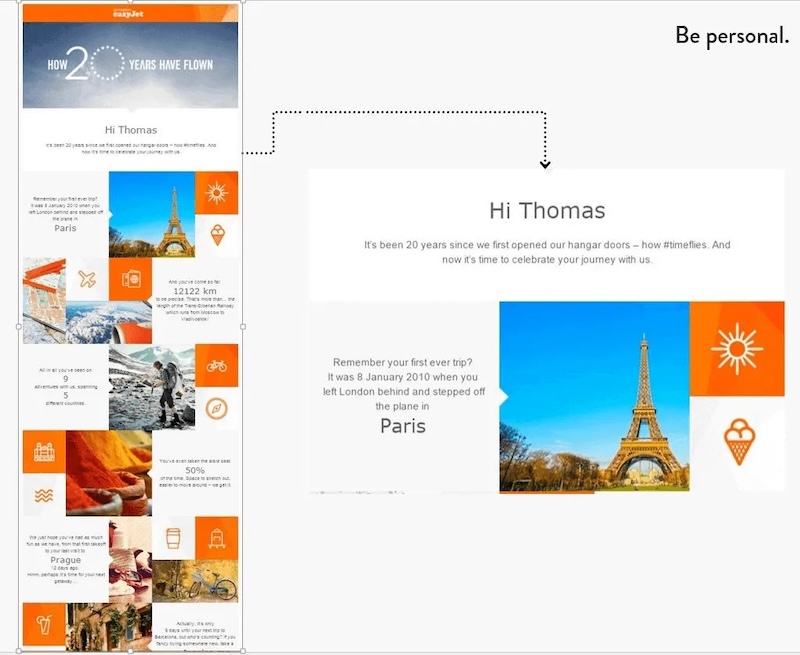
Personalization Engines: These tools, such as those used by the UK underwear brand OddBalls, analyze real-time behavior. If a visitor views three products without adding to the cart, the AI triggers a dynamic on-site notification or a "Wishlist" reminder. This personalized nudge addresses the specific browsing stage of the user, effectively lowering the bounce rate.
-
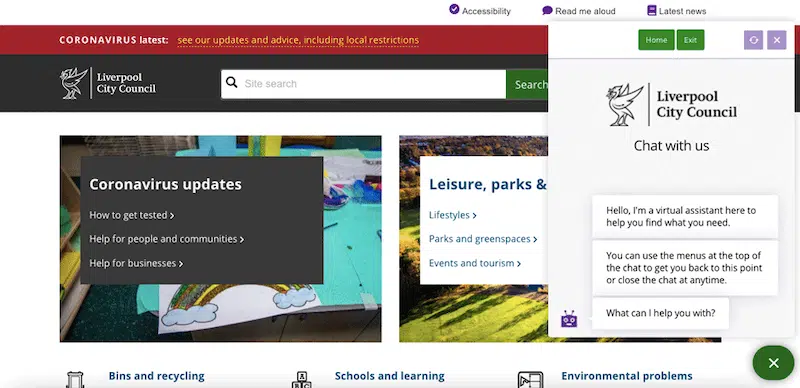
Conversational AI and Chatbots: Gone are the days of rigid, script-based bots. Modern interfaces powered by Natural Language Processing (NLP), such as Intercom and Drift, can interpret user intent and provide instant, human-like support. A notable application of this is seen in the public sector; the Liverpool City Council implemented an AI virtual assistant to handle queries regarding council tax and benefits. By resolving pain points in real-time without human intervention, the council increased its digital efficiency and user satisfaction scores.
-
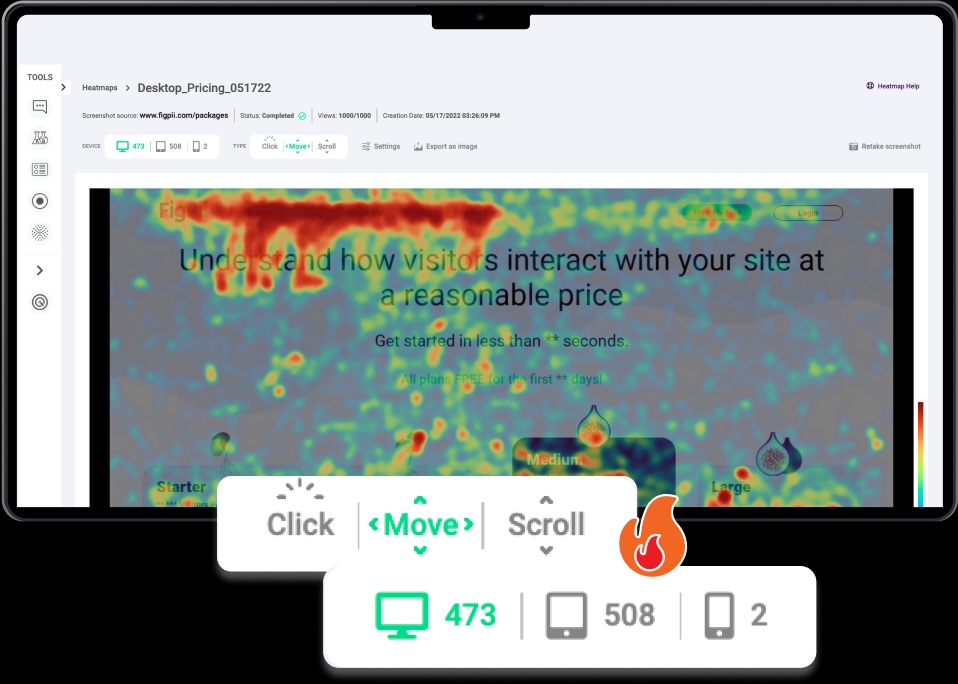
Predictive Analytics and Heatmapping: AI has transformed heatmaps from static images into predictive models. Tools like FigPii and Crazy Egg now use algorithms to predict where a user is likely to click before they even do so. By identifying "dead zones" on a landing page, AI suggests structural changes to improve user flow. Predictive analytics also allow platforms like HubSpot to flag "at-risk" customers—those whose behavior suggests they are about to abandon a subscription—enabling businesses to trigger automated retention campaigns.
-
Dynamic Content Optimization: Platforms like Unbounce and Convert now allow for "Smart Traffic" routing. Instead of waiting for a test to reach statistical significance, the AI begins directing traffic to the highest-performing variant in real-time, maximizing conversions during the testing phase itself.
Data-Driven Culture and Internal Paradigm Shifts
The implementation of AI in CRO requires more than just software; it requires a shift in corporate culture. For an organization to truly benefit, it must move away from "HIPPO" (Highest Paid Person’s Opinion) decision-making and toward a data-first mentality. Industry analysts suggest that the role of the CRO specialist is evolving from a data analyst into a "strategy orchestrator." While the AI handles the computation and execution of tests, the human element is required to set the ethical guardrails, define the brand voice, and interpret the broader market implications of the data.
This cultural shift is supported by the massive increase in data volume. With the sunsetting of third-party cookies, first-party data collected via AI interactions has become the most valuable asset a company owns. By fostering an environment where every marketing decision is validated by machine-learned insights, businesses can allocate their resources with surgical precision.
Ethical Considerations and Future Implications
As AI becomes more deeply embedded in the consumer journey, ethical considerations regarding data privacy and "persuasive design" have come to the forefront. Regulatory frameworks like the GDPR in Europe and CCPA in California provide a baseline for data protection, but the industry faces a growing debate over where personalization ends and manipulation begins. Critics argue that hyper-optimized conversion funnels could exploit cognitive biases to encourage impulsive spending.
However, the consensus among tech leaders is that the future of CRO lies in "Assisted Experiences." The goal is not to trick the user into buying, but to remove the friction that prevents them from finding what they genuinely need. As generative AI continues to evolve, we can expect the rise of "autonomous shopping agents"—AI assistants that shop on behalf of the consumer, interacting with the AI of the retailer to negotiate the best price and fit.
Conclusion: The Strategic Imperative of AI Integration
The integration of artificial intelligence into Conversion Rate Optimization is no longer a competitive advantage; it is a requirement for survival in an increasingly crowded digital landscape. The ability to process vast datasets in milliseconds and provide a tailored experience for every individual visitor allows brands to build deeper, more meaningful connections with their audience.
From the predictive analytics of Spotify’s dynamic playlists to the virtual try-on tools of global beauty brands, AI is proving that the most effective way to increase revenue is to improve the user experience. As the technology matures, the line between the "store" and the "advisor" will continue to blur, creating a seamless, automated, and highly efficient ecosystem for global commerce. For businesses, the message is clear: the future of conversion is intelligent, and the transition to an AI-driven strategy must begin now.








