Social media data collection, the systematic process of gathering information from digital platforms concerning audience behavior, content performance, and brand perception, has become an indispensable component of modern business strategy. Far from a simple tally of likes and shares, this intricate discipline involves harnessing vast datasets to inform everything from marketing campaigns and product development to customer service and crisis management. At its core, social media data is broadly categorized into two distinct buckets, each carrying unique strategic and compliance implications for organizations operating at scale.

Understanding the Data Ecosystem: First-Party vs. Publicly Available Information
The first category, first-party data, originates directly from social media accounts and channels owned and managed by an organization. This includes a wealth of quantitative metrics such as impressions, clicks, reach, follower growth, and direct engagement rates, all typically accessible through native social media analytics tools or integrated management dashboards. Additionally, platforms often provide aggregated, anonymized audience demographics to page owners, offering insights into their direct follower base. This data is inherently trustworthy as it comes directly from the source and pertains to an organization’s controlled digital footprint.

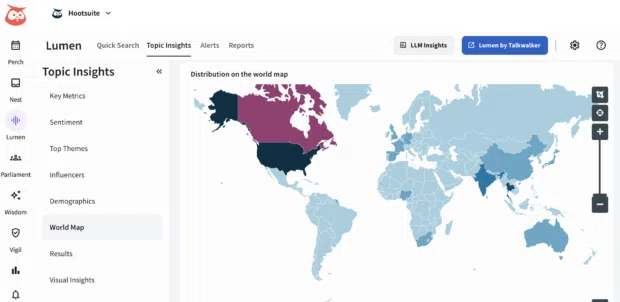
Conversely, publicly available data encompasses the broader digital conversation occurring outside an organization’s owned channels. This includes user-generated posts, comments, shared hashtags, online reviews, and mentions across the entire social media landscape. Accessing this type of data necessitates specialized social listening tools, which scan and analyze vast swathes of public discourse. This external perspective is often considered a more authentic signal of public sentiment and perception, as it captures unfiltered opinions and conversations where individuals are not directly addressing a brand. Given that platforms like Facebook alone boast over three billion monthly active users, and TikTok surpassed one billion monthly active users in 2021, even a targeted slice of public conversation can yield an overwhelming volume of data, far exceeding manual processing capabilities.
The strategic imperative behind collecting both types of data is clear: to gain a holistic understanding of what resonates with an audience, what drives engagement on owned channels, and how the brand is perceived in the wider digital sphere. This dual approach enables marketers to move beyond mere observation to actionable insights, ultimately enhancing content effectiveness and optimizing resource allocation. The global social media analytics market, valued at approximately $10 billion in 2023, is projected to grow significantly, underscoring the increasing reliance on these sophisticated data practices for competitive advantage.
The Evolution of Social Media Analytics: A Brief History
The journey of social media data collection has paralleled the rapid growth of social platforms themselves. In the early days, rudimentary metrics like follower counts and basic engagement (likes, comments) were the primary indicators of success. As platforms matured and advertising models evolved, so too did the sophistication of available data. The mid-2010s saw a significant shift towards more granular analytics, with platforms offering deeper insights into audience demographics, content reach, and user behavior within their ecosystems. This evolution was partly driven by the increasing financial investment in social media advertising, necessitating clearer ROI attribution. The rise of big data technologies also played a crucial role, enabling the processing and analysis of unprecedented volumes of user-generated content and interaction data.
However, this increased data availability also brought heightened scrutiny regarding user privacy. Events such as the Cambridge Analytica scandal in 2018 served as a stark wake-up call, highlighting the potential for misuse of personal data and galvanizing a global movement towards stronger data protection regulations. This historical context underscores the delicate balance between leveraging data for strategic advantage and upholding ethical standards and legal compliance. As social media advertising spend continues to soar globally, projected to reach over $300 billion by 2025, the demand for accurate, compliant, and actionable data insights will only intensify.
Defining the Process: Collection, Mining, and Extraction
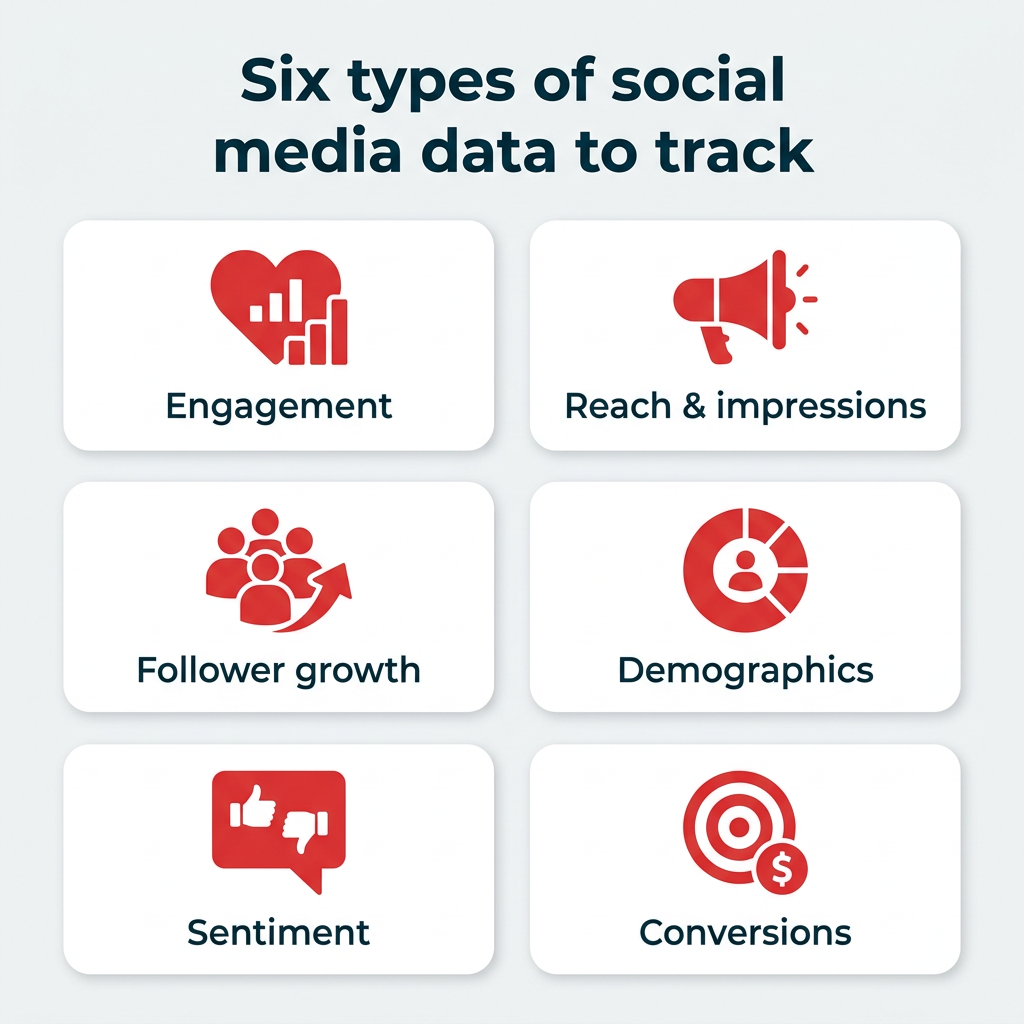
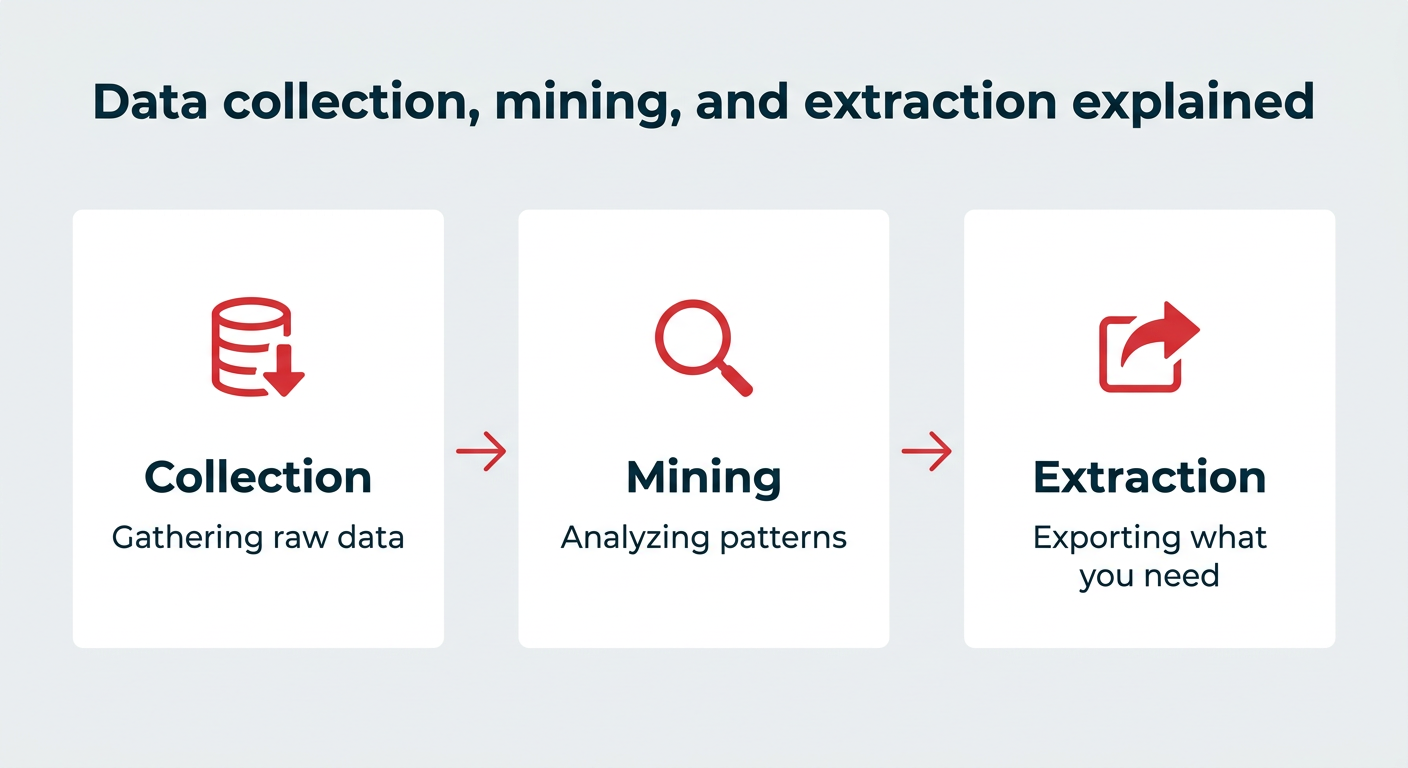
To effectively harness social media data, it’s vital to understand the distinct phases involved:
- Data Collection: This is the initial step of gathering raw information from social media platforms. Examples include pulling engagement metrics from Instagram Insights or compiling user comments from a Twitter thread. It’s the act of acquiring the fundamental data points.
- Data Mining: Following collection, data mining involves analyzing the amassed data to identify patterns, trends, and anomalies that may not be immediately obvious. This phase seeks to uncover hidden insights, such as correlating specific post types with higher save rates or identifying peak times for audience activity.
- Data Extraction: This final step focuses on isolating and retrieving specific data points or summarized insights required for reporting, further analysis, or integration into other business systems. For instance, exporting a list of top-performing posts by engagement rate to include in a monthly performance report.
Each step contributes uniquely to transforming raw numerical data into strategic decisions that drive organizational growth and refinement.
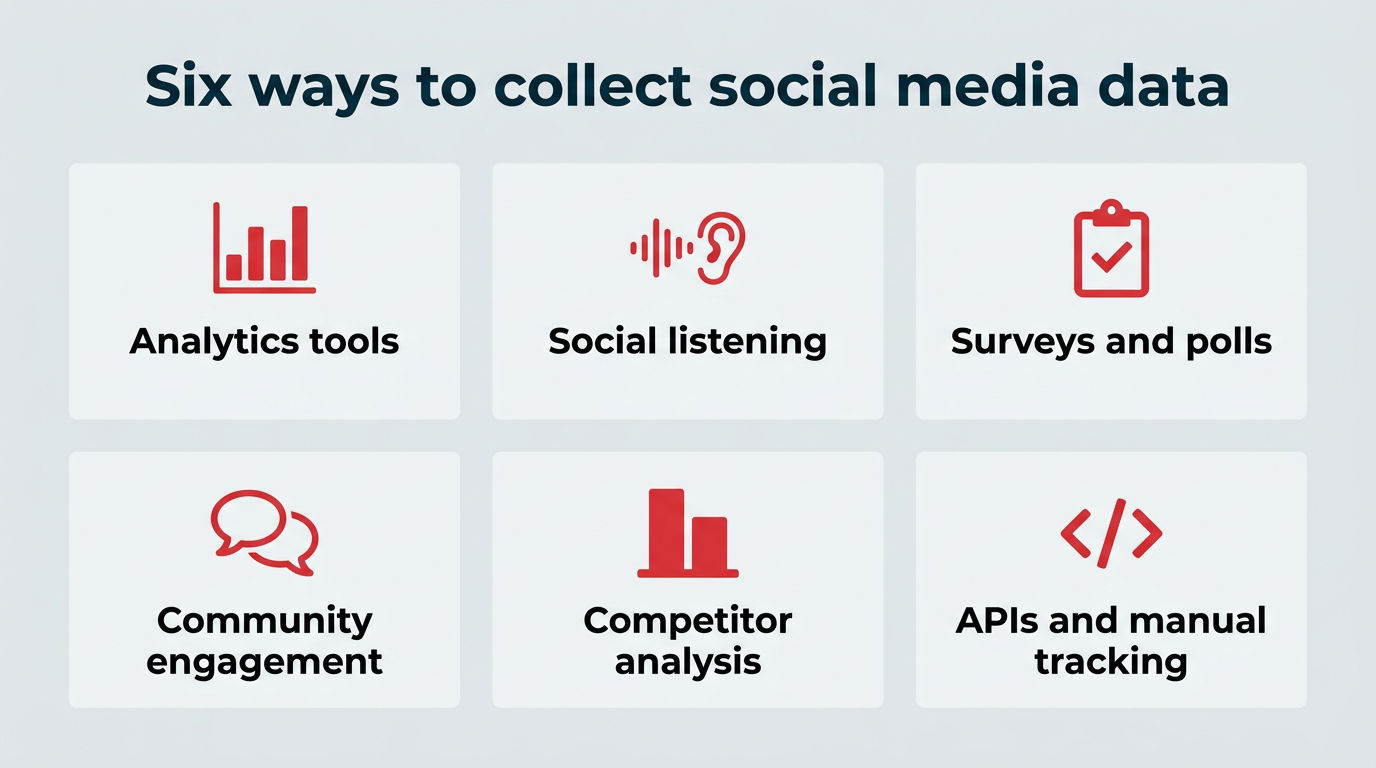
The Data Platforms Provide: A Closer Look
Social media platforms are formidable data collectors, amassing extensive behavioral, demographic, device, and location-based information to fuel their algorithms and sophisticated advertising products. While the full scope of data collected remains proprietary, a carefully filtered subset is made available to marketers through analytics dashboards and APIs. This distinction is crucial: marketers almost always receive aggregated and anonymized data, meaning they can discern that, for example, 40% of their audience falls within a particular age bracket, but not the identities of individual users within that group. This principle forms the bedrock of most data privacy regulations.

A platform-specific breakdown reveals distinct strengths:
- Meta Platforms (Facebook & Instagram): Offer a comprehensive suite of data including reach, impressions, engagement, saves, story and Reels performance, aggregated demographics, and crucial ad conversion metrics via the Conversions API. This integration provides a direct link between social activity and business outcomes, making it invaluable for tracking post-to-purchase journeys.
- LinkedIn: Unique in its provision of professional attributes, alongside standard engagement and reach. Marketers can access firmographics such as job function, seniority, industry, and company size, transforming audience data into actionable account-level insights for B2B strategies.
- X (formerly Twitter): Excels in real-time conversation volume and keyword tracking, providing insights into impressions, engagement rates, profile visits, and link clicks. Its strength lies in capturing immediate public discourse and trending topics.
- TikTok: Prioritizes attention data, offering metrics like video views, watch time, completion rate, and traffic sources. It also highlights trending sounds and hashtags, enabling rapid content adaptation. Follower activity times are particularly useful for optimizing posting schedules.
- YouTube: The gold standard for long-form video analytics, detailing watch time, average view duration, audience retention curves, traffic sources, subscriber changes, and revenue metrics. Essential for content-heavy brands.
- Pinterest: Focuses on purchase intent, reporting on impressions, saves, outbound clicks, top boards, audience interests, and keyword trends. This data helps gauge user interest in products and services.
Understanding these platform-specific strengths allows marketers to strategically select channels that best answer their particular business questions.
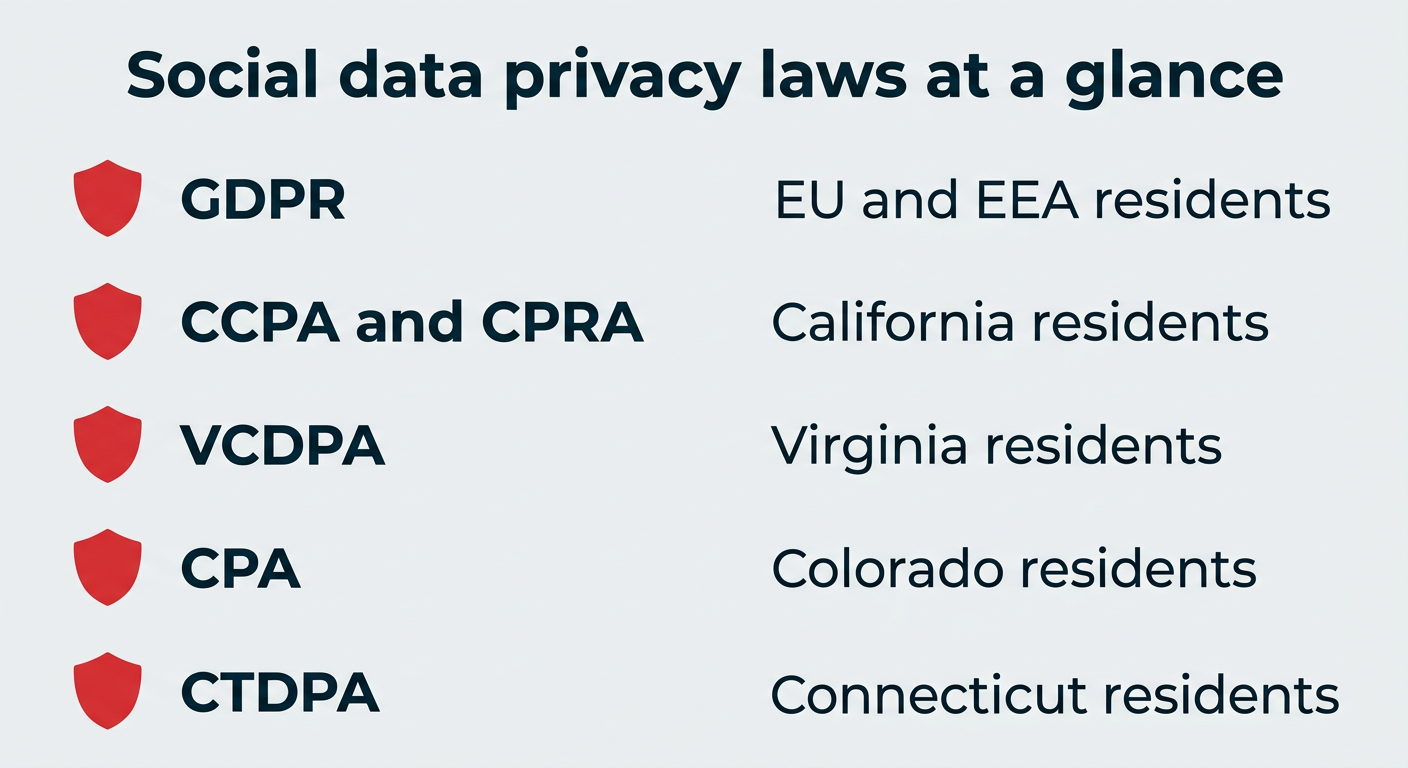
The Imperative for Data Collection: Why it Matters
Collecting social media data is not merely a best practice; it is the sole reliable mechanism for validating whether a social media strategy is genuinely effective. It elevates social media from an intuitive, "gut feeling" activity to a data-backed business function. By meticulously tracking relevant metrics, organizations


 Suro Senen
 Pevita Pearce