The digital content ecosystem is undergoing a profound transformation, driven by the rapid integration of artificial intelligence into search engines. No longer is the goal simply to rank high in a list of ten blue links; rather, content must now stand out, answer questions thoroughly, and build trust to be featured in AI-powered search results. This comprehensive guide explores the multifaceted role of blogging in this new era, from foundational inspiration and meticulous content creation to advanced optimization, audience engagement, and sustainable monetization.
The Paradigm Shift in Search: From Keywords to AI Overviews
For decades, search engine optimization (SEO) revolved around keywords, backlinks, and technical prowess, aiming to position websites at the top of traditional search results pages (SERPs). However, the advent of sophisticated AI models has fundamentally altered this landscape. Google, a dominant force in search, began integrating AI capabilities with initiatives like RankBrain in 2015, followed by BERT in 2019, and most recently, MUM in 2021. These developments marked a significant shift towards understanding the intent behind a user’s query rather than just matching keywords.
The latest evolution comes in the form of AI Overviews (formerly Search Generative Experience, SGE) and AI Mode, where generative AI directly answers user questions by synthesizing information from various sources, often presenting a summary at the top of the SERP. This development means that content now competes not only with other websites but also with an AI-generated summary that aims to fulfill the user’s information need directly. For content creators, this necessitates a strategic pivot: posts must offer such unique value, depth, and clarity that they become indispensable sources for AI models, rather than merely being one of many links.
Blogging’s Enduring Relevance in the AI Era
Despite the perceived threat of AI-generated content, blogging remains an indispensable tool for any website, be it an e-commerce store, a personal portfolio, or a corporate portal. Its importance has, in fact, intensified.
Enhanced SEO Performance Through AI-Aligned Strategies:
Regularly publishing high-quality, unique content is a cornerstone of a sustainable SEO strategy. Search engines, and critically, AI algorithms, interpret an active blog as a signal of a vibrant, relevant, and authoritative website. This consistent activity helps pages rank better by demonstrating freshness and ongoing value. For instance, Google’s AI Overviews prioritize content that provides clear, comprehensive, and accurate answers, making well-structured blog posts ideal candidates for inclusion in these summaries.

Blogging also expands a site’s keyword footprint, allowing it to rank for a broader array of terms, including long-tail and conversational queries that users increasingly pose to AI assistants. More importantly, it provides diverse avenues to target specific search intent—whether users are seeking information, comparing products, or looking for solutions. In a market increasingly saturated with AI-generated text, human-crafted content, imbued with experience and unique perspectives, stands out. As Carolyn Shelby, Principal SEO at Yoast, aptly states, "A blog isn’t valuable just because it exists. It becomes valuable when it helps your audience solve problems, understand something better, or see your expertise in action. In today’s search landscape, the goal isn’t simply to publish, or even to publish more. It’s to create content worth being found, cited, and remembered."
A Potent Marketing and Brand-Building Instrument:
Beyond technical SEO, a blog serves as a powerful marketing channel. It allows brands to connect with their audience on a deeper level, sharing narratives, insights, and behind-the-scenes glimpses that transcend mere sales pitches. In an age where consumers seek authenticity, a blog can humanize a brand, fostering trust and loyalty. By offering useful, informative content, businesses can establish themselves as thought leaders and reliable sources, increasing the likelihood that visitors will remember them and convert in the future. This authentic engagement is particularly vital as AI search increasingly factors in brand recognition and user trust when surfacing information.
Strategic Planning: Laying the Foundation for AI-Friendly Content
Before a single word is written, meticulous planning is essential. A well-thought-out content strategy prevents future headaches and ensures that content aligns with both user needs and AI algorithm preferences.
Niche Definition and Advanced Keyword Research:
Identifying a specific niche helps focus content efforts and build authority. Keyword research, though evolving, remains fundamental. In the AI era, this means moving beyond simple keyword volume to understanding the specific questions users are asking, the problems they are trying to solve, and the conversational phrases they might use when interacting with AI assistants. Tools like Google Trends, AnswerThePublic, and AI-powered content planners can help uncover these nuanced user queries, which are prime targets for blog posts. The goal is to identify topics where genuine human expertise can provide superior answers to what generic AI might produce.
Structuring for Clarity and Topical Authority:
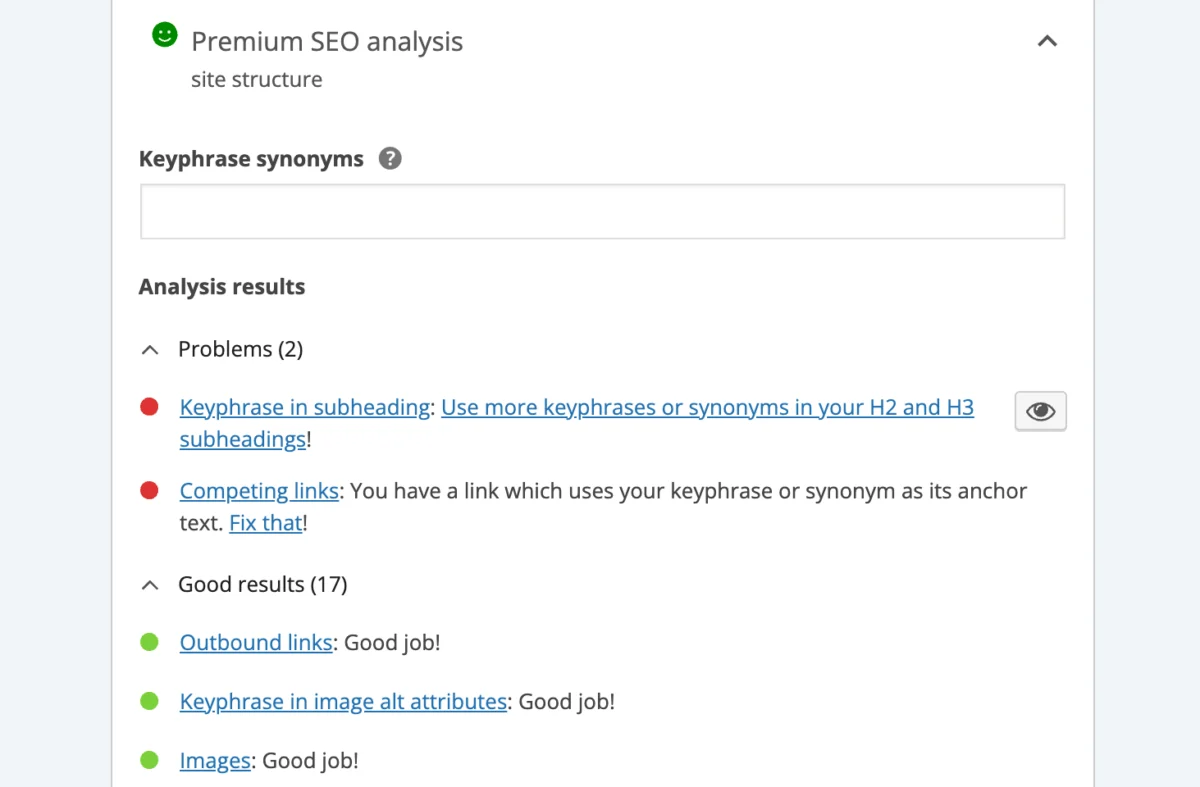
A clear and logical site structure is paramount for both human readability and AI comprehension. Organizing content into topic clusters, where a central "pillar page" covers a broad subject and links to several in-depth "cluster content" articles on related sub-topics, signals topical authority to search engines. This hierarchical arrangement helps AI models understand the relationships between different pieces of content, improving the chances of comprehensive answers being surfaced. A robust internal linking strategy further reinforces these connections, guiding both users and crawlers through the site’s expertise.
Crafting High-Quality Content for Human and AI Consumption
The core of a successful blog lies in the quality of its content. In the AI-dominated landscape, "good enough" is no longer sufficient; content must be exceptional.

The Imperative of Originality and Depth:
AI search tools are designed to filter out generic, repetitive, or "commodity content" that merely rehashes existing information. To stand out, every blog post must offer a fresh perspective, unique insights, original research, or personal experience that AI cannot easily replicate. This emphasis aligns with Google’s E-E-A-T guidelines (Experience, Expertise, Authoritativeness, Trustworthiness), which prioritize content demonstrating genuine human understanding and verifiable credentials. The human element—stories, opinions backed by experience, and nuanced analysis—becomes a powerful differentiator.
Readability as a Universal Value:
Even the most brilliant insights will fail if they are not easily digestible. Readability is crucial for audience engagement and directly impacts SEO in the AI age. AI tools, designed to summarize and extract information, favor content that is well-structured, clearly written, and simple to scan. This means using concise language, avoiding jargon where possible, breaking text into short paragraphs, and employing descriptive subheadings. A clear structure with bullet points, numbered lists, and bold text not only aids human readers in quickly grasping main points but also helps AI models accurately parse and summarize the content.
Practical Content Creation Strategies:
- Pre-Writing Planning: Before typing, define the target audience, the core message, and the desired outcome for readers. Outline the main topics and their logical flow.
- Clear Paragraphs: Employ an inverted pyramid style, starting each paragraph with the most important sentence, then expanding. Keep paragraphs brief (e.g., 5-7 sentences) to enhance scannability.
- Leveraging AI Tools for Efficiency: While human originality is key, AI tools can assist in the content creation process. Yoast AI Content Planner, for instance, analyzes existing content, identifies gaps, and suggests tailored post ideas with draft frameworks (titles, outlines, focus keyphrases, meta descriptions). This streamlines the initial stages, allowing creators to focus on enriching the content with unique human insights.
- Seeking Feedback: Always have a fresh pair of eyes proofread content. A human editor can catch grammatical errors, ensure clarity, and verify that the message resonates, a crucial step that automated tools cannot fully replicate.
Optimizing for AI Search Engines: Beyond Keywords
Post-writing, optimizing content for search engines is the final critical step. This involves fine-tuning the article to maximize its discoverability without compromising originality or readability.
Semantic SEO and Structured Data:
Modern SEO goes beyond simple keyword matching to focus on semantic relevance and context. This means ensuring the content comprehensively covers a topic and answers related questions, rather than just repeating a single keyword. Implementing structured data (Schema markup) helps search engines, and thus AI models, understand the type of content (e.g., article, how-to, FAQ) and its key attributes. This can lead to enhanced visibility in rich snippets and direct inclusion in AI Overviews.
User Experience (UX) Signals:
AI search increasingly incorporates user experience as a ranking factor. Core Web Vitals (loading speed, interactivity, visual stability) are crucial. A fast, responsive, and easy-to-navigate website signals quality to both human users and AI algorithms, contributing to better performance in search.
Engagement: The Human Touchstone for AI Trust

In the age of AI, genuine human engagement acts as a powerful signal of content value and trustworthiness.
Fostering Community Through Comments:
Active comment sections where authors respond to questions and participate in discussions indicate a vibrant, relevant blog. Google’s algorithms, and by extension AI models, recognize this interaction as a positive signal, suggesting that the content is valuable enough to spark conversation. Engaging thoughtfully with both positive and negative feedback demonstrates a commitment to the audience and builds a loyal community.
Social Media and Newsletters: Expanding Reach and Building Direct Relationships:
Social media platforms like Facebook, X (formerly Twitter), Reddit, Instagram, and TikTok remain vital for distributing content, driving traffic, and amplifying brand messages. Short-form video content, in particular, can significantly broaden reach. Beyond social channels, building an email newsletter list provides a direct communication channel, independent of algorithmic changes. Regular newsletters featuring new posts, exclusive insights, and special offers cultivate a loyal readership and encourage repeat visits.
Monetization Strategies in a Content-Rich Landscape
While many bloggers focus on community building or sharing expertise, monetization is a common goal. A strong, AI-validated blog enhances the effectiveness of various income streams:
- Affiliate Marketing: Recommending products or services and earning commissions.
- Advertising: Displaying ads through networks like Google AdSense.
- Sponsored Content: Collaborating with brands for paid posts.
- Selling Digital Products: E-books, courses, templates, etc.
- Offering Services: Consulting, coaching, writing, etc.
- E-commerce Integration: For online shops, the blog drives organic traffic and links to product pages, boosting sales.
Maintaining a Blog: The Long-Term Commitment
Starting a blog is often easier than sustaining it. Consistency, strategic maintenance, and adaptability are crucial for long-term success.
The Power of Consistency:
Establishing and adhering to a regular publishing schedule—whether daily, weekly, or monthly—builds audience expectation and trust. Consistency signals to search engines that the site is actively maintained and updated, contributing to its perceived relevance.
Content Audits and Updates:
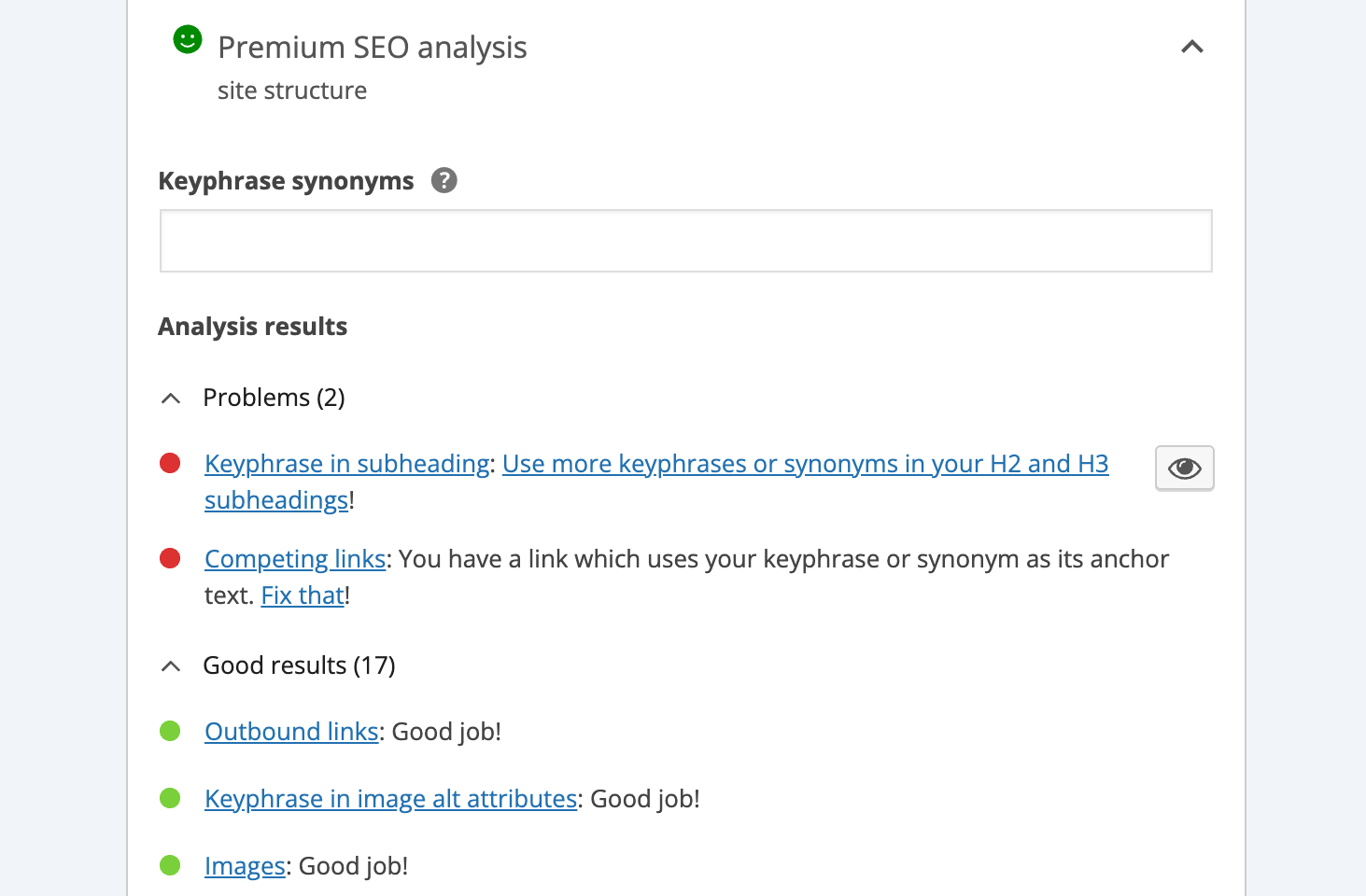
As blogs grow, content can become outdated or less effective. Regular content audits are essential to identify underperforming posts, refresh old information, and eliminate or consolidate redundant articles. Keeping content fresh and accurate is paramount for AI search, which prioritizes up-to-date and reliable information. This process also helps combat keyword cannibalization, where multiple articles on a site compete for the same search terms, potentially diluting ranking power.
Evolving Site Structure and Content Planning:
A growing blog’s structure will naturally evolve. Regularly reviewing and optimizing categories, tags, and topic clusters ensures logical navigation for users and clarity for search engines. An editorial calendar becomes indispensable for managing content flow, assigning authors, and aligning posts with strategic goals. Tools like Yoast AI Content Planner can assist in proactively identifying content gaps and planning new topics.
Addressing Challenges:
As a blog matures, new challenges emerge, such as declining traffic or maintaining structural integrity. Proactive SEO audits help identify and rectify issues like broken links, slow loading times, or keyword cannibalization. Adapting to algorithmic changes, particularly those driven by AI, requires continuous learning and willingness to adjust content strategies.
Conclusion
Blogging, far from being obsolete, has transformed into one of the most powerful digital tools for growing an online presence in the age of AI. It is no longer just about optimizing for keywords; it is about creating unique, authoritative, and deeply valuable content that serves human needs and earns the trust of sophisticated AI algorithms. By embracing strategic keyword research, focusing on originality and readability, leveraging AI-powered assistance where appropriate, and fostering genuine audience engagement, content creators can build blogs that not only rank high but also stand out, get cited, and deliver enduring value in the evolving digital landscape. The future of online visibility belongs to those who prioritize human-centric content, strategically enhanced for AI comprehension.


 Jia Lissa
 Siti Muinah