Semrush, a leading provider of online visibility management and content marketing solutions, has undergone a significant strategic shift in its approach to content creation, transitioning from ad-hoc data studies to a formalized, continuously operating data thought leadership program. This transformation reflects a broader industry recognition of the critical role original data plays in establishing brand authority, driving organic growth, and cutting through the increasingly saturated digital content landscape. The move, spearheaded by insights from its Content & Product Marketing Lead, aims to secure Semrush’s position as a definitive source of industry intelligence, offering a blueprint for other organizations seeking to leverage proprietary data for sustained marketing advantage.
The Evolving Digital Landscape and the Imperative for Originality
For years, the digital marketing sphere has grappled with content saturation. The proliferation of blogs, articles, and whitepapers across every conceivable niche has made it progressively challenging for brands to capture audience attention and differentiate themselves. This challenge has been further compounded by the rapid advancements in artificial intelligence (AI), which, while offering powerful content generation capabilities, also risk homogenizing information by frequently repurposing existing data. In such an environment, merely sharing opinions or re-packaging known information is no longer sufficient to build genuine thought leadership or achieve significant market penetration.

Prior to this strategic overhaul, Semrush, like many industry peers, approached data studies opportunistically. Reports were generated whenever a compelling idea emerged or spare resources allowed, typically resulting in one or two substantial publications annually. While valuable, this sporadic output limited the company’s ability to consistently engage its audience, attract widespread citations, or maintain a top-of-mind presence among its target demographic. The increasing competitive pressure and the need for a more robust, continuous engagement model became undeniable catalysts for change. The company recognized that to truly stand out and serve its audience with unparalleled insights, it needed a systematic approach to original research.
Semrush’s Strategic Pivot: From Ad-Hoc to Always-On
The solution was not to simply produce a "better" single study, but to institutionalize the entire process. This involved transforming data studies into an official, repeatable program, complete with dedicated ownership, a structured topic pipeline, a streamlined production process, and a powerful distribution engine. This strategic pivot was born from the conviction that consistent, data-driven insights were the key to cementing Semrush’s status as a formidable thought leader in the digital marketing ecosystem.
The core objective was to establish a continuous flow of high-quality, original research that would not only attract substantial organic traffic and citations but also directly contribute to lead generation and customer acquisition. The results have been compelling: since the program’s inception, it has consistently drawn thousands of unique visitors without any paid promotion, generated hundreds of registrations for related content or events, and demonstrably contributed to a significant number of new customer acquisitions. These outcomes underscore the profound business value inherent in a well-executed data thought leadership strategy.

The Pillars of a Successful Data Thought Leadership Program: Semrush’s Playbook
Semrush’s successful transition was built upon a meticulously designed, six-step framework, offering a practical blueprint for other organizations:
1. Institutionalizing Data Thought Leadership as an Official Priority:
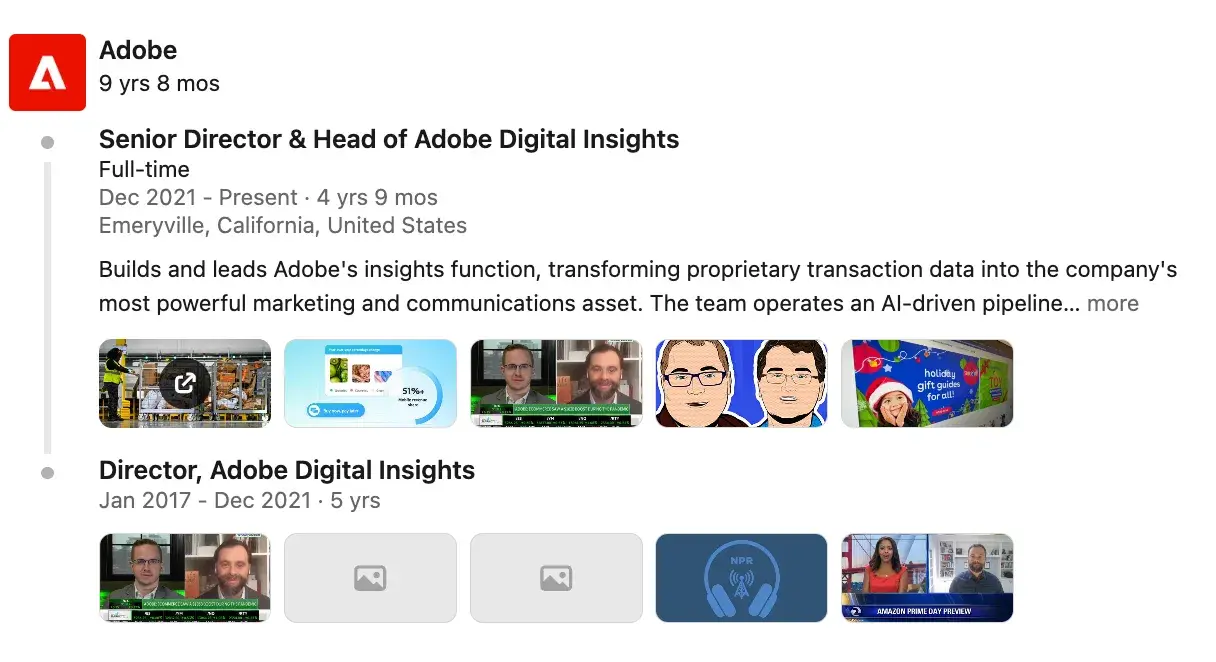
The foundational step involved elevating data studies from experimental projects to a core strategic imperative. This required significant internal buy-in and resource allocation. For Semrush, this translated into two critical actions: assigning a Directly Responsible Individual (DRI) within the content or marketing team and, crucially, securing dedicated bandwidth from the data science department. This cross-functional collaboration is vital, as data extraction and analysis often require specialized expertise. The model often extends further, with some leading companies, such as Adobe’s Digital Insights team led by Taylor Schreiner, building dedicated research functions. Furthermore, ensuring awareness and alignment across supporting teams—including design, campaigns, and email—was essential to guarantee that promotional and production efforts were prioritized in line with the program’s strategic importance. This holistic approach ensures that data studies are not siloed projects but integrated components of the overall marketing strategy.
2. Crafting a Strategic Research Content Plan:
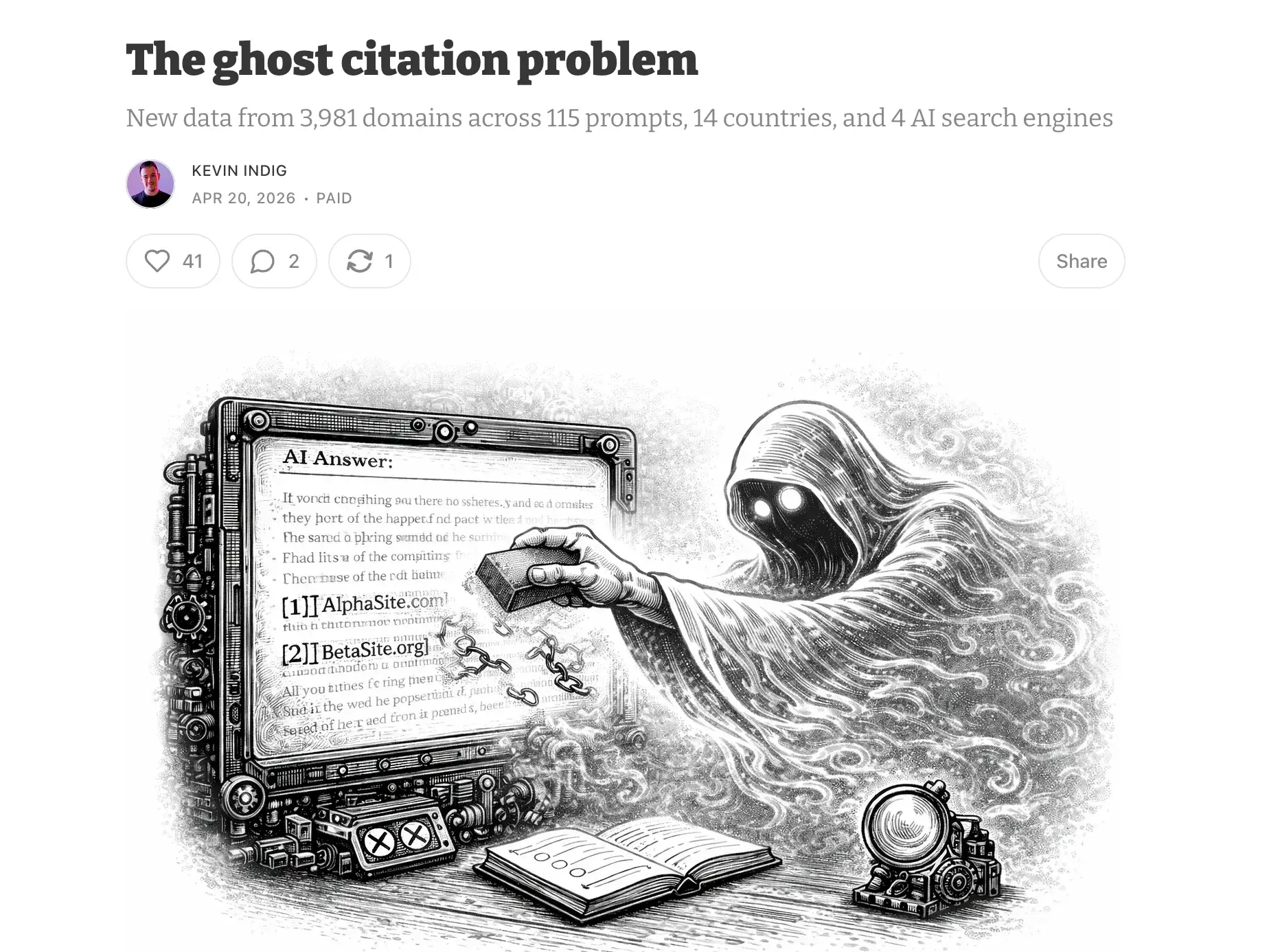
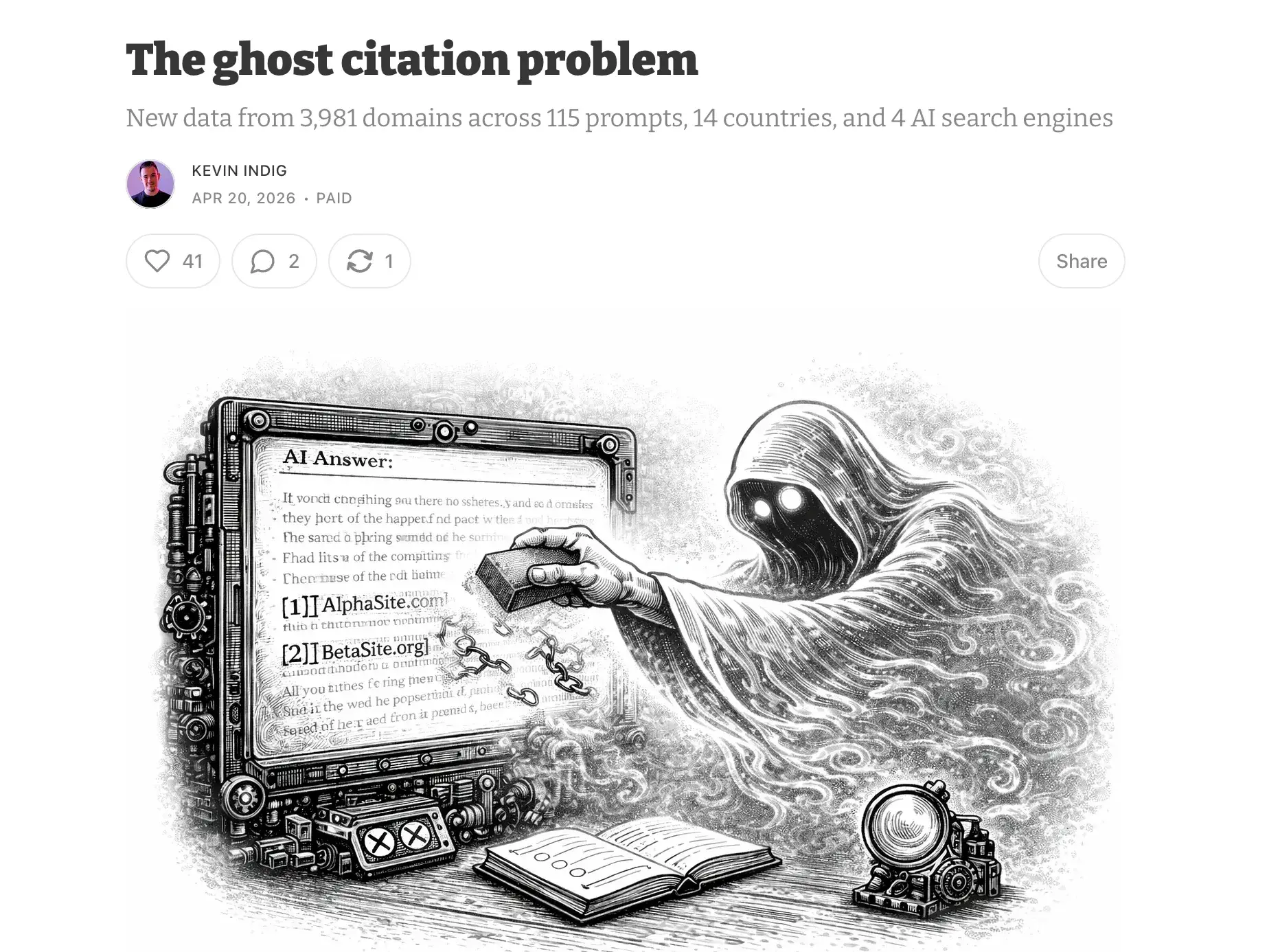
To maximize business value, Semrush moved beyond generating research based solely on "good ideas." The development of a strategic research content plan became paramount, aligning each study with overarching industry trends, specific business priorities, the product roadmap, and identified customer needs. This rigorous planning ensures that every piece of research serves a clear purpose, reinforcing Semrush’s messaging, positioning, and desired brand perception. For instance, the company’s focus on unifying SEO and AI visibility efforts directly informs its research agenda, strengthening its narrative around its core value proposition. A particularly effective strategy involves direct engagement with customers to uncover their pain points and pressing questions. An example of this is Semrush’s collaboration with industry expert Kevin Indig on a study addressing the "ghost citation problem"—a common frustration among users regarding uncredited brand mentions—directly demonstrating a commitment to solving real-world challenges.
3. Prioritizing Practical Value and Actionable Insights:
A critical differentiator for Semrush’s program is its unwavering focus on practical value. In an era where proprietary data is becoming more common, simply presenting raw data is insufficient. The emphasis shifted to ensuring that each study offers genuinely new insights, actionable takeaways, or prompts follow-up questions that drive deeper engagement. This means explicitly incorporating the "why" (context and relevance), the "what" (key findings), and the "how" (actionable recommendations or playbooks) into every publication. Data without a clear "so what" is dismissed as mere noise. Before embarking on any study, the team meticulously reviews existing research to identify unexplored angles, ensuring that their contributions genuinely advance industry knowledge and provide concrete utility for the audience.
4. Designing an Efficient Production Process for Data Content:
Recognizing that speed and agility are crucial in a fast-paced digital environment, Semrush invested in developing a clear, standardized production process. This was a direct response to past challenges where study ideas languished in backlogs, causing missed opportunities to be first-movers on emerging trends. Key elements of this refined process include: clearly defined roles and responsibilities, detailed briefs for data requests, established timelines and project management tools, regular check-ins and communication protocols, and dedicated resources for data visualization and design. The production workflows are categorized to suit different study types:
- Data Science Team-Dependent Studies: Requiring a formal intake process and detailed briefs for complex data extraction and analysis.
- Collaborations with Industry Experts: Leveraging external analysts like Kevin Indig to bring fresh perspectives and expand reach within niche communities.
- Marketer-Led Studies: Empowering marketing teams to conduct surveys or lightweight analyses that do not require extensive engineering support.
- Co-branded Studies with Other Companies: A highly rewarding, albeit time-consuming, approach that fosters partnerships and significantly amplifies reach. A prime example is Semrush’s research with LinkedIn, which combined AI-citation data with LinkedIn’s content and engagement metrics to analyze AI’s impact on professional credibility. This collaboration resulted in Semrush’s most viral research piece to date, widely featured by media, influencers, and customers, underscoring the power of synergistic data insights.
5. Building a Robust Distribution Engine:
Even the most groundbreaking research can fail without an effective distribution strategy. Semrush understood that a solid plan was essential to ensure studies reached their target audience and generated maximum impact. Their distribution engine leverages multiple channels and approaches:
- Proactive Public Relations: Engaging journalists and media outlets with exclusive insights and compelling narratives.
- Strategic Social Media Promotion: Crafting original hooks and visuals tailored for various platforms.
- Targeted Email Marketing: Segmenting audiences to deliver relevant research directly to interested subscribers.
- Internal Advocacy: Empowering employees and executives to share findings within their networks.
- Content Repurposing: Transforming key findings into diverse formats such as infographics, webinars, short-form videos, and presentations to extend their lifespan and reach.
- Strategic Partnerships: Collaborating with industry influencers and complementary businesses to co-promote research.
The overarching goal is to ensure that every study transcends its initial publication, fostering ongoing engagement and conversation across the digital ecosystem.
6. Measuring Success with a Balanced Approach:
Effective measurement is critical but often fraught with challenges—either over-measuring trivial metrics or neglecting measurement entirely. Semrush adopted a balanced approach, focusing on key indicators that reflect both direct and indirect impacts of thought leadership. While studies can undeniably contribute to leads and customer acquisition, their primary optimization often lies in broader brand-building and influence. Key metrics tracked include:
- Unique Visitors: To gauge direct audience engagement with the research.
- Backlinks and Referring Domains: Indicating the study’s authority and SEO value.
- Brand Mentions: Tracking non-linked references across media and online discussions.
- Social Shares and Engagement: Reflecting audience resonance and virality.
- Media Features and Citations: Quantifying external validation and industry influence.
- Registrations and Downloads: Measuring direct lead generation for associated content.
- Qualitative Feedback: Monitoring comments and shares from target ICPs (Ideal Customer Profiles) to assess relevance and impact.
While downstream revenue, such as new MRR (Monthly Recurring Revenue) and cross-sell MRR, is monitored where attributable, it is understood that the impact of a data program compounds over time and through multiple releases, requiring patience and a long-term perspective.
Broader Implications and the Future of Content Marketing
Semrush’s successful implementation of its data thought leadership program offers invaluable lessons for the broader content marketing industry. It underscores the undeniable shift towards quality, originality, and actionable insights as the primary drivers of content effectiveness. In an age where information is abundant and AI-driven content generation is rapidly evolving, proprietary data, meticulously analyzed and thoughtfully presented, stands as a critical differentiator.
The program’s success demonstrates that transforming data into a growth channel requires more than just sporadic efforts; it demands institutional commitment, strategic planning, a robust production pipeline, and an aggressive distribution strategy. Even as unique content, original studies can become commoditized if competitors replicate the approach. Therefore, continuous differentiation, an unwavering focus on delivering customer value, and adeptly connecting data points to the larger industry narrative are essential to maintain relevance and impact. Semrush’s journey provides a compelling case study for how companies can harness their internal data assets to not only inform their audience but also solidify their market leadership in a crowded digital world.