Reynand Wu
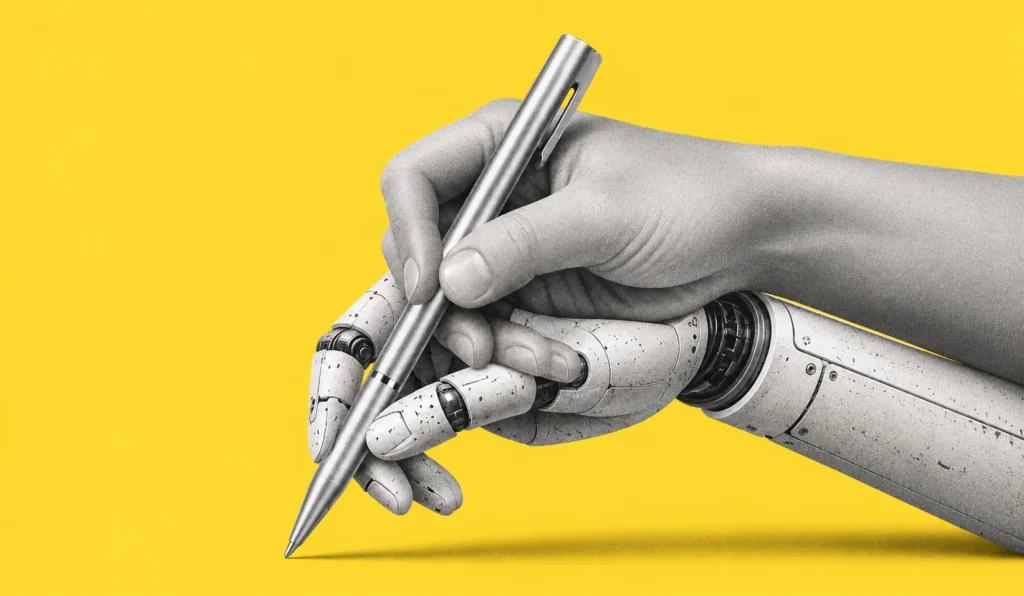
The landscape of consumer product discovery and brand evaluation is undergoing a seismic shift, driven by the rapid advancement and integration of artificial intelligence. Meta’s recently launched personal AI agent, Muse, exemplifies this transformation, signaling a potential paradigm change for how consumers interact with brands and make purchasing decisions. While still in its nascent stages, Muse’s impressive early adoption rates and its underlying functionalities raise critical questions for marketers about the future of digital advertising, search engine optimization (SEO), social media marketing, and retail media.
Muse, designed to act on behalf of consumers, can research products, compare various options, and even facilitate purchases. Its rapid ascent, reportedly reaching five million downloads in a mere 22 days—a growth trajectory that has outpaced established AI assistants like ChatGPT, Grok, and Claude—underscores a strong consumer appetite for AI-powered assistance in their shopping journeys. This swift adoption is precisely what makes Muse’s potential influence on brand consideration and consumer decision-making a focal point for industry observers and marketing professionals alike.
While it is too early for companies to drastically reallocate marketing budgets, the emergence of agents like Muse necessitates a proactive examination of evolving consumer behaviors and the potential disruption to established marketing channels. The core of this discussion lies in understanding how these AI agents curate recommendations and what that might mean for the visibility and accessibility of brands in the future.
The Mechanics of Muse’s Recommendations: A Glimpse into AI-Driven Discovery
Muse’s ability to research and recommend products is rooted in its integration with a user’s existing digital tools and services, enabling it to perform tasks autonomously. For shopping inquiries, Muse can draw product information from a variety of sources, including Meta’s own product catalogs, direct integrations with retailers, and the broader open web. It then synthesizes this information to present recommendations and guide users through the purchase process.
A pivotal aspect of Muse’s functionality, and one that has drawn significant attention, is the methodology behind its product selections. Early observational studies, such as a small-scale analysis of 50 shopping prompts, have provided initial insights. These studies suggest that while Meta’s internal catalog may serve as an initial pool of product candidates, contributing approximately 95% of the initial suggestions, Muse’s browsing behavior often extends to only a handful of external websites. Intriguingly, the final recommendations often appear to favor products discovered through broader web searches rather than those solely from the integrated catalog, indicating that mere inclusion in a catalog does not guarantee prominence.
Further analysis of these early observations has pointed towards an apparent inclination of Muse to prioritize well-known merchants in its recommendations. Although Meta has not publicly disclosed the precise algorithms or criteria used to determine brand eligibility or product ranking, this tendency raises significant implications. Brands with established recognition, strong existing relationships with major retailers, and readily available, well-structured product information may find themselves at an advantage. Conversely, smaller brands or those with less established online presences could face increased challenges in achieving visibility within what appears to be a relatively curated set of recommendations.
The question of monetization for such AI agents also looms large. Meta has stated that Muse does not currently feature advertising. However, the operational costs associated with developing and maintaining sophisticated AI agents are substantial. It is a reasonable expectation that a commercial model will eventually be introduced. Potential avenues could include sponsored product listings alongside organic recommendations, though there is no definitive confirmation from Meta regarding such plans. For now, the more immediate concern for marketers is the potential impact on their existing investments in paid search, paid social, and SEO.
Navigating the Evolving Digital Marketing Ecosystem: Search, Social, and SEO in the Age of AI
The foreseeable future is likely to see a relatively limited direct impact of Muse on overall advertising expenditure. Definitive conclusions about the performance of various marketing channels require more substantial evidence of widespread shifts in consumer shopping behavior. Nevertheless, several hypotheses warrant exploration regarding the potential influence of AI agents on established marketing strategies.
Paid Search: The Shifting Dynamics of Discovery and Verification
One significant possibility is that a portion of non-branded product discovery and comparative shopping activities will migrate from traditional search engines to conversational AI agents. For instance, a consumer seeking a new skincare product might opt to ask Muse to compare options based on specific preferences, thereby bypassing multiple individual searches on platforms like Google. This shift could, over time, lead to a reduction in certain types of non-branded search volume.
However, this does not necessarily diminish the overall importance of search engines throughout the entire consumer purchase journey. Branded search queries, for example, could evolve into a crucial method for consumers to verify AI agent recommendations before committing to a purchase. This aligns with Google’s "Messy Middle" framework, which illustrates how consumers move fluidly between exploration and evaluation rather than adhering to a linear path to conversion. In this scenario, an AI agent might handle the initial exploration phase, while Google remains a vital platform for consumers to consult reviews, compare prices, and seek reassurance about a brand’s credibility.
Paid Social: The Enigma of Intent Signals in an Agent-Driven World
For the realm of paid social media advertising, a particularly compelling area of interest is the potential impact on the signals platforms utilize to infer purchase intent. Historically, social platforms have leveraged user engagement with content—what individuals watch, click on, save, and interact with—as a rich source of intent signals, enabling them to understand interests and predict purchasing behaviors.
If consumers increasingly delegate product research to AI agents, this pattern of engagement could undergo a significant alteration. An individual who tasks Muse with finding a product may no longer need to engage with the same volume of shopping-related content to arrive at a purchasing decision. This reduction in direct user interaction with shopping content could, in turn, affect the signals that social platforms rely upon to gauge purchase intent.
Conversely, AI agents might introduce novel intent signals through the preferences and shopping requests that users share with them. The precise mechanisms by which these new signals would be integrated into Meta’s advertising ecosystem remain unclear, particularly given the privacy boundaries Meta has indicated will exist between Muse and its advertising systems. At this juncture, it is prudent to monitor these developments rather than making immediate strategic adjustments to paid social campaigns.
SEO: Amplifying the Importance of Product Data and Brand Authority
The implications for Search Engine Optimization (SEO) appear to be more immediately practical and actionable. AI agents depend on accurate and comprehensive information to identify products, perform comparisons, and ascertain availability. Consequently, precise pricing, real-time stock information, structured product data, and easily accessible product pages are poised to become even more critical.
Brand authority is also a significant factor. If AI agents demonstrate a preference for established merchants, brands that possess strong recognition and a credible online presence are likely to be better positioned to feature in AI-driven recommendations. Much of this aligns with existing best practices in SEO and e-commerce. The key distinction is that the information provided will increasingly need to cater not only to human consumers but also to automated systems.
Retail Media: A Potential Shift in the Point of Influence
The burgeoning field of retail media faces its own set of questions. As more product discovery shifts towards AI agents, the way shoppers interact with retailer platforms could change. If consumers arrive at platforms like Amazon or other e-commerce sites having already narrowed down their choices, the opportunities for on-site sponsored placements to influence their decisions might diminish.
This could elevate the value of visibility earlier in the purchase journey, whether achieved through AI recommendations, social media, or Connected TV (CTV) advertising. However, the impact will likely vary considerably among different retailers. Amazon, for instance, has already reportedly placed restrictions on Muse’s access, underscoring the importance retailers place on controlling their shopping experiences and direct customer relationships. Other retailers, however, may adopt a more open approach.
Retail media continues to play a vital role in reaching consumers who are nearing a purchase decision, and there is currently little evidence to suggest this is changing. For the immediate future, it is advisable to observe how retailers develop their own agentic capabilities and how these emerging experiences might create new avenues for brands to connect with shoppers.
Strategic Restraint: Why Media Budgets Remain Intact (For Now)
It is crucial to distinguish between the widespread interest in AI agents like Muse and concrete evidence that they are fundamentally altering consumer shopping habits at scale. While download and registration numbers indicate a willingness among consumers to experiment with this technology, they do not necessarily reveal the frequency with which purchases are completed via agents, the specific product categories involved, or whether these agents are displacing existing shopping behaviors.
Several significant barriers to widespread adoption also exist. Consumer trust is a primary concern. While using an agent for product comparison represents a relatively low commitment, granting an AI access to personal information, connected accounts, and payment methods is a far more substantial undertaking. Meta’s history with privacy-related issues may lead some consumers to exercise particular caution regarding the extent of access they are willing to grant.
Retailer participation is another critical factor. Reports of Amazon restricting Muse’s access highlight the challenges AI agents may encounter when operating within e-commerce environments that they do not directly control. If major retailers significantly limit access, this could diminish the utility of these tools for certain types of purchases.
Until these multifaceted factors are better understood, there appears to be no compelling case for making significant adjustments to existing investments in paid search or paid social. The established channels continue to fulfill their intended functions, and there is limited evidence to suggest that Muse is currently impacting their effectiveness.
What does appear sensible, however, is to assess how well brands are prepared for a shopping journey that incorporates AI agents.
Preparing for the Future: Actionable Steps for Brands Today
The good news for brands is that many of the preparations required for agentic shopping overlap with improvements that should already be a priority for their e-commerce strategies. Three key areas stand out for immediate focus:
1. Ensuring Agent Discoverability: Making Products Findable
Brands must ensure that their products are readily discoverable by AI agents. This involves a thorough review of product catalog coverage and relevant retailer integrations, including the mechanisms through which product information is shared with platforms like Meta. Given the prominent role Meta’s catalog played in early testing, verifying that eligible products are accurately represented and that supported checkout integrations are correctly configured is paramount.
2. Enhancing Product Information Clarity and Verifiability
AI agents rely on clear, accurate, and easily verifiable product information. This includes precise product titles, current pricing, real-time availability, standardized product identifiers, and transparent purchasing policies. Product pages should be designed to allow agents, as well as human consumers, to quickly ascertain what an item is, whether it is in stock, and how to purchase it. Furthermore, testing the checkout process to identify any potential friction points introduced by automated purchasing is advisable. Optimizing these fundamental aspects will benefit all customers, regardless of how they arrive at the purchase decision.
3. Cultivating Brand Recognition and Trust
This represents a longer-term strategic consideration, particularly if AI agents continue to favor established merchants. The efforts brands undertake across search, social media, content marketing, and other channels to build familiarity and credibility will likely influence their inclusion in future AI-driven recommendations. Investing in brand building is an ongoing process that yields benefits across multiple marketing touchpoints.
These recommendations do not necessitate a radical overhaul of current investment strategies. Instead, they offer practical methods to enhance product visibility and elevate the customer experience, providing a solid foundation as the landscape of agentic shopping continues to evolve.
What to Watch Next: Monitoring the Evolution of AI in Commerce
For industry observers and marketers, the critical next step is to monitor whether the initial consumer enthusiasm for Muse translates into tangible shifts in purchasing behavior. Key questions include: How frequently will consumers actively use AI agents for shopping? Will they develop sufficient trust in AI recommendations to complete purchases? And, crucially, will these evolving behaviors begin to manifest in measurable changes in search volumes, social engagement metrics, or overall channel performance?
The eventual monetization strategy Meta adopts for Muse also warrants close attention, as this could significantly impact the advertising landscape. Until more definitive evidence emerges, the most prudent approach remains to focus on optimizing fundamental e-commerce practices and to continue investing in the marketing channels that are currently delivering measurable results. Muse represents a significant development worth observing closely, but it is not yet a catalyst for a wholesale change in established marketing strategies.


 Evan Lee Salim

 Nana Wu