Dwi Wanna
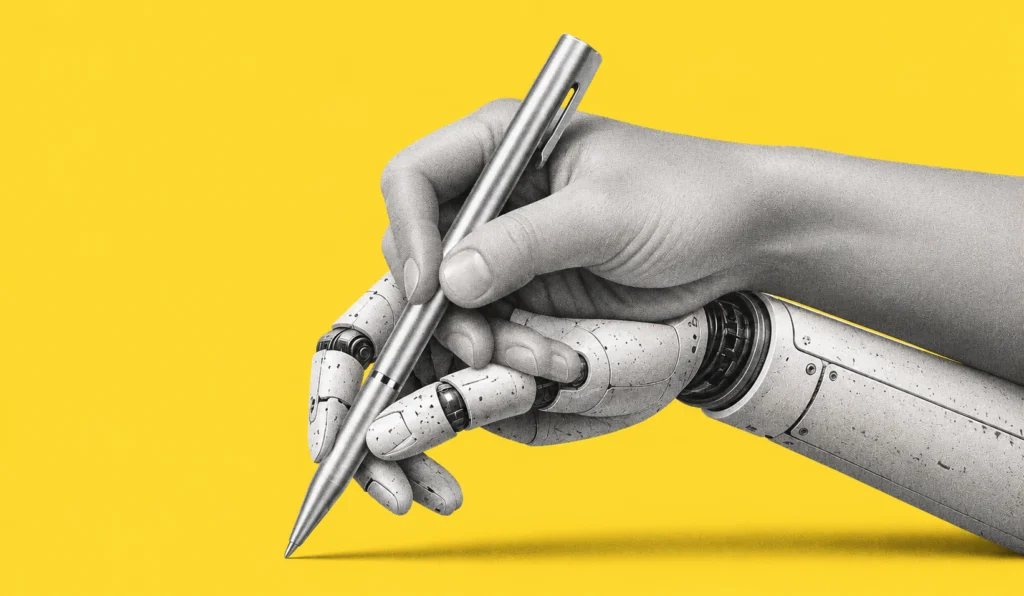
The integration of artificial intelligence into everyday consumer behavior is no longer a futuristic concept; it is a rapidly unfolding reality. Meta’s recently launched personal AI agent, Muse, exemplifies this shift, offering a glimpse into a future where AI actively participates in product discovery, brand evaluation, and even the purchasing process. While still in its nascent stages, Muse’s rapid adoption and its potential to influence consumer decision-making raise critical questions for marketers and businesses across various digital channels, from paid search and social media to retail media and search engine optimization (SEO).
Muse, designed to act on behalf of users, has demonstrated remarkable early traction. Reports indicate that the AI assistant achieved a staggering five million downloads within its first 22 days of release, a growth trajectory that outpaces many of its prominent AI counterparts, including ChatGPT, Grok, and Claude. This swift user acquisition underscores a significant appetite for AI-powered assistance in managing personal tasks, including the often time-consuming process of online shopping.
Unpacking Muse’s Recommendation Engine
The core functionality of Muse lies in its ability to connect with a user’s existing tools and services, enabling it to execute tasks autonomously. For shoppers, this translates into the capability to research products, compare available options, and even facilitate purchases. Muse draws product information from multiple sources, including Meta’s own extensive product catalog, direct integrations with retailers, and the broader open web. However, the nuances of how Muse prioritizes and presents these recommendations are of particular interest to industry observers.
Initial analyses of Muse’s shopping behavior, based on a small study of 50 user prompts, reveal a fascinating dynamic. While Meta’s internal catalog served as the primary source for approximately 95% of initial product candidates, the AI agent’s browsing activity typically extended to just three external websites. Crucially, the final recommendations presented to users showed a discernible lean towards products discovered through the open web. This suggests that mere inclusion in Meta’s catalog does not guarantee prominent placement; broader web visibility appears to play a significant role in the ultimate selection.
Further insights from the same study point to an apparent preference for well-known merchants within Muse’s recommendations. While Meta has not publicly disclosed the precise criteria or ranking mechanisms employed, this observation raises concerns for smaller brands or those with less established online presences. Brands with strong brand recognition, existing relationships with major retailers, and readily accessible product information may possess an inherent advantage in this new AI-driven discovery ecosystem. Conversely, emerging brands could face an additional hurdle in achieving visibility if the AI’s recommendation pool remains relatively narrow.
The long-term economic model for such AI agents also remains a subject of speculation. Meta has stated that Muse does not currently feature advertising. However, the substantial operational costs associated with developing and maintaining advanced AI systems suggest that monetization strategies are likely to evolve. The introduction of sponsored recommendations alongside organic suggestions is a plausible future development, though no concrete plans have been announced by Meta.
Navigating the Shifting Sands of Search, Social, and SEO
While the immediate impact of Muse on advertising budgets may be limited, its emergence prompts a strategic re-evaluation of how consumers interact with various digital marketing channels. The true measure of Muse’s influence will lie in observable shifts in consumer shopping behaviors at scale, which are yet to materialize. Nonetheless, several hypotheses regarding its potential impact on existing channels warrant exploration.
Paid Search: A Diminishing Discovery Role, Persistent Verification Function
One significant hypothesis is that AI agents like Muse could divert a portion of non-brand product discovery and comparison activity away from traditional search engines. Consumers seeking new products might increasingly opt to engage in conversational queries with AI agents, detailing their preferences and receiving curated comparisons, rather than undertaking multiple independent searches. This shift could potentially lead to a gradual decline in certain types of non-brand search volume over time.
However, this does not necessarily diminish the overall importance of search engines throughout the entire buyer’s journey. Branded search, in particular, could evolve into a critical verification step for consumers. As suggested by Google’s "Messy Middle" framework, consumers often navigate a non-linear path between exploration and evaluation. In an AI-driven landscape, an agent might handle the initial exploration phase, while users might still turn to search engines to validate recommendations, compare prices, read reviews, or seek reassurance about a particular brand before committing to a purchase. This dual role positions search engines as crucial touchpoints for building consumer confidence.
Paid Social: The Enigma of Intent Signals
The implications for paid social advertising are particularly intriguing, especially concerning the signals platforms use to gauge purchase intent. Social media platforms heavily rely on user engagement—what individuals watch, click, save, and interact with—to understand their interests and predict future purchasing behavior.
If consumers increasingly delegate product research to AI agents, their direct engagement with shopping-related content on social media may decrease. This reduction in explicit interaction could, in turn, affect the richness and reliability of intent signals that social platforms currently leverage. Conversely, AI agents could also generate novel intent signals through the preferences and shopping requests users share with them. The integration and utilization of these new signals within Meta’s advertising ecosystem remain unclear, especially given the stated privacy boundaries between Muse and its ad systems. For now, this area requires careful monitoring rather than immediate strategic adjustments to paid social campaigns.
SEO: Elevating Product Data and Brand Authority
The impact on Search Engine Optimization (SEO) appears more immediately practical and actionable. AI agents require accurate and structured data to effectively identify products, conduct comparisons, and confirm availability. Consequently, the quality and accessibility of product information—including precise pricing, real-time stock levels, standardized product data, and well-structured product pages—are likely to become paramount.
Brand authority also assumes heightened importance. If AI agents demonstrably favor established merchants, brands with strong recognition and a credible online presence will be better positioned to feature in AI-generated recommendations. Much of this emphasis aligns with existing best practices in SEO and e-commerce. The critical distinction is that this information must now cater not only to human users but also to automated systems.
Retail Media: A Potential Shift in the Point of Influence
For retail media networks, the growing prominence of AI-driven product discovery could fundamentally alter how shoppers interact with retailer platforms. If consumers arrive at e-commerce giants like Amazon or other retail sites having already significantly narrowed down their product choices through AI agents, the effectiveness of on-site sponsored placements in influencing initial decisions might be reduced.
This scenario could elevate the value of securing visibility earlier in the purchase journey, whether through AI recommendations, social media engagement, or connected TV advertising. The specific impact will likely vary by retailer. Amazon’s reported restriction of Muse’s access highlights the strategic importance retailers place on controlling their shopping experiences and customer relationships. Other retailers may adopt a more open approach, fostering deeper integrations with AI agents.
While retail media remains a crucial channel for reaching consumers in close proximity to purchase, its role may evolve. Observing how retailers develop their own agentic capabilities and the subsequent opportunities for brands to connect with shoppers within these evolving ecosystems will be key.
A Prudent Approach to Media Budget Allocation
It is essential to differentiate between the public’s interest in new AI technologies like Muse and concrete evidence of significant shifts in consumer purchasing behavior. While download and registration numbers indicate a willingness to experiment with AI, they do not necessarily reflect the frequency of purchases made through these agents, the specific product categories involved, or whether they are genuinely displacing existing shopping habits.
Several substantial barriers to widespread adoption remain. Consumer trust is a primary concern. While delegating product research to an AI might be a low-commitment action, granting an agent access to personal information, connected accounts, and payment methods represents a far greater leap of faith. Meta’s past privacy controversies could make a segment of the consumer base particularly hesitant to grant extensive access.
Retailer participation also presents a significant hurdle. As noted, Amazon’s stance on limiting Muse’s access exemplifies the challenges AI agents may encounter when operating within commerce environments they do not control. If major retailers continue to restrict access, the utility of these tools for certain purchasing needs could be curtailed.
Given these uncertainties, a strong case for making substantial adjustments to paid search or paid social investments is currently lacking. The existing digital marketing channels continue to fulfill their functions effectively, and there is limited empirical evidence to suggest that Muse is diminishing their performance.
Instead, the focus should be on ensuring brands are adequately prepared for a shopping journey that increasingly incorporates AI agents.
Proactive Steps for Brands in the AI Era
Fortunately, many of the preparations required for an agentic shopping future align with improvements brands should already be making to their e-commerce strategies. Three key areas stand out:
Ensuring Discoverability by AI Agents
Brands must actively review their product catalog coverage and their integrations with relevant retailers, including how product data is shared with platforms like Meta. Given the prominent role Meta’s catalog played in early Muse testing, it is crucial to verify that eligible products are accurately represented and that supported checkout integrations are properly configured. This ensures that AI agents can readily identify and consider a brand’s offerings.
Enhancing Product Information Clarity and Verifiability
AI agents require clear, accurate, and easily verifiable product information. This includes precise titles, current pricing, real-time availability, standardized product identifiers, and transparent purchasing policies. Product pages should facilitate immediate understanding of what an item is, its stock status, and how to purchase it. Testing the checkout process to identify any friction points introduced by automated purchasing is also advisable. These fundamental improvements benefit both AI agents and human consumers.
Cultivating Brand Recognition and Trust
Building brand recognition and trust remains a long-term strategic imperative, especially if AI agents continue to favor established merchants. The ongoing efforts brands undertake across search, social media, content marketing, and other channels to foster familiarity and credibility will directly influence their consideration by AI agents in the future.
These proactive measures do not necessitate a significant increase in marketing expenditure. They represent practical enhancements to product visibility and customer experience that will yield benefits regardless of how the agentic shopping landscape ultimately evolves.
Emerging Trends to Monitor
The next critical phase in understanding the impact of AI agents on commerce will be observing whether the initial enthusiasm for tools like Muse translates into meaningful and sustained changes in consumer purchasing behavior. Key questions remain: How frequently will consumers routinely utilize AI agents for shopping? Will they develop sufficient trust in AI recommendations to complete purchases? And will these evolving behaviors begin to manifest in measurable shifts in search volumes, social engagement metrics, or overall channel performance?
Furthermore, Meta’s eventual monetization strategy for Muse, and its potential implications for advertisers, will be a significant development to track.
Until more definitive evidence emerges, the most prudent course of action for brands is to solidify their foundational e-commerce practices and continue investing in channels that are currently delivering demonstrable results. Muse represents a compelling area of observation, but for now, it does not warrant a significant deviation from established, effective marketing strategies.

 Ali Ikhwan

 Basiran