rifanmuazin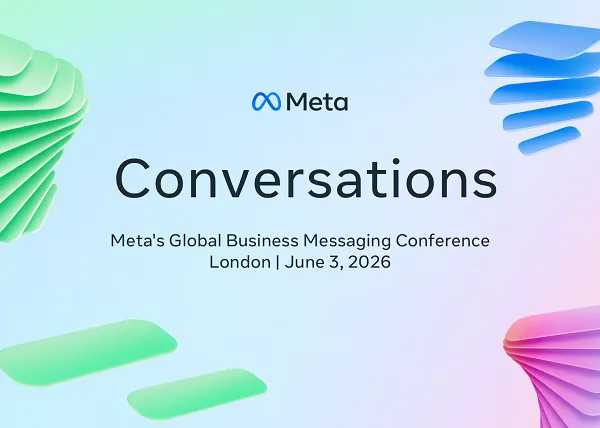
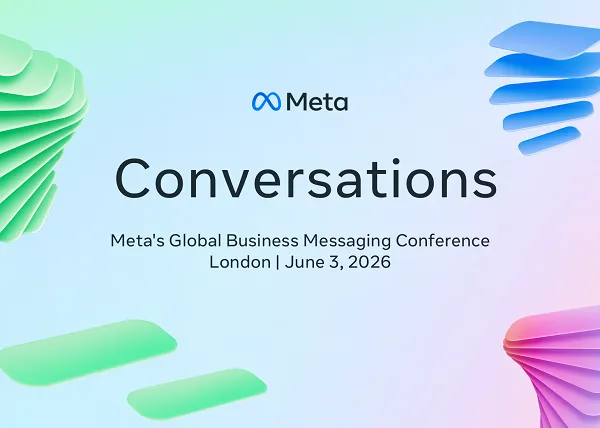
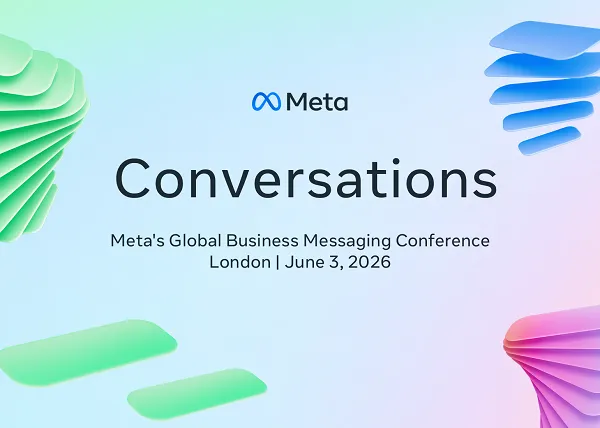
Meta Platforms is poised to host its highly anticipated 2026 Conversations messaging conference on June 3 in London, a pivotal event expected to unveil significant advancements in artificial intelligence and critical upgrades across its flagship messaging platforms: WhatsApp, Messenger, and Instagram Direct (IG Direct). This annual gathering, now in its fifth year, serves as Meta’s primary forum for showcasing its vision for the future of business messaging, cementing its position at the forefront of conversational AI development.
The conference is a strategic platform for Meta to engage with a diverse audience, including enterprise leaders, developers, small and medium-sized businesses (SMBs), ecosystem partners, and industry thought leaders. The central theme for this year’s keynote is squarely focused on the transformative power of AI in enhancing business interactions, acquiring new customers, fostering retention, and scaling operations through intelligent messaging solutions. While an in-person event in London will host a range of Meta executives discussing these strategic directions, global accessibility is ensured through a live-stream, allowing participants from all regions to tune into the key announcements.
The Evolution of Meta’s Messaging Strategy
Meta’s intensified focus on messaging is not a recent phenomenon but rather the culmination of a strategic pivot observed over several years. Data indicates a persistent trend of users migrating away from public social media feeds towards more private and intimate communication channels, primarily direct messages and closed groups. This shift underscores the growing importance of platforms like WhatsApp, Messenger, and IG Direct, which collectively boast billions of users worldwide. WhatsApp, in particular, has experienced a notable surge in usage, even in markets like the U.S., traditionally dominated by other messaging services. This user behavior transformation has compelled Meta to invest heavily in bolstering its private messaging infrastructure and capabilities, especially for business applications.
The Conversations conference has evolved significantly since its inception. Initially designed to highlight the growing potential of WhatsApp Business API and Messenger for business communication, it has progressively integrated broader themes, mirroring Meta’s overarching corporate strategy. Early conferences focused on basic features like automated responses and quick replies for customer service. Over time, the agenda expanded to include deeper integrations, payment solutions, and richer media capabilities. The current iteration, Conversations 2026, marks a significant leap, placing AI as the undeniable cornerstone of its future messaging ecosystem. This evolution reflects Meta’s understanding that to remain relevant and competitive, its messaging platforms must offer more than just communication; they must provide comprehensive, intelligent solutions for commerce and customer engagement.
AI at the Core: A Multi-Billion Dollar Bet
Artificial intelligence is undoubtedly the star of this year’s Conversations event. Meta has made it abundantly clear that AI development is its paramount strategic priority, backing this commitment with colossal financial investments. The company has publicly announced plans to invest more than $600 billion in AI infrastructure over the next three years, a figure that dwarfs many national budgets and signals an all-in approach to becoming a global leader in AI. This massive investment is not merely for foundational research but is explicitly aimed at integrating AI capabilities across its entire family of applications, with messaging taking a prominent role.
Attendees at Conversations 2026 can therefore expect detailed insights into how this unprecedented investment translates into tangible innovations for businesses. The keynote speech is anticipated to delve into the capabilities of custom chatbots and advanced "agentic operators." Unlike traditional rule-based chatbots, these AI agents are designed to understand complex conversational prompts, learn from interactions, and proactively assist with a wider array of business functions. This could range from sophisticated customer support and personalized sales interactions to appointment scheduling, order processing, and even proactive outreach – all within the familiar interfaces of WhatsApp, Messenger, and IG Direct.
Meta’s vision extends beyond mere automation. The company is actively exploring and developing "AI human clones," a groundbreaking concept that could revolutionize how businesses staff their digital interactions. Imagine an AI-powered digital twin of a sales representative, customer service agent, or even a brand ambassador, capable of interacting seamlessly with customers within Meta’s apps on an organization’s behalf. While still in its nascent stages, the potential implications of such technology for scalability, personalization, and round-the-clock service are immense. The conference might offer updates on the progress and potential deployment timelines for these advanced AI-powered entities, signaling a dramatic shift in the future of digital workforce.
Enhancements Across Key Messaging Platforms
The conference will also serve as the stage for announcing specific upgrades to WhatsApp, Messenger, and Instagram Direct. While details remain under wraps, these enhancements are expected to align with the overarching AI theme and Meta’s commitment to improving business functionality.
For WhatsApp, which boasts over 2 billion global users and a rapidly expanding business API, upgrades might include:
- Advanced AI-powered customer service tools: More sophisticated chatbots for handling complex queries, routing to human agents more efficiently, and providing personalized recommendations.
- Enhanced payment integrations: Streamlining in-chat purchases and transactions, especially in markets where WhatsApp Pay is active or expanding.
- Richer media capabilities for businesses: Tools for sending interactive product catalogs, video demonstrations, and immersive brand experiences directly within chat.
- Improved analytics and reporting for businesses: Giving companies deeper insights into customer interactions, conversion rates, and the effectiveness of their messaging campaigns.
- Expanded broadcast and group messaging features for businesses: Enabling more effective communication with large customer segments while maintaining personalization.
Messenger, particularly relevant in Western markets, could see improvements such as:

- Deeper integration with Facebook and Instagram commerce features: Facilitating a seamless shopping experience from discovery on social feeds to checkout in Messenger.
- AI-driven lead qualification and nurturing: Using conversational AI to identify high-potential leads and guide them through the sales funnel.
- Enhanced interactive experiences: Potentially leveraging augmented reality (AR) filters and effects within Messenger chats for product visualization or interactive games.
- Streamlined appointment booking and event management: AI agents capable of handling complex scheduling and reminders for businesses.
Instagram Direct (IG Direct), a crucial channel for influencer marketing and direct-to-consumer brands, might receive upgrades focused on:
- AI-powered assistance for creators and businesses: Helping manage direct messages, filter inquiries, and respond to common questions, freeing up creators to focus on content.
- Shop-in-chat capabilities: Making it easier for users to discover and purchase products directly from conversations with brands or creators.
- Integration with Instagram’s broader commerce tools: Ensuring a cohesive experience from exploring products in feeds and Stories to making inquiries and purchases via DM.
- Improved content sharing and collaboration features for businesses: Enabling richer, more dynamic interactions with customers and partners.
These platform-specific enhancements are designed to make Meta’s messaging apps indispensable tools for businesses of all sizes, from local SMBs leveraging free tools to large enterprises requiring robust API integrations.
The Strategic Imperative: Capitalizing on Conversational Commerce
Meta’s aggressive push into AI-enabled business messaging is a calculated move to capitalize on the burgeoning trend of "conversational commerce." This paradigm shift sees customer interactions, sales, and support increasingly taking place within messaging applications rather than traditional websites or call centers. The growth of Meta’s Click-to-Message ads is a testament to this trend, with adoption rates rising rapidly. These ads allow users to initiate a conversation with a business directly from an advertisement on Facebook or Instagram, significantly reducing friction in the customer journey.
The integration of Meta AI directly into messaging experiences adds another powerful layer to this strategy. Users can now interact with Meta AI for various purposes, from getting information to generating creative content. When this capability is combined with business messaging, it opens up new avenues for customer engagement. Imagine an AI assistant in WhatsApp guiding a user through product options, answering FAQs, and even processing an order, all powered by Meta’s underlying AI models. This not only enhances customer experience but also drives efficiency and scalability for businesses.
For Meta, the implications are profound. By embedding AI deeply into its messaging ecosystem, the company aims to:
- Increase user engagement and retention: Offering more valuable and personalized interactions keeps users within Meta’s ecosystem.
- Drive advertising revenue: More effective business messaging leads to higher ROI for advertisers, encouraging greater ad spend.
- Diversify revenue streams: Potentially through premium AI services for businesses, enhanced commerce features, or transaction fees.
- Strengthen its competitive moat: Making its messaging platforms indispensable for commerce and communication, differentiating them from rivals.
- Become a leader in generative AI applications: Showcasing practical, business-oriented applications of its cutting-edge AI research.
Broader Impact and Implications
The announcements at Conversations 2026 will have far-reaching implications across the digital landscape.
For Businesses: The immediate impact will be access to more powerful tools for customer engagement, sales, and support. SMBs, in particular, could leverage these AI-powered features to compete more effectively with larger enterprises, offering personalized service at scale without significant overhead. Larger corporations will find opportunities to streamline operations, reduce customer service costs, and enhance customer loyalty through hyper-personalized interactions. The ability to deploy AI agents that learn and adapt could fundamentally change how businesses staff their digital customer-facing roles.
For Developers: The event will likely reveal new APIs, SDKs, and developer tools that enable the creation of even more sophisticated AI-powered applications and integrations on Meta’s platforms. This could spark a new wave of innovation, fostering an ecosystem of third-party solutions that extend the capabilities of WhatsApp, Messenger, and IG Direct. Developers will need to adapt to working with advanced AI models and agentic architectures, opening up new skill requirements and opportunities.
For Users: While the primary focus of Conversations is business, end-users will ultimately benefit from more efficient, personalized, and intuitive interactions with brands. Faster responses, relevant recommendations, and seamless purchasing experiences within their preferred messaging apps will become the norm. However, with increased AI interaction, there will also be a growing need for transparency regarding when users are interacting with an AI versus a human, and robust privacy safeguards will be crucial.
For Meta’s Competitive Landscape: This event is a clear statement of intent from Meta to solidify its leadership in the AI and conversational commerce space. By leveraging its unparalleled user base across its messaging apps and backing it with massive AI investments, Meta is positioning itself to outpace competitors. Rivals such as Google (with Google Business Messages), Apple (with Apple Business Chat), and other independent messaging platforms will be closely watching, potentially feeling pressure to accelerate their own AI and business messaging initiatives to keep pace. The integration of AI clones, if successfully deployed, could provide Meta with a unique differentiator that could redefine digital interaction.
In conclusion, Meta’s Conversations 2026 conference is more than just an annual product showcase; it is a strategic declaration of the company’s future direction. By placing AI at the heart of its messaging ecosystem, Meta is not just upgrading its apps but is actively shaping the future of how businesses and consumers interact in the digital realm. The insights shared on June 3 will undoubtedly provide a critical roadmap for understanding the next evolution of digital communication and commerce.