

The landscape of B2B software-as-a-service (SaaS) marketing has undergone a fundamental shift as buyers demand more transparency and shorter paths to value before engaging with sales representatives. Despite the increasing sophistication of marketing technology, many organizations find themselves trapped in a cycle of diminishing returns: demo requests are declining, sales teams are questioning lead quality, and marketing departments are responding by increasing ad spend on the same underperforming assets. The core of this issue often lies in a fundamental misunderstanding of the "request a demo" call to action (CTA), which remains one of the highest-friction steps in the digital buyer journey.
Data from the 2025 Dreamdata LinkedIn Ads Benchmark Report reveals a stark reality for SaaS providers: the average B2B customer journey now spans 211 days and involves approximately 88 distinct touchpoints. This extended timeline reflects a cautious market where high-investment software decisions are rarely made in isolation or haste. When marketing teams treat a demo request with the same casual expectation as a whitepaper download, they ignore the psychological weight of the request. A demo is not merely a request for information; it is a commitment of time and an invitation for a sales conversation, a step that modern buyers are increasingly hesitant to take until they have reached a high level of brand trust and product understanding.
The Evolution of the B2B SaaS Buyer Journey
The traditional "linear" funnel has been replaced by a complex, multi-stage research process. To address this, industry experts like Tas Bober have championed the "Core Four" landing page framework. This strategy acknowledges that a demo landing page should rarely be the first point of contact for a prospect. Instead, it serves as the terminal point of a carefully orchestrated educational sequence.
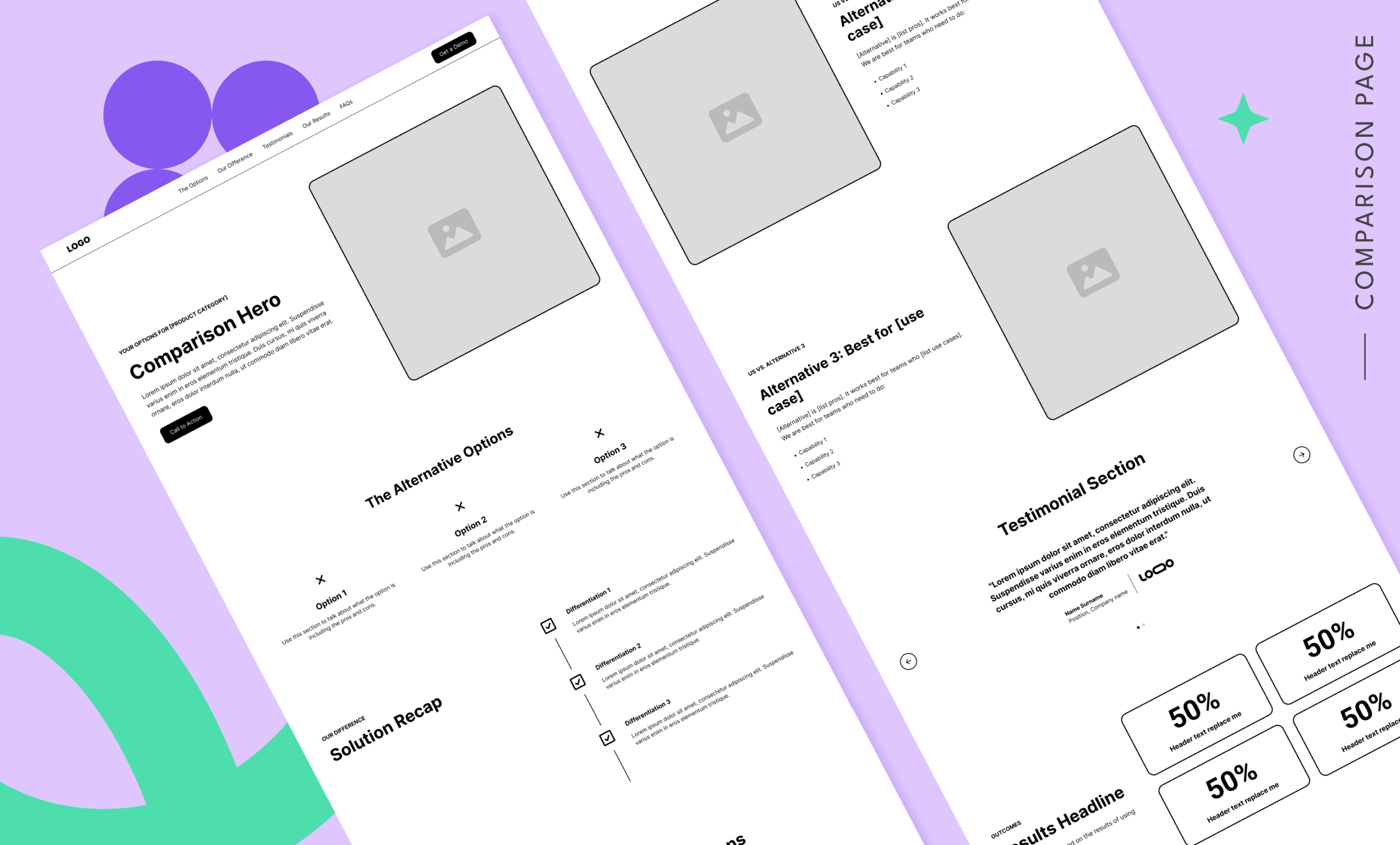
The chronology of a successful conversion typically follows four distinct stages of information gathering. First, the buyer encounters "Solution" pages that address high-level pain points and category-level benefits. Next, they move to "Product" pages that detail specific features and technical capabilities. Third, "Comparison" pages help the buyer understand the solution’s position against competitors. Only after these stages are completed is the buyer truly prepared for the "Demo" page. By the time a visitor reaches this final stage, the objective is no longer to introduce the product, but to confirm that a conversation with sales is the logical and beneficial next step.
Benchmarking Conversion Performance in a Competitive Market
Understanding what constitutes "success" is critical for SaaS marketers aiming to optimize their demo pages. According to the Unbounce 2024 Conversion Benchmark Report, SaaS landing pages convert at a median rate of 3.8%. However, more focused research from first-party B2B data suggests that for high-intent demo pages specifically, the average hovers around 3.1%.
These figures are highly sensitive to the quality of incoming traffic. A page receiving cold traffic from broad social media campaigns may see conversion rates plummet below 1%, whereas pages fueled by high-intent search terms or retargeting of previous visitors often see rates climb significantly higher. The performance ceiling of a demo page is frequently dictated by the "warmth" of the audience rather than the color of the submit button. Consequently, the first step in any optimization project must be an audit of traffic sources to ensure that only well-researched, high-intent buyers are being directed to the high-friction demo request form.
Anatomy of a High-Converting Demo Landing Page
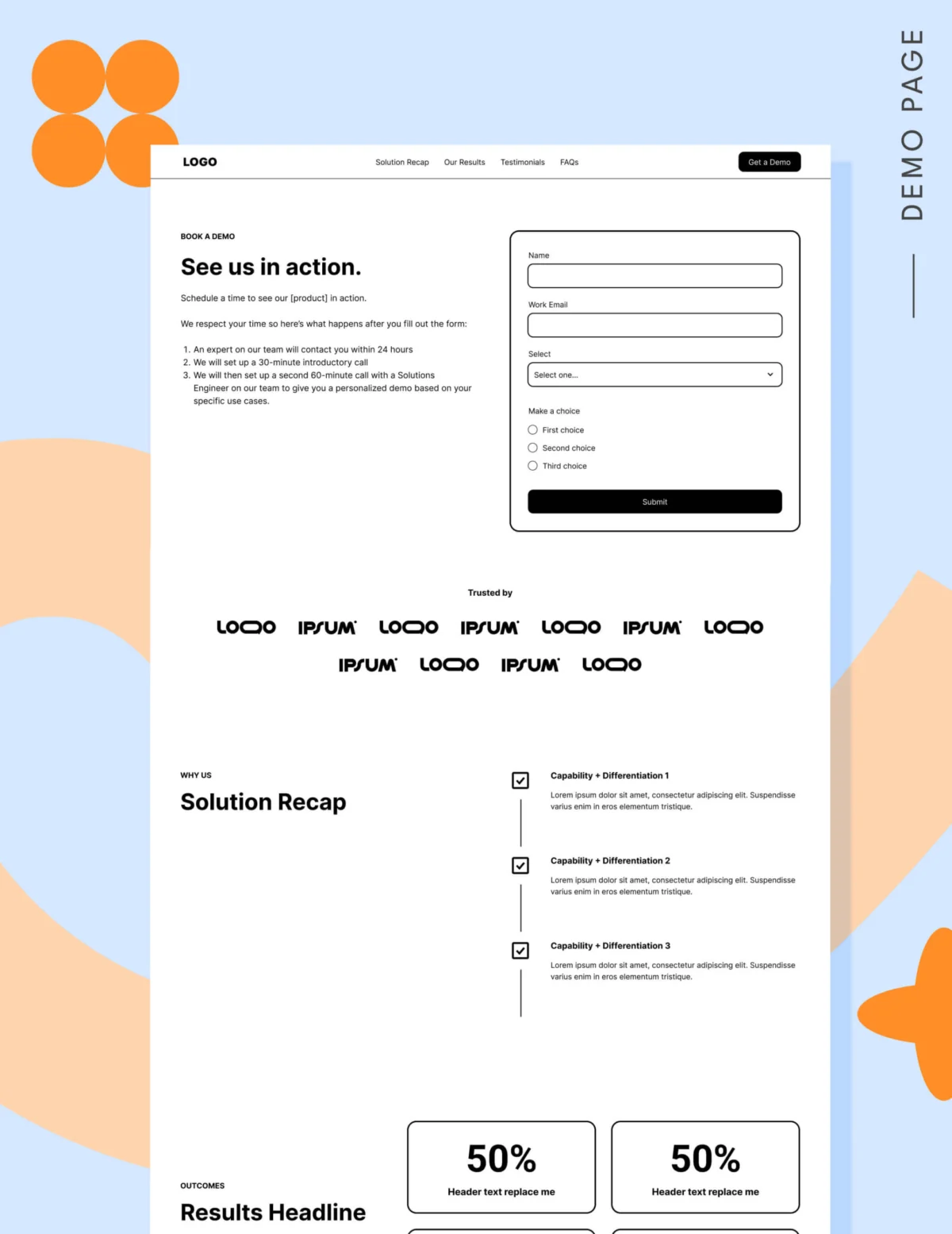
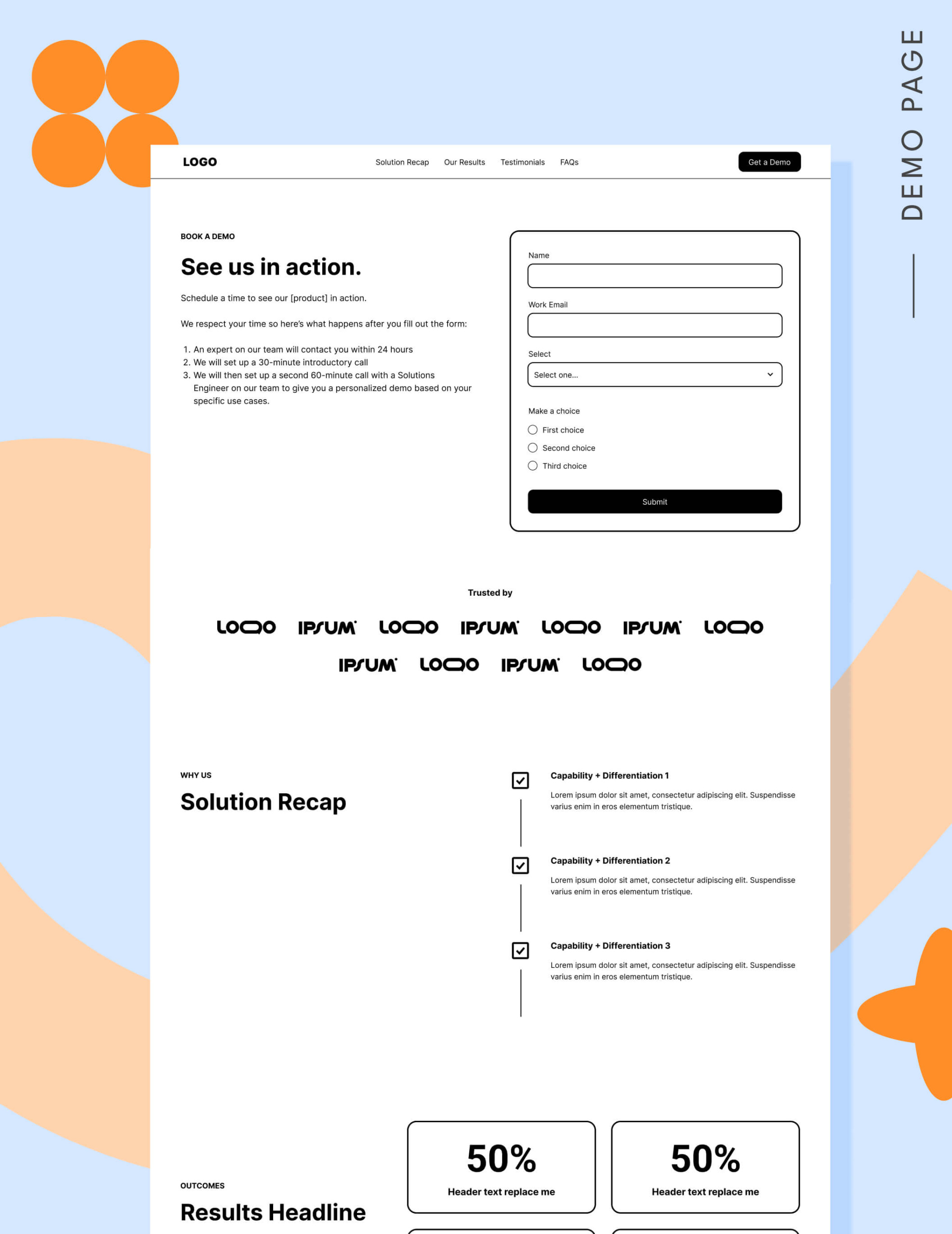
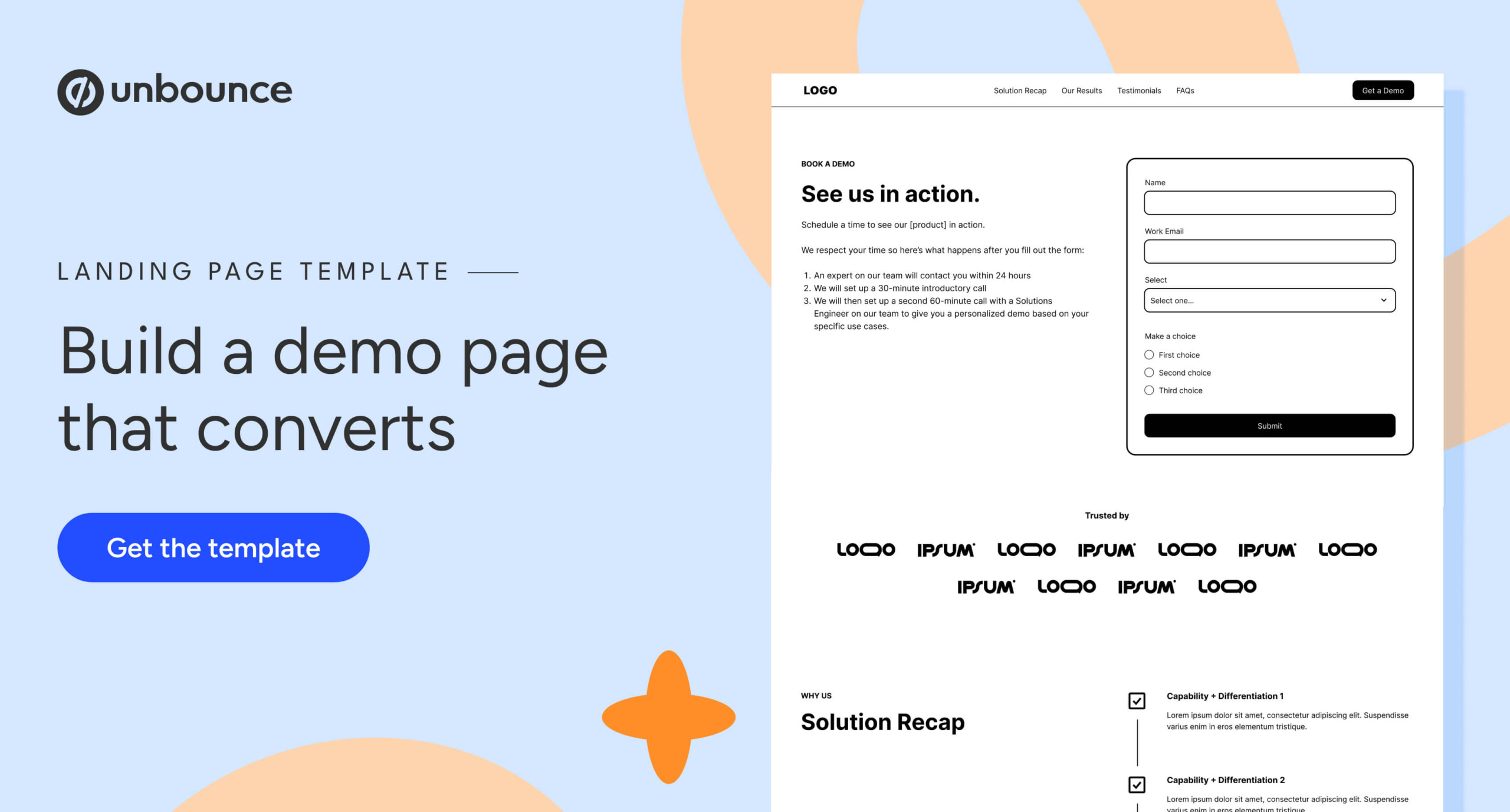
To convert the modern, skeptical B2B buyer, a demo landing page must move beyond the simple form-and-headline structure. It must function as a comprehensive reassurance center.
Strategic Navigation and the Google 2025 Update
A long-standing myth in landing page design is the "no-exit" rule, which suggests removing all navigation to force a conversion. However, Google’s 2025 ad quality prediction model updates have begun to reward pages that provide relevant navigation and align more closely with search intent. For a demo page, this means utilizing anchor links that allow users to jump to specific sections—such as pricing, FAQs, or testimonials—without leaving the page. Furthermore, a minimal footer linking to other "Core Four" pages can prevent a bounce by offering lower-friction alternatives for buyers who realize they aren’t quite ready to talk to sales yet.
The Hero Section and Process Transparency
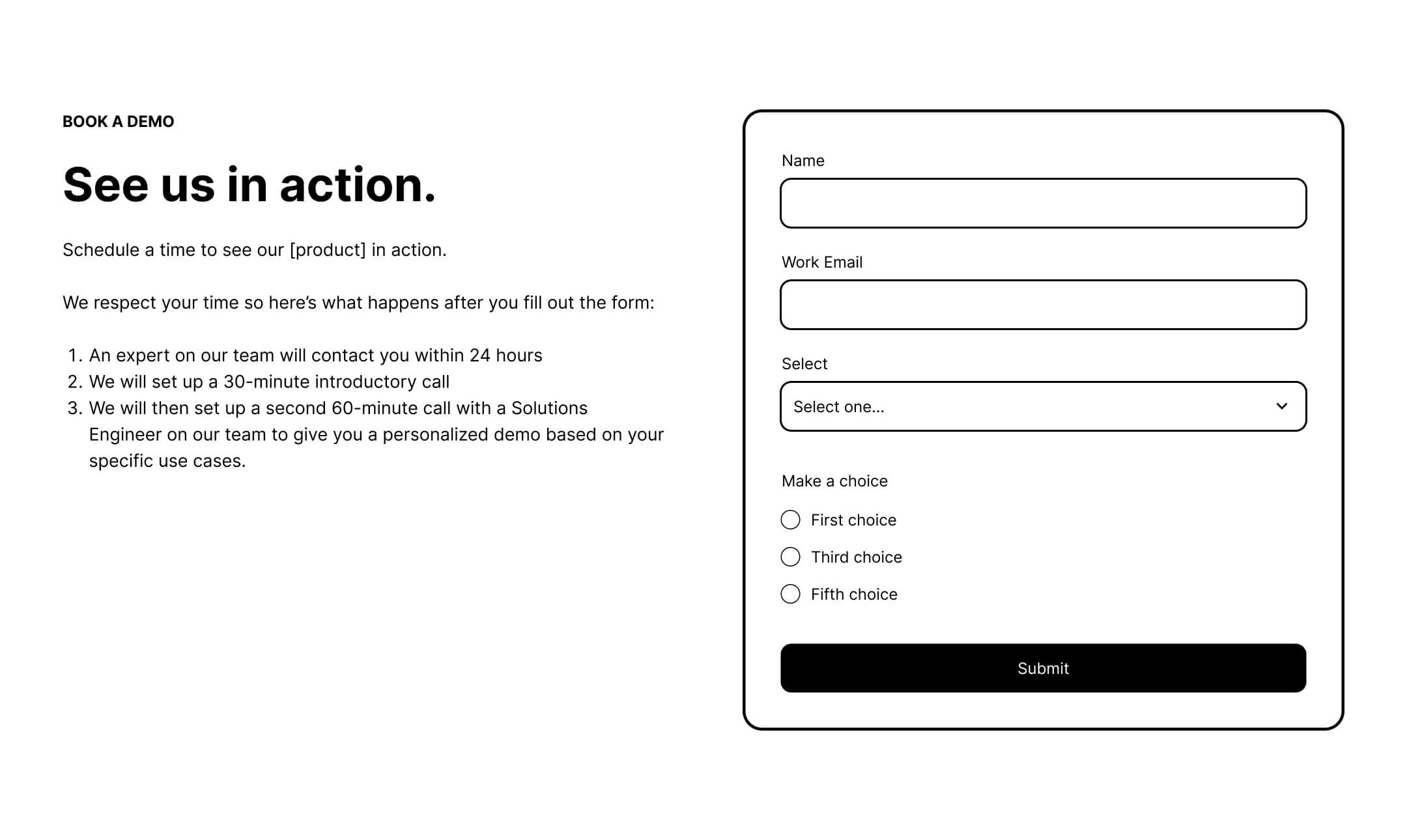
The hero section of a demo page is one of the few instances where placing a form above the fold is highly effective. Because the visitor has arrived with the intent to book, the form should be prominent. However, it must be accompanied by copy that explains exactly what happens after the "submit" button is clicked. Transparency regarding the next steps—who will call, how long the call will last, and what will be covered—reduces the "black hole" anxiety that often prevents form completions.

Building a "Logo Garden" of Credibility
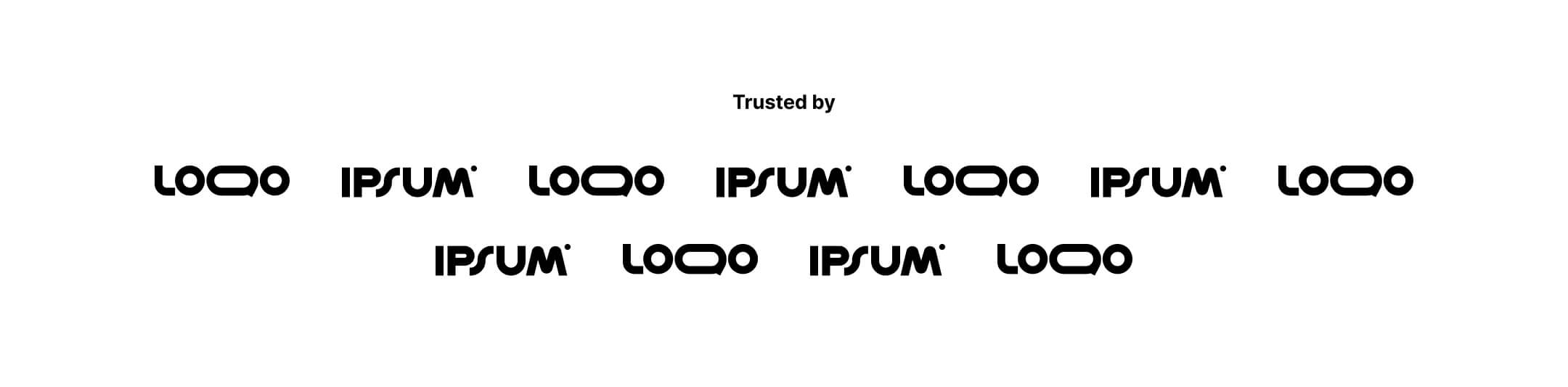
Social proof remains the most potent tool for building trust. For established brands, a "logo garden" featuring recognizable enterprise clients serves as a visual shorthand for reliability. For newer entries into the market, a collection of 6 to 12 detailed testimonials is more effective than a few scattered quotes. Buyers look for "people like them" who have successfully solved similar problems. If a buyer sees that 10,000 other digital marketers use the tool, the perceived risk of the demo request drops significantly.
Addressing the Pricing Dilemma in Sales-Led Motions
One of the most contentious debates in SaaS marketing is whether to include pricing on a demo landing page, particularly for sales-led organizations with complex, custom contracts. Current market trends suggest that withholding pricing entirely is becoming a liability. In an era of "self-serve" research, buyers often interpret a lack of pricing information as a sign that the software is either prohibitively expensive or that the sales process will be unnecessarily opaque.
Including a "starting at" price or a condensed pricing grid for common tiers serves several purposes. First, it acts as a self-qualification tool, ensuring the sales team doesn’t waste time with leads who lack the necessary budget. Second, it builds immediate trust through transparency. Third, it provides the internal champion at the prospect’s company with the data they need to get preliminary buy-in from their financial stakeholders before the demo even occurs.
The Impact of Form Friction and Scheduling Tools
The technical execution of the demo request form can be a major point of failure. 2026 conversion benchmarks indicate a sharp decline in completion rates as the number of fields increases. Forms with five fields or fewer maintain a conversion rate of approximately 17%, but this drops to under 7% when the field count reaches ten. Marketers must balance the need for lead qualification data with the reality of user fatigue.
Furthermore, the choice between a static form and an integrated scheduling tool like Calendly depends on the sales organization’s structure. Direct scheduling is highly effective for high-intent, qualified traffic, as it removes the delay between the request and the appointment. However, for broader traffic sources, a traditional form allows for a manual "triage" process to ensure that senior sales representatives are only spending time with the most promising prospects.
Broader Implications for the SaaS Industry
The shift toward more detailed, transparent, and user-friendly demo landing pages reflects a broader maturation of the SaaS industry. As markets become saturated, the advantage lies with companies that respect the buyer’s time and provide a frictionless experience from the very first interaction.
Case studies have shown that subtle shifts in language can yield significant results. For instance, the company FORM reported a 33% increase in PPC conversions after changing their CTA from "Request a Demo" to "Take a Tour" and incorporating an interactive product preview on the landing page. This suggests that the future of the "demo" may not be a 1:1 sales call at all, but a hybrid of interactive self-exploration and targeted human consultation.
Ultimately, the success of a SaaS demo landing page is a reflection of the alignment between marketing and sales. When marketing understands the sales process well enough to describe it on the page, and sales follows through on the promises made in the copy, the result is a cohesive brand experience that converts hesitant researchers into confident buyers. In 2026 and beyond, the companies that win will be those that view their demo page not as a trap to catch leads, but as a gateway to a professional partnership.







