rifanmuazin
The rapid integration of Artificial Intelligence (AI) into marketing workflows presents both unprecedented opportunities and significant challenges. While AI tools can dramatically accelerate content creation, their ability to authentically capture a brand’s unique personality and voice remains a critical hurdle. Unlike human team members who absorb brand nuances through immersion and direct interaction, AI requires explicit, detailed instruction to move beyond generic outputs. This article delves into the strategic imperative of developing AI-specific brand voice and tone guidelines, offering a comprehensive framework for marketers to harness the full potential of AI in producing resonant and effective content.
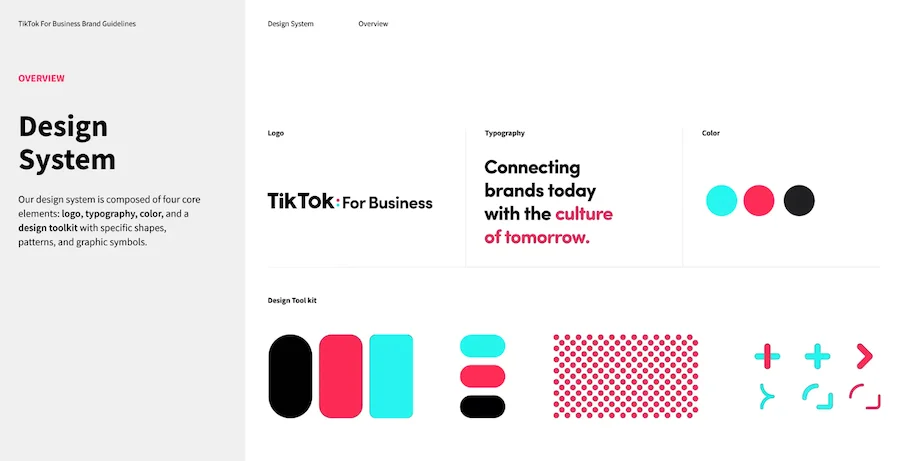
The conventional approach to brand guidelines, often developed for human consumption, typically includes logo specifications, color palettes, and a general description of brand voice. While effective for inter-human communication, where context and nuance can be verbally clarified, these guidelines fall short when applied to AI. AI models, operating on algorithms and data patterns, interpret instructions literally. A vague directive like "write in a conversational tone" can lead to AI-generated content that is bland, overly formal, and laden with clichés, a far cry from the desired brand persona.
The solution lies in creating an "AI-ready" brand voice and tone document. This document acts as a specialized "cheat sheet," providing AI tools with granular, actionable insights into how a brand should sound, which words to favor or avoid, and the precise emotional tenor of its communications. This strategic adaptation is not merely about refining AI prompts; it’s about architecting a foundational understanding for the AI, ensuring that its outputs align seamlessly with established brand identity.
The Genesis of AI-Ready Brand Guidelines

The evolution of AI in content creation necessitates a parallel evolution in how brands define and communicate their identity. Traditionally, brand style guides were designed to ensure consistency across human-generated content. However, the unique operational logic of AI platforms demands a more precise and example-driven approach.
A human writer, encountering the instruction "our tone is friendly and approachable," can draw upon a wealth of lived experience to infer meaning: the use of shorter sentences, contractions, perhaps a touch of humor. An AI, however, lacks this intuitive understanding. It tends to default to established patterns, often resulting in content that is generic and uninspired. The phrase "in today’s digital landscape," a common AI output, exemplifies this tendency towards predictable, unoriginal phrasing.
To bridge this gap, an AI-ready brand voice guide must transcend abstract descriptions. It requires a tangible demonstration of what constitutes on-brand communication. This means moving beyond adjectives and providing concrete definitions, illustrative examples, and explicit "do this, not that" comparisons. The goal is to provide the AI with a clear, empirical model of the desired brand voice, minimizing the need for extensive post-generation editing.
Key Components of an AI-Ready Brand Voice and Tone Guide
Developing an effective AI-ready brand voice guide involves a structured approach, focusing on specificity and actionable directives. The following sections outline the essential components:
1. Core Voice Attributes with Explicit Definitions
Instead of merely listing adjectives like "friendly" or "authoritative," the guide must define what these attributes mean in practice for the brand. This specificity is crucial for AI comprehension.
-
Example:
- Do This: "Conversational means we write as if we’re explaining something to a friend over coffee, using clear language and avoiding overly formal sentence structures. Think of a relaxed, engaging chat."
- Not This: "Our voice is conversational."
This approach provides the AI with a concrete mental framework, enabling it to generate content that genuinely reflects the brand’s intended tone, rather than relying on its default, often stilted, interpretations. Similarly, "authoritative" should be defined by its application: "Authoritative means we back our claims with specific data, credible sources, and real-world examples, avoiding vague statements or unsubstantiated assertions."
2. Defining Your Brand’s Personality Through Persona
Assigning a persona to the AI can significantly enhance the consistency and character of its output. If the brand were a person, who would they be? This exercise, while seemingly abstract, provides AI with a tangible archetype to embody.
- Example:
- For a Neighborhood Bakery: "We’re the enthusiastic friend who’s just pulled a perfect sourdough from the oven and can’t wait to share the joy. We’re warm, passionate about our craft, and genuinely love connecting with our community, never pretentious."
- For an Accounting Firm: "We are the calm, approachable advisor who simplifies complex financial matters, making tax season feel manageable. We are clear, reassuring, and deeply respectful of our clients’ time and concerns."
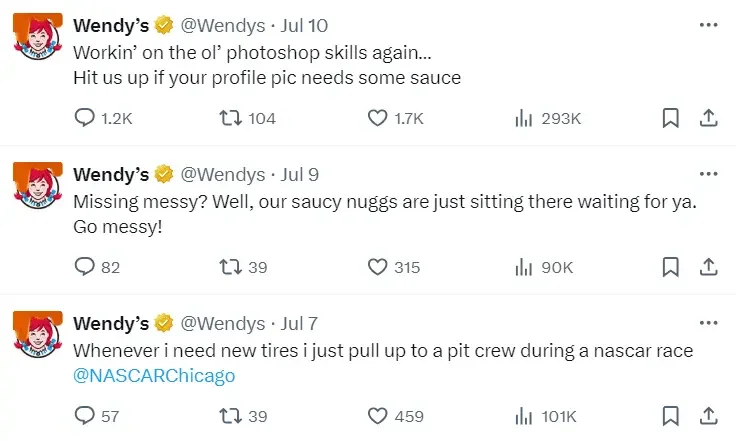
This persona-driven approach guides the AI in word selection, humor, and formality, ensuring a cohesive brand experience across all content. Brands like Wendy’s, known for their irreverent and slang-heavy Twitter persona, demonstrate the power of a well-defined brand personality.
3. The Power of "Do This, Not That" Examples
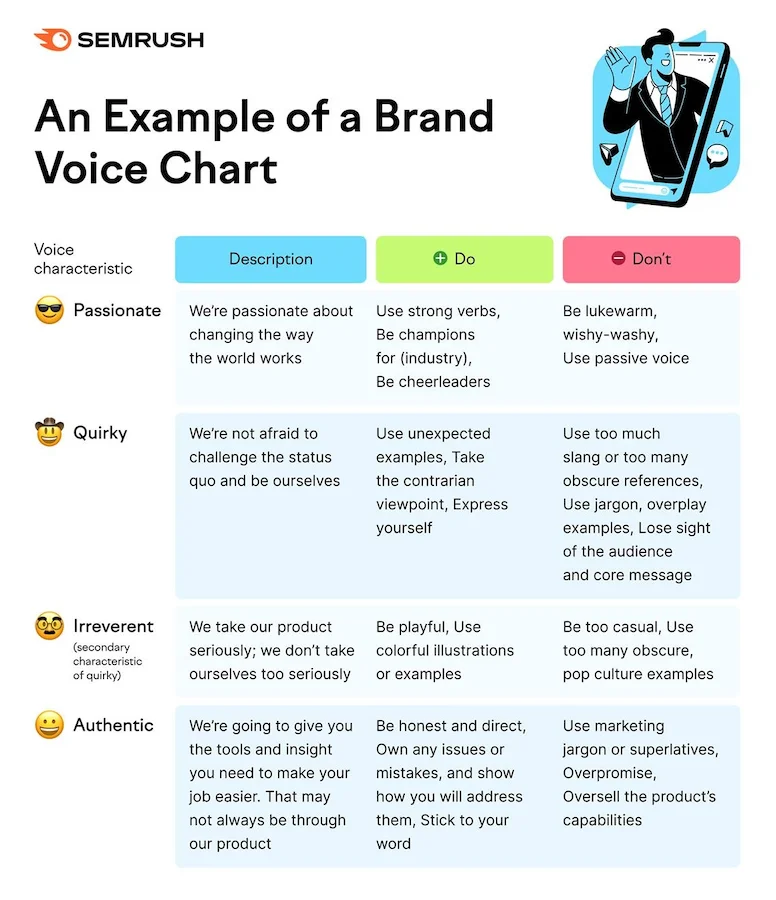
This section is arguably the most critical component of an AI-ready guide. AI models learn exceptionally well from direct comparisons, making it imperative to clearly illustrate the difference between on-brand and off-brand content.
- Areas to Cover:
- Word Choice: Providing specific examples of preferred terminology versus words to avoid. For instance, a tech company might prefer "user" over "customer" in certain contexts, or a sustainable brand might always use "eco-friendly" over "green."
- Sentence Structure and Flow: Demonstrating preferred sentence lengths, the use of active versus passive voice, and how to create a natural, engaging rhythm.
- Tone and Emotion: Illustrating how to convey specific emotions like excitement, empathy, or confidence, and conversely, how to avoid tones that are condescending, overly technical, or dismissive.
4. Sentence Length and Formatting Preferences
Subtle stylistic choices can profoundly impact how content is perceived. AI needs explicit instructions on these preferences, which humans often intuit.
- Guidelines to Include:
- Contractions: Specify whether contractions (e.g., "it’s," "don’t") are encouraged or discouraged.
- Punctuation: Detail preferences for specific punctuation marks, such as the use of em dashes versus parentheses for parenthetical information.
- Bullet Points and Lists: Define when and how to use bullet points and numbered lists for better readability.
- Paragraph Length: Establish preferred paragraph lengths to maintain engagement and avoid overwhelming the reader.
5. Articulating Themes and Points of View
Every brand has a set of core beliefs and perspectives that shape its messaging. Documenting these themes provides AI with a strong foundation for developing content with a distinct point of view.
- Example:
- For a Small Business Marketing Agency: "We believe small businesses deserve access to the same high-quality marketing strategies as large corporations. We also believe that marketing advice is often unnecessarily complicated and aim to simplify it for our clients."
- For a Local Gym: "Our core belief is that consistency in fitness is more impactful than sporadic intensity. We emphasize that fitness should be integrated into daily life, not become an overwhelming burden."
Highlighting industry debates where the brand takes a clear stance can further empower AI to generate content that is not only informative but also authentically opinionated and engaging.
6. Granular Language Guidelines
This section addresses specific linguistic nuances that contribute to brand consistency.
- Key Areas:
- Preferred Terminology: List specific terms the brand consistently uses (e.g., "sales representative" instead of "salesman") and those it actively avoids.
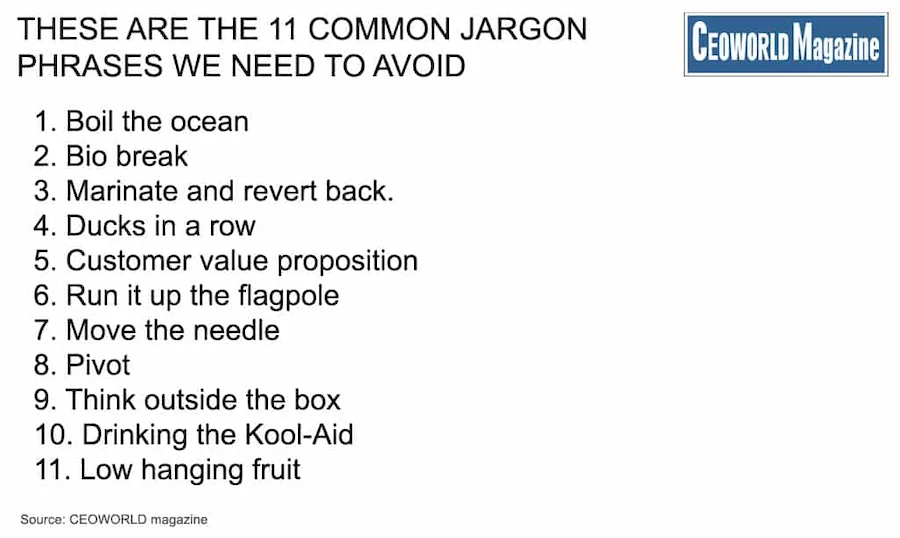
- Industry Jargon Policy: Define the brand’s stance on using technical jargon. This often involves categorizing jargon into three buckets:
- Always Avoid: Terms that are overly technical, obscure, or potentially alienating to the target audience.
- Use Sparingly, with Explanation: Terms that might be industry-specific but can be explained clearly for a broader audience.
- Acceptable for Specific Audiences: Jargon that is standard and understood by a highly specialized audience.
7. Content Structure Preferences
The organization of content significantly impacts its effectiveness. AI can be guided on preferred structural elements for various content formats.
- Structural Guidance:
- Introduction: Specify the desired length and purpose of introductory paragraphs.
- Body Paragraphs: Define typical paragraph length and how to transition between ideas.
- Conclusion: Outline expectations for concluding remarks, including calls to action or summary statements.
- Use of Headings and Subheadings: Specify how to use H2, H3, and other heading levels to break up content and improve scannability.
8. Establishing Hard Boundaries: The "Never Do This" List
Explicitly outlining non-negotiables is crucial for preventing AI from generating content that fundamentally clashes with brand values or policies.
- Examples:
- Never use overly aggressive sales tactics.
- Do not make unsubstantiated claims about product efficacy.
- Avoid discriminatory or biased language.
- Refrain from using overly casual slang or profanity in formal communications.
9. Comprehensive Comparison Examples
This is the ultimate training tool for AI. Presenting side-by-side comparisons of content written in different styles provides AI with a clear visual and textual reference point.
- Format:
- On-Brand Example: A paragraph or short piece written precisely according to the brand’s voice and tone.
- Off-Brand Example: A similar piece written in a generic, bland, or inappropriate style.
- Analysis: Briefly explain why one example is effective and the other is not, highlighting the specific differences in language, tone, and structure.
10. Detailed Audience Context
Understanding the target audience is paramount for effective communication. AI needs precise details to tailor its outputs appropriately.
- Granularity is Key: Instead of "small business owners," specify: "Owners of local service-based businesses (e.g., plumbers, electricians, landscapers) with 5-25 employees. They are time-poor, often skeptical of marketing jargon, and seek practical, actionable advice they can implement immediately, rather than abstract strategic frameworks."
- Audience Knowledge Base: Indicate what the audience already knows, preventing the AI from over-explaining basic concepts.
- Audience Needs: Clearly state what the audience is looking for: tactical how-to guides, big-picture strategy, specific tool recommendations, or general frameworks.
Implementing Your AI Brand Guidelines for Maximum Impact
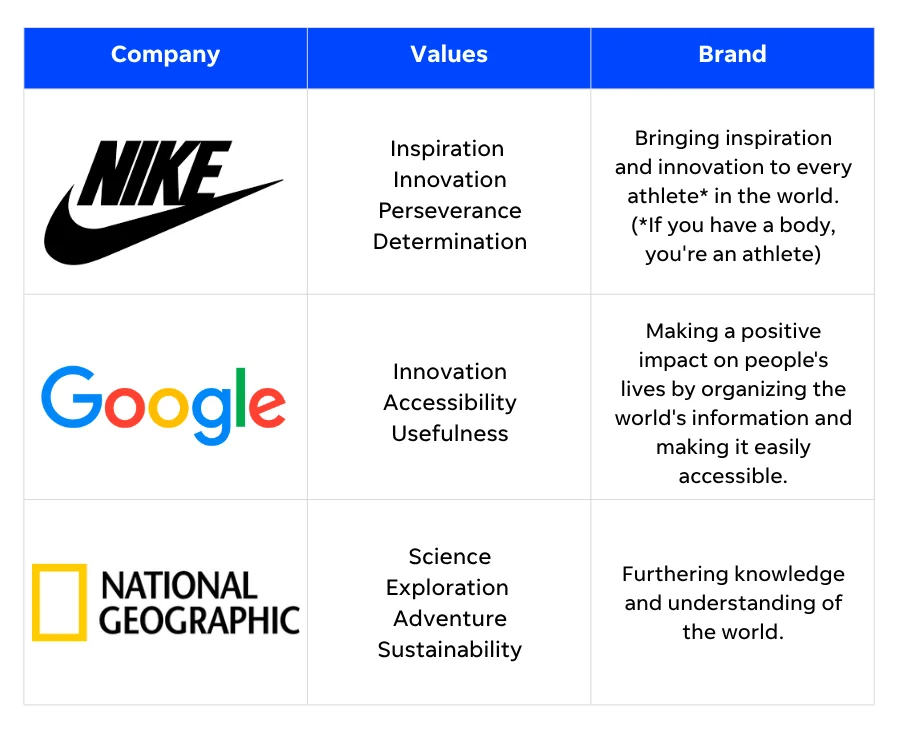
Creating the AI-ready brand voice guide is only the first step. Effective implementation is where the true value is unlocked.
Upload and Explicitly Reference the Guide
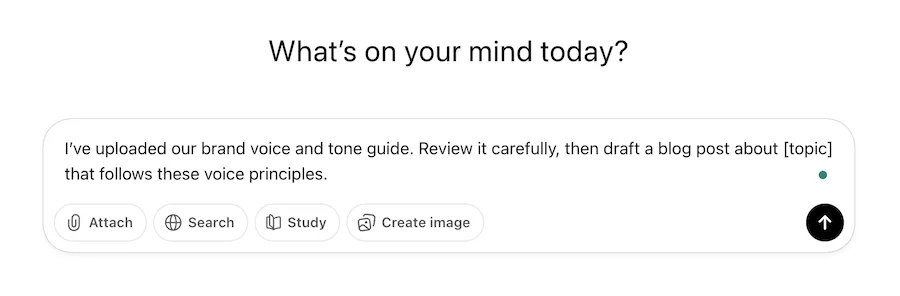
Most advanced AI tools allow users to upload documents as contextual input. However, simply attaching the file is insufficient. Explicitly instruct the AI to utilize the guide.
- Prompt Example: "I have uploaded our comprehensive brand voice and tone guide. Please review it thoroughly and then draft a series of social media posts for our upcoming product launch, adhering strictly to the voice principles outlined in the document."
This explicit directive signals to the AI the importance of the provided context and significantly influences the quality of its output.
Cultivate a Library of Best-in-Class Examples
Beyond the formal guide, a curated collection of the brand’s most successful content serves as invaluable training material for AI. Select 10-15 pieces (blog posts, emails, social media captions, landing pages) that best exemplify the desired brand voice and have resonated with the target audience.
- Reverse-Engineering a Guide: If a formal guide doesn’t yet exist, a brand can reverse-engineer one by uploading its top-performing content and prompting the AI to analyze and summarize the underlying voice, structure, and stylistic patterns.
Prioritize Contextual Information
Before initiating any content generation, provide the AI with as much relevant background information as possible. This includes detailed audience demographics, competitor analyses, unique selling propositions, customer research findings, case study data, and proprietary product information. Generic inputs inevitably lead to generic outputs; specific, proprietary information fosters differentiated content.
Treat the Guide as a Living Document
Brand voice and AI capabilities are not static. The AI-ready brand voice guide should be a dynamic document, regularly updated to reflect evolving brand strategies, market shifts, and learnings from AI-generated content.
- Maintenance Habits:
- Regular Reviews: Schedule periodic reviews (e.g., quarterly) to assess the guide’s relevance.
- Update Based on Performance: Incorporate insights from content performance data and user feedback.
- Adapt to AI Advancements: As AI tools evolve, update the guide to leverage new capabilities or address new challenges.
The Bottom Line: Specificity is Paramount
AI writing tools are powerful assets for content creation, capable of producing high-quality outputs that require minimal editing. However, their effectiveness hinges on the quality of the context they receive. The key to generating AI content that authentically mirrors a brand’s voice lies in an unwavering commitment to specificity.
Instead of generic prompts, brands must provide concrete examples, detailed definitions, and clear comparisons. This upfront investment in developing a robust AI-ready brand voice guide yields significant returns, transforming AI from a generic content generator into a sophisticated brand extension. Every piece of content produced with AI will be more aligned with the brand identity, and the time spent on editing will be dramatically reduced, allowing marketing teams to focus on higher-level strategic initiatives.
Your Brand Voice Guide Checklist
To ensure comprehensive coverage when building your AI-ready brand voice guide, consider the following checklist:
- [ ] Core voice attributes with clear, actionable definitions.
- [ ] Defined brand persona for AI to embody.
- [ ] Extensive "Do This, Not That" examples.
- [ ] Specific preferences for sentence length and formatting.
- [ ] Articulated core themes and points of view.
- [ ] Clear language guidelines, including preferred terminology and jargon policy.
- [ ] Defined content structure preferences for various formats.
- [ ] An explicit "Never Do This" list of hard boundaries.
- [ ] Comprehensive side-by-side comparison examples.
- [ ] Detailed and specific audience context.
- [ ] Plan for uploading and explicitly referencing the guide with AI tools.
- [ ] Strategy for building a library of best-performing content examples.
- [ ] Commitment to front-loading context in AI prompts.
- [ ] Process for treating the guide as a living, evolving document.
By diligently implementing these principles, businesses can ensure that their AI-powered content not only meets efficiency goals but also deeply resonates with their audience, embodying the unique spirit and identity of the brand. The era of generic AI content is over; the age of precisely tailored, brand-aligned AI communication has begun.