
 rifanmuazin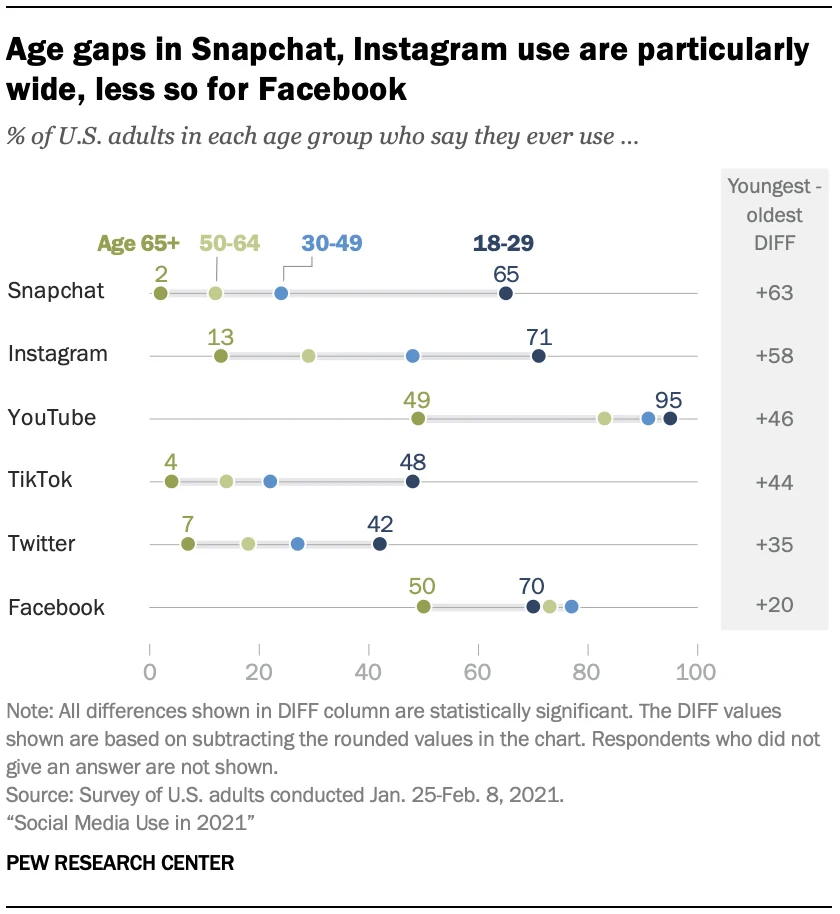
The concept of “target” is fundamental to modern marketing strategies. Identifying and understanding the specific audience a brand aims to reach is paramount for effective communication and campaign success. While traditional segmentation methods like behavioral, psychographic, demographic, and geographic targeting remain crucial, the evolving landscape of consumer behavior necessitates a deeper understanding of generational nuances. This article, part of an ongoing series exploring digital marketing strategies across different age cohorts, delves into the complexities of reaching Millennials, a generation that has profoundly reshaped consumption patterns and digital interaction.
Having previously examined the digital marketing approaches for Generation Z, this installment shifts focus to Millennials (born between 1980 and 1994). This demographic cohort has garnered significant attention not only for becoming the largest generation, surpassing Baby Boomers in size, but also for its perceived characteristics: digital fluency, a focus on health and wellness, and a reputation for financial strain. However, a comprehensive marketing strategy requires moving beyond simplistic labels to grasp the multifaceted realities of this influential consumer group.
The Millennial Mindset: Digital Natives and Shifting Life Stages
Millennials are often characterized as the first generation to come of age during the digital revolution. Unlike Gen Z, who were born into a world where the internet and social media were already established, Millennials witnessed and actively participated in the foundational growth of the digital age. Key technological milestones, such as the creation of Facebook (founded by a Millennial), the widespread adoption of mobile phones, the rise of search engines like Google, and the explosive growth of e-commerce giants like Amazon and tech innovators like Apple, all occurred during their formative years and early adulthood. This direct engagement with the nascent digital world has fostered a deep-seated tech savviness within this generation.
Research from institutions like the Pew Research Center highlights that Millennials generally possess higher levels of education compared to older generations. However, this educational attainment is often juxtaposed with significant financial challenges. The escalating costs of higher education and the subsequent burden of student loan debt, coupled with the persistent rise in housing prices, have created a unique set of economic hurdles. Consequently, many Millennials are experiencing key life milestones, such as marriage, homeownership, and starting families, at later ages than previous generations. This delay in traditional life stages is not necessarily a reflection of diminished ambition but rather an adaptation to prevailing economic realities.
Furthermore, while some observers might frame this as a delay, many Millennials exhibit a strong sense of self-orientation, prioritizing individual freedom and personal growth. This intrinsic drive often translates into a pursuit of experiences over material possessions, a trend that has been extensively documented. This preference for experiences is intrinsically linked to their health-consciousness, which has fueled the rise of dietary trends like vegetarianism, veganism, and pescetarianism, and even popularized seemingly niche items like avocado toast as a symbol of a lifestyle choice. This value system significantly influences their purchasing decisions, with a greater emphasis placed on products and services that align with their personal well-being and offer enriching experiences.
Millennial Consumption Patterns: Beyond Stereotypes
Understanding the consumption habits of Millennials is crucial for marketers. A comprehensive study conducted by McKinsey & Company identified several distinct clusters within the Millennial consumer base, revealing a more nuanced picture than broad generalizations might suggest. While specific details of these clusters were not provided in the original content, the overarching insight is that their purchasing decisions are influenced by a complex interplay of factors, including value, quality, brand ethics, and personal identity.
Despite concerns about their financial futures, Millennials demonstrate a willingness to invest in premium or high-quality products that offer long-term value and tangible benefits, particularly concerning their health and well-being. This indicates a discerning consumer base that prioritizes longevity and positive impact over fleeting trends or disposable goods. This inclination suggests that marketing efforts should focus on highlighting the durability, health benefits, and experiential value of products rather than solely on price point.
The McKinsey report’s findings, though not fully detailed here, likely point to segments that are driven by sustainability, ethical sourcing, convenience, or personalized offerings. For instance, a segment might be highly attuned to environmental impact, another might prioritize brands with strong corporate social responsibility initiatives, while others could be motivated by the convenience of subscription services or the appeal of customized products. Recognizing these granular differences is essential for tailoring marketing messages and product offerings effectively.
Reaching Millennials: Strategic Platforms and Messaging
With a clearer understanding of the Millennial mindset and consumption patterns, the next critical step is to identify the most effective channels and messaging strategies to engage this demographic.
Platforms to Reach Millennials
The digital landscape is where Millennials are most accessible, and their platform preferences reflect their digital upbringing. While the original content did not specify these platforms, industry data consistently shows that Millennials are active across a range of social media and digital channels. Key platforms include:
- Social Media: Facebook remains a significant platform for Millennials, often used for connecting with friends and family, sharing life updates, and discovering brands. Instagram is also highly popular, driven by its visual nature, making it ideal for showcasing products and lifestyle content. LinkedIn serves as a professional networking platform, while platforms like X (formerly Twitter) are used for real-time news and discussions.
- Video Streaming Services: Millennials are heavy consumers of online video content. Platforms like YouTube are central to their media consumption, for entertainment, educational content, and product research. Streaming services such as Netflix, Hulu, and Disney+ are also primary sources of entertainment.
- Podcasts and Audio Content: The rise of podcasts has resonated strongly with Millennials, offering a convenient way to consume information and entertainment during commutes or other daily activities.
- Search Engines and E-commerce Sites: As digitally savvy consumers, Millennials heavily rely on search engines like Google for product research and information gathering. They are also frequent users of online retail platforms, from Amazon to niche e-commerce sites.
- Brand Websites and Apps: Direct engagement with brands through their own websites and mobile applications is also a key channel, especially for those seeking detailed product information, personalized offers, or seamless purchasing experiences.
The provided image, illustrating age gaps across different social media platforms, underscores the importance of platform selection. While younger generations might dominate newer platforms, Millennials maintain a strong presence on established social networks and increasingly engage with video and audio content. This data reinforces the need for a multi-channel approach, ensuring a brand’s presence aligns with where Millennials are actively spending their digital time.
Messaging That Speaks to Millennials
Crafting messages that resonate with Millennials requires an understanding of their values and motivations. The key is to move beyond generic appeals and tailor communication to specific segments within the generation, considering their unique consumer clusters identified by studies like McKinsey’s.
- Authenticity and Transparency: Millennials value genuine interactions and are quick to detect inauthentic marketing. Brands that are transparent about their products, practices, and values tend to build stronger connections. This includes clear communication about ingredients, sourcing, and company ethos.
- Value-Driven Content: Instead of overt sales pitches, Millennials respond to content that provides value. This can include educational articles, helpful tips, inspiring stories, or entertaining videos. Content marketing that addresses their interests and pain points is highly effective.
- Experiential Focus: Messages that highlight experiences, personal growth, and memorable moments are more likely to capture their attention than those that focus solely on product features. Emphasizing how a product or service enhances their lifestyle or facilitates unique experiences can be powerful.
- Social Responsibility and Ethics: Many Millennials are concerned about social and environmental issues. Brands that demonstrate a commitment to sustainability, ethical practices, and positive social impact often gain favor. Highlighting these aspects in marketing can be a significant differentiator.
- Personalization and Customization: Millennials appreciate feeling understood and catered to. Personalized offers, customized product recommendations, and the ability to tailor experiences to their individual preferences are highly valued.
- Community Building: Fostering a sense of community around a brand can be very effective. This can be achieved through engaging social media interactions, user-generated content campaigns, and creating platforms for customers to connect with each other and the brand.
- Mobile-First Approach: Given their extensive use of smartphones, marketing messages and digital experiences must be optimized for mobile devices. This includes responsive website design, mobile-friendly advertising, and seamless in-app experiences.
For example, a premium coffee brand targeting Millennials might focus its messaging on the ethically sourced beans, the craft brewing process, and the social experience of enjoying a cup at a local café, rather than simply listing the caffeine content. A tech company might highlight how its product enables seamless connection and creativity, aligning with their value of personal expression and digital fluency.
Broader Implications and Future Considerations
The influence of the Millennial generation extends far beyond their direct consumption. Their preferences and values have already begun to shape product development, service innovation, and even the way businesses operate. The emphasis on experiences, sustainability, and digital integration is driving a broader market shift that impacts all demographics.
As Millennials continue to age and their purchasing power grows, understanding their evolving needs and priorities will remain critical for long-term business success. The challenges they face, such as student debt and the rising cost of living, may also evolve, requiring ongoing adaptation in marketing and product strategies. For instance, as they enter peak earning years, their financial priorities might shift, leading to increased interest in investment opportunities, retirement planning, and larger purchases, while still retaining their core values.
The marketing landscape is dynamic, and generational cohorts are not monolithic. While these insights provide a robust framework for engaging Millennials, continuous research and adaptation are essential. The ability to segment further within the Millennial cohort, based on specific life stages, interests, and subcultures, will yield even more precise and effective marketing outcomes. Ultimately, success in marketing to Millennials hinges on genuine understanding, authentic communication, and a commitment to providing value that aligns with their unique worldview.
For businesses seeking to refine their digital marketing strategies to effectively reach and convert the Millennial audience, expert guidance is invaluable. Collaborating with experienced marketing teams can help navigate the complexities of generational targeting and develop tailored solutions that drive engagement and foster lasting customer relationships.










