"Target" is a key word in marketing, representing the fundamental principle of identifying and speaking to specific audience segments. Marketers employ various targeting strategies, including behavioral, psychographic, demographic, and geographic approaches. However, effectively reaching consumers also necessitates a nuanced understanding of intergenerational differences, particularly as new generations enter the consumer and workforce landscape. This series, "Marketing to Generations," aims to provide insights into digitally marketing to distinct generational cohorts: Generation Z (born 1995-2010), Millennials (1980-1994), Generation X (1960-1979), and Baby Boomers (1940-1959). By examining their characteristics and preferences, businesses can refine their digital strategies to ensure their messages resonate with the right audiences on the appropriate platforms.
This initial installment focuses on Generation Z, the youngest demographic currently making a significant impact on consumer behavior and the digital marketplace. Often characterized by their digital nativity, unique cultural touchstones, and distinct perspectives shaped by the events of their formative years, Gen Z presents both challenges and opportunities for marketers. While older generations may sometimes view Gen Z with a degree of skepticism or misunderstanding, this article delves into the defining attributes of this cohort and explores effective digital marketing approaches to engage them.
The Gen Z Mindset: Forged in a Digital and Dynamic World
Generation Z stands apart as the first generation to grow up entirely immersed in the digital age. From their earliest years, they have had constant access to smartphones, computers, and the internet. This digital fluency has profoundly shaped their worldview and consumer habits. Their formative experiences have also been marked by significant global events. They are the first generation to have no memory of the pre-9/11 world, having grown up in the shadow of the Global War on Terror and increased security measures. Furthermore, many witnessed their parents grapple with the economic fallout of the Great Recession (2007-2009), instilling in them a pragmatic and financially conscious outlook. More recently, as they transition into adolescence, higher education, and the workforce, they have navigated the unprecedented challenges and disruptions brought about by the COVID-19 pandemic.
These collective experiences have cultivated a generation that is often described as realistic, open-minded, and pragmatic. Their inherent comfort with digital technology makes them masters of online engagement, with a strong preference for mobile-first experiences. As consumers, they are increasingly driven by ethical considerations, favoring brands that align with their values. Their digital upbringing has also fostered a shorter attention span, making them less tolerant of intrusive or "obnoxious" advertising. Instead, they seek authenticity and individuality, valuing unique products and brand narratives that differentiate themselves from the norm. This skepticism towards traditional marketing messages, honed by years of exposure to advertisements across their favorite platforms, means that brands must work harder to capture and retain their attention.

Gen Z Consumption Habits: Data-Driven Insights
Understanding the specific consumption patterns of Generation Z is crucial for effective marketing. A comprehensive study by McKinsey & Company, titled "True Gen: Generation Z and its implications for companies," highlighted several key characteristics of Gen Z consumption:
- Value-Conscious and Pragmatic Shoppers: Gen Z is known for its financial prudence. Having witnessed economic instability, they are adept at research, comparison shopping, and seeking value for their money. They are not necessarily driven by brand prestige alone but by the overall value proposition, including price, quality, and ethical considerations.
- Authenticity and Transparency Seekers: This generation places a high premium on authenticity. They are quick to detect insincerity and are drawn to brands that are transparent about their products, supply chains, and business practices. User-generated content and endorsements from trusted influencers often hold more sway than polished corporate messaging.
- Socially and Environmentally Aware Consumers: Gen Z demonstrates a strong commitment to social and environmental causes. They are more likely to support brands that actively engage in corporate social responsibility initiatives, advocate for diversity and inclusion, and adopt sustainable practices. Their purchasing decisions are often influenced by a brand’s stance on issues they care about.
- Digital Natives and Online Purchasers: As expected, Gen Z is highly comfortable with online shopping. E-commerce platforms, social media marketplaces, and direct-to-consumer (DTC) brands are primary channels for their purchases. They expect seamless online experiences, personalized recommendations, and convenient delivery options.
- Influence of Peers and Online Communities: Unlike previous generations that relied heavily on traditional media or expert reviews, Gen Z’s purchasing decisions are significantly influenced by their peers and online communities. Social media platforms serve as vital spaces for product discovery, recommendations, and validation.
Marketing to Gen Z: Strategies for Digital Engagement
Translating these insights into actionable digital marketing strategies requires a targeted approach that acknowledges Gen Z’s unique preferences and behaviors.
Platforms to Reach Gen Z
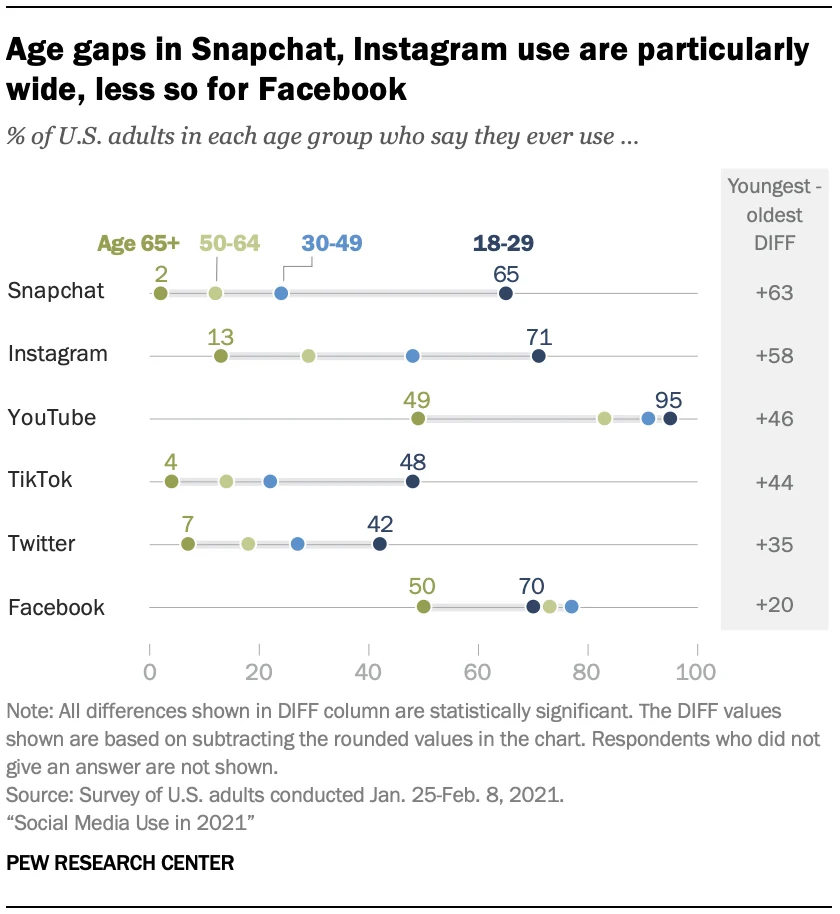
Reaching Gen Z necessitates a presence on the digital platforms where they spend their time and engage with content. While their platform preferences can evolve, several key channels consistently rank high:
- TikTok: This short-form video platform has become a cultural phenomenon and a primary hub for Gen Z entertainment, discovery, and trends. Brands can leverage TikTok through engaging, authentic, and often humorous video content, influencer collaborations, and participation in trending challenges. The platform’s algorithm favors creative and engaging content, making it ideal for organic reach.
- Instagram: While its user base spans multiple demographics, Instagram remains a significant platform for Gen Z, particularly for visual content. Stories, Reels, and visually appealing feed posts are effective. Influencer marketing, shoppable posts, and interactive features like polls and Q&As can drive engagement.
- YouTube: As the world’s largest video-sharing platform, YouTube is a go-to for entertainment, education, and product reviews for Gen Z. Longer-form content, tutorials, vlogs, and influencer partnerships are highly effective here. Brands can also utilize YouTube Ads for targeted reach.
- Snapchat: Known for its ephemeral content and augmented reality (AR) filters, Snapchat continues to be popular with younger demographics, including Gen Z. Engaging with users through creative lenses, short videos, and interactive ads can foster a sense of exclusivity and fun.
- Twitch: For brands targeting gamers or those interested in live streaming content, Twitch is an essential platform. Influencer partnerships with popular streamers, in-stream advertising, and community engagement are key strategies.
- Discord: This communication platform, originally popular with gamers, has expanded its reach and is now used by various communities. Brands can establish a presence on Discord to build direct relationships with their audience, foster community, and gather feedback.
Data Point: According to Statista, as of the first quarter of 2023, TikTok had over 1.05 billion monthly active users globally, with a significant portion belonging to the Gen Z demographic. Instagram, meanwhile, boasts over 2 billion monthly active users, and YouTube exceeds 2.5 billion monthly active users, underscoring their continued dominance in digital media consumption.
Messaging That Speaks to Gen Z
Crafting messages that resonate with Gen Z requires an understanding of their values, communication styles, and skepticism towards overt advertising. Effective messaging often incorporates the following elements:

- Authenticity and Transparency: Gen Z can spot inauthenticity from a mile away. Messages should be genuine, honest, and avoid overly polished or corporate jargon. Brands that openly share their values, processes, and even challenges tend to build stronger connections. For example, a skincare brand might share behind-the-scenes footage of product development or highlight the ethical sourcing of its ingredients.
- Value-Driven and Purpose-Oriented: Gen Z is motivated by more than just product features. They want to know what a brand stands for. Messaging that highlights a brand’s commitment to social causes, environmental sustainability, diversity, and inclusion will resonate deeply. This could involve showcasing charitable partnerships, sustainable packaging initiatives, or inclusive representation in marketing campaigns.
- Relatability and Humor: Gen Z appreciates content that feels real and is often delivered with a sense of humor. Memes, relatable scenarios, and lighthearted content can be highly effective. Brands that can tap into current cultural trends and use humor appropriately can foster a sense of connection and memorability.
- Concise and Visually Engaging: Given their shorter attention spans, messages need to be clear, concise, and visually compelling. Short-form video, infographics, and striking imagery are preferred over lengthy text. The "show, don’t tell" approach is particularly effective.
- User-Generated Content (UGC) and Influencer Endorsements: Gen Z trusts recommendations from peers and influencers they follow more than traditional advertising. Encouraging UGC through contests, challenges, or brand hashtags, and collaborating with authentic influencers whose values align with the brand, can be powerful strategies. For instance, a fashion brand could feature customer photos on its social media or partner with a fashion vlogger for a product review.
- Interactive and Experiential: Gen Z enjoys engaging with brands. Interactive content such as quizzes, polls, AR filters, and live Q&A sessions can foster participation and build a sense of community. Creating memorable online experiences can leave a lasting impression.
Example: A sustainable fashion brand targeting Gen Z might use a TikTok campaign featuring young activists discussing the environmental impact of fast fashion, interspersed with short clips showcasing their ethically produced clothing line. The messaging would focus on empowerment, conscious consumerism, and the tangible benefits of choosing sustainable options, all delivered in a visually engaging and authentic style.
Broader Implications for the Market
The rise of Generation Z as a dominant consumer force signifies a fundamental shift in the marketing landscape. Their emphasis on authenticity, ethical consumption, and digital engagement is pushing brands to rethink their core values and communication strategies. Companies that fail to adapt risk becoming irrelevant to this influential demographic.
The pragmatic nature of Gen Z, shaped by economic uncertainties and global crises, suggests a continued demand for value and transparency. Brands will need to demonstrate not only what they offer but also how they operate, with a focus on social responsibility and sustainability. The increasing power of peer influence and online communities also underscores the importance of building genuine relationships with consumers, fostering advocacy, and leveraging user-generated content.
Ultimately, effectively marketing to Generation Z is not merely about adopting new platforms or trends; it is about embracing a more authentic, purpose-driven, and digitally integrated approach to brand building. As Gen Z continues to mature and gain purchasing power, their influence will undoubtedly shape the future of marketing for years to come.
For businesses seeking to navigate this evolving landscape and craft targeted digital marketing solutions to effectively reach and convert their Gen Z audience, consulting with experienced digital marketing professionals can provide invaluable strategic guidance and implementation support.