rifanmuazin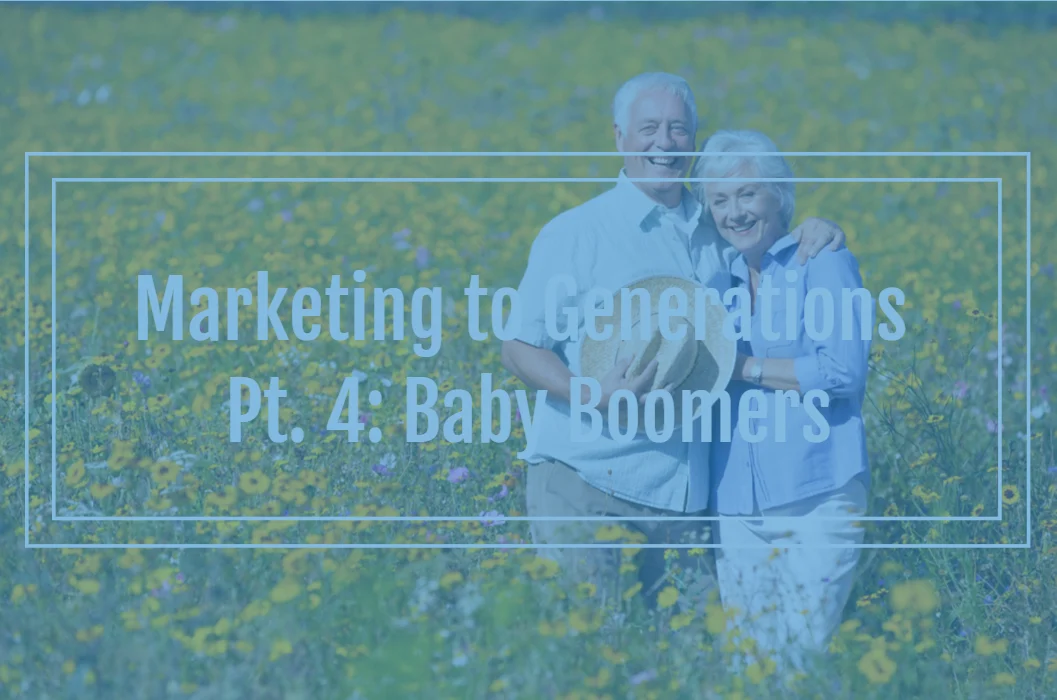
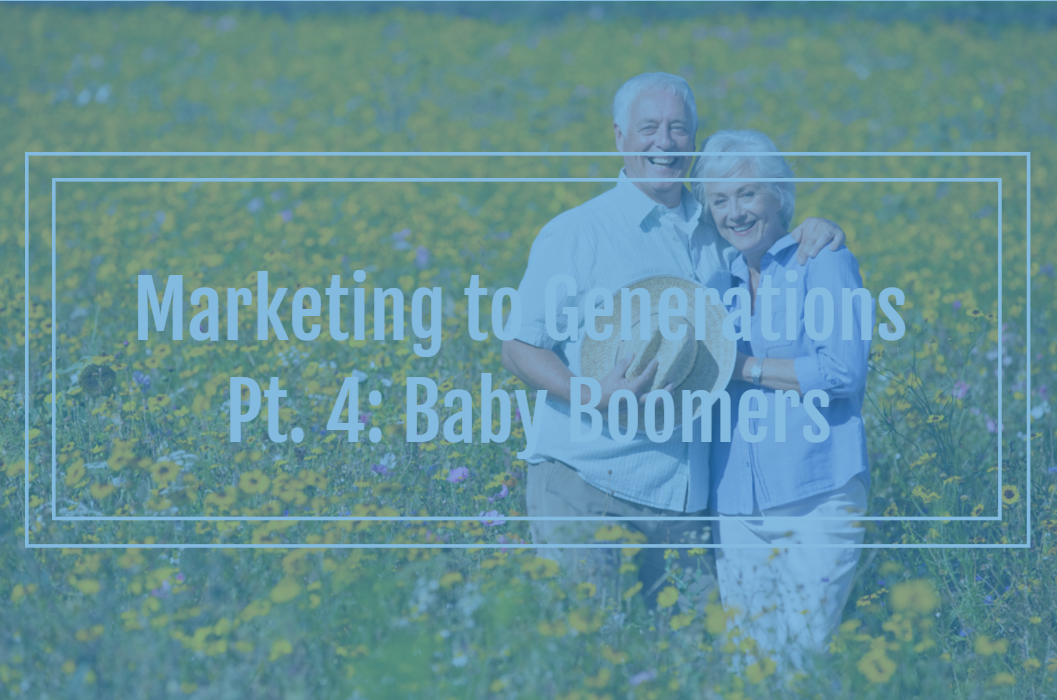
The strategic identification of a “target” audience is paramount in modern marketing, serving as the cornerstone of any successful campaign. This fundamental concept encompasses a multifaceted approach, integrating demographic, psychographic, geographic, and behavioral insights to understand precisely who a brand is attempting to reach. Within this framework, recognizing the distinct characteristics and communication preferences of different generational cohorts is not merely beneficial, but essential for effective engagement. This article, the final installment in a series exploring digital marketing strategies for distinct generations, delves into the Baby Boomer demographic (born between 1940 and 1959), examining their unique mindset, consumption patterns, and optimal marketing approaches. Previous segments have explored strategies for Gen Z, Millennials, and Gen X, providing a comprehensive overview of generational marketing.
The Baby Boomer generation, named for the significant surge in birth rates following World War II, was once the largest demographic cohort in many Western nations. This generation has navigated a period of unprecedented technological advancement and profound societal shifts, shaping their perspectives and values in distinct ways. While often the subject of contemporary cultural commentary and sometimes the target of lighthearted cynicism from younger generations, the experiences of Baby Boomers have forged a resilient and value-driven demographic. Understanding these formative experiences is crucial for marketers seeking to connect authentically with this influential group.
The Baby Boomer Mindset: Forged in a World of Change and Resilience
Born into a global landscape irrevocably altered by the devastation of World War II, which resulted in an estimated 60 million military and civilian casualties worldwide, and the dawn of the atomic age, Baby Boomers witnessed firsthand the fragility of peace and the devastating consequences of conflict. Their formative years were further shaped by significant geopolitical events, including the Korean War and the persistent tension of the Cold War. For many Baby Boomers, particularly those of color in the United States, this era was also defined by the struggle for civil rights, a monumental movement challenging systemic racism and advocating for equality. The assassinations of prominent figures like John F. Kennedy, the political upheaval surrounding the Watergate scandal, and the economic disruptions caused by oil crises in the 1970s all contributed to a complex and often challenging formative environment.
Despite these significant societal and political turbulences, the post-war period in the United States was also characterized by relative economic prosperity and a resurgence of traditional values. The home became a sanctuary, a symbol of stability and security in an uncertain world. This context fostered a deep appreciation for relationships, extending beyond personal connections to encompass the bond between businesses and their clientele. Consequently, Baby Boomers often exhibit a strong expectation for high-quality customer service, valuing personal interaction and attentive support. This emphasis on relationship-building and customer care is a defining characteristic that marketers should actively acknowledge and cultivate.
Furthermore, Baby Boomers are widely recognized for their robust work ethic. This belief system is rooted in the principle that diligent effort leads to tangible rewards. This perspective often translates into a competitive drive and a preference for long-term career trajectories within a single organization, a stark contrast to the more fluid career paths often embraced by younger generations. While many Baby Boomers are now retired, this ingrained value of hard work and commitment continues to influence their decision-making and their perception of value in products and services.
As individuals age, it is a common demographic trend that they accumulate greater financial resources compared to younger cohorts. Having benefited from a period where education and housing costs were significantly more affordable than they are today, Baby Boomers often possess a greater degree of financial security. This accumulated wealth, coupled with the prudence developed through navigating economic fluctuations, instills a tendency towards thriftiness. They are typically careful stewards of their money, seeking value and longevity in their purchases, and are less inclined to engage in impulsive spending. This financial acumen means that marketing messages emphasizing value, durability, and smart financial choices will resonate strongly with this demographic.
Baby Boomer Consumption Habits: Value, Experience, and Practicality
The distinct life experiences and values of Baby Boomers translate into unique consumption patterns. A significant preference for in-store shopping over online retail persists within this demographic, particularly for those born earlier in the generation. This inclination underscores their appreciation for personal interaction, the tactile experience of examining products, and the immediate gratification of a purchase. For businesses with a physical presence, highlighting this aspect through location-based advertising and in-store promotions is highly effective. While Baby Boomers do engage in online purchasing, the emphasis on exceptional customer service and a user-friendly online experience remains critical for conversion.
A core tenet of Baby Boomer consumption is the pursuit of good value for money. As many are now in their retirement years, making prudent financial decisions is paramount to ensuring their long-term security and comfort. This does not necessarily equate to seeking the cheapest option, but rather identifying products and services that offer a demonstrable return on investment. Bundle sales, which present multiple items or services at a perceived discount, can be an effective strategy to communicate this value proposition.
Interestingly, in contrast to the growing consumer activism seen among younger generations, Baby Boomers exhibit a lower propensity to prioritize brands based on environmental sustainability or other Corporate Social Responsibility (CSR) initiatives. Data suggests that Boomers are approximately 34% less likely than the general consumer population to seek out brands actively working to reduce energy consumption. While ethical considerations are not entirely absent, their primary drivers for purchase often lean towards practicality, quality, and established brand reputation rather than a strong alignment with social or environmental causes. Marketers should therefore focus on the tangible benefits and intrinsic value of their offerings when targeting this group.
Recommendations and endorsements hold considerable weight with Baby Boomers, a sentiment shared across many generations. Influencer marketing can indeed be a viable strategy, provided the chosen influencers are authentic, relatable, and demonstrably represent the target market. It is crucial to select influencers who exude credibility and possess an established rapport with a Baby Boomer audience. Moreover, it is important to acknowledge the intergenerational influence within families. Many Baby Boomers, particularly when it comes to technology or complex purchases, will consult their adult children or grandchildren for advice. This dynamic suggests that marketing messages might indirectly influence multiple generations, necessitating a nuanced approach that considers these familial decision-making networks.
Marketing to Baby Boomers: Platforms and Messaging Strategies
Understanding the distinct mindset and consumption habits of Baby Boomers provides a foundation for developing effective marketing strategies. The key lies in reaching them on platforms they frequent and communicating in a manner that resonates with their values and preferences.
Platforms to Reach Baby Boomers
While Baby Boomers may not be as prevalent on rapidly evolving, trend-driven platforms like TikTok or Snapchat, they are active participants in various digital and traditional media channels. Their engagement is often focused on platforms that provide substantive content and facilitate connection.
- Television: Traditional television advertising remains a powerful tool for reaching a significant portion of the Baby Boomer demographic. News programs, dramas, and documentaries often attract a substantial viewership from this age group.
- Facebook: This social media giant continues to be a dominant platform for Baby Boomers, offering a space for connecting with family and friends, participating in groups, and consuming news and entertainment content. Targeted advertising on Facebook can be highly effective.
- Email Marketing: Direct email communication is a well-established and trusted channel for Baby Boomers. Personalized newsletters, special offers, and informative content delivered via email can drive engagement and conversions.
- Print Media: Newspapers and magazines, particularly those focusing on news, lifestyle, hobbies, and finance, still hold relevance for many Baby Boomers. While digital consumption is rising, print can offer a tangible and credible touchpoint.
- YouTube: Contrary to some assumptions, Baby Boomers are significant consumers of video content on YouTube. They utilize the platform for educational purposes, entertainment, and product research. Content that is informative, straightforward, and offers clear demonstrations can perform well.
- Dedicated Websites and Forums: Many Baby Boomers actively participate in online communities and forums related to their interests, hobbies, health, and financial planning. Engaging in these spaces with valuable content and authentic interactions can build trust.
Messaging That Speaks to Baby Boomers
Crafting marketing messages that resonate with Baby Boomers requires a focus on clarity, value, and authenticity. Their life experiences have instilled a preference for directness and a skepticism towards overly hyped or inauthentic claims.
- Emphasize Value and Quality: Highlight the long-term benefits, durability, and overall value proposition of your product or service. Messages that focus on quality craftsmanship, reliability, and a good return on investment will be well-received.
- Focus on Benefits, Not Just Features: Clearly articulate how your offering will solve a problem, improve their lives, or meet their needs. Instead of simply listing features, explain the tangible benefits they will experience.
- Prioritize Clarity and Simplicity: Avoid jargon, overly complex language, or fast-paced, abstract messaging. Present information in a clear, concise, and easy-to-understand manner.
- Build Trust and Credibility: Testimonials, expert endorsements, and a strong emphasis on customer service can foster trust. Highlight any established reputation or years of experience your brand possesses.
- Acknowledge Their Life Stage: Messages that are sensitive to their current life stage, such as retirement, health, family, and financial planning, can create a stronger connection.
- Promote Personal Connection: Given their preference for good customer service, messaging that emphasizes personalized support, easy access to help, and a commitment to customer satisfaction will be impactful.
- Leverage Nostalgia (with Caution): While not universally applicable, subtle references to familiar cultural touchstones or shared historical experiences can evoke positive sentiment. However, this must be done authentically and without appearing patronizing.
- Clear Calls to Action: Ensure that your calls to action are straightforward and easy to follow. Whether it’s a phone number, a website link, or an in-store visit, make it obvious what you want them to do next.
It is essential to recognize that these are broad generalizations, and significant diversity exists within the Baby Boomer generation itself. Individual preferences, socioeconomic backgrounds, and specific life circumstances will all influence how a particular Baby Boomer responds to marketing efforts. Therefore, ongoing analysis and segmentation within this demographic are crucial for sustained success.
For brands seeking to refine their digital marketing strategies and develop targeted campaigns that effectively reach and convert the Baby Boomer audience, a deep understanding of their generational values and behavioral patterns is indispensable. By prioritizing clear communication, demonstrable value, and a commitment to authentic engagement, marketers can forge meaningful connections with this influential and discerning consumer group. Consulting with experienced digital marketing professionals can provide tailored solutions to navigate the nuances of this demographic and optimize campaign performance.