rifanmuazin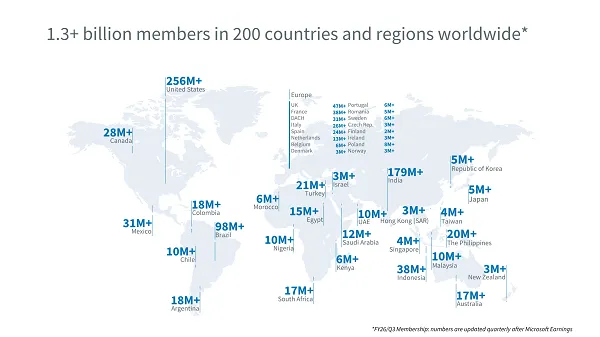
LinkedIn, the world’s preeminent professional networking platform, continues its robust growth trajectory, reporting a significant 12% increase in revenue for the most recent quarter. This surge, disclosed by its parent company Microsoft as part of its FY26 Q3 earnings, underscores LinkedIn’s reaffirmed position as a critical hub for professional discourse, B2B commerce, and talent acquisition. The growth is primarily attributed to sustained strength in B2B marketing solutions and escalating demand for its evolving suite of AI-enhanced recruitment tools, signaling a profound impact on the future of professional engagement and human resources technology.
Financial Performance and Strategic Context
Microsoft’s latest earnings report highlighted LinkedIn’s impressive financial contribution, with the 12% revenue increase measured in reported currency. This performance stands as a testament to LinkedIn’s strategic value within Microsoft’s broader enterprise ecosystem, which has been steadily integrating the professional network since its landmark acquisition in 2016 for approximately $26.2 billion. At the time, Microsoft CEO Satya Nadella articulated a vision for LinkedIn to connect the world’s professionals to make them more productive and successful, a vision that appears to be materializing through its diversified revenue streams. These streams primarily include Talent Solutions (recruitment services), Marketing Solutions (advertising), and Premium Subscriptions (for individual users seeking advanced features). The recent growth underscores the successful monetization of these core offerings, particularly as businesses increasingly pivot towards digital channels for marketing and talent sourcing.
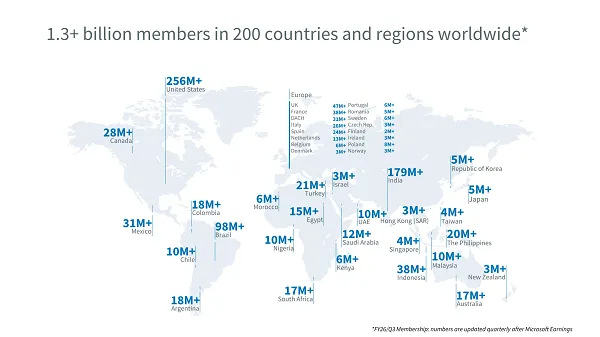
Microsoft’s commitment to LinkedIn is further evidenced by its consistent investment in the platform’s infrastructure and feature development, especially in the realm of artificial intelligence. During the earnings call, Microsoft executives emphasized LinkedIn’s strategic importance, stating, "LinkedIn has 1.3 billion members and we are seeing increased depth of conversation, and it’s the leading B2B sales and advertising channel for large and small businesses." This statement not only highlights the platform’s vast reach but also its established efficacy as a commercial conduit.
The Ascendancy of LinkedIn in B2B Marketing
LinkedIn’s role as a dominant force in B2B marketing is a key driver of its financial success. The platform offers unparalleled targeting capabilities, allowing advertisers to reach specific professional demographics based on industry, job title, company size, and professional skills. This precision is invaluable for businesses looking to market products and services directly to decision-makers and relevant stakeholders. New LinkedIn CEO Daniel Shapero, in an update following Microsoft’s earnings announcement, revealed that LinkedIn posts grew by 14% during the period, while paid video content experienced an almost 30% year-over-year increase. Shapero noted, "as creators connect with their audiences and grow their businesses on the platform," highlighting the growing vitality of organic and paid content strategies on LinkedIn.
The surge in content creation and consumption on LinkedIn reflects a broader trend in the digital marketing landscape, where thought leadership and expert content are increasingly vital for building brand authority and generating leads in the B2B space. Companies are investing more in creating valuable content – articles, videos, and live streams – specifically tailored for LinkedIn’s professional audience. This strategy helps foster deeper engagement, nurture professional relationships, and ultimately drive sales conversions. The platform’s algorithm, designed to prioritize relevant professional content, further amplifies this effect, creating a virtuous cycle of content creation and consumption that benefits both users and advertisers. As digital transformation accelerates across industries, LinkedIn’s robust advertising tools and engaged professional audience make it an indispensable channel for B2B marketers seeking measurable ROI.
AI-Powered Innovation in Talent Solutions
Beyond marketing, LinkedIn’s Talent Solutions division has become a formidable revenue engine, significantly boosted by the integration of artificial intelligence. Microsoft reported that LinkedIn’s "agentic products" within Talent Solutions, which are designed to automate time-consuming tasks for hirers, have already surpassed an impressive $450 million annualized revenue run-rate. This figure underscores the rapid adoption and commercial success of AI in reshaping the recruitment landscape.
LinkedIn has rolled out a comprehensive suite of AI-powered tools aimed at streamlining various stages of the hiring process. These innovations include AI assistance in crafting precise job descriptions, intelligent tools that identify top candidates based on specific job experience and skill sets, and improved conversational language interpretation of complex job criteria. Recruiters can now leverage AI to automate initial candidate sourcing, screen applications more efficiently, and even draft personalized outreach messages, dramatically reducing the manual effort traditionally associated with these tasks. A particularly notable advancement is the introduction of AI-managed initial job interviews, which can screen candidates and assess their suitability for subsequent stages, promising a new era of efficiency in candidate evaluation.
These tools are clearly resonating with HR professionals and hiring managers who face increasing pressure to find qualified talent in a competitive market. By automating routine tasks, AI frees up recruiters to focus on more strategic aspects of their roles, such as candidate engagement and building stronger talent pipelines. However, the rapid integration of AI in hiring also raises important discussions around algorithmic bias, fairness, and the human element in recruitment, which LinkedIn and its users will need to navigate carefully. The company’s commitment to responsible AI development will be crucial in maintaining trust and ensuring equitable hiring practices as these technologies become more pervasive.
The Persistent Debate: Members vs. Active Users
While LinkedIn proudly touts its membership figures, currently standing at 1.3 billion members worldwide, a perennial discussion revolves around the distinction between total members and actively engaged users. Unlike most other major social media platforms that regularly report monthly or daily active users (MAU/DAU) to reflect actual engagement and value to advertisers, LinkedIn historically provides only total member counts. This reporting methodology can create a perception of scale that may not fully align with the platform’s active reach.
However, regulatory obligations, particularly the European Union’s Digital Services Act (DSA), have compelled LinkedIn to provide more granular data for its European operations. According to its most recent EU transparency report, published in February 2026, LinkedIn recorded 55 million monthly active users in the EU, compared to its reported 172 million total members in the region. This data reveals that approximately 32% of LinkedIn’s EU members are actively engaging with the platform each month.
If this 32% active usage rate were to be extrapolated globally across its 1.3 billion members, it would suggest that LinkedIn currently has around 416 million monthly active users worldwide. While still a substantial figure, this estimated active user base is considerably less than the headline 1.3 billion members. This more accurate metric offers a clearer picture of the platform’s actual engagement levels, which is crucial for advertisers making investment decisions and for analysts evaluating the platform’s true market penetration and influence. The transparency requirements of the DSA are thus playing an increasingly important role in providing a more realistic assessment of major digital platforms’ user bases globally.
Strategic Importance to Microsoft and Broader Implications
LinkedIn’s continued growth and innovation are central to Microsoft’s broader strategic vision, particularly its enterprise and cloud computing ambitions. The professional network acts as a crucial bridge between Microsoft’s various products and services, creating synergies across its ecosystem. For instance, LinkedIn data can enhance Dynamics 365 customer relationship management (CRM) functionalities, inform sales strategies, and enrich Microsoft 365 productivity suites with professional insights. Integration with Microsoft Teams allows for seamless professional communication and collaboration, further entrenching LinkedIn within the daily workflows of businesses.
Furthermore, LinkedIn’s deep investments in AI align perfectly with Microsoft’s company-wide emphasis on artificial intelligence, exemplified by initiatives like Copilot. The AI models developed for LinkedIn’s Talent Solutions can potentially inform and cross-pollinate with AI developments in other Microsoft divisions, fostering a cohesive and advanced AI strategy. Analysts widely view LinkedIn as a significant competitive differentiator for Microsoft, providing a unique dataset and a direct line to the global professional workforce that rivals cannot easily replicate. This strategic asset strengthens Microsoft’s position in the competitive cloud and enterprise software markets.
The implications of LinkedIn’s performance extend beyond its immediate financial results. For the B2B marketing industry, it signifies a continued shift towards data-driven, professionally targeted campaigns. For the recruitment sector, it heralds an era of increased automation and efficiency, prompting HR professionals to adapt to new technologies and focus on higher-value tasks. For job seekers, the platform remains a vital resource, though the increasing use of AI in screening processes may necessitate new strategies for presenting qualifications.
Leadership and Future Outlook
Under the leadership of its new CEO, Daniel Shapero, who assumed the role in February 2024, LinkedIn is poised to continue its evolution. Shapero, previously LinkedIn’s Chief Operating Officer, is expected to further accelerate the platform’s integration of AI, expand its global reach, and deepen its value proposition for both individual professionals and businesses. His vision likely includes exploring new monetization avenues, enhancing user engagement through personalized content and community features, and strengthening the platform’s position as the trusted source for professional development and economic opportunity.
Looking ahead, LinkedIn faces challenges inherent in managing a global platform of its scale, including navigating diverse regulatory environments, ensuring data privacy and security, and combating misinformation or inappropriate content. However, its strong financial performance, combined with Microsoft’s strategic backing and ongoing investment in cutting-edge AI, suggests a future where LinkedIn will continue to solidify its unique position at the intersection of professional networking, B2B commerce, and the rapidly evolving world of work. The platform’s ability to consistently adapt and innovate, particularly in leveraging artificial intelligence to solve complex business problems, underscores its enduring relevance and its pivotal role in the global professional ecosystem.