
 rifanmuazin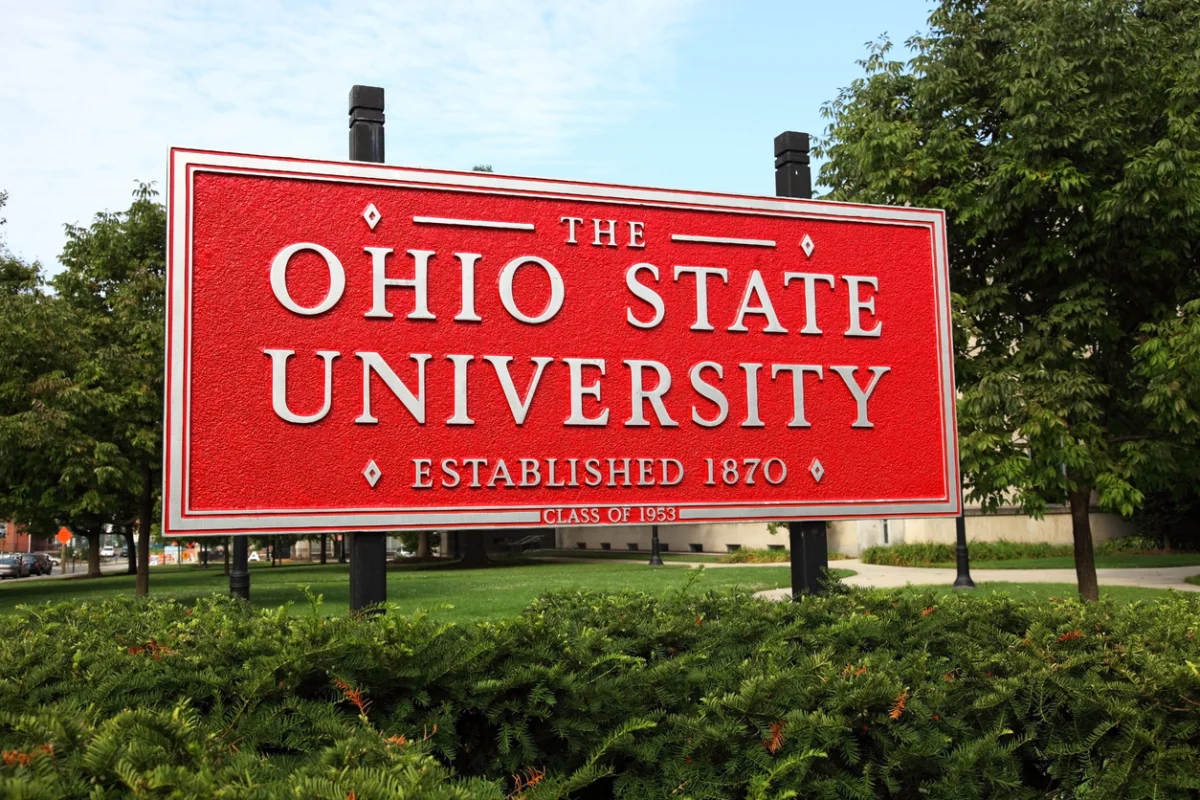
For decades, the global identity of The Ohio State University has been inextricably linked to the roar of over 100,000 fans in Ohio Stadium and the storied tradition of its football program. While the “Buckeye” brand remains one of the most powerful in collegiate athletics, the university’s administrative and communications leaders recognized a significant strategic gap: the institution’s prowess in scientific research, advanced clinical care, and academic innovation was often overshadowed by its athletic achievements. This branding paradox presented a unique challenge for Skip Hidlay, the former chief communications and marketing officer at the Ohio State University Wexner Medical Center. To bridge this gap, Hidlay spearheaded a radical transformation in how the health system communicated its value, moving away from traditional promotional tactics toward a sophisticated “newsroom” model of brand storytelling.
The shift was necessitated by the sheer scale and complexity of the Wexner Medical Center, a multi-billion dollar enterprise that includes seven hospitals, a top-tier college of medicine, and dozens of research centers. Despite its stature as a national leader in healthcare, its digital presence was historically fragmented, with various departments and units operating siloed websites that prioritized operational data over narrative engagement. Hidlay’s mission was to “dimensionalize” the Ohio State master brand, ensuring that the public perception of the university was as much about life-saving medical breakthroughs as it was about touchdowns on a Saturday afternoon.
The Genesis of the Storytelling Engine
The strategic pivot began with a realization regarding the limitations of traditional corporate communications. In many large organizations, communications teams act as reactive entities, waiting for internal stakeholders to request a news release or a promotional post. Hidlay identified this passivity as the primary obstacle to effective brand building. He argued that for a brand to resonate, communicators must function like traditional reporters, actively hunting for narratives that possess inherent human interest rather than merely fulfilling administrative requirements.
The conceptual breakthrough for this new direction occurred during an unlikely moment: a morning run. Hidlay envisioned a digital architecture that could bypass the political and operational hurdles of merging dozens of legacy websites. Instead of attempting a massive, years-long consolidation of every departmental page, he proposed the creation of a centralized “storytelling website.” This platform would sit atop the existing infrastructure, serving as a unified engine for brand reputation and audience engagement. It would not replace the functional sites—where patients book appointments or students check schedules—but would instead serve as the primary destination for narrative content that connects the public to the human side of the medical center.
Chronology of the Brand Transformation
The evolution of Ohio State Wexner Medical Center’s storytelling strategy followed a deliberate path from traditional PR to a modern media model.
- The Diagnostic Phase: The communications team conducted a thorough audit of the existing brand perception. They found that while “Ohio State” had near-universal name recognition, that recognition was heavily skewed toward athletics. The medical center’s achievements in fields like neuroscience, heart and vascular care, and oncology were not reaching the broader public in a cohesive way.
- The Structural Shift: Hidlay moved to reorganize the communications staff into a functional newsroom. This involved moving away from “generalist” roles toward specialized editorial roles, including dedicated writers, editors, and multimedia producers.
- The Launch of the Centralized Platform: The storytelling website was developed with a focus on user experience and high-quality visual assets. It was designed to look and feel like a premier news outlet rather than a corporate portal.
- The Long-form Initiative: The team moved away from short, “snackable” promotional blurbs and toward immersive, long-form journalism. This included profiles ranging from 1,200 to 1,600 words, supported by professional photography and cinematic video.
- Scaling and Integration: Once the model proved successful for the medical center, the principles began to influence the broader university’s approach to brand storytelling, creating a more balanced institutional identity.
Implementing the Newsroom Model
At the heart of Hidlay’s strategy was the “newsroom” approach, which treated communications professionals as journalists rather than publicists. This required a fundamental shift in the team’s daily operations. Instead of waiting for executives to hand down story assignments, writers were empowered to source narratives directly from the front lines of the hospital.
“We had writers who would interview people, develop ideas, and build stories the same way journalists would,” Hidlay noted. This involved embedded reporting within clinical units and research labs. By identifying physicians, researchers, and patients whose experiences aligned with the organization’s strategic priorities—such as cancer research or advanced surgical techniques—the team was able to produce content that felt authentic and urgent.
The editorial discretion of the team was paramount. Not every breakthrough deserved a feature story, and not every administrative update was suitable for the storytelling platform. By applying rigorous editorial standards, the team ensured that the content they published was something the audience would “actually be interested in reading in their own social media feed.” This focus on engagement metrics over output volume marked a significant departure from traditional healthcare marketing.
The Power of Human-Centered Narratives
The decision to focus on “New Yorker-style” profiles was a calculated risk. In an era of shrinking attention spans, the team bet on the idea that audiences would still engage with long-form content if the human element was compelling enough. This approach recognized a fundamental truth in healthcare: patients and their families are not looking for a “brand”; they are looking for a person they can trust.
By highlighting the personal journeys of physician-scientists—exploring their motivations, their failures, and their triumphs—the storytelling engine humanized the vast bureaucracy of the medical center. Patient stories were similarly elevated, moving beyond simple testimonials to become immersive narratives of resilience and innovation. These stories often utilized “scrollytelling” techniques, where text, video, and interactive graphics combined to create a rich, multi-sensory experience.
Supporting Data and Industry Context
The shift toward brand journalism at Ohio State reflects a broader trend across the healthcare and higher education sectors. According to data from the Content Marketing Institute, 70% of consumers say they would rather learn about a company through articles than through traditional advertisements. Furthermore, in the healthcare space, trust is the primary driver of consumer choice. A 2023 study on healthcare consumerism found that 82% of patients research a provider’s reputation online before scheduling an appointment, and they are increasingly looking for “proof of expertise” through educational and narrative content.
The impact of this strategy is also visible in digital engagement metrics. Long-form content (articles over 1,000 words) typically receives 77% more backlinks than short-form content, which is a critical factor for Search Engine Optimization (SEO). For a medical center, ranking highly for specific conditions and treatments is essential for patient recruitment. By creating high-quality, authoritative stories about advanced clinical care, Ohio State Wexner Medical Center was able to capture organic search traffic that promotional ads often miss.
Broader Impact and Strategic Implications
The implications of Ohio State’s “unconventional” move extend beyond mere marketing. This approach serves as a blueprint for any sprawling organization struggling with a fragmented identity.
First, it demonstrates that storytelling is an effective tool for internal alignment. By highlighting the work of specific researchers and clinicians, the communications team helped break down silos within the medical center, fostering a sense of shared purpose and pride. When a researcher sees their life’s work profiled with the same care as a major news outlet would provide, it reinforces the value of their contribution to the university.
Second, the strategy has significant implications for recruitment and retention. In the highly competitive market for top-tier medical talent, a brand that is known for innovation and human-centric care is a powerful draw. Prospective doctors and students are attracted to institutions that can articulate their mission through powerful storytelling.
Finally, the Ohio State model challenges the traditional “ad-buy” mentality. While paid media still has a role, the creation of a self-sustaining storytelling engine allows an organization to own its audience. By building a loyal readership on its own platform, the Wexner Medical Center reduced its reliance on third-party media outlets to tell its story.
Conclusion: The Future of Institutional Branding
The success of Skip Hidlay’s tenure at Ohio State Wexner Medical Center underscores a vital lesson for modern communicators: the most effective way to promote a brand is to stop “promoting” it and start reporting on it. By building stories around people—the researchers solving the mysteries of the brain, the surgeons performing miracles, and the patients fighting for their lives—Ohio State successfully expanded its brand beyond the football field.
As the media landscape continues to evolve, the organizations that thrive will be those that embrace the role of the publisher. The move from a reactive PR department to a proactive, journalistic newsroom is no longer just an “unconventional move”—it is a strategic necessity for any institution looking to maintain relevance in a crowded digital marketplace. For The Ohio State University, the “storytelling engine” has ensured that while the Buckeyes will always be a football powerhouse, they are also recognized as a global leader in the pursuit of human health and knowledge.










