rifanmuazin
In an increasingly complex digital landscape, content calendar tools have emerged as critical infrastructure for businesses seeking to optimize their multi-channel marketing efforts. These sophisticated software solutions empower organizations to meticulously plan, schedule, manage, and distribute content across an ever-expanding array of platforms, ensuring a cohesive and efficient operational workflow. Far from merely serving as organizational aids, these tools are now central to strategic content deployment, offering a vital framework for consistency, collaboration, and performance measurement.

The modern marketer navigates a demanding environment characterized by fragmented audience attention, rapid platform evolution, and the imperative for constant engagement. A 2023 study by Marketing Week underscored this challenge, revealing that a staggering 58% of marketers reported feeling overwhelmed, with much of this stress attributed to the arduous task of juggling multiple platforms, deadlines, and stakeholder expectations without a centralized system. This fragmentation can lead to missed opportunities, inconsistent branding, and ultimately, diminished ROI. Content calendar tools directly address this by centralizing operations, transforming a potentially chaotic content process into a repeatable, scalable system essential for both agility and strategic oversight.
The Evolving Landscape of Content Management

The journey from rudimentary content planning on spreadsheets to today’s integrated platforms reflects the dynamic evolution of digital marketing itself. Initially, content creators might have relied on simple Google Docs or Excel spreadsheets to track upcoming posts. While functional for basic planning, these methods quickly proved inadequate as social media platforms proliferated, content formats diversified, and the need for real-time analytics grew. The demand for more robust solutions accelerated with the recognition that content is not just about individual posts, but a continuous narrative across blogs, social media accounts, email campaigns, and other marketing channels.
Expert insights affirm this shift. Carolina Horna, a freelance Creative Director and Brand Strategist with over a decade of experience in social media, emphasizes the transformative power of these dedicated platforms. "Using a dedicated tool as opposed to a Google Doc or spreadsheet adds a level of organization and clarity that is hard to achieve without it," Horna notes. "With a content calendar tool, I’m able to see my strategy come to life, maintain my content pillar distribution, and collaborate easily with my team." This professional perspective highlights the strategic advantage gained through improved visibility and streamlined collaboration.
Key Features Defining Modern Content Calendar Tools
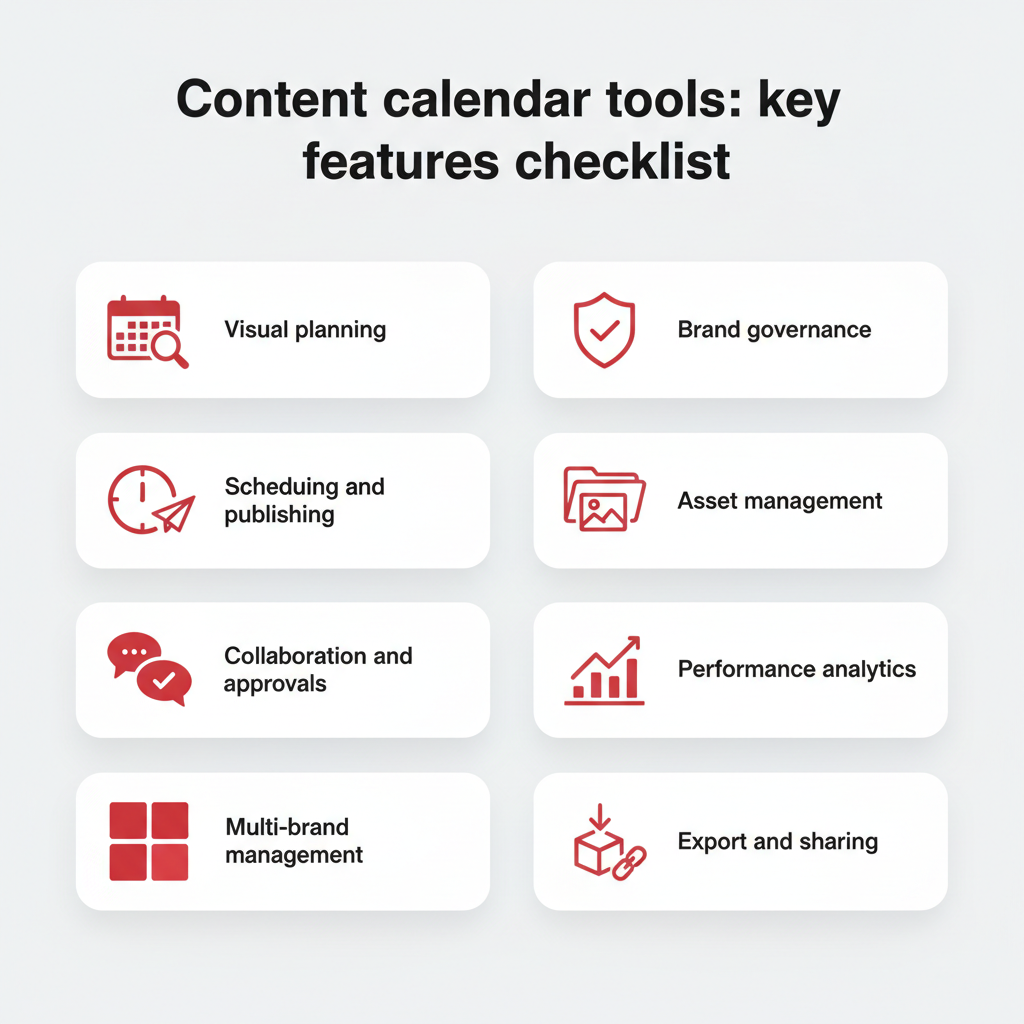
The efficacy of a content calendar tool is intrinsically linked to its feature set, which extends far beyond simple scheduling. When evaluating potential solutions, organizations must prioritize functionalities that enhance efficiency, foster collaboration, and provide actionable insights. Core features typically include:
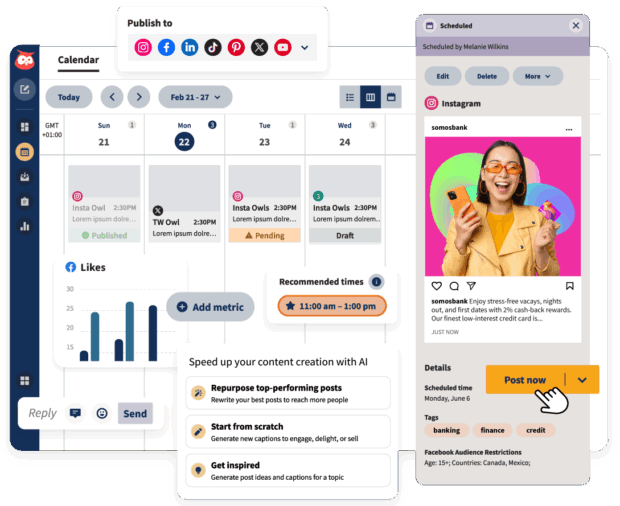
- Visual Content Calendar: An intuitive interface offering a clear, at-a-glance view of all scheduled content across various platforms.
- Multi-Platform Scheduling & Publishing: The ability to schedule posts for numerous social networks, blogs, and other digital channels from a single dashboard.
- Content Creation & Editing Tools: Integrated capabilities for drafting, refining, and optimizing content, often with rich media support.
- Collaboration & Workflow Management: Features like team assignments, approval workflows, commenting, and task tracking to streamline internal processes.
- Analytics & Reporting: Tools to monitor content performance, track key metrics (engagement, reach, conversions), and generate comprehensive reports for data-driven decision-making.
- Content Library & Asset Management: A centralized repository for digital assets, ensuring brand consistency and easy access for team members.
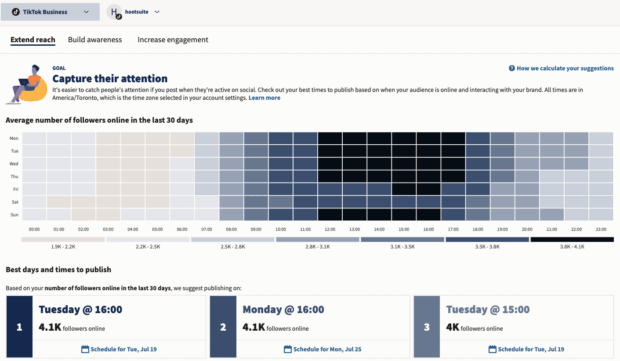
- AI-Powered Assistance: Increasingly, tools are integrating AI for content generation, hashtag suggestions, optimal posting times, and performance predictions.
- Integrations: Compatibility with other essential marketing tools, such as CRM systems, design platforms (e.g., Canva), and analytics dashboards.
Horna further underscores the importance of adaptable views within these tools, stating, "Within the content calendar tool I use, you’re able to toggle between different views (such as spreadsheet, calendar, kanban, etc.). This helps me manage my team’s time effectively since I can create a view that suits their involvement in my project. They never need to see or sift through content that doesn’t apply to them." This flexibility is crucial for large teams where different roles require varying levels of detail and focus.
Transforming Marketing Workflows: The Strategic Imperative
The strategic benefits of implementing a dedicated content calendar tool are manifold, extending beyond mere operational efficiency to impact overall marketing effectiveness and business growth. These tools:
- Enhance Organization and Consistency: Centralize all content initiatives, ensuring a unified brand voice and consistent posting cadence across all channels.
- Improve Team Collaboration: Provide a shared workspace for content creators, editors, designers, and strategists, fostering seamless communication and accountability.
- Save Time and Resources: Automate scheduling and publishing tasks, freeing up valuable time for strategic planning and creative development.
- Prevent Content Gaps and Redundancy: Offer a holistic view of upcoming content, identifying potential overlaps or underserved topics.
- Facilitate Data-Driven Decisions: Integrate analytics to track content performance, allowing marketers to optimize strategies based on real-time insights.
- Streamline Approval Processes: Implement clear approval workflows, crucial for maintaining brand standards and compliance in larger organizations.
- Boost Content Quality: By reducing administrative burden, teams can dedicate more effort to crafting high-quality, engaging content.
- Support Multi-Channel Strategy: Enable a comprehensive approach to content distribution, ensuring messages are tailored and delivered effectively across diverse platforms.
In essence, content planning tools are not just about managing tasks; they are about orchestrating a sophisticated content ecosystem that drives audience engagement and contributes directly to business objectives.
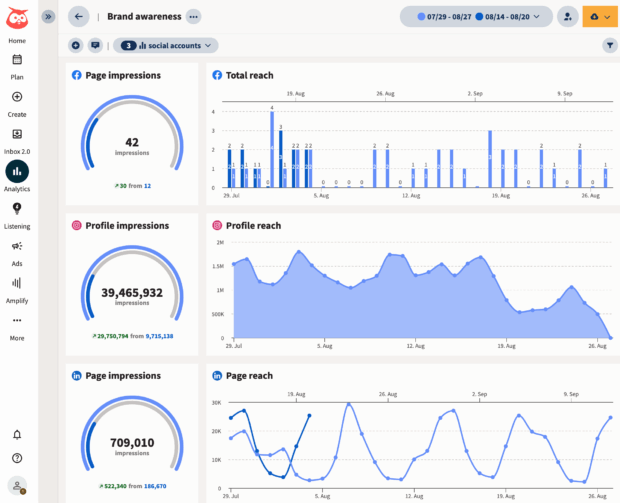
A Comprehensive Review of Top Content Calendar Tools for 2026
Choosing the optimal content calendar tool requires a thorough understanding of available options and their alignment with specific business needs. The market offers a diverse range of solutions, each with unique strengths.
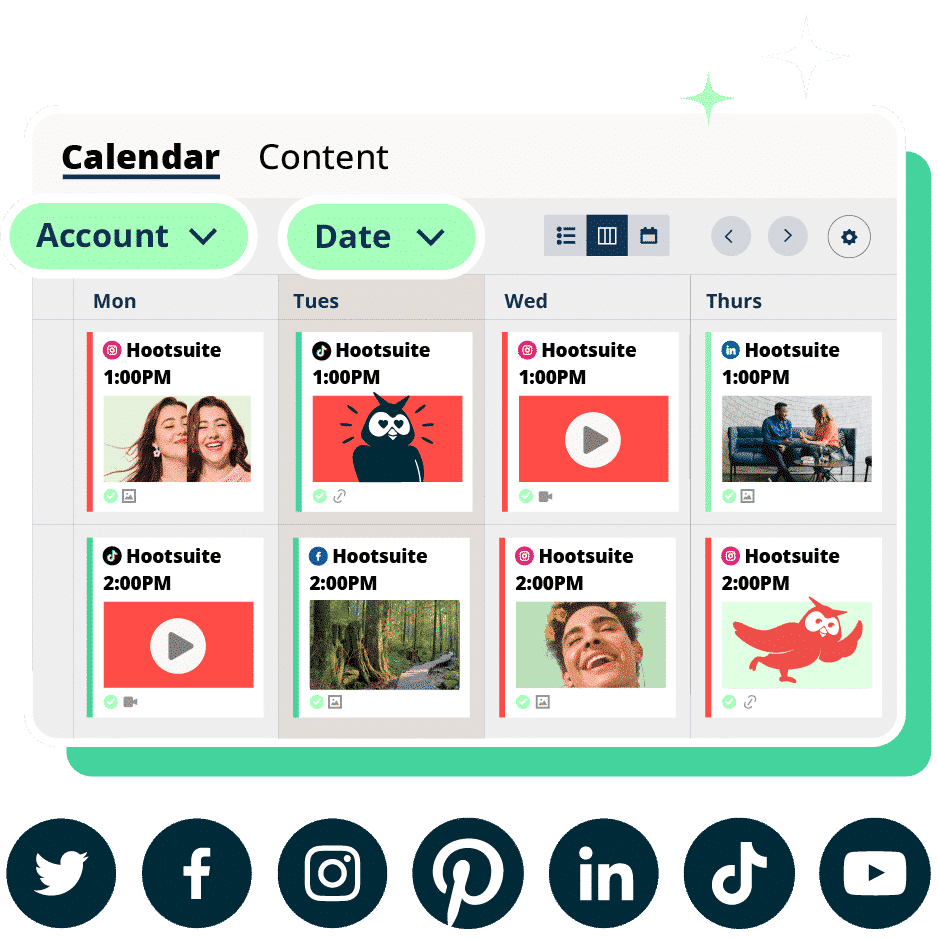
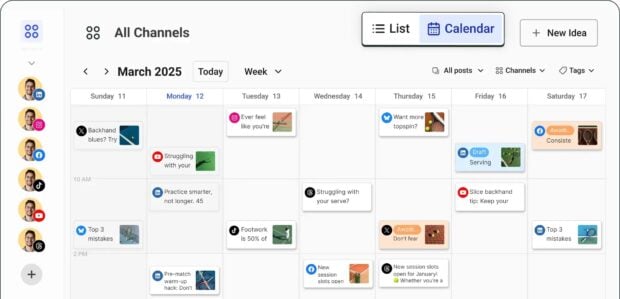
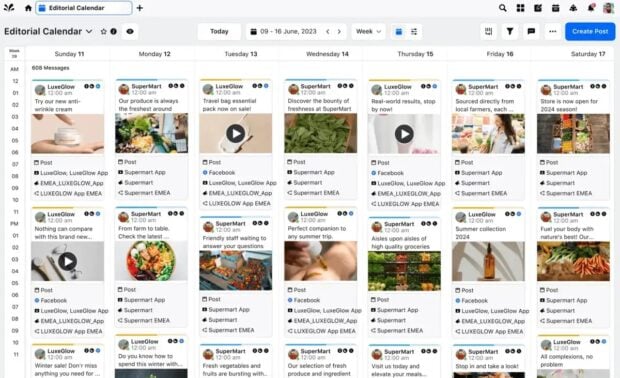
Hootsuite: Positioned as a leading all-in-one social media management platform, Hootsuite is particularly well-suited for enterprise and mid-size social media teams. Its comprehensive suite includes a robust social media content calendar with drag-and-drop functionality, bulk scheduling, and real-time updates. The platform integrates AI-powered features like OwlyWriter AI for content creation, a rich content library, and integrations with design tools like Canva. Hootsuite also excels in workflow management with customizable approval processes and role-based access, ensuring smooth team collaboration. Its enterprise-level analytics tools provide deep insights for optimizing social strategy. Testimonials from organizations like Witness Change highlight significant time savings in scheduling, while Stocksy reported their best month ever, leveraging Hootsuite’s full range of features from publishing and scheduling to approval systems, content libraries, and social listening for identifying content gaps. Hootsuite’s paid plans begin at $199/month.
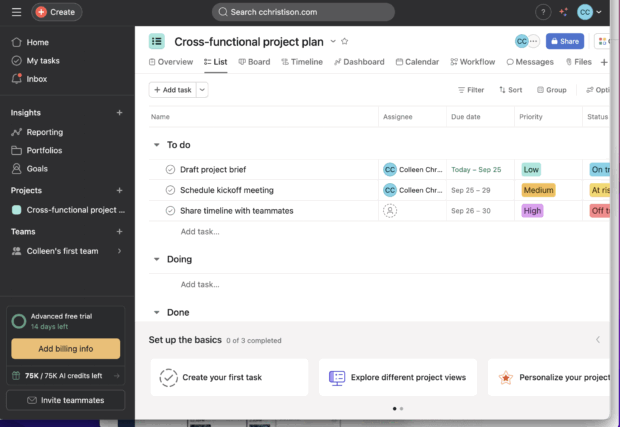
Asana: Ideal for mid-to-large marketing teams requiring strong project and workflow management capabilities, Asana offers calendar views, task assignments, and scalable workflows. While not solely dedicated to content marketing, its robust collaboration features make it excellent for cross-functional coordination. It is less specialized for direct social media publishing compared to dedicated tools. Pricing ranges from free starter plans to $24/month for paid tiers.
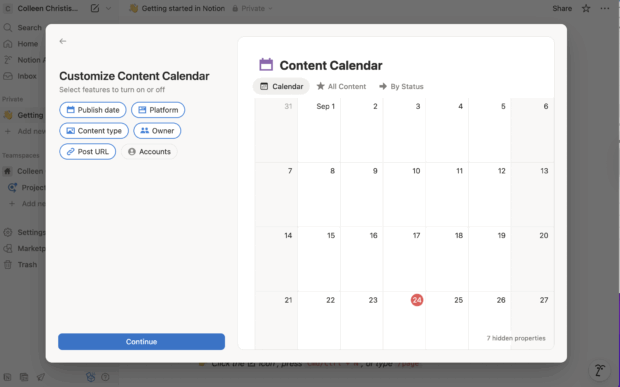
Notion: A highly flexible tool, Notion caters to individuals or teams seeking customizable databases, knowledge bases, and hybrid editorial workflows. Its strength lies in its adaptability and affordability, allowing users to build bespoke content calendars. However, it requires significant setup and lacks native automation features for direct publishing. Free plans are available, with paid options up to $10/month.
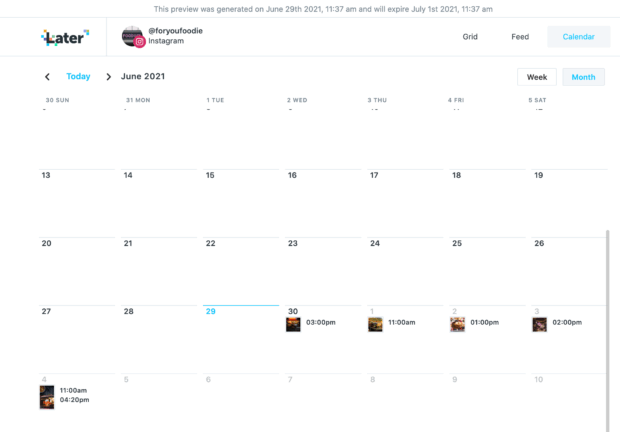
Later: Favored by small marketing teams, creators, and solopreneurs, especially those with visually-driven brands, Later excels in visual content planning. Its intuitive drag-and-drop calendar, media library, and preview features for grid and feed layouts are significant advantages. It offers weaker analytics and fewer advanced workflows compared to full social suites. Plans range from $18.75 to $82.50/month.
Buffer: An accessible option for solopreneurs and small marketing teams, Buffer prioritizes simplicity and affordability. It offers scheduling, basic analytics, content reuse options, and a clean interface with a low learning curve. Limitations include less comprehensive reporting and restricted collaboration in lower-tier plans. Free plans are available, with paid options between $5 and $10/month.
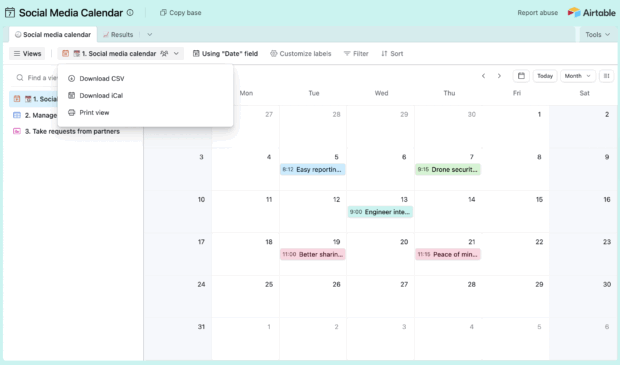
Airtable: Blending spreadsheets with database functionality, Airtable is suited for mid to large marketing teams that can leverage its customizable content databases. It offers multiple views, automations, and linked records, making it powerful for content planning and asset management. Its primary drawback is the lack of native social publishing capabilities. Paid plans start at $20/month per seat.
Sprinklr: Designed for enterprise-level organizations, Sprinklr manages multiple consumer touchpoints across numerous channels. Its comprehensive platform includes publishing, engagement, listening, advertising, and robust governance features. While powerful and compliant, it is very expensive and has a steep learning curve. Public pricing is limited, but self-serve plans may start around $299-$359/month.
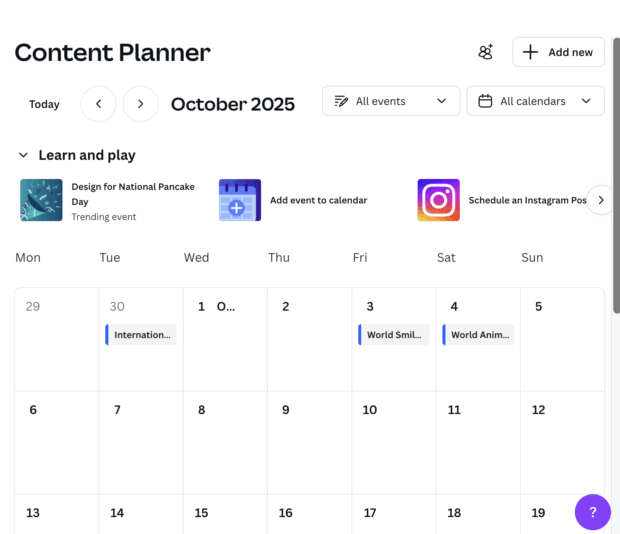
Canva Pro: Primarily a design tool, Canva Pro offers a content planner that allows solopreneurs, small marketing teams, and freelancers to schedule designed posts directly to social media. Its strength lies in its vast template library and intuitive design interface. However, its scheduling features are basic and it is not a full social media suite. Pro plans start at $19/month per seat.
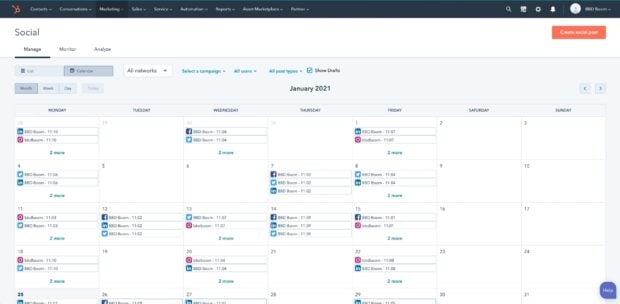
HubSpot: Best for mid to enterprise marketing teams and B2B organizations already integrated into the HubSpot CRM ecosystem. It offers social publishing, CRM integration, email campaigns, and marketing automation. Its unified marketing and sales view is a major advantage, though social features can sometimes be secondary to its broader marketing automation. Pricing varies widely, from free to $4,700/month for enterprise plans.
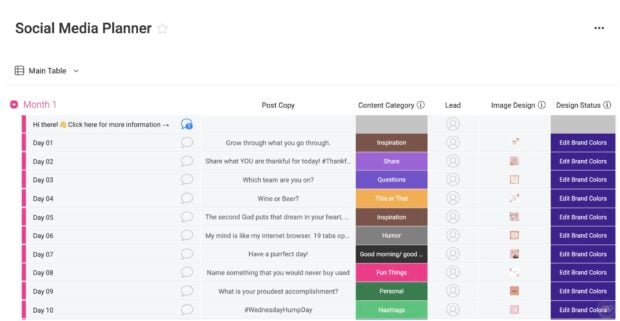
Monday.com: A versatile project management tool, Monday.com suits mid to large marketing teams managing complex workflows across multiple departments. It offers customizable boards, automations, dependencies, and integrations, serving as a strong central hub for content workflows. It is not a dedicated social scheduler and often requires integrations for publishing. Pricing ranges from free to $26/month.
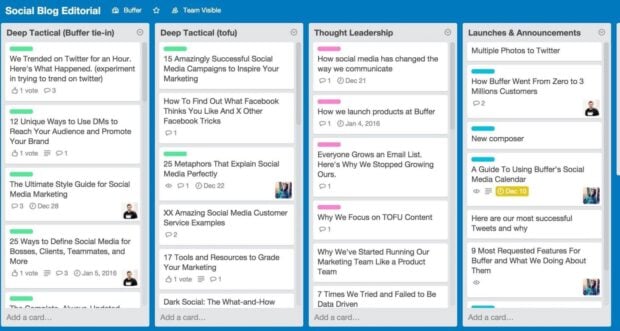
Trello: Simple and intuitive, Trello is ideal for solopreneurs and small marketing teams needing visual planning and a low barrier to entry. Its use of boards, lists, and cards is excellent for campaign ideation and lightweight planning. However, it lacks native social features and can become unwieldy with scale. Free plans are available, with paid options up to $17.50/month.
KAWO: A niche specialist, KAWO targets enterprise and mid-size companies specifically aiming for Chinese social platforms like WeChat, Weibo, and Douyin. It provides publishing, content calendars, and analytics tailored for these networks, bridging a critical gap for Western tools. Its utility is limited outside of Chinese platforms. Plans can range from $4,000 to $29,600/year.
MeetEdgar: Geared towards solopreneurs and very small teams, MeetEdgar excels in "set it and forget it" evergreen scheduling. Its content library and automation for reusing content keep profiles active with minimal effort. It typically has weaker analytics and limited collaboration features. Paid plans start from $29.99 to $49.99/month.
Post Planner: Suitable for small teams or solopreneurs who need curated content ideas and scheduling. Post Planner offers content suggestions, scheduling, and category queues, assisting with ideation and hands-off scheduling. Analytics and collaboration features are basic, and media features may lag. Free plans are available, with paid options from $7 to $57/month.
Mailchimp: Primarily an email marketing platform, Mailchimp also offers social scheduling, making it suitable for mid to enterprise teams focused on integrated email and social campaigns. Its email features are impressive, but social scheduling capabilities are more limited. Pricing scales with list size, from $27.85/month for 500 contacts to $946.74/month for 100,000 contacts.
Strategic Selection: Choosing the Right Tool for Your Business
The selection of a content calendar tool should be a strategic decision, aligning closely with an organization’s specific needs, operational scale, and content objectives. Five critical criteria should guide this process:
- Team Size and Structure: Small teams or solopreneurs might prioritize simplicity and cost-effectiveness, while large enterprises require robust collaboration, permission settings, and scalability.
- Budget Constraints: Tools range from free tiers with limited functionality to high-cost enterprise solutions. A clear budget helps narrow down viable options.
- Content Types and Volume: Businesses producing a high volume of diverse content (blogs, videos, social posts, emails) need more comprehensive management and asset storage features.
- Required Integrations: Assess compatibility with existing CRM, analytics, design, or other marketing software to ensure a seamless workflow.
- Governance and Approval Workflows: For organizations with strict brand guidelines or compliance requirements, advanced approval systems and role-based access are essential.
Horna advises hands-on exploration: "Get your hands dirty and try out as many features as the tool has available. If your tool offers free templates, explore how some of those setups could improve your own template and workflow." Free trials are invaluable for evaluating how a tool fits a team’s unique workflow. The most effective tool is not necessarily the one with the most features, but the one that best integrates with and enhances existing operational processes.
Implementing Your Content Calendar: A Five-Step Guide
Once a tool is selected, establishing an effective content calendar involves a structured approach:
- Define Content Goals and Channels: Clearly articulate what the content aims to achieve (e.g., brand awareness, lead generation, customer retention) and identify the primary channels (social media, blog, email) that will deliver these objectives. This ensures every piece of content is intentional and aligned with broader marketing strategy.
- Audit Existing Content and Identify Gaps: Review past performance to understand what resonated with the audience, uncover topics that have not been adequately covered, and identify inconsistencies in channel activity. This informs future content planning.
- Choose Your Content Calendar Tool: Based on the criteria outlined above, select the tool that best matches team size, budget, content mix, and workflow requirements. Utilize free trials to make an informed decision.
- Build Your Calendar Structure: Establish content pillars, define posting cadences for each channel, and assign responsibilities. Most tools allow for categorization or tagging of content types, providing a quick overview of the content mix.
- Schedule, Publish, and Review Performance: Begin populating the calendar with scheduled posts and campaigns. Crucially, continuously monitor performance using the tool’s integrated analytics to understand what is working and what is not. This data-driven feedback loop is essential for iterative refinement of the content strategy.
A content calendar is a dynamic document, requiring regular review and adaptation as market trends, audience behaviors, and business objectives evolve. Integrating these steps within structured social media workflows ensures efficiency and sustained relevance.
In conclusion, as digital marketing continues its rapid expansion, content calendar tools are no longer a luxury but a fundamental requirement for any organization aiming for strategic, efficient, and impactful content delivery. By centralizing operations, fostering collaboration, and providing robust analytics, these tools empower marketers to navigate complexity, enhance brand presence, and drive measurable results in 2026 and beyond.