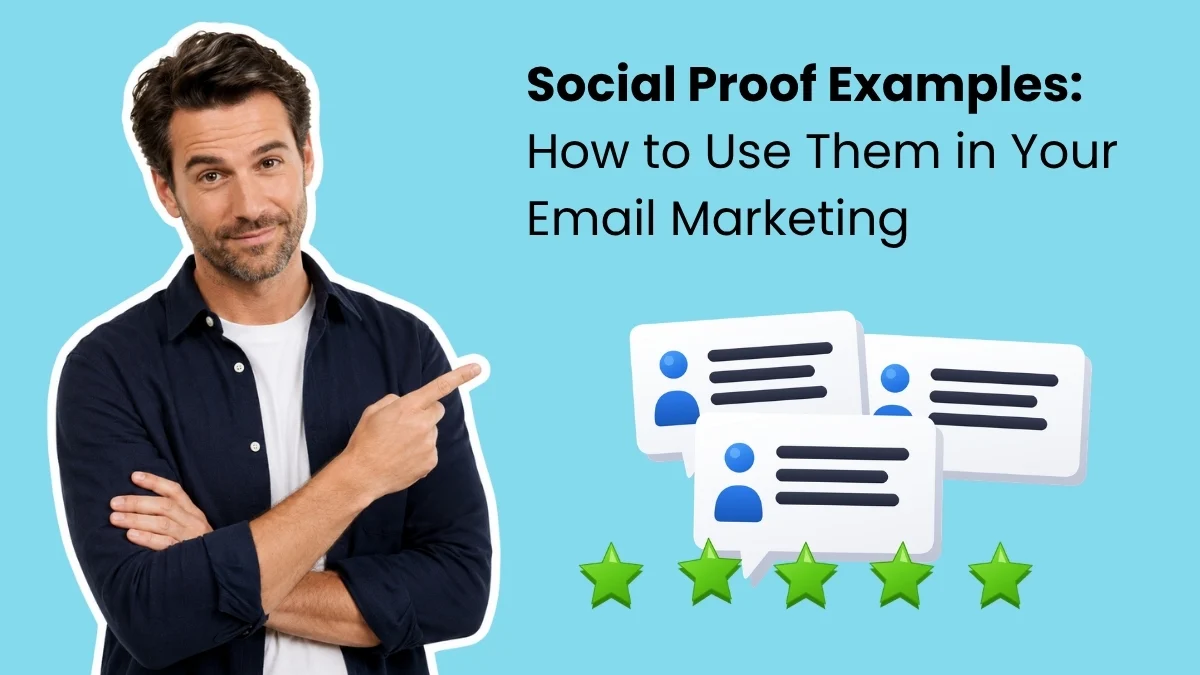
In the dynamic landscape of digital marketing, where attention is a scarce commodity and trust an invaluable currency, the strategic deployment of social proof has emerged as a cornerstone for enhancing email marketing effectiveness. Far beyond a mere trend, social proof—the psychological phenomenon where people assume the actions of others in an attempt to reflect correct behavior for a given situation—is a potent force capable of significantly influencing consumer decisions. For businesses aiming to boost clicks, sign-ups, and ultimately, sales from their email campaigns, demonstrating that others have already embraced and benefited from their offerings is not just advantageous, but essential. This principle, deeply rooted in human psychology, acts as a powerful validator, transforming skepticism into confidence across every touchpoint of the email marketing funnel, from initial subscription forms to critical transactional messages.
The Psychological Underpinnings of Social Proof
The concept of social proof was popularized by psychologist Robert Cialdini in his seminal 1984 book, "Influence: The Psychology of Persuasion." Cialdini identified social proof as one of six key principles of persuasion, observing that individuals are more likely to adopt a belief or action if they see many others doing the same. This innate human tendency is particularly pronounced in situations of uncertainty, where individuals, lacking clear guidance, look to the actions and opinions of others for cues on how to proceed. In the digital realm, this translates directly to consumer behavior: when confronted with a purchasing decision, a subscription choice, or an engagement opportunity, prospective customers instinctively seek external validation.
This phenomenon is intrinsically linked to several psychological drivers. Firstly, it mitigates perceived risk. Humans are inherently risk-averse, and seeing that peers or experts have already tried and approved a product or service reduces the perceived risk associated with a new purchase or commitment. Secondly, it taps into the "herd mentality," a primal instinct to conform to group behavior, often driven by the fear of missing out (FOMO). Consumers fear missing out on a valuable product, an exclusive deal, or compelling content if they perceive others are benefiting from it. Lastly, social proof serves as a cognitive shortcut. In an information-saturated world, individuals appreciate mental efficiencies. Rather than conducting exhaustive research, relying on the collective wisdom of others provides a quick, credible basis for decision-making. This external evidence effectively shifts the burden of proof from the marketer to the satisfied customer, allowing the product or service to speak for itself through the voices of its users.
A Brief Chronology: Social Proof from Word-of-Mouth to Digital Validation
While the psychological underpinnings of social proof are timeless, its manifestation and strategic application have evolved dramatically with technological advancements. Historically, social proof primarily existed in the form of word-of-mouth recommendations, local celebrity endorsements, or explicit "best-seller" labels in brick-and-mortar stores. The advent of the internet, however, democratized and amplified these signals of trust.
The early days of e-commerce saw the rise of rudimentary product review sections on platforms like Amazon, offering unprecedented transparency and peer validation. As the web matured, dedicated review sites such as Yelp, TripAdvisor, and Trustpilot emerged, providing centralized hubs for customer feedback across various industries. Social media platforms further accelerated this trend, transforming personal recommendations into publicly visible endorsements, comments, and shares. This shift has fundamentally altered the consumer decision-making process. Today, an overwhelming majority of consumers—approximately 93% according to various industry reports—read online reviews before making a purchase. This reliance on "evidence from strangers" has made social proof an indispensable component of any credible digital marketing strategy, particularly within the highly personalized and direct channel of email. The transition from informal referrals to structured, verifiable online testimonials reflects a broader societal shift towards digital verification in almost every aspect of commerce and communication.
Diverse Forms of Social Proof and Their Strategic Utility
The diverse forms of social proof offer marketers a versatile toolkit, each suited for different contexts and objectives within email communications. Understanding the nuances of each type allows for more targeted and effective deployment.
-
Customer Reviews: These are direct, often unsolicited feedback from users, typically found on third-party platforms like Trustpilot, Google Reviews, Yelp, or industry-specific review sites. Their strength lies in their perceived objectivity and volume. Integrating excerpts or average star ratings from these platforms into emails lends immediate credibility. For instance, a promotional email for a software product might feature a "4.8/5 stars from 2,000 reviews on Trustpilot" badge, instantly conveying widespread satisfaction and quality assurance.
-
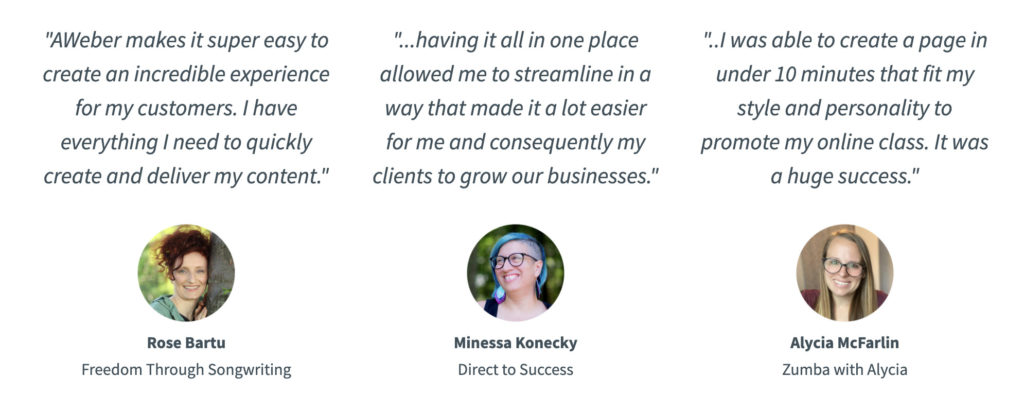
Testimonials: Distinct from general reviews, testimonials are usually curated quotes collected directly from happy customers. They are often more detailed and can be specifically tailored to highlight particular benefits or use cases. The efficacy of testimonials is significantly enhanced when accompanied by a customer’s name, photo, and title or business affiliation (e.g., "Sarah M., Founder of a 6-figure Etsy shop," rather than just "Sarah M."). This humanizes the proof and makes it more relatable, building a stronger connection with the prospective customer by showing real people achieving real results.
-
Case Studies: These provide in-depth narratives detailing a customer’s journey, outlining a specific problem they faced, how your product or service provided a solution, and the measurable results achieved. Case studies are particularly powerful in industries with complex products or high-value services, offering a comprehensive "before-and-after" story that resonates with prospects facing similar challenges. They are ideal for longer-form content or dedicated emails that aim to educate and persuade, offering a granular view of success.
-
Customer Data/Social Proof by Numbers: This quantitative proof leverages statistics to demonstrate popularity or impact. Examples include "Join 25,000 satisfied subscribers," "Trusted by 300,000 creators," or "Over $1 million generated by our users." These numbers tap into the "wisdom of the crowd" principle, suggesting that if so many others are using or benefiting from the offering, it must be valuable. This type of proof is concise and impactful, suitable for immediate visual recognition and conveying scale.
-
Social Media Feedback: Screenshots of positive posts, comments, or shout-outs from real users on platforms like X (formerly Twitter), Instagram, or Facebook offer authentic, unedited endorsements. The informal nature of social media feedback can make it feel more genuine and relatable than formal testimonials, especially for younger demographics or products with a strong community aspect. It captures spontaneous, genuine enthusiasm.
-
Expert and Influencer Endorsements: Recommendations from recognized authorities, thought leaders, or influencers in a particular field carry significant weight. Their existing credibility transfers to the product or service they endorse. This is particularly effective when the audience already trusts the expert’s judgment, as it bypasses the need for the brand to establish trust from scratch and offers an authoritative stamp of approval.
-
Award and Trust Badges: Industry awards, certifications (e.g., ISO, GDPR compliance), security badges (e.g., McAfee Secure), or inclusion in "best of" lists signal external validation from reputable organizations. These badges act as seals of approval, boosting confidence and alleviating concerns about quality, security, or industry recognition, especially in sectors where trust and security are paramount.
-
User-Generated Content (UGC): Photos, videos, or creative content produced by customers themselves, showcasing them using the product, are incredibly authentic. UGC is highly effective because it provides genuine, unsolicited proof of enjoyment and utility. It’s often shared on social media, making it easily discoverable and shareable, reinforcing community and brand loyalty through authentic peer representation.
Strategic Integration Across the Email Marketing Funnel
Effective deployment of social proof requires strategic placement at various stages of the customer journey, from initial interest to post-purchase engagement. Leading digital marketers emphasize tailoring the type of social proof to the specific stage and goal.
-
Near the Signup Form: Building Initial Trust
Before a prospective subscriber even enters the email funnel, the signup form represents a critical juncture. Here, social proof addresses the fundamental question: "Is this worth my inbox?" Placing a concise, impactful testimonial or a numerical data point (e.g., "Join 50,000 subscribers who receive weekly insights") directly above or beside the signup form can significantly increase conversion rates. The most potent testimonials in this context are those that specifically articulate the value of the email content itself. For instance, a quote from an engaged subscriber praising the newsletter’s actionable advice can be far more persuasive than a general product testimonial. Always include a photo, name, and relevant title to enhance credibility. Modern AI-powered signup form builders can facilitate the seamless integration and A/B testing of such elements, allowing marketers to optimize for maximum impact. -
In the Welcome Email: Solidifying Engagement
The welcome email, the very first communication after signup, is crucial for setting expectations, building rapport, and preventing immediate disengagement. It’s an opportunity to reinforce the decision to subscribe. Including a fresh piece of social proof—distinct from what was used at the signup stage—can further solidify the new subscriber’s confidence. This could be a compelling review, a short case study snippet, or a quote emphasizing the community aspect. A third-party endorsement in the welcome sequence acts as a powerful affirmation, encouraging subsequent email opens and engagement, and helping move the email out of the dreaded "promotions" tab by proving its inherent value. -
Within Promotional Emails: Driving Conversions
When the goal is to drive sales or sign-ups for a specific product or service, pairing every sales pitch with relevant proof is paramount. A promotional email for an online course, for example, should detail the curriculum and benefits, but its persuasive power is dramatically amplified by a testimonial that highlights a specific, measurable result achieved by a previous student (e.g., "I paid off my student loans eight months after finishing this course" rather than a generic "great course!"). For higher-value offerings, an entire email can be structured around a mini-case study, narrating a customer’s problem, your solution, and their success, allowing the customer’s story to do the selling. This approach makes the value proposition tangible and relatable, as advised by behavioral economists studying consumer choice. -
Leveraging Trust Badges for Referrals and Brand Advocacy
Referrals, the purest form of social proof, are invaluable. Encouraging subscribers to forward emails to friends or colleagues who might benefit can be bolstered by including trust badges or awards. If a brand has received industry accolades, certifications, or been featured in "best of" lists, prominently displaying these badges in a dedicated "Share with a Friend" section lends authority. Subscribers are more inclined to share content when doing so enhances their own credibility, implicitly vouching for a recognized and respected source. Social media shout-outs and user-generated content, like the AWeber "Penguin badge" example, also serve to make sharing feel more like a community achievement, prompting further organic reach and cultivating brand advocates. -
In Abandoned Cart Emails: Overcoming Last-Minute Hesitation
Abandoned cart emails are designed to re-engage prospects who showed intent but didn’t complete a purchase. These emails are highly effective when they not only remind the customer of their pending item but also provide a final nudge of social proof. A short, impactful review, perhaps even a humorous social media post highlighting the product’s appeal, can break through buyer’s remorse or indecision. The key is to keep these emails concise and add a single, compelling piece of proof that reinforces the value and desirability of the item they almost bought, encouraging them to complete the transaction. Digital strategists often recommend a balance of urgency and reassurance in these crucial messages. -
Transactional Emails: Fostering Post-Purchase Trust and Future Engagement
Beyond the core marketing funnel, transactional emails (e.g., order confirmations, shipping updates) also present opportunities for subtle social proof. A post-purchase thank-you email, for instance, can include a gentle request for a review, implicitly signaling that other customers’ opinions matter and are valued. This also sets the stage for future engagement and can be a powerful source for collecting new testimonials, transforming a functional message into a relationship-building touchpoint. -
Re-engagement Campaigns: Rekindling Interest
For dormant subscribers, re-engagement campaigns can benefit from showcasing the latest positive feedback or updated customer data. Highlighting new milestones (e.g., "Since you last opened, 10,000 more people have joined our community!") or recent glowing reviews can demonstrate ongoing relevance and encourage subscribers to give the brand another look. This leverages the principle that continued growth and positive feedback are compelling reasons to reconsider.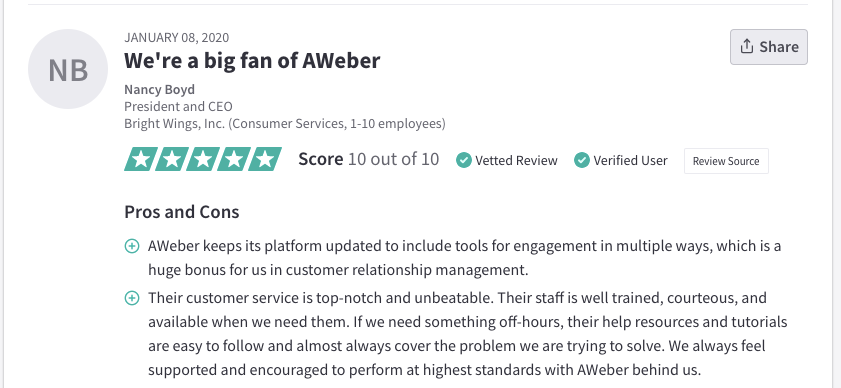
Supporting Data: The Measurable Impact of Social Proof
Numerous studies from reputable marketing research firms and e-commerce analytics providers consistently underscore the tangible benefits of integrating social proof into marketing strategies:
- Increased Conversions: Research by BrightLocal indicates that 88% of consumers trust online reviews as much as personal recommendations. Another study by Spiegel Research Center found that displaying reviews can increase conversion rates by 270%. For higher-priced products, this impact is even more pronounced, with conversions increasing by 380%, suggesting that social proof plays an even more critical role when financial commitment is higher.
- Enhanced Trust: According to Statista, 49% of consumers consider customer reviews to be as important as personal recommendations. Testimonials featuring photos and full names can boost trust levels by over 65%, demonstrating the power of humanizing feedback.
- Reduced Purchase Hesitation: The consistent presence of social proof, particularly in the form of star ratings and detailed testimonials, can significantly reduce cart abandonment rates by alleviating customer doubts and validating their purchasing decision, providing that final push.
- Improved Email Metrics: Emails incorporating social proof often see higher open rates, click-through rates, and lower unsubscribe rates, as recipients perceive the content to be more valuable and credible due to external validation.
- User-Generated Content ROI: User-generated content campaigns can achieve a 4x higher click-through rate compared to traditional ads, indicating strong engagement and authenticity that resonates deeply with audiences, often at a lower cost than professionally produced content.
These statistics unequivocally demonstrate that social proof is not merely a "nice-to-have" but a strategic imperative for any business serious about optimizing its email marketing performance and building a robust digital presence.
Broader Impact and Implications for Brand Building
The consistent and authentic application of social proof extends far beyond immediate conversion metrics, contributing significantly to long-term brand building and customer loyalty. By consistently showcasing positive customer experiences, brands cultivate an image of trustworthiness, reliability, and customer-centricity. This fosters a virtuous cycle: satisfied customers provide social proof, which attracts new customers, who in turn become satisfied and contribute more proof, creating a self-sustaining ecosystem of positive affirmation.
However, the power of social proof also necessitates careful ethical consideration. Authenticity and transparency are paramount. Fake reviews or misleading testimonials can severely damage a brand’s reputation and erode trust, a setback that can take years to overcome. Marketers must ensure that all forms of social proof are genuine and accurately represent customer experiences. Furthermore, actively soliciting feedback and managing reviews becomes an ongoing process, requiring dedicated effort to collect, curate, and respond to customer input, both positive and negative, demonstrating a commitment to customer satisfaction.
Looking ahead, the landscape of social proof will continue to evolve. Advancements in artificial intelligence could enable hyper-personalized social proof, displaying reviews most relevant to an individual’s demographic, browsing history, or specific product interests. Video testimonials and interactive user-generated content are gaining traction, offering richer, more immersive forms of validation that engage multiple senses. The integration of social proof directly into live chat and customer service interactions also presents new avenues for real-time influence and reassurance. The ongoing challenge for brands will be to not only collect this invaluable evidence but to present it in compelling, ethical, and contextually relevant ways across all digital touchpoints.
Conclusion:
The journey from a skeptical prospect to a loyal customer is often paved with external validation. Social proof, understood as a fundamental psychological principle and implemented through a varied arsenal of testimonials, reviews, data, and user-generated content, is the engine that


 Ammar Sabilarrohman
 Asro
Asro